Beqa Lagoon
Conditions
Scored by DiveConnect's site-physics model
Marine forecast via Copernicus Marine. Score is a rule-based guide from swell/wind vs. the site's exposure — always dive your own assessment.
Dived here today? How were conditions vs. what we showed?
About this site
Beqa Lagoon is a shark-diving destination situated off the south coast of Fiji's main island, Viti Levu, near Pacific Harbour. The lagoon's proximity to multiple river mouths has long made it a natural stronghold for bull sharks, which use a 200-metre-deep channel running parallel to the shore as a corridor between river mouths alongside other pelagic species. The area's volcanic topography shapes both this deep channel and the reef structure. Shark feeding here began in 1999, when the small reefs were largely empty of fish and in decline; conservation fees paid by visiting divers are passed to local villagers, who in return prohibit fishing on the reef, and tuna heads recycled from factories in Suva are used as feed, helping restore fish stocks in the marine park.
The two most popular shark-feed sites sit at around 22–23 metres (maximum depth 23 m) and are built around a man-made wall with feeding bins, forming a mini amphitheatre where divers kneel together in a tight group on the reef. Up to eight species of shark are regularly seen on these feeds, including bull sharks, tiger sharks, tawny nurse sharks, lemon sharks, white-tip reef sharks, grey reef sharks, silvertips, and hammerheads. Twenty to thirty bull sharks circling at once is not unusual. Rays and turtles are also present in the lagoon.
Current can be strong, as is typical on healthy reef systems in this area, and visibility at the best feed sites is notably good. Water temperature sits at 27 °C, with the best conditions running June through September.
Read the full guideShow less
Entry is by boat. Divers descend a line to the feeding site. Advanced Open Water certification is required, as the feeds are below 18 metres and current is a factor. Divers must kneel in a tight group, keep arms in close, avoid touching the sharks, and follow all instructions from safety divers, who carry poles to push sharks away if they approach too closely. Being correctly weighted—erring toward overweighted—is essential, as floating up into a shark feed must be avoided. Strobe photography is permitted, but continuous video lights are not, as they can blind feeders and trigger erratic behaviour through the sharks' electromagnetic sensory system.
Marine life here
Confirmed by our research team, reported by independent divers, or observed nearby via iNaturalist — each entry is labelled with its source.
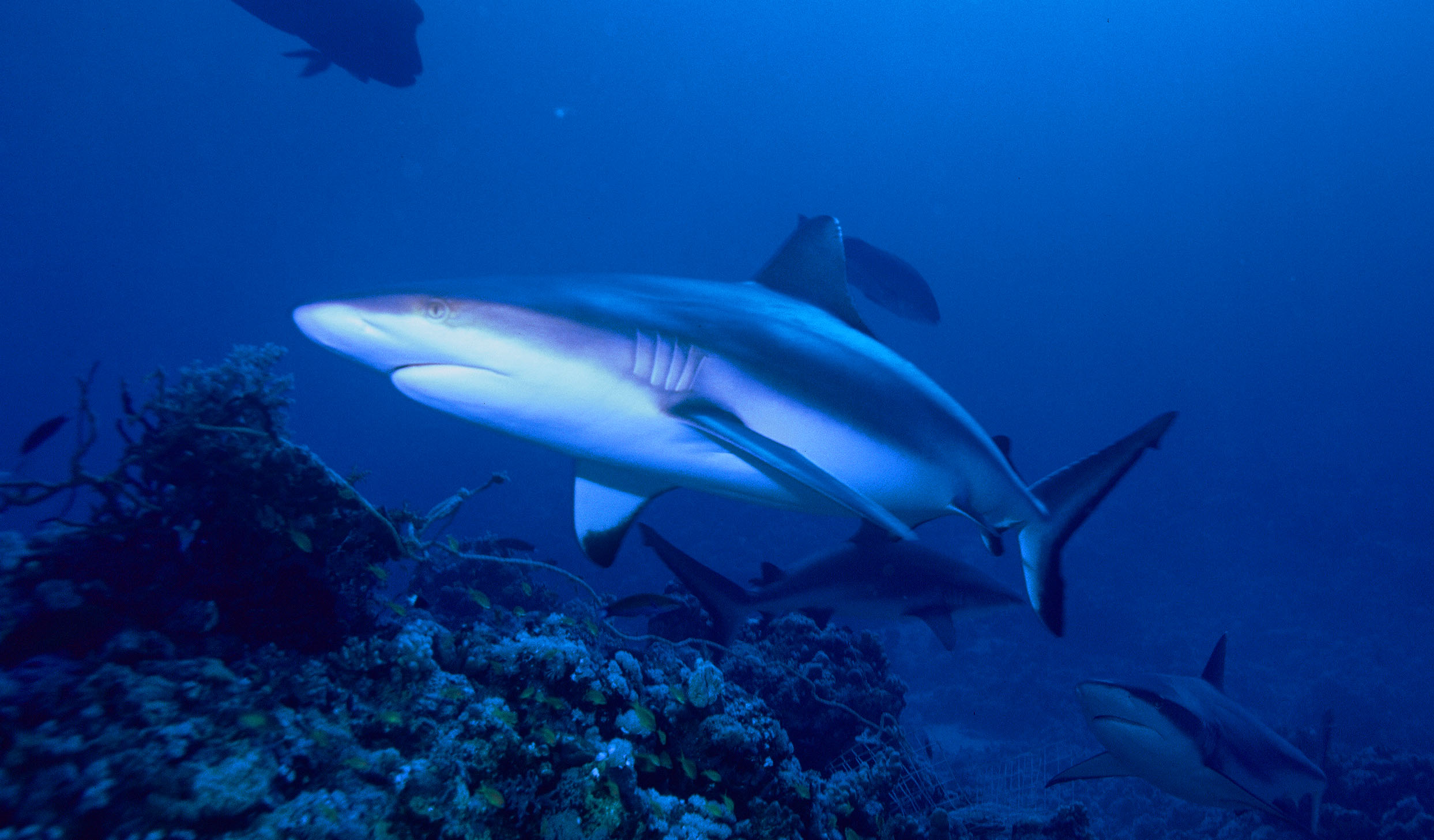 Reef sharkReef sharkReported here · unconfirmed
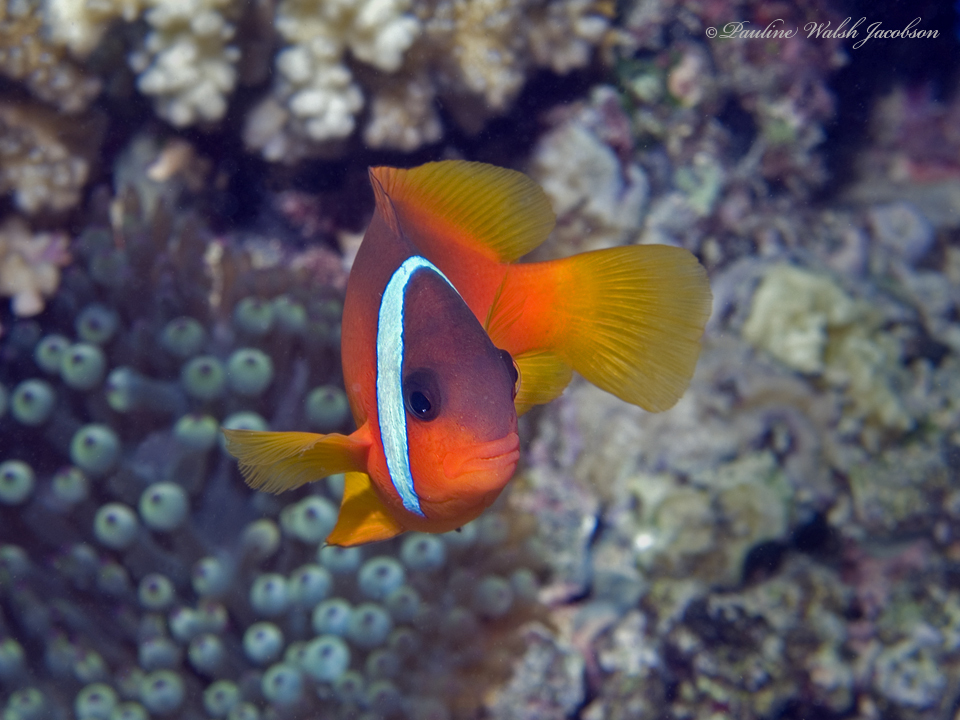 Fiji Tomato AnemonefishAmphiprion barberiReported here · unconfirmed
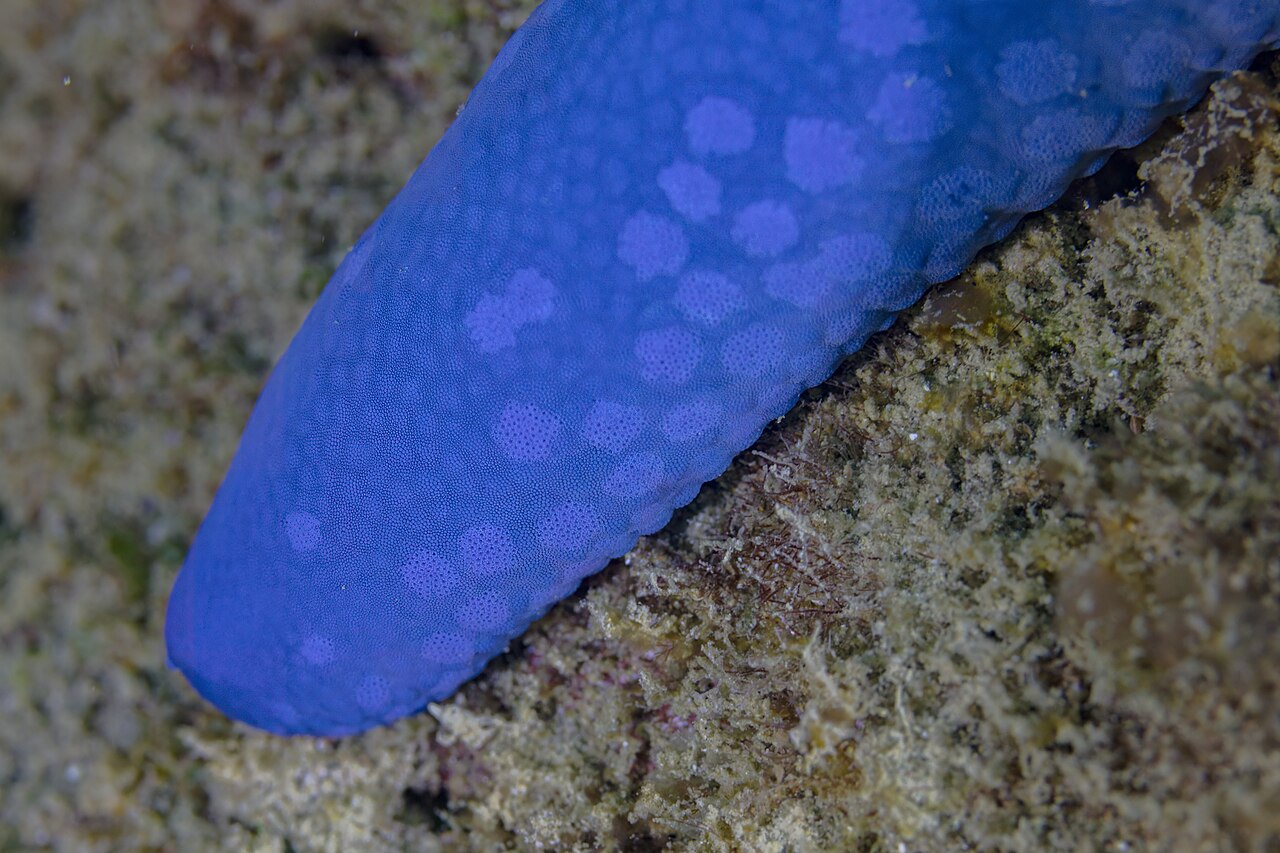 Blue LinckiaLinckia laevigataReported here · unconfirmed
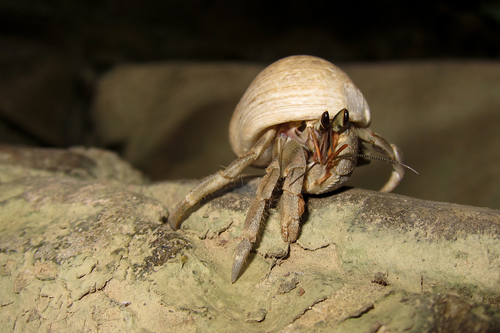 Tawny Hermit CrabCoenobita rugosusReported here · unconfirmed
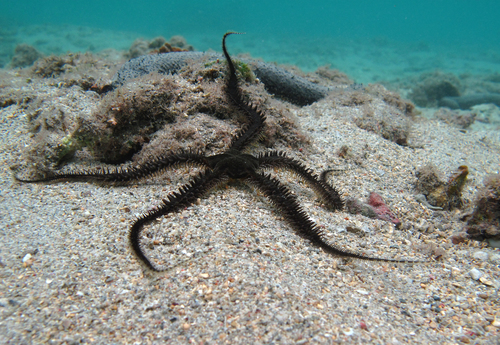 Lagoon Brittle StarOphiocoma scolopendrinaReported here · unconfirmed
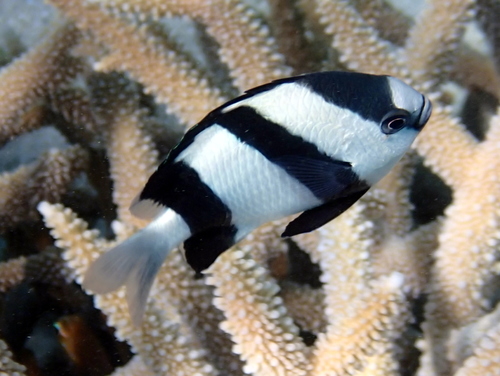 Humbug DascyllusDascyllus aruanusReported here · unconfirmed
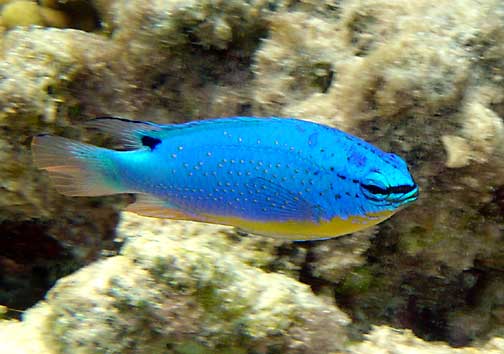 South Seas DemoiselleChrysiptera taupouReported here · unconfirmed
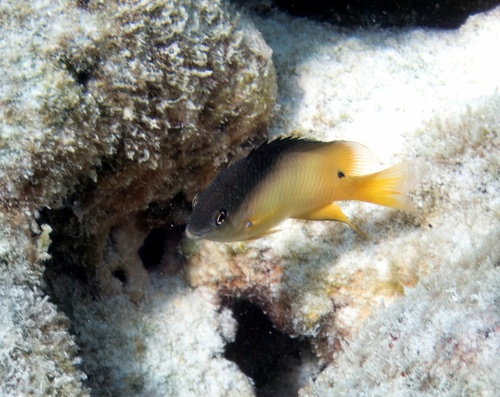 Dusky GregoryStegastes nigricansReported here · unconfirmed
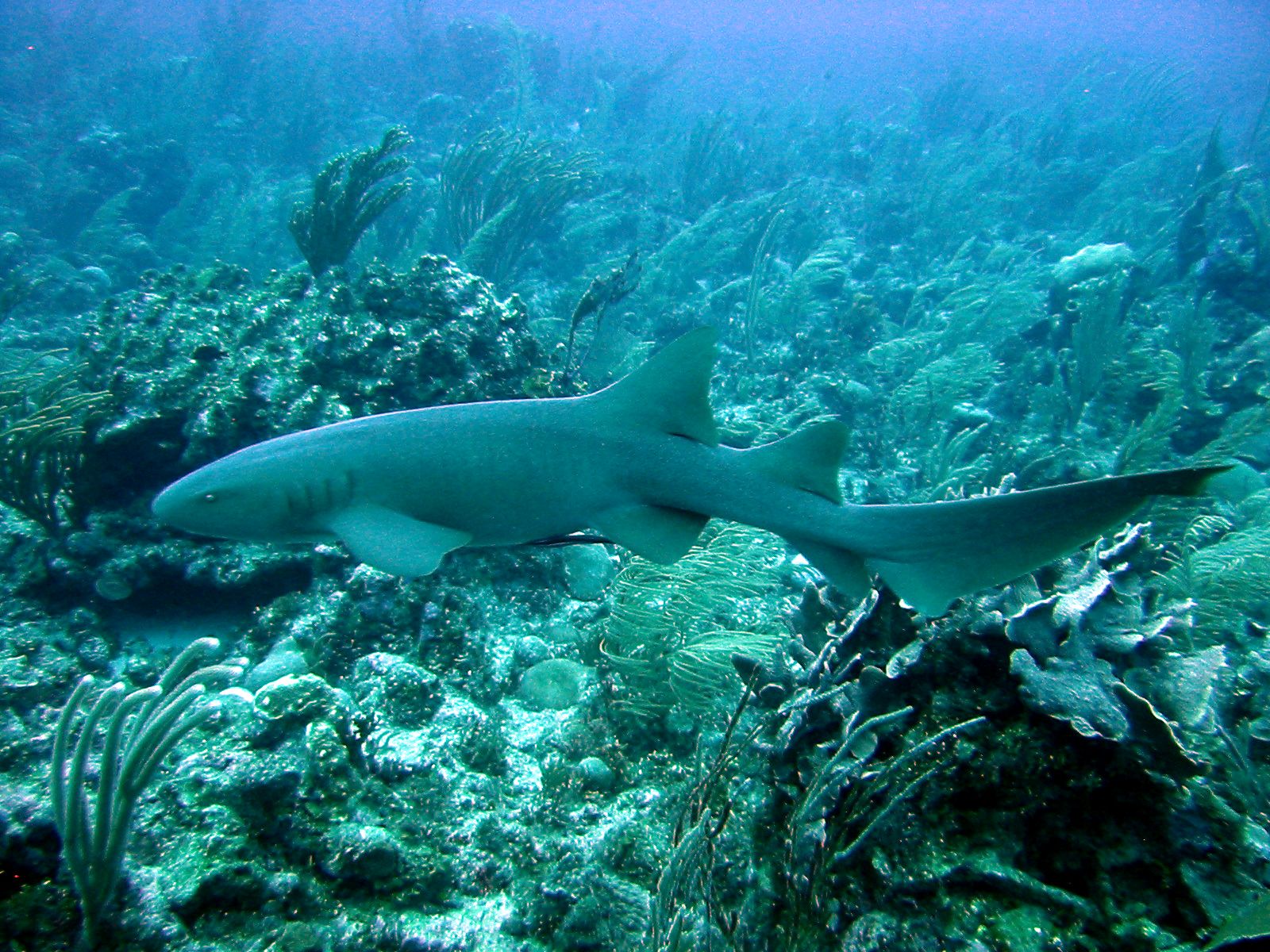 Nurse sharkNurse sharkReported here · unconfirmed
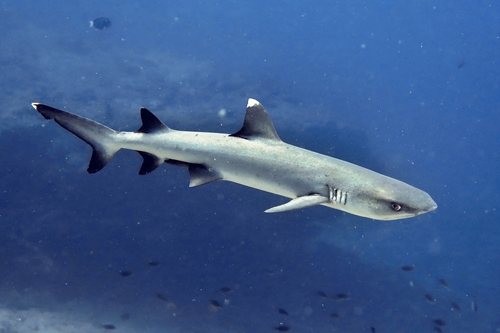 Whitetip Reef SharkTriaenodon obesusReported here · unconfirmed
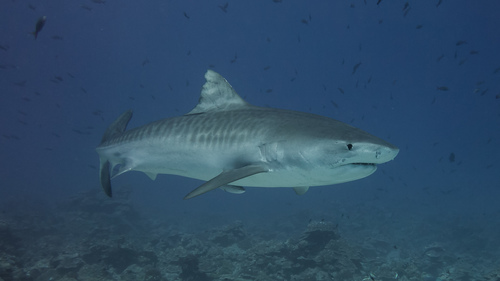 Tiger SharkGaleocerdo cuvierConfirmed present · 2 independent sources
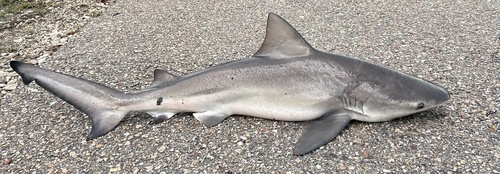 Bull SharkCarcharhinus leucasConfirmed present · 3 independent sources
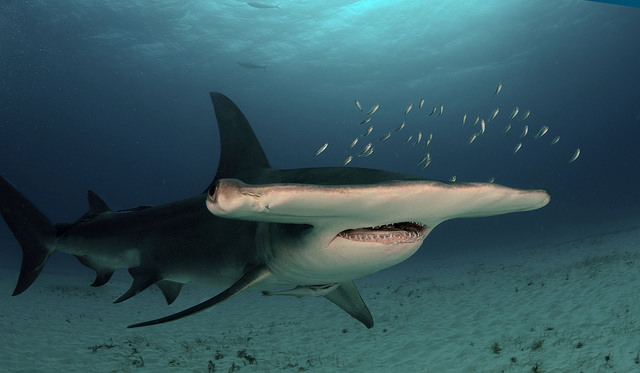 Hammerhead sharkHammerhead sharkReported here · unconfirmed
Durable tips from divers — access, hazards, marine life, facilities. For day-of conditions, use the report tool in the conditions card above.
No notes yet. Dived here? Be the first to leave a tip.
Share a write-up or a photo. Submissions are reviewed before they appear on the page.
Nearby dive sites
Shops that dive here
No shops have listed this site yet.