Blue Magic
Conditions & tides
Scored by DiveConnect's site-physics model
Marine forecast via Copernicus Marine. Score is a rule-based guide from swell/wind vs. the site's exposure — always dive your own assessment.
Dived here today? How were conditions vs. what we showed?
About this site
Blue Magic is a seamount in the Dampier Strait, approximately one kilometre south of Mios Kun in Raja Ampat, Indonesia. The pinnacle rises from a base of 30 metres to a shallowest point of around 7–8 metres, with distinct zones across its faces: the peak is carpeted in soft coral and sponges under clouds of fusiliers and anthias; the north face at 15–20 m is patrolled by grey reef sharks; the south face at 12–15 m serves as a cleaning station for oceanic mantas; and below 25 m, overhangs shelter wobbegongs alongside giant clams and Napoleon wrasse in the deeper rubble.
The site is primarily a boat dive approached as a drift, with divers typically descending into the midwater before settling onto the pinnacle as the current carries them along its edges. An incoming current from the south, pushing against the seamount and generating upwelling, produces the best conditions; action peaks during rising tide and peak tidal exchange. Visibility is generally good but can drop during plankton blooms — the same blooms that draw mantas to feed.
Blue Magic holds the strongest pelagic credentials in the Dampier Strait. Oceanic mantas with wingspans of 5–7 metres are the headline species, arriving individually at the south-face cleaning station; they are most reliably seen November to April, the peak season. Reef mantas are present year-round on the majority of dives. Grey reef sharks — typically five to ten individuals on the north face, more on an incoming current — are seen on roughly three-quarters of dives. Chevron barracuda form spiralling schools of 200 or more at the seamount edge. Giant trevallies, big-eye jacks, Spanish mackerel, blacktip reef sharks, wobbegongs, surgeonfish, and fusiliers round out regular sightings, with whale sharks recorded as occasional, low-probability passing visitors.
Read the full guideShow less
Currents run from mild to strong and can reach 2–3 knots at peak tidal exchange; combined with the depth, this makes Blue Magic suited to advanced divers. Beginners are better directed to calmer nearby sites. Water temperature runs 29–30 °C through the November–April peak season and drops slightly cooler from May to September. Typical dive time is 45–60 minutes.
Marine life here
Confirmed by our research team, reported by independent divers, or observed nearby via iNaturalist — each entry is labelled with its source.
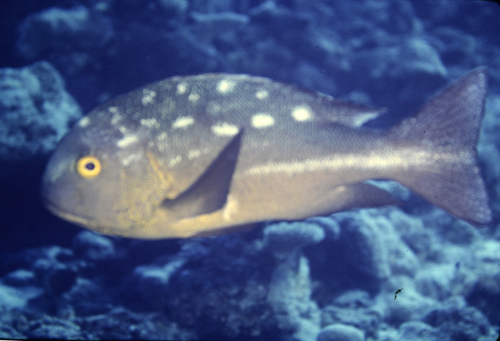 Midnight SnapperMacolor macularisReported here · unconfirmed
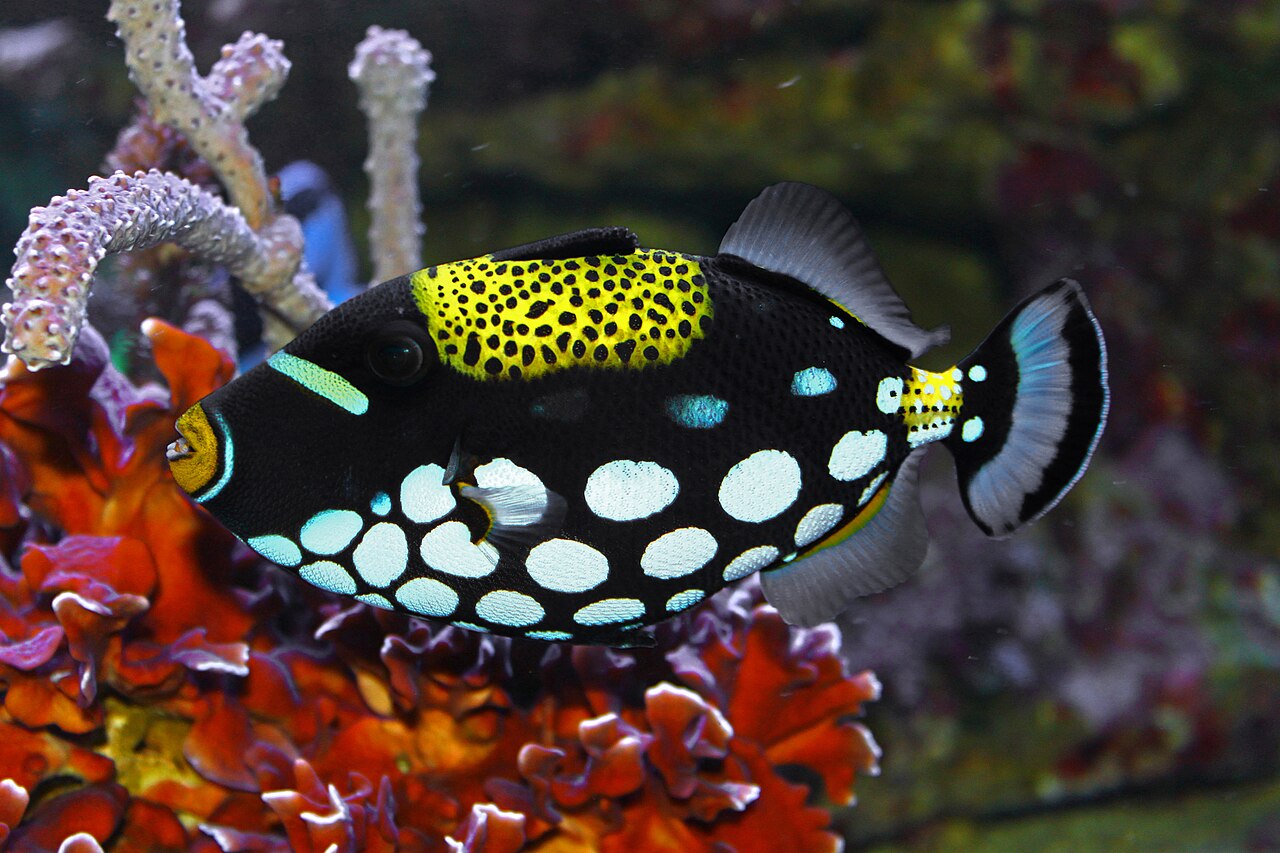 Clown TriggerfishBalistoides conspicillumReported here · unconfirmed
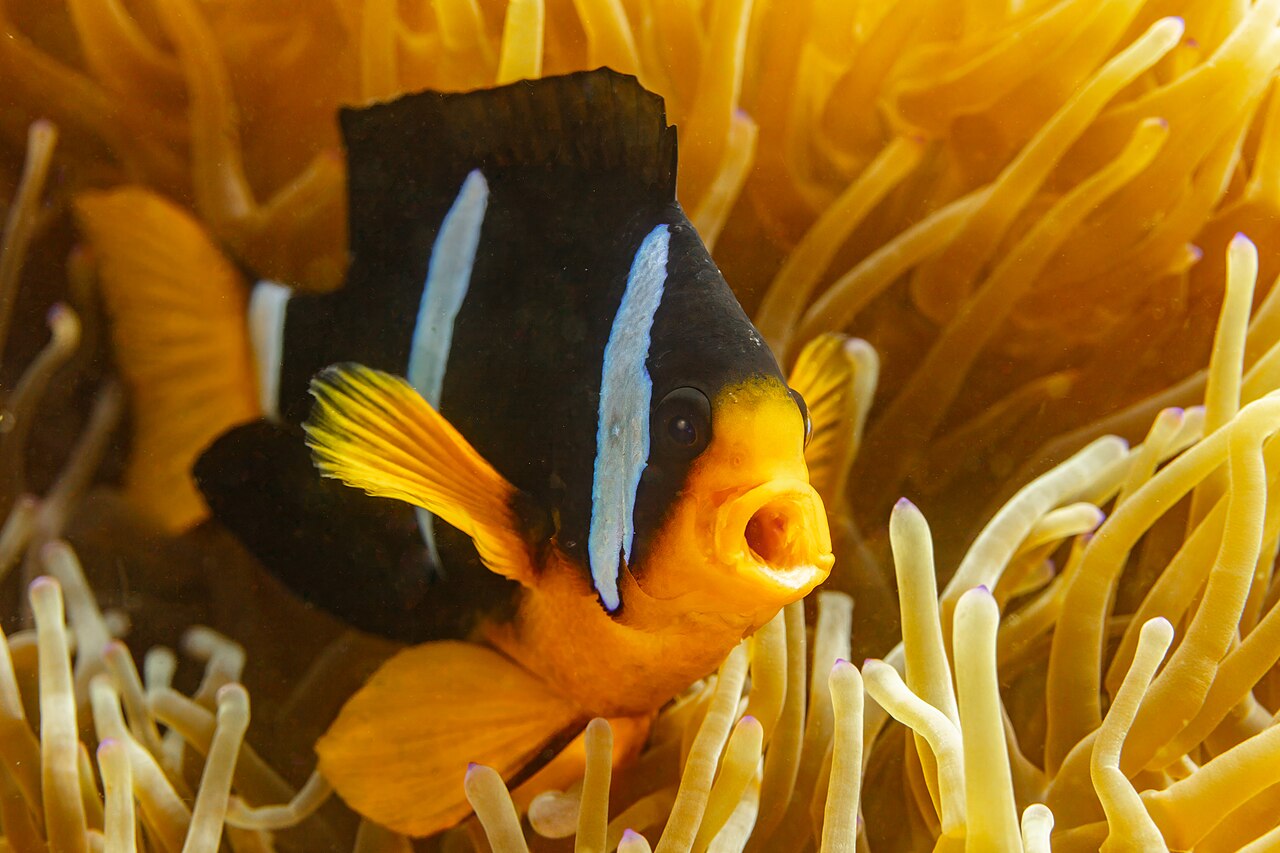 Clark's AnemonefishAmphiprion clarkiiReported here · unconfirmed
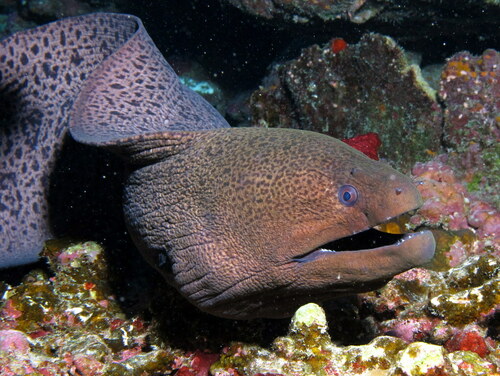 Giant MorayGymnothorax javanicusReported here · unconfirmed
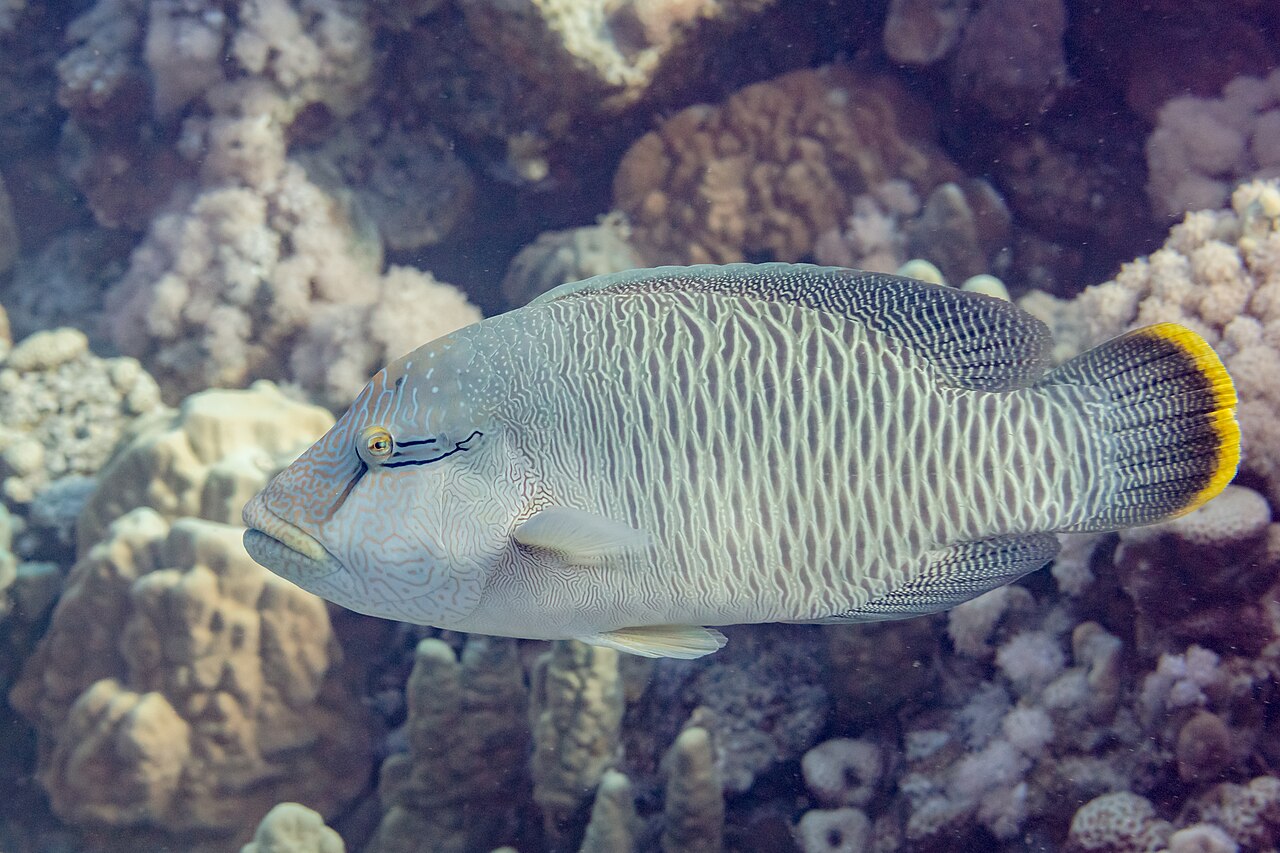 Napoleon WrasseCheilinus undulatusReported here · unconfirmed
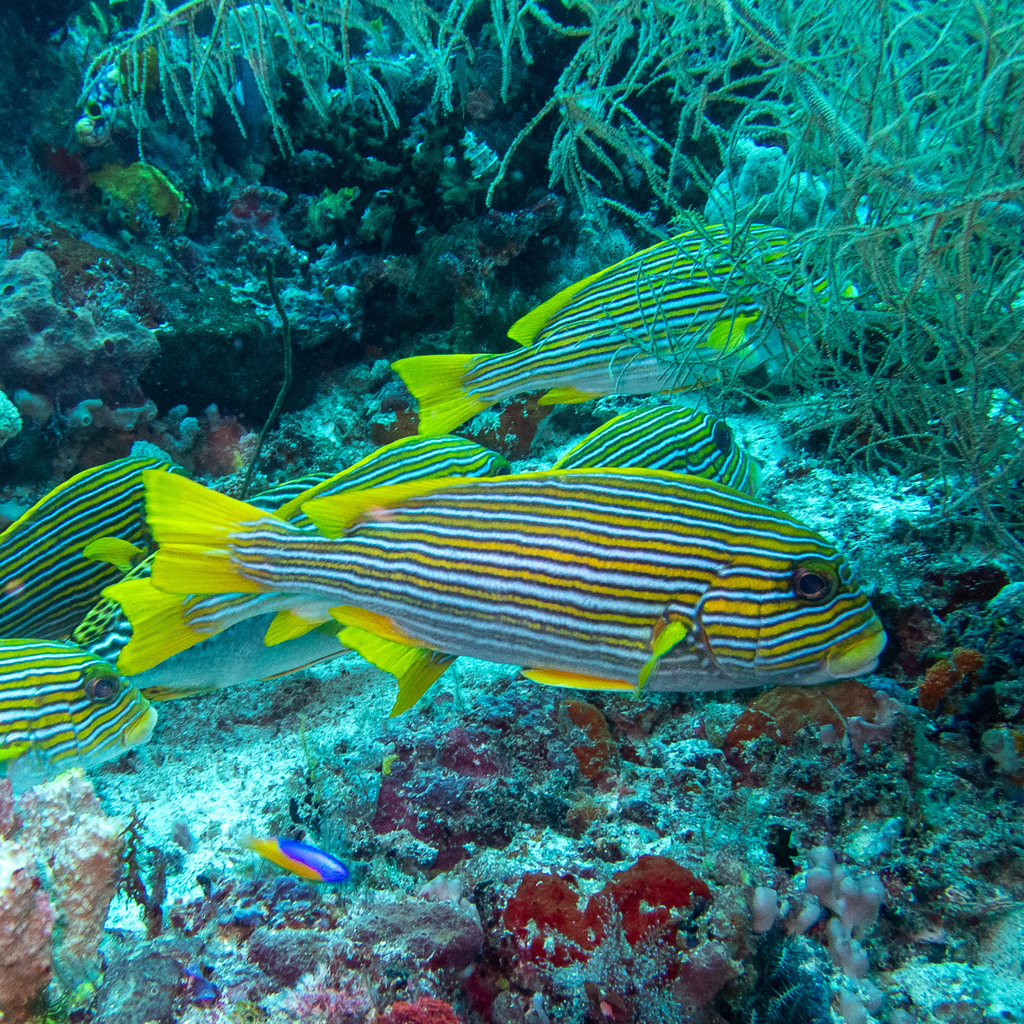 Ribbon SweetlipsPlectorhinchus polytaeniaReported here · unconfirmed
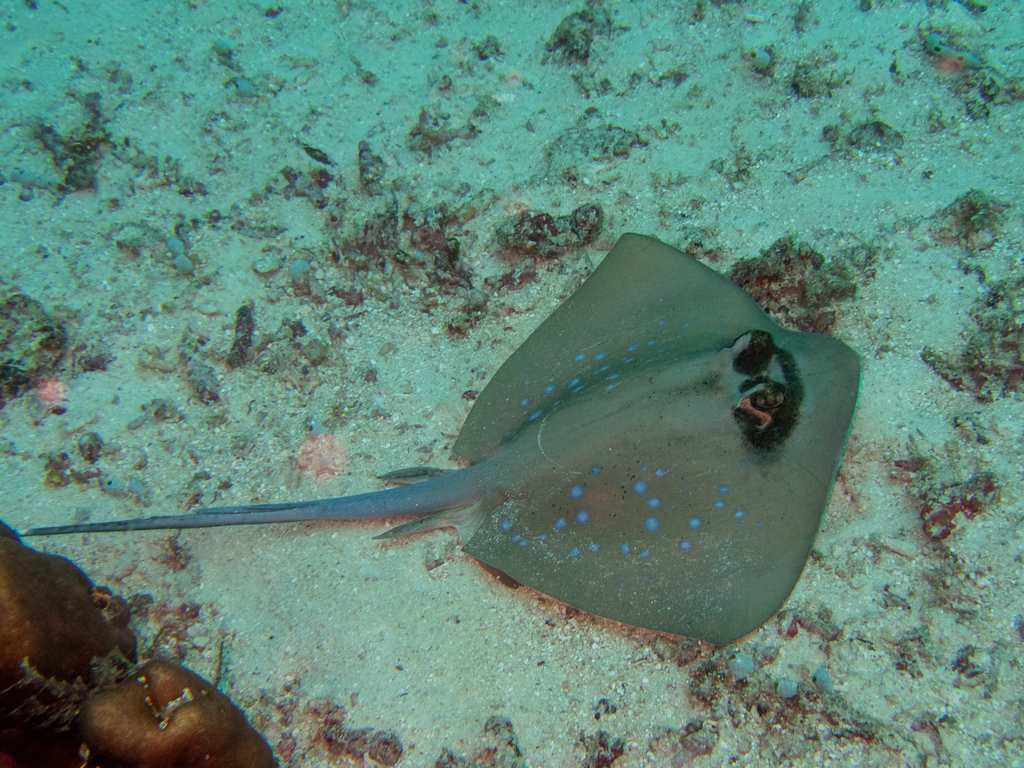 Moluccan Bluespotted MaskrayNeotrygon moluccensisReported here · unconfirmed
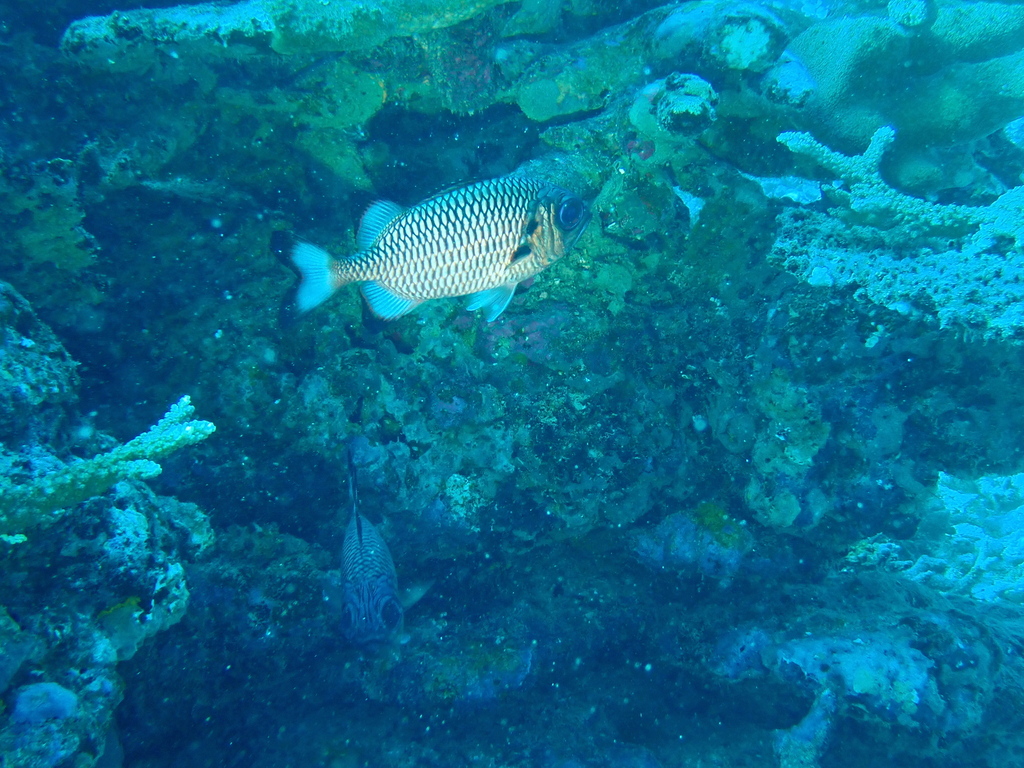 Shadowfin SoldierfishMyripristis adustaReported here · unconfirmed
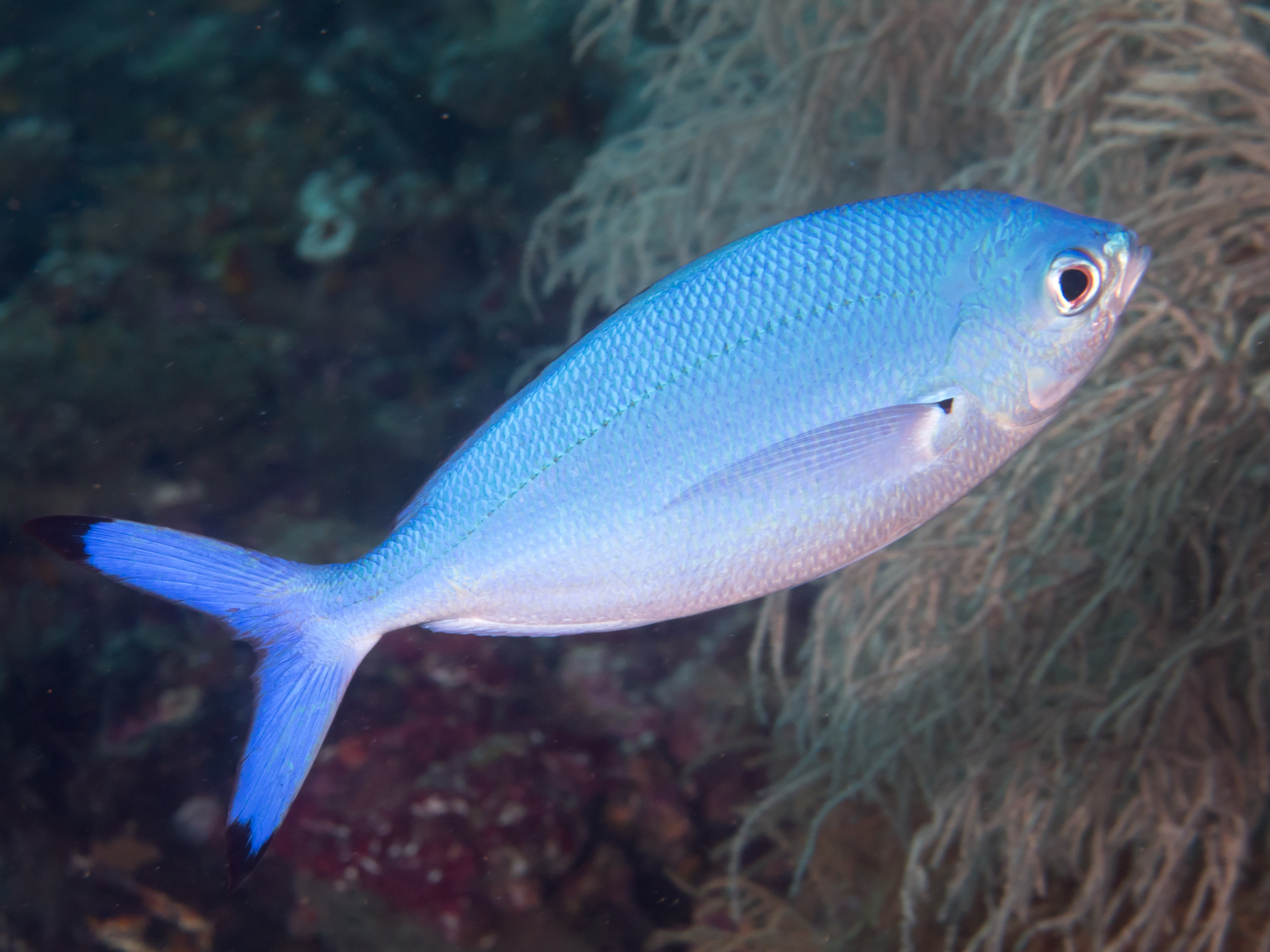 FusilierFusilierReported here · unconfirmed
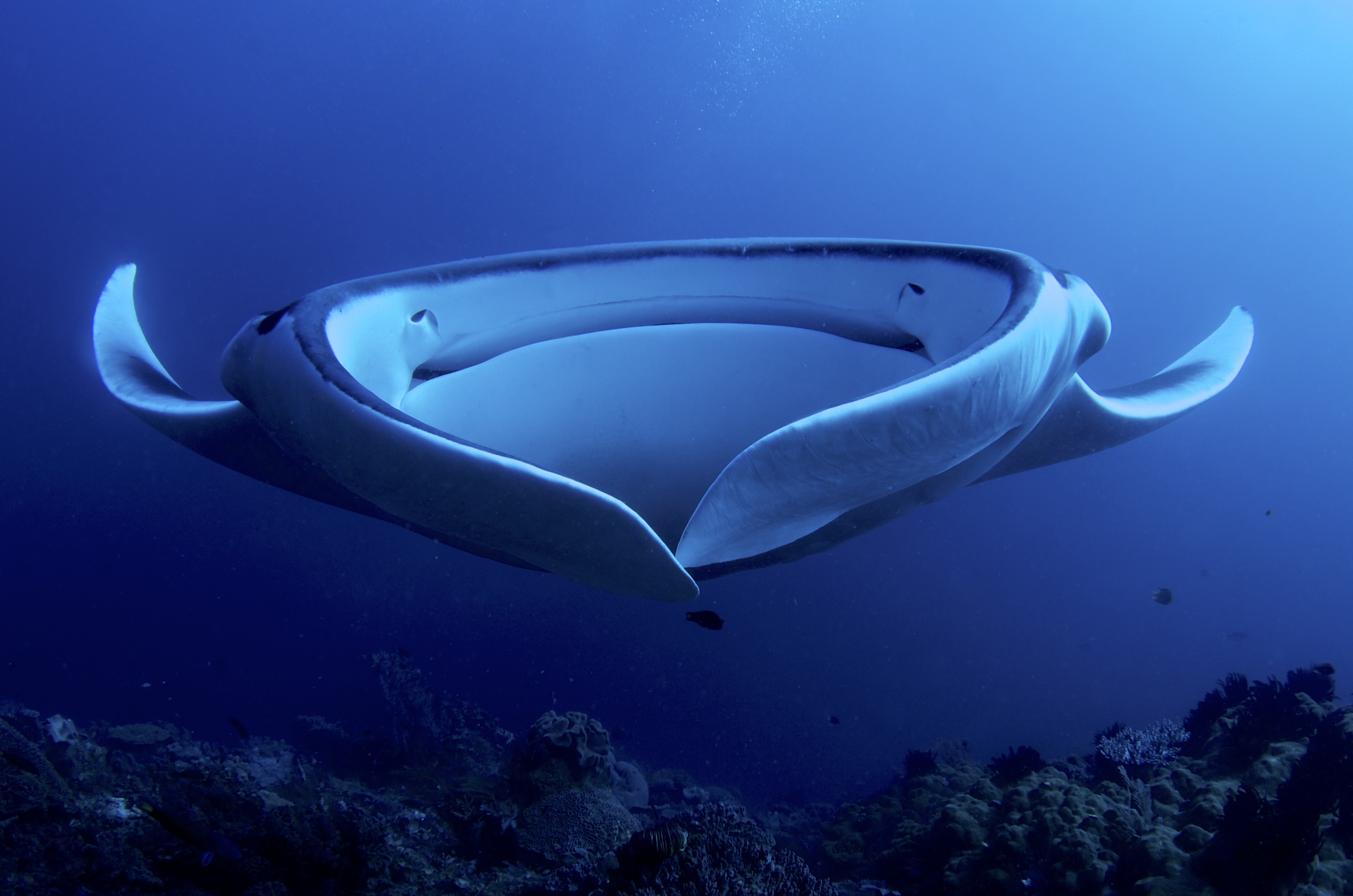 Manta rayManta rayReported here · unconfirmed
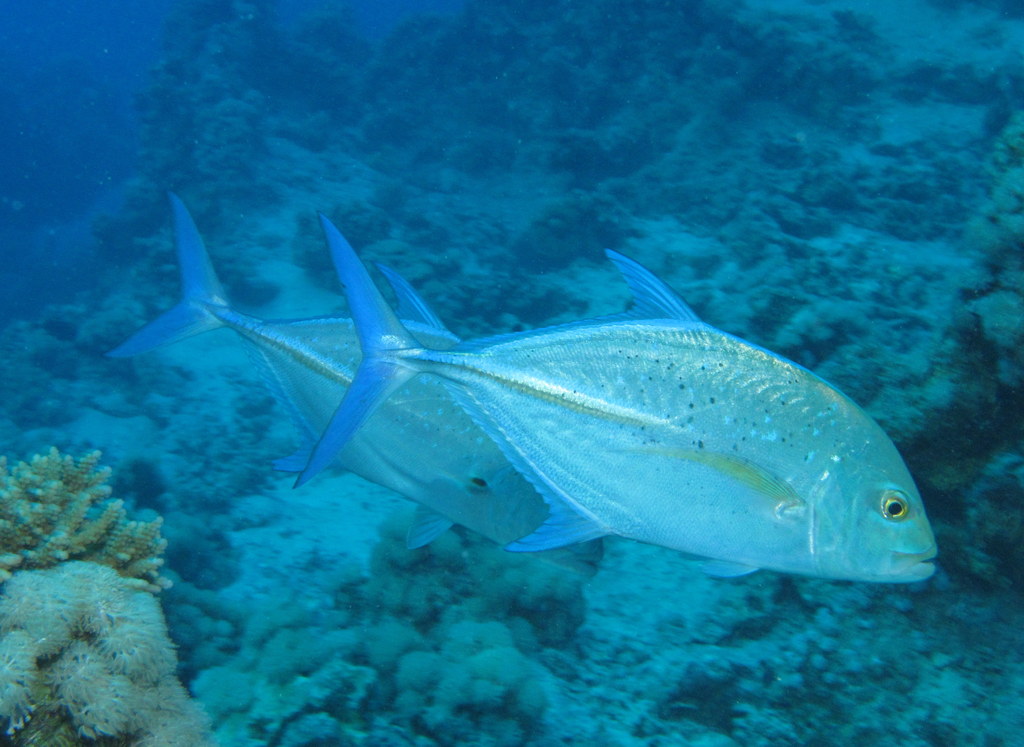 TrevallyTrevallyReported here · unconfirmed
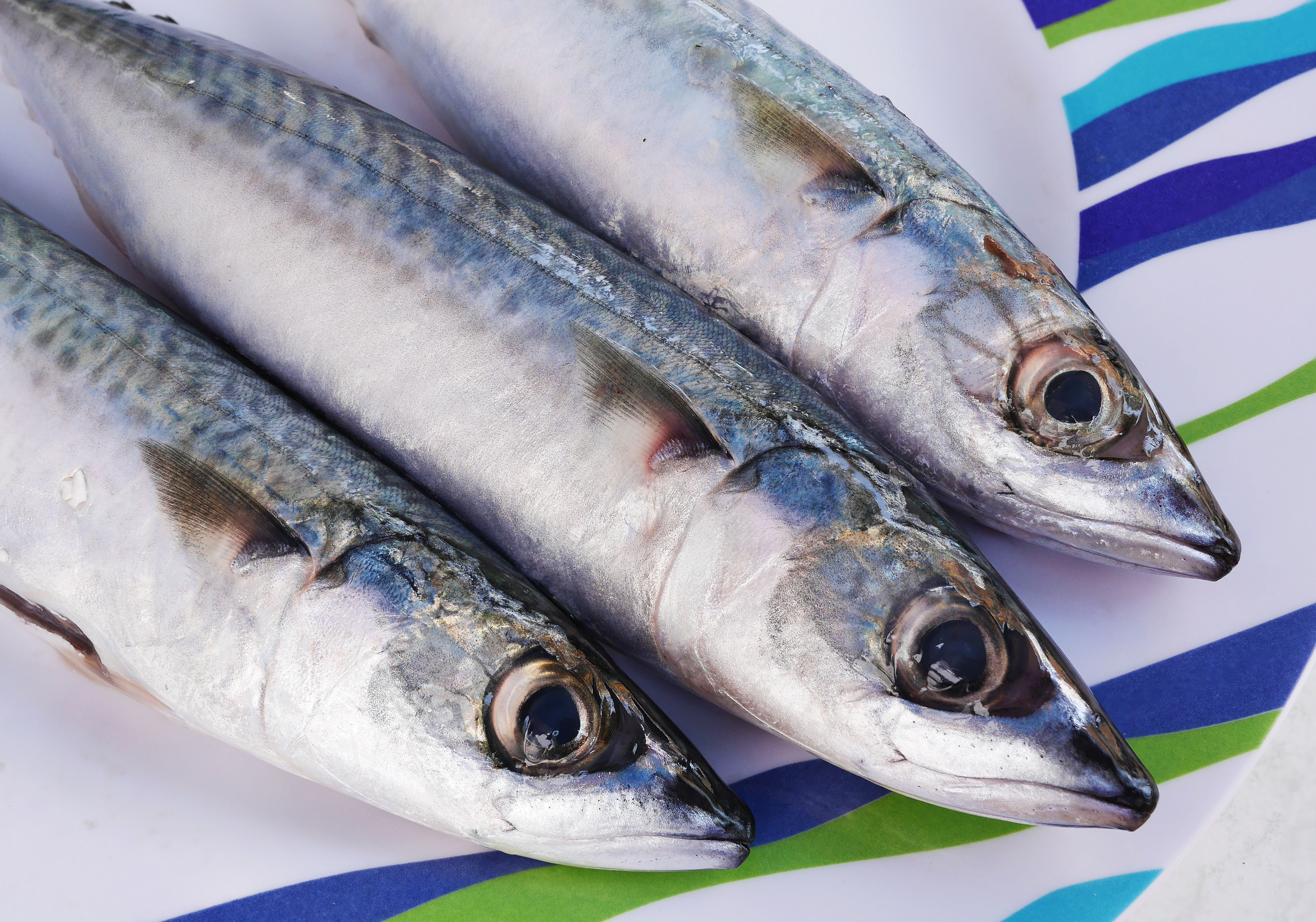 MackerelMackerelReported here · unconfirmed
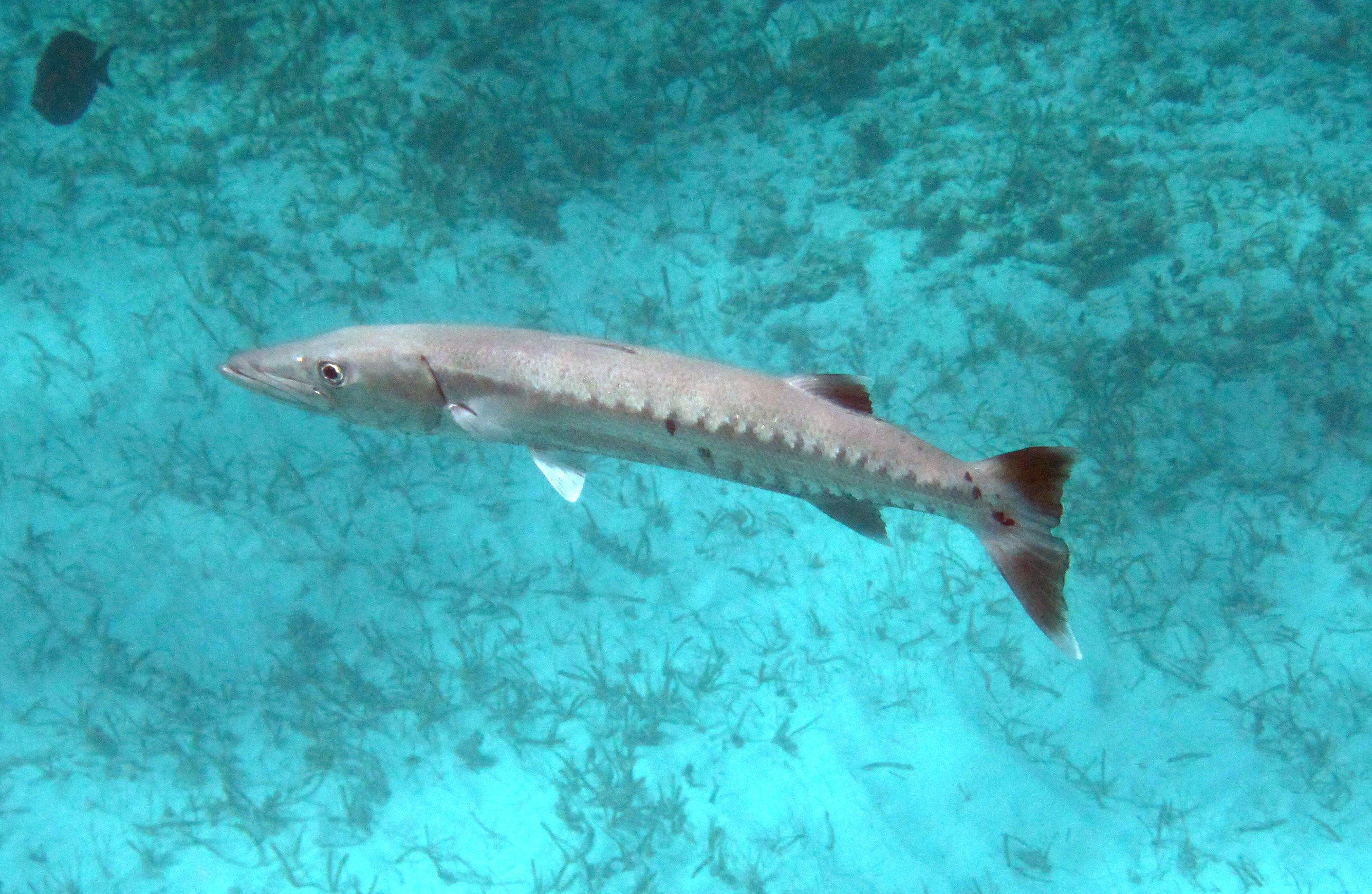 BarracudaBarracudaReported here · unconfirmed
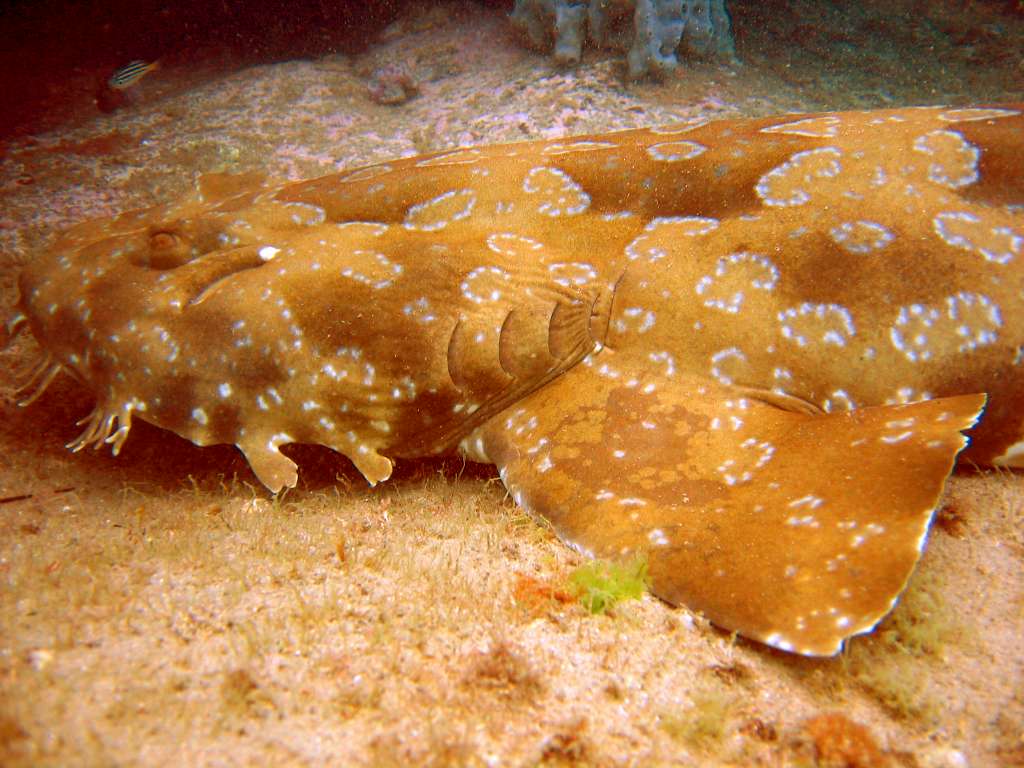 WobbegongWobbegongReported here · unconfirmed
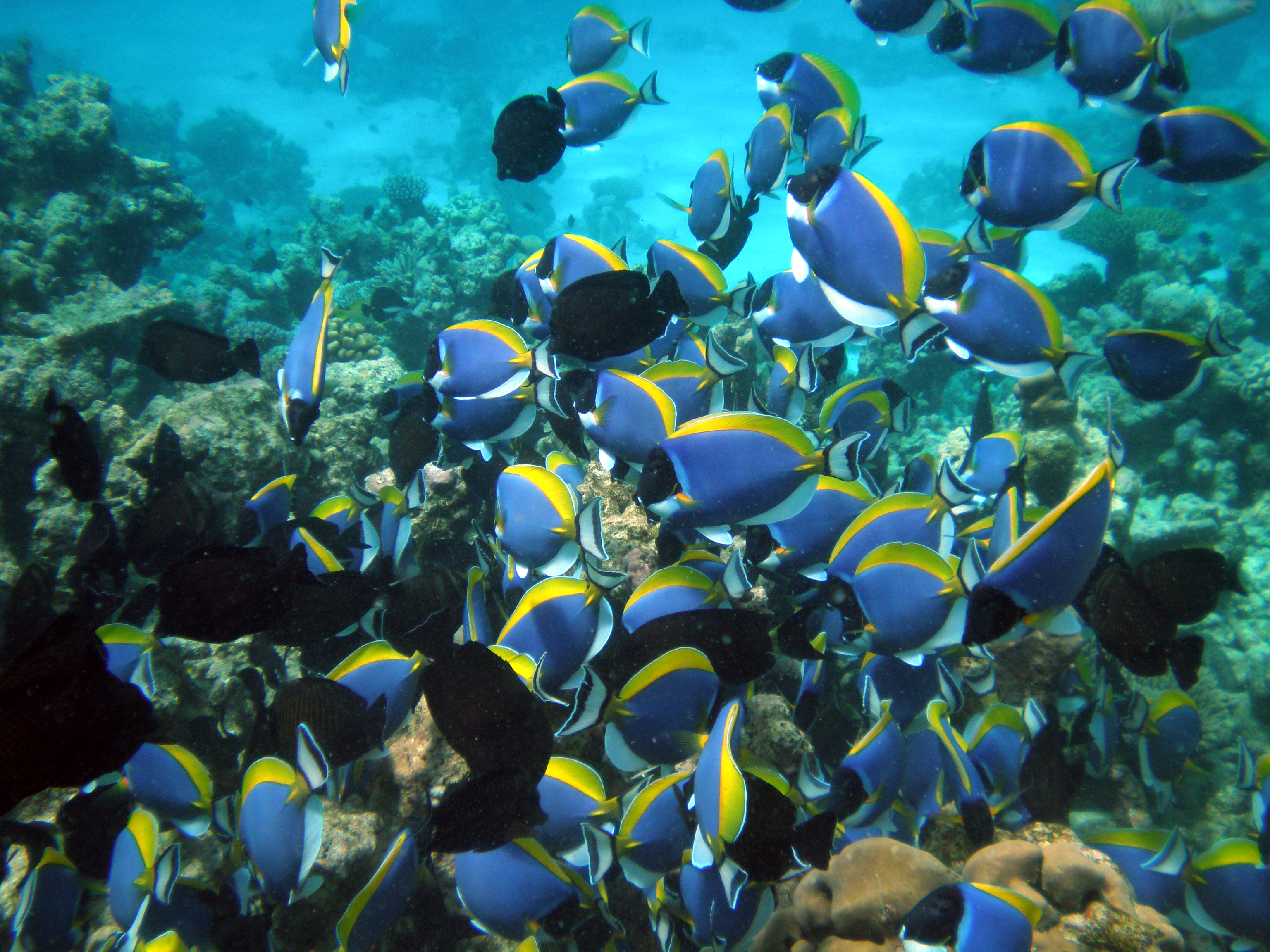 SurgeonfishSurgeonfishReported here · unconfirmed
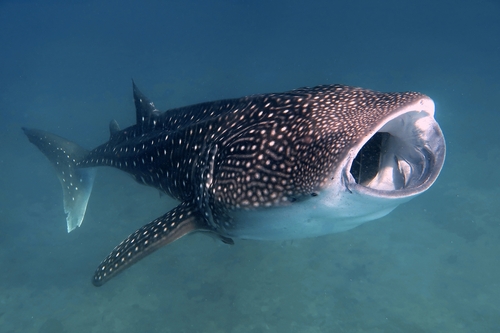 Whale SharkRhincodon typusReported here · unconfirmed
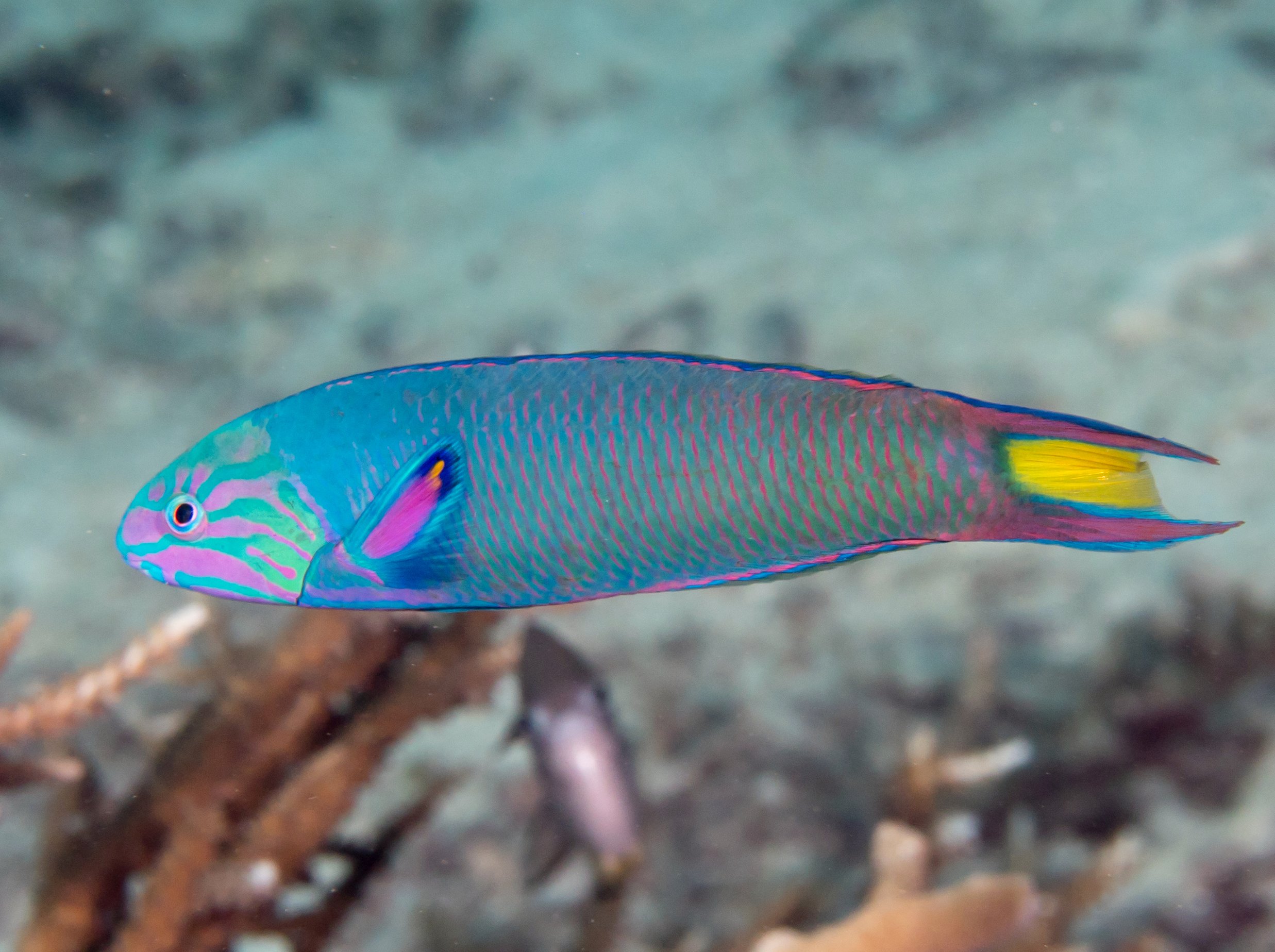 WrasseWrasseReported here · unconfirmed
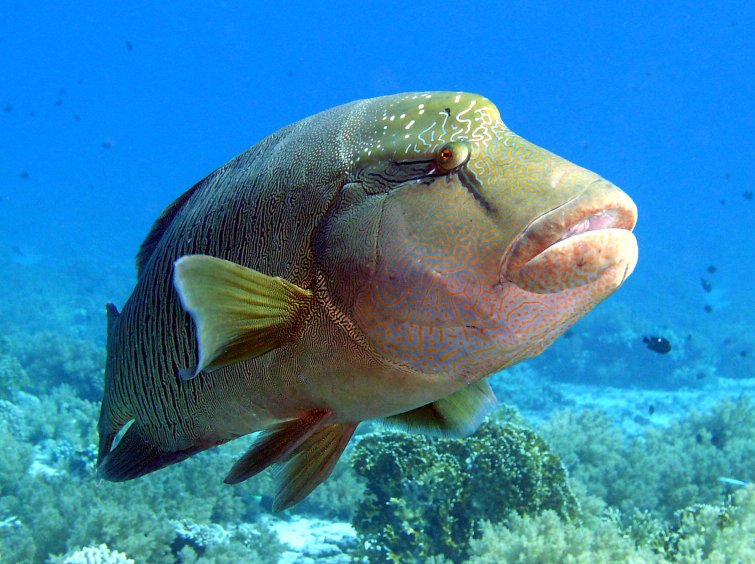 Napoleon (humphead) wrasseNapoleon (humphead) wrasseReported here · unconfirmed
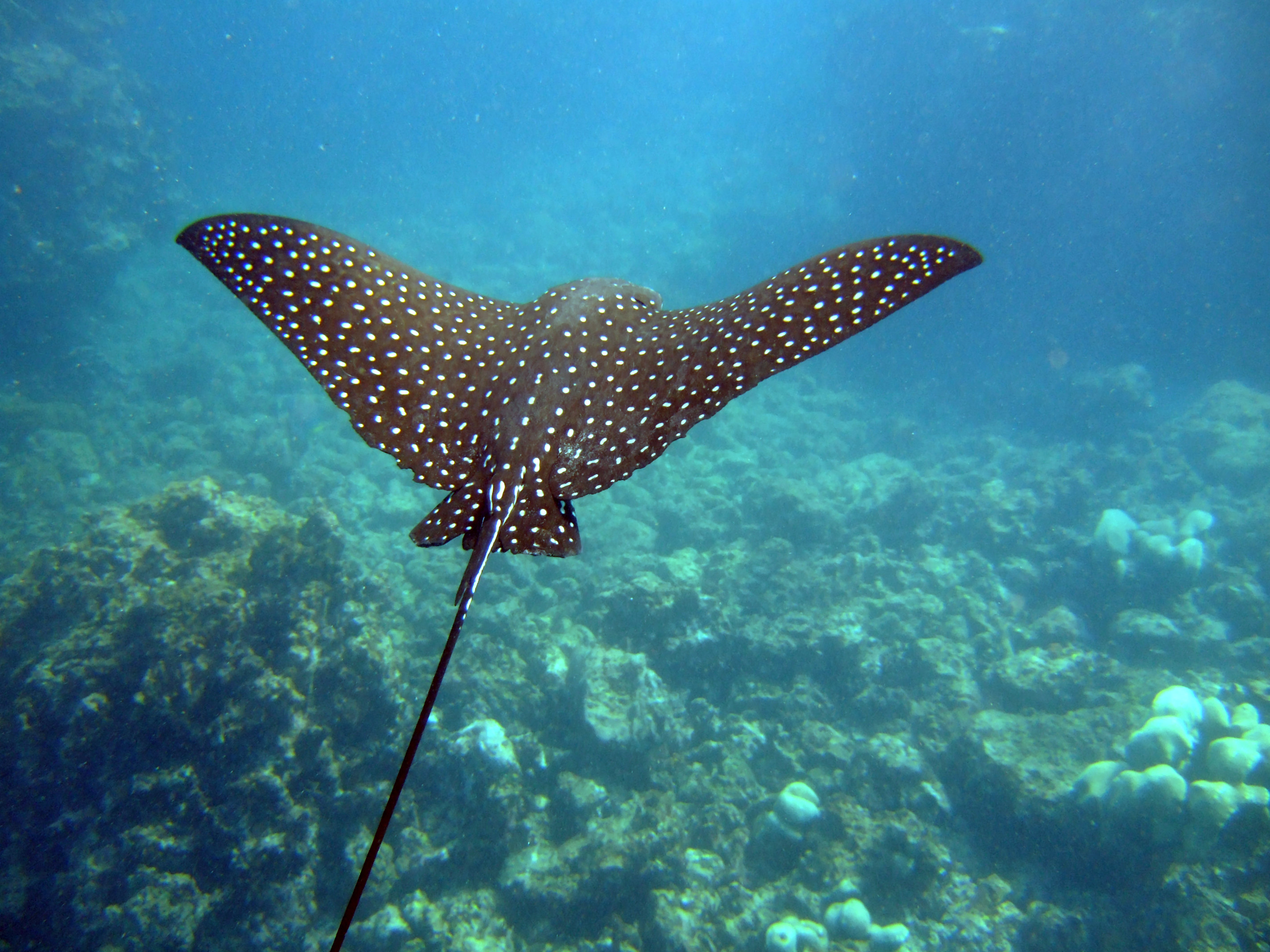 Eagle rayEagle rayReported here · unconfirmed
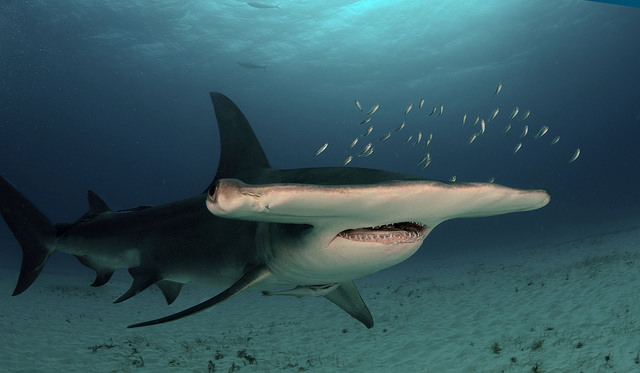 Hammerhead sharkHammerhead sharkReported here · unconfirmed
Durable tips from divers — access, hazards, marine life, facilities. For day-of conditions, use the report tool in the conditions card above.
No notes yet. Dived here? Be the first to leave a tip.
Share a write-up or a photo. Submissions are reviewed before they appear on the page.
Nearby dive sites
Shops that dive here
No shops have listed this site yet.