Sleeping Sharks Cave
Conditions & tides
Scored by DiveConnect's site-physics model
Marine forecast via Copernicus Marine. Score is a rule-based guide from swell/wind vs. the site's exposure — always dive your own assessment.
Dived here today? How were conditions vs. what we showed?
About this site
A Bronze Plaque on the Seafloor Tells You Everything At the entrance to the cave, a bronze plaque reads: Ramón Bravo, protector of the sea and the ocean, sleeps forever next to his sharks in this cave. That plaque is not a tourist trinket. It marks the resting place of a man whose ashes were laid there by his wife and a priest, with Mexico's then-president Ernesto Zedillo and Jean-Michel Cousteau among those in attendance. Before you even see the cave walls, you are already inside a piece of history. How the Cave Came to the World's Attention A local fisherman, Carlos Garcia Castilla — known as "Válvula" because of his exceptional lung capacity — was hunting for lobsters in an area called Los Cuevones (The Big Caves) when he noticed that a particular cave had sharks constantly entering but not coming out. His first real contact with those sharks came as a fright; he surfaced from the water terrified. Driven by curiosity, he returned a few days later and freedived into the cave at around 20 metres to find what appeared to be sharks resting on the sand — and little by little he approached them, realising they were actually "sleeping." Until that moment, it was broadly assumed that sharks never slept — that if they stopped moving, they would die. When Válvula brought the story to diver Ramón Bravo — initially skeptical — Bravo eventually confirmed the phenomenon, which then attracted the attention of scientists Dr. Shelton Applegate and Dr. Eugenie Clark. In 1970, Jacques Cousteau's team filmed a documentary about the cave, with Ramón as their guide. That year put Isla Mujeres firmly on the map, just before the massive development of Cancún commenced. What Is Actually Down There The cave sits inside a reef system east of Isla Mujeres, and the science behind the sharks' behaviour is still debated. One leading theory is that the combination of freshwater and saltwater in the caves, fed by underground freshwater springs, may produce a euphoria in the sharks similar to the nitrogen narcosis that scuba divers experience on deep dives. The reduced salinity and oxygen-rich water bubbles rising from those springs appear to allow the sharks to remain completely still. Whether the sharks are truly asleep remains uncertain — Ramón Bravo himself noted that their eyes followed him intently as he moved through the cave, suggesting a state of rest rather than true sleep. As for what you might meet: nurse sharks are most commonly encountered, along with bull sharks, gray reef sharks, and blacktips, as well as schools of amberjacks, manta rays, and turtles. That said, honest reporting matters here. Sharks are rarely seen these days, and it is worth checking with your dive centre about recent sightings before building the whole trip around them. On quieter visits — particularly night dives — divers have reported big turtles, abundant fish, starfish, and polychaete worms active in the water column, which makes the site worthwhile even without a shark in residence. The Honest Diving Profile The cave itself sits at a depth of around 20 metres. Current can run here, and conditions vary — this is open Caribbean water on the eastern side of the island, not a sheltered lagoon. Visibility in the cave can be affected by the freshwater springs mixing with saltwater, creating haloclines that blur your view in the way a heat haze does above a road. On a calm day with settled sea state, visibility can be excellent across the broader reef; inside the cave itself, expect it to be more variable. Water temperatures across the island's dive sites range from 26 to 29°C (79 to 84°F), with the dry season from November to May generally delivering the calmest seas and clearest water. Summer months can bring brief storms and slightly reduced clarity, though marine life remains abundant year-round. Given the depth and the occasional current, this site suits confident certified divers rather than first-time open-water students — regardless of how it may be listed elsewhere. If you are newly certified and keen to see it, talk to us first; we will be straight with you about conditions on the day. Getting In the Water: The Site and Who It Suits Sleeping Shark Cave is located approximately a 30-minute boat ride from Isla Mujeres, heading east into the Caribbean. There is no shore entry; the dive is conducted as a guided boat trip. It is often paired with Palais reef — a complementary site featuring swim-throughs, beautiful fan corals, and flamingo tongues — which turns the outing into a proper two-tank day rather than a single-purpose run. The cave rewards divers who move slowly, breathe steadily, and are comfortable hovering without touching the walls. Buoyancy control matters here: the cave floor is sand, and a careless fin kick can stir up enough sediment to end everyone's visibility in seconds. Dive It With Us at Pocna Dive Center We are based here in Isla Mujeres, and Sleeping Shark Cave is part of the water we work in every week. We know when conditions favour it, we check on shark activity regularly, and we will tell you plainly if the site is not showing well on a given day and suggest something better. Our guides have dived Los Cuevones more times than they can count, and that local knowledge is exactly what you are booking when you dive with Pocna Dive Center. Ready to see the cave that stopped the world's marine biologists in their tracks? Get in touch with us at Pocna Dive Center, Tours & Activities on Isla Mujeres, and let's put you in the water.
AI overviewMarine life here
Confirmed by our research team, reported by independent divers, or observed nearby via iNaturalist — each entry is labelled with its source.
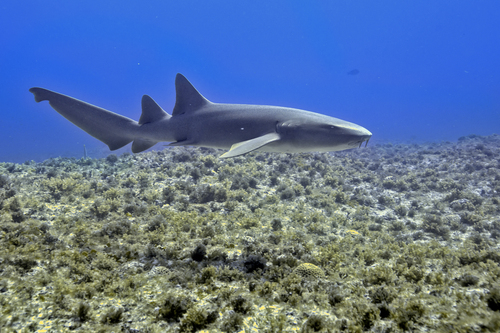 Nurse SharkGinglymostoma cirratumReported here · unconfirmed
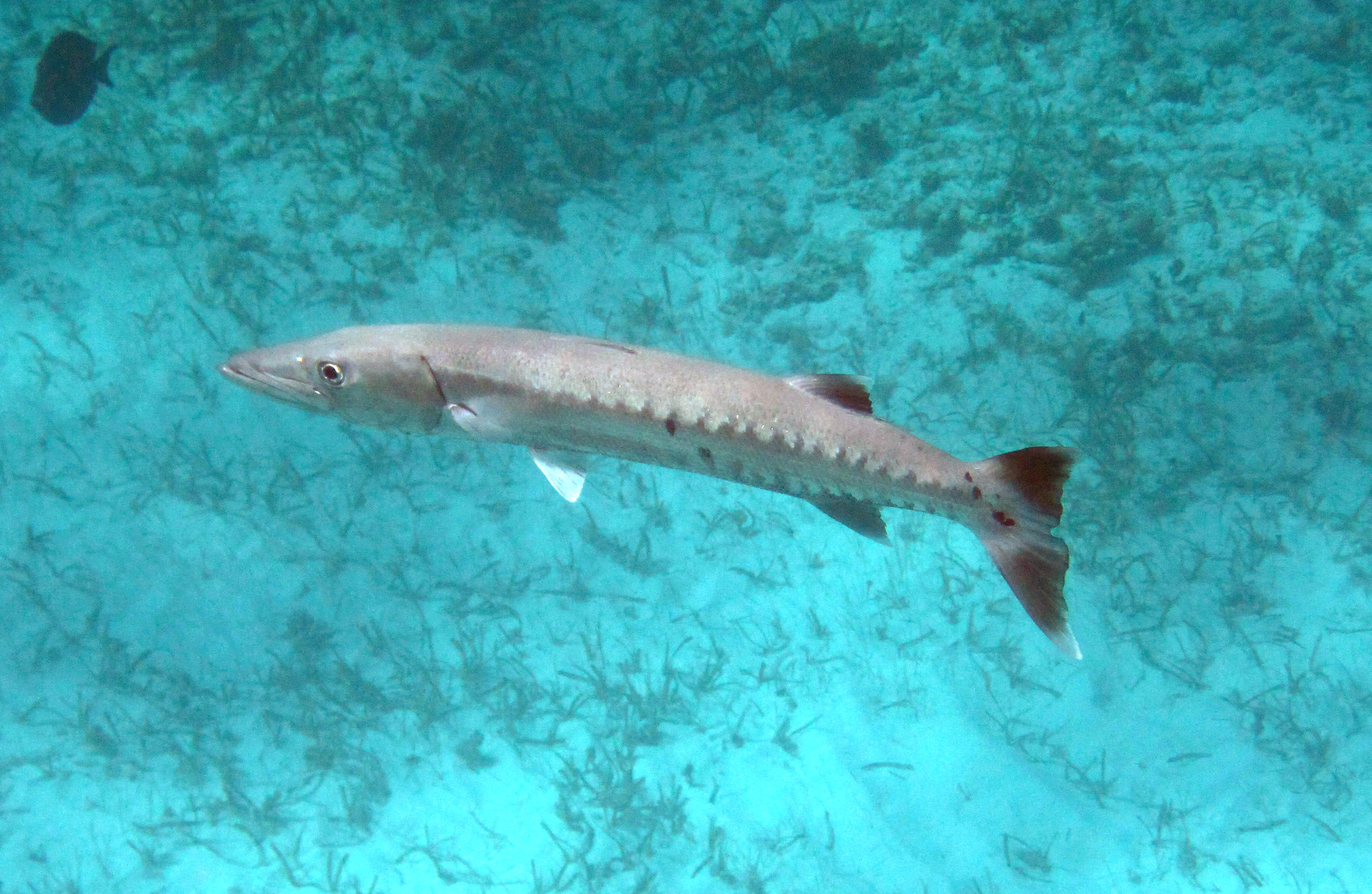 BarracudaBarracudaConfirmed present · 2 independent sources
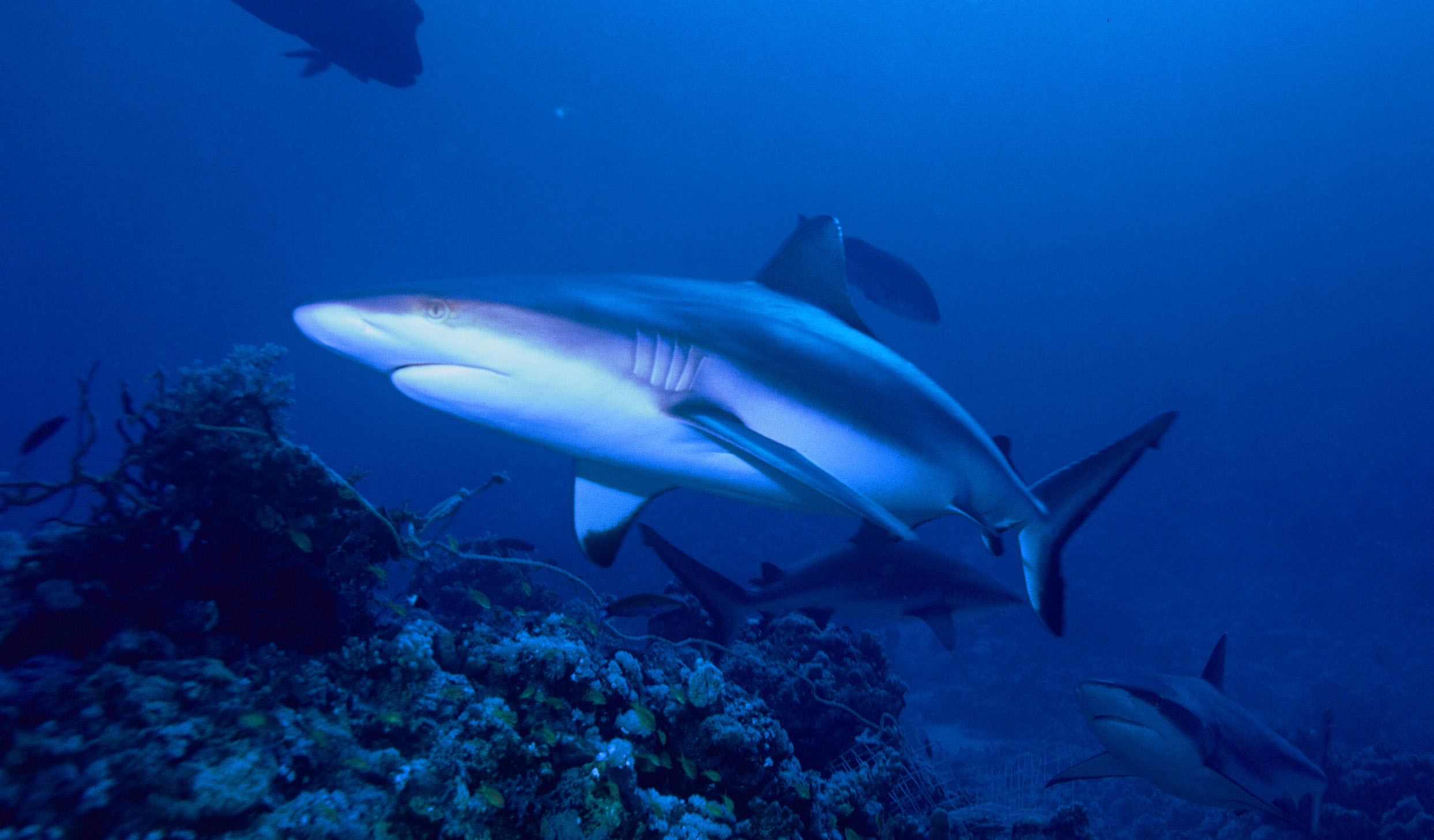 Reef sharkReef sharkReported here · unconfirmed
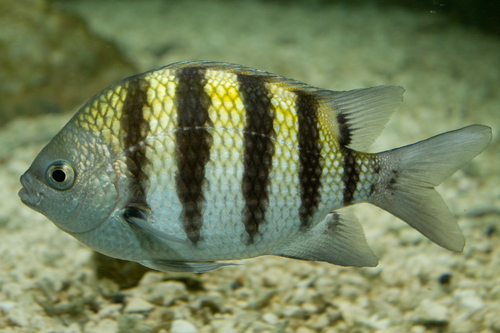 Atlantic Sergeant MajorAbudefduf saxatilisReported here · unconfirmed
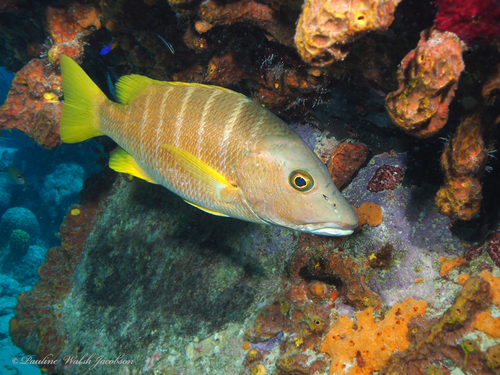 Schoolmaster SnapperLutjanus apodusReported here · unconfirmed
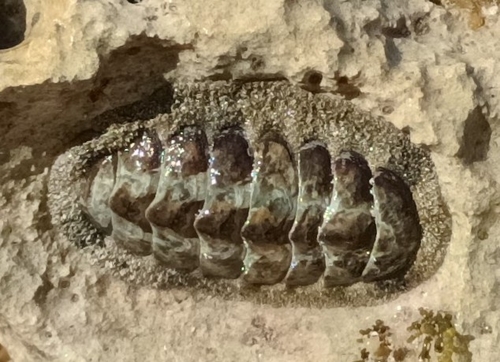 West Indian Fuzzy ChitonAcanthopleura granulataReported here · unconfirmed
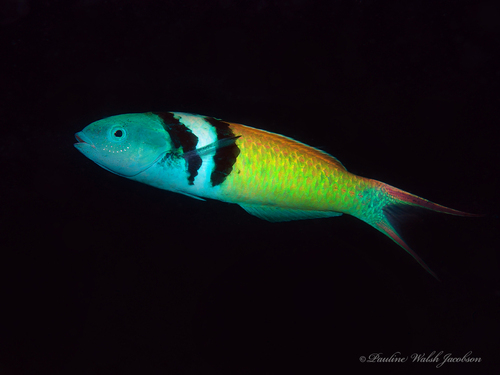 Caribbean Bluehead WrasseThalassoma bifasciatumReported here · unconfirmed
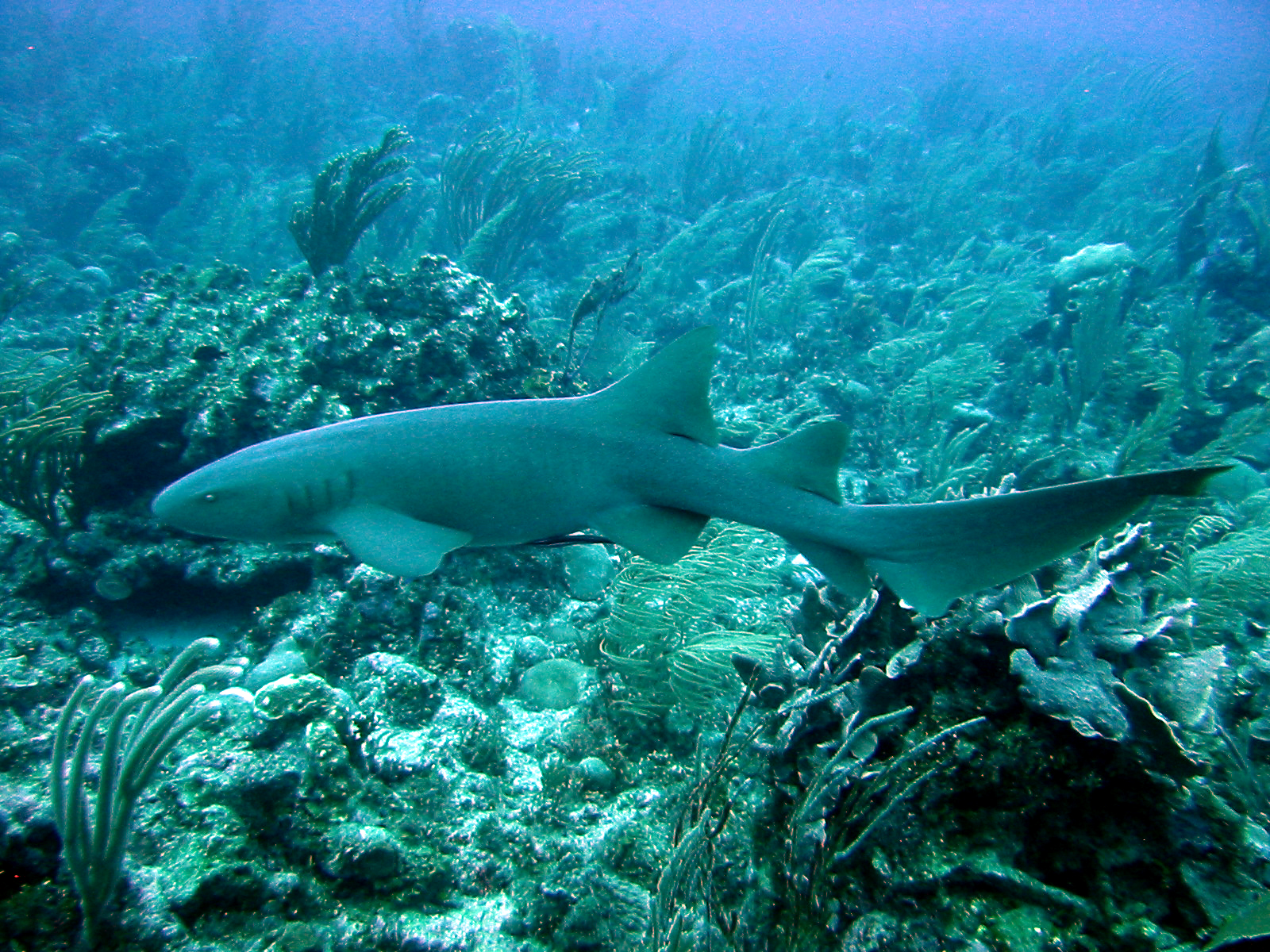 Nurse sharkNurse sharkReported here · unconfirmed
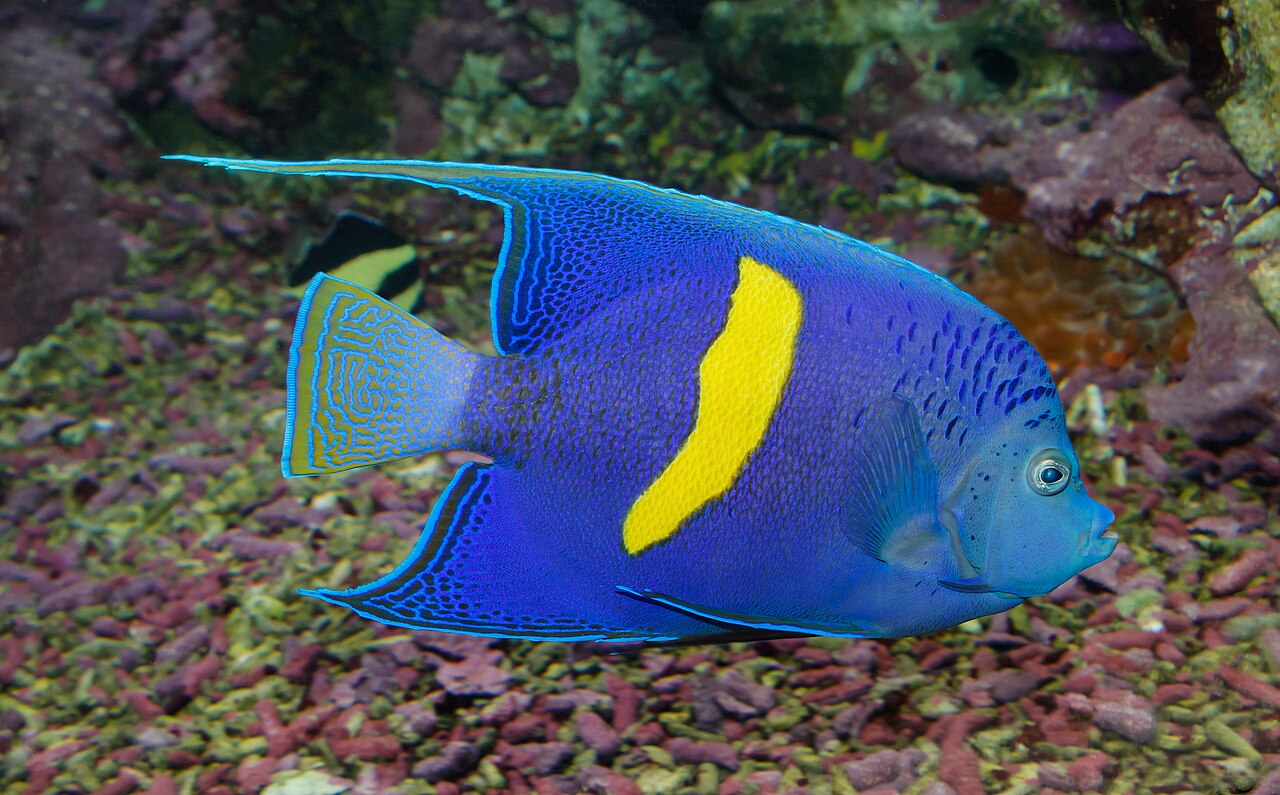 AngelfishAngelfishReported here · unconfirmed
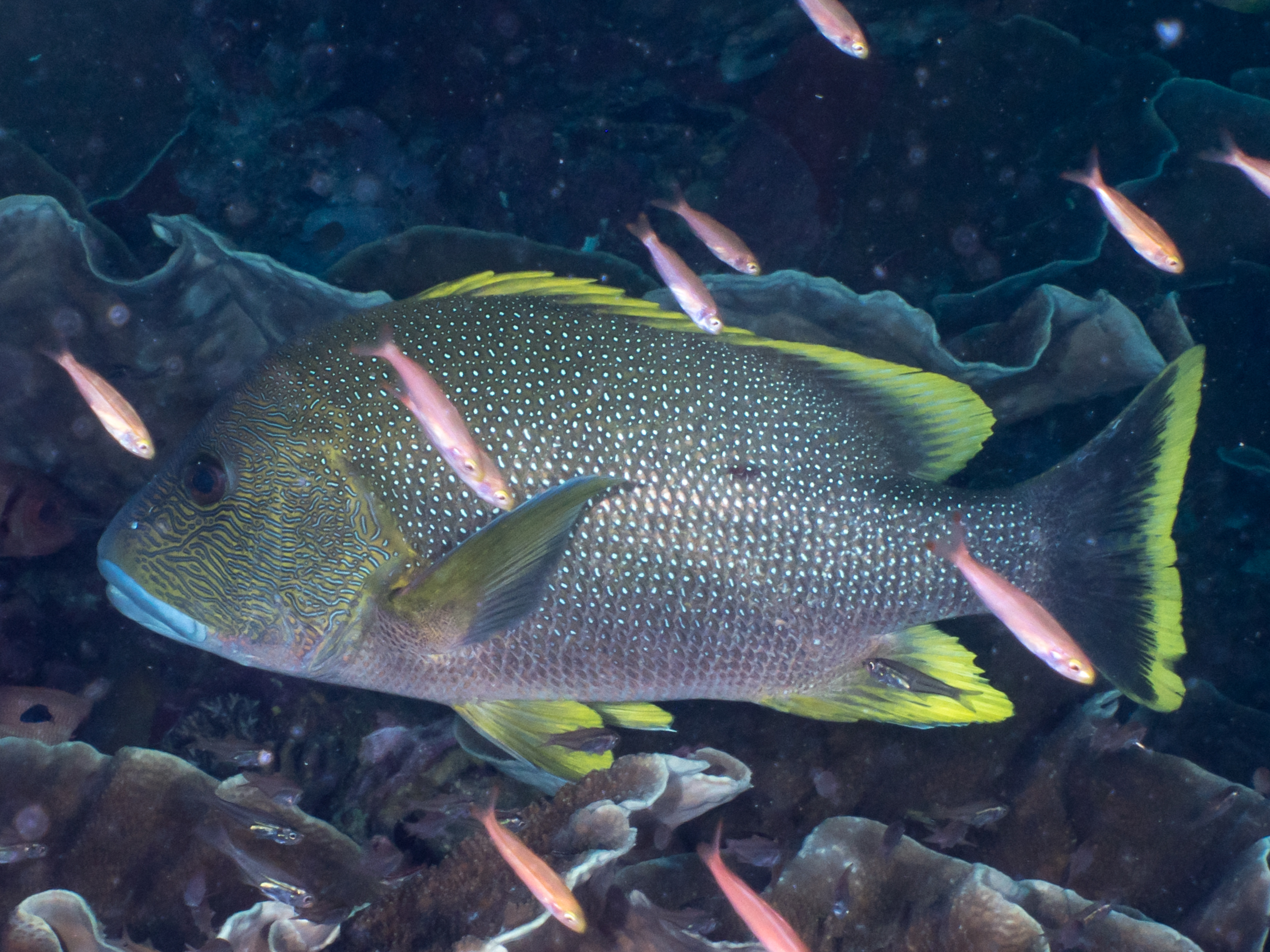 SnapperSnapperReported here · unconfirmed
Durable tips from divers — access, hazards, marine life, facilities. For day-of conditions, use the report tool in the conditions card above.
No notes yet. Dived here? Be the first to leave a tip.
Share a write-up or a photo. Submissions are reviewed before they appear on the page.
Nearby dive sites
Shops that dive here
No shops have listed this site yet.