Hole in the Wall
Conditions & tides
Scored by DiveConnect's site-physics model
Marine forecast via Copernicus Marine. Score is a rule-based guide from swell/wind vs. the site's exposure — always dive your own assessment.
Dived here today? How were conditions vs. what we showed?
About this site
Hole in the Wall is a swim-through dive site at Escarceo Point, Puerto Galera, Philippines, formed by millions of years of water erosion carving a short tunnel through a small underwater hill. The passage sits at around 12 metres depth, with the site ranging between 10 and 18 metres overall, reaching a maximum of roughly 18 metres. The tunnel itself is narrow enough for one diver to pass through at a time, and beyond it the terrain opens onto reef and wall covered with soft coral and hydroids.
The site attracts large aggregations of fish drawn in by the currents funnelling through the point. Jacks, big fish, sweetlips, snappers, and sea snakes are regularly seen here, while the reef structure and walls shelter scorpionfish and lionfish. Schooling fish are a consistent highlight, and the current-rich environment makes it a productive site year-round.
Conditions are defined by tidal flow. Current can range from moderate to strong, and the same tunnel that feels gentle on a slack or incoming tide can become lively under a full run. Timing the dive to slack water or an incoming tide is recommended. Visibility is generally good, and water temperature sits between 25 and 30°C throughout the year. Hydroids line the walls of the tunnel, and scorpionfish can be positioned anywhere along the passage, making buoyancy control essential.
Read the full guideShow less
The site is accessible to Open Water-certified divers with good buoyancy, and is also popular with intermediate divers and underwater photographers. It is a boat dive and is frequently used as the starting point for a drift continuing toward The Canyons. Divers should be briefed on current direction and strength before entering, as down currents and strong flow can develop quickly at Escarceo Point.
Marine life here
Confirmed by our research team, reported by independent divers, or observed nearby via iNaturalist — each entry is labelled with its source.
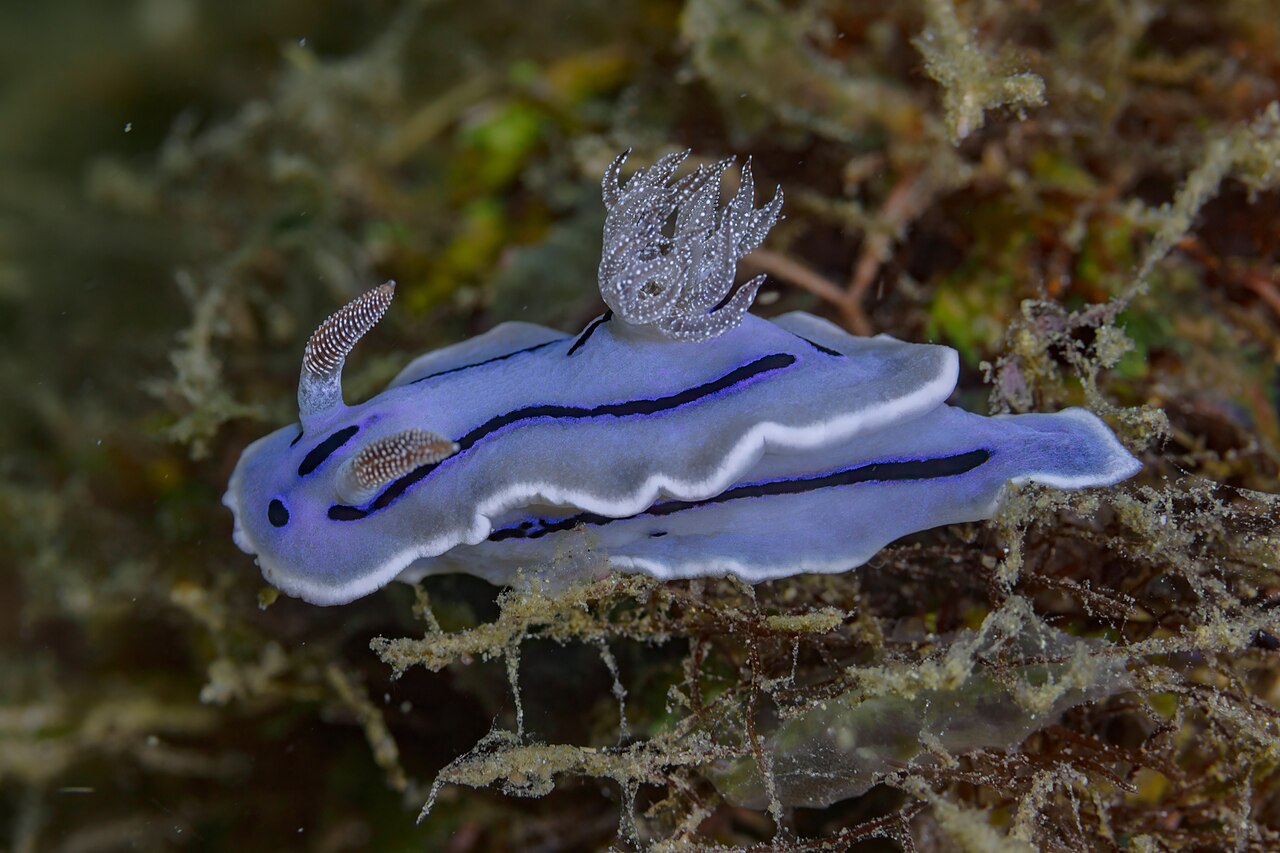 Willan's ChromodorisChromodoris willaniReported here · unconfirmed
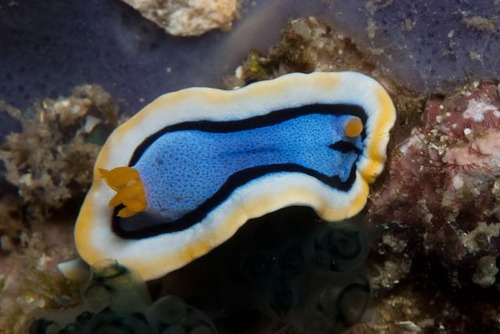 Anna's ChromodorisChromodoris annaeReported here · unconfirmed
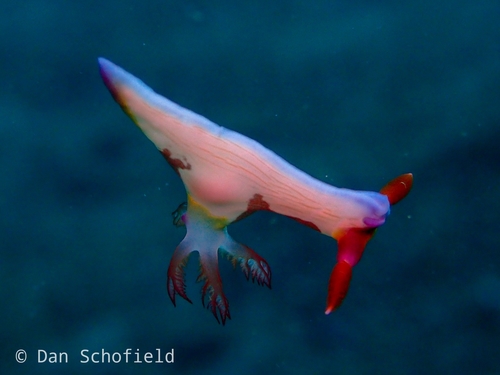 Chamberlain's NembrothaNembrotha chamberlainiReported here · unconfirmed
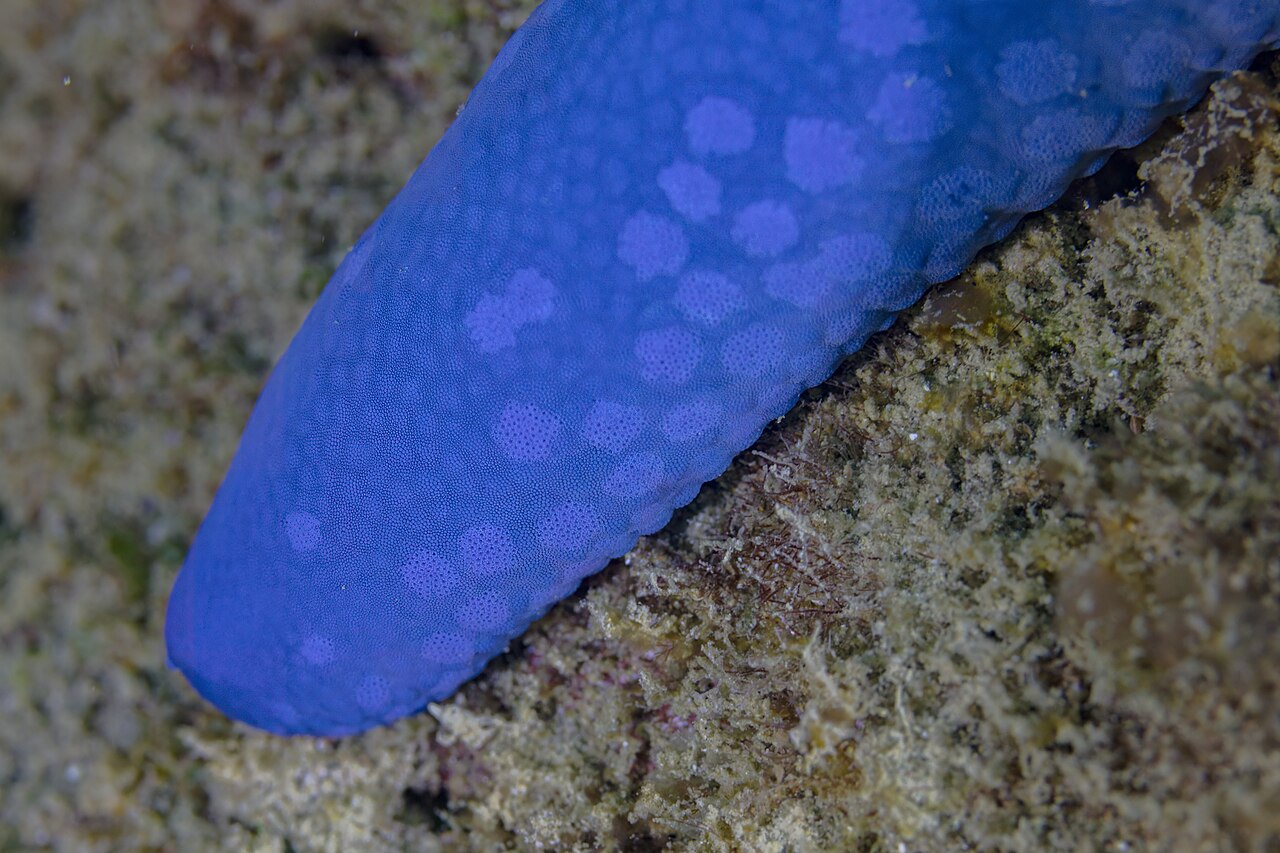 Blue LinckiaLinckia laevigataReported here · unconfirmed
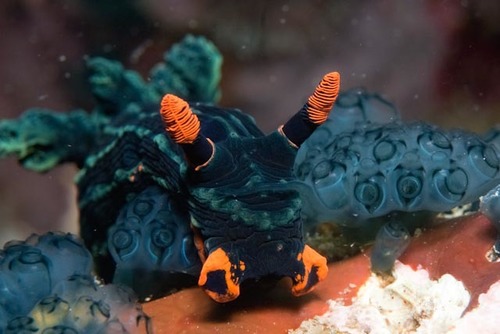 Dusky NembrothaNembrotha kubaryanaReported here · unconfirmed
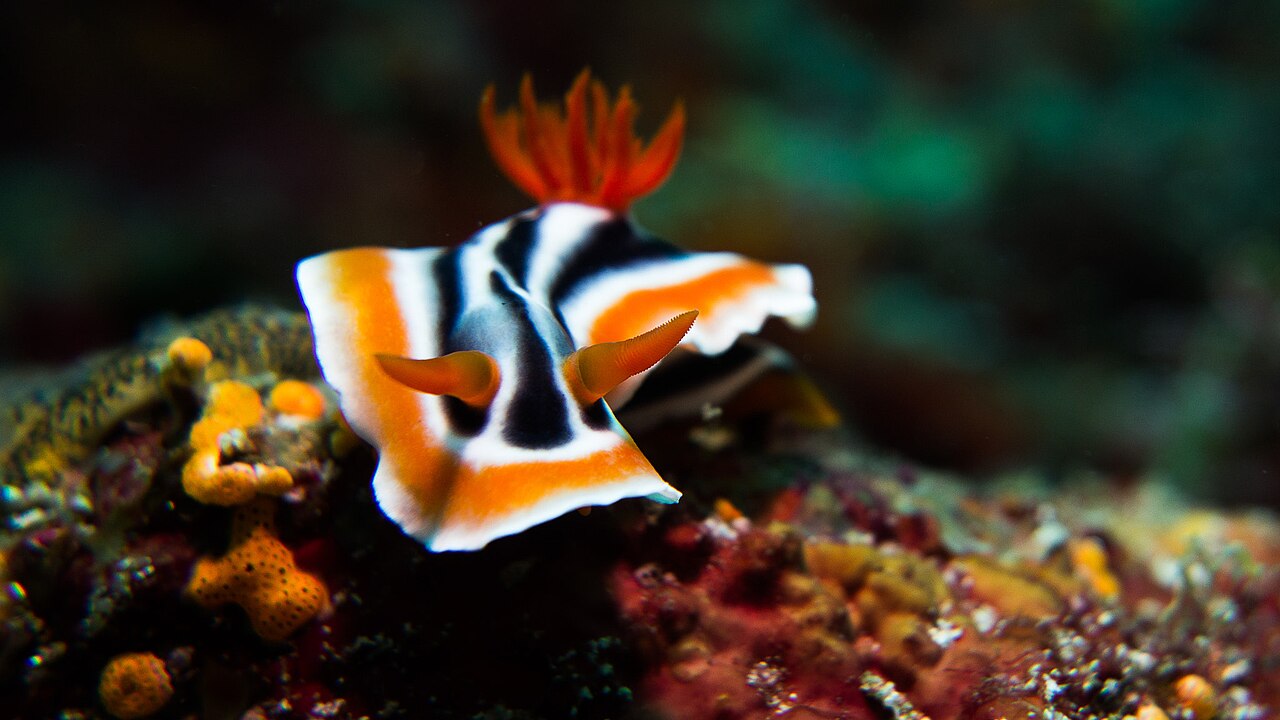 Magnificent ChromodorisChromodoris magnificaReported here · unconfirmed
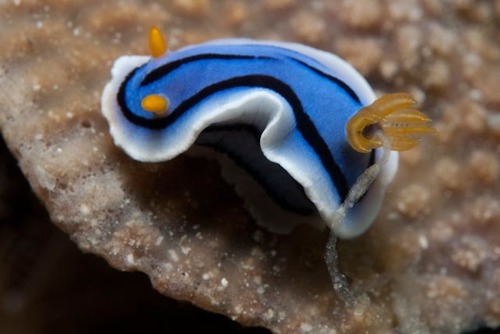 Loch's ChromodorisChromodoris lochiReported here · unconfirmed
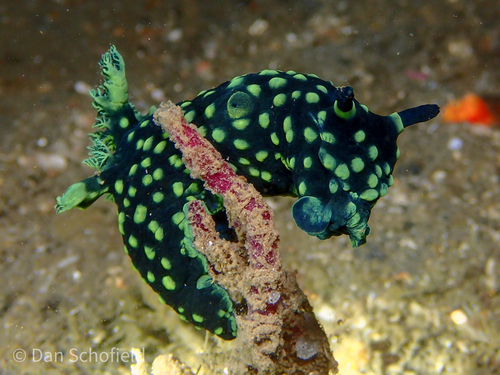 Crested NembrothaNembrotha cristataReported here · unconfirmed
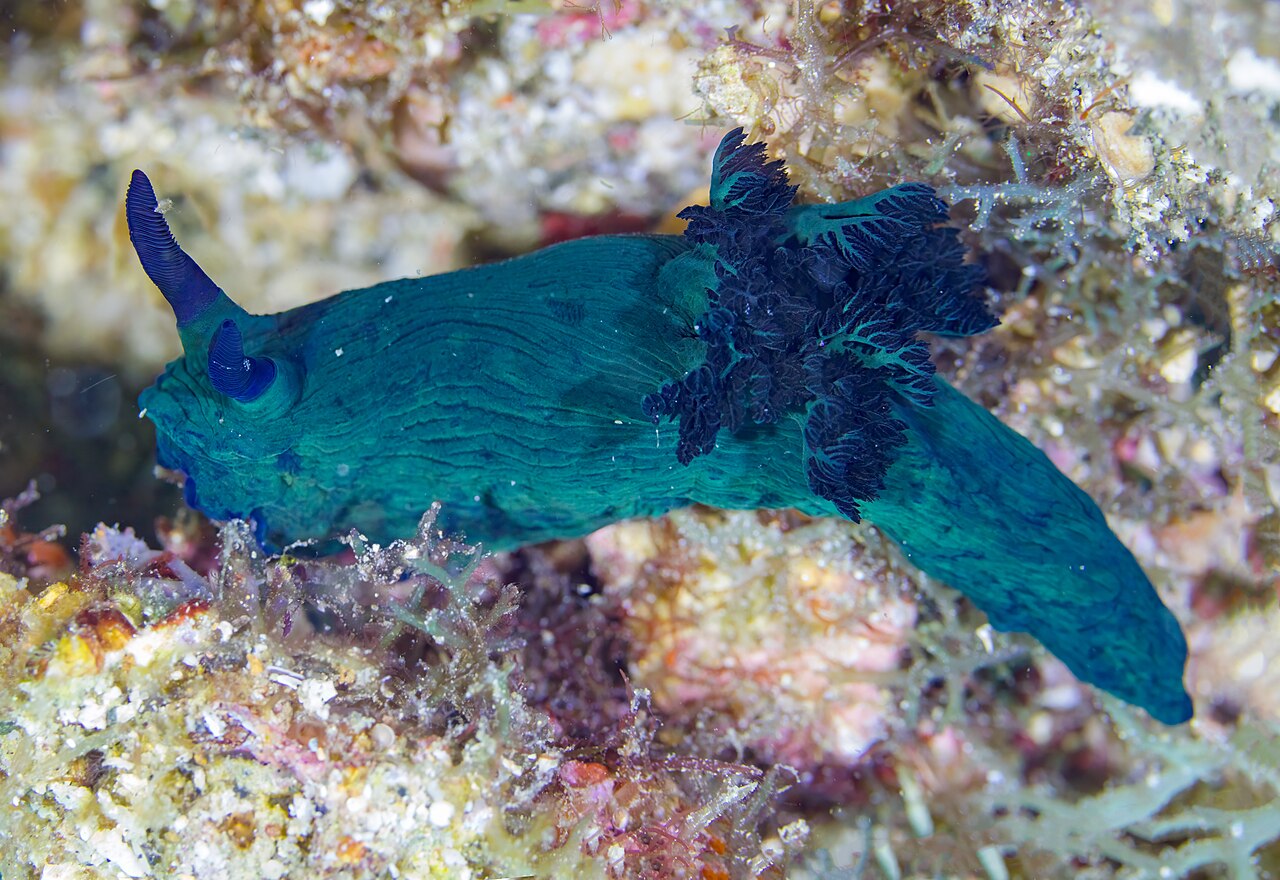 Miller's NembrothaNembrotha milleriReported here · unconfirmed
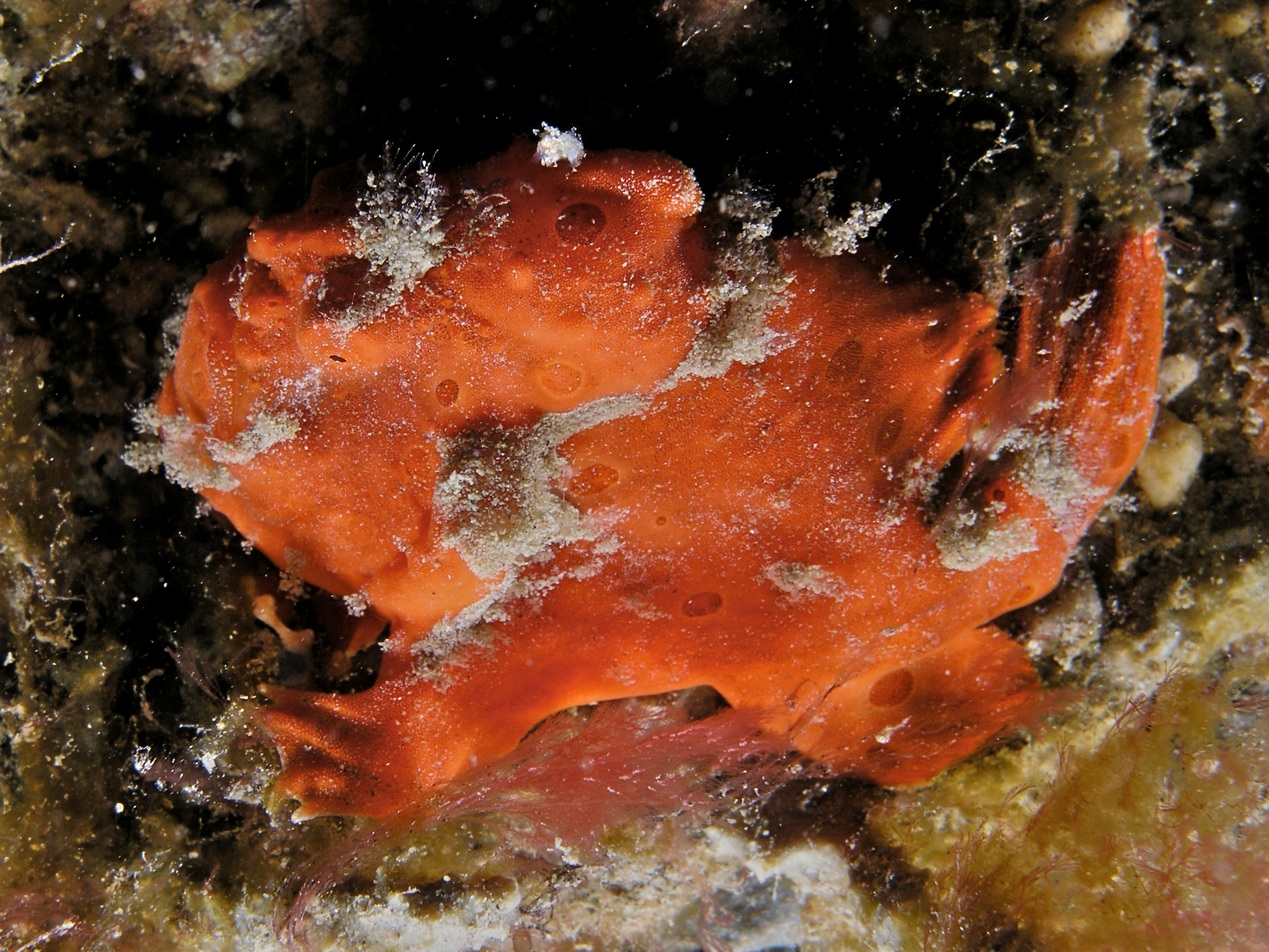 FrogfishFrogfishConfirmed present · 2 independent sources
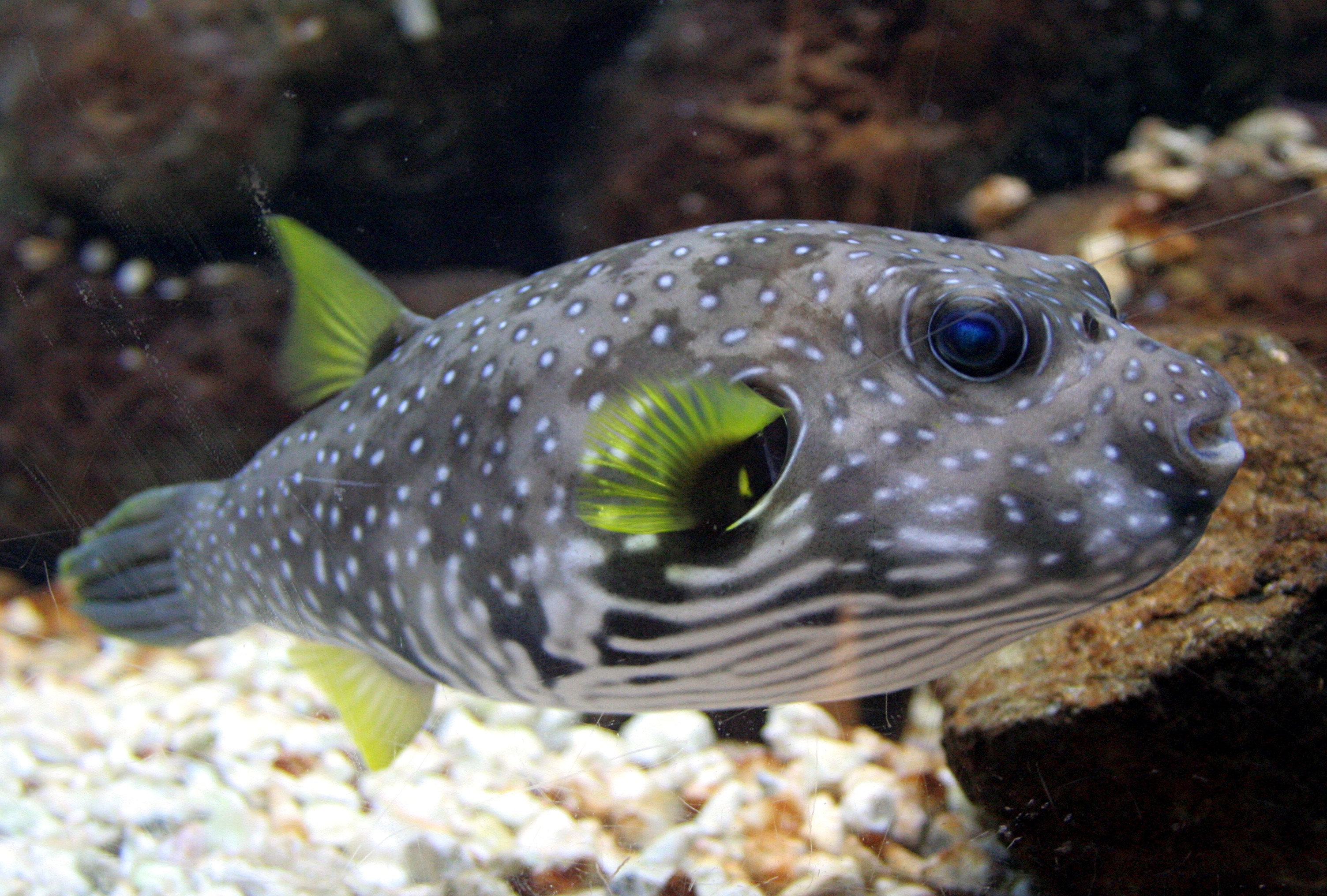 PufferfishPufferfishConfirmed present · 2 independent sources
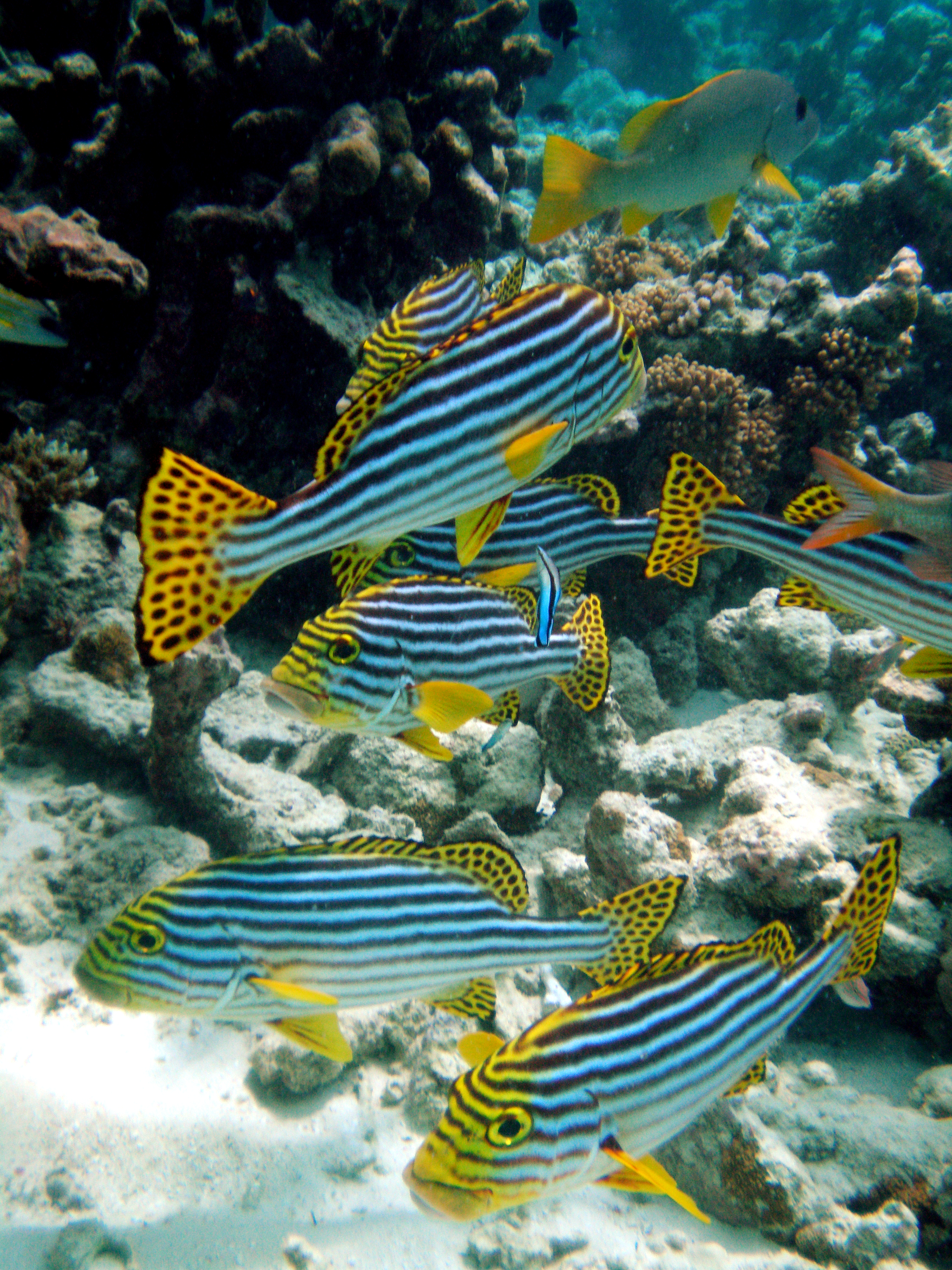 SweetlipsSweetlipsConfirmed present · 4 independent sources
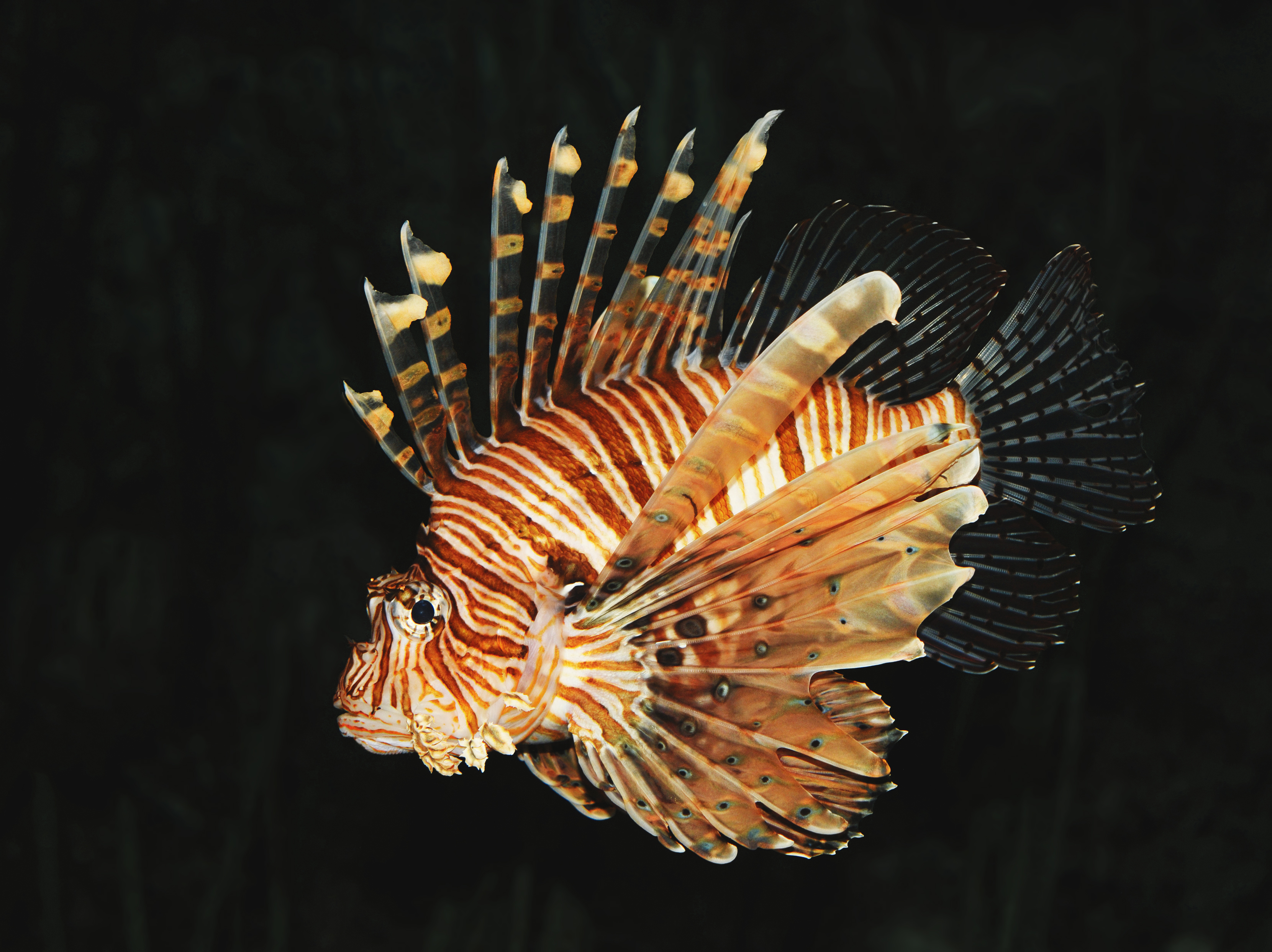 LionfishLionfishConfirmed present · 6 independent sources
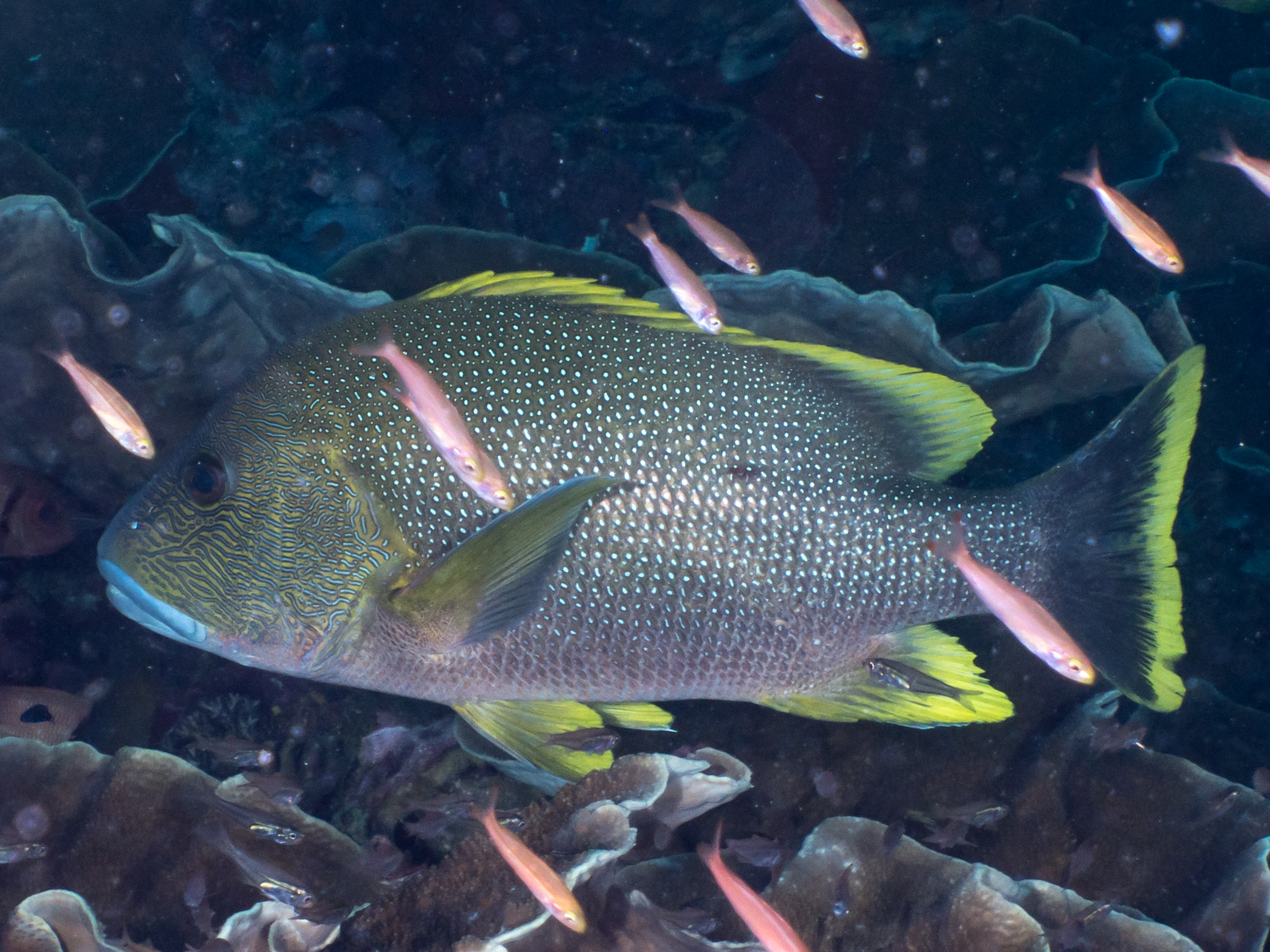 SnapperSnapperConfirmed present · 5 independent sources
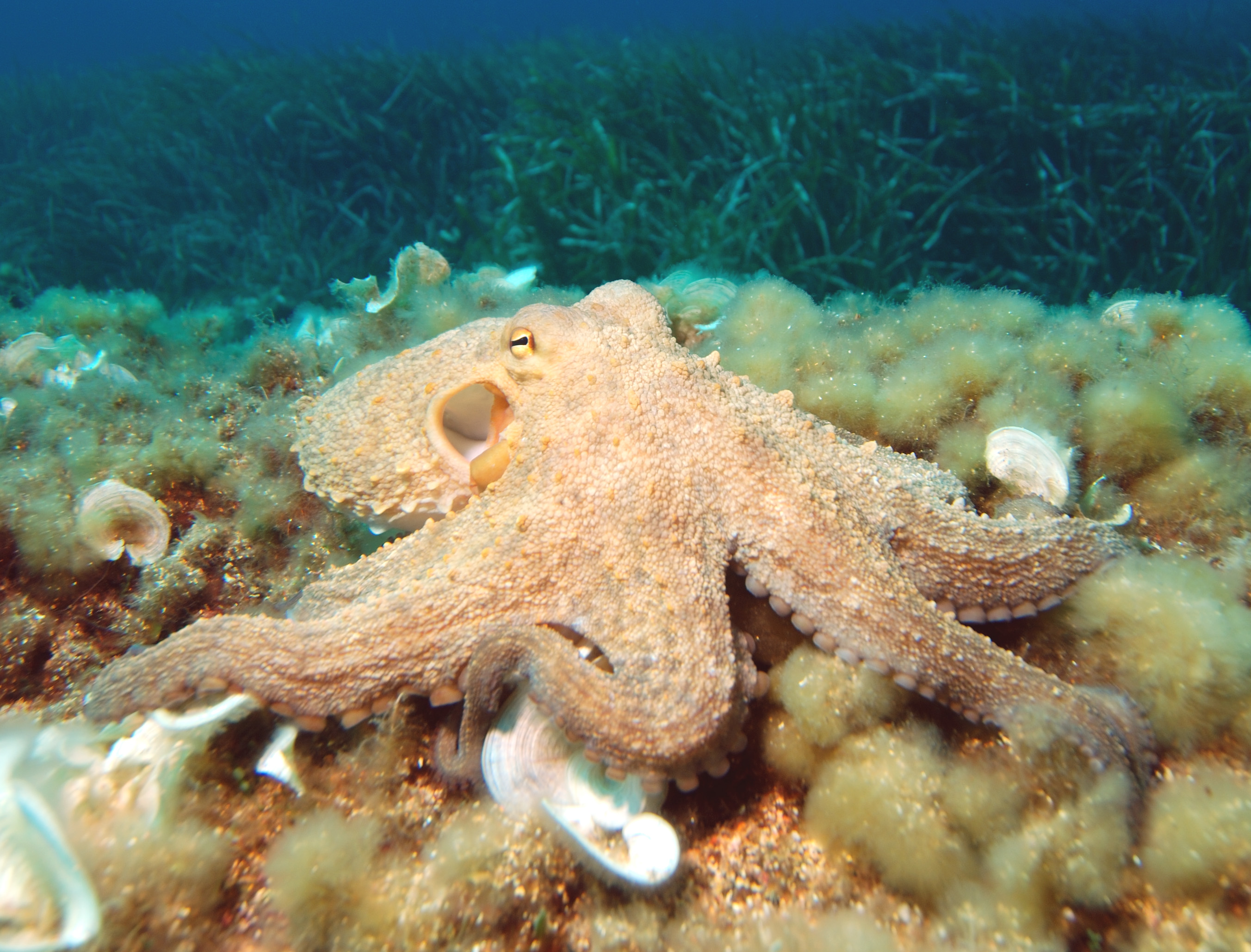 OctopusOctopusConfirmed present · 2 independent sources
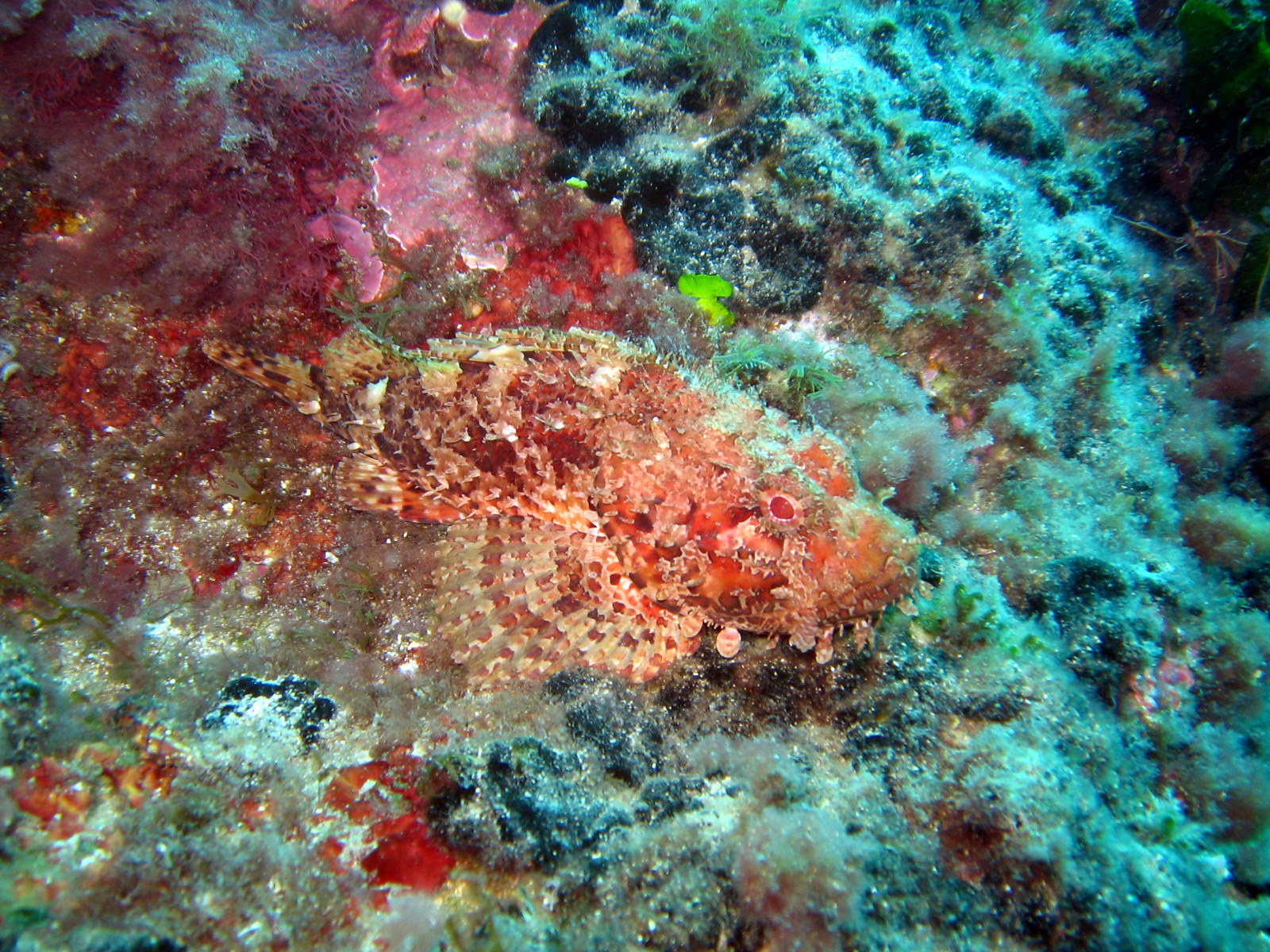 ScorpionfishScorpionfishConfirmed present · 5 independent sources
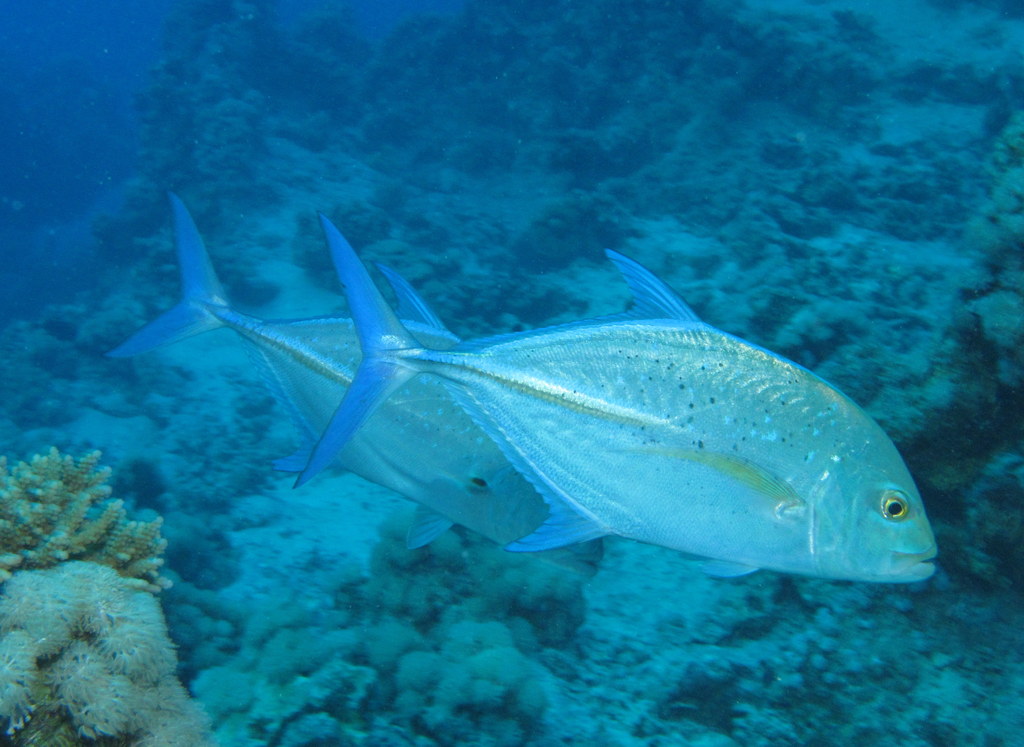 TrevallyTrevallyConfirmed present · 3 independent sources
Durable tips from divers — access, hazards, marine life, facilities. For day-of conditions, use the report tool in the conditions card above.
No notes yet. Dived here? Be the first to leave a tip.
Share a write-up or a photo. Submissions are reviewed before they appear on the page.
Nearby dive sites
Shops that dive here
No shops have listed this site yet.