Abu Dabbab
Conditions
Scored by DiveConnect's site-physics model
Marine forecast via Copernicus Marine. Score is a rule-based guide from swell/wind vs. the site's exposure — always dive your own assessment.
Dived here today? How were conditions vs. what we showed?
About this site
Abu Dabbab (Marsa Abu Dabbab) is a wide, shallow sandy bay near Marsa Alam on Egypt's Red Sea coast, one of the most accessible dive sites in the area and one of the few places in Egypt where dugong sightings are a genuine possibility. The bay is characterized by lush seagrass beds across the sandy bottom, with healthy coral formations running along the bay's sides. Depths range from 5 m to 18 m (maximum recorded 19.2 m), and the sheltered, protected setting keeps conditions calm with minimal to no current in the main bay, though current picks up at the bay mouth and outer reef.
The terrain centres on flat seagrass beds that attract the site's signature animals: green sea turtles feed on the grass and rest on the sand, and dugongs, though rare, are spotted here with enough regularity to draw dedicated visitors. Guitar sharks and blue-spotted rays are found on the sandy bottom, the rays sometimes buried and venomous, so careful fin placement matters. Octopus, clownfish, reef fish, and rich macro life inhabit the coral garden areas along the bay sides.
Entry is directly from shore, making this a true bay dive with easy shore access and no boat required to reach the main dive area. Visibility is typically good, running 15–25 m, and is clearest between November and April. Water temperature ranges from 22–30 °C, and the site is diveable year-round. The protected bay makes it well suited to beginners and all experience levels, including snorkelers and underwater photographers.
Read the full guideShow less
Hazards to be aware of include boat and zodiac traffic near the bay mouth, with the associated risk of vessel strikes on turtles; venomous rays and camouflaged animals buried in the sand; and overhead environments in the south-side canyon and under jetty overhangs, which require appropriate awareness. Sightlines can drop in sandy shallow zones when the bottom is disturbed.
Marine life here
Confirmed by our research team, reported by independent divers, or observed nearby via iNaturalist — each entry is labelled with its source.
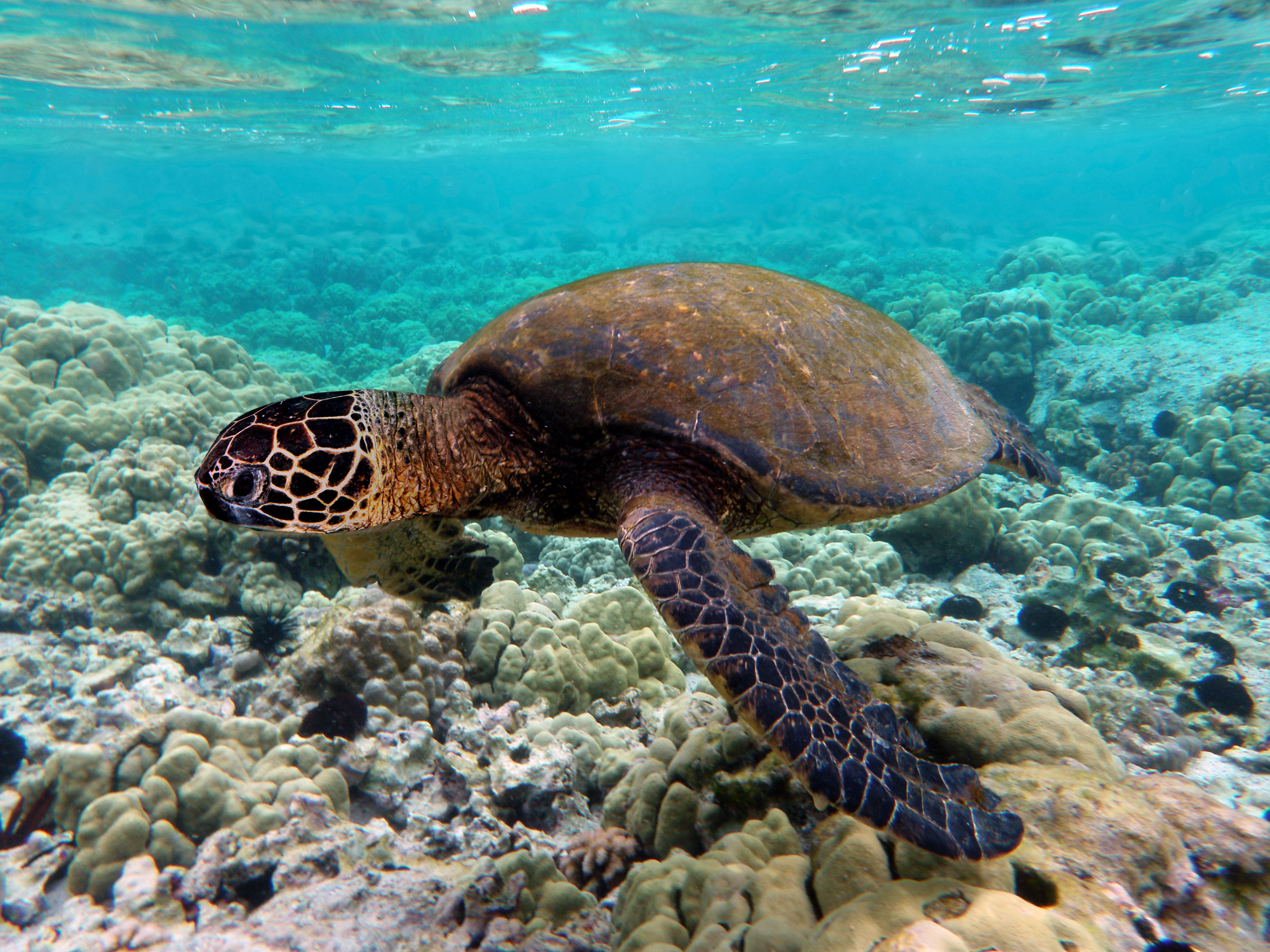 Sea turtleSea turtleReported here · unconfirmed
 Freckled HawkfishParacirrhites forsteriReported here · unconfirmed
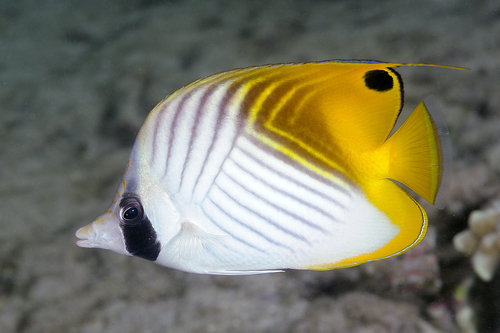 Threadfin ButterflyfishChaetodon aurigaReported here · unconfirmed
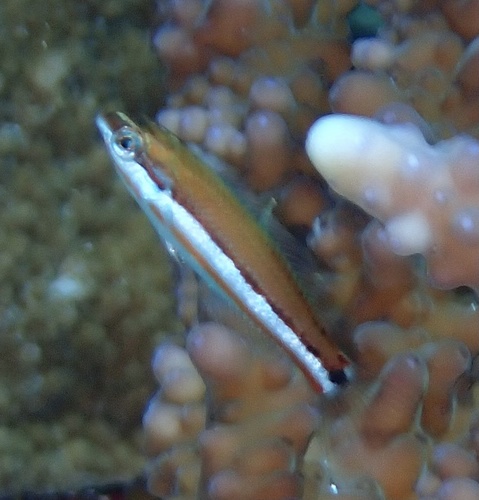 Klunzinger's WrasseThalassoma rueppelliiReported here · unconfirmed
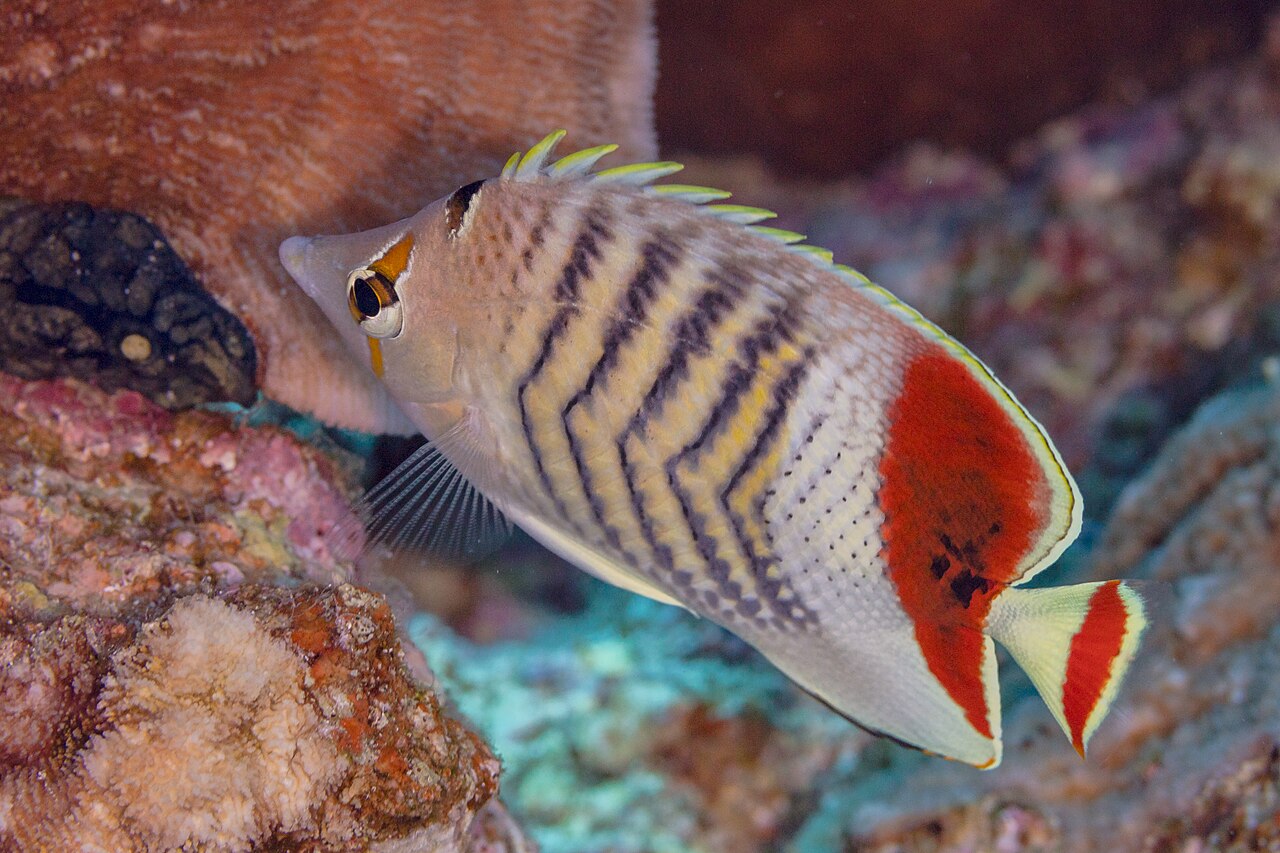 Crown ButterflyfishChaetodon paucifasciatusReported here · unconfirmed
 Harlequin Prawn-gobyCryptocentrus caeruleopunctatusReported here · unconfirmed
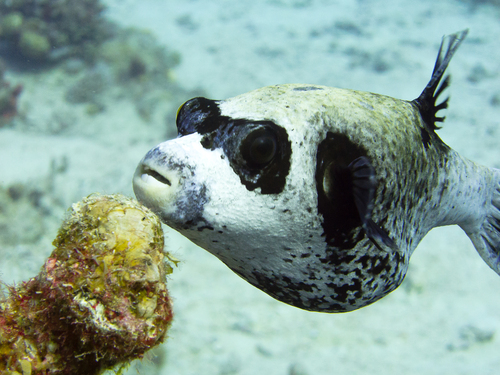 Masked PufferArothron diadematusReported here · unconfirmed
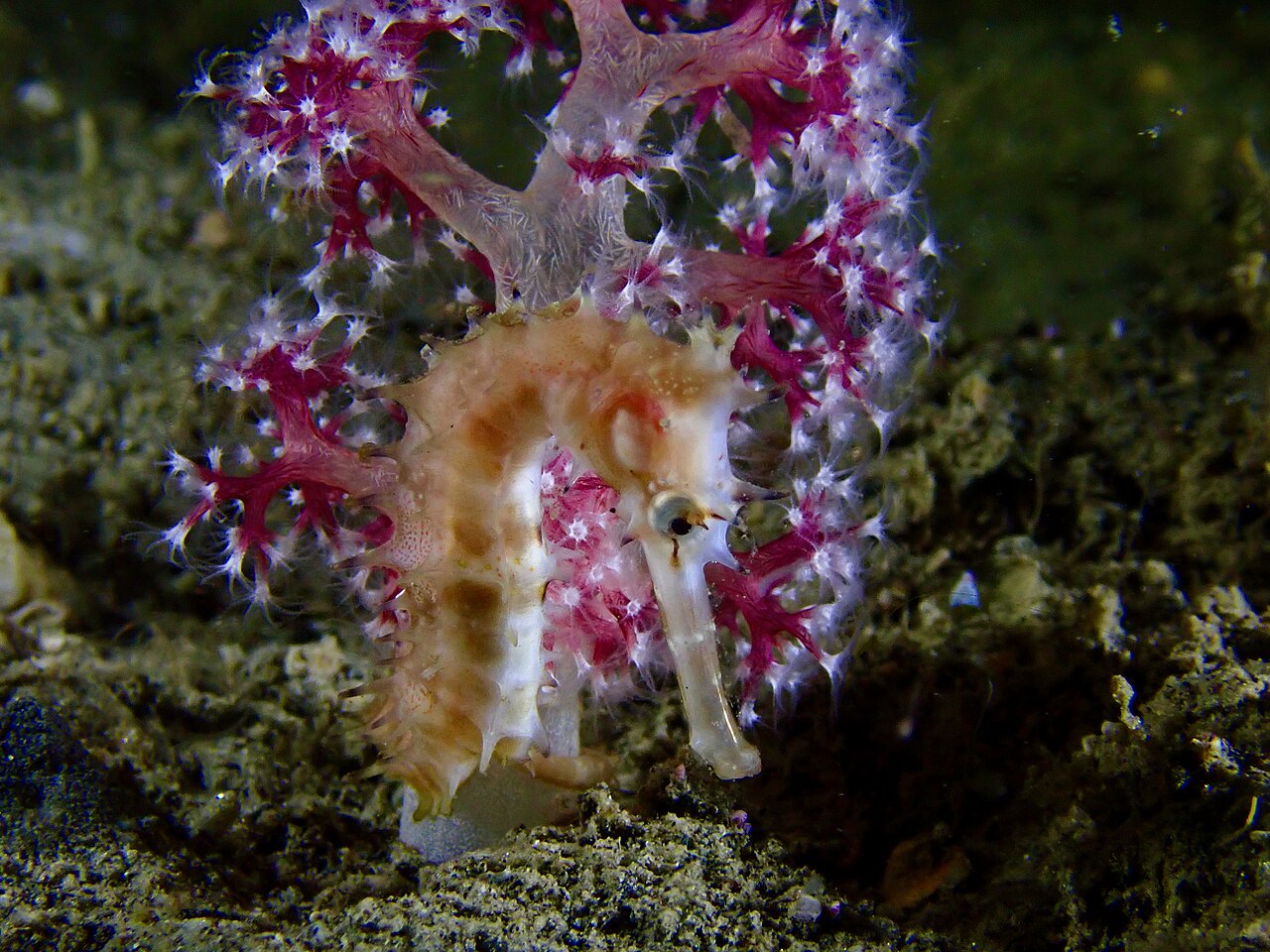 SeahorseSeahorseConfirmed present · 3 independent sources
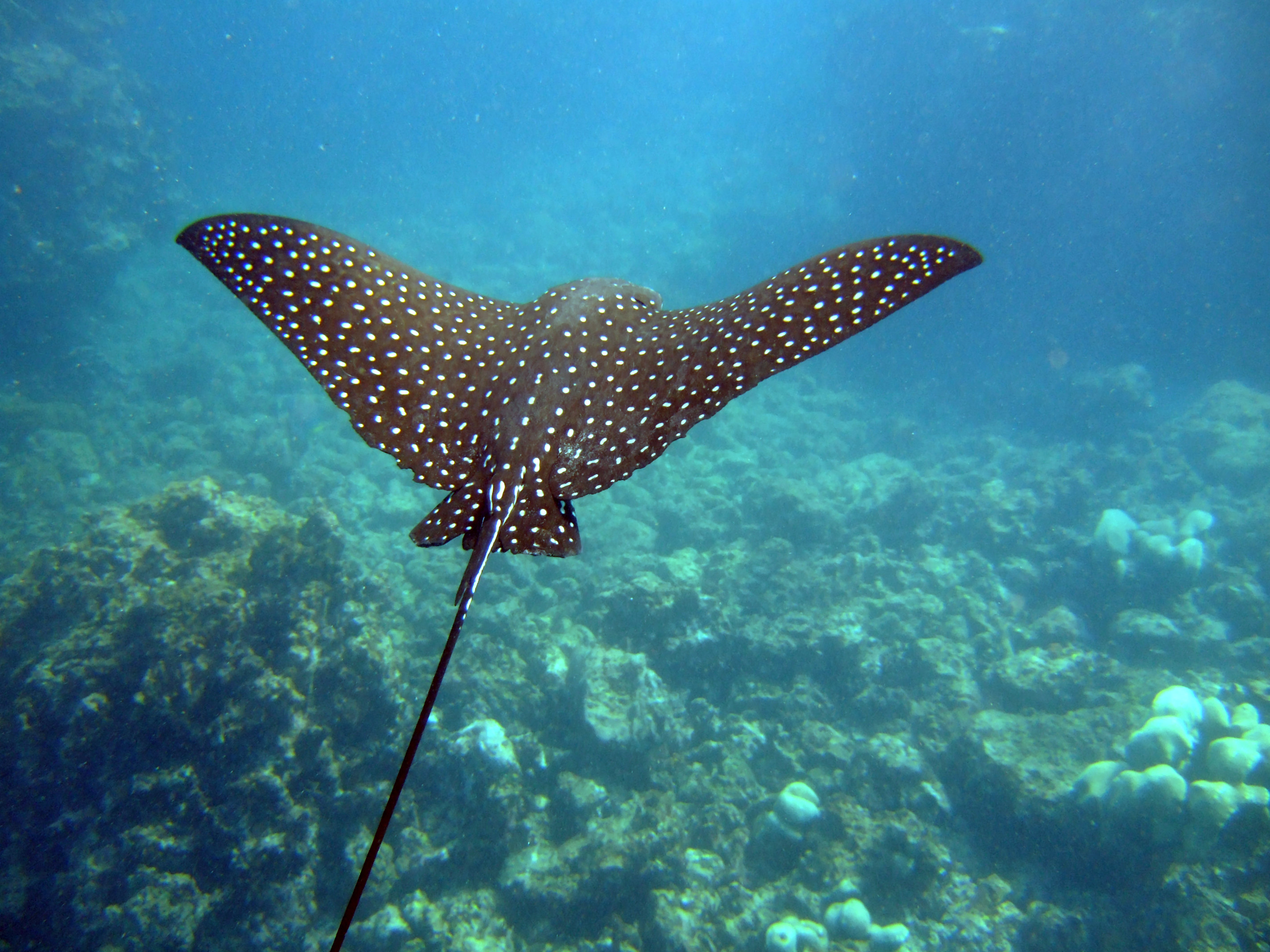 Eagle rayEagle rayReported here · unconfirmed
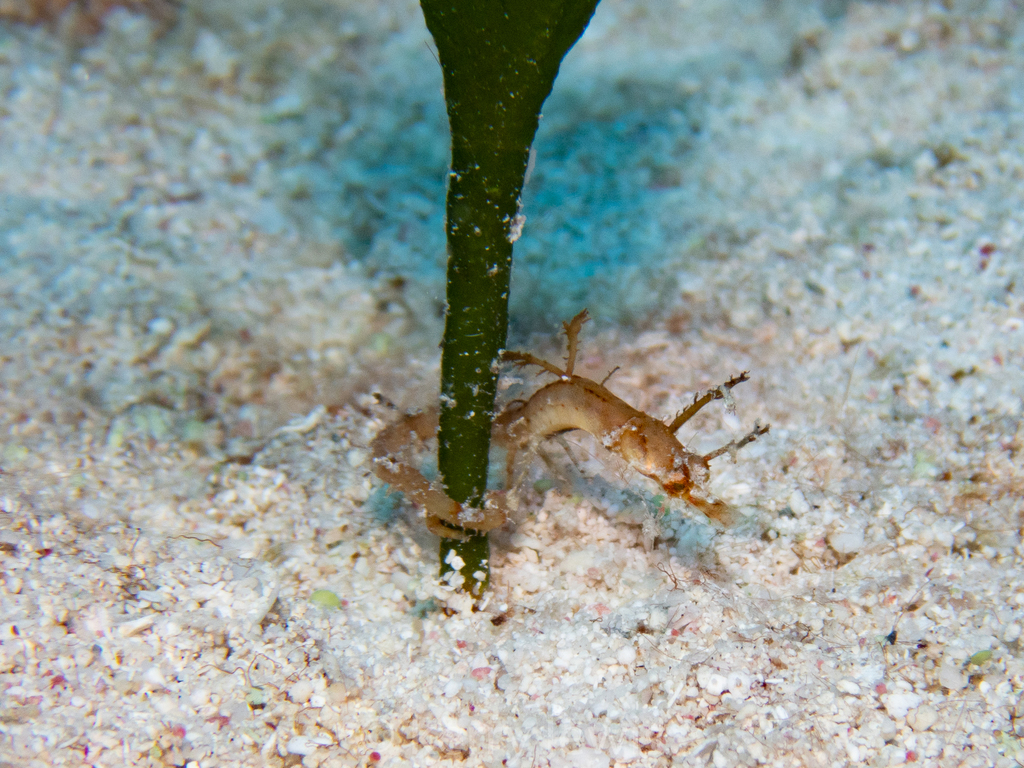 PipehorseAmphelikturus dendriticusReported here · unconfirmed
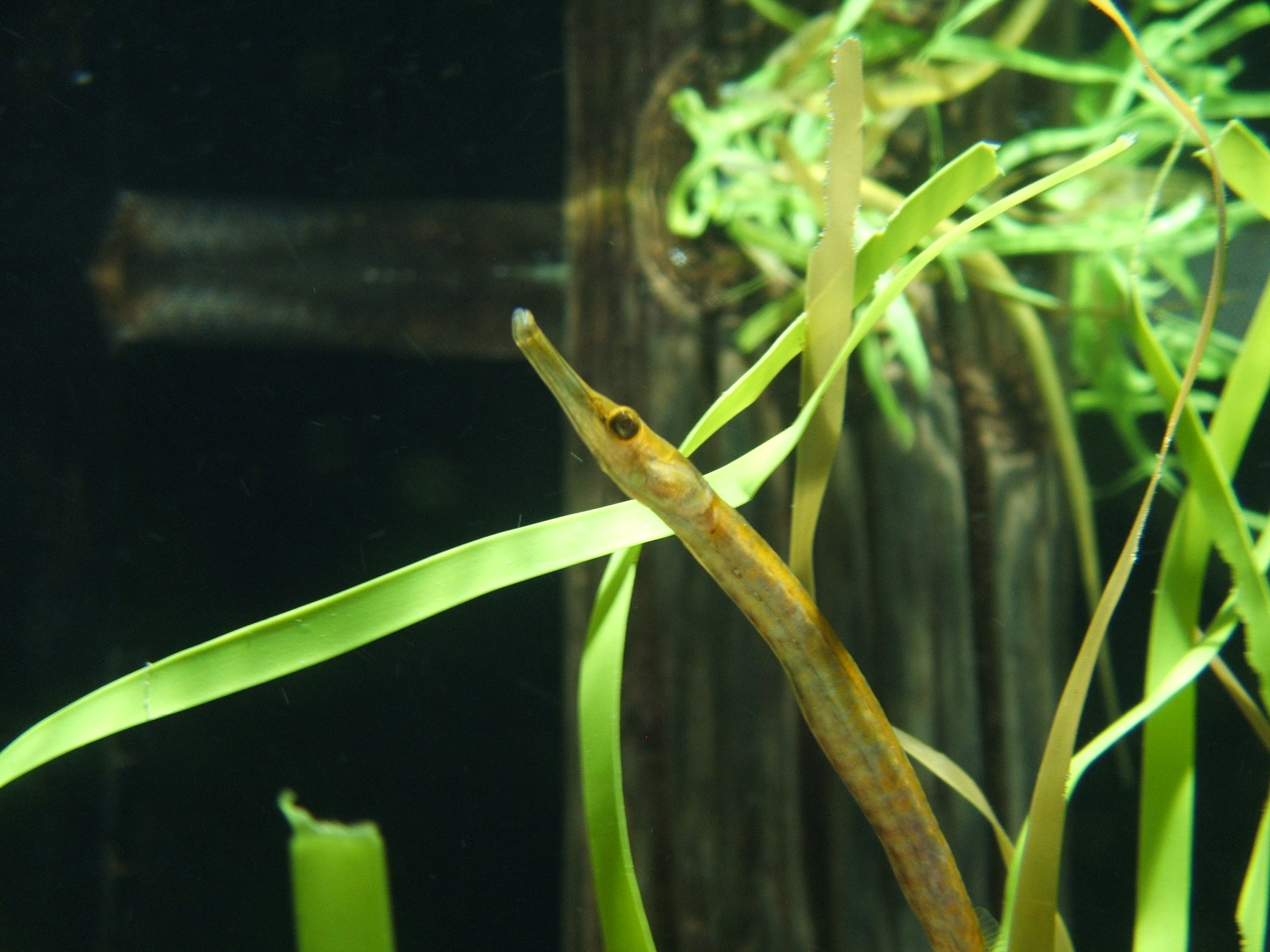 PipefishPipefishReported here · unconfirmed
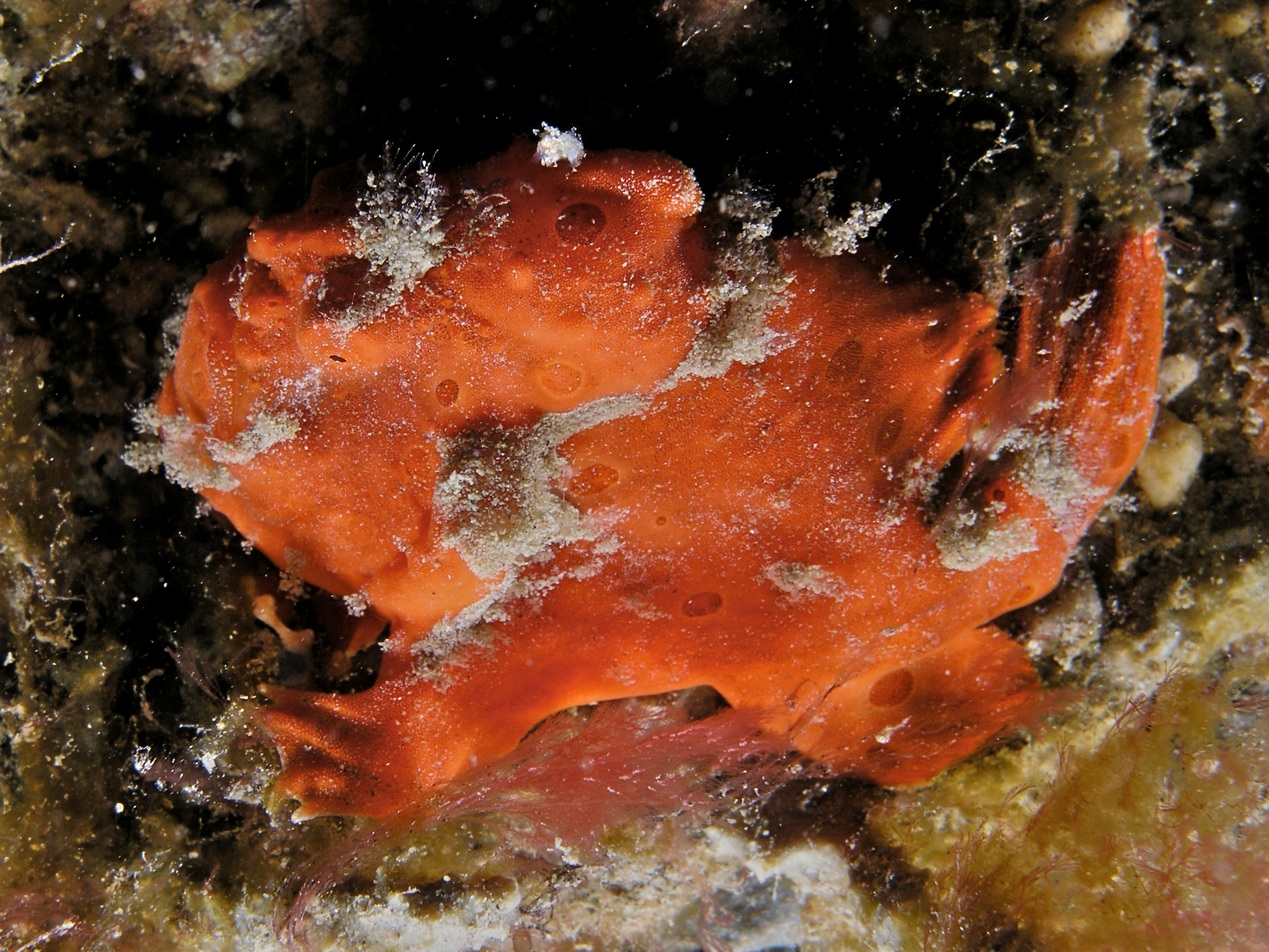 FrogfishFrogfishConfirmed present · 2 independent sources
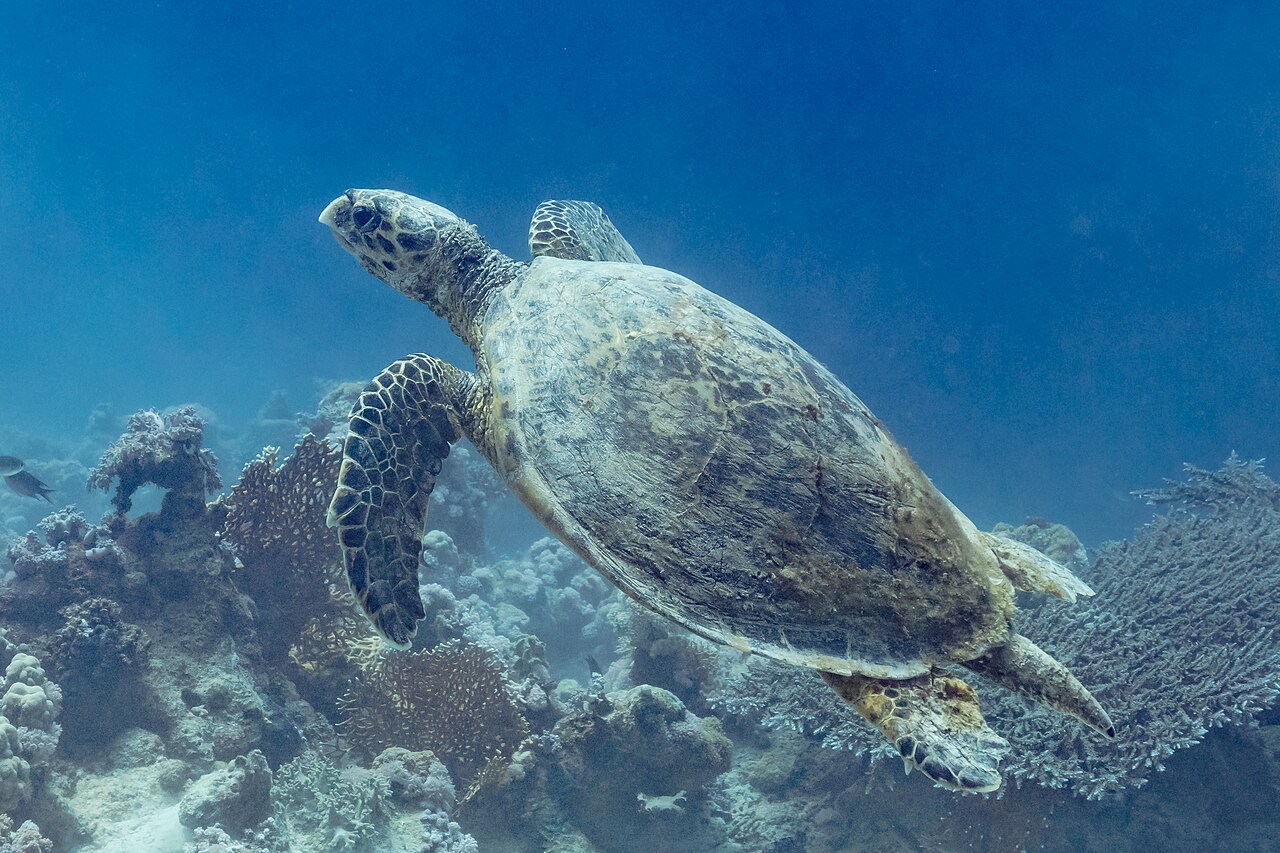 Hawksbill Sea TurtleEretmochelys imbricataReported here · unconfirmed
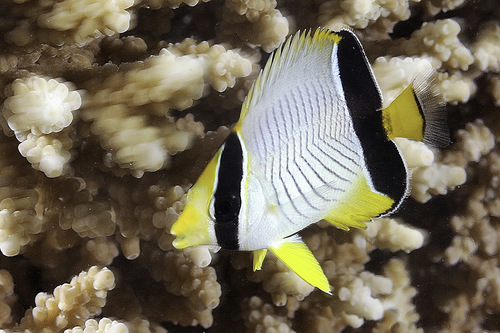 Chevron ButterflyfishChaetodon trifascialisReported here · unconfirmed
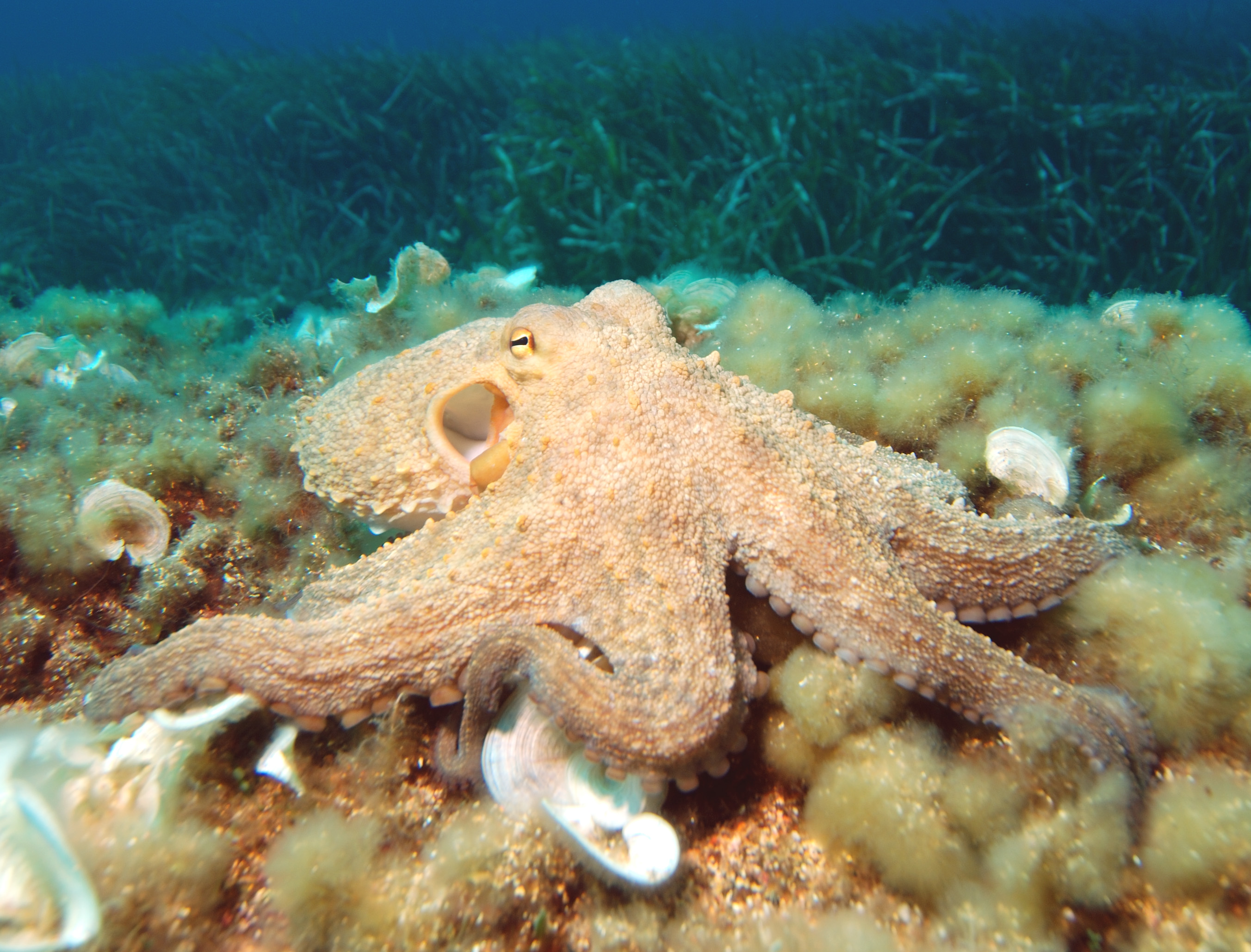 OctopusOctopusReported here · unconfirmed
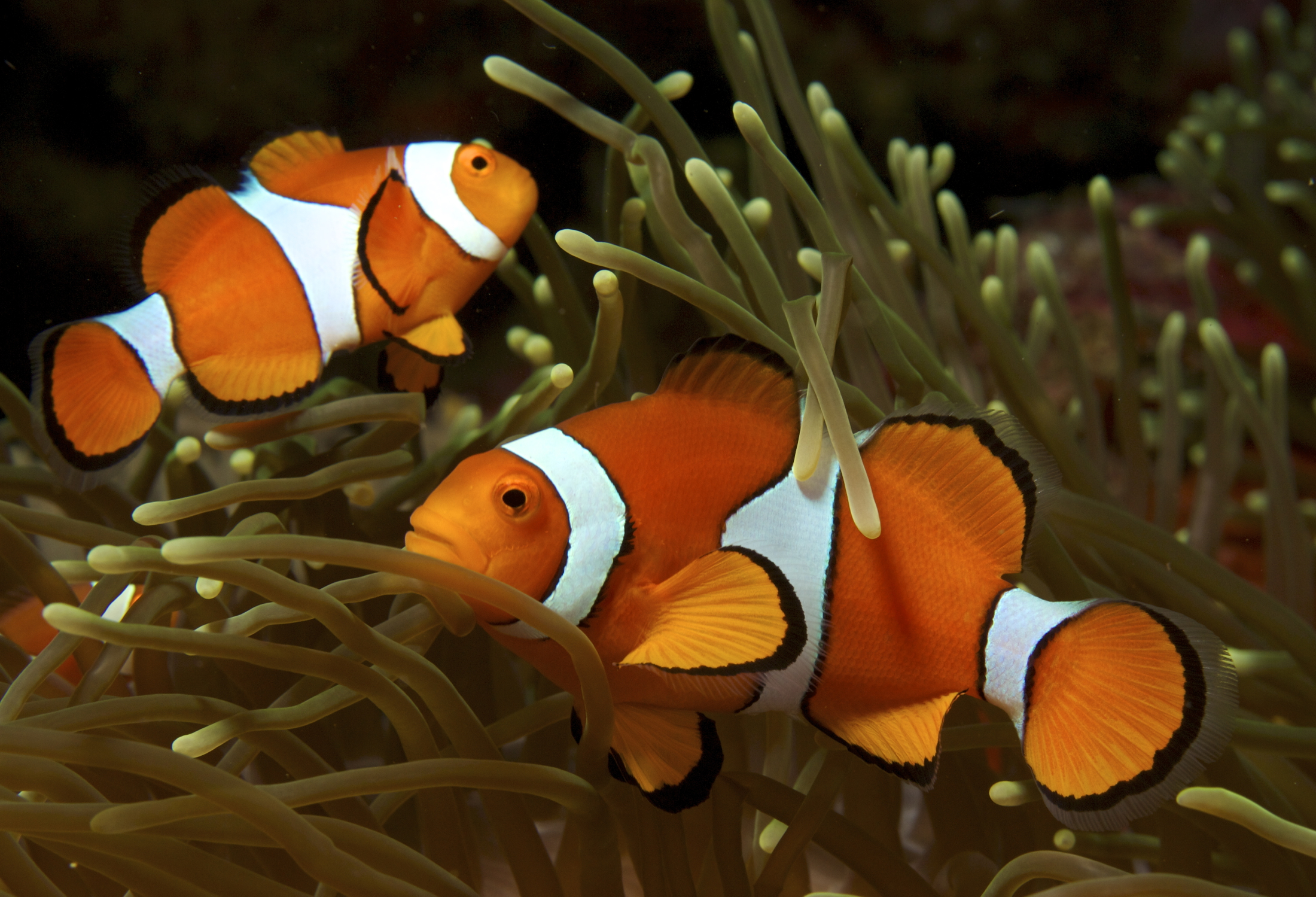 ClownfishClownfishReported here · unconfirmed
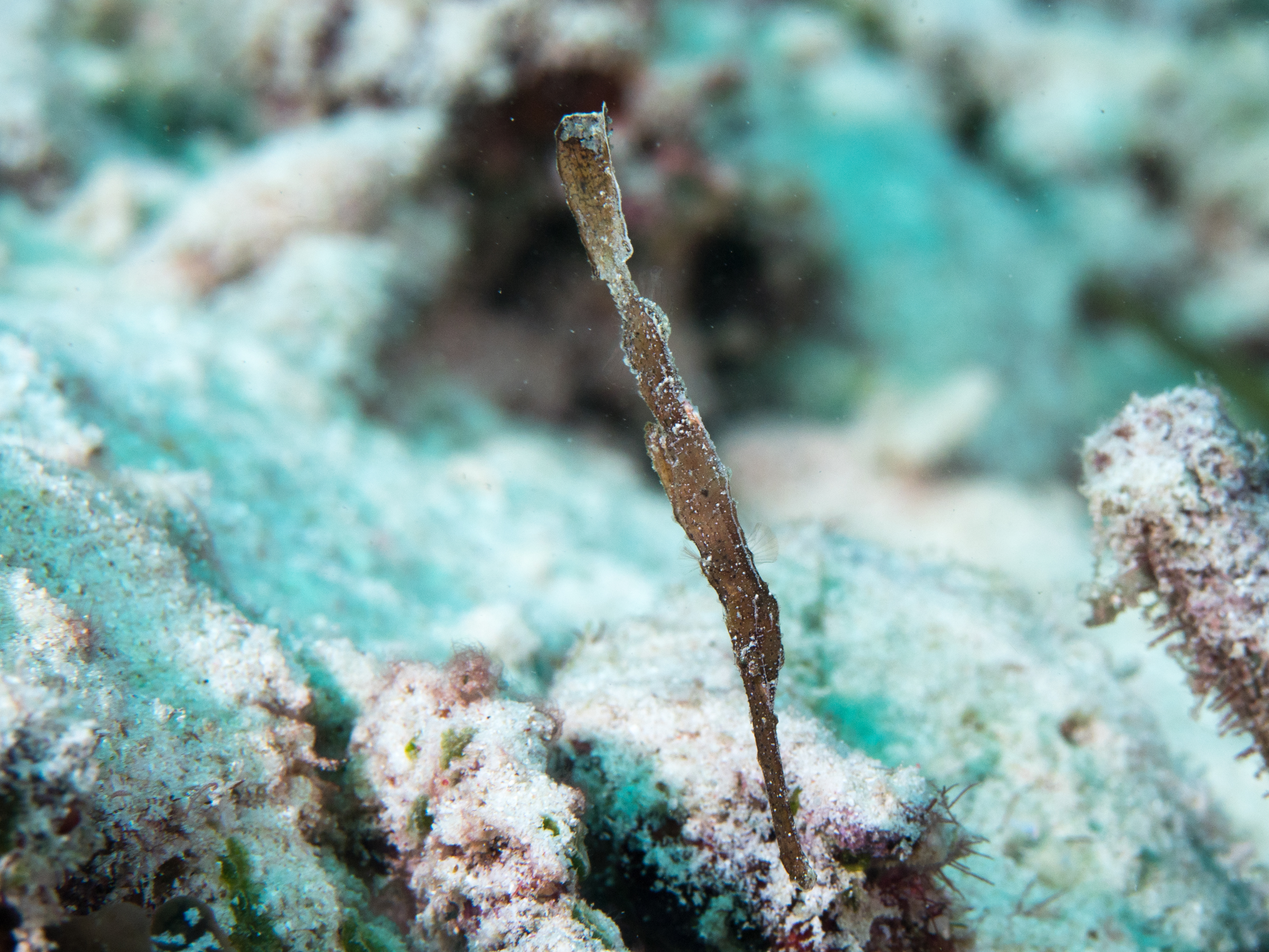 Ghost pipefishGhost pipefishConfirmed present · 4 independent sources
 GuitarfishGuitarfishConfirmed present · 3 independent sources
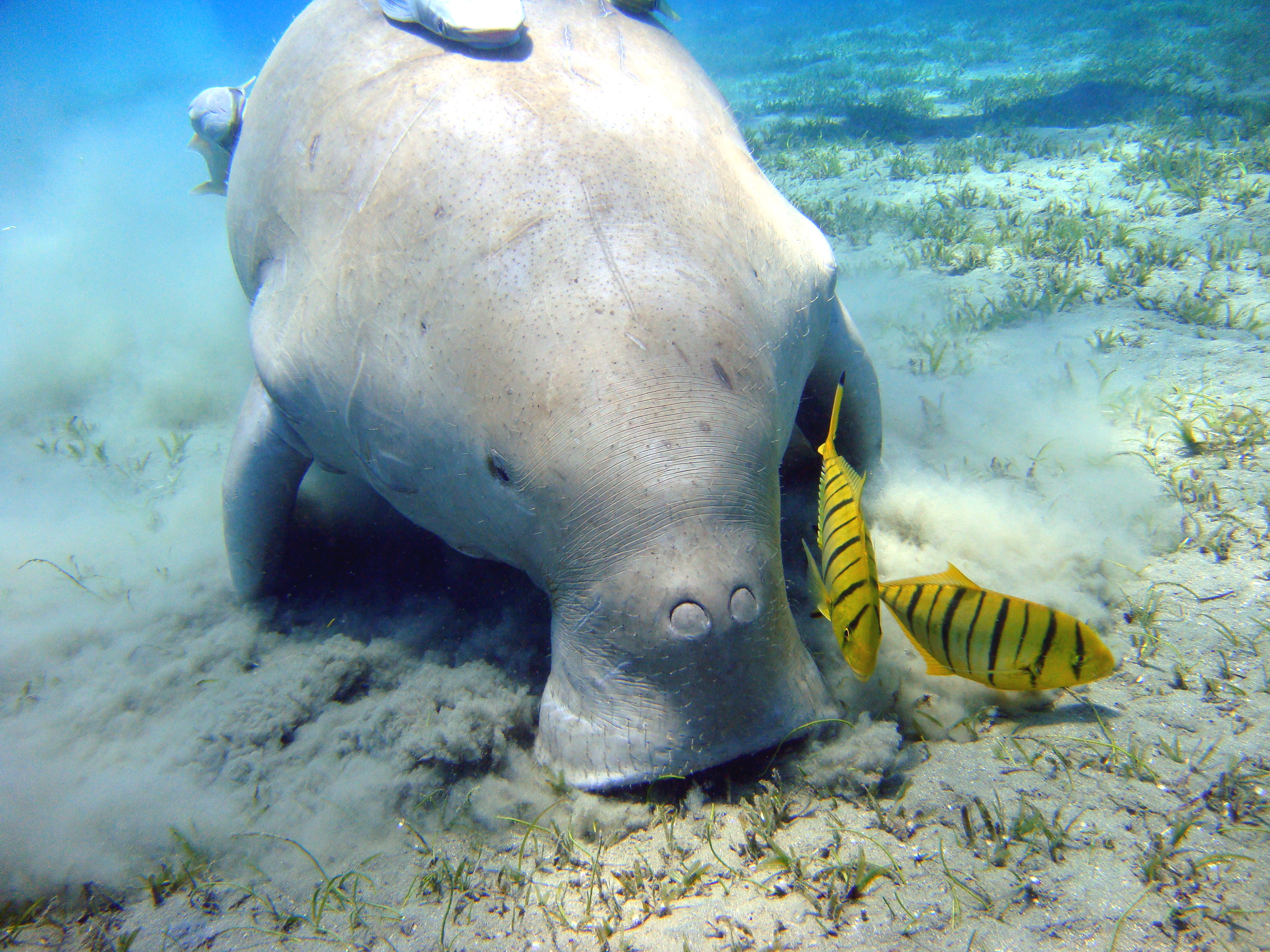 DugongDugongConfirmed present · 8 independent sources
Durable tips from divers — access, hazards, marine life, facilities. For day-of conditions, use the report tool in the conditions card above.
No notes yet. Dived here? Be the first to leave a tip.
Share a write-up or a photo. Submissions are reviewed before they appear on the page.
Nearby dive sites
Shops that dive here
No shops have listed this site yet.