HMS Scylla
Conditions & tides
Scored by DiveConnect's site-physics model
Marine forecast via Copernicus Marine. Score is a rule-based guide from swell/wind vs. the site's exposure — always dive your own assessment.
Dived here today? How were conditions vs. what we showed?
About this site
HMS Scylla is an artificial diving reef lying upright on a sandy seabed in Whitsand Bay, South Cornwall, at coordinates 50°19.665 N, 004°15.162 W. She was the last Royal Navy Leander-class frigate built at Devonport Dockyard, launched in 1968 and decommissioned in 1993. On 27 March 2004 the National Marine Aquarium in Plymouth, with funding from the South West of England Regional Development Agency, placed her on the seabed to create Europe's first purpose-built artificial diving reef. Before deployment her superstructure was removed and holes were cut into the hull sides so divers can look into the internal compartments.
The wreck sits upright with a maximum depth of 23 m to the sandy bottom and a shallowest point of around 9 m. She measures 113 m long and 13 m wide, offering considerable vertical and horizontal range for exploration at all levels of the hull.
The Scylla is well colonised by sedentary life and supports a wide variety of species. Sea fans became established by 2007. Other life includes deadmen's fingers, tube worms, bib, pollack, cod, wrasse, congers, and cuttlefish, making the wreck a productive site for underwater photography and natural history observation.
Read the full guideShow less
Currents are not a significant problem but the site is not slack-free, so some tidal awareness is needed. Visibility can be reduced both by the conditions at the site and by sediment stirred up by high diver numbers; in season the wreck can suffer from diver saturation, and other divers in the water are a constant consideration. Silt inside the wreck is a hazard for those entering internal spaces. No artefacts may be removed from the site. The wreck is considered suitable for beginners and is recommended as a training and confidence-building dive in British waters.
Marine life here
Confirmed by our research team, reported by independent divers, or observed nearby via iNaturalist — each entry is labelled with its source.
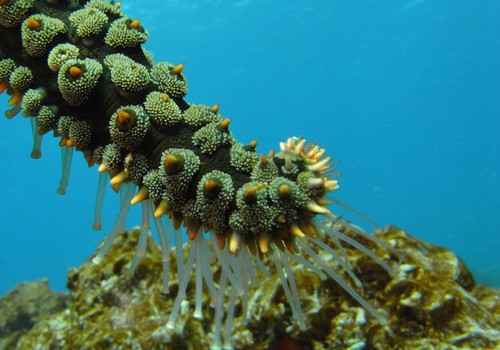 Spiny StarfishMarthasterias glacialisReported here · unconfirmed
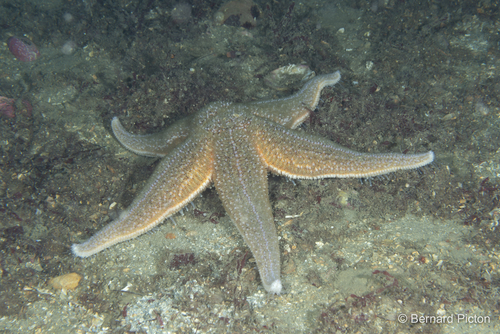 Common Sea StarAsterias rubensReported here · unconfirmed
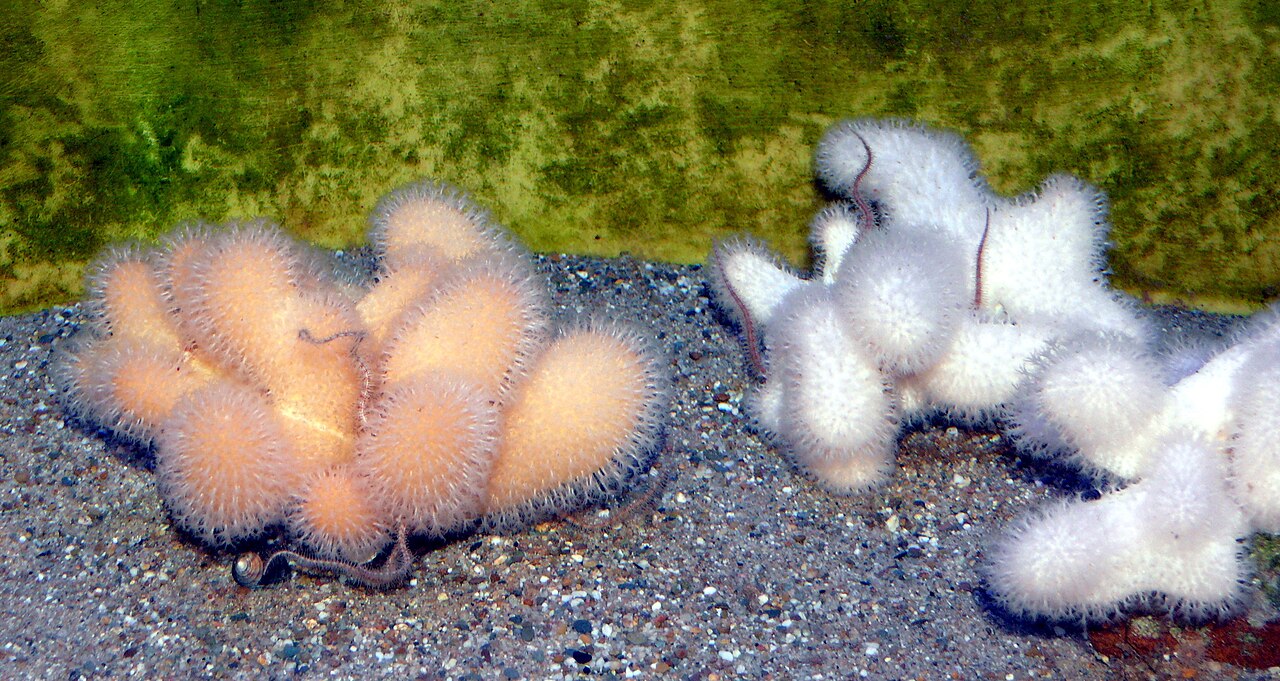 Dead Man's FingersAlcyonium digitatumReported here · unconfirmed
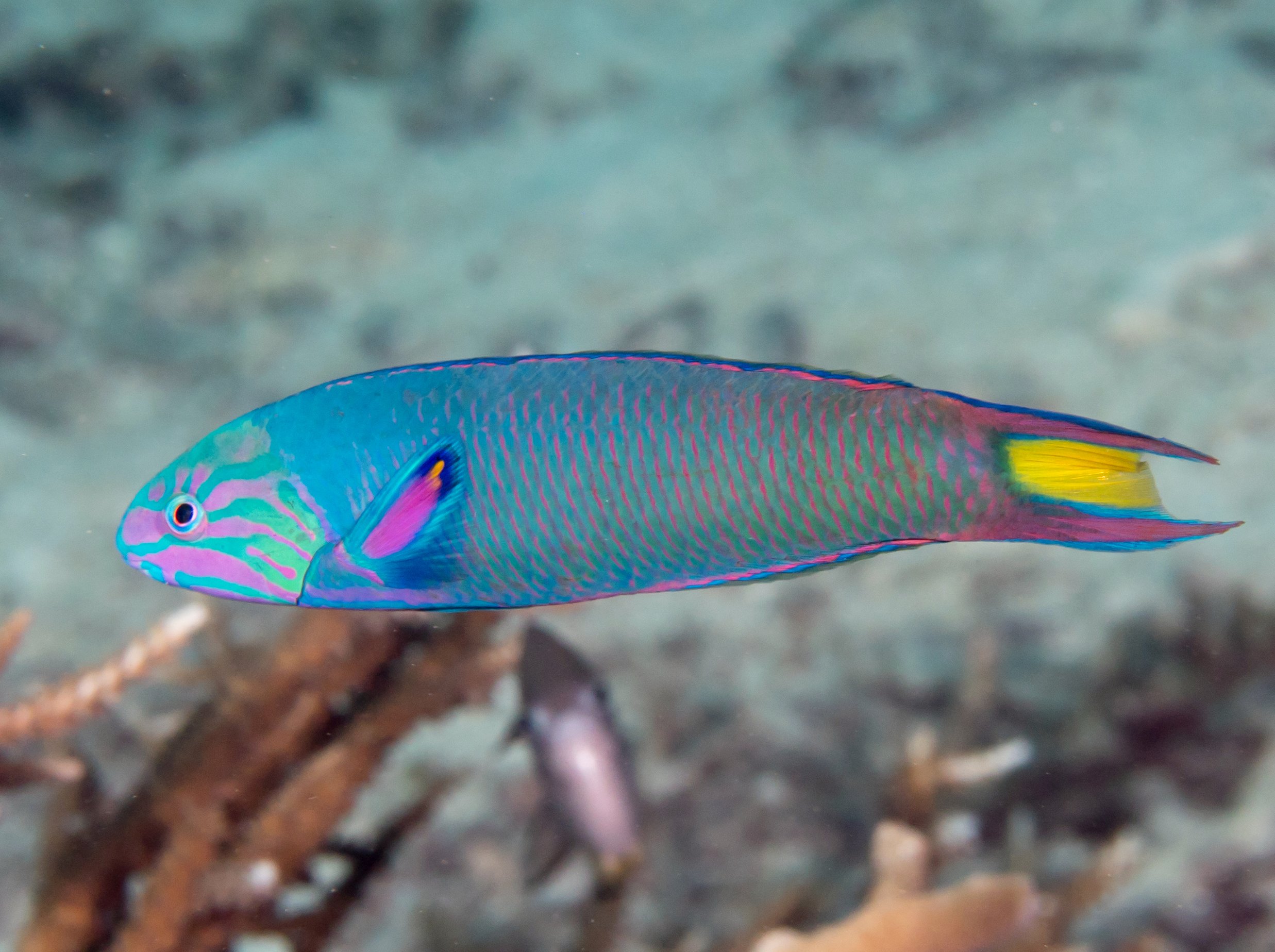 WrasseWrasseReported here · unconfirmed
Durable tips from divers — access, hazards, marine life, facilities. For day-of conditions, use the report tool in the conditions card above.
No notes yet. Dived here? Be the first to leave a tip.
Share a write-up or a photo. Submissions are reviewed before they appear on the page.
Nearby dive sites
Shops that dive here
No shops have listed this site yet.