Tech Playground
Conditions & tides
Scored by DiveConnect's site-physics model
Marine forecast via Copernicus Marine. Score is a rule-based guide from swell/wind vs. the site's exposure — always dive your own assessment.
Dived here today? How were conditions vs. what we showed?
About this site
The Playground, also called Tech Playground, is an artificial reef off Palm Beach, Florida, located almost directly offshore of the Lake Worth (West Palm Beach) Inlet. It is not a shipwreck; it is built entirely of 1,500 tons of concrete culverts deployed over a span of roughly seven years, from 1986 to 1993. FWC records the reef at a bottom depth of 135 feet (41 m) with 12 feet (3.7 m) of relief. Operator and charter listings typically quote 140 feet (43 m) as the working depth. The depth discrepancy between sources likely reflects measurement method and tidal stage; plan conservatively for 140 feet (43 m).
The Gulf Stream tracks closer to shore along Palm Beach County than anywhere else on the North American continent, delivering the clearest water divers encounter in Florida, with visibility that can reach 80 to 100 feet (24–30 m). It drops on outgoing tides and after heavy rain and wind. Water temperature ranges from the upper 60s °F (around 20 °C) in winter to the low 80s °F (around 27–28 °C) in summer. A 3 mm wetsuit or shorty covers most of the year; a 5 mm is comfortable in January and February.
The Playground is an artificial reef loaded with big fish hiding among the rubble of its concrete culvert piles. Many reefs in Palm Beach have resident goliath groupers year-round, but the site is particularly worth targeting from late August through September, sometimes into October, when goliath groupers aggregate in large numbers for their annual spawning.
Read the full guideShow less
The Gulf Stream influences almost every aspect of diving along the Palm Beach coast, including deep sites like the Playground. Current at this depth can run north with strength; a quick, controlled descent to the bottom on the anchor or shot line is good practice. The site is dived as a live-boat or anchored drift depending on conditions on the day, and the boat must display a dive flag at all times under Florida law. Visibility can drop during outgoing tides or after strong winds and heavy rain, so calm-weather days in summer, when the Gulf Stream presses closest to the coast, generally produce the best conditions at depth.
All diving here is by boat. The Lake Worth Inlet, also called the Palm Beach Inlet, is an artificial cut through a barrier island connecting the northern part of Lake Worth Lagoon with the Atlantic Ocean, and it is the practical departure point for the Playground. The site lies roughly offshore in the seaward direction from the inlet. No shore entry is possible at 135–140 feet (41–43 m) depth. Boats need to navigate the inlet carefully, particularly during outgoing tide when the ebb current can set strongly; check NOAA tidal predictions for the inlet before departure.
The Playground requires a twin-set or sidemount configuration and is classified for technical divers only. With the bottom at 135 feet (41 m) and only 12 feet (3.7 m) of relief, air brings heavy narcosis and almost no no-decompression time. Divers typically use trimix or an appropriate travel/bottom gas with a decompression plan and staged bailout gases. At minimum, technical-level training, such as TDI/IANTD Advanced Nitrox and Decompression Procedures, or equivalent, is required before attempting this site. A surface marker buoy (SMB) deployed from depth is essential for live-boat pick-up. Goliath groupers are a fully protected species under federal and Florida law; touching, harassing, or spearing them is illegal.
You can dive the Palm Beach area year-round, but hurricane season runs from June 1 to November 30, and swells generated by tropical systems can shut down offshore operations with little notice during those months. Visibility at depth varies seasonally, ranging from 40 to 100 feet (12–30 m) across the year, with the clearest conditions generally found in summer when seas are calmest. Winter months bring the occasional cold front, which drops water temperature and can produce rougher surface conditions, but post-front clarity on the reef is often excellent. At this depth, self-sufficiency and careful gas planning are non-negotiable.
Marine life here
Confirmed by our research team, reported by independent divers, or observed nearby via iNaturalist — each entry is labelled with its source.
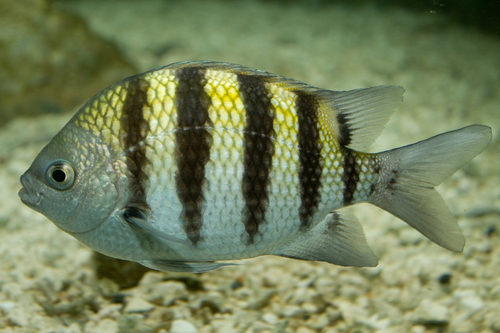 Atlantic Sergeant MajorAbudefduf saxatilisReported here · unconfirmed
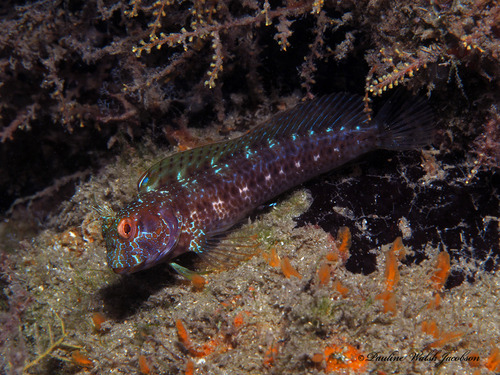 Seaweed BlennyParablennius marmoreusReported here · unconfirmed
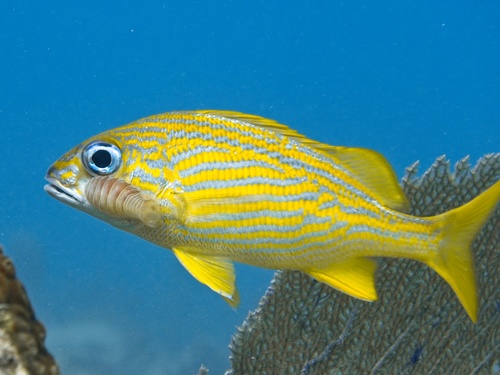 French GruntHaemulon flavolineatumReported here · unconfirmed
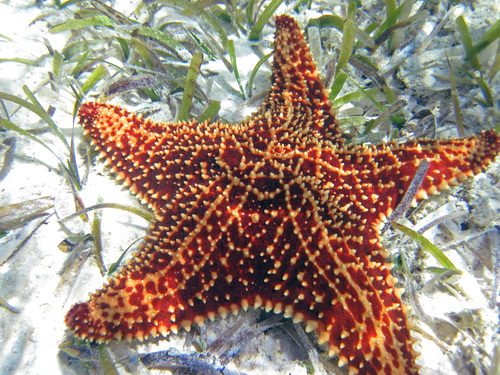 Red Cushion Sea StarOreaster reticulatusReported here · unconfirmed
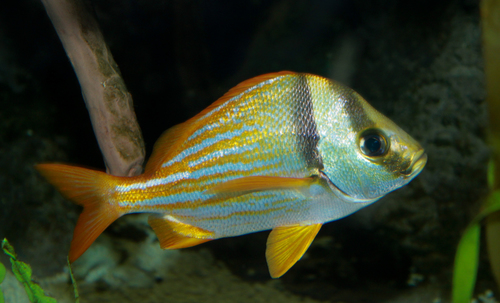 PorkfishAnisotremus virginicusReported here · unconfirmed
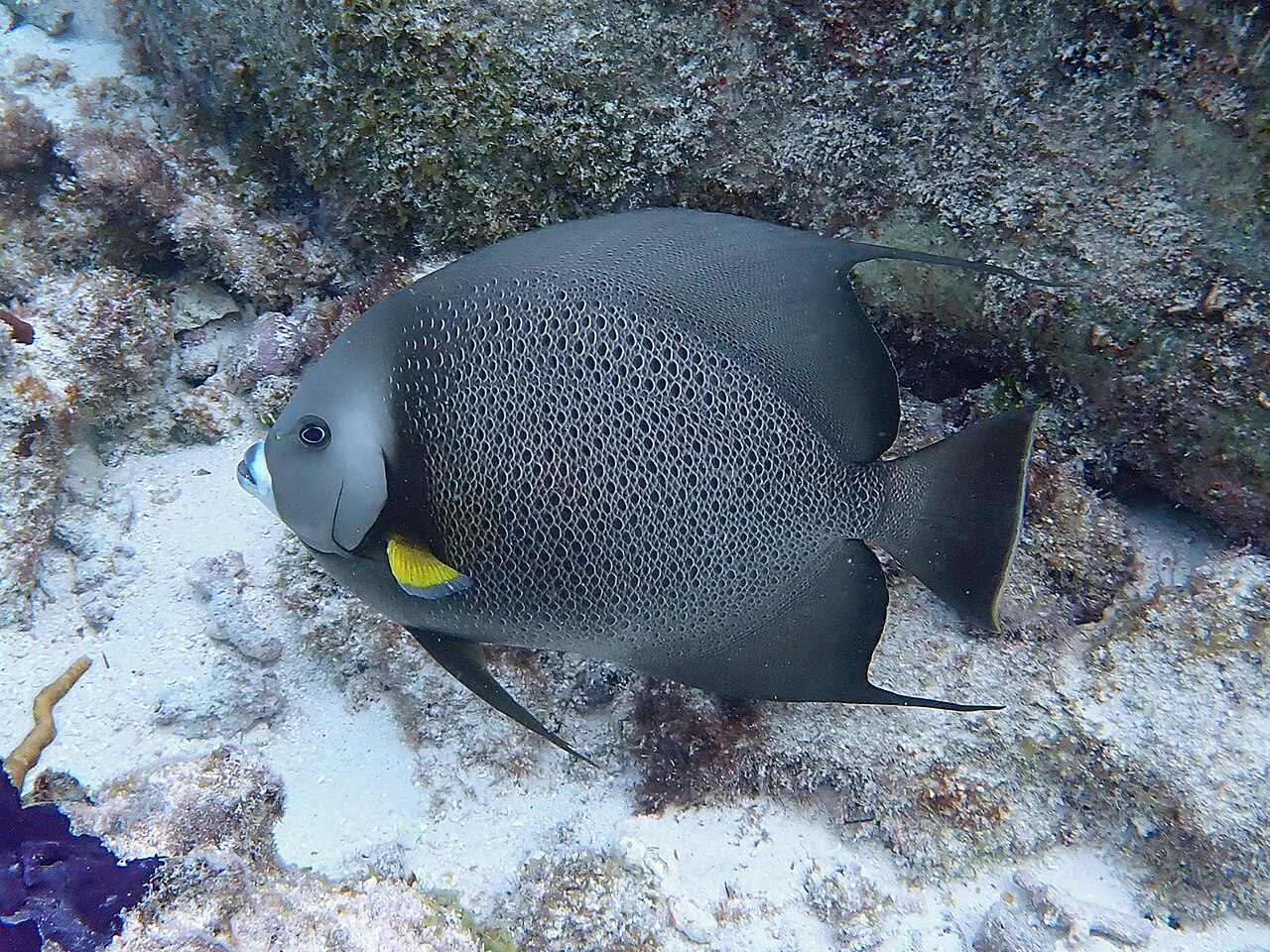 Grey AngelfishPomacanthus arcuatusReported here · unconfirmed
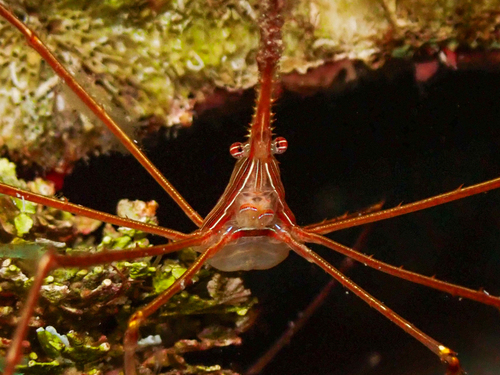 Yellowline Arrow CrabStenorhynchus seticornisReported here · unconfirmed
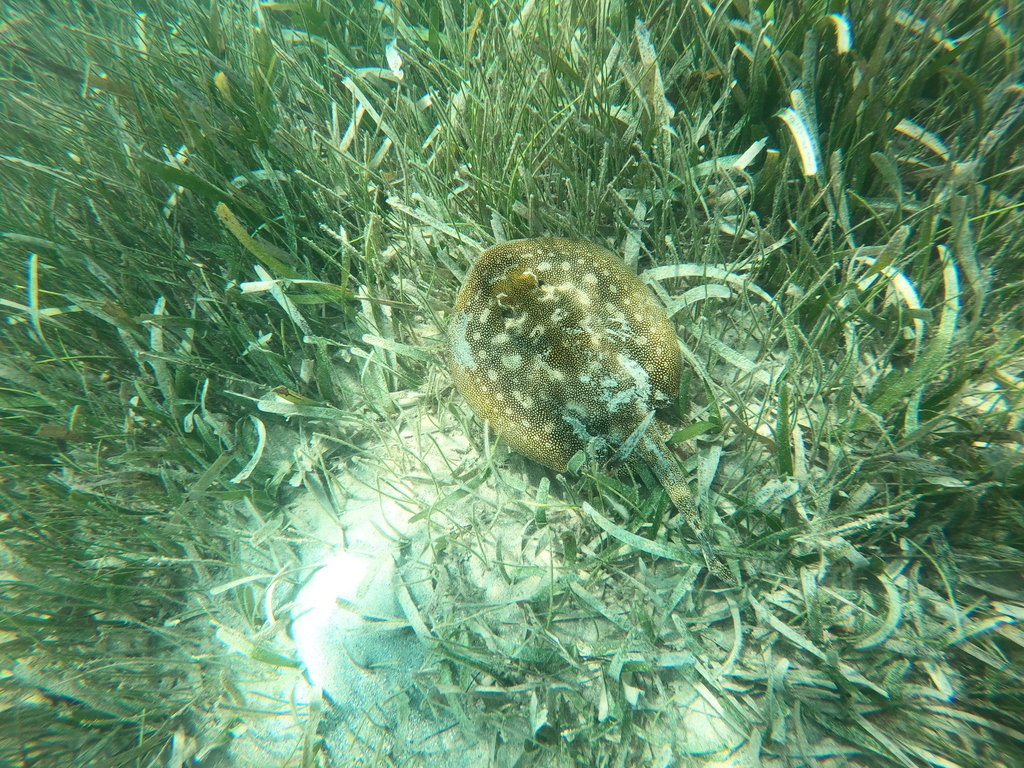 Yellow StingrayUrobatis jamaicensisReported here · unconfirmed
Durable tips from divers — access, hazards, marine life, facilities. For day-of conditions, use the report tool in the conditions card above.
No notes yet. Dived here? Be the first to leave a tip.
Share a write-up or a photo. Submissions are reviewed before they appear on the page.
Nearby dive sites
Shops that dive here
No shops have listed this site yet.