Bat Islands
Conditions & tides
Scored by DiveConnect's site-physics model
Marine forecast via Copernicus Marine. Score is a rule-based guide from swell/wind vs. the site's exposure — always dive your own assessment.
Dived here today? How were conditions vs. what we showed?
About this site
The Bat Islands (Islas Murciélagos) are a group of small islands sitting at the outermost western tip of Santa Rosa National Park, roughly 30 miles north-west of Playa Ocotal in mainland Costa Rica. Access is by boat, with journey times ranging from about 40 minutes to two hours depending on the departure point. These are non-anchored, deep dives across multiple rocky sites, with maximum depths varying from 18 m (60 ft) to around 32 m (105 ft), and the terrain is characterised by surge, strong currents, and rougher surface conditions than are typical of the region.
The standout marine life draw is bull sharks, regularly encountered at over 3.5 m (12 ft) in length. At Black Rock, an isolated pinnacle within the group, squadrons of eagle rays, schools of horse-eyed jacks, cow-nosed rays, snapper, spadefish, grunts, and gaff-topsail pompano are common. Manta rays, whale sharks, and sailfish appear occasionally, and during January and July migrating orcas and humpback whales pass through the area.
Visibility averages 12–18 m (40–60 ft) and can range from around 9 m (30 ft) to 30 m (100 ft) across the year, depending on tides and currents. Upwelling is a feature of the site and can produce thermoclines that drop water temperature by several degrees within a short vertical distance; overall water temperatures range from 21–27°C (70–80°F). Conditions are exposed year-round, with occasional swell adding to surface difficulty.
Read the full guideShow less
These sites are restricted to Advanced-certified divers. Because the dives are non-anchored, divers must be capable of making a rapid descent and completing a safety stop without a line. Strong and unpredictable currents, surge, depth, upwelling, and thermoclines all contribute to the advanced rating, and dive operators may ask to see certification before allowing access.
Marine life here
Confirmed by our research team, reported by independent divers, or observed nearby via iNaturalist — each entry is labelled with its source.
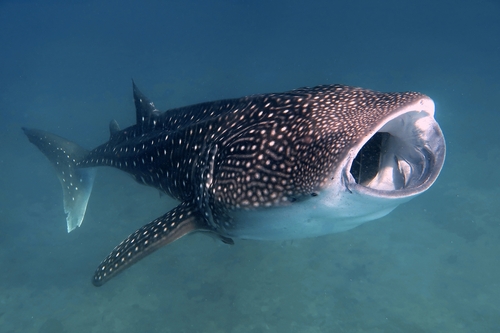 Whale SharkRhincodon typusReported here · unconfirmed
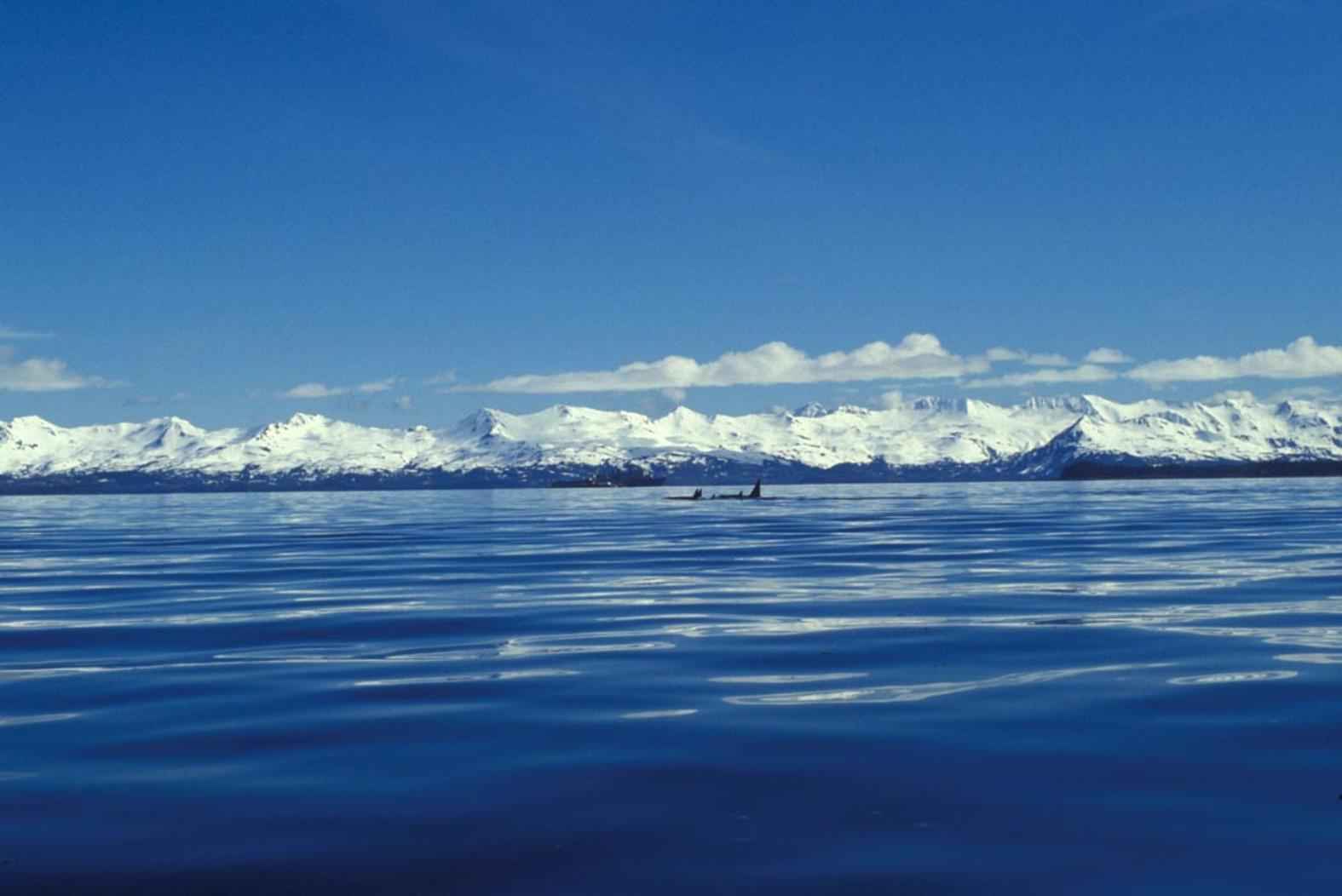 OrcaOrcaReported here · unconfirmed
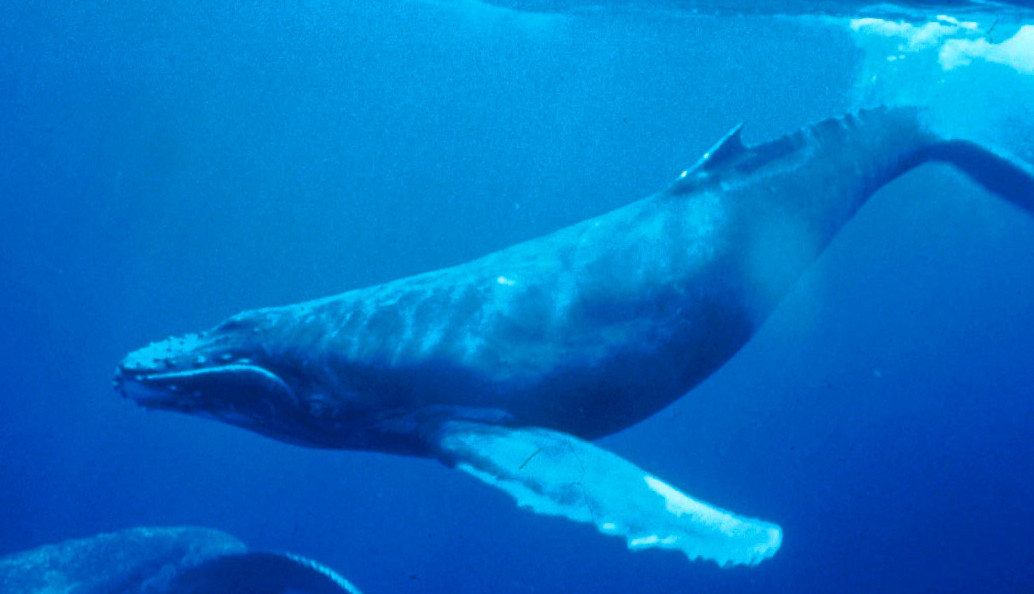 WhaleWhaleReported here · unconfirmed
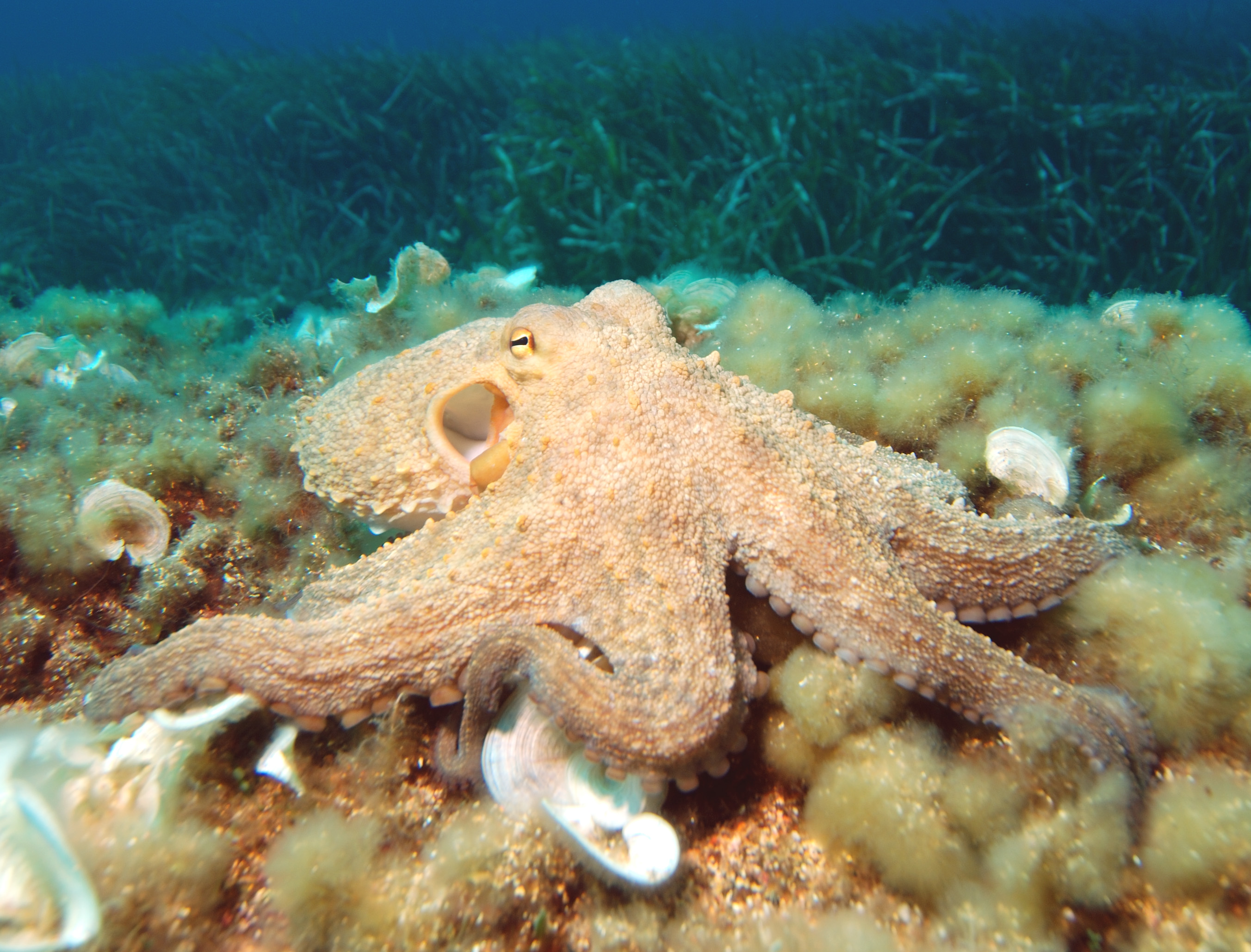 OctopusOctopusReported here · unconfirmed
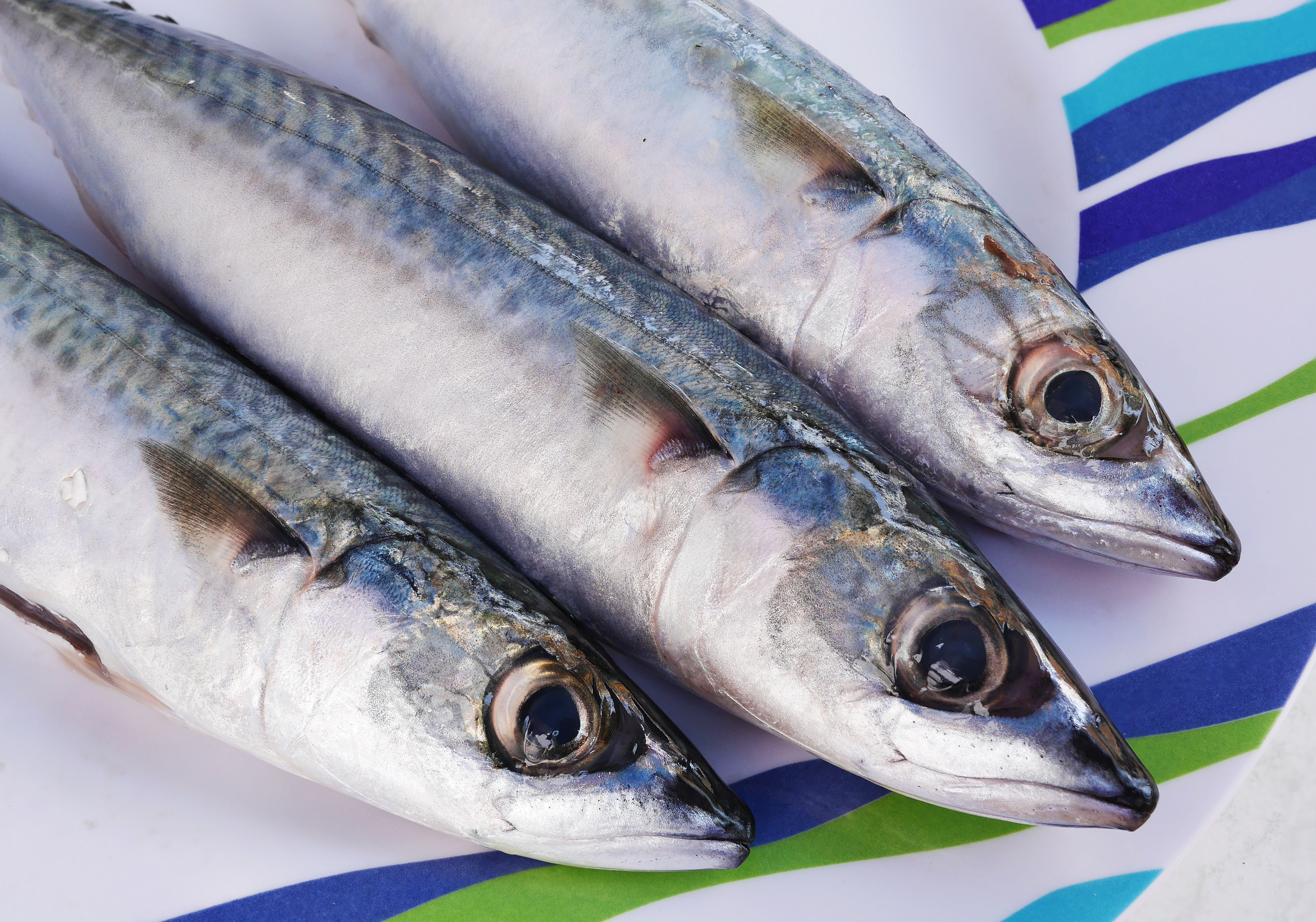 MackerelMackerelReported here · unconfirmed
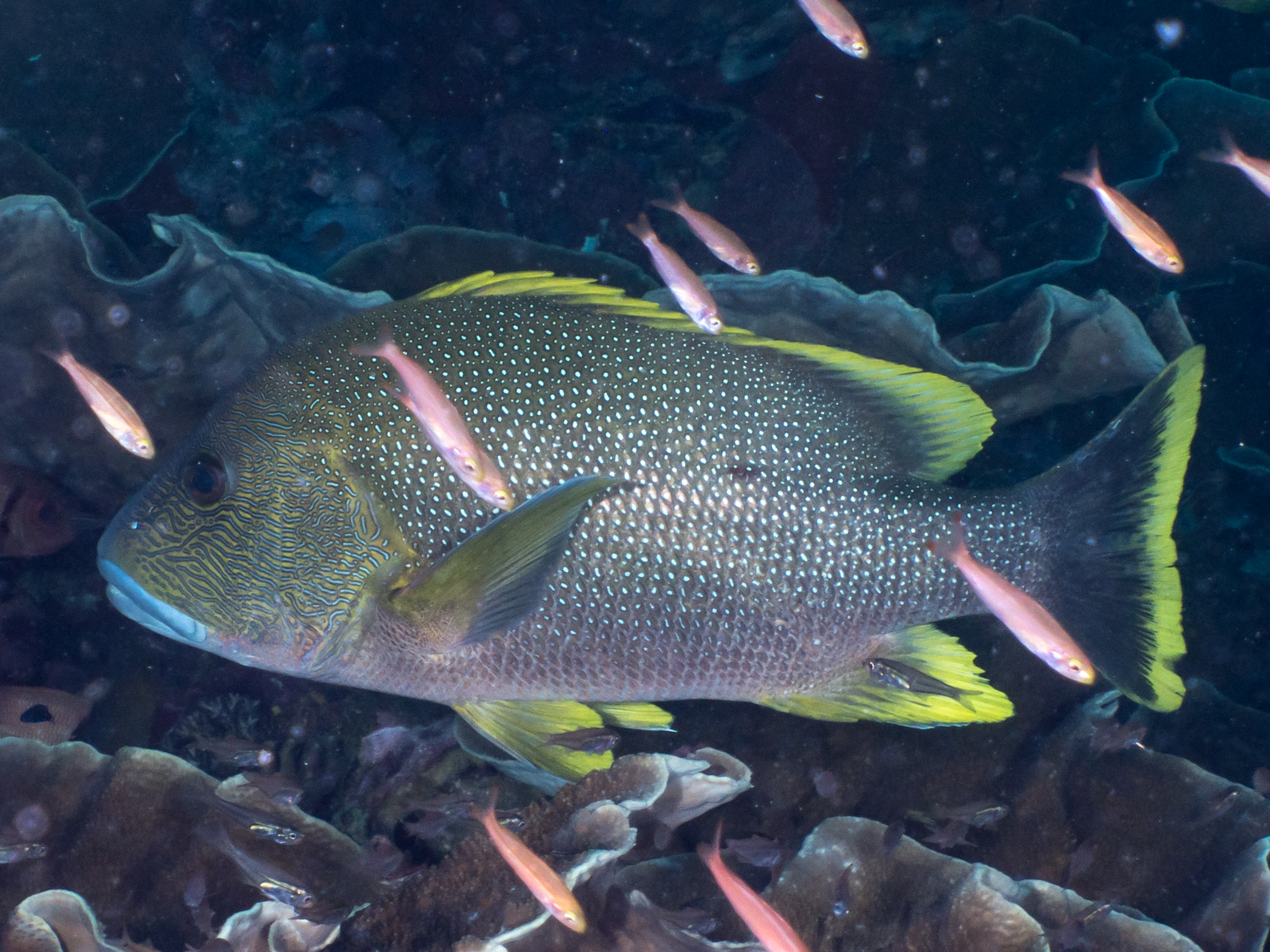 SnapperSnapperConfirmed present · 2 independent sources
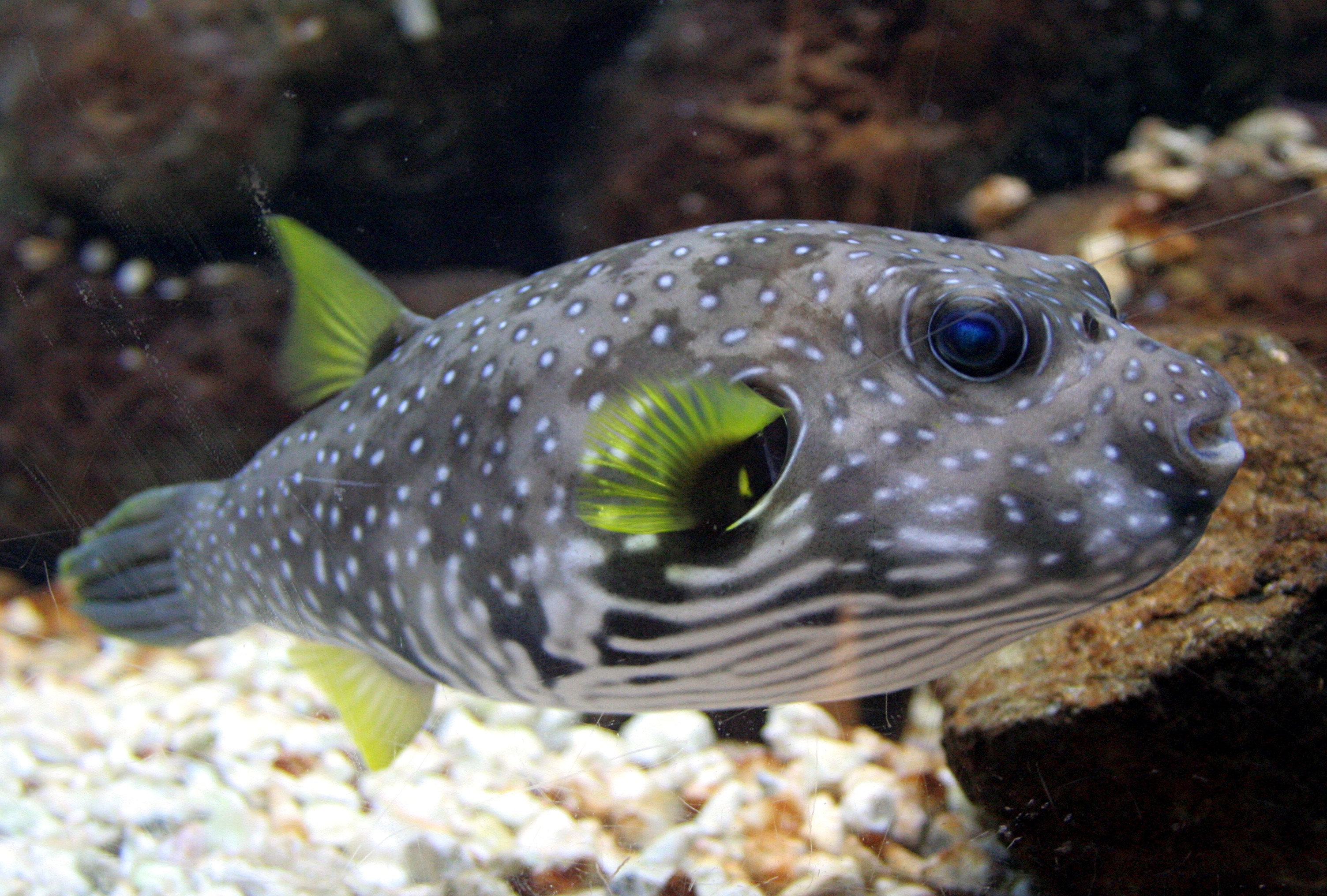 PufferfishPufferfishReported here · unconfirmed
 Mexican HogfishBodianus diplotaeniaReported here · unconfirmed
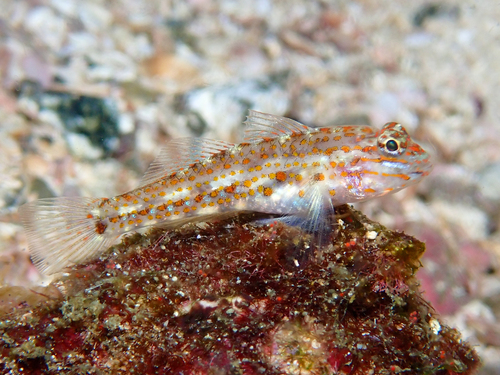 Redlight GobyCoryphopterus urospilusReported here · unconfirmed
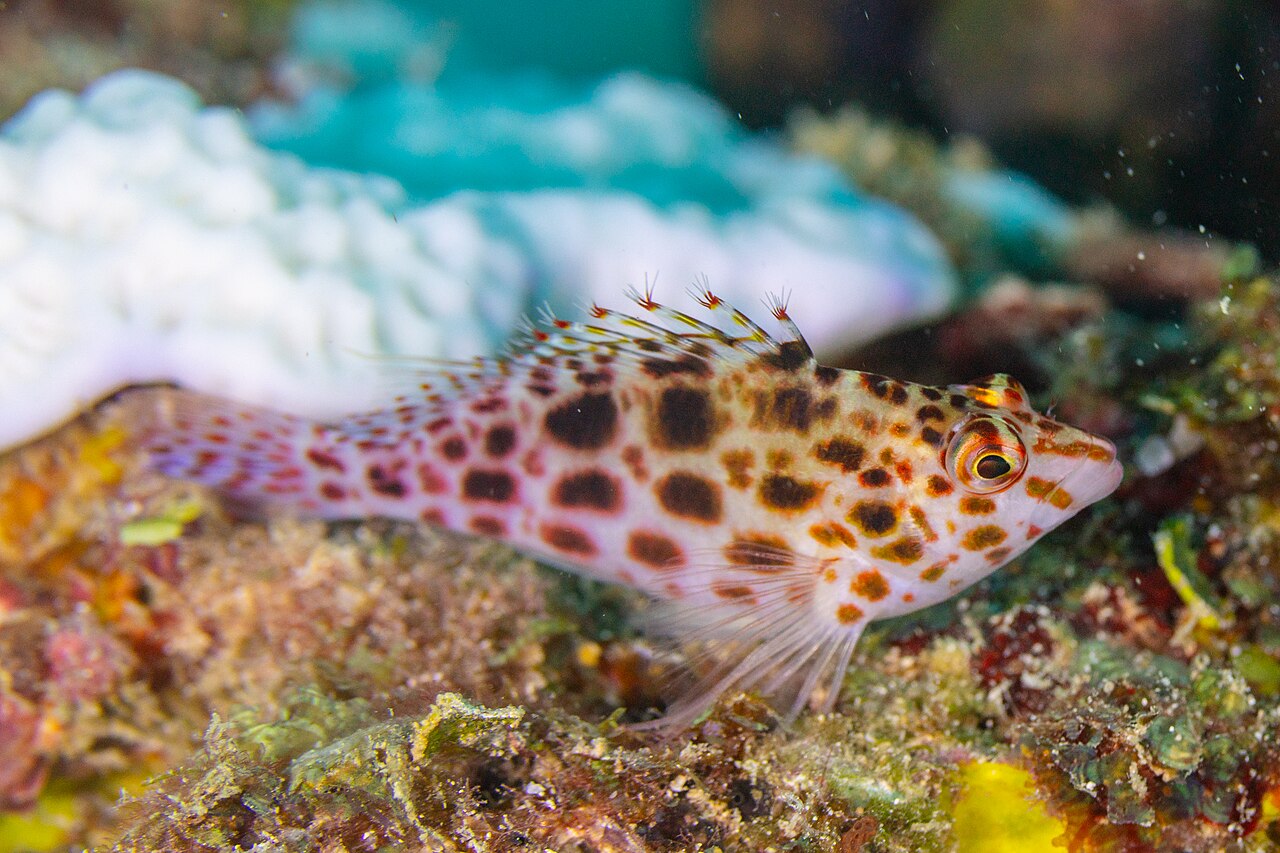 Pixy HawkfishCirrhitichthys oxycephalusReported here · unconfirmed
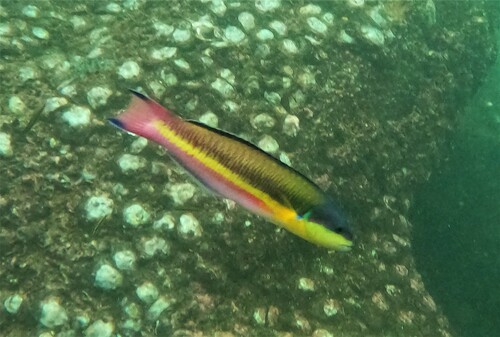 Cortez Rainbow WrasseThalassoma lucasanumReported here · unconfirmed
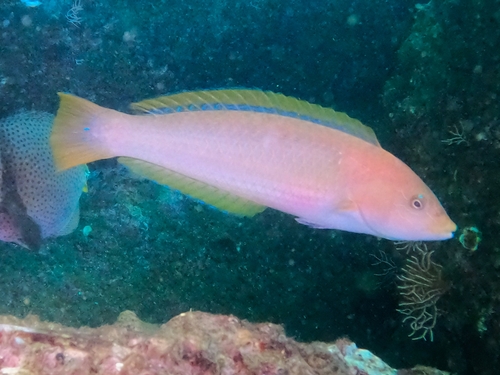 Chameleon WrasseHalichoeres dispilusReported here · unconfirmed
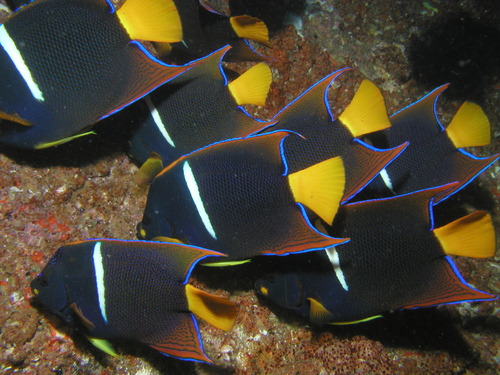 King AngelfishHolacanthus passerReported here · unconfirmed
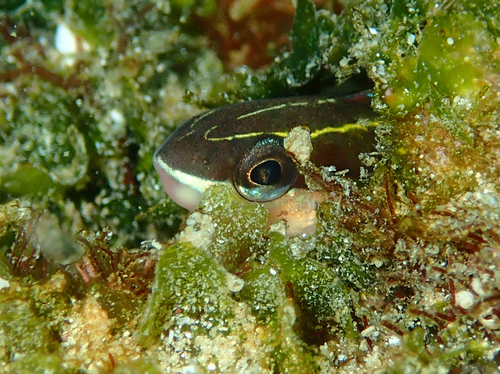 Sabertooth BlennyPlagiotremus azaleusReported here · unconfirmed
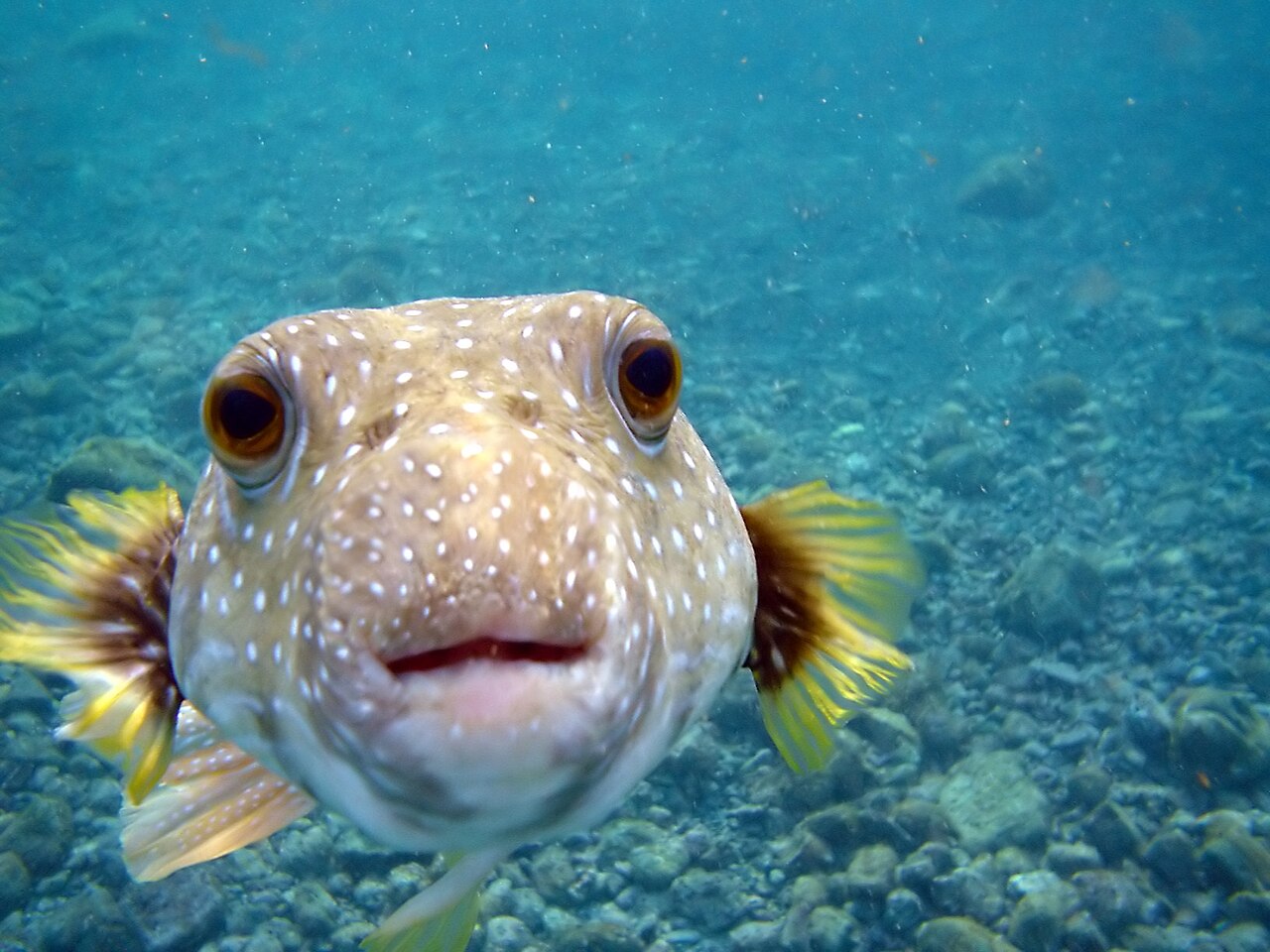 White-spotted PufferArothron hispidusReported here · unconfirmed
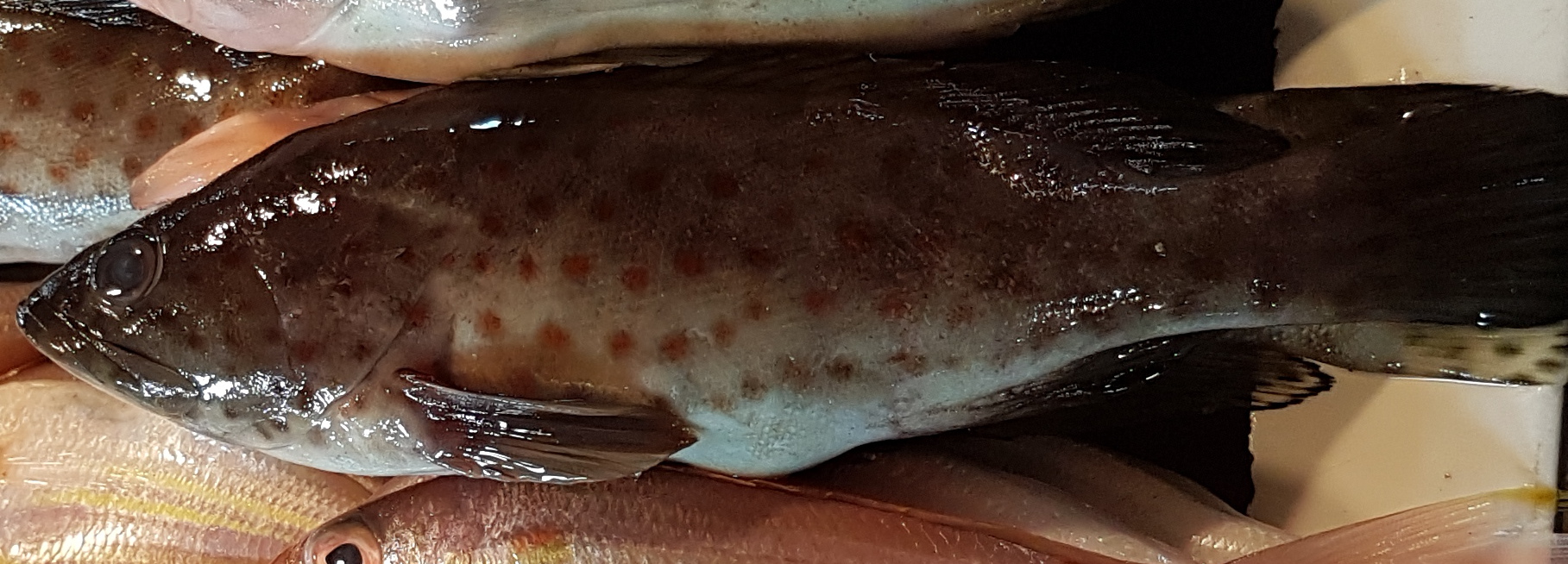 GrouperGrouperReported here · unconfirmed
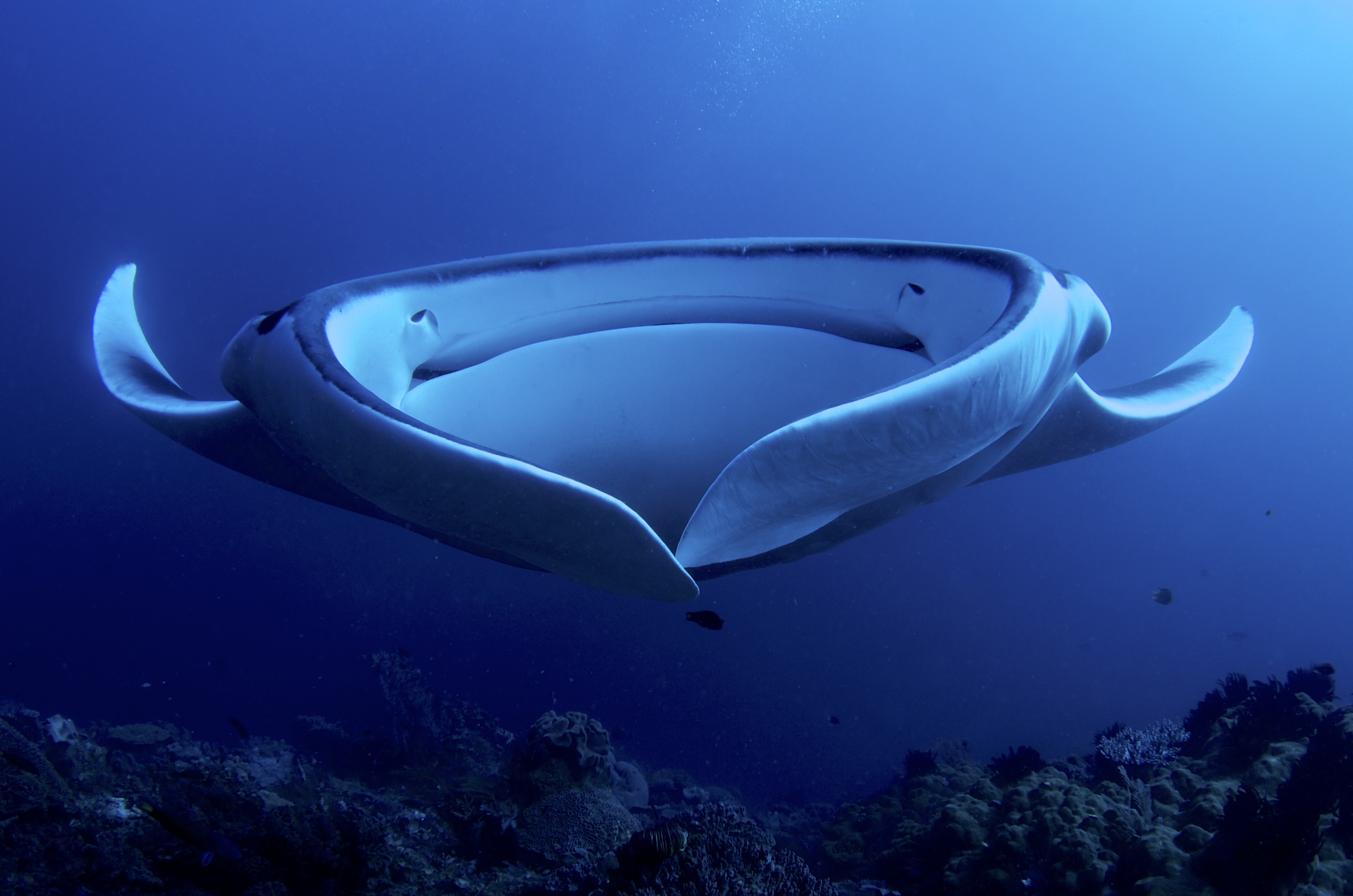 Manta rayManta rayConfirmed present · 2 independent sources
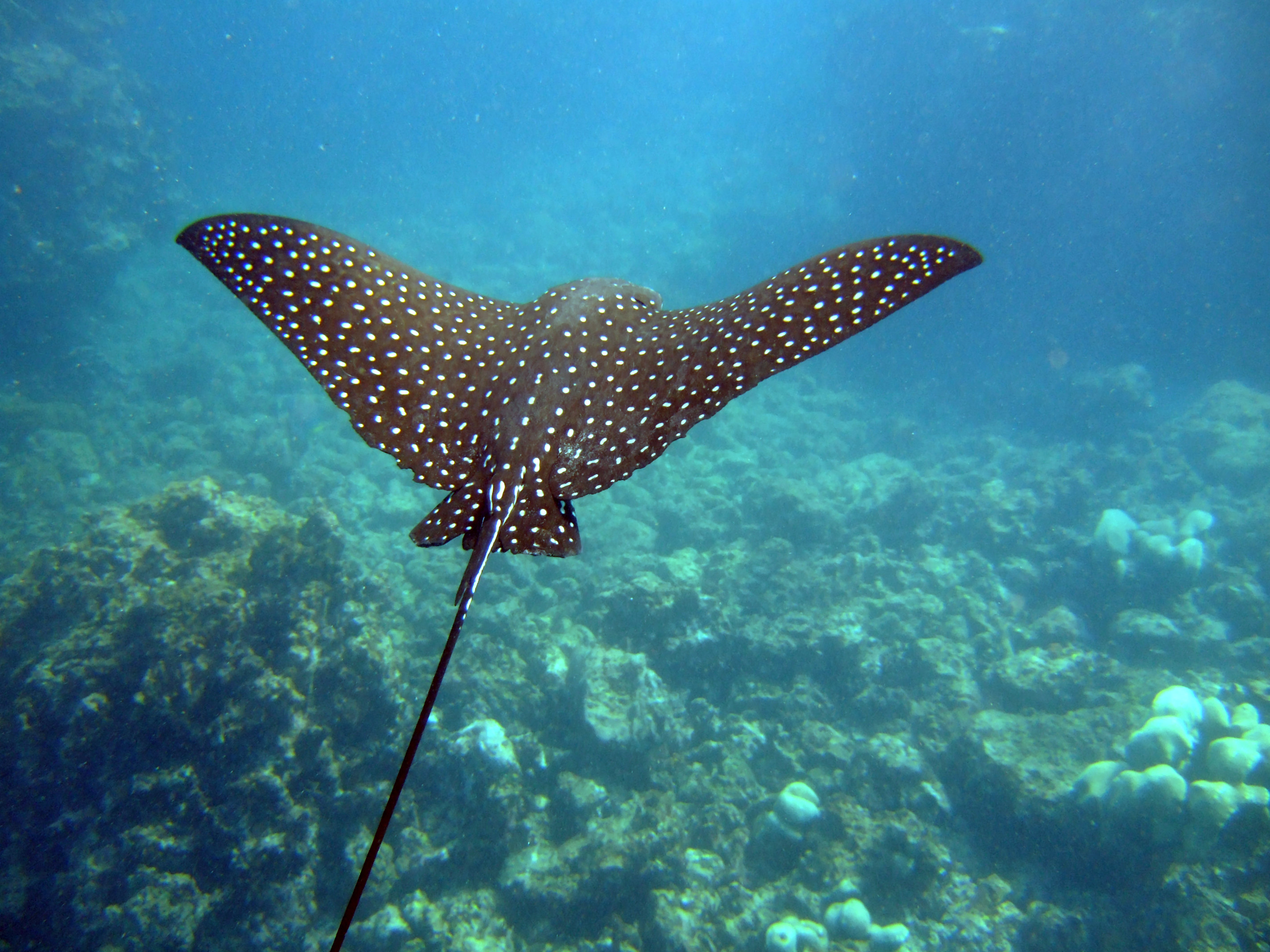 Eagle rayEagle rayConfirmed present · 2 independent sources
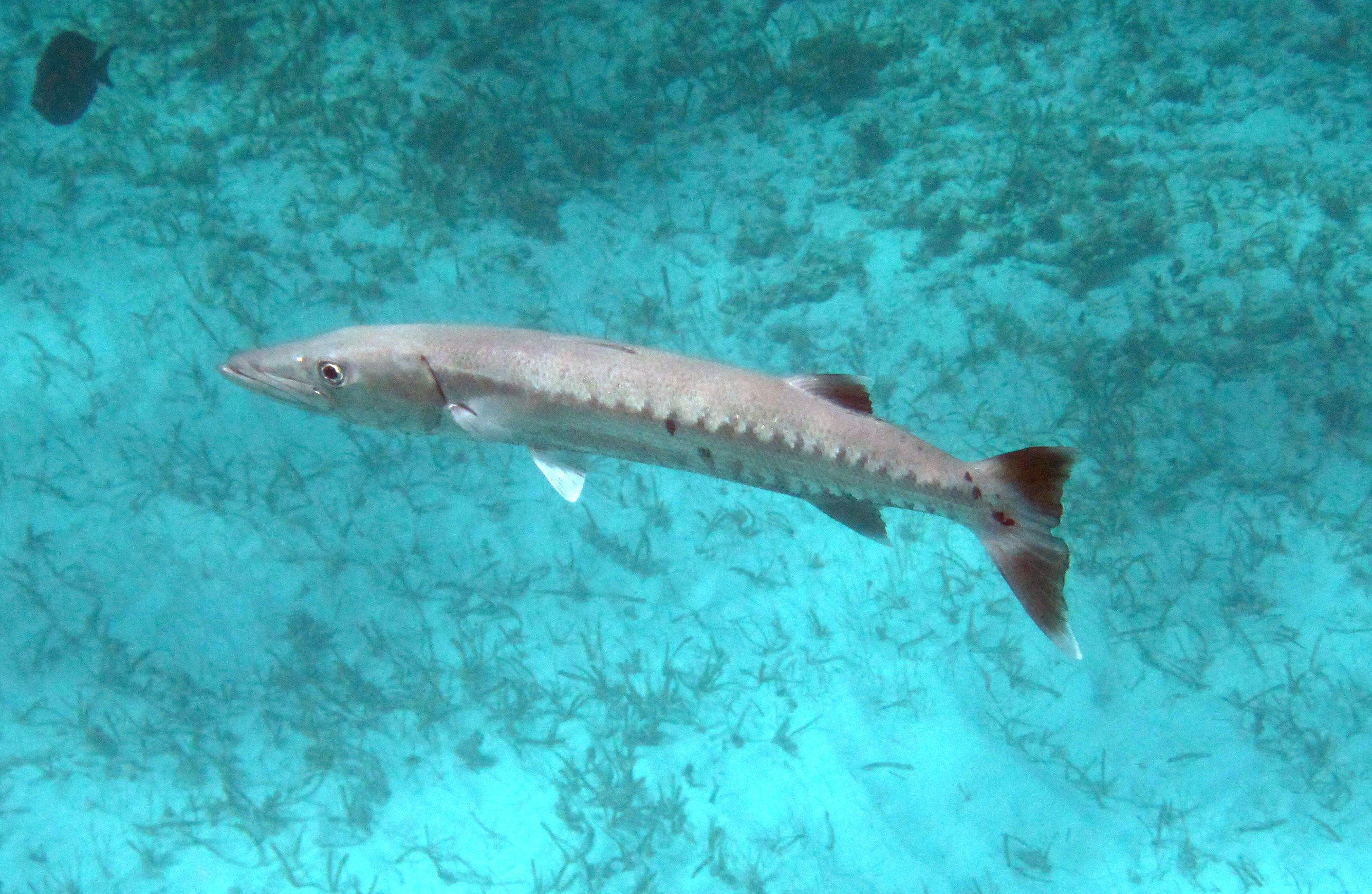 BarracudaBarracudaConfirmed present · 2 independent sources
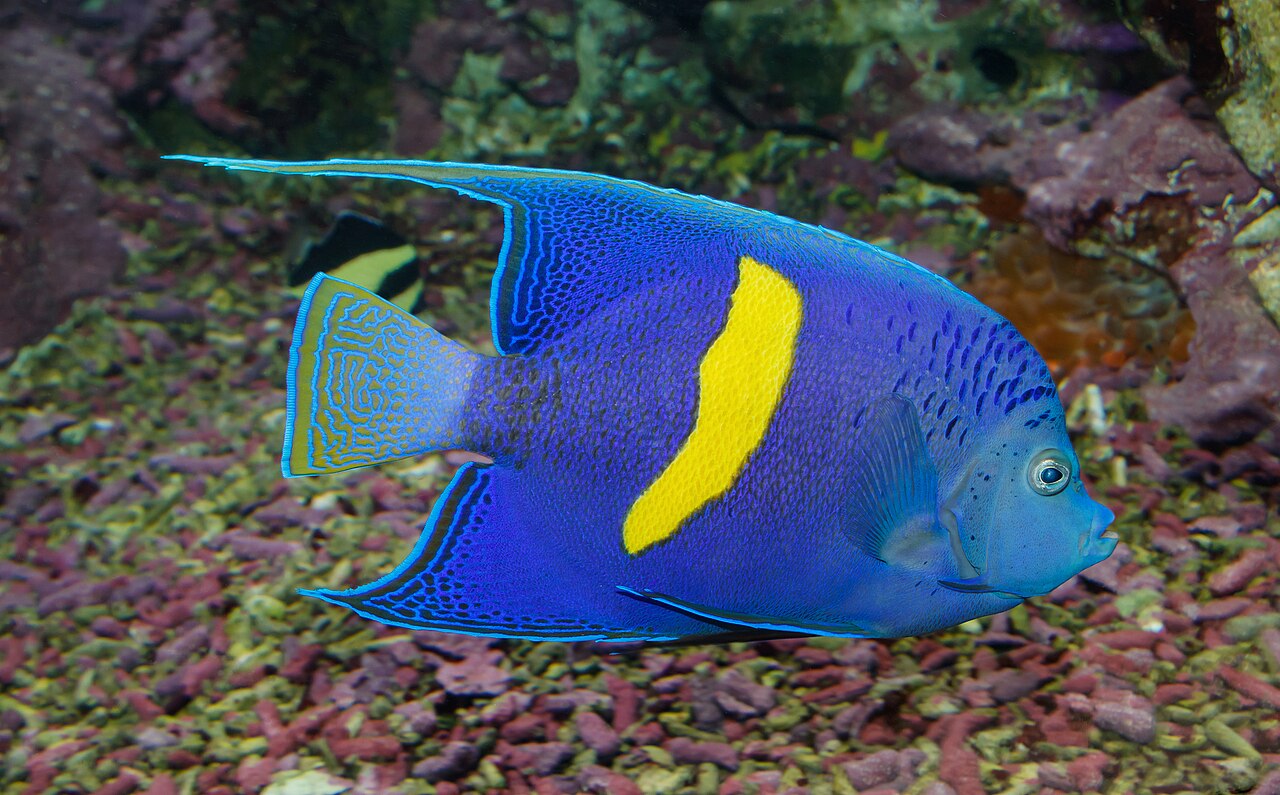 AngelfishAngelfishReported here · unconfirmed
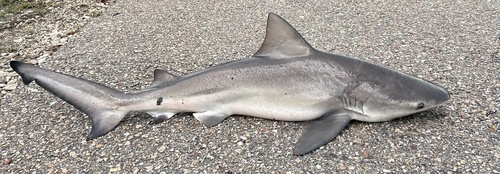 Bull SharkCarcharhinus leucasConfirmed present · 3 independent sources
Durable tips from divers — access, hazards, marine life, facilities. For day-of conditions, use the report tool in the conditions card above.
No notes yet. Dived here? Be the first to leave a tip.
Share a write-up or a photo. Submissions are reviewed before they appear on the page.
Nearby dive sites
Shops that dive here
No shops have listed this site yet.