Catalina Islands
Conditions & tides
Scored by DiveConnect's site-physics model
Marine forecast via Copernicus Marine. Score is a rule-based guide from swell/wind vs. the site's exposure — always dive your own assessment.
Dived here today? How were conditions vs. what we showed?
About this site
The Catalina Islands are a group of islands situated northwest of the Tamarindo area along Costa Rica's North Pacific coast, lying roughly 2 to 15 miles offshore. The rocky bottom terrain includes dive sites around the archipelago as well as volcanic pinnacles located just offshore, with depths ranging between 40 and 110 feet (approximately 12 to 35 metres), and a maximum depth of 35.4 metres. Named sites within the area include The Wall, The Point, the Cleaning Station, Cupcake, Four Rocks, and Sombrero East and West.
The nutrient-rich waters support a wide range of marine life, with octopuses, eels, turtles, white-tip reef sharks, and schools of cow nose rays, jacks, and grunts present across the sites. Seasonally, divers may encounter spotted eagle rays, devil rays, and schooling Pacific manta rays from November through April, while humpback whales pass through during late January to February and late July to August. Devil rays and manta rays are also possible depending on the time of year.
Water temperature ranges from 16–30°C (60–86°F) depending on season, with the dry season occasionally pushing temperatures toward the cooler end; thermoclines are common throughout the area. Visibility can fluctuate daily, reaching up to 80 feet (about 24 metres) on good days but dropping to as little as 15–20 feet (4.5–6 metres) under less favourable conditions. A 3 mm wetsuit is commonly used, though some divers opt for a thicker suit based on personal preference and season.
Read the full guideShow less
All diving here is boat-based, reaching the islands from the Tamarindo area. Conditions can be unpredictable, with currents, swells, and variable visibility making these sites suited to intermediate divers; medium current is typical. An Open Water Diver certification is required, and dive operators generally require divers to complete a local orientation dive before exploring the islands.
Marine life here
Confirmed by our research team, reported by independent divers, or observed nearby via iNaturalist — each entry is labelled with its source.
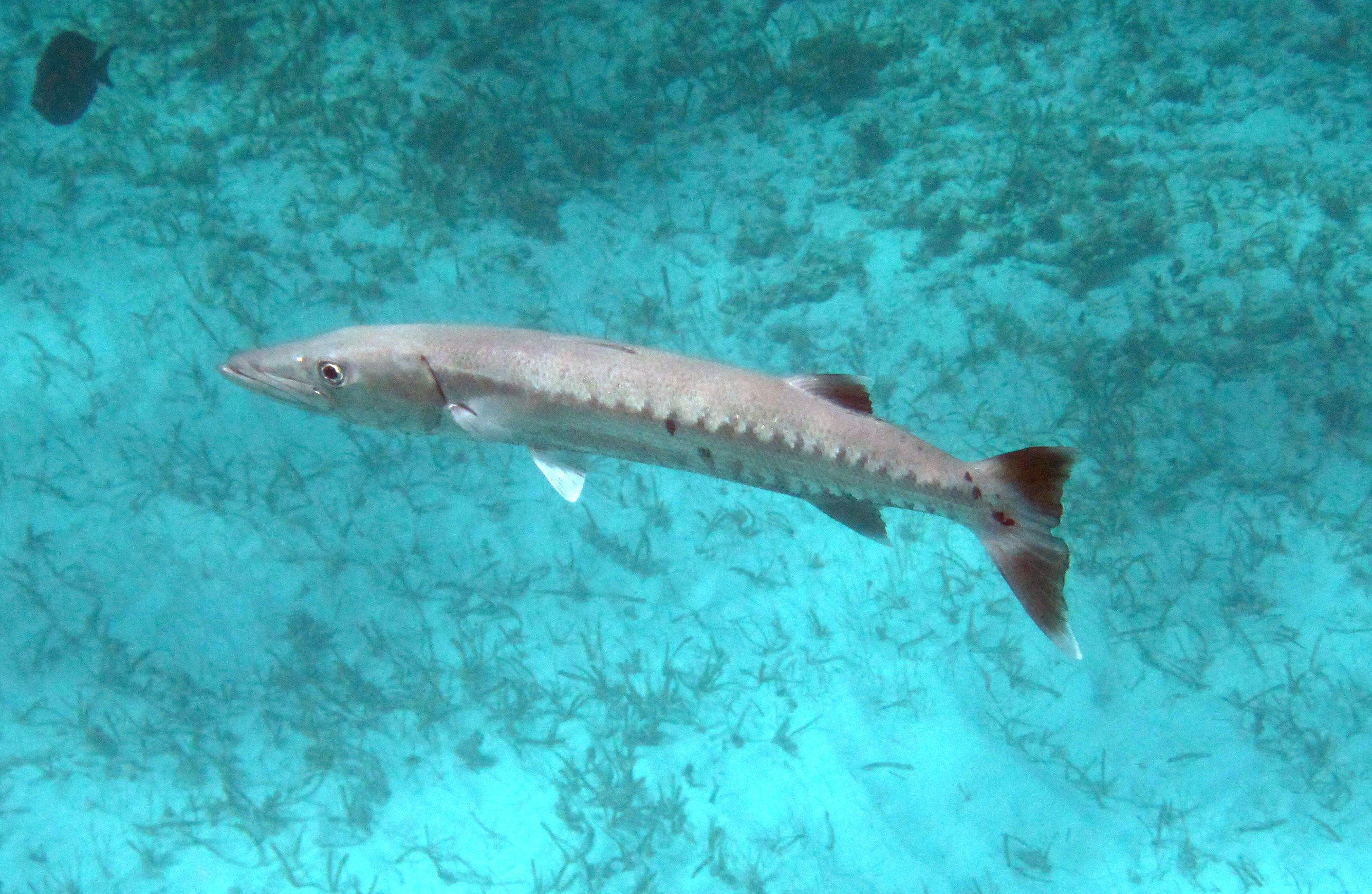 BarracudaBarracudaConfirmed present · 2 independent sources
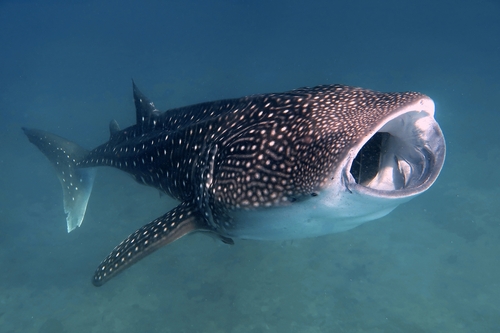 Whale SharkRhincodon typusReported here · unconfirmed
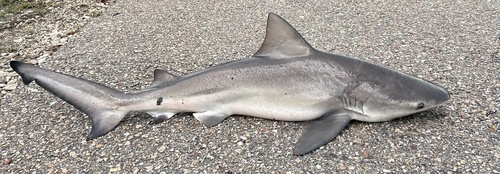 Bull SharkCarcharhinus leucasConfirmed present · 3 independent sources
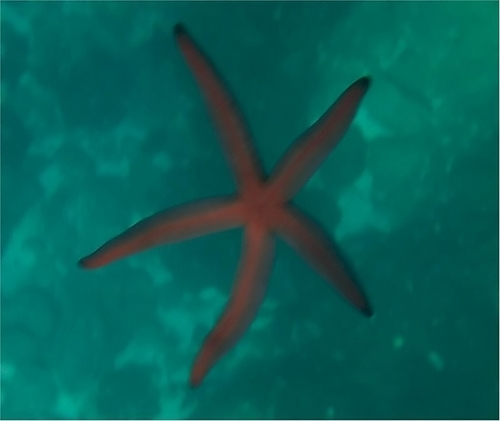 Blue Sea StarPhataria unifascialisReported here · unconfirmed
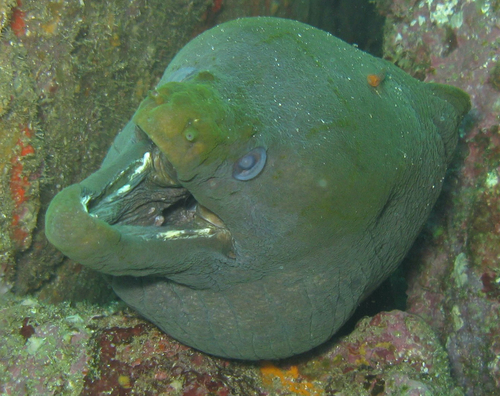 Chestnut MorayGymnothorax castaneusReported here · unconfirmed
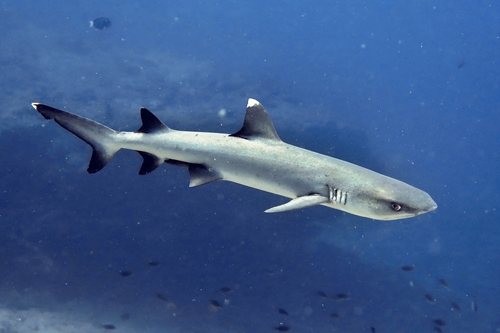 Whitetip Reef SharkTriaenodon obesusReported here · unconfirmed
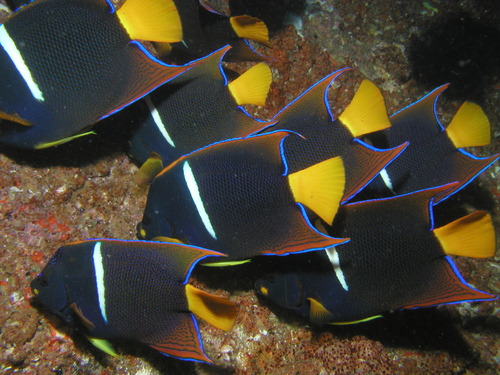 King AngelfishHolacanthus passerReported here · unconfirmed
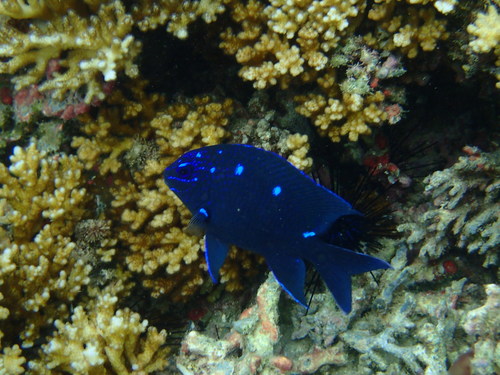 Giant DamselfishMicrospathodon dorsalisReported here · unconfirmed
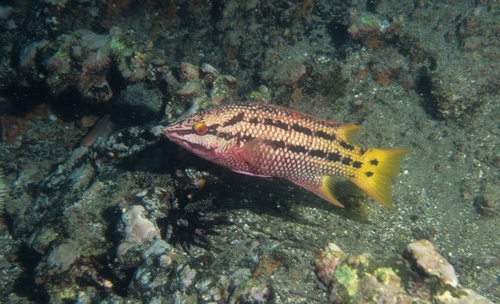 Mexican HogfishBodianus diplotaeniaReported here · unconfirmed
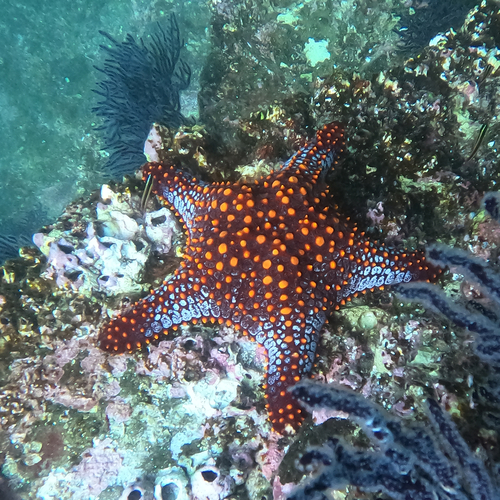 Panamic Cushion StarPentaceraster cumingiReported here · unconfirmed
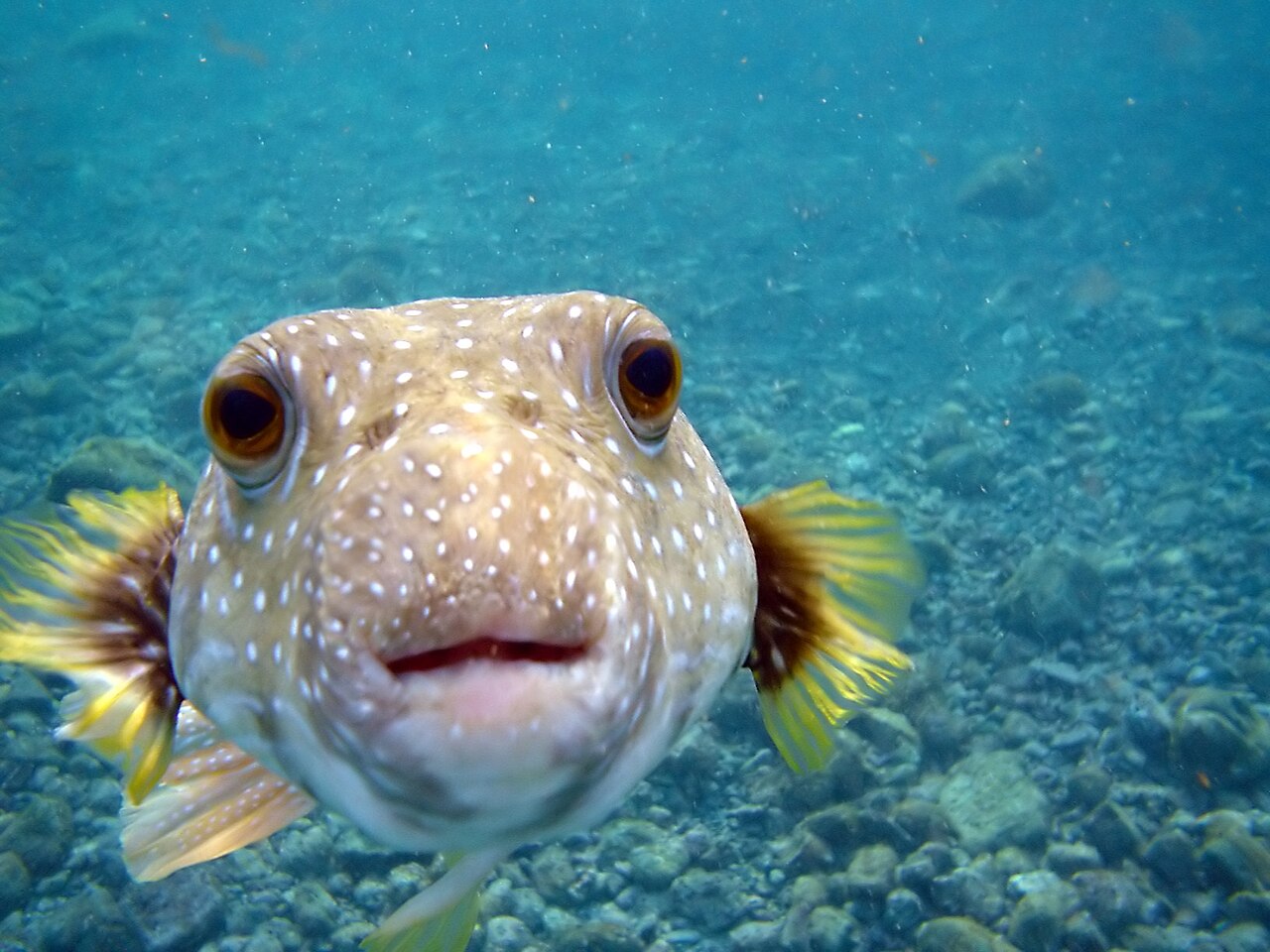 White-spotted PufferArothron hispidusReported here · unconfirmed
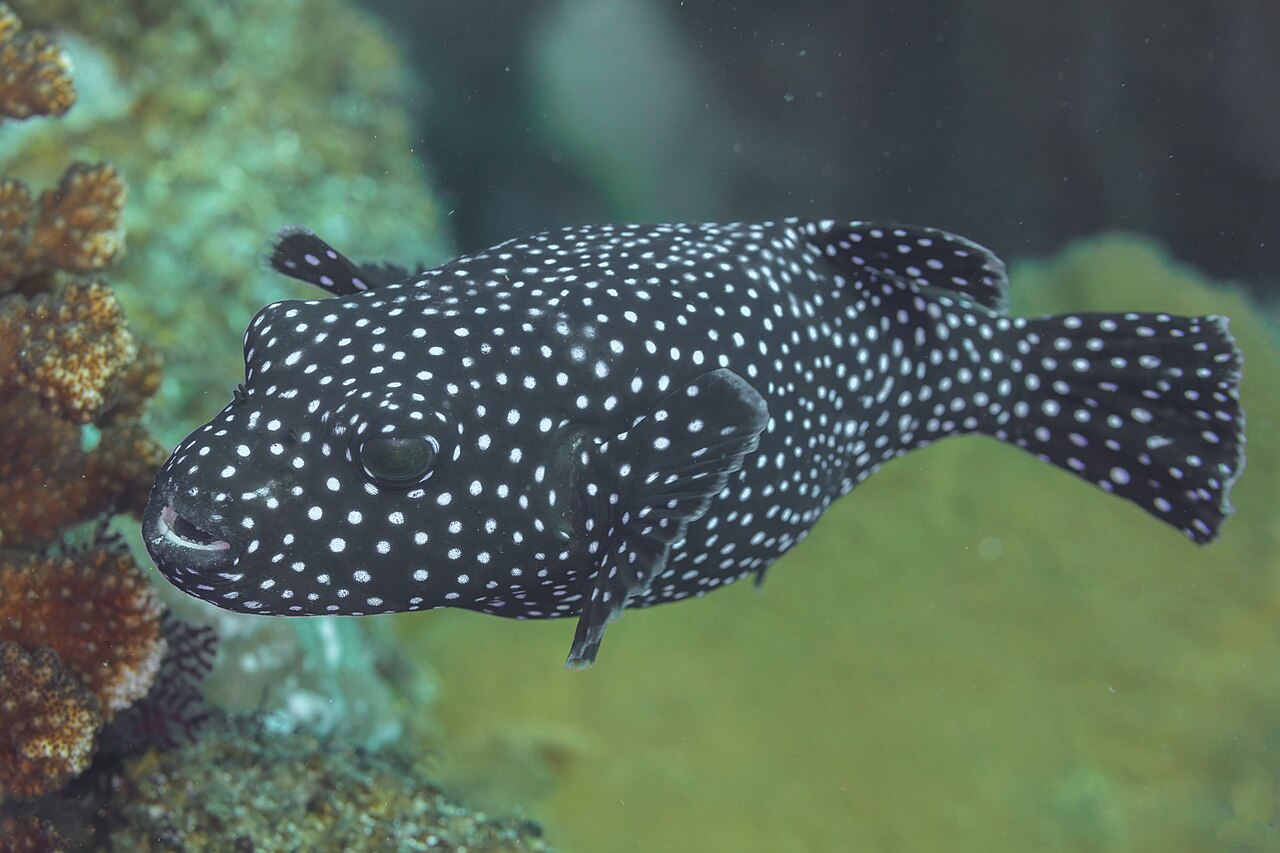 Guineafowl PufferArothron meleagrisReported here · unconfirmed
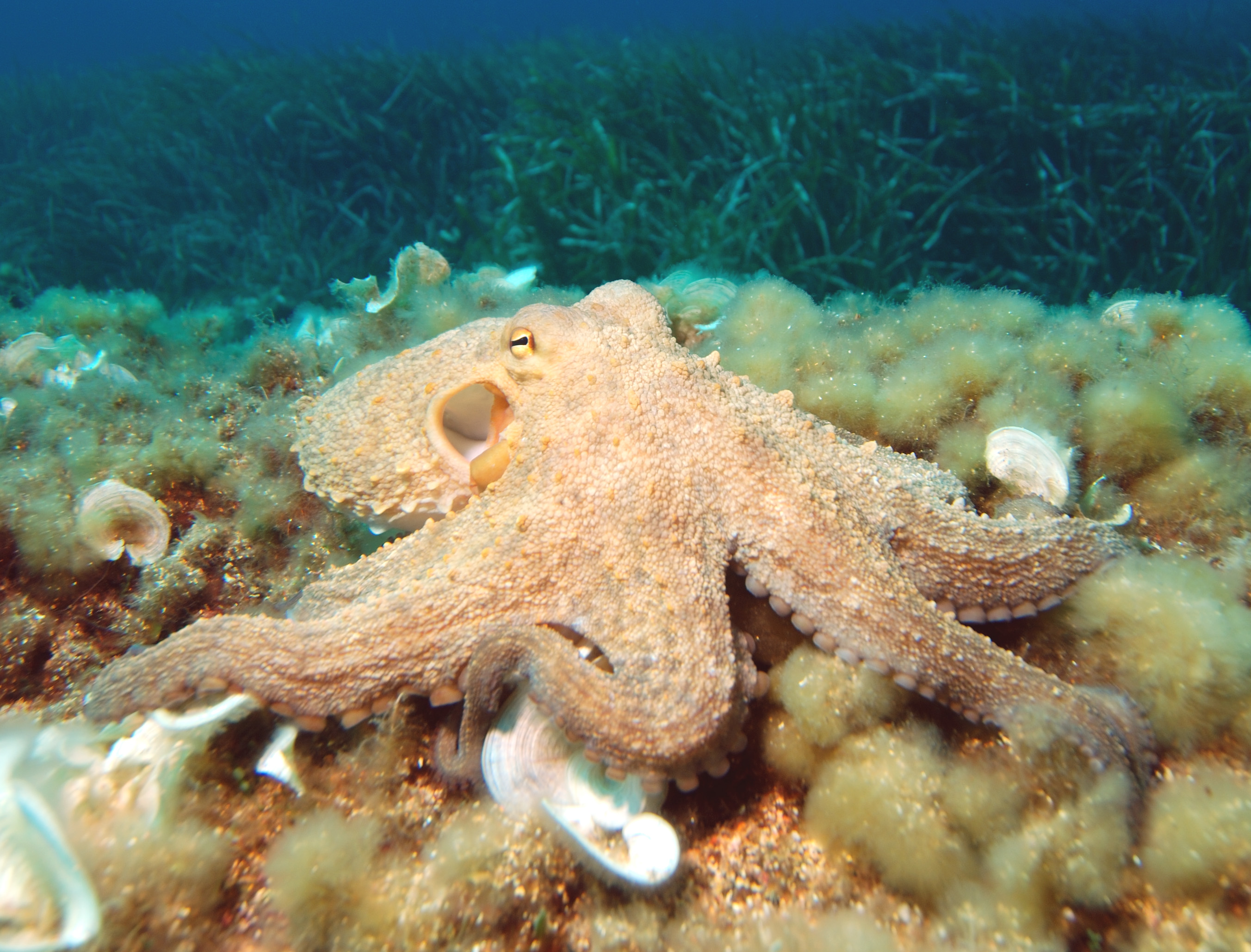 OctopusOctopusConfirmed present · 3 independent sources
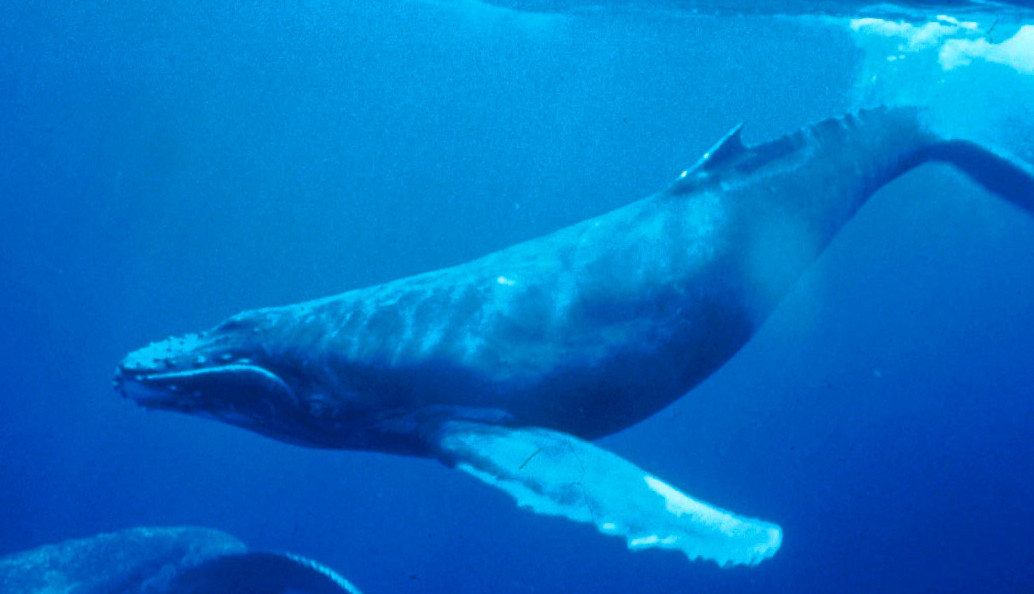 WhaleWhaleConfirmed present · 2 independent sources
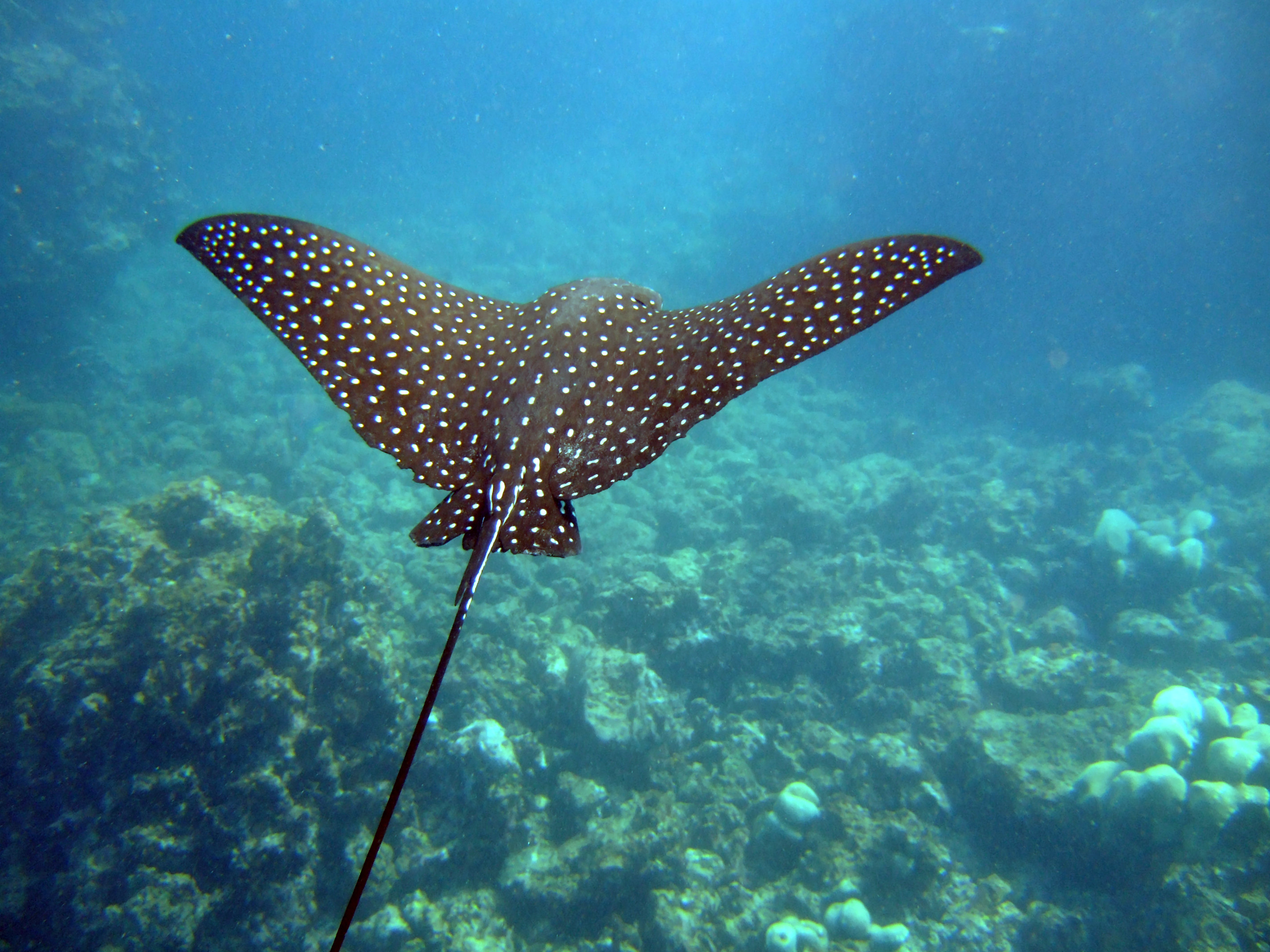 Eagle rayEagle rayConfirmed present · 4 independent sources
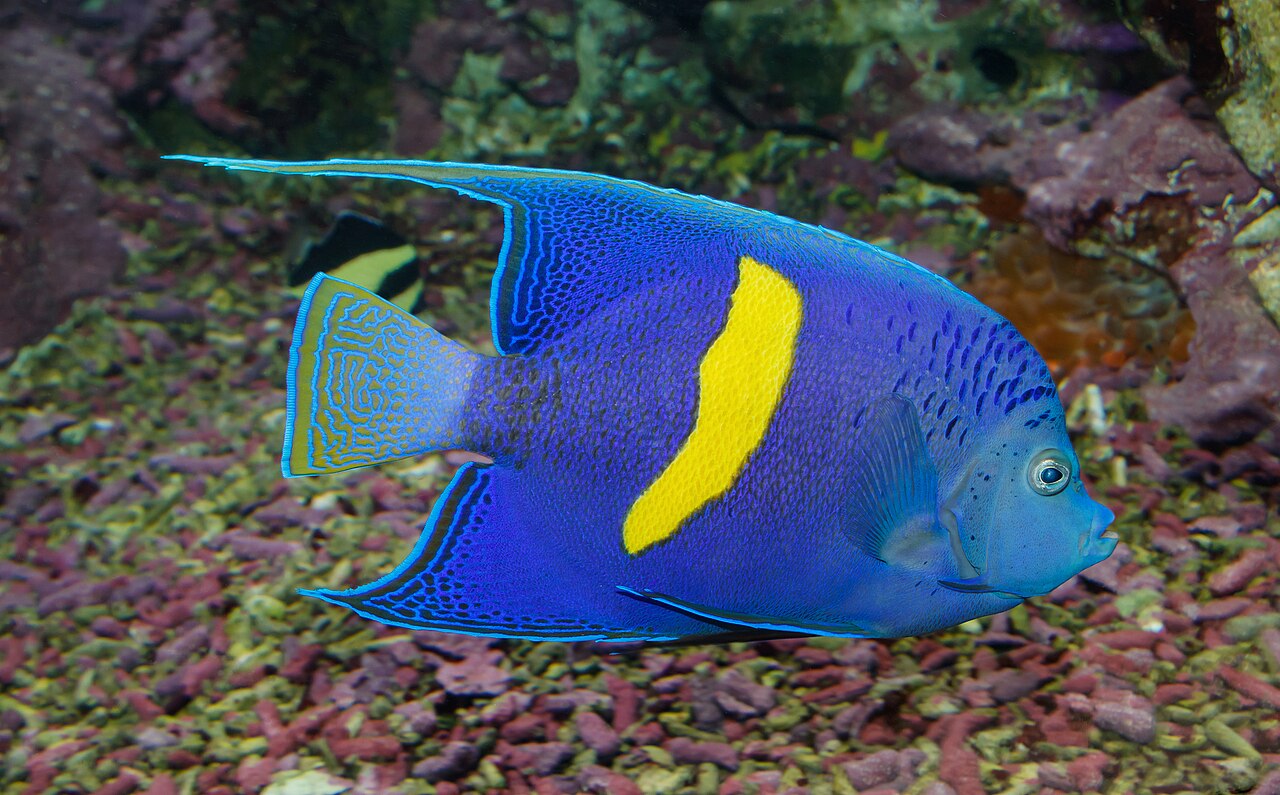 AngelfishAngelfishReported here · unconfirmed
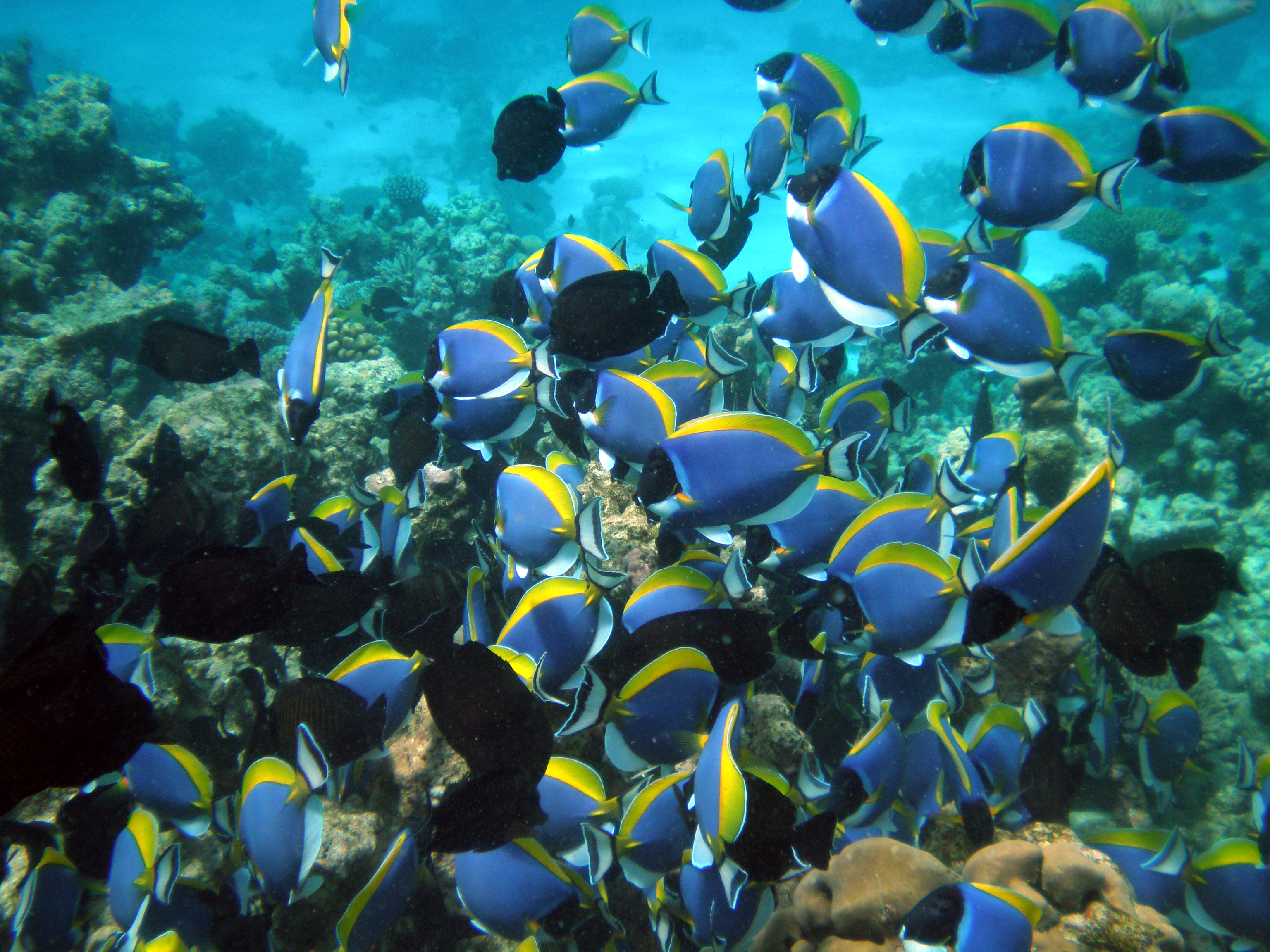 SurgeonfishSurgeonfishReported here · unconfirmed
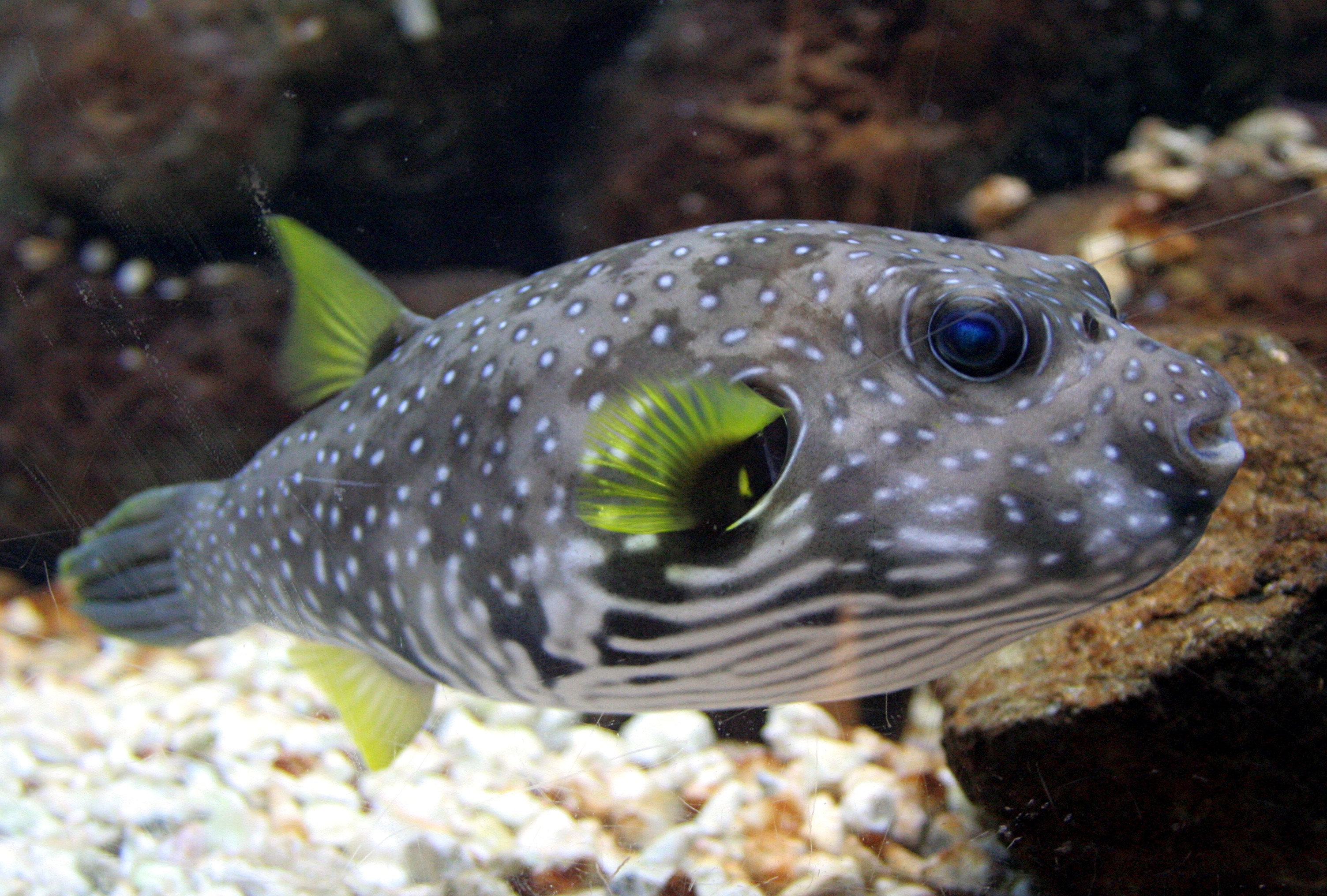 PufferfishPufferfishReported here · unconfirmed
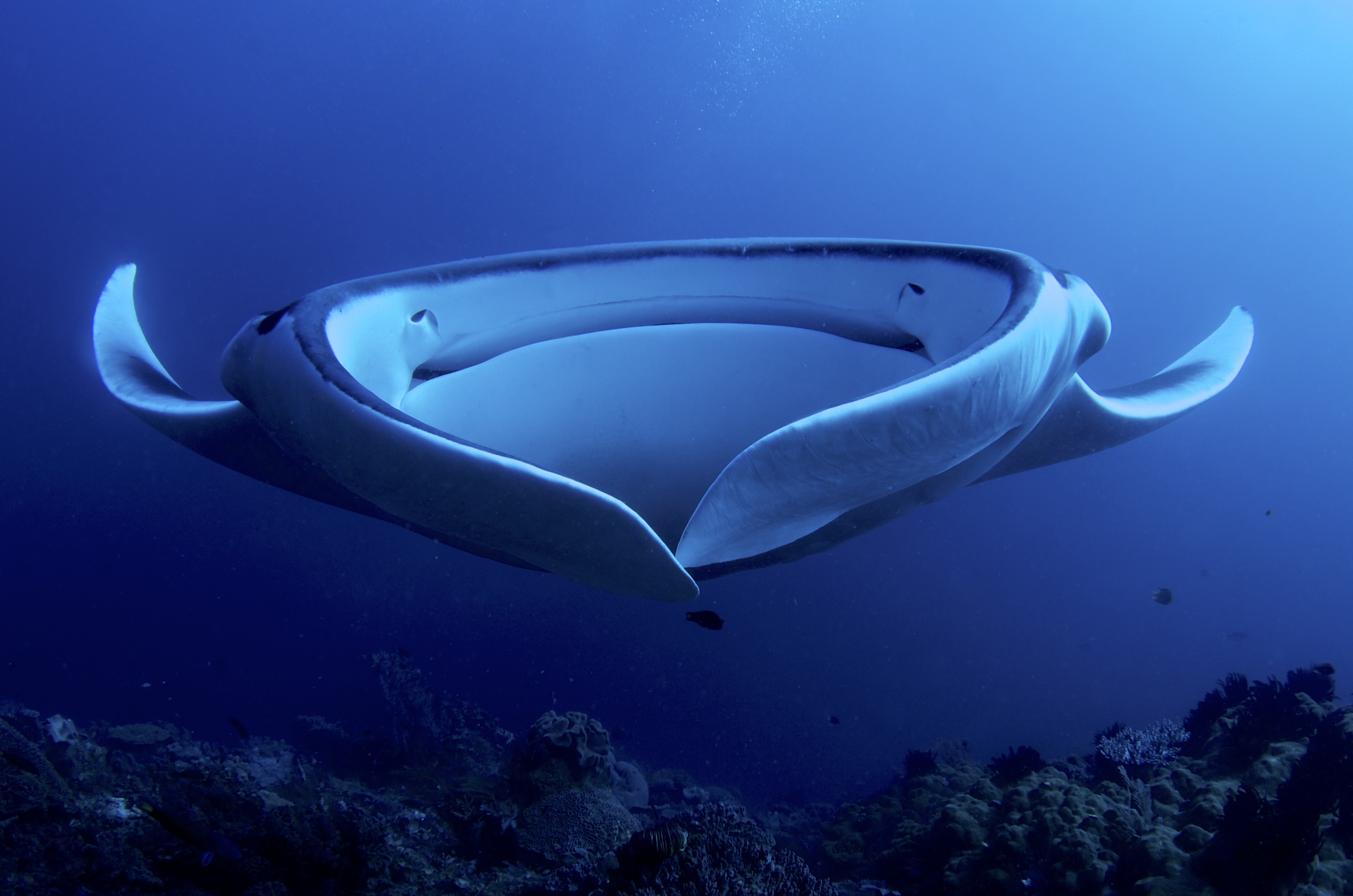 Manta rayManta rayConfirmed present · 5 independent sources
Durable tips from divers — access, hazards, marine life, facilities. For day-of conditions, use the report tool in the conditions card above.
No notes yet. Dived here? Be the first to leave a tip.
Share a write-up or a photo. Submissions are reviewed before they appear on the page.
Nearby dive sites
Shops that dive here
No shops have listed this site yet.