Ras Abu Helal
Conditions
Scored by DiveConnect's site-physics model
Marine forecast via Copernicus Marine. Score is a rule-based guide from swell/wind vs. the site's exposure — always dive your own assessment.
Dived here today? How were conditions vs. what we showed?
About this site
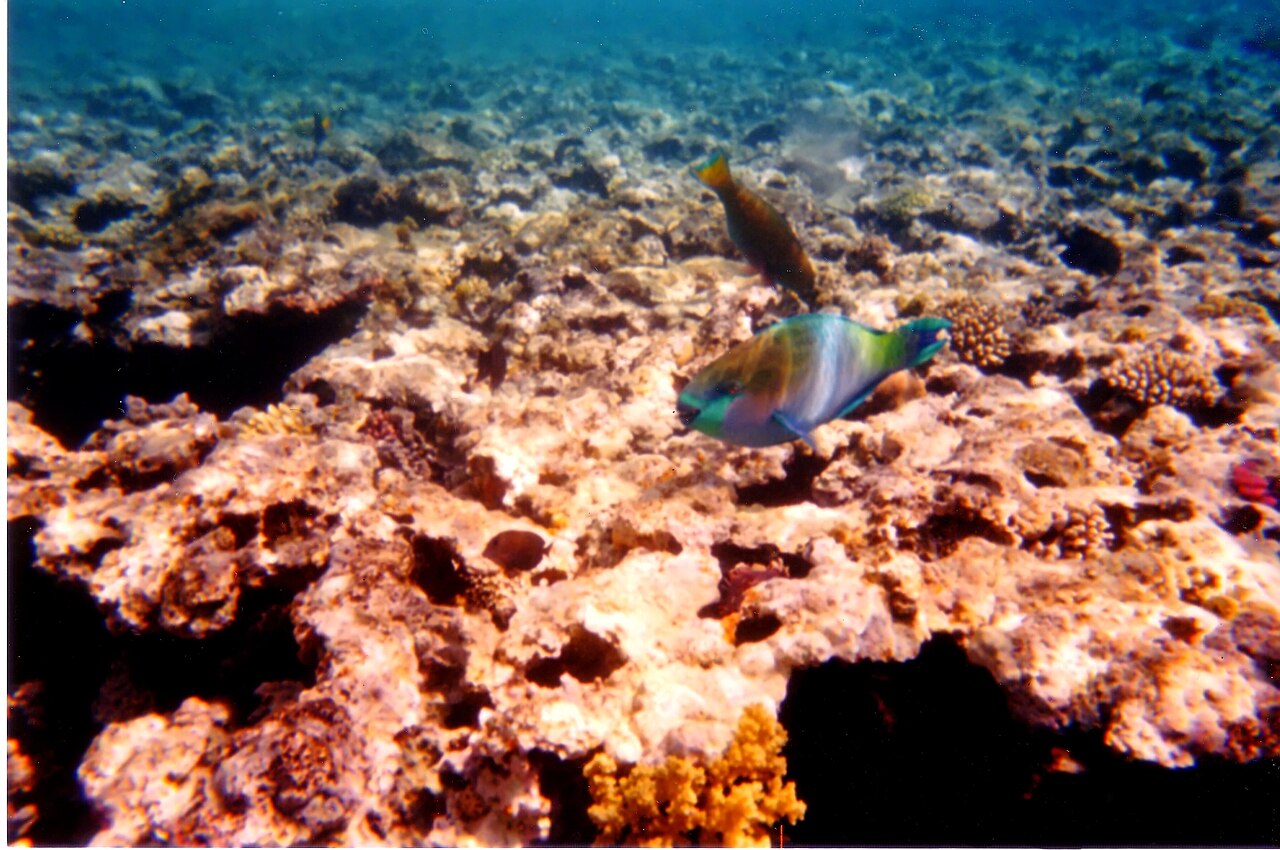
Ras Abu Helal, whose name translates as "Cape of the Growing Moon," is a shore dive located approximately 3 kilometres south of the Canyon site in Dahab, on Egypt's Red Sea coast. It is also known as "Little Canyon" or "Small Canyon," a nickname earned by a straight split in the reef wall that drops to around 30 metres on the western side. The site features a semi-circular sandy lagoon at 7–12 metres depth, flanked by compact reefs, which opens into a coral garden of vibrant hard and soft corals before the reef slopes into deeper water. At the technical level, the canyon proper begins at around 45 metres and continues to 60 metres or beyond, running parallel to the shore with chambers, vertical drops, and swim-throughs that give an almost cave-like atmosphere.
The coral garden surrounding the lagoon holds Lionfish, Groupers, Triggerfish, Unicornfish, and Butterflyfish, with Turtles appearing occasionally. The reef extends into a second immersed bay with a sandy seabed where the dive typically ends; the deeper canyon section, while dramatic, is considered less rewarding than the coral garden above it.
Entry is from shore, descending directly into the shallow lagoon and keeping the reef to the left as you head out to the reef. The site demands high tide for entry and especially for exit, and calm, wind-dependent surface conditions are essential. Visibility can reach 30–40 metres in good conditions. A strong north current is present, and the site is significantly less visited than neighbouring sites partly because suitable conditions are infrequent.
Read the full guideShow less
The entry and exit points are notably challenging — the canyon section has a slender crack entry and narrow exit points, with a risk of sediment disturbance inside. Exploring the canyon at depth requires technical certification, trimix gas planning, and appropriate equipment; recreational divers are best advised to remain in the coral garden and the surrounding bays. Water temperature is 28°C.
Marine life here
Confirmed by our research team, reported by independent divers, or observed nearby via iNaturalist — each entry is labelled with its source.
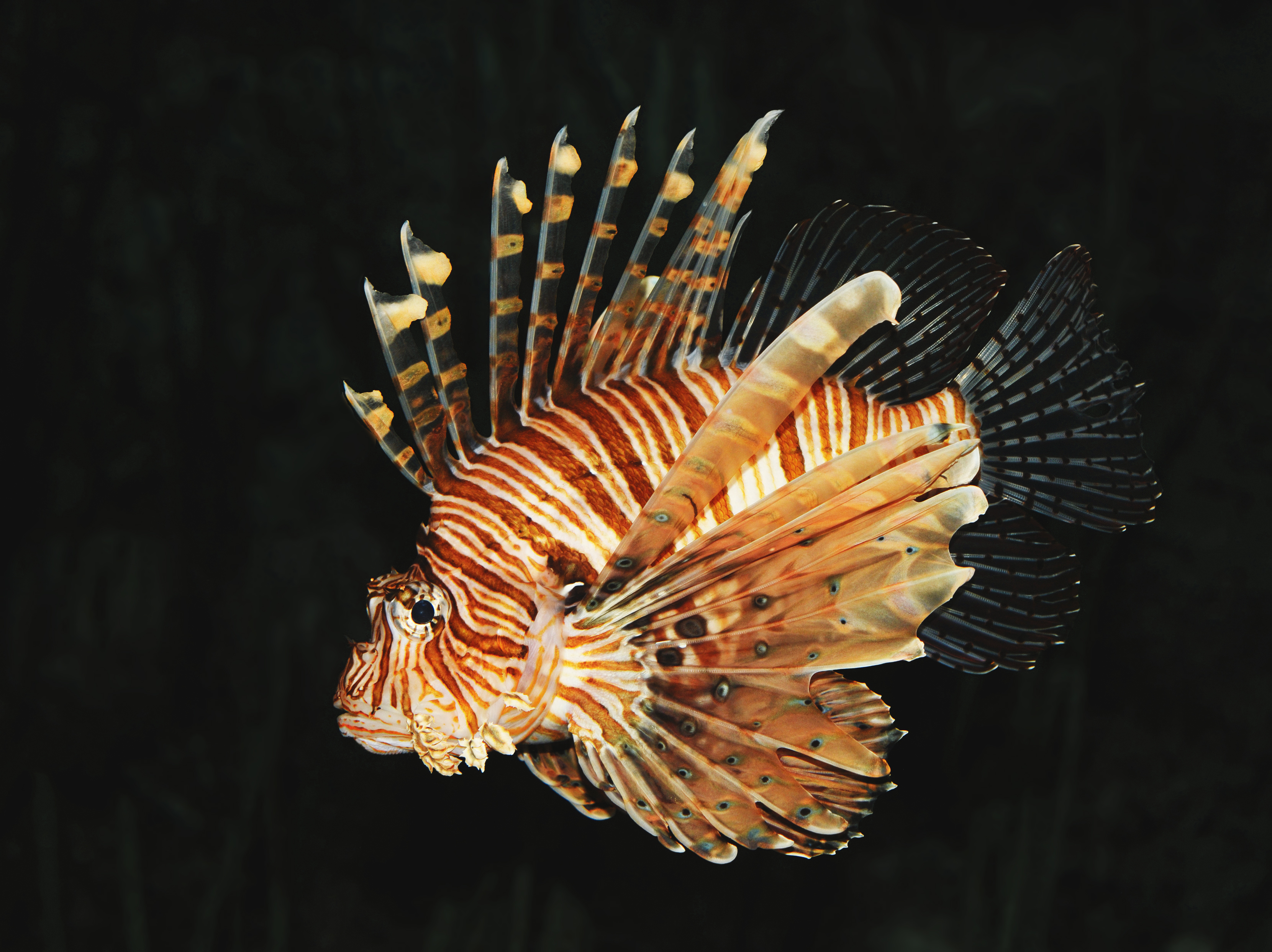 LionfishLionfishConfirmed present · 4 independent sources
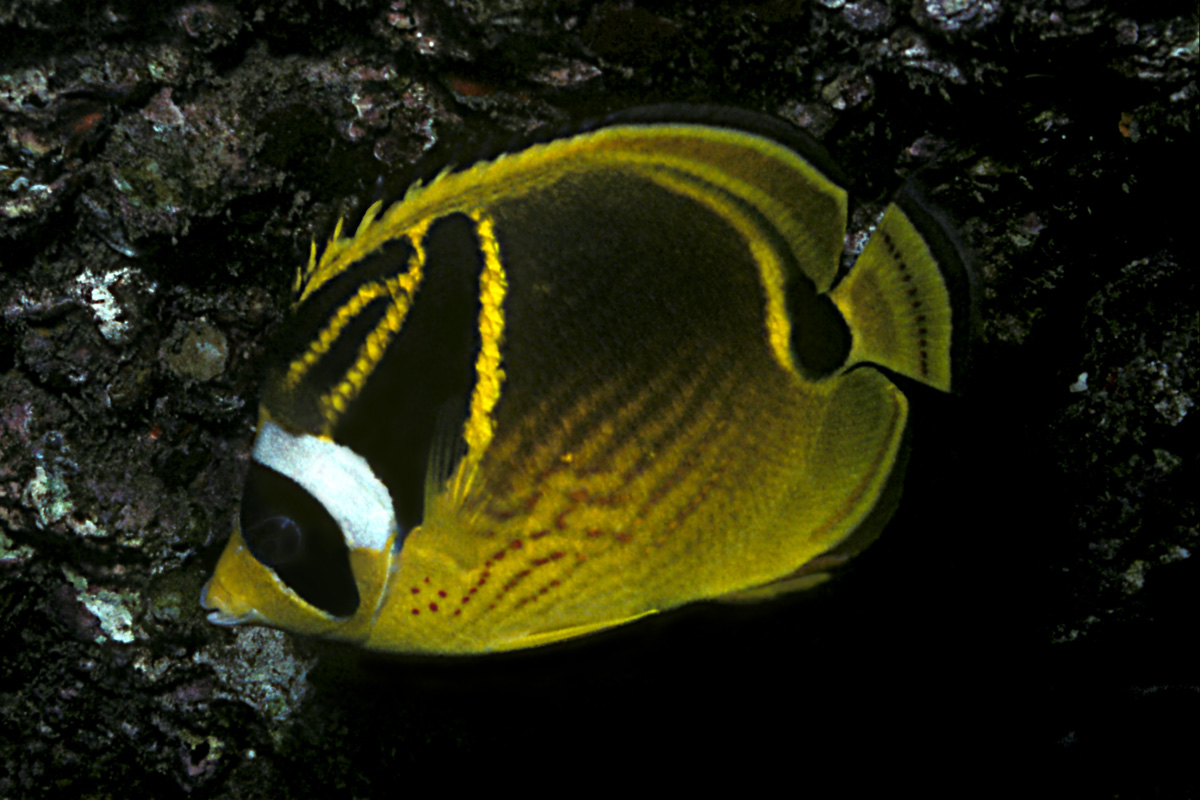 ButterflyfishButterflyfishReported here · unconfirmed
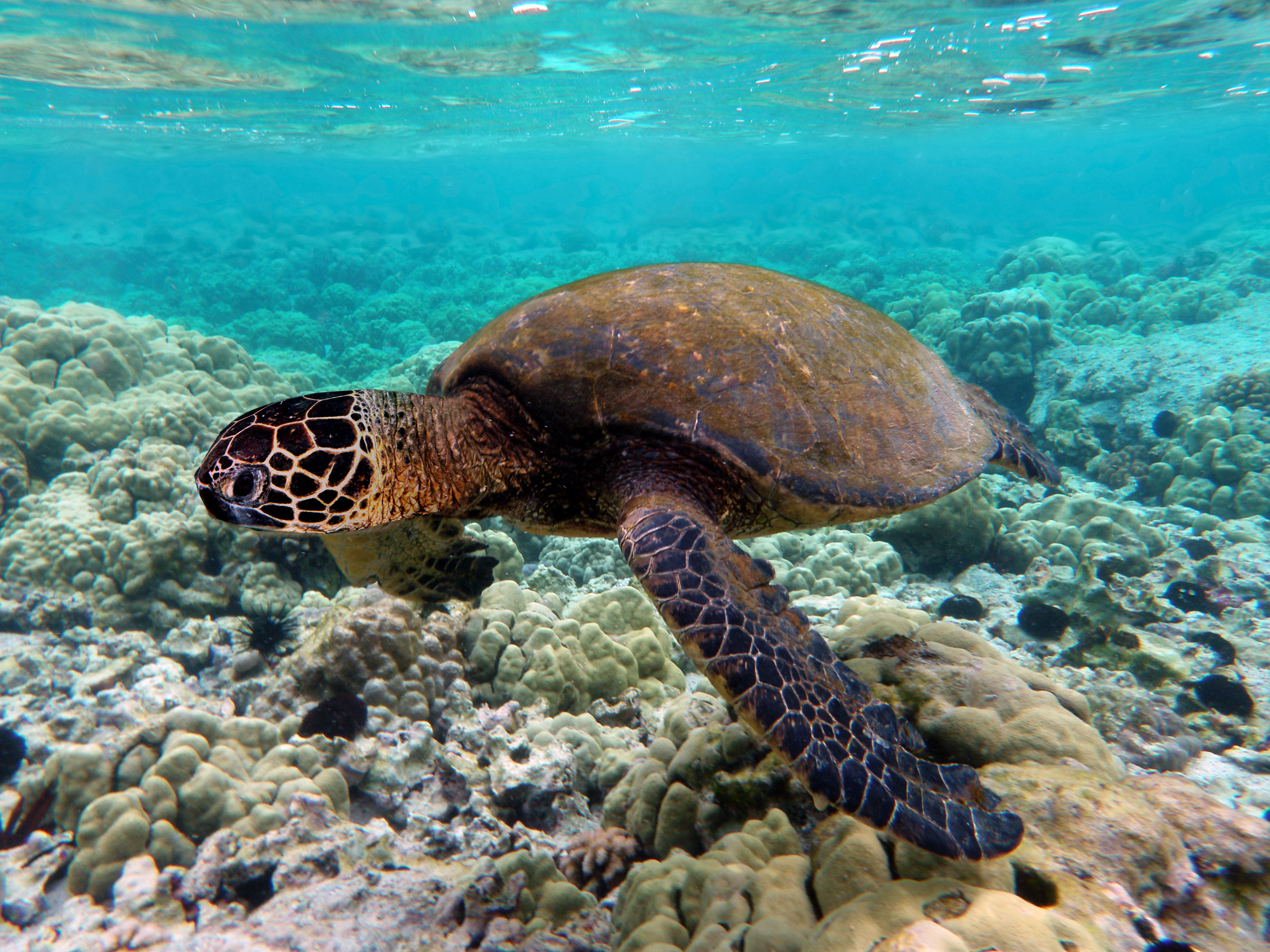 Sea turtleSea turtleReported here · unconfirmed
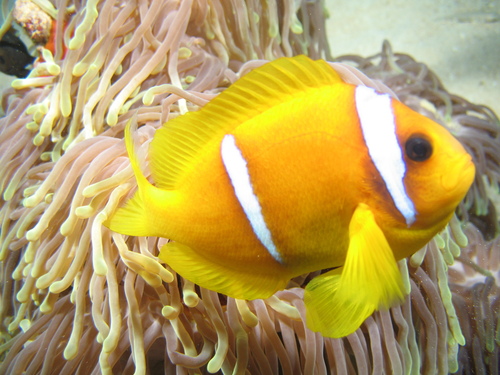 Red Sea AnemonefishAmphiprion bicinctusReported here · unconfirmed
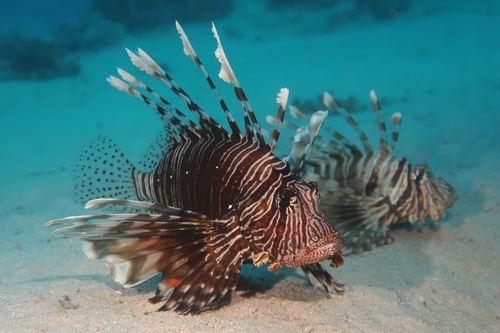 Indian LionfishPterois milesReported here · unconfirmed
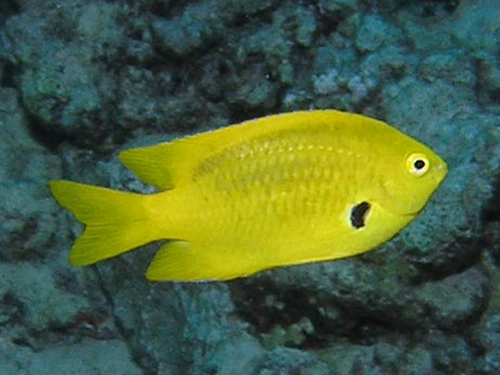 Sulfur DamselPomacentrus sulfureusReported here · unconfirmed
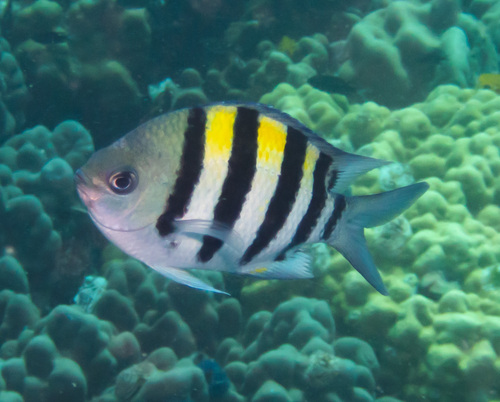 Indo-Pacific Sergeant MajorAbudefduf vaigiensisReported here · unconfirmed
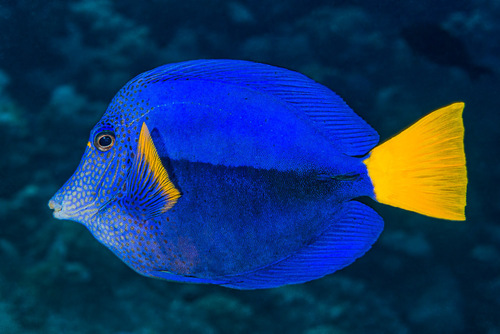 Purple TangZebrasoma xanthurumReported here · unconfirmed
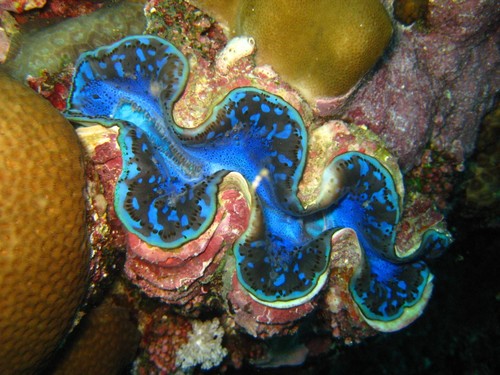 Small Giant ClamTridacna maximaReported here · unconfirmed
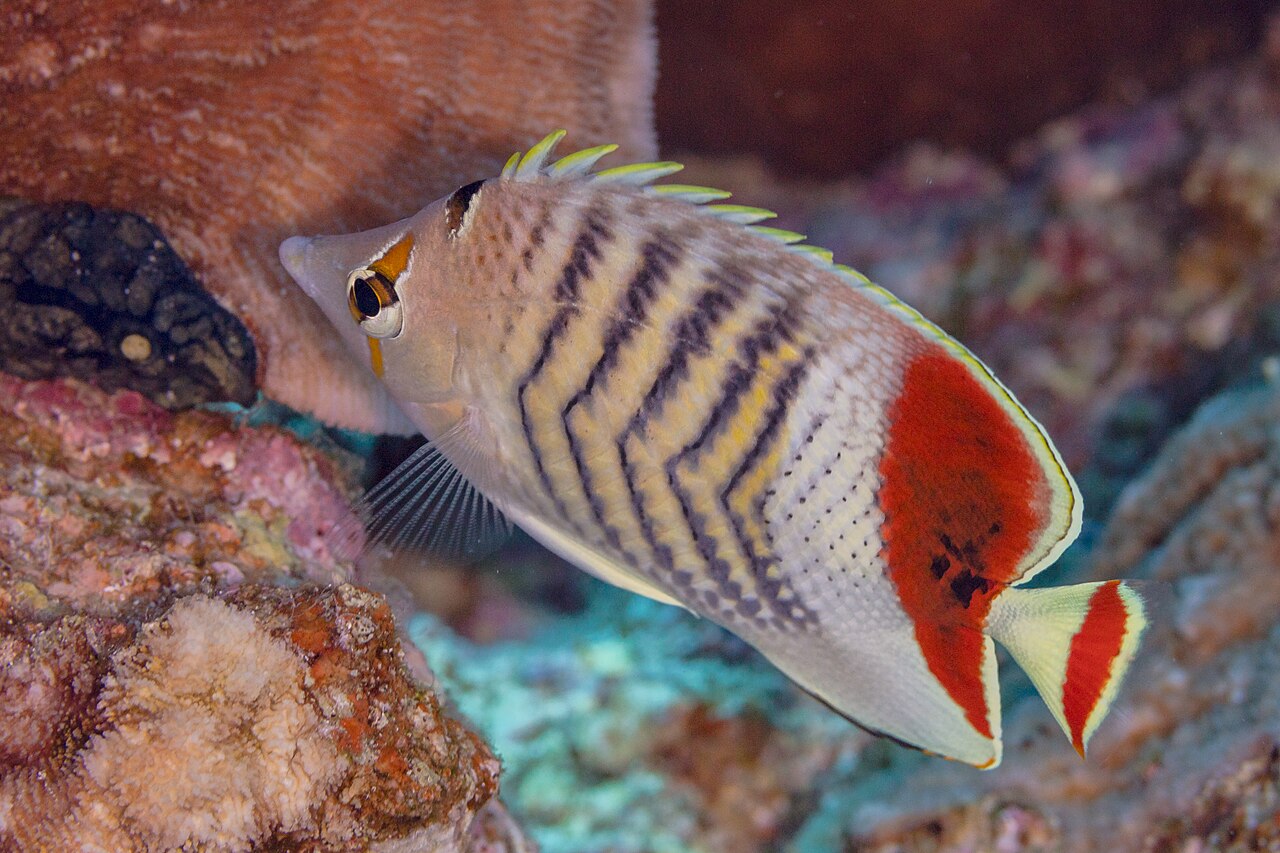 Crown ButterflyfishChaetodon paucifasciatusReported here · unconfirmed
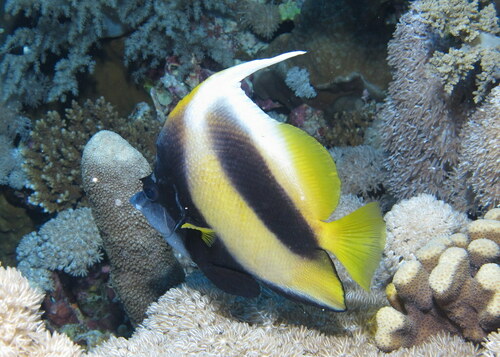 Red Sea BannerfishHeniochus intermediusReported here · unconfirmed
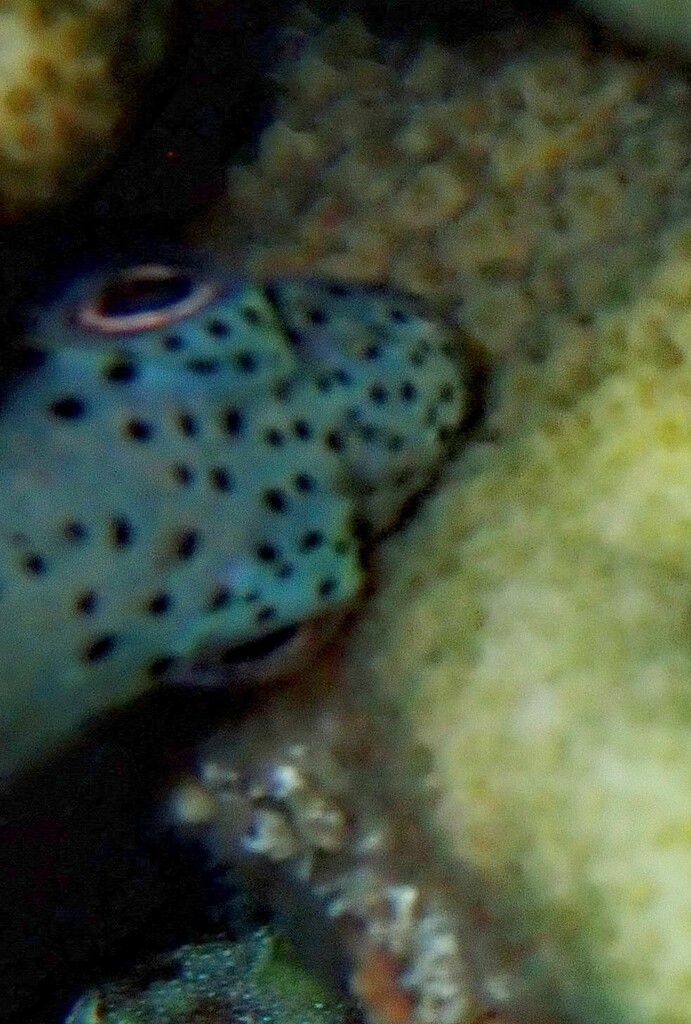 Freckled HawkfishParacirrhites forsteriReported here · unconfirmed
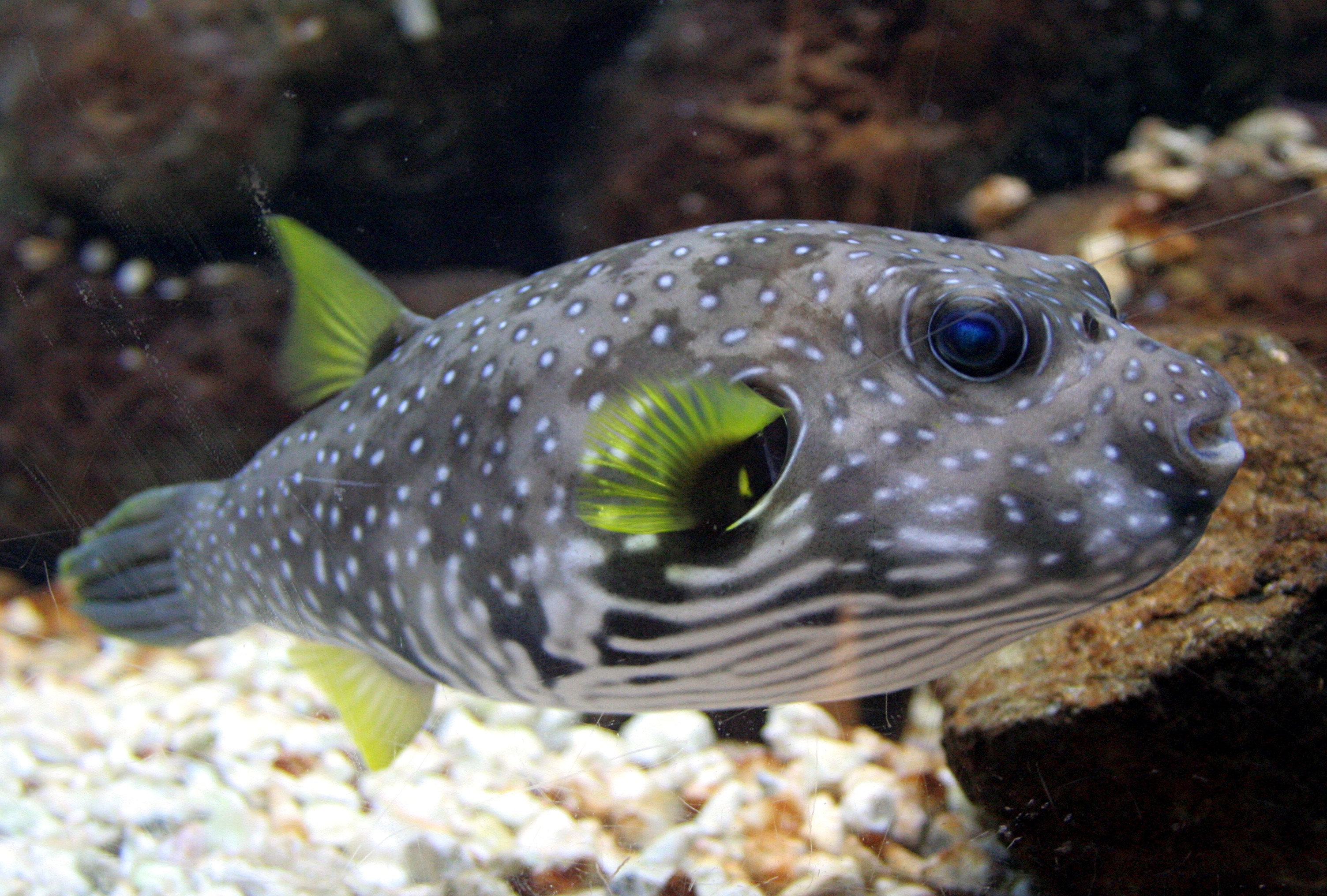 PufferfishPufferfishReported here · unconfirmed
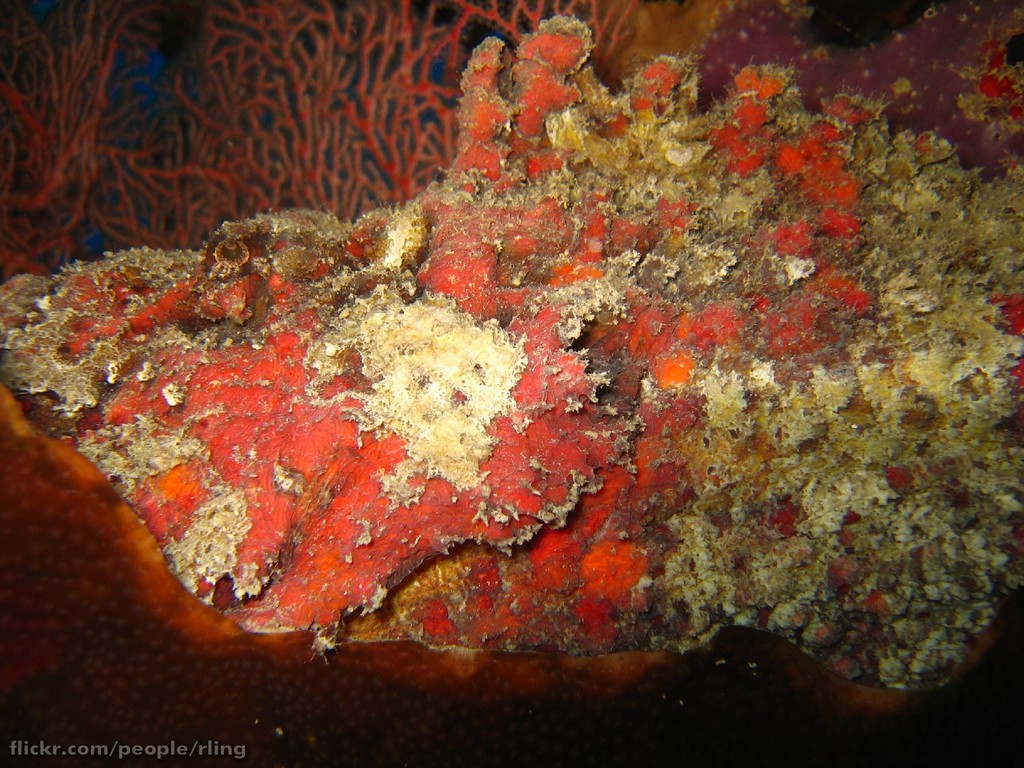 StonefishStonefishReported here · unconfirmed
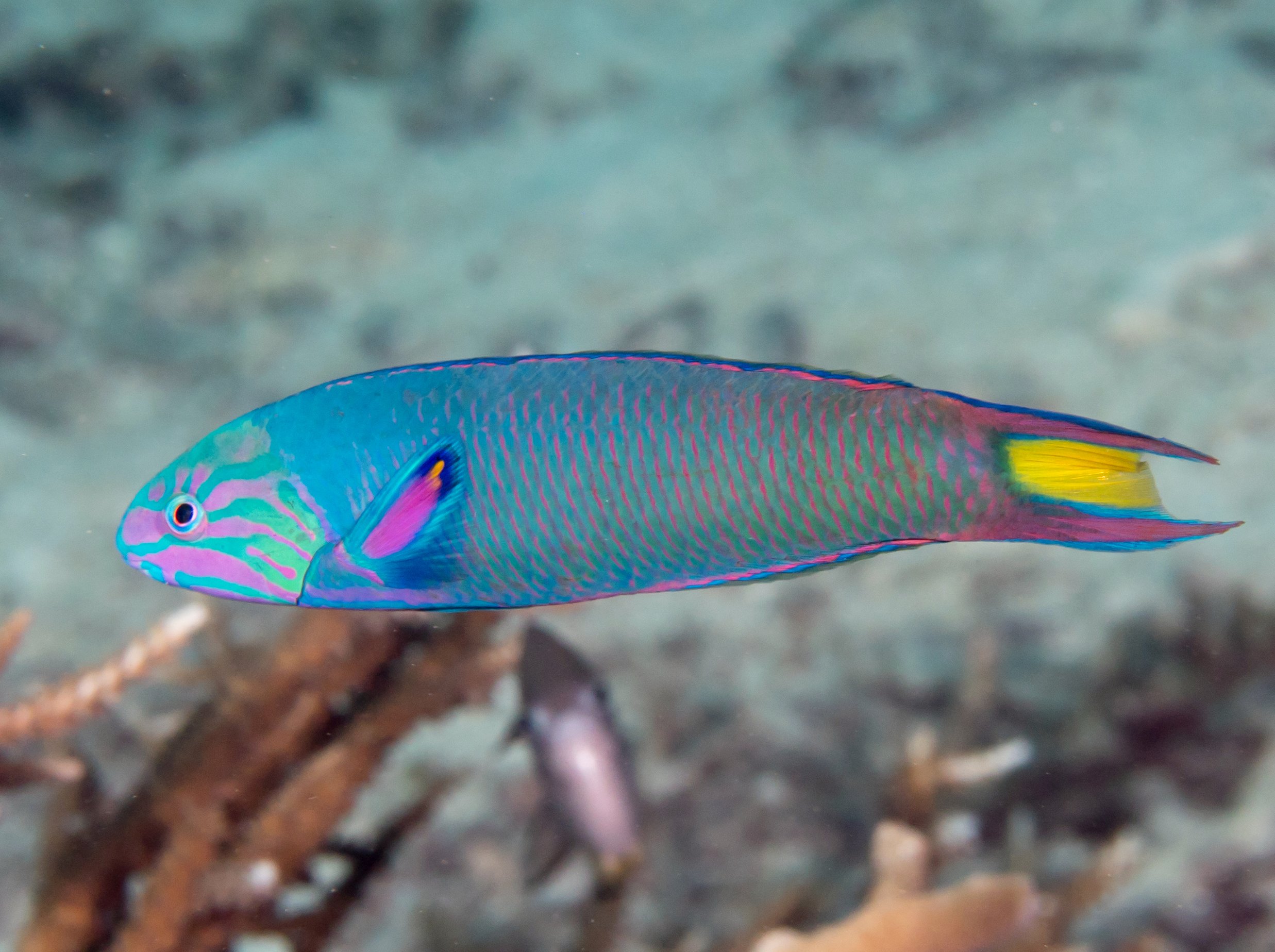 WrasseWrasseReported here · unconfirmed
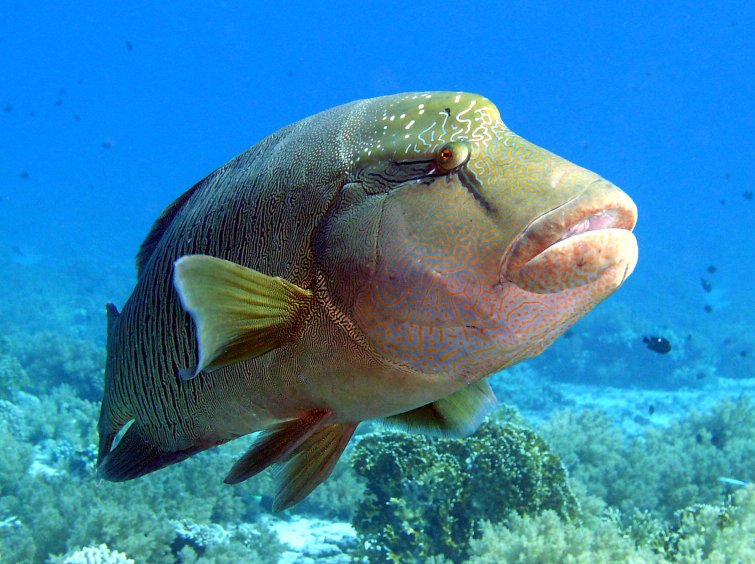 Napoleon (humphead) wrasseNapoleon (humphead) wrasseReported here · unconfirmed
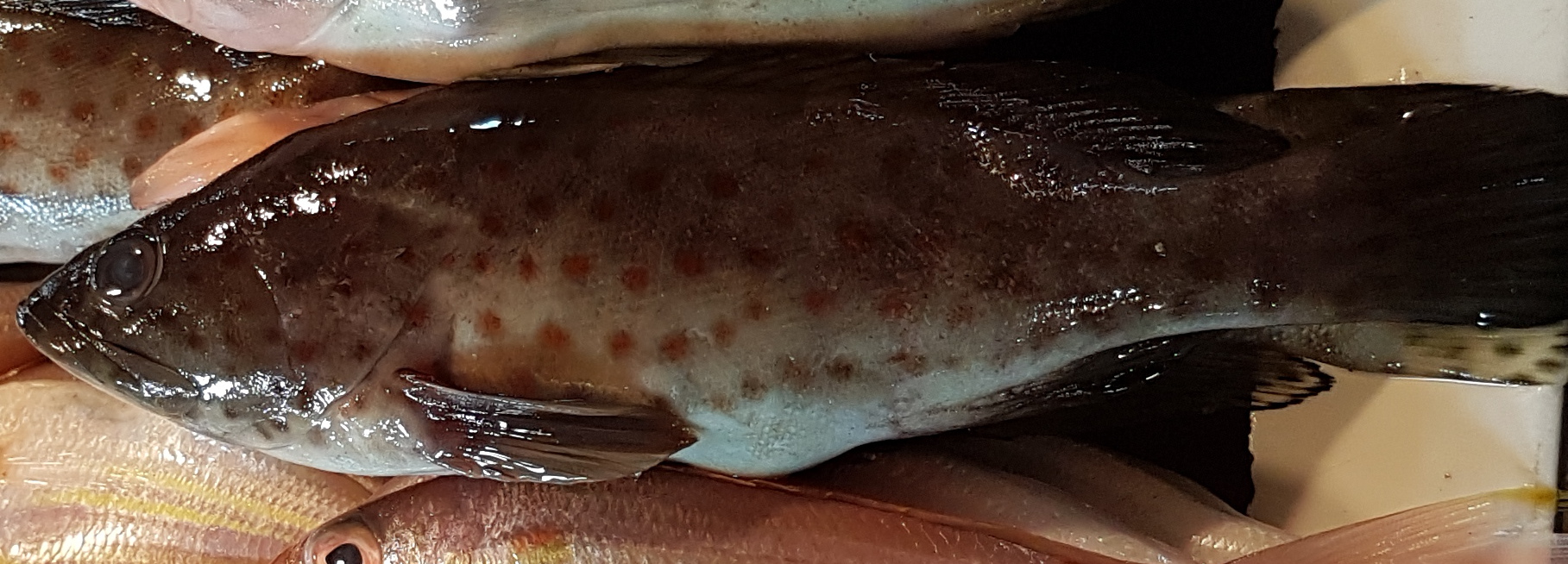 GrouperGrouperConfirmed present · 6 independent sources
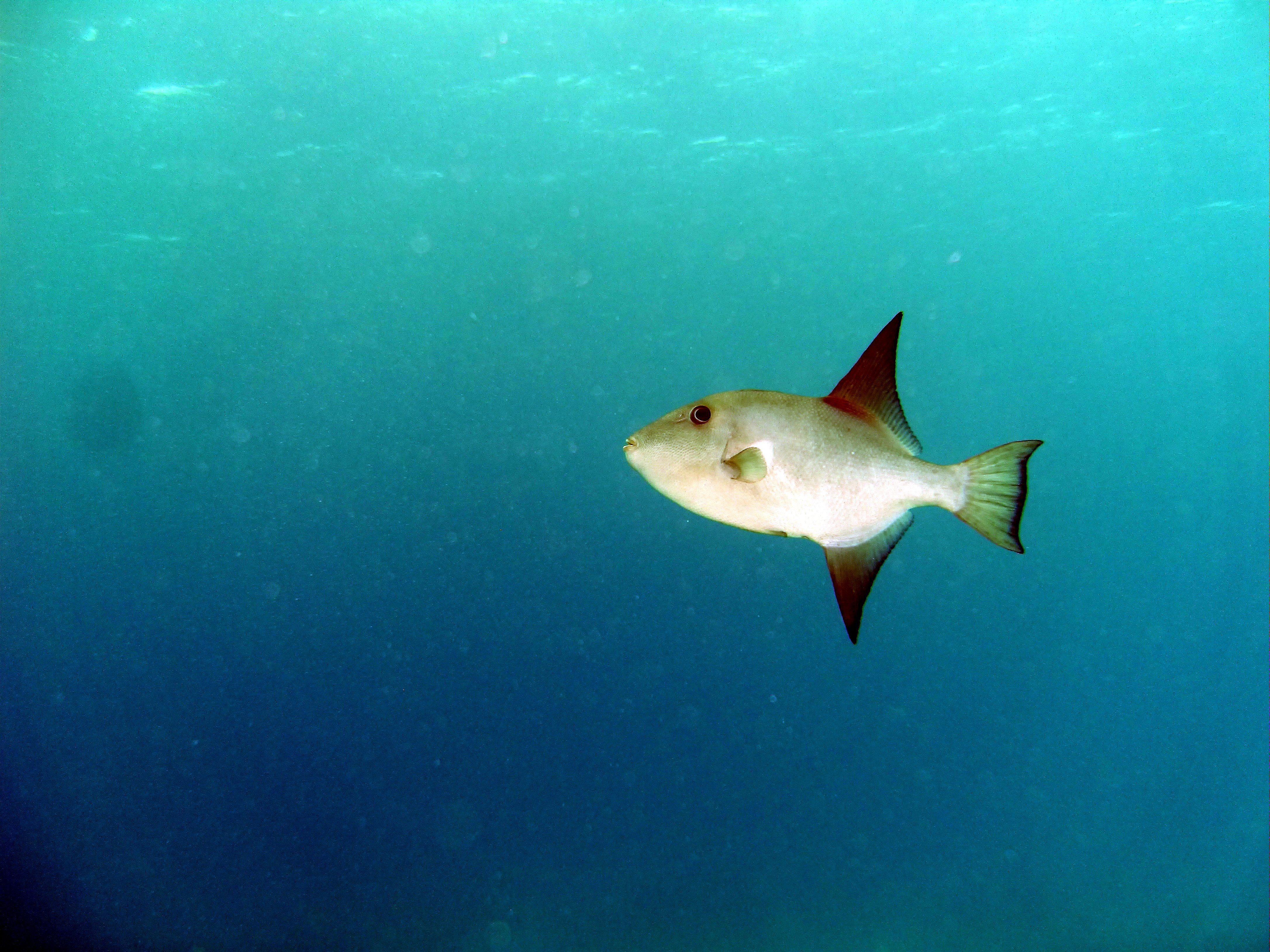 TriggerfishTriggerfishConfirmed present · 5 independent sources
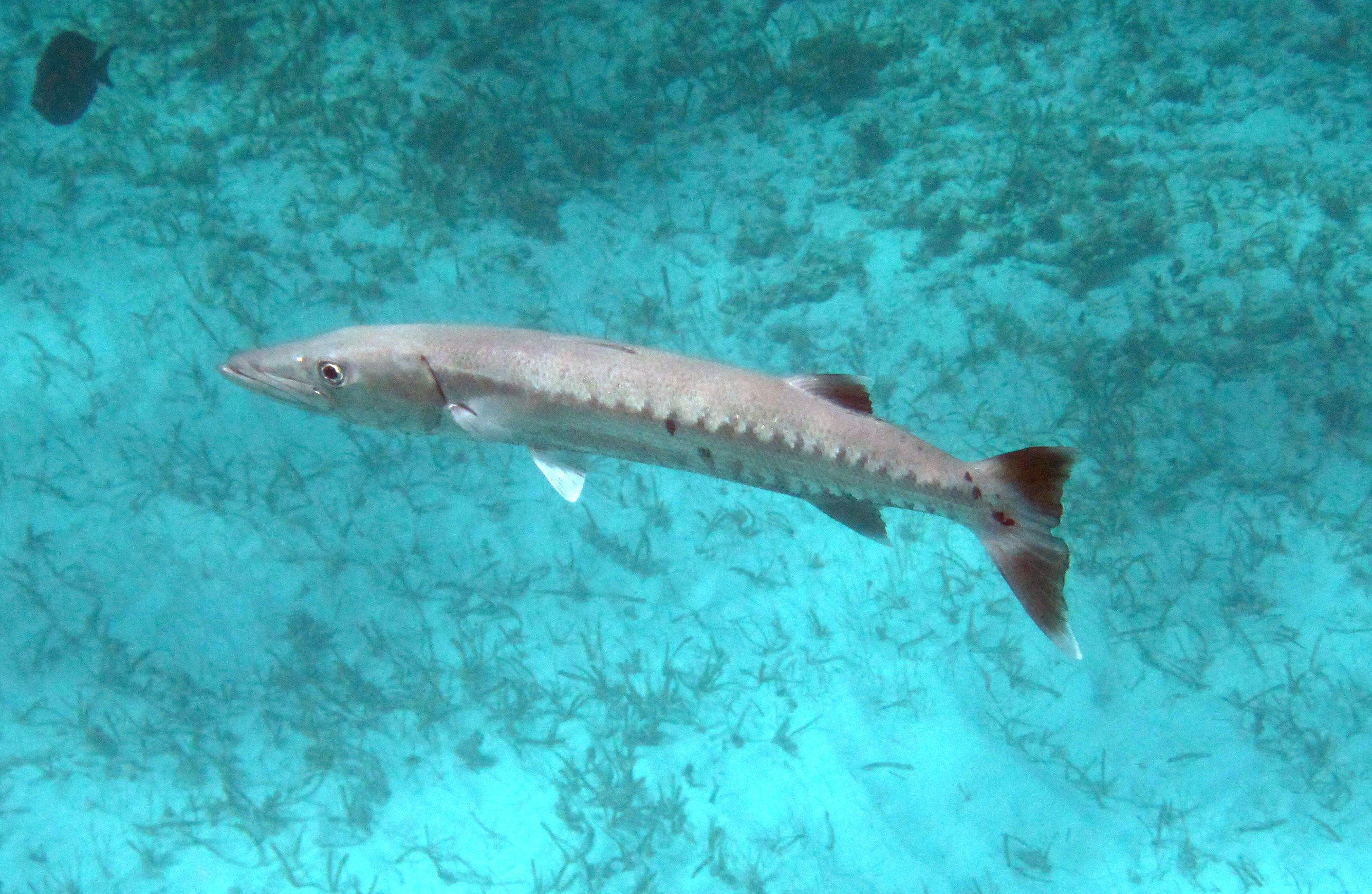 BarracudaBarracudaConfirmed present · 2 independent sources
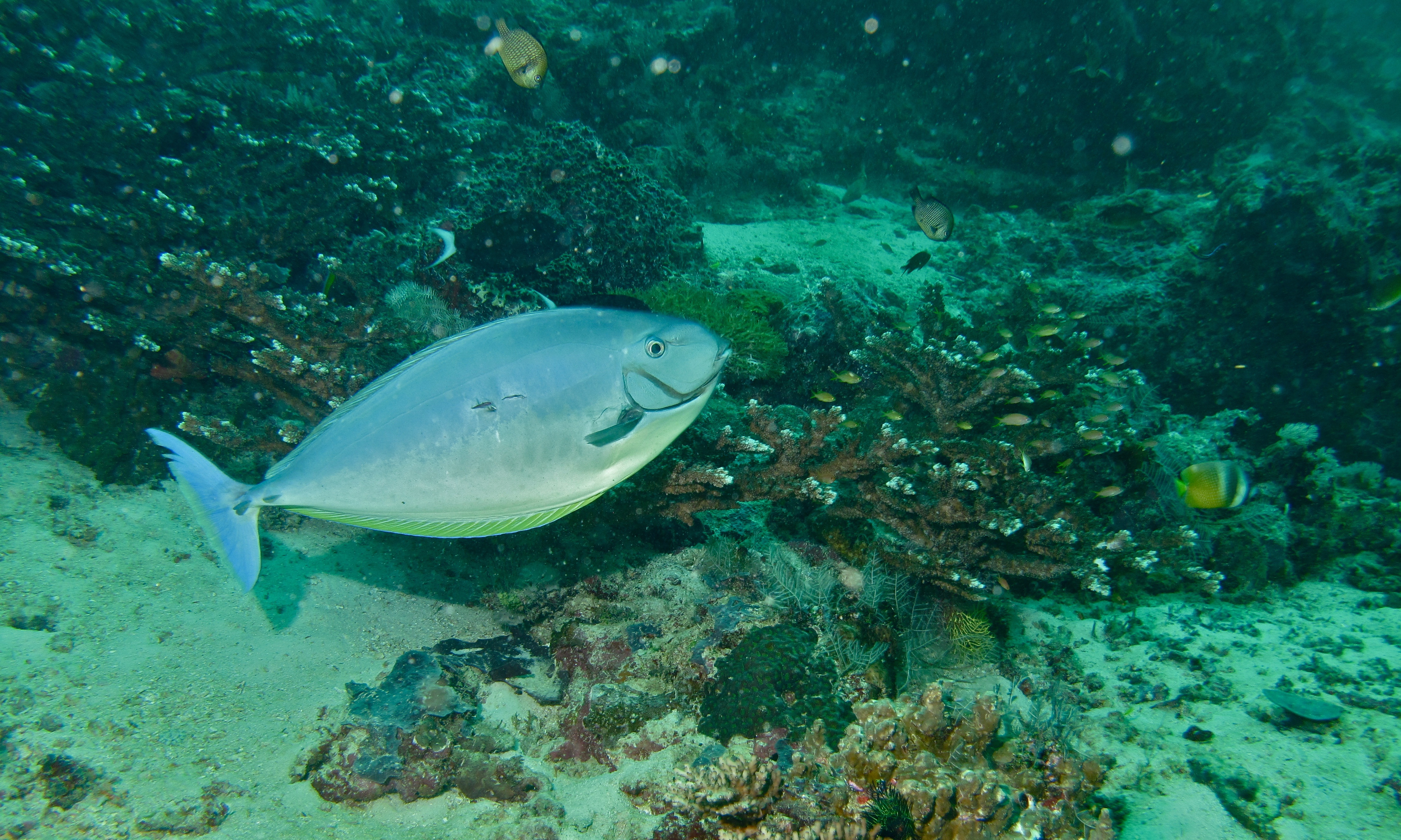 UnicornfishUnicornfishConfirmed present · 4 independent sources
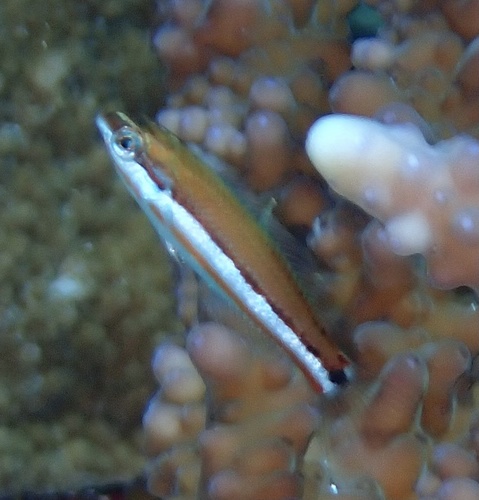 Klunzinger's WrasseThalassoma rueppelliiObserved near here · iNaturalist
Durable tips from divers — access, hazards, marine life, facilities. For day-of conditions, use the report tool in the conditions card above.
No notes yet. Dived here? Be the first to leave a tip.
Share a write-up or a photo. Submissions are reviewed before they appear on the page.
Nearby dive sites
Shops that dive here
No shops have listed this site yet.