Elephant Ear Canyon
Conditions & tides
Scored by DiveConnect's site-physics model
Marine forecast via Copernicus Marine. Score is a rule-based guide from swell/wind vs. the site's exposure — always dive your own assessment.
Dived here today? How were conditions vs. what we showed?
About this site
Elephant Ear Canyon is a wall dive site located at the very tip of West Caicos island in the Turks and Caicos, named for a notably large elephant ear sponge — reportedly damaged by a hurricane — that still anchors the site's identity as the reef and sponges continue to recover and regrow. A distinctive headland protrudes from the wall, giving the site a dramatic, jutting topography that cascades downward and seems to extend endlessly in every direction.
The top of the reef sits on the deep side, beginning at around 50–65 feet (roughly 15–20 m), with the wall dropping away below from that point. The reef crest is split into sections by sand chutes, and the wall itself is covered in large sponges, including giant orange elephant ear sponges. Divers who head east toward the shallows rather than following the wall will find an expanse of eel grass beds in shallower water.
Marine life at the site includes reef sharks circling above the wall, garden eels and stingrays in the sandy areas beneath the boat at the end of the dive, and tilefish. The eel grass shallows shelter seahorses, pipehorses, and pipefish, and the site has also been home to a shortnose batfish. The nudibranch family is represented by head shield slugs found among the eel grass. House-sized elephant ear sponges, barracuda, eagle rays, grouper, and turtles are also associated with this site.
Read the full guideShow less
Entry is by boat. Current can be strong — the elephant ear sponges are said to flap in strong currents — and the reef top already starts at depth, making this a site suited to advanced divers. Visibility is great. Divers are advised to watch their maximum depth carefully when exploring the wall.
Marine life here
Confirmed by our research team, reported by independent divers, or observed nearby via iNaturalist — each entry is labelled with its source.
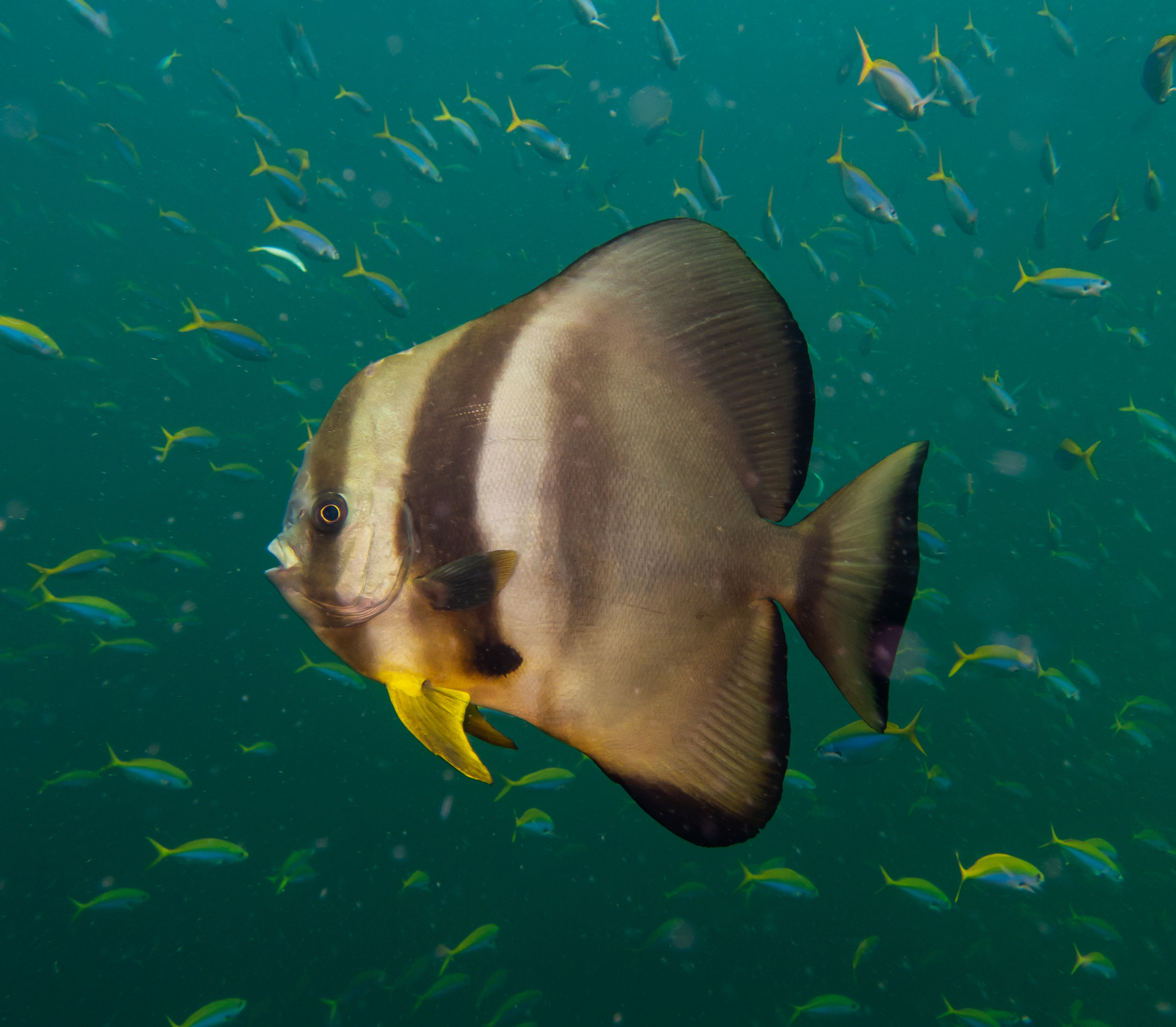 BatfishBatfishReported here · unconfirmed
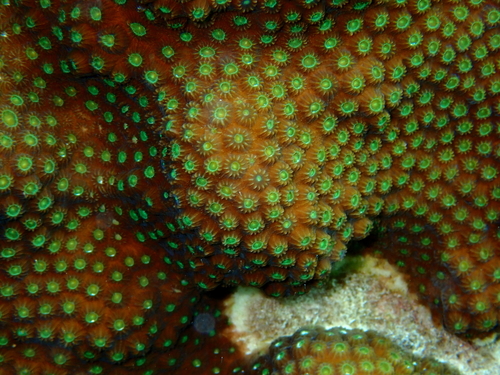 Mountainous Star CoralOrbicella faveolataReported here · unconfirmed
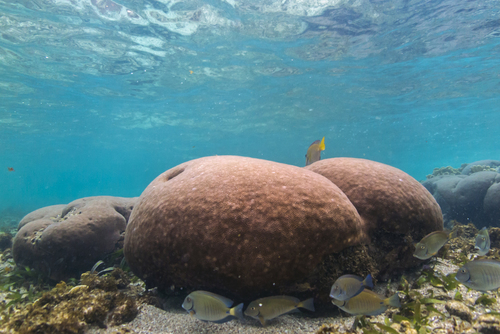 Massive Starlet CoralSiderastrea sidereaReported here · unconfirmed
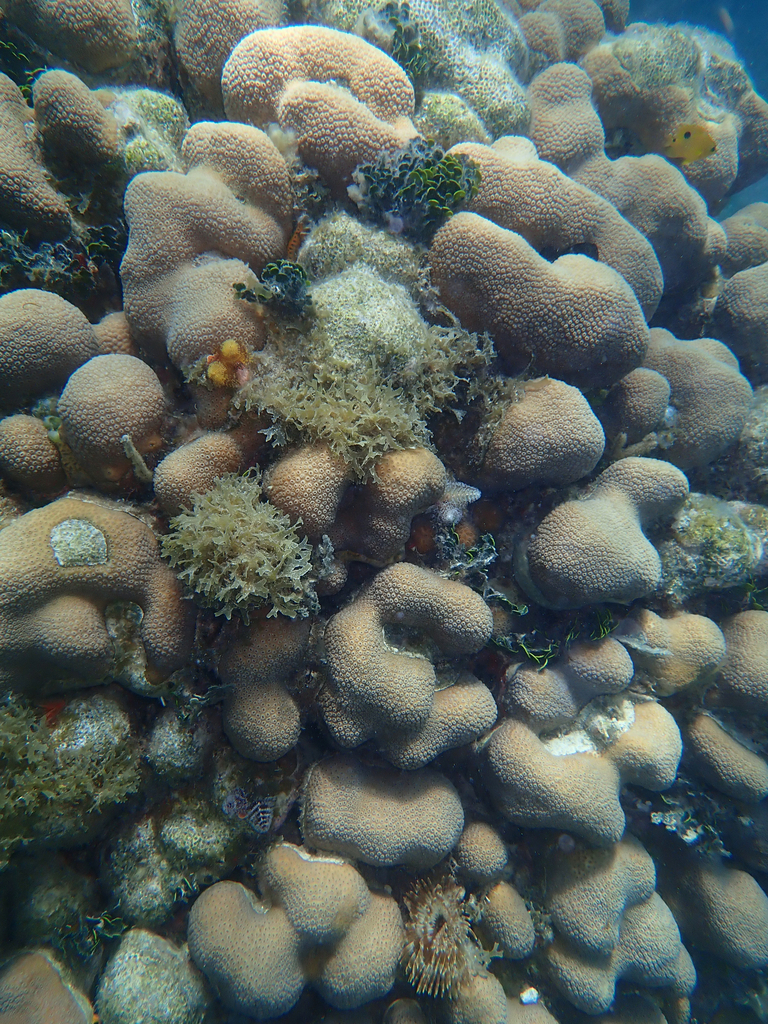 Lobed Star CoralOrbicella annularisReported here · unconfirmed
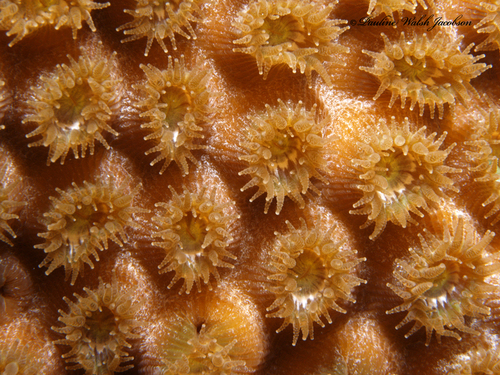 Greater Star CoralMontastraea cavernosaReported here · unconfirmed
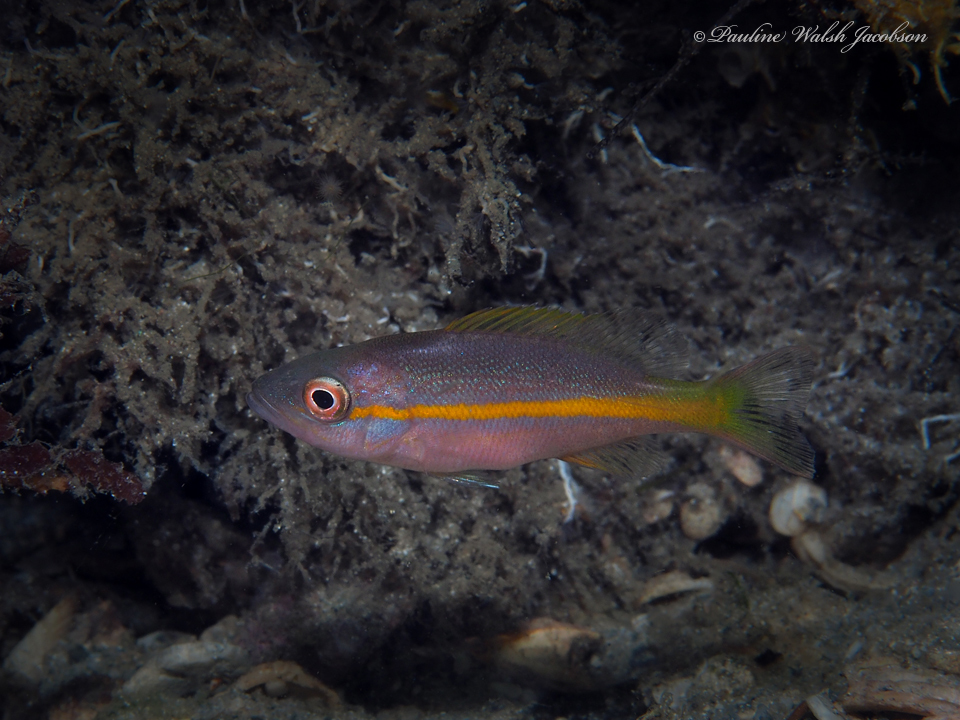 Yellowtail SnapperOcyurus chrysurusReported here · unconfirmed
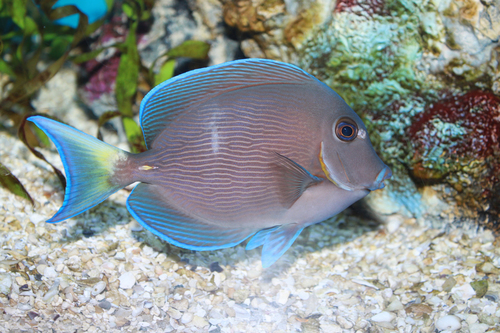 Atlantic Blue TangAcanthurus coeruleusReported here · unconfirmed
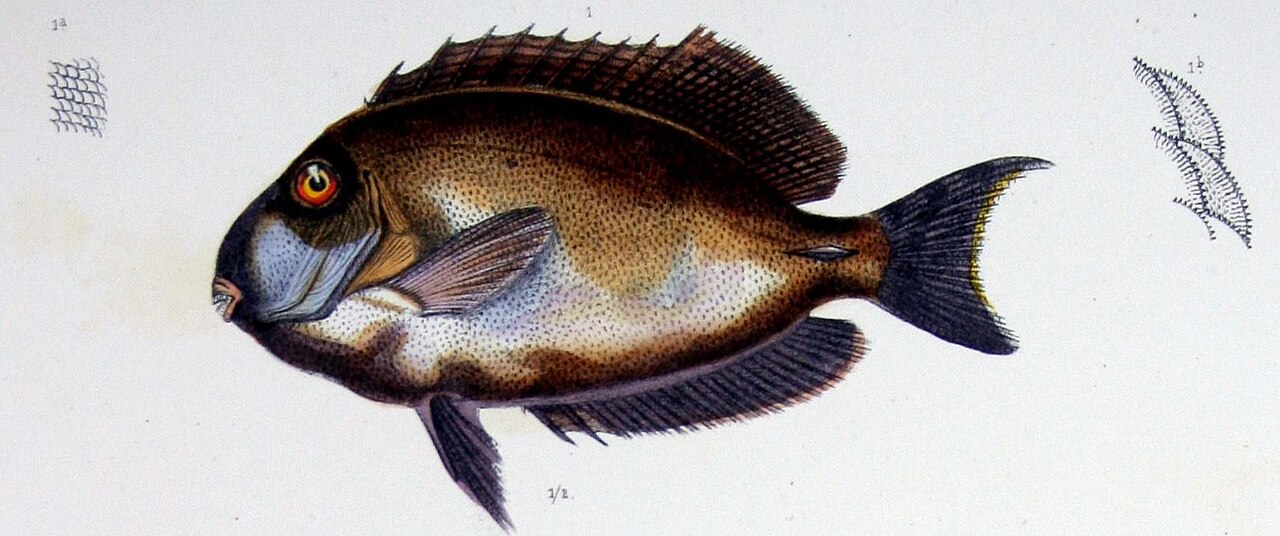 Brazilian Ocean SurgeonfishAcanthurus bahianusReported here · unconfirmed
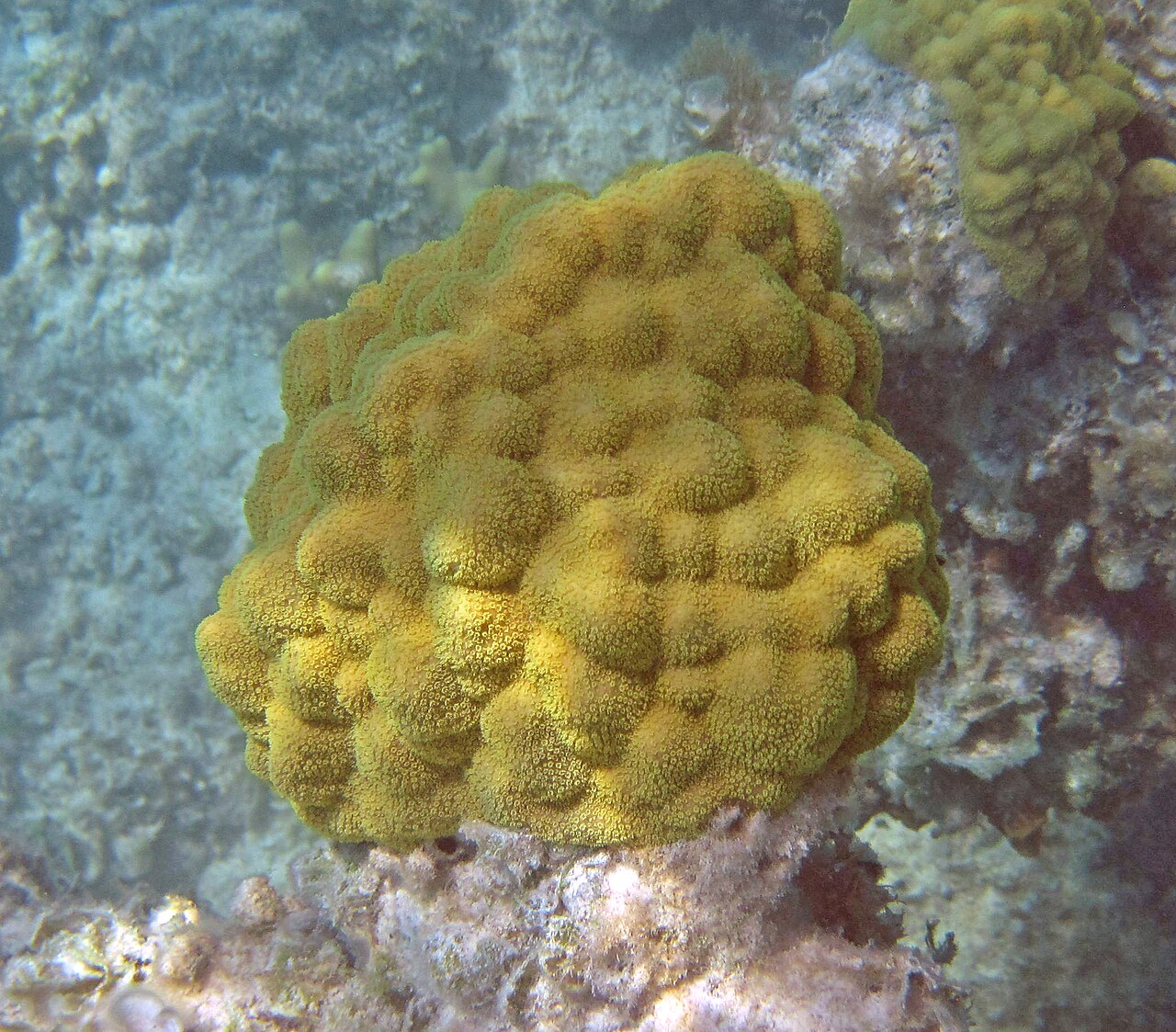 Mustard Hill CoralPorites astreoidesReported here · unconfirmed
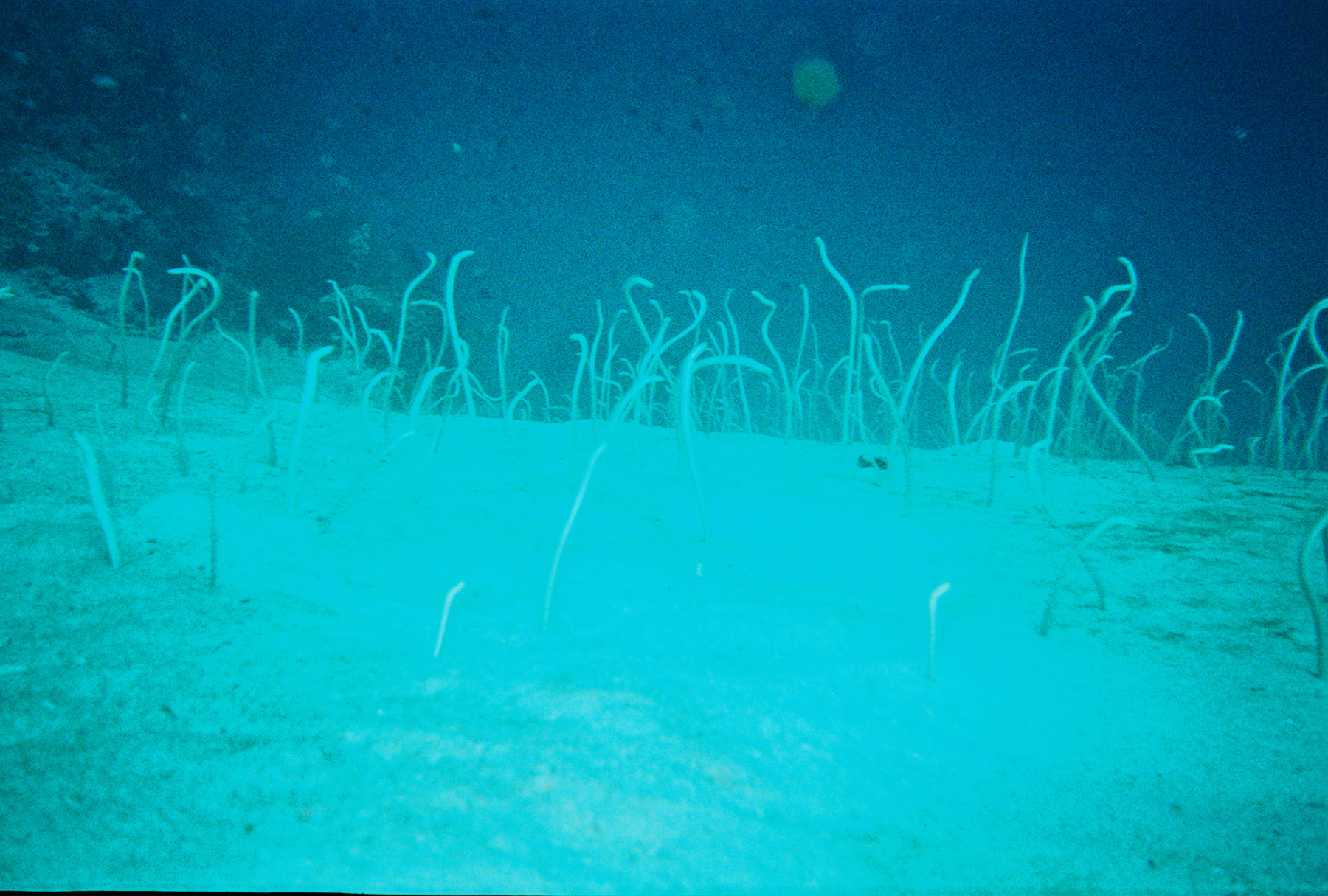 Garden eelGarden eelConfirmed present · 2 independent sources
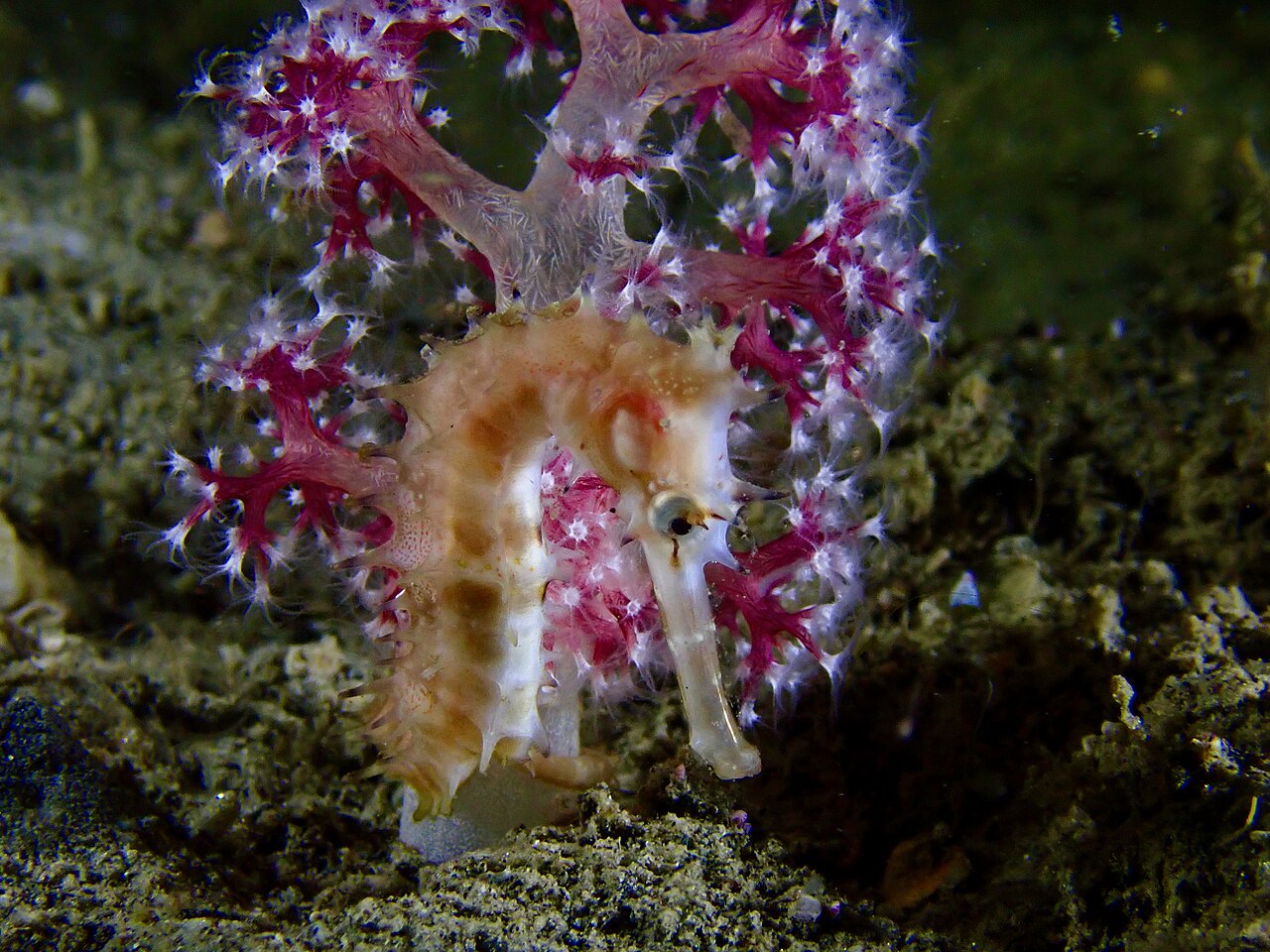 SeahorseSeahorseConfirmed present · 2 independent sources
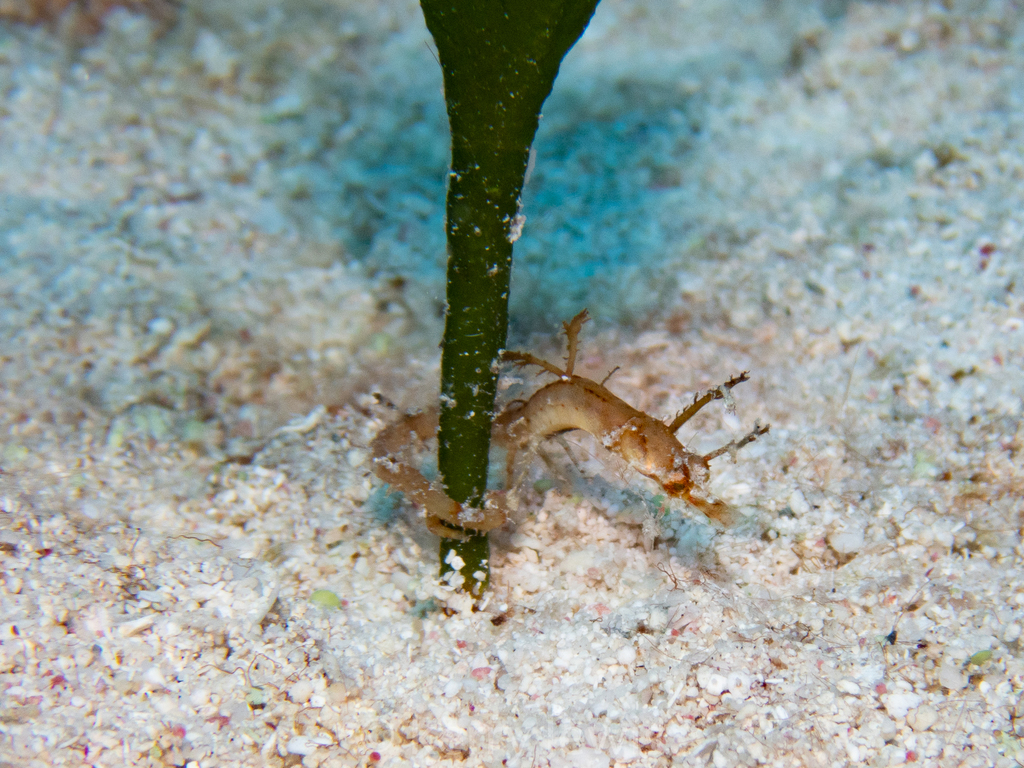 PipehorseAmphelikturus dendriticusReported here · unconfirmed
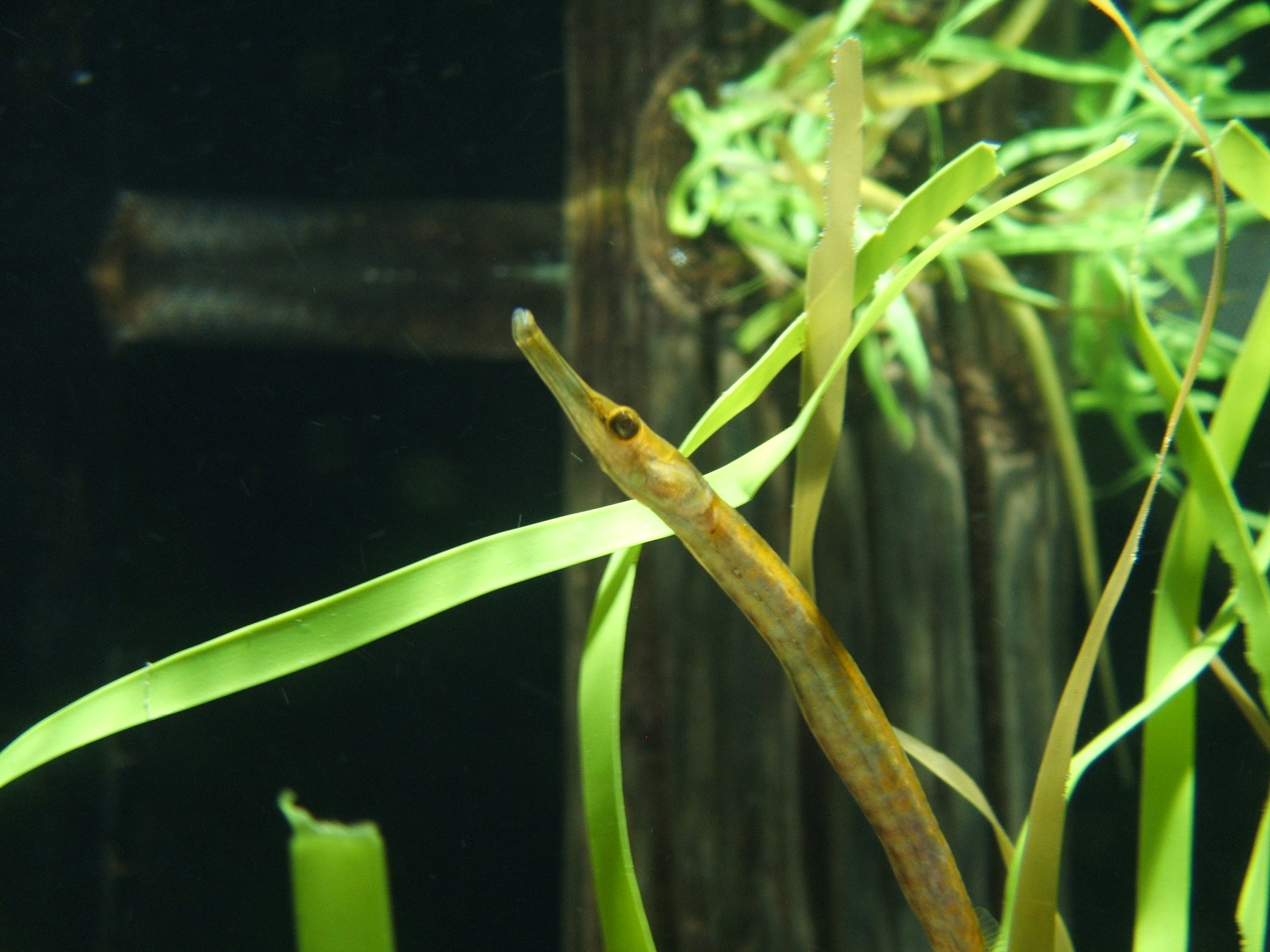 PipefishPipefishReported here · unconfirmed
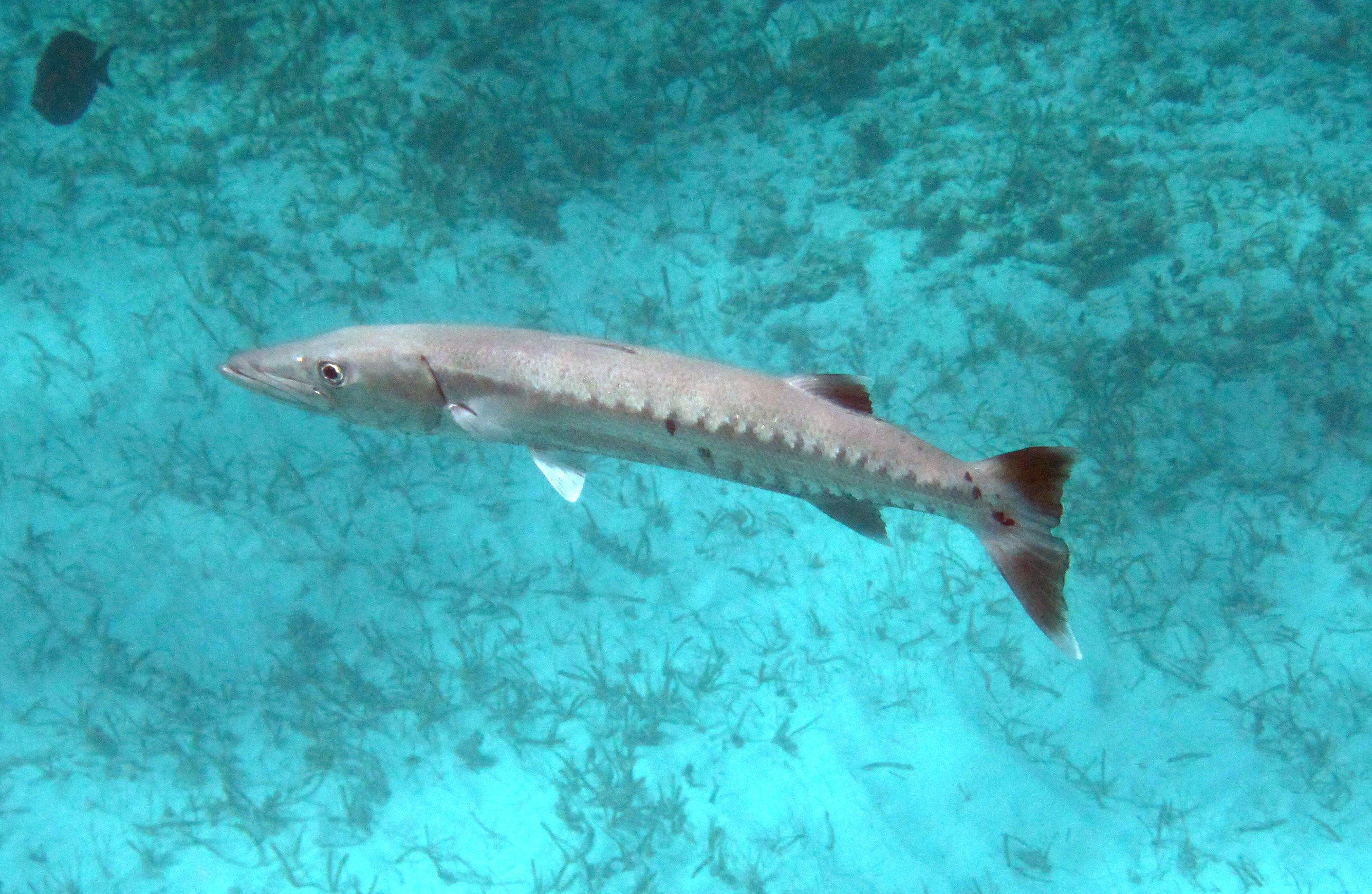 BarracudaBarracudaReported here · unconfirmed
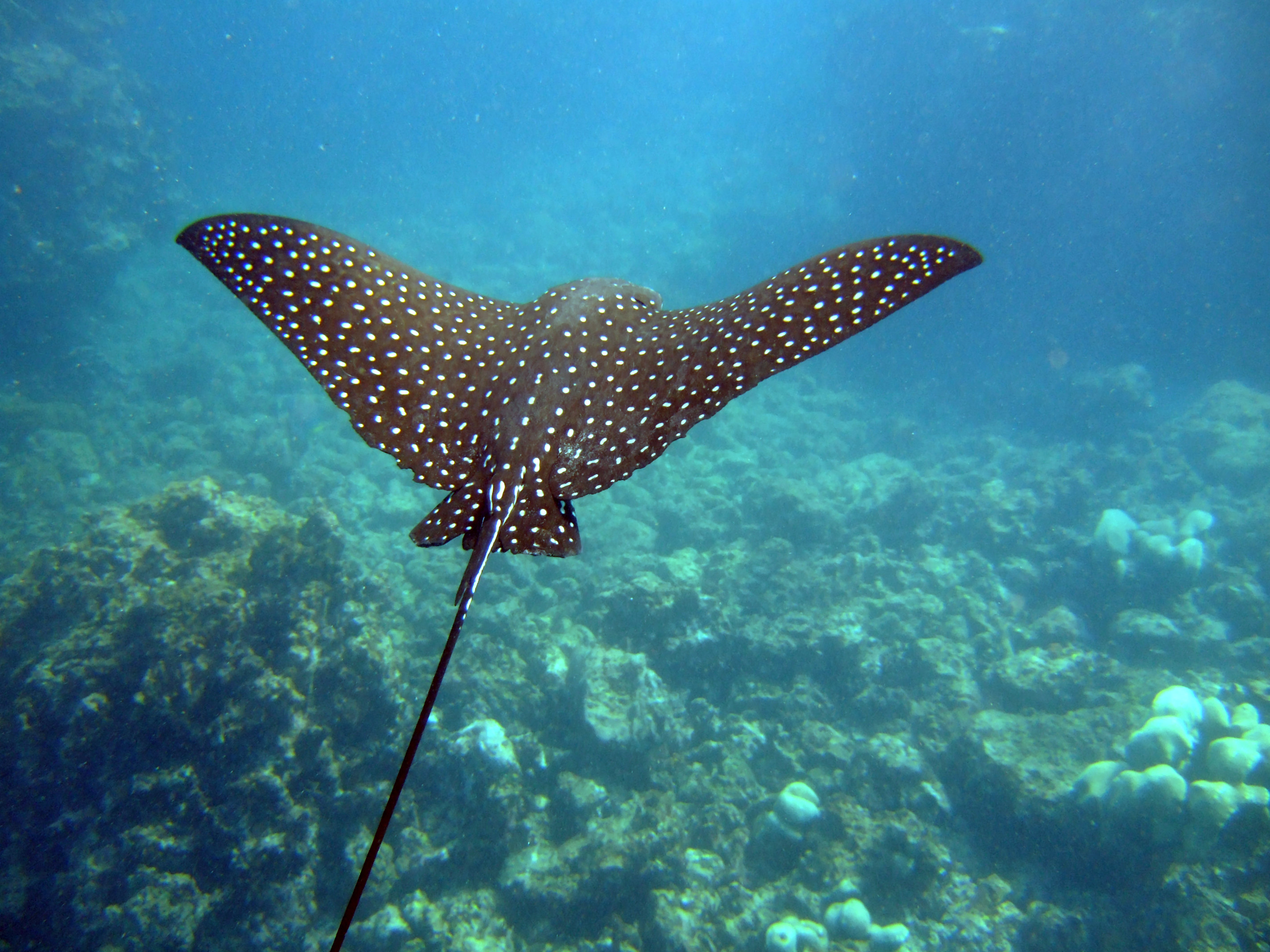 Eagle rayEagle rayReported here · unconfirmed
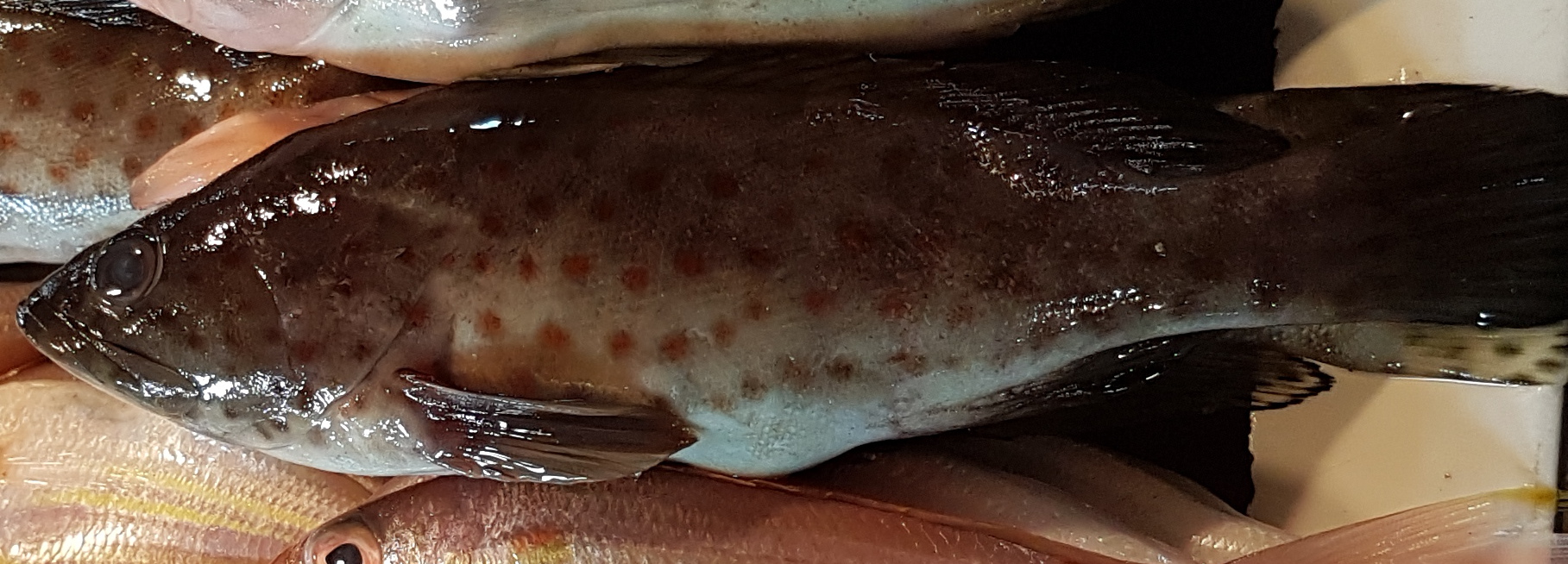 GrouperGrouperReported here · unconfirmed
Durable tips from divers — access, hazards, marine life, facilities. For day-of conditions, use the report tool in the conditions card above.
No notes yet. Dived here? Be the first to leave a tip.
Share a write-up or a photo. Submissions are reviewed before they appear on the page.
Nearby dive sites
Shops that dive here
No shops have listed this site yet.