Neptune Memorial Reef
Conditions & tides
Scored by DiveConnect's site-physics model
Marine forecast via Copernicus Marine. Score is a rule-based guide from swell/wind vs. the site's exposure — always dive your own assessment.
Dived here today? How were conditions vs. what we showed?
About this site
The reef was originally conceived by Gary Levine and designed by artist Kim Brandell, and was first known as the Atlantis Reef Project. It is sponsored by the Neptune Society, one of the largest providers of cremation in the United States, and the man-made reef is designed as a repository for human cremated remains.
Prior to construction in 2007, the site consisted of a barren seabed approximately 3.25 miles east of Key Biscayne, Florida, lacking significant marine habitat and supporting minimal life forms. The intention was never just a memorial — it was to create something living. The reef was engineered using durable materials like stainless steel and pH-neutral concrete to withstand severe storms while fostering coral growth and marine biodiversity. The reef is designed to be constructed in separate phases; the first two phases included 76 columns covering a half-acre of ocean floor, with the completed project planned to cover 16 acres and include over 5,000 columns.
Families select a design created by Key Largo artist Kim Brandell, add their loved one's cremated remains and small mementos like fishing lures or crucifixes to the concrete, and the unique monument is placed by divers forty feet below the waves. The most famous person buried here is celebrated chef Julia Child.
Read the full guideShow less
The site consists of underwater roads leading to a central collection of columns, benches, statues, and other objects. It features two ten-foot stone lions, multiple columns — some twenty feet high — and many memorial plaques. The effect, divers consistently report, is something close to eerie and beautiful in equal measure. Descending into the water, divers are met with towering columns and silent lion statues rising from the sand, an Atlantis-like columbarium holding the remains of over 1,500 souls — but this isn't just a place of reflection; it's alive.
In every direction beyond the reef there is nothing but sand, which draws sea life to the area — large schools of grunts and porkfish, huge parrotfish and angelfish, barracudas, and eels. Plenty of smaller creatures also inhabit the reef: lobsters, crabs, banded shrimp, and arrow crabs. Turtles, eagle rays, and sharks also visit the site regularly. Since 2007, the reef has attracted 56 species of fish, with bluehead wrasse the most common, followed by sergeant majors, bar jacks, and tomtates. Long-spined sea urchins and many species of crab have moved into the reef's crevices.
The site sits at 40 feet — that's both the minimum and maximum working depth, so there's no dramatic wall or slope to navigate. It's a flat, open-sand setting with the reef structures rising up to meet you, which actually makes it very comfortable for newer divers to orientate themselves.
Visibility ranges from roughly 33 to 100 feet, with optimal conditions typically found in spring and fall. That's a wide range and it's honest — a windy week or passing storm can knock things down, and you should expect the lower end of that range after rough weather. Average year-round visibility across Miami's offshore sites runs 30 to 50 feet. On a good day at Neptune, the water is clear enough to take in the full breadth of the structures from a single vantage point.
Water temperatures warm to around 80°F, with a noticeable thermocline at 30 feet — you'll feel the cooler layer as you drop through it, which is a normal part of diving this depth off South Florida. Broader Miami water temperatures range from 80–85°F between May and October, cooling to 72–79°F from November through April. Most divers choose a 5mm suit between late December and February, a 3mm full suit from March through May and October through December, and a 3mm or 1mm shorty the rest of the time.
Current at Neptune is typically light — under one knot — which, combined with the flat depth profile, keeps things manageable even when conditions aren't picture-perfect. It's not a drift dive. You'll be swimming leisurely between structures.
Access is by boat only, with limited current on most days. There are several mooring buoys at the site. Boats depart from Miami and the ride out to the reef is a short one — an easy afternoon trip. The minimum certification level required is Open Water Diver. Neptune Memorial Reef is good for all levels of scuba divers, and snorkelers and freedivers can also visit the site.
The dive genuinely suits anyone holding an Open Water card who wants something more than a plain reef. Photographers will find plenty to shoot — architecture, marine life, and the quietly moving detail of individual memorial plaques. Divers who have lost someone, or who are simply curious about the idea of a living underwater memorial, often find it unexpectedly moving. It's a rare dive site that gives you something to think about long after you've rinsed your gear.
Marine life here
Confirmed by our research team, reported by independent divers, or observed nearby via iNaturalist — each entry is labelled with its source.
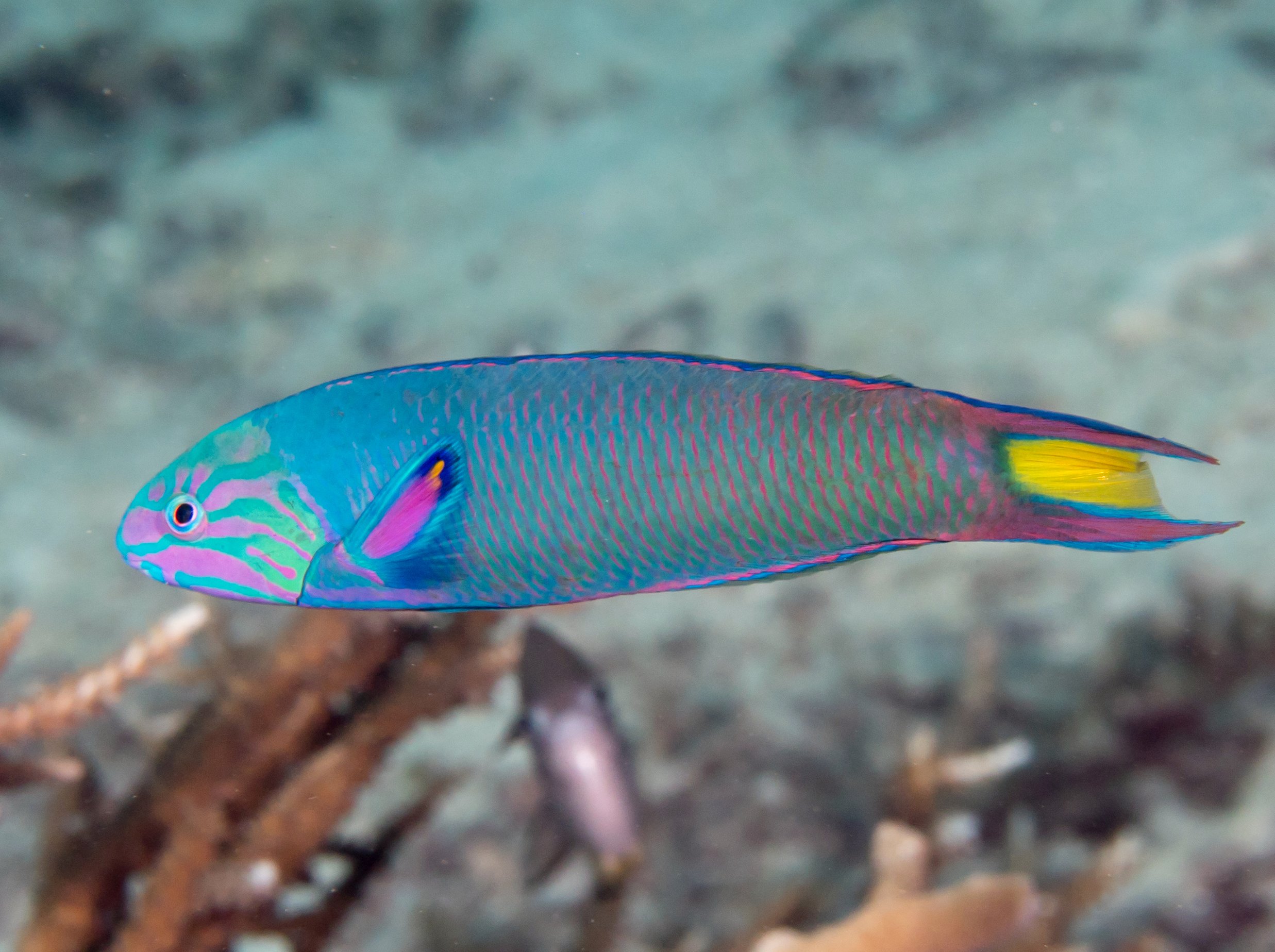 WrasseWrasseReported here · unconfirmed
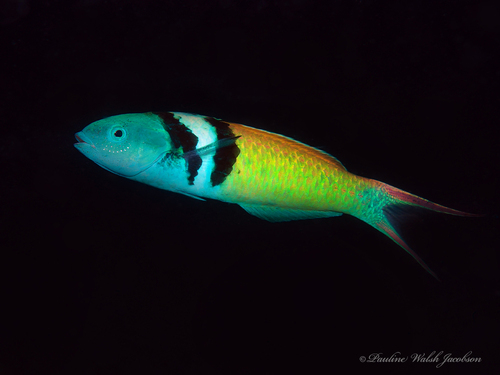 Caribbean Bluehead WrasseThalassoma bifasciatumReported here · unconfirmed
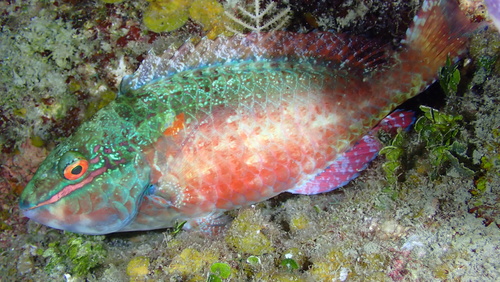 Redband ParrotfishSparisoma aurofrenatumReported here · unconfirmed
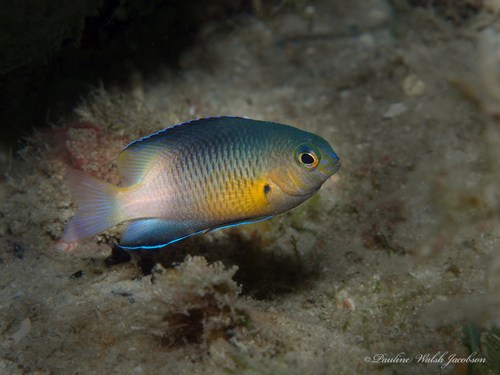 Bicolor DamselfishStegastes partitusReported here · unconfirmed
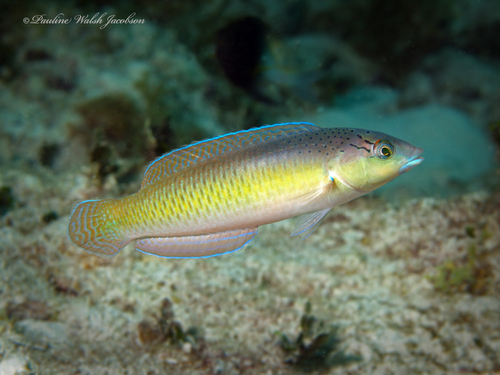 Yellowhead WrasseHalichoeres garnotiReported here · unconfirmed
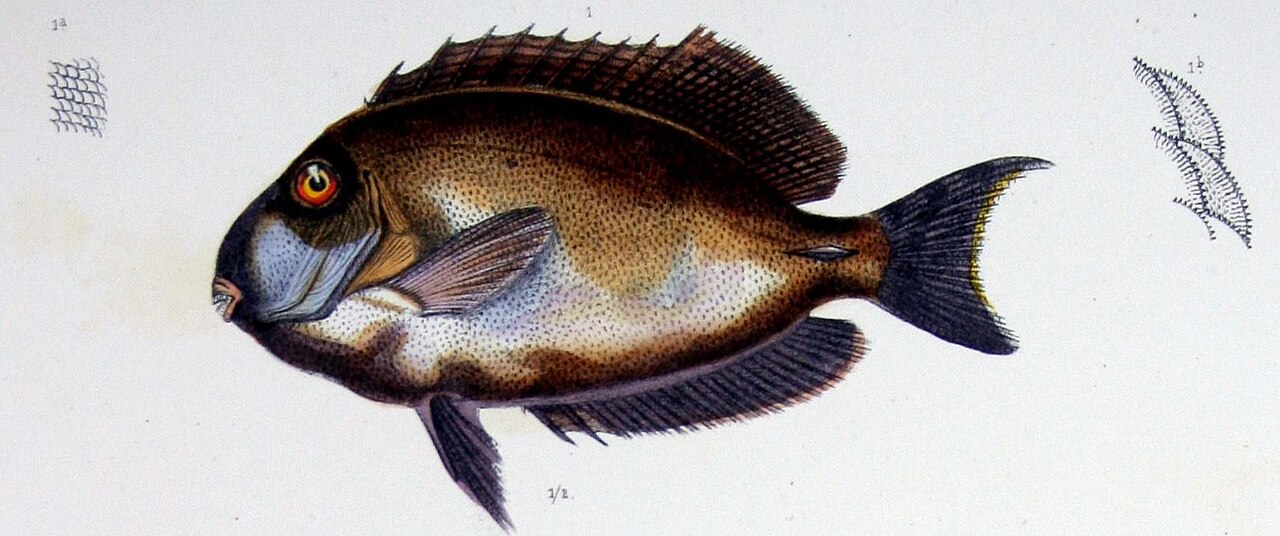 Brazilian Ocean SurgeonfishAcanthurus bahianusReported here · unconfirmed
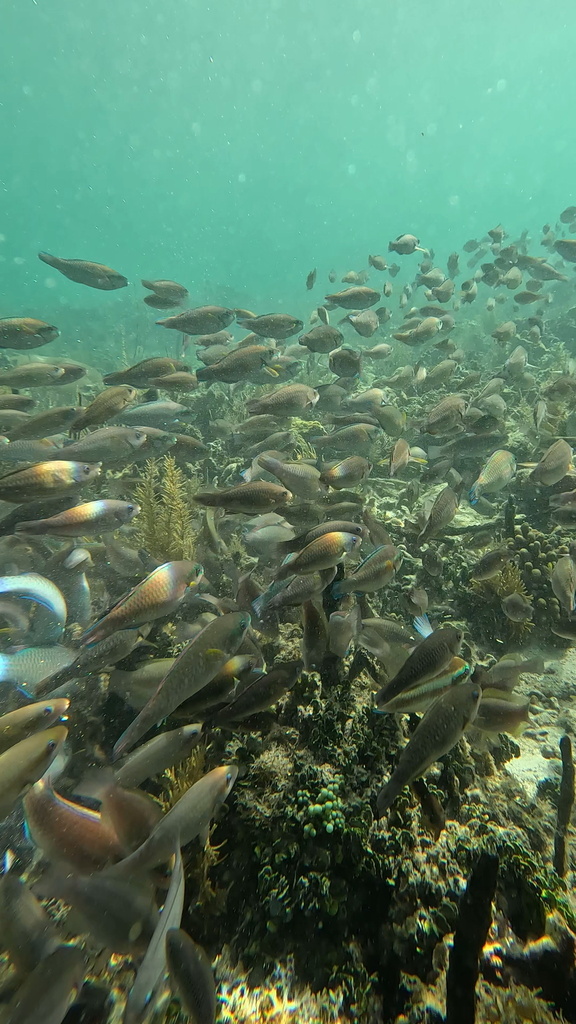 Striped ParrotfishScarus iseriReported here · unconfirmed
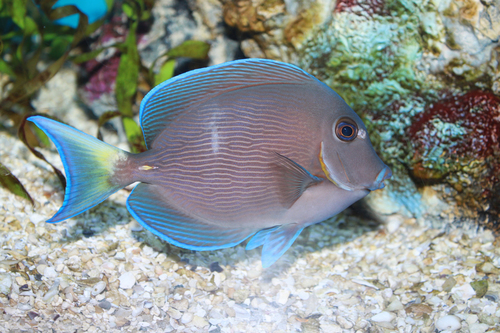 Atlantic Blue TangAcanthurus coeruleusReported here · unconfirmed
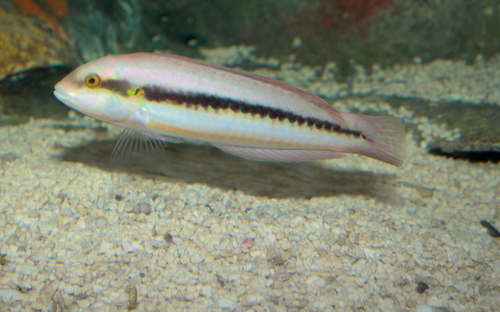 Slippery DickHalichoeres bivittatusReported here · unconfirmed
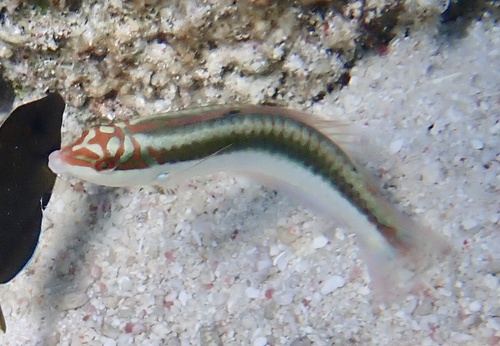 Clown WrasseHalichoeres maculipinnaReported here · unconfirmed
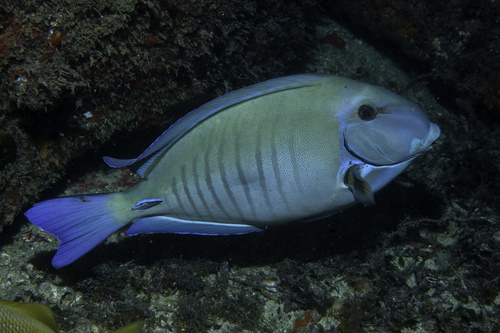 DoctorfishAcanthurus chirurgusReported here · unconfirmed
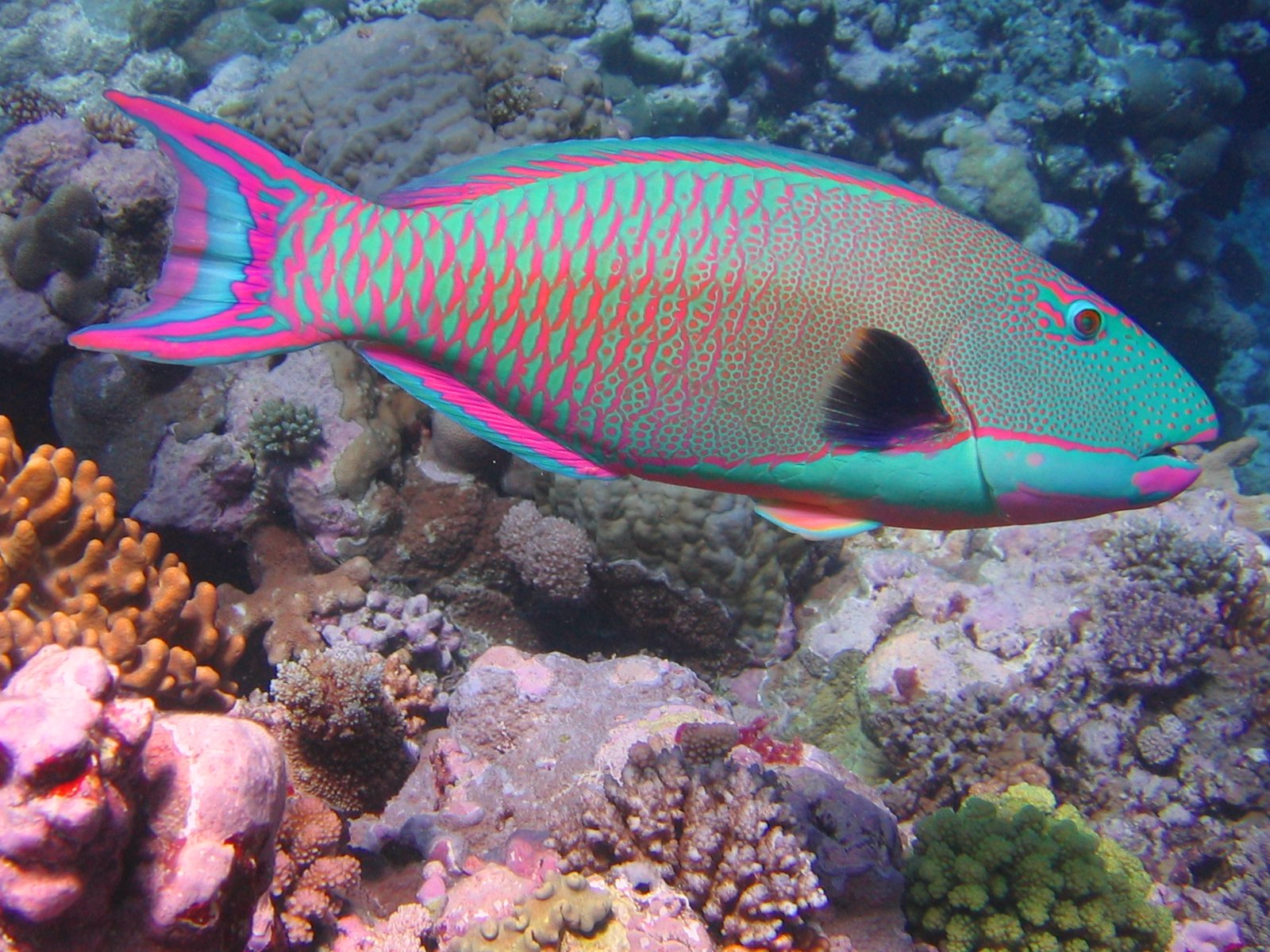 ParrotfishParrotfishReported here · unconfirmed
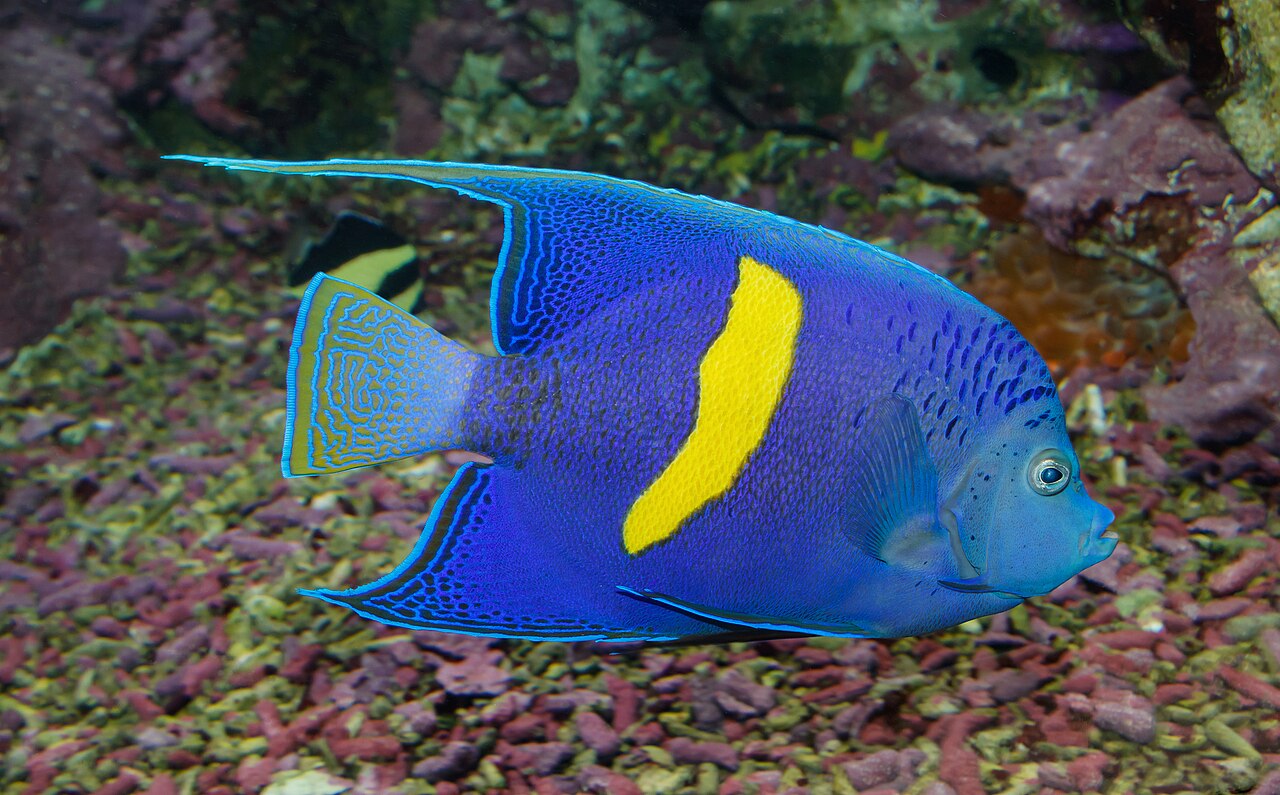 AngelfishAngelfishReported here · unconfirmed
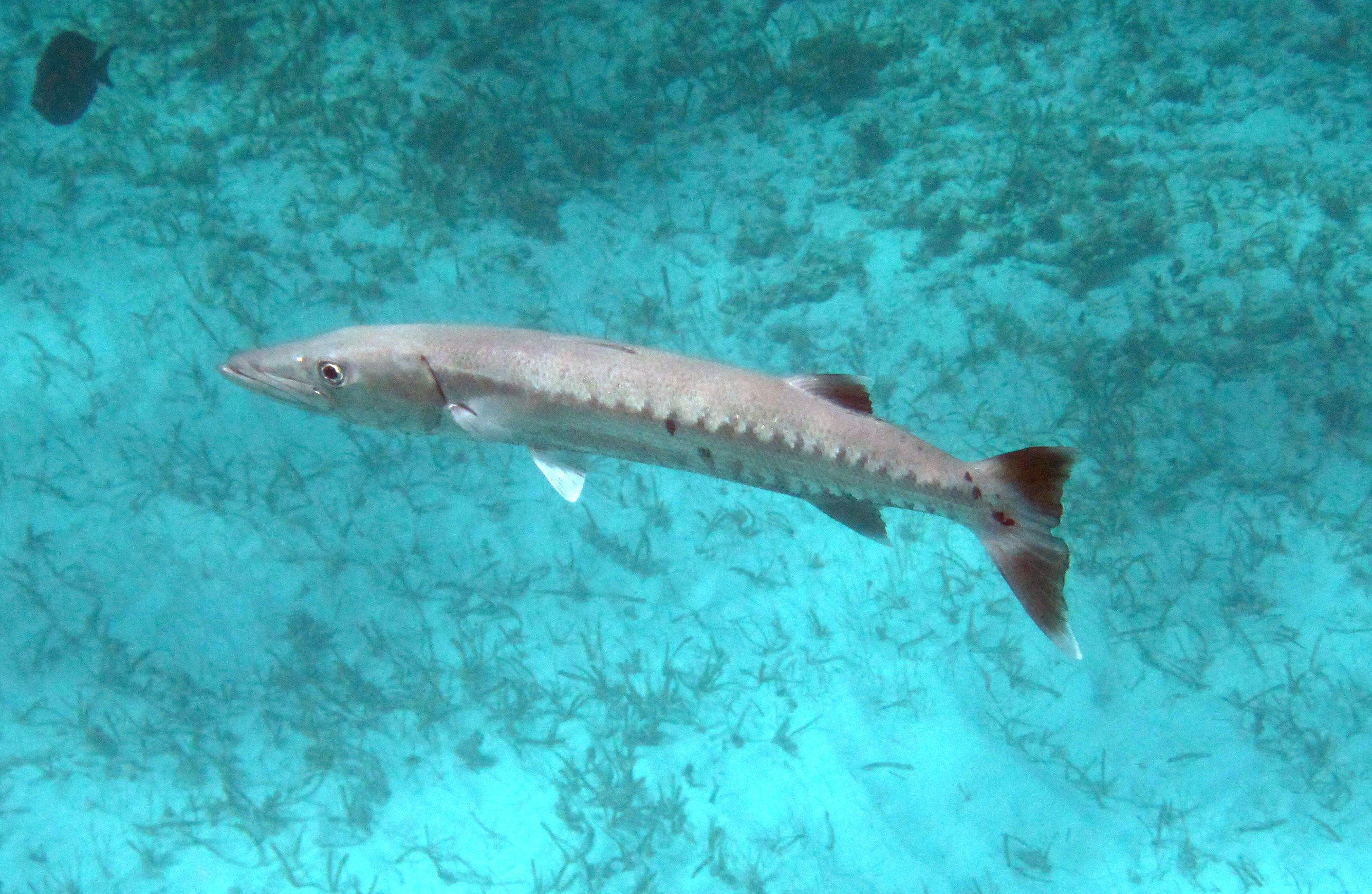 BarracudaBarracudaReported here · unconfirmed
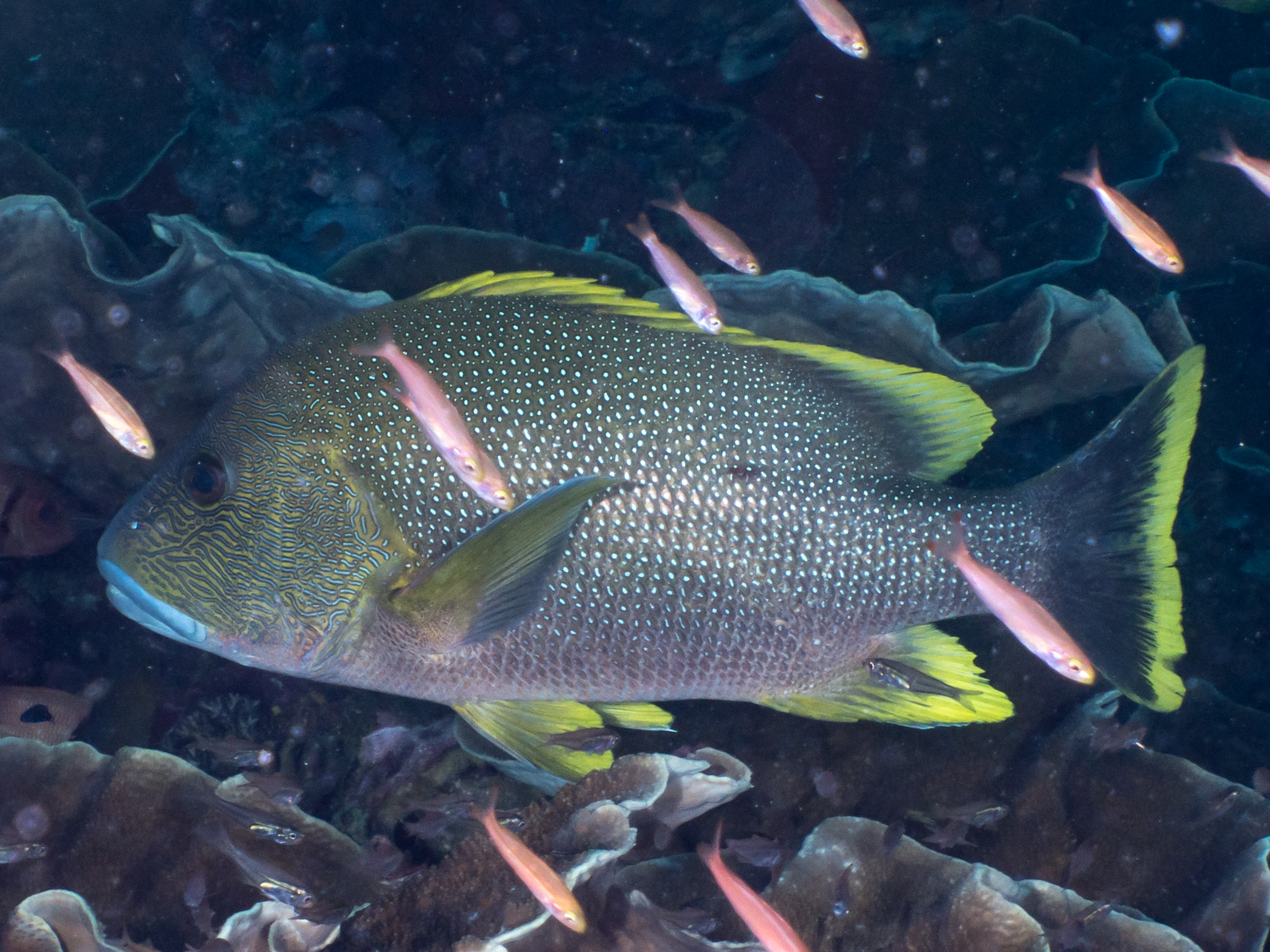 SnapperSnapperReported here · unconfirmed
Durable tips from divers — access, hazards, marine life, facilities. For day-of conditions, use the report tool in the conditions card above.
No notes yet. Dived here? Be the first to leave a tip.
Share a write-up or a photo. Submissions are reviewed before they appear on the page.
Nearby dive sites
Shops that dive here
No shops have listed this site yet.