Sombrero
Conditions & tides
Scored by DiveConnect's site-physics model
Marine forecast via Copernicus Marine. Score is a rule-based guide from swell/wind vs. the site's exposure — always dive your own assessment.
Dived here today? How were conditions vs. what we showed?
About this site
Sombrero East is a dive site at the Catalina Islands, off Playa Flamingo in the Guanacaste Province of Costa Rica. It takes its name from the appearance of two rock formations at the surface that resemble sombrero hats. The site is popular as a second dive of the day owing to its easy access and flexibility in depth, making it suitable for all levels of divers including beginners.
The terrain centres on the point where the two sombrero rocks meet, which provides shelter from southerly currents and allows divers to move with any swell present. Heading north, the reef stays between 30–45 ft (9–14 m), with rocky substrate suited to close-up searching. The outside face of the main rock drops to 70 ft (21 m), and towards the north point there is a deep trench large enough to swim through. A small crag of rocks set back from the main formation towards the coast serves as a convenient safety-stop position. The maximum depth is 33.5 m (110 ft) and the bottom is sand.
The shallower northern section rewards careful searching: harlequin shrimp, nudibranchs, seahorses, gobies, blennies, and large numbers of sea stars are regularly found tucked into the rocks. Scorpion fish, eels, octopus, round rays, lobsters, and schools of grunts are also commonly seen across the site. Mantas, eagle rays, and devil rays have been spotted here, and white-tip sharks tend to rest or cruise through the trench near the north point.
Read the full guideShow less
Water temperature varies seasonally between 65–80 °F (18–27 °C) depending on time of year and weather conditions. Current is light, with the entry point between the two rocks offering natural protection from southerly flow. Visibility is generally great. The site is reached by boat and is considered a beginner-friendly dive, though its range of depths means more experienced divers can also find rewarding exploration.
Marine life here
Confirmed by our research team, reported by independent divers, or observed nearby via iNaturalist — each entry is labelled with its source.
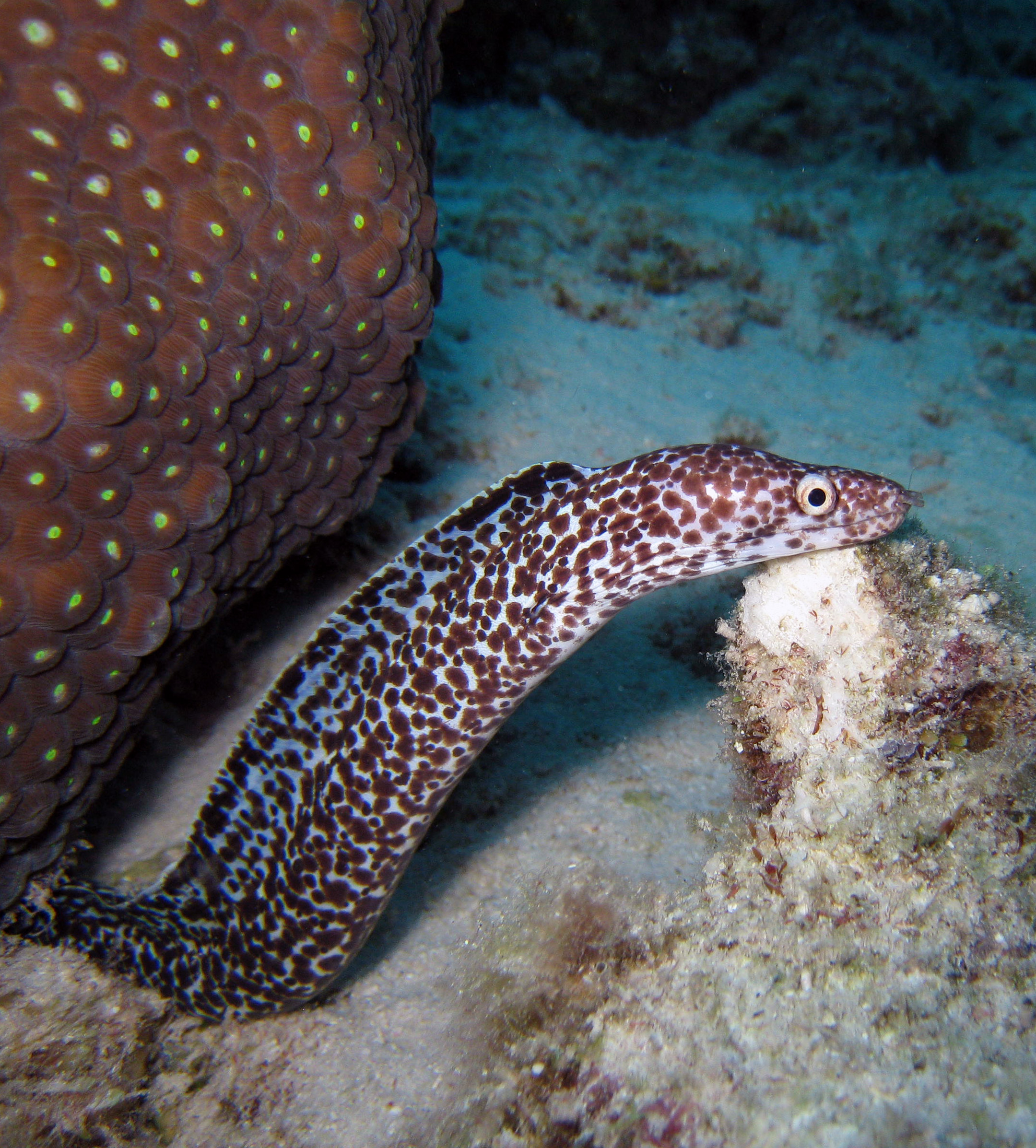 Moray eelMoray eelReported here · unconfirmed
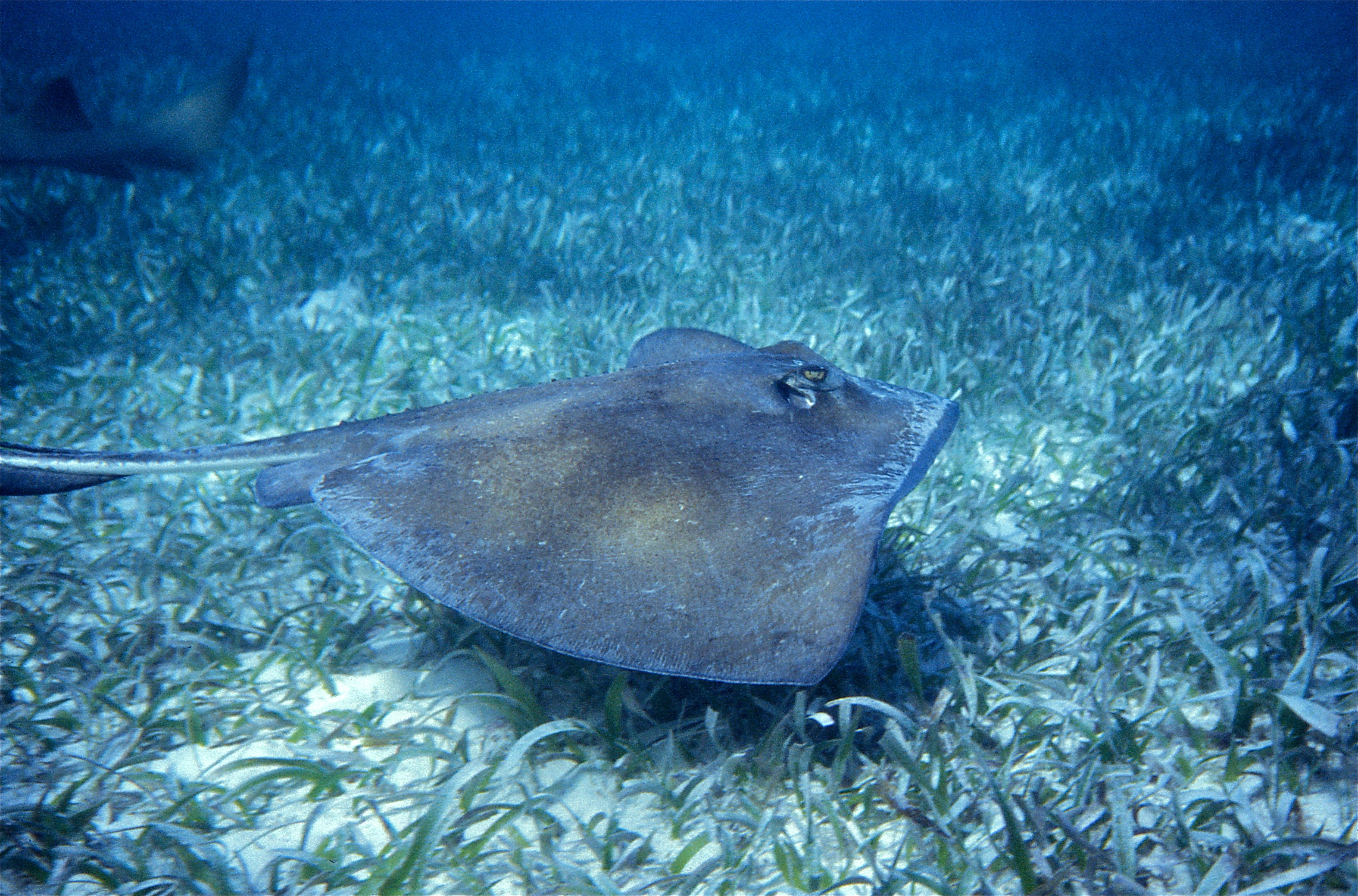 StingrayStingrayReported here · unconfirmed
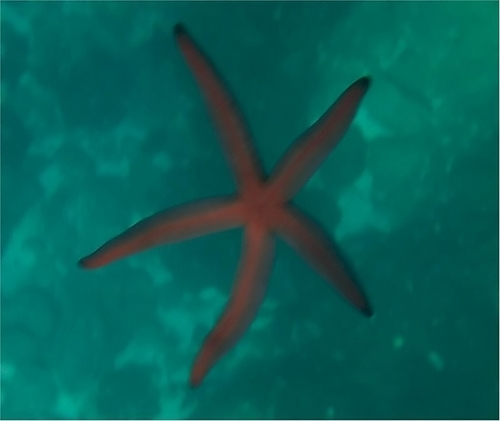 Blue Sea StarPhataria unifascialisReported here · unconfirmed
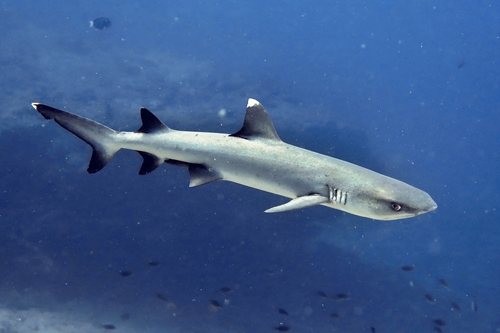 Whitetip Reef SharkTriaenodon obesusReported here · unconfirmed
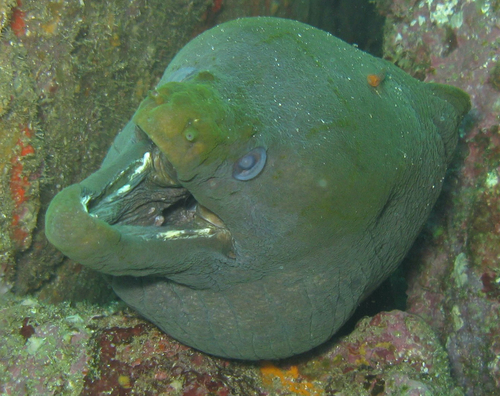 Chestnut MorayGymnothorax castaneusReported here · unconfirmed
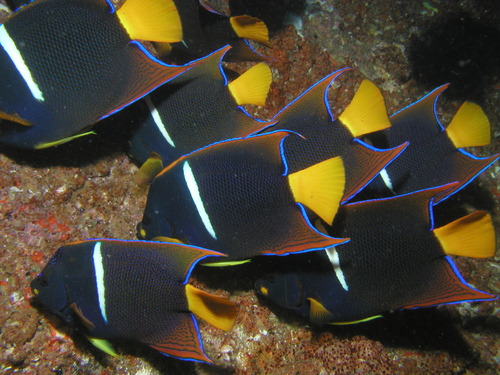 King AngelfishHolacanthus passerReported here · unconfirmed
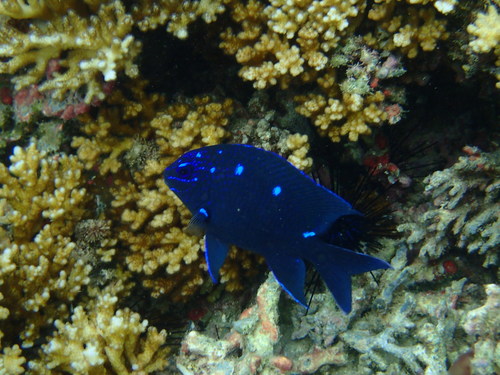 Giant DamselfishMicrospathodon dorsalisReported here · unconfirmed
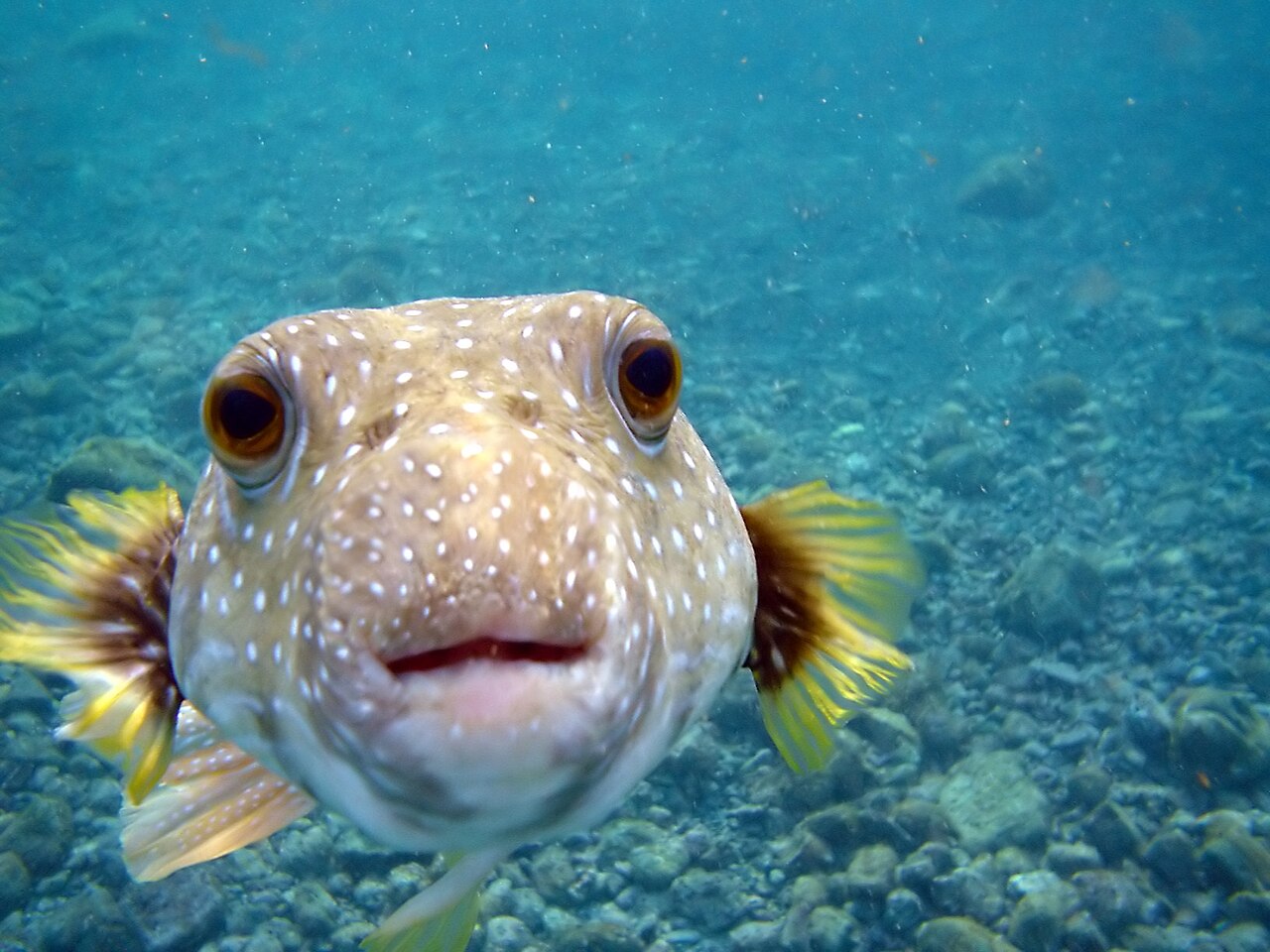 White-spotted PufferArothron hispidusReported here · unconfirmed
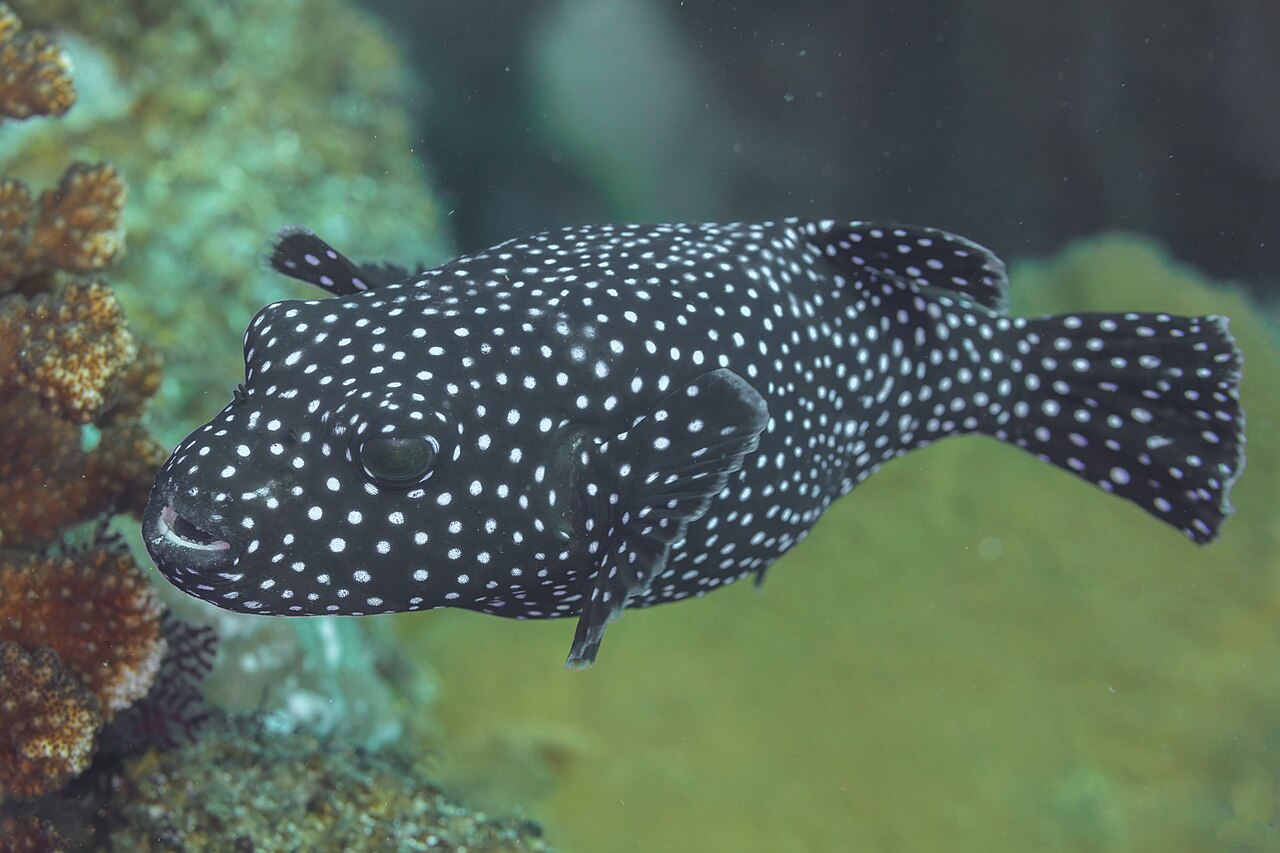 Guineafowl PufferArothron meleagrisReported here · unconfirmed
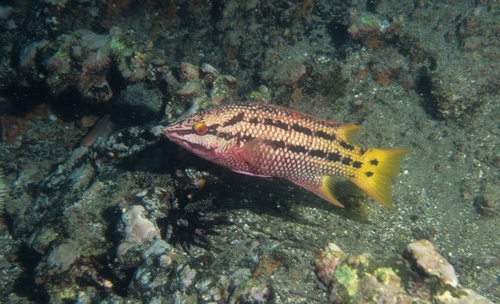 Mexican HogfishBodianus diplotaeniaReported here · unconfirmed
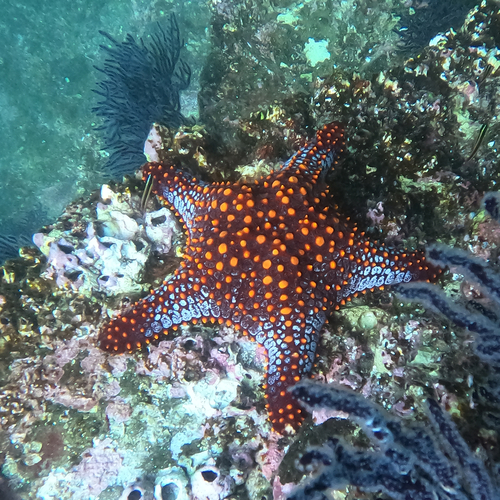 Panamic Cushion StarPentaceraster cumingiReported here · unconfirmed
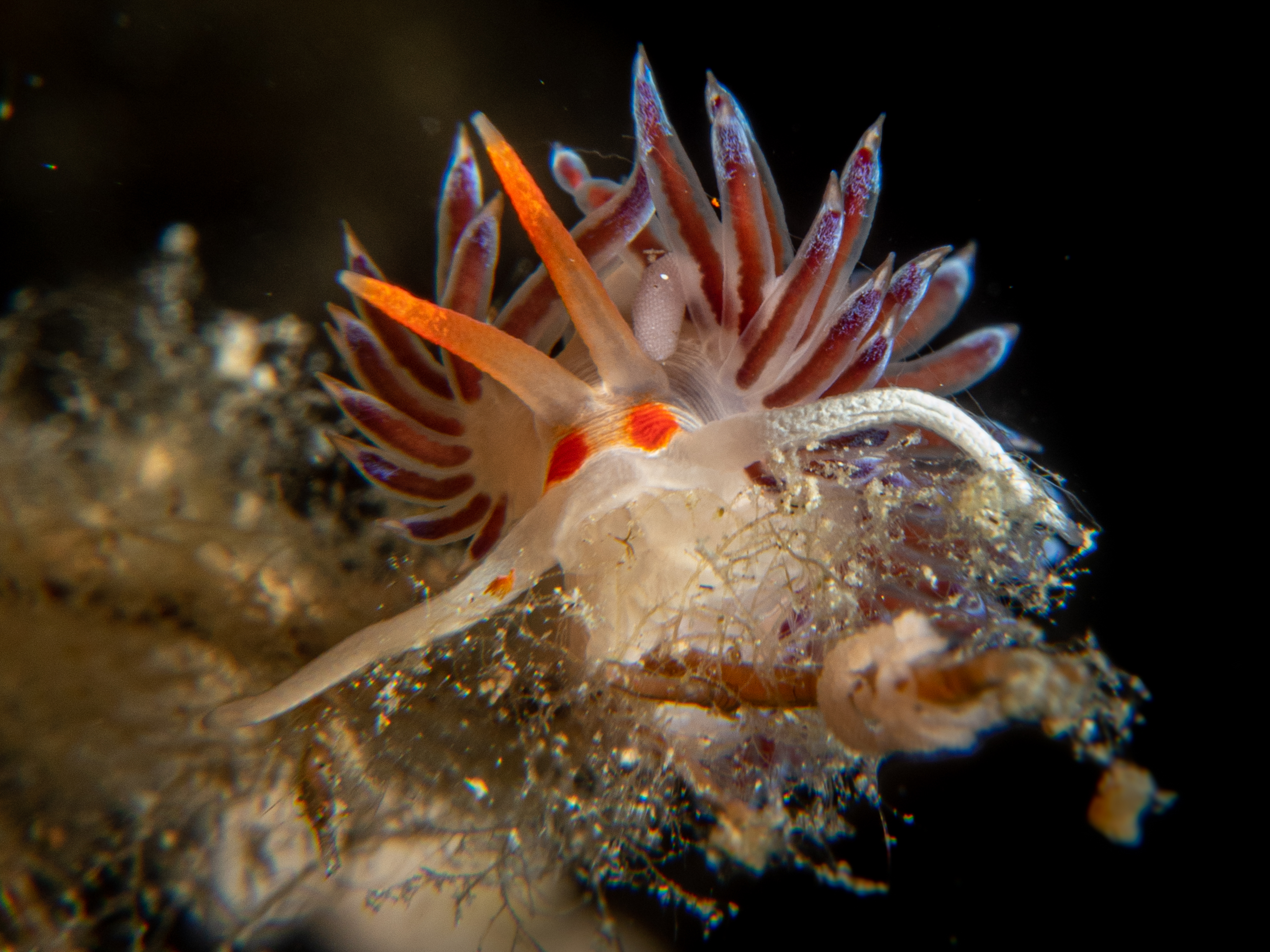 NudibranchNudibranchConfirmed present · 2 independent sources
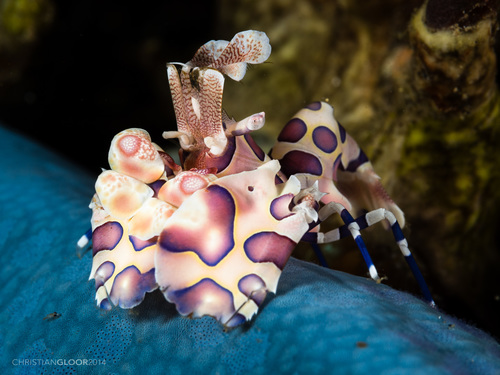 Harlequin ShrimpHymenocera pictaConfirmed present · 2 independent sources
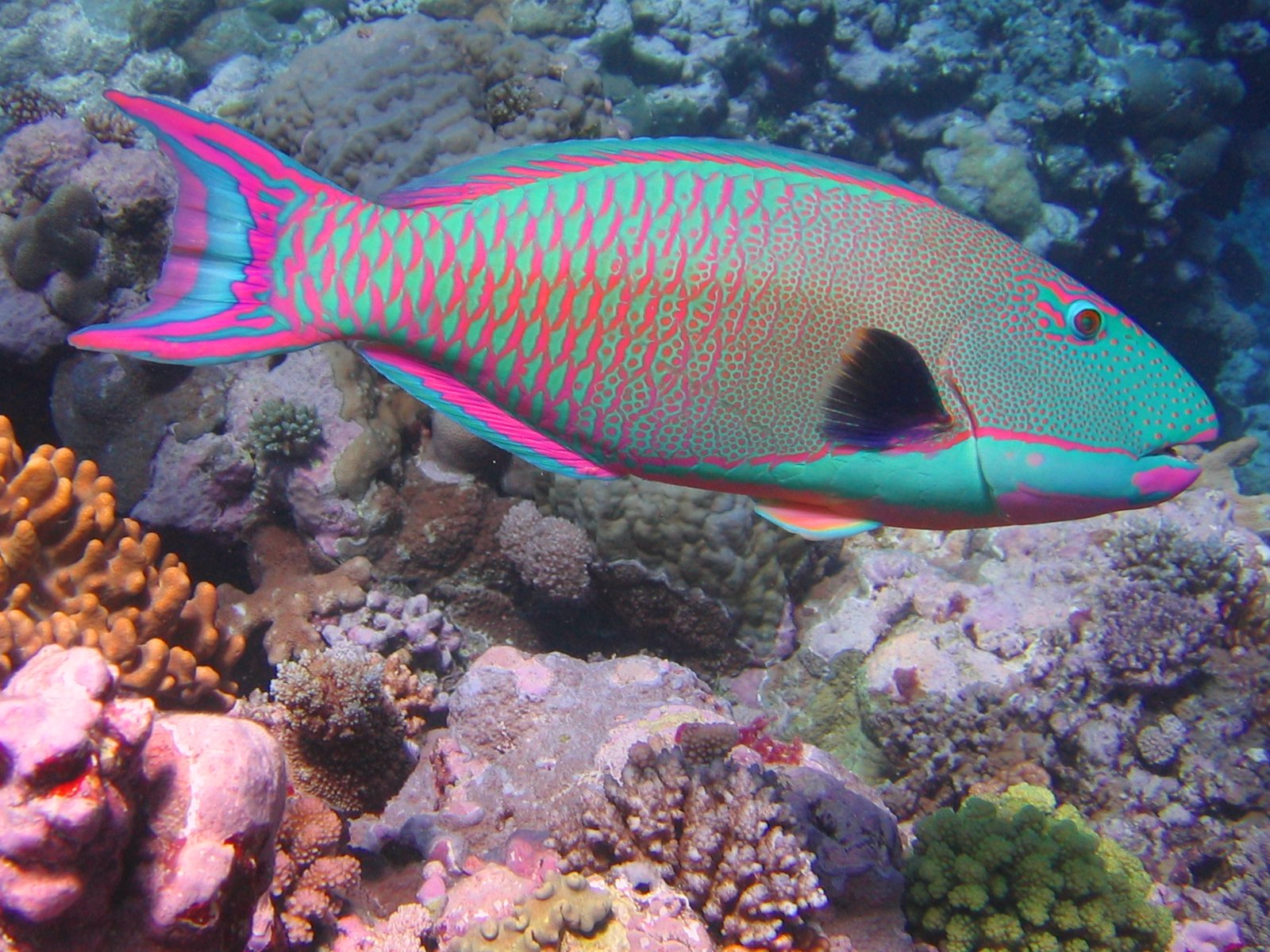 ParrotfishParrotfishReported here · unconfirmed
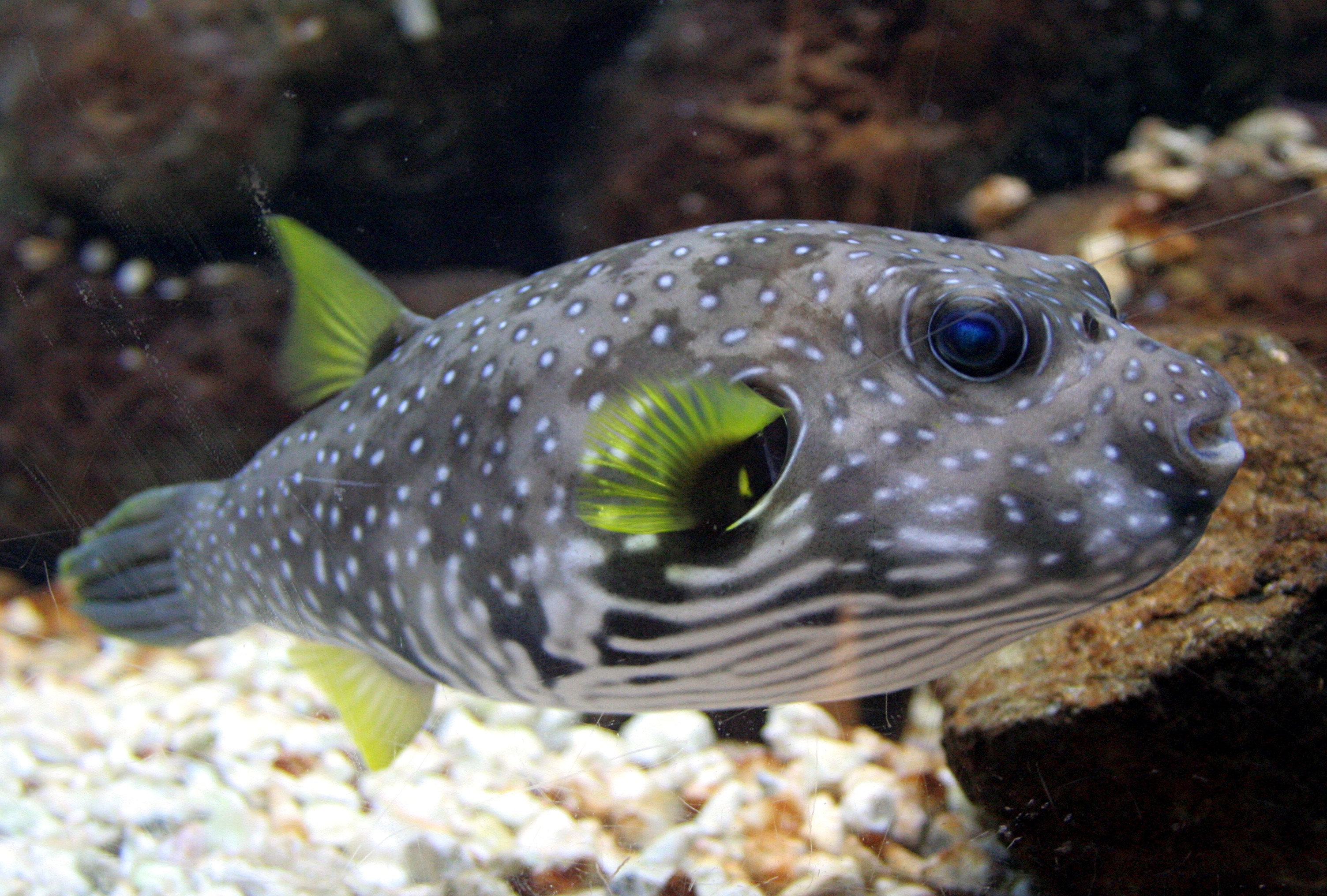 PufferfishPufferfishReported here · unconfirmed
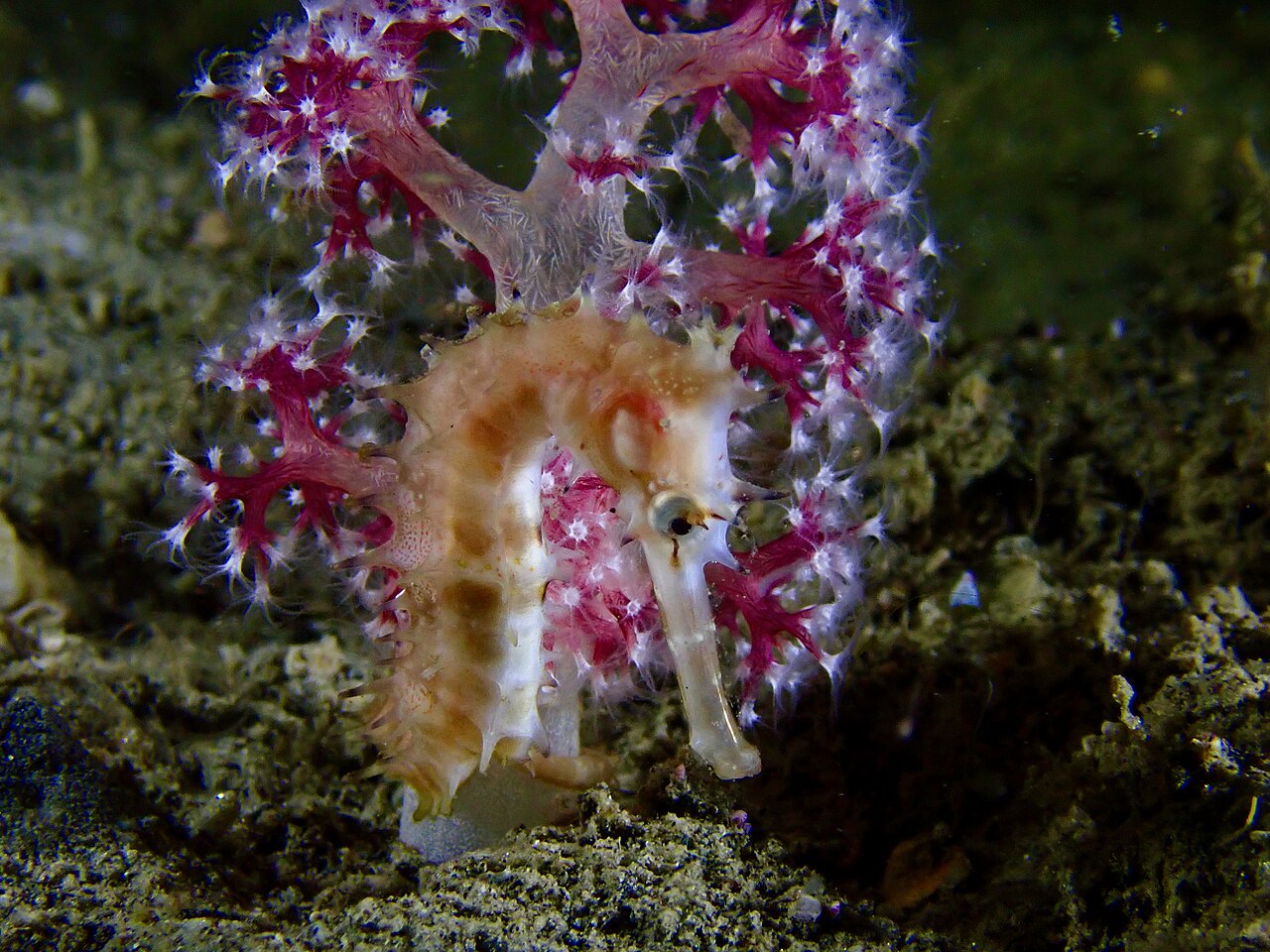 SeahorseSeahorseConfirmed present · 2 independent sources
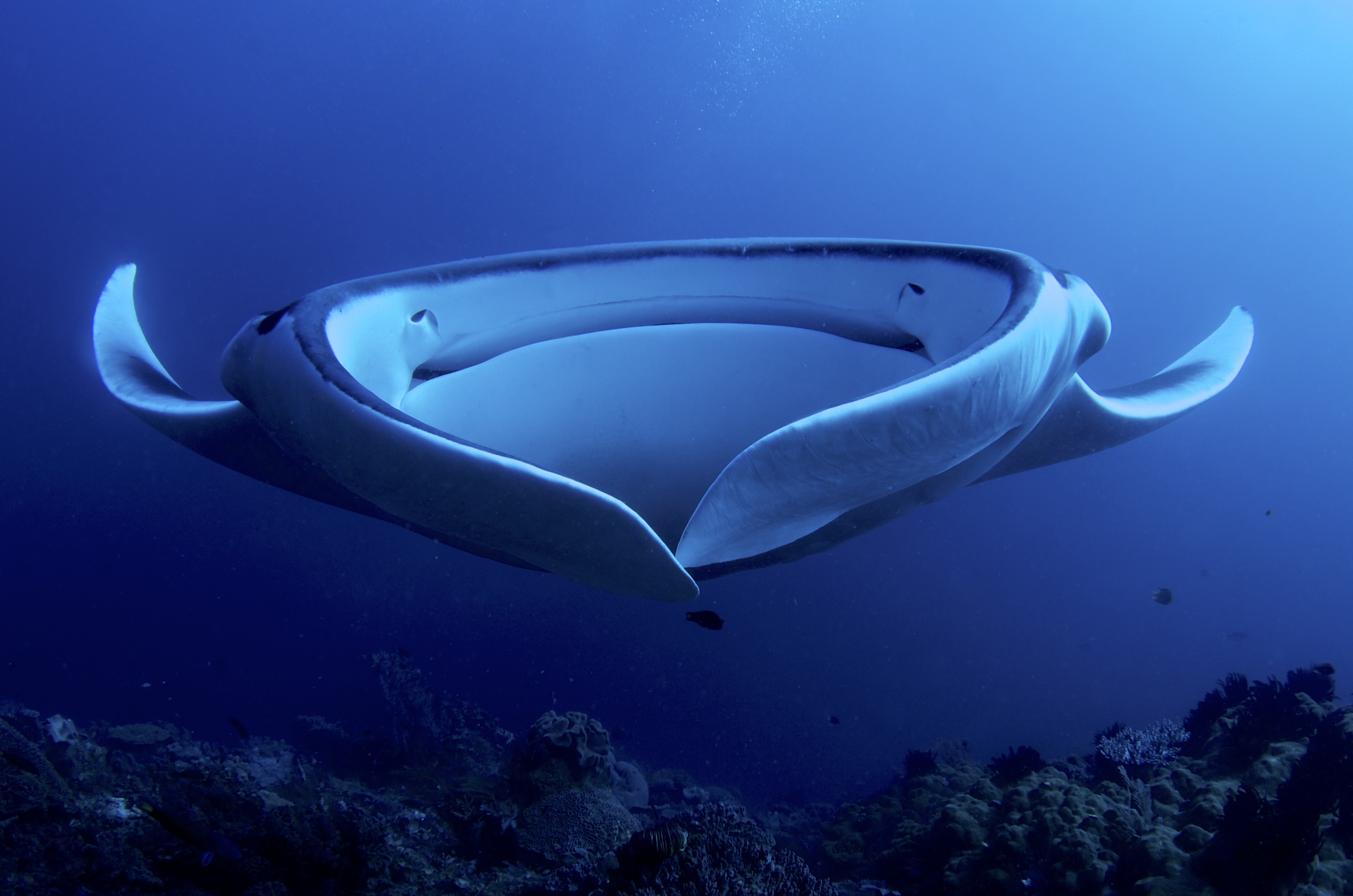 Manta rayManta rayConfirmed present · 3 independent sources
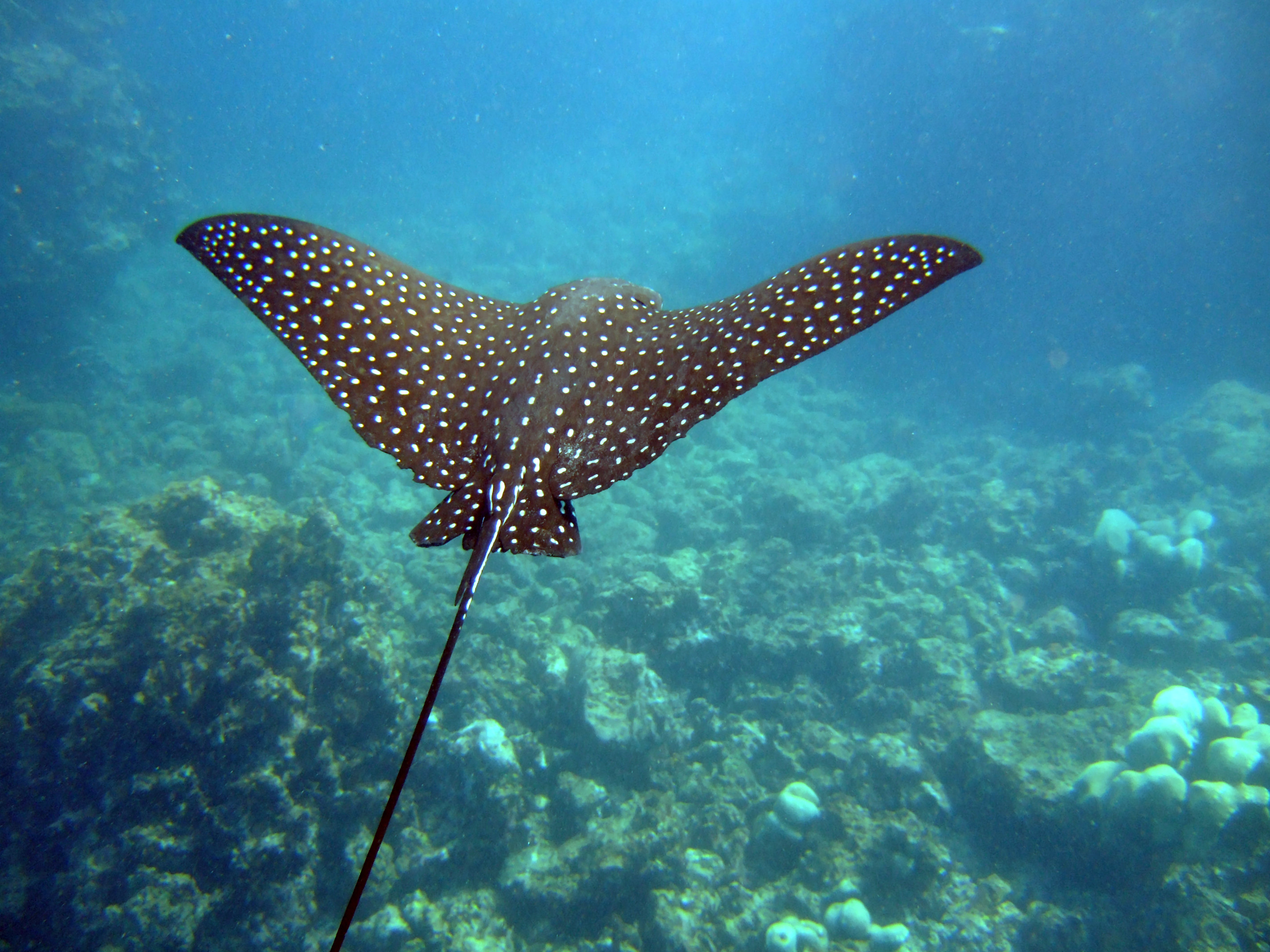 Eagle rayEagle rayConfirmed present · 4 independent sources
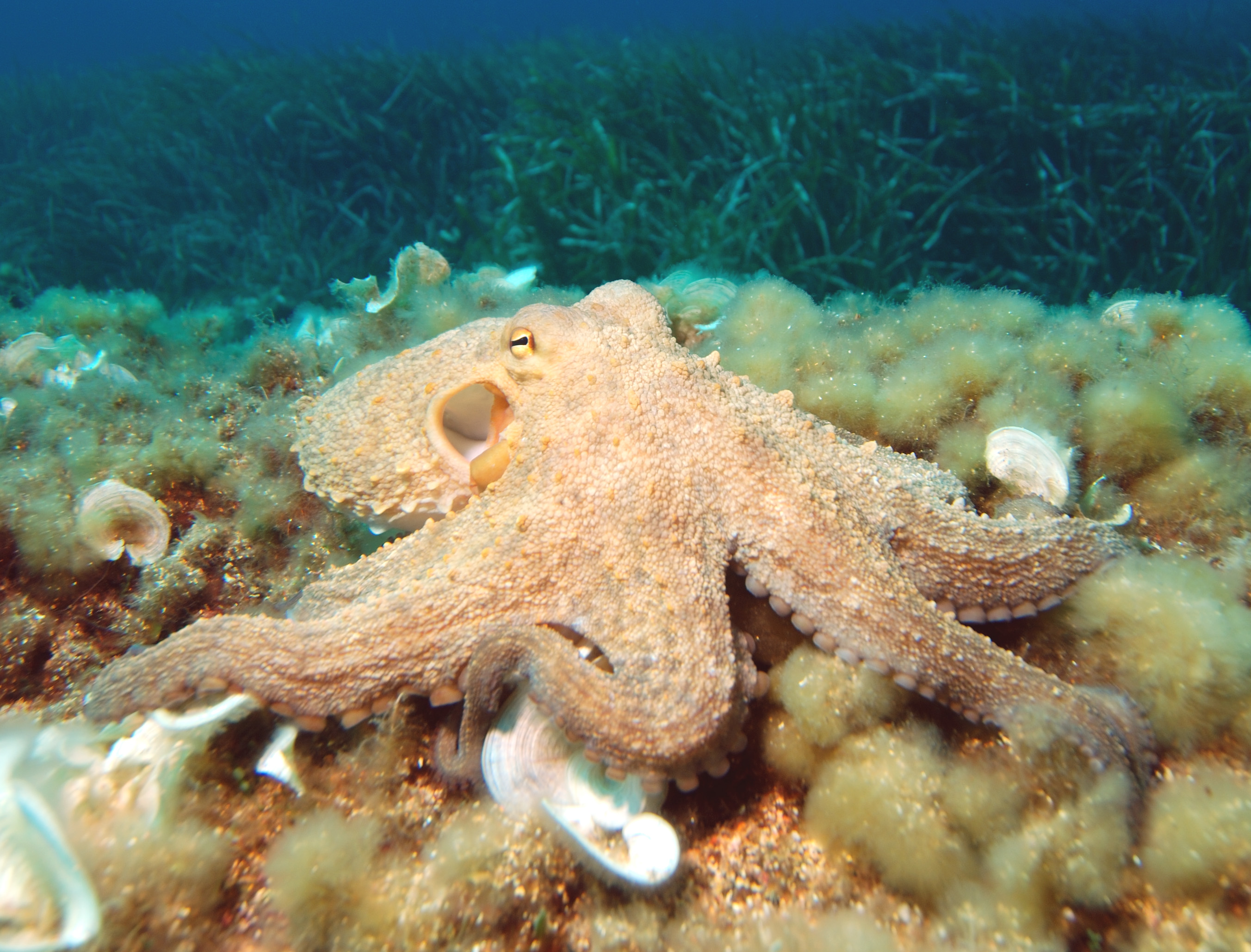 OctopusOctopusConfirmed present · 3 independent sources
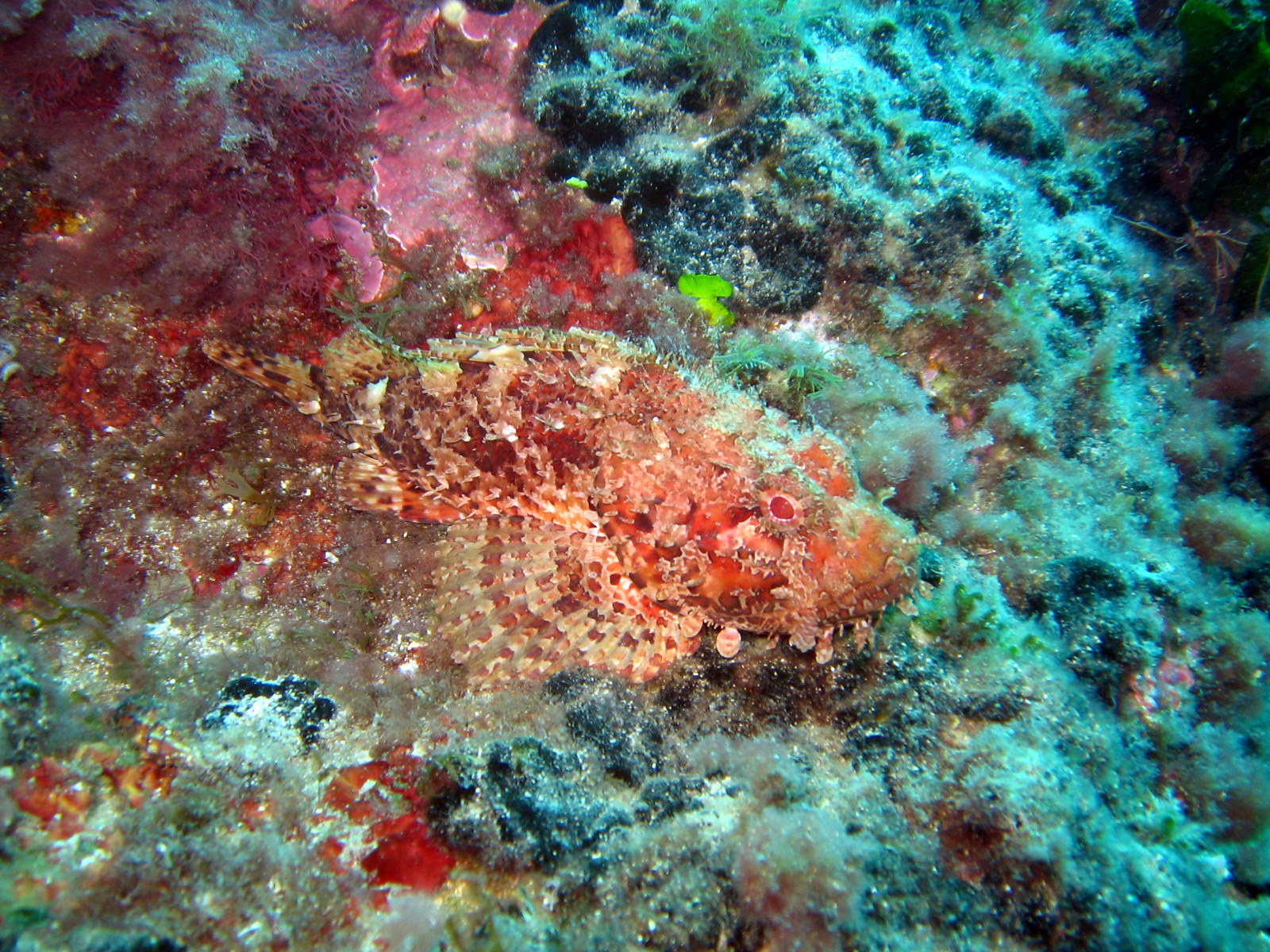 ScorpionfishScorpionfishReported here · unconfirmed
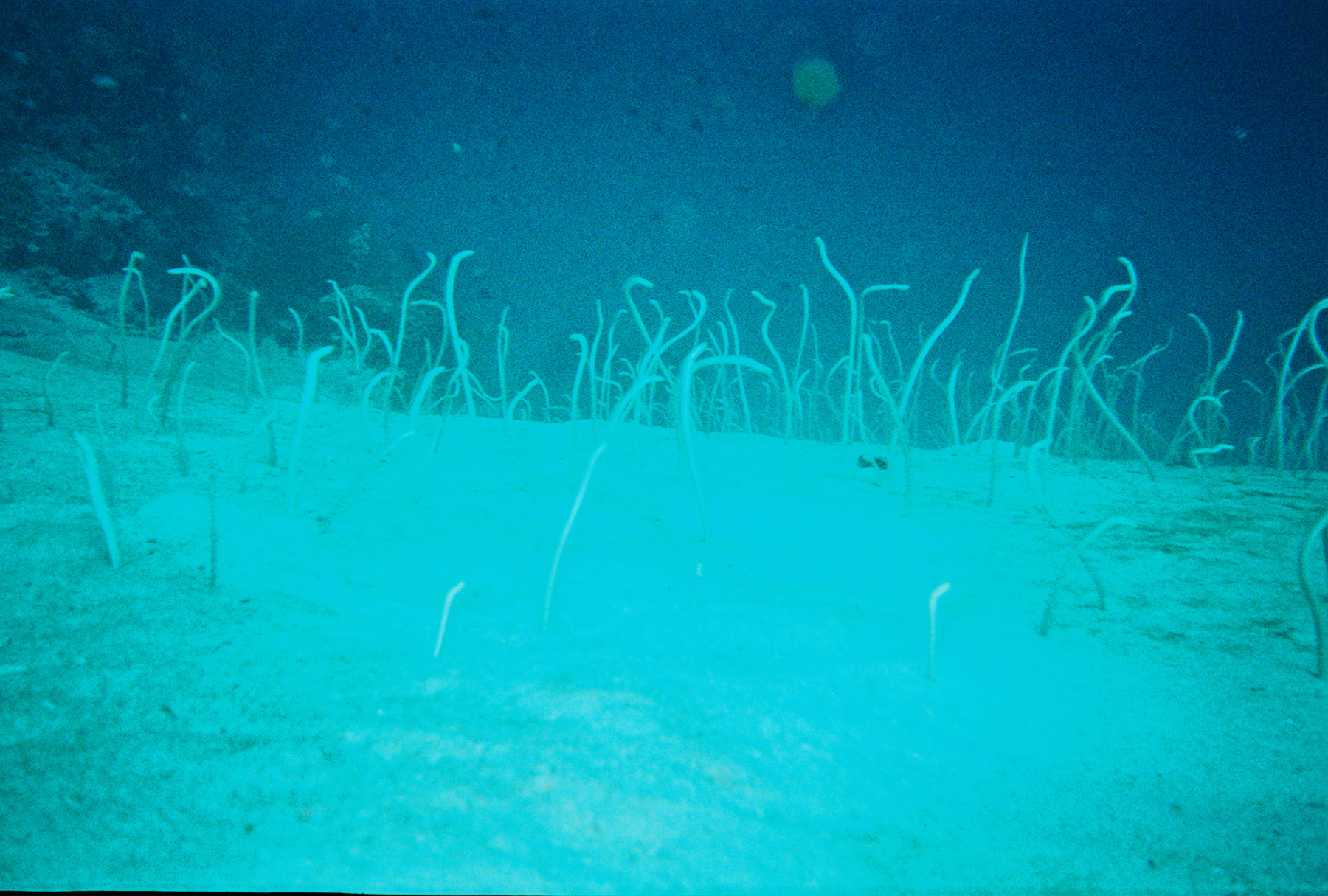 Garden eelGarden eelReported here · unconfirmed
Durable tips from divers — access, hazards, marine life, facilities. For day-of conditions, use the report tool in the conditions card above.
No notes yet. Dived here? Be the first to leave a tip.
Share a write-up or a photo. Submissions are reviewed before they appear on the page.
Nearby dive sites
Shops that dive here
No shops have listed this site yet.