Malpique
Conditions & tides
Scored by DiveConnect's site-physics model
Marine forecast via Copernicus Marine. Score is a rule-based guide from swell/wind vs. the site's exposure — always dive your own assessment.
Dived here today? How were conditions vs. what we showed?
About this site
Malpique is a shore-entry dive site at the southern tip of La Palma in the Canary Islands, built around a famous underwater monument of 39 concrete crosses commemorating Jesuit monks said to have been killed by pirates when their vessel was sunk. The reef is volcanic in origin, shaped by ancient basalt eruptions whose erosion has exposed hexagonal crystalline columns, and the heavy black volcanic sands characteristic of the area contribute to notably good visibility.
The site has several distinct zones: an inner reef where moray eels are frequently encountered, a tower overgrown with black coral reached at around 30 metres, and an archway on the outer reef leading into deeper water. Beyond the arch the landscape descends to a swim-through at around 35 metres and continues into a varied terrain of canyons and rock formations. In the shallower direction the reef rises to a very shallow area of interesting rock formations suited to introductory dives and decompression stops.
The marine life at Malpique is diverse, reflecting the nutrient-rich volcanic seabed. Rays are well represented, with stingrays, electric rays, butterfly rays, and eagle rays all recorded here. Moray species include black moray eels and fangtooth morays. Other species present include trumpetfish, porcupinefish, gurnards, dogfish, schools of grunts, barracuda, and black coral at 30 metres depth.
Read the full guideShow less
All dives at Malpique are made from shore. Diving is possible year-round, with the period from September to November considered the best conditions, when trade winds ease and the sea is calmer. Water temperature ranges from 24–25 °C in September and October, dropping to 19–20 °C in February and March. The site's depth and the more technical sections of the outer reef and swim-through make it better suited to experienced divers, though the shallow inner areas accommodate beginners.
Marine life here
Confirmed by our research team, reported by independent divers, or observed nearby via iNaturalist — each entry is labelled with its source.
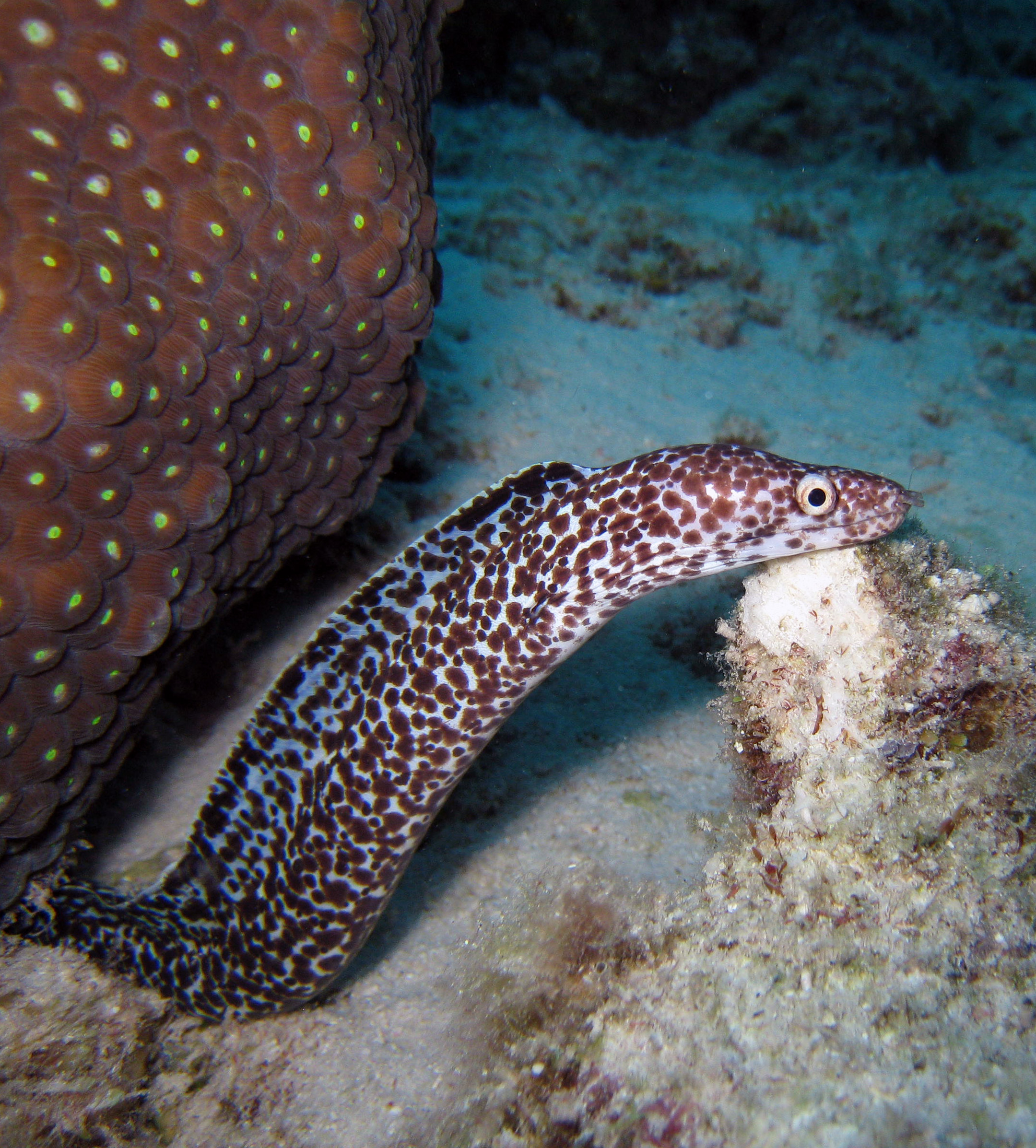 Moray eelMoray eelReported here · unconfirmed
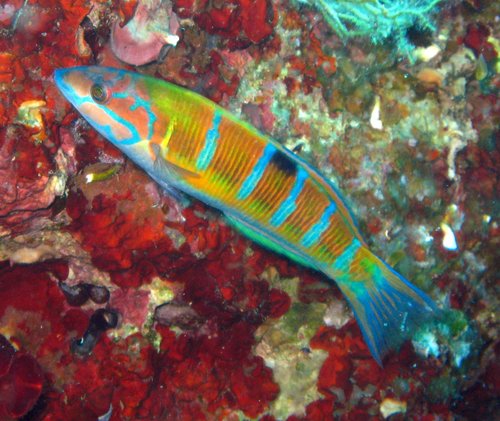 Ornate WrasseThalassoma pavoReported here · unconfirmed
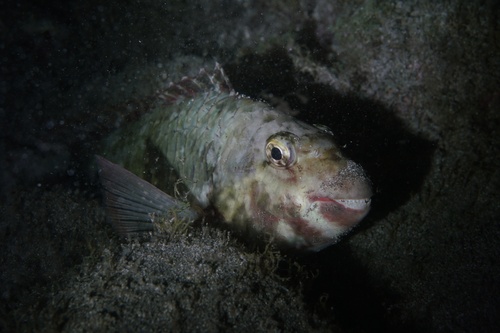 European ParrotfishSparisoma cretenseReported here · unconfirmed
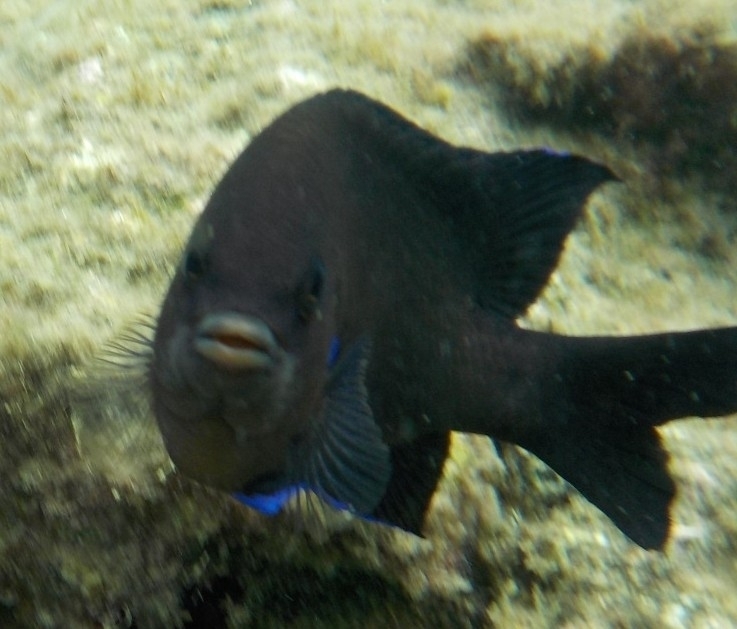 Canary DamselSimiliparma luridaReported here · unconfirmed
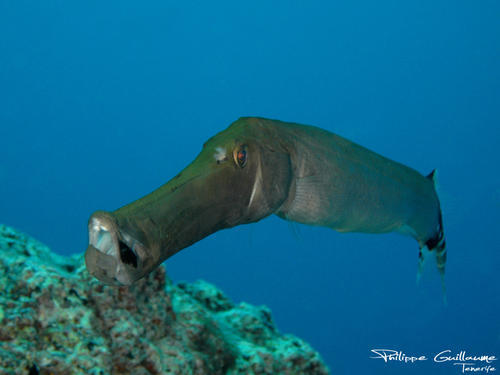 Eastern Atlantic TrumpetfishAulostomus strigosusReported here · unconfirmed
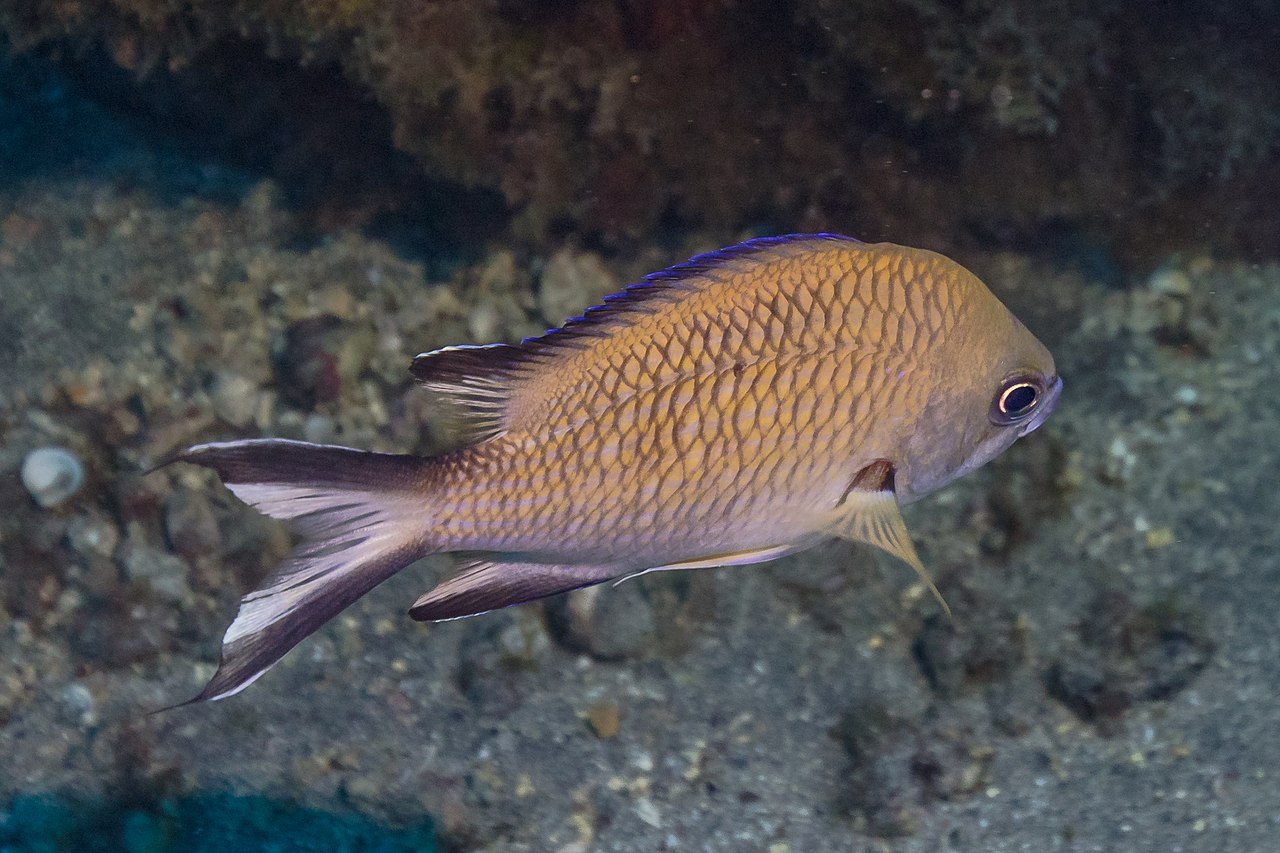 Atlantic DamselfishChromis limbataReported here · unconfirmed
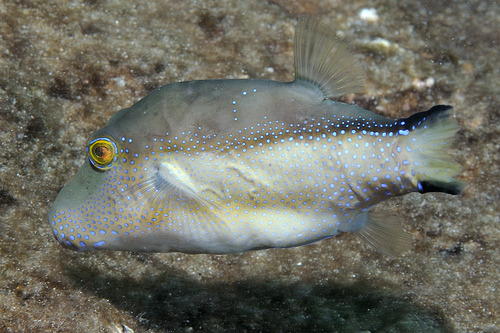 Macaronesian TobyCanthigaster capistrataReported here · unconfirmed
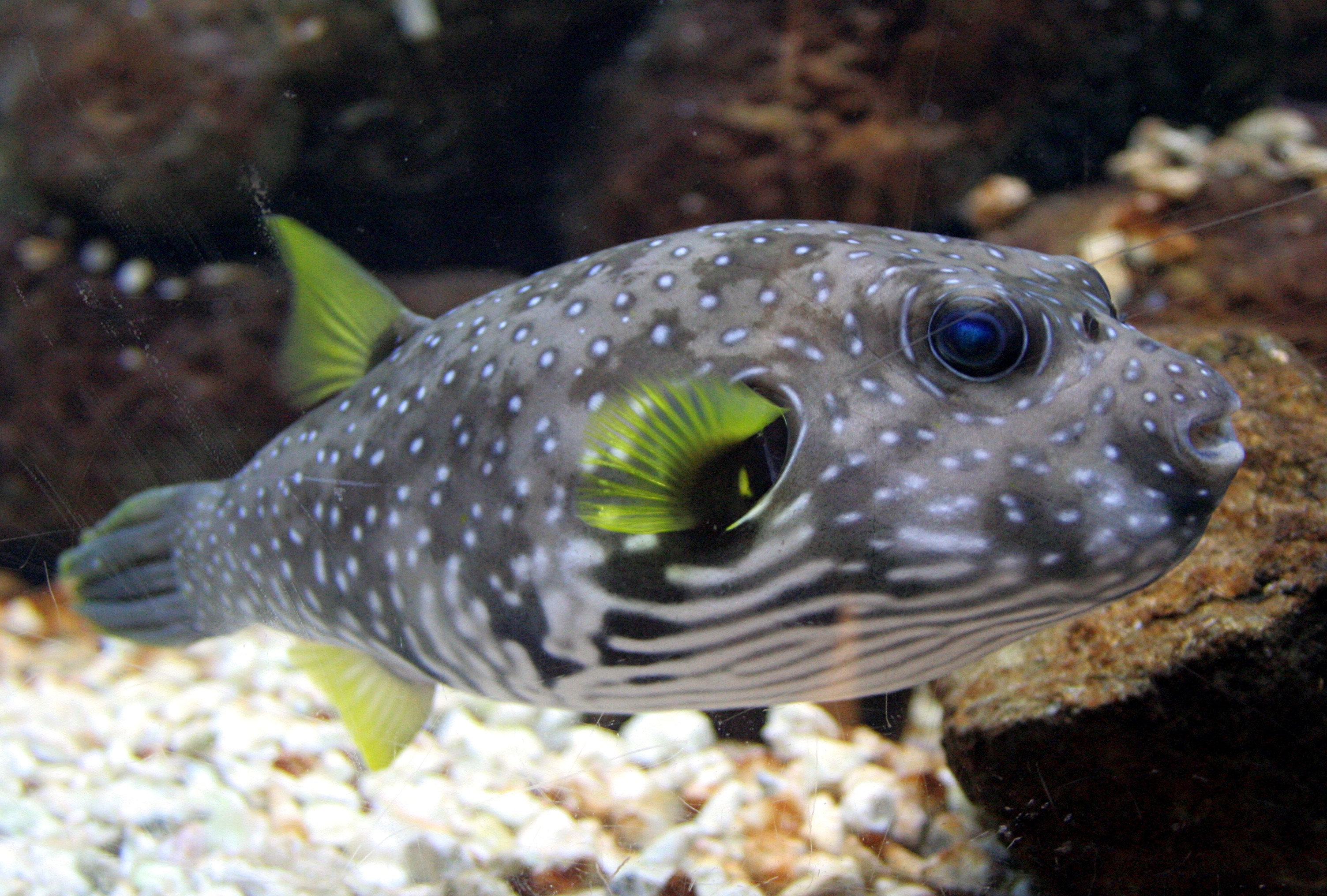 PufferfishPufferfishReported here · unconfirmed
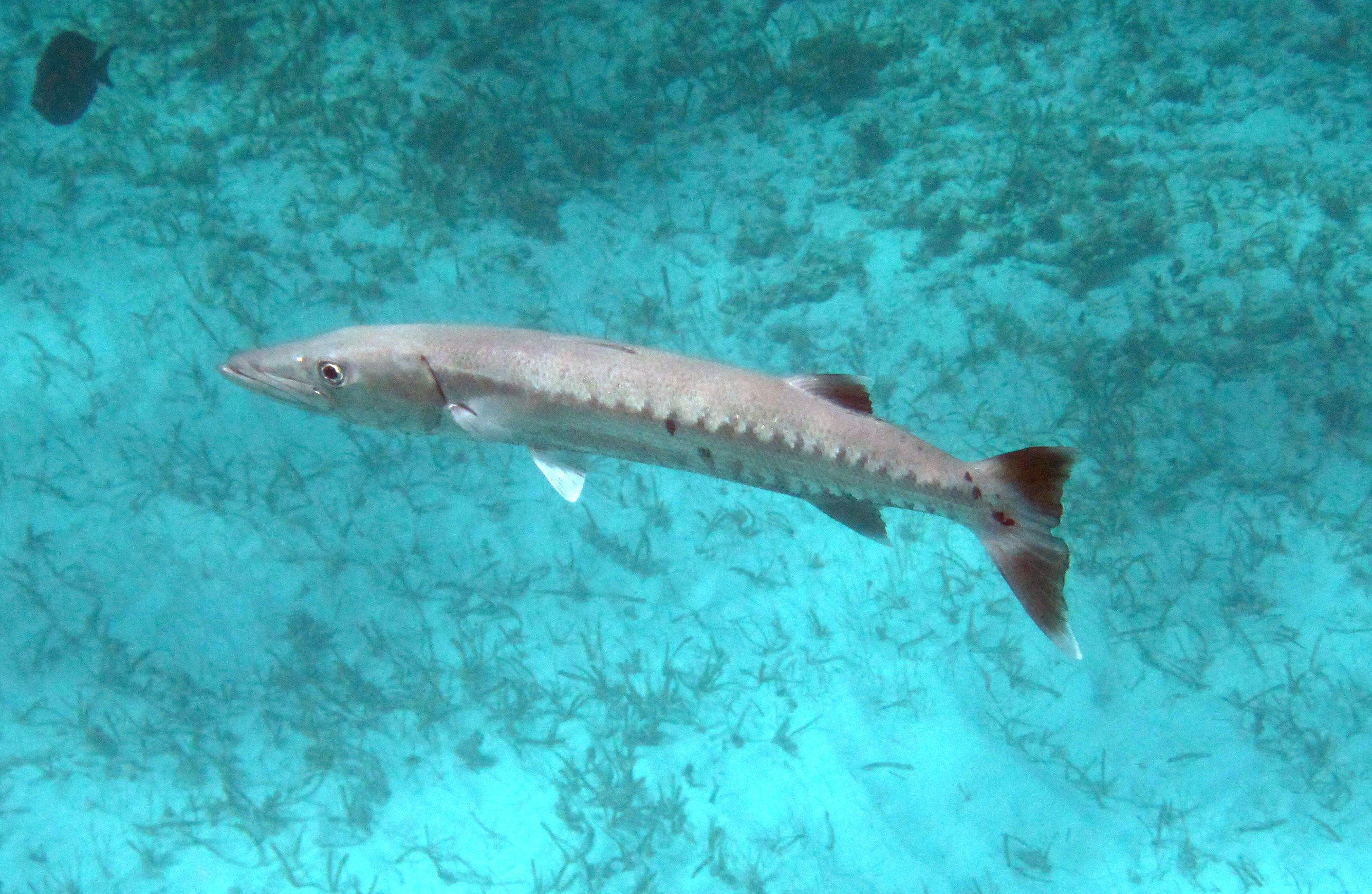 BarracudaBarracudaReported here · unconfirmed
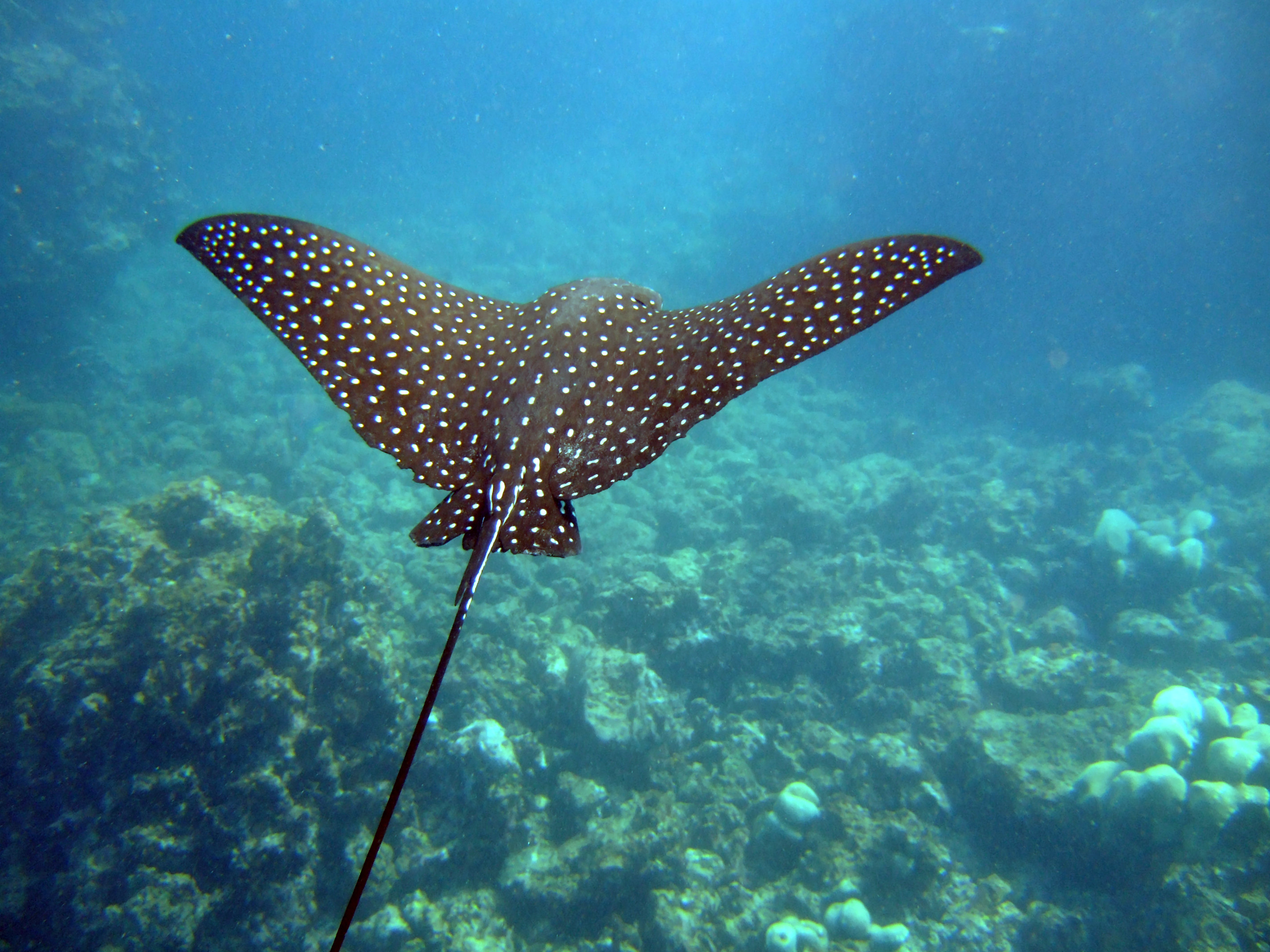 Eagle rayEagle rayReported here · unconfirmed
Durable tips from divers — access, hazards, marine life, facilities. For day-of conditions, use the report tool in the conditions card above.
No notes yet. Dived here? Be the first to leave a tip.
Share a write-up or a photo. Submissions are reviewed before they appear on the page.
Nearby dive sites
Shops that dive here
No shops have listed this site yet.