South Point
Conditions & tides
Scored by DiveConnect's site-physics model
Marine forecast via Copernicus Marine. Score is a rule-based guide from swell/wind vs. the site's exposure — always dive your own assessment.
Dived here today? How were conditions vs. what we showed?
About this site
South Point sits at the southernmost tip of Sipadan, Malaysia's only oceanic island, positioned at 04°06′N 118°37′E where the Celebes Sea meets the reef edge. The seabed drops away from a wide shallow plateau into a sheer limestone wall that falls 600 metres vertically into open ocean, making it the island's premier site for deep pelagic encounters and dawn drift diving.
The terrain begins with a wide plateau before stepping down to a prominent ledge at around 20 metres, where the reef ends abruptly in the vertical wall. Maximum depth reached on a dive is 40 metres, though the wall itself continues far below. The shallow reef top above the ledge carries healthy hard coral and rubble habitat, providing a sharp contrast to the blue-water wall below.
South Point is best known for large aggregations of grey reef sharks patrolling the drop-off and for early-morning encounters with schools of scalloped hammerhead sharks deep in the blue. Green turtles and hawksbill turtles rest on the shallow reef top, and blue-ringed octopus move through the rubble in that same zone. The first dive of the morning at dawn is the primary window for hammerhead sightings before thermoclines shift and sharks retreat deeper. Visibility runs 20 to 30 metres and is at its best between March and October, with water temperature between 26 and 30°C; noticeable cold thermoclines are felt at depth.
Read the full guideShow less
The dive is boat-accessed, with a 15 to 25 minute ride from resorts on Mabul and Kapalai. The boat positions upstream of the point and divers roll back directly over deep water, descending immediately to the ledge. The guide leads the group along the wall while divers scan the blue for pelagics, spending the first portion of bottom time deep before ascending the wall as no-decompression limits close in. The boat follows bubbles and picks divers up at the surface after what is typically a blue-water ascent away from the wall.
Currents at South Point are often strong and highly variable, creating a fast drift environment that demands strong buoyancy control, careful gas management, and comfort moving at speed in open water. Blue-water ascents away from the reef are routine. Thermoclines are felt at depth. Sabah Parks requires a minimum of Advanced Open Water certification to dive anywhere at Sipadan, and this site specifically suits confident Advanced Open Water divers experienced with deep profiles and open-water conditions. A Sabah Parks permit, one of 254 issued daily, is mandatory for every diver.
Marine life here
Confirmed by our research team, reported by independent divers, or observed nearby via iNaturalist — each entry is labelled with its source.
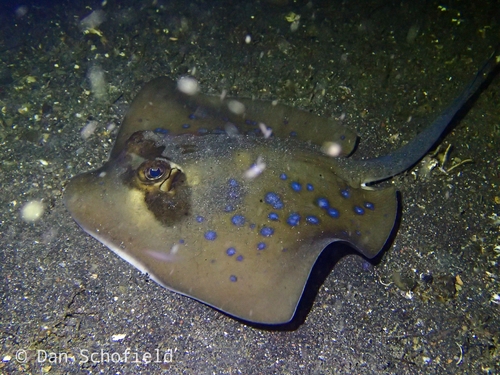 Oriental Bluespotted MaskrayNeotrygon orientalisReported here · unconfirmed
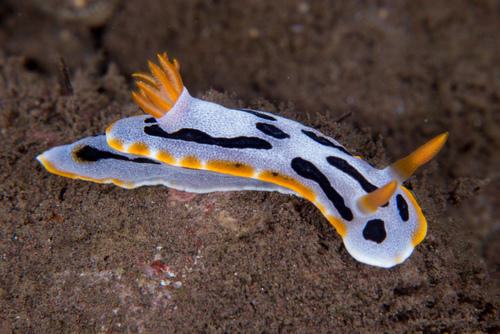 Diana's ChromodorisChromodoris dianaeReported here · unconfirmed
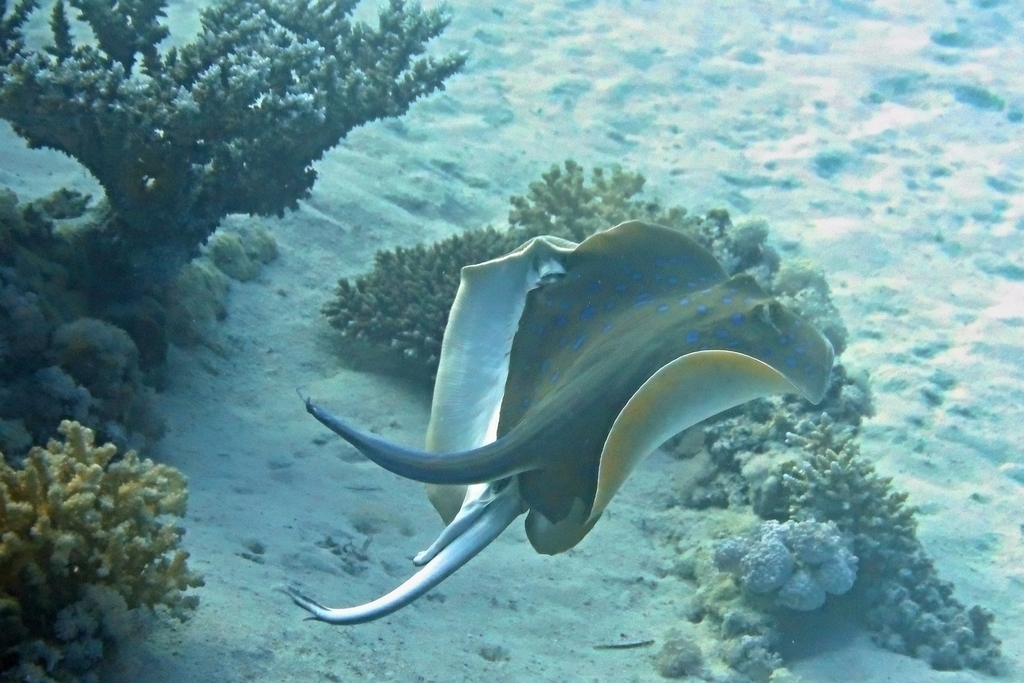 Bluespotted Fantail RayTaeniura lymmaReported here · unconfirmed
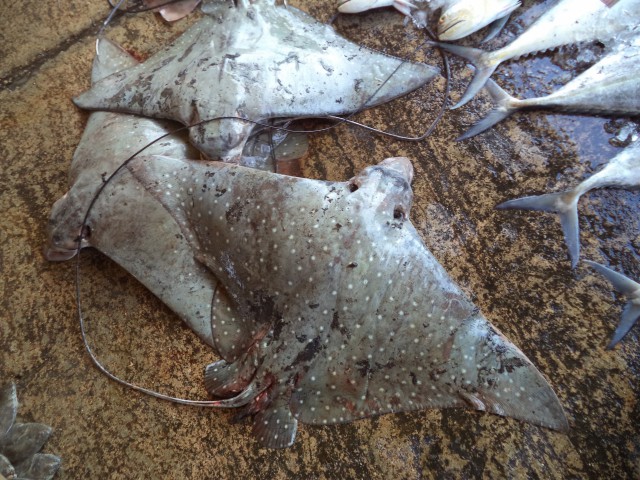 White-spotted Eagle RayAetobatus ocellatusReported here · unconfirmed
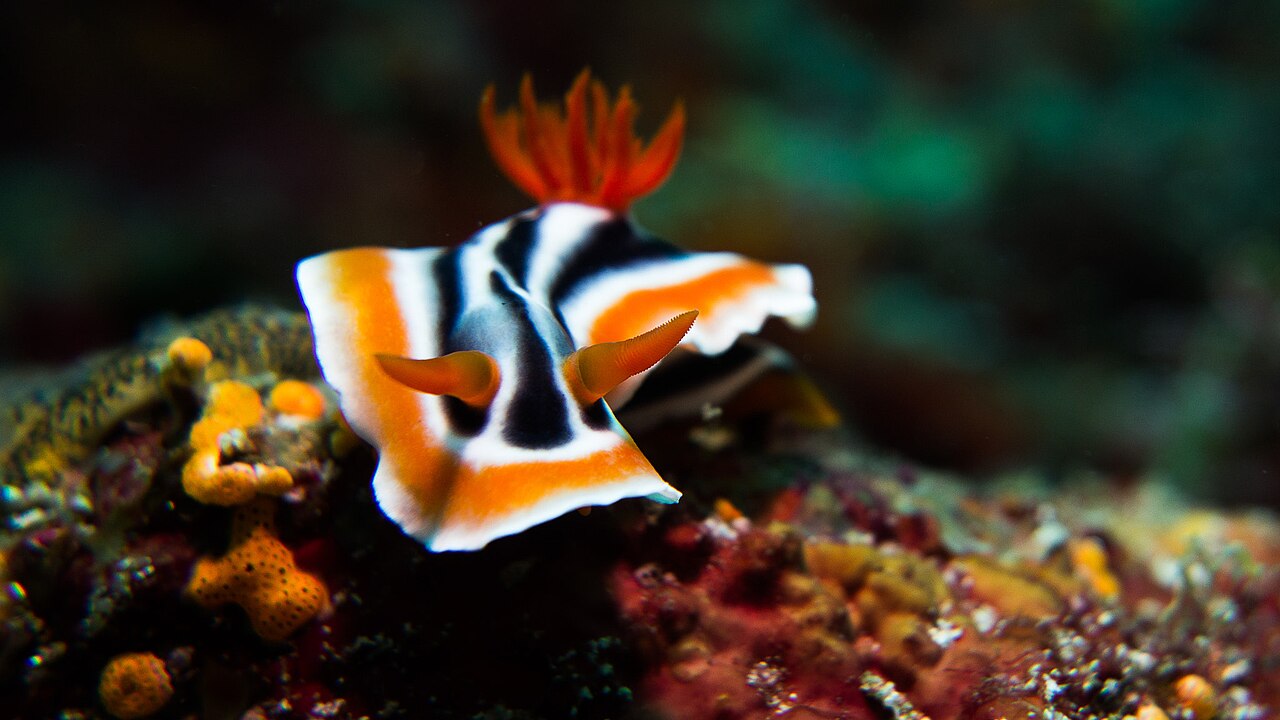 Magnificent ChromodorisChromodoris magnificaReported here · unconfirmed
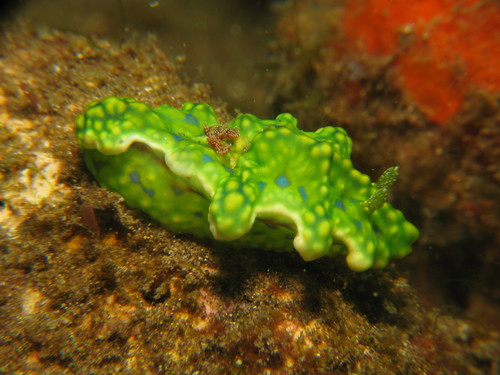 Jolly Green GiantMiamira sinuataReported here · unconfirmed
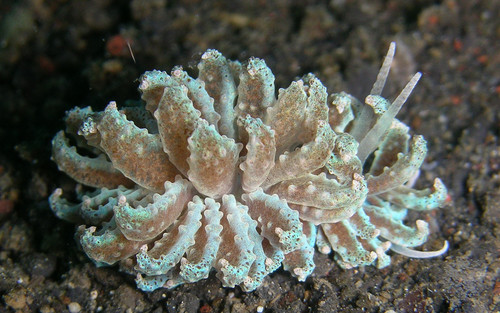 Phyllodesmium crypticumReported here · unconfirmed
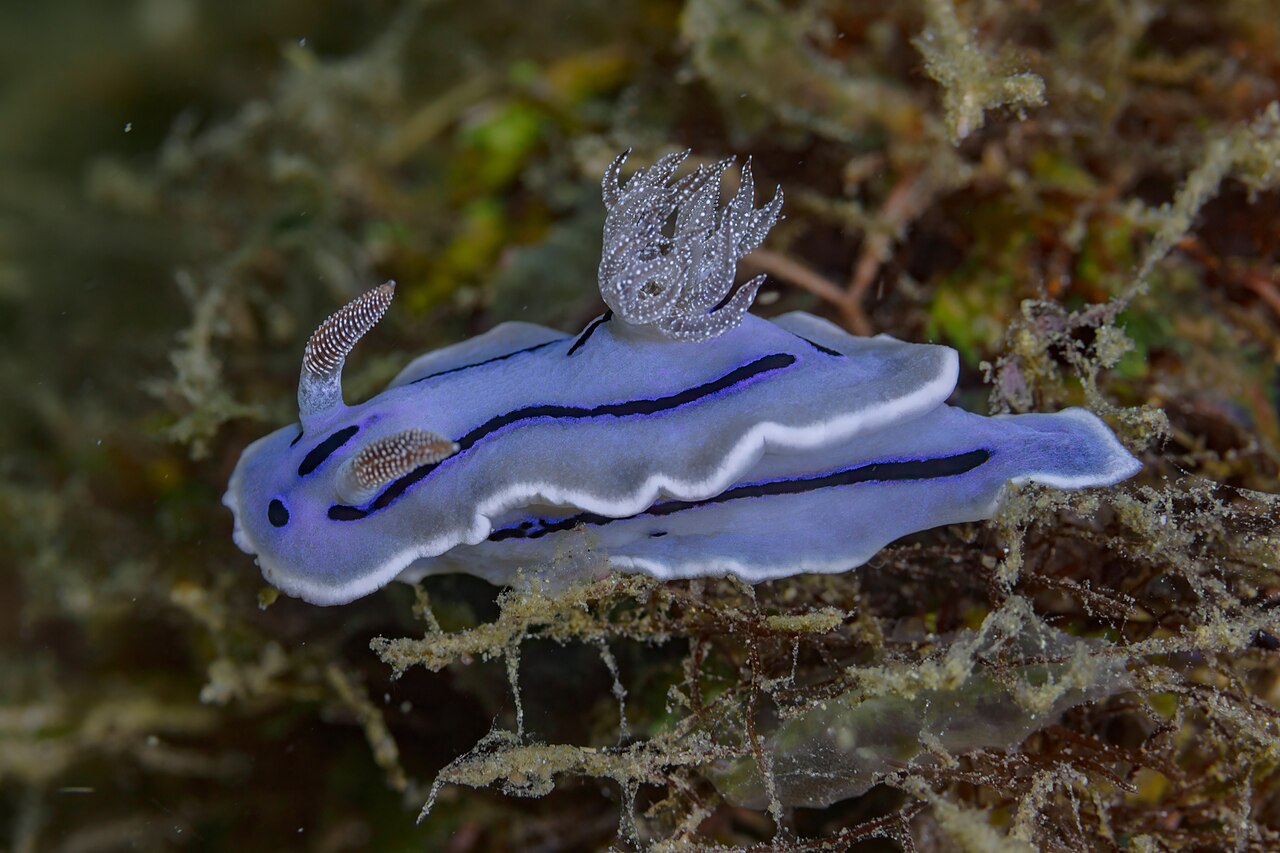 Willan's ChromodorisChromodoris willaniReported here · unconfirmed
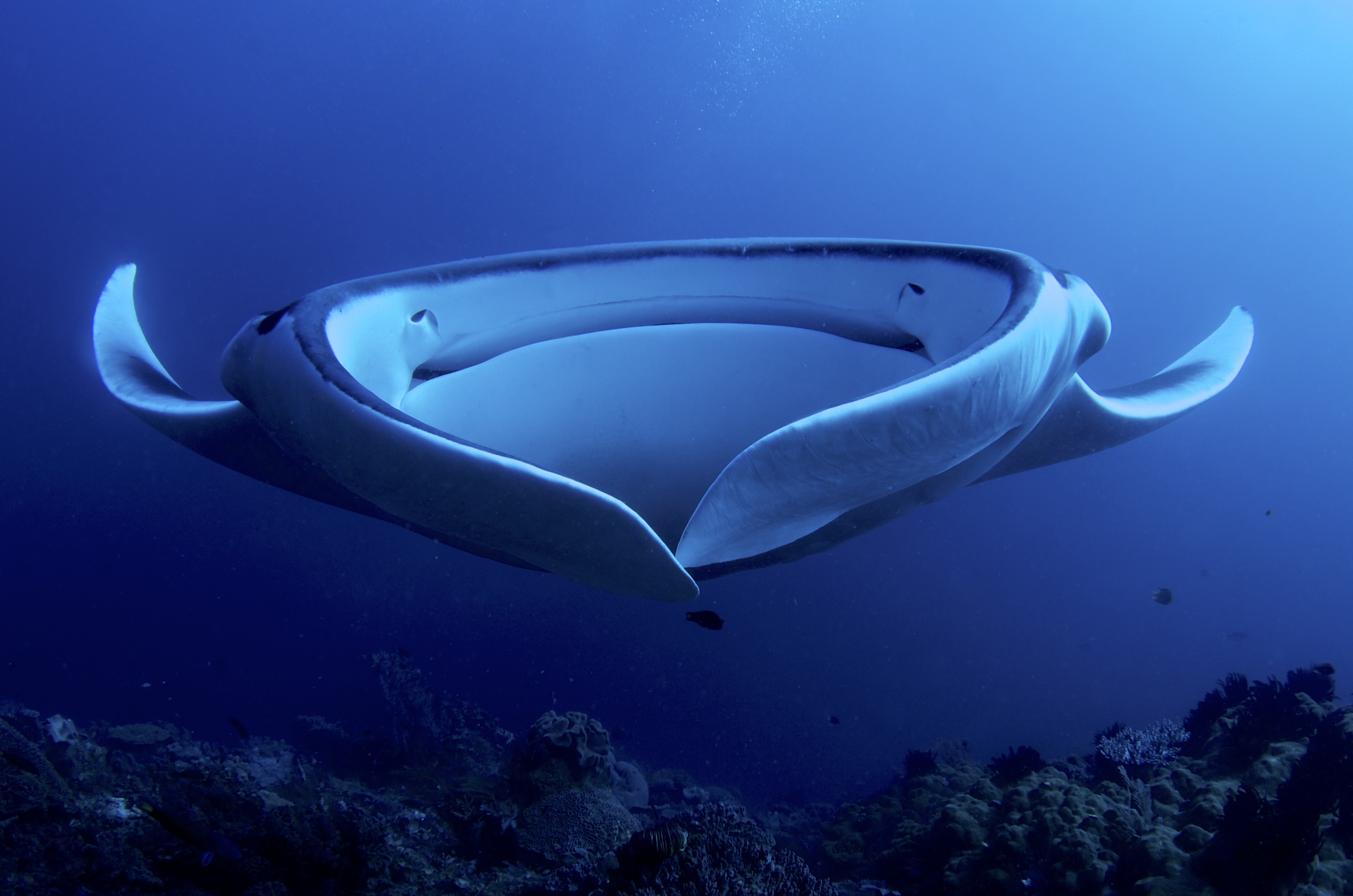 Manta rayManta rayReported here · unconfirmed
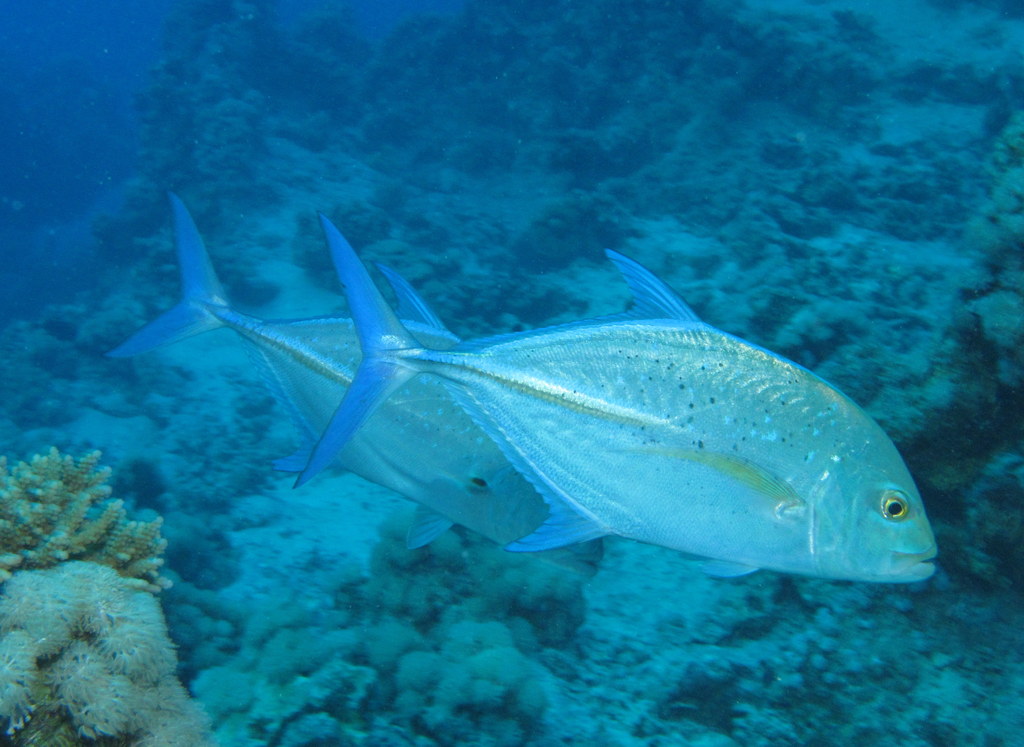 TrevallyTrevallyReported here · unconfirmed
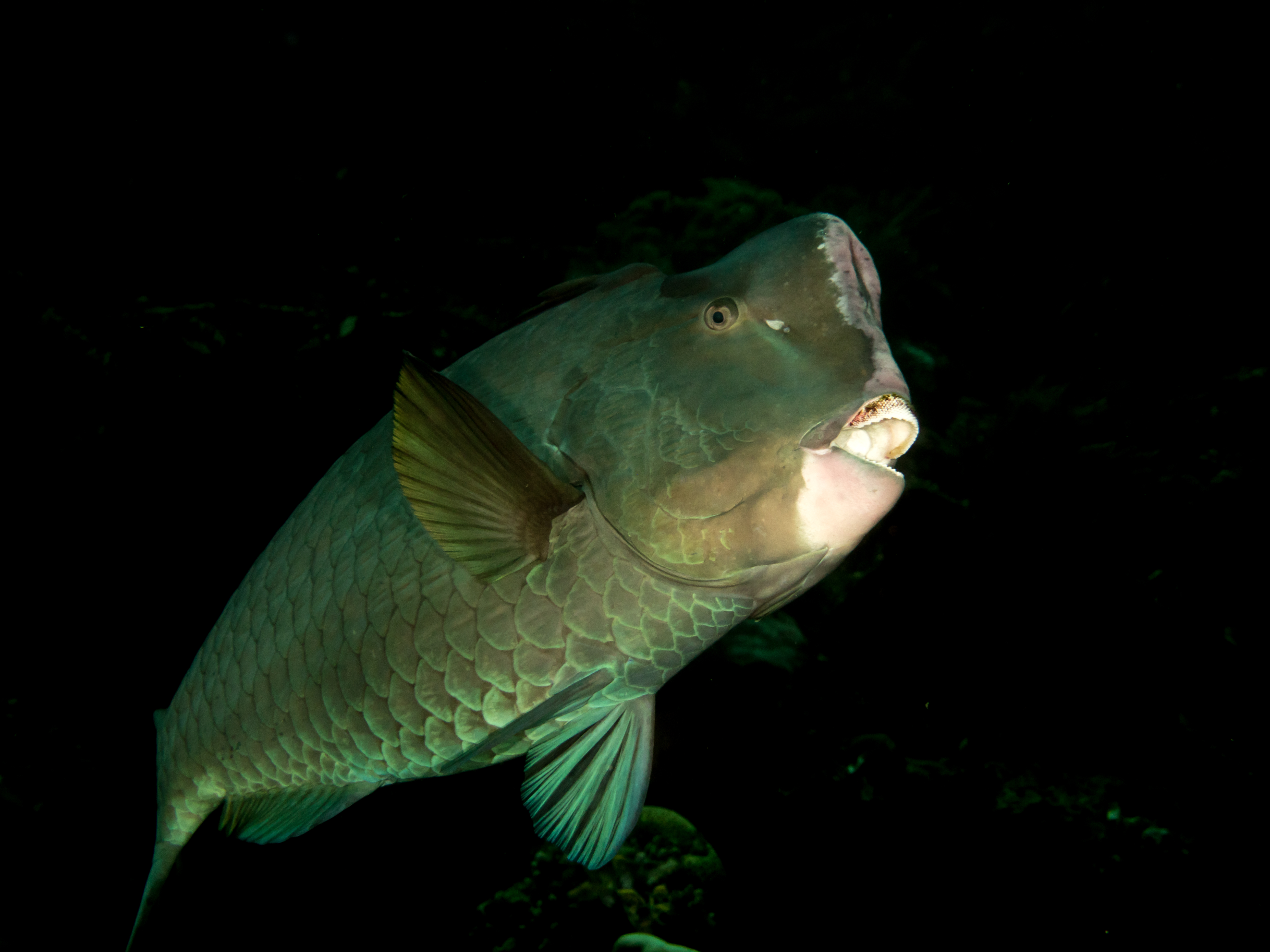 Bumphead parrotfishBumphead parrotfishReported here · unconfirmed
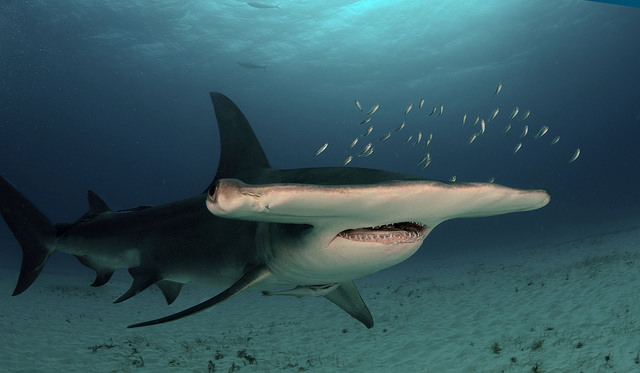 Hammerhead sharkHammerhead sharkConfirmed present · 2 independent sources
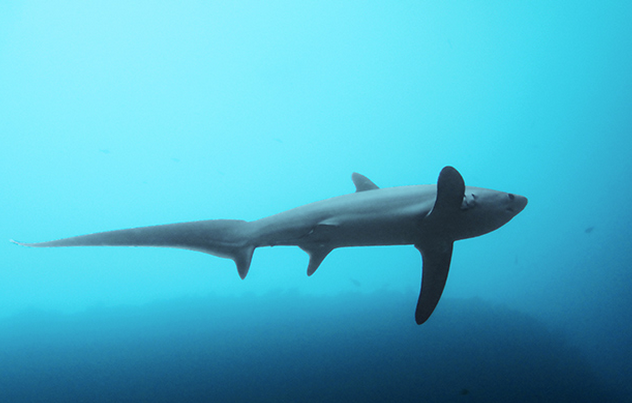 Thresher sharkThresher sharkConfirmed present · 2 independent sources
Durable tips from divers — access, hazards, marine life, facilities. For day-of conditions, use the report tool in the conditions card above.
No notes yet. Dived here? Be the first to leave a tip.
Share a write-up or a photo. Submissions are reviewed before they appear on the page.
Nearby dive sites
Shops that dive here
No shops have listed this site yet.