Looe Key
Conditions & tides
Scored by DiveConnect's site-physics model
Marine forecast via Copernicus Marine. Score is a rule-based guide from swell/wind vs. the site's exposure — always dive your own assessment.
Dived here today? How were conditions vs. what we showed?
About this site
Looe Key Reef is a coral reef located approximately 12 miles southwest of Big Pine Key in the Florida Keys, part of the Florida Keys National Marine Sanctuary and further designated as a Sanctuary Preservation Area. Its name comes from the British warship HMS Looe, which wrecked on the site in 1744, and the reef carries additional historical recognition as an Underwater Archaeological Preserve. It has appeared in Jacques Cousteau documentaries and is subject to ongoing coral restoration efforts.
The reef runs approximately 200 yards wide and 800 yards long, with depths ranging from 5 to 30 feet (roughly 1.5 to 9 m). Its defining feature is a spur-and-groove formation: parallel ridges and valleys of coral, with some coral structures reaching 30 feet (9 m) tall. The shallower sections suit snorkelers and beginners, while the deeper zones are better suited to more experienced divers. Maximum depth is recorded at 9.9 m.
More than 150 fish species have been recorded at Looe Key. Tarpon gather here in large schools and are frequently sighted, and barracuda are also regular visitors. Visibility is a consistent strength of the site, with crystal-clear water commonly exceeding 50 feet (15 m). Summer months typically bring calmer conditions.
Read the full guideShow less
Access is by boat only; from Marathon the ride takes 45 to 60 minutes. The reef's exposed position makes it susceptible to weather and currents, which can be strong, so conditions should be checked before heading out. Mooring is available at the site. The combination of depth range, current exposure, and distance from shore means beginners should stick to the shallower areas, while deeper sections demand more experience.
Marine life here
Confirmed by our research team, reported by independent divers, or observed nearby via iNaturalist — each entry is labelled with its source.
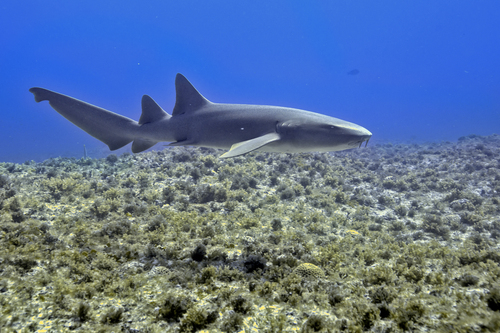 Nurse SharkGinglymostoma cirratumReported here · unconfirmed
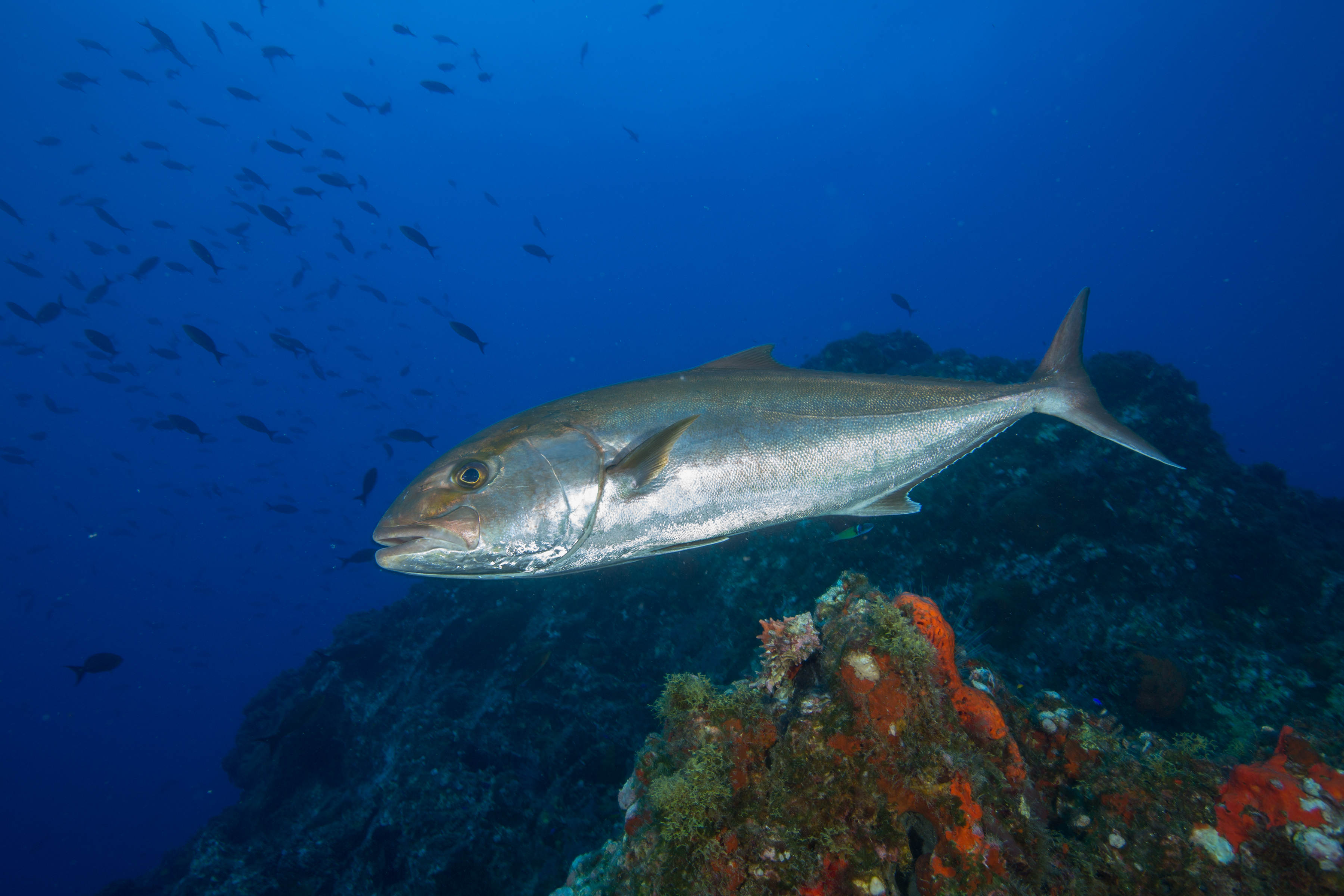 Jack / amberjackJack / amberjackReported here · unconfirmed
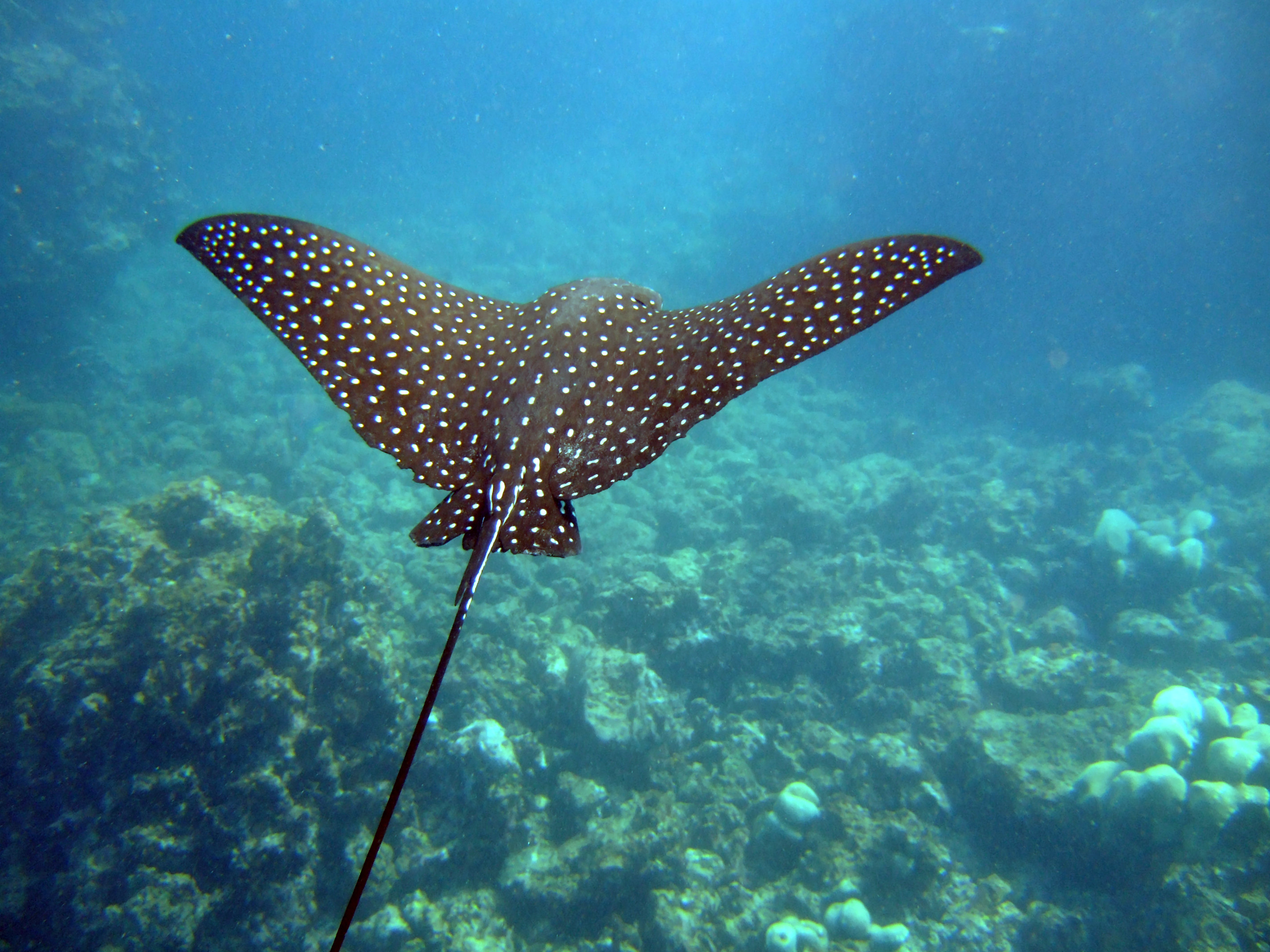 Eagle rayEagle rayConfirmed present · 2 independent sources
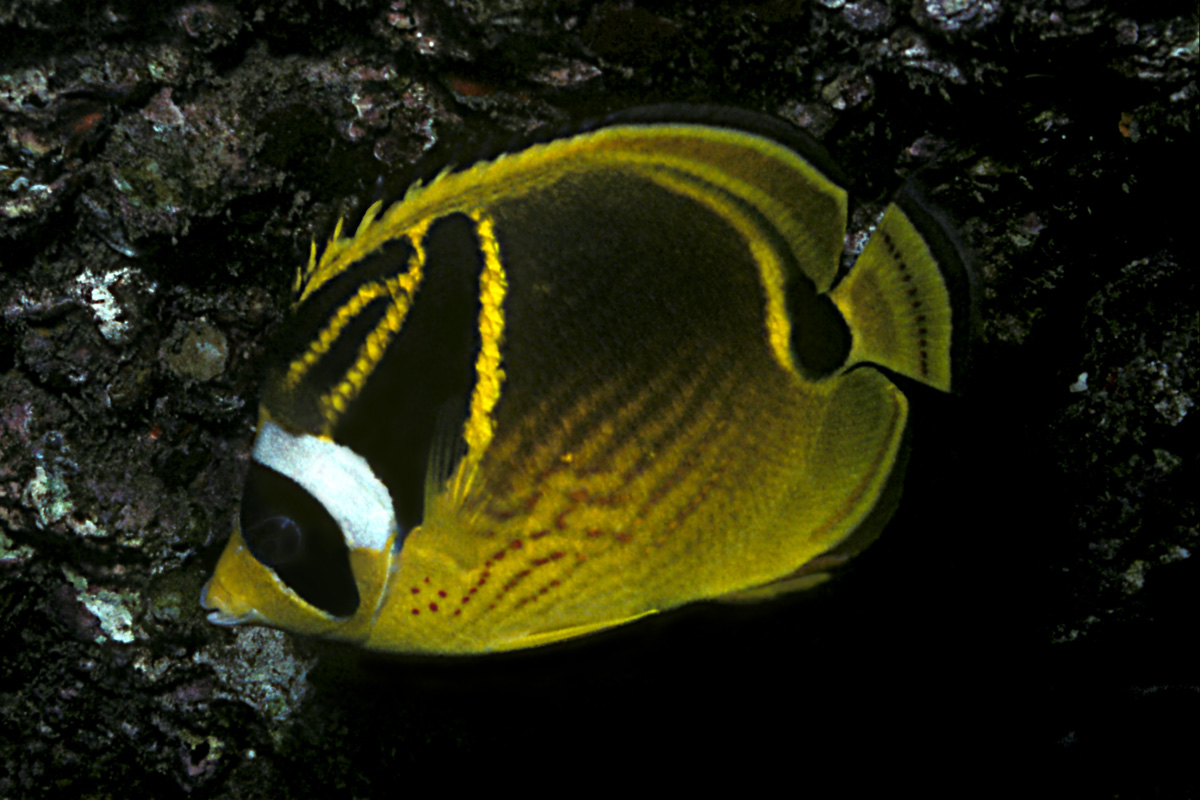 ButterflyfishButterflyfishReported here · unconfirmed
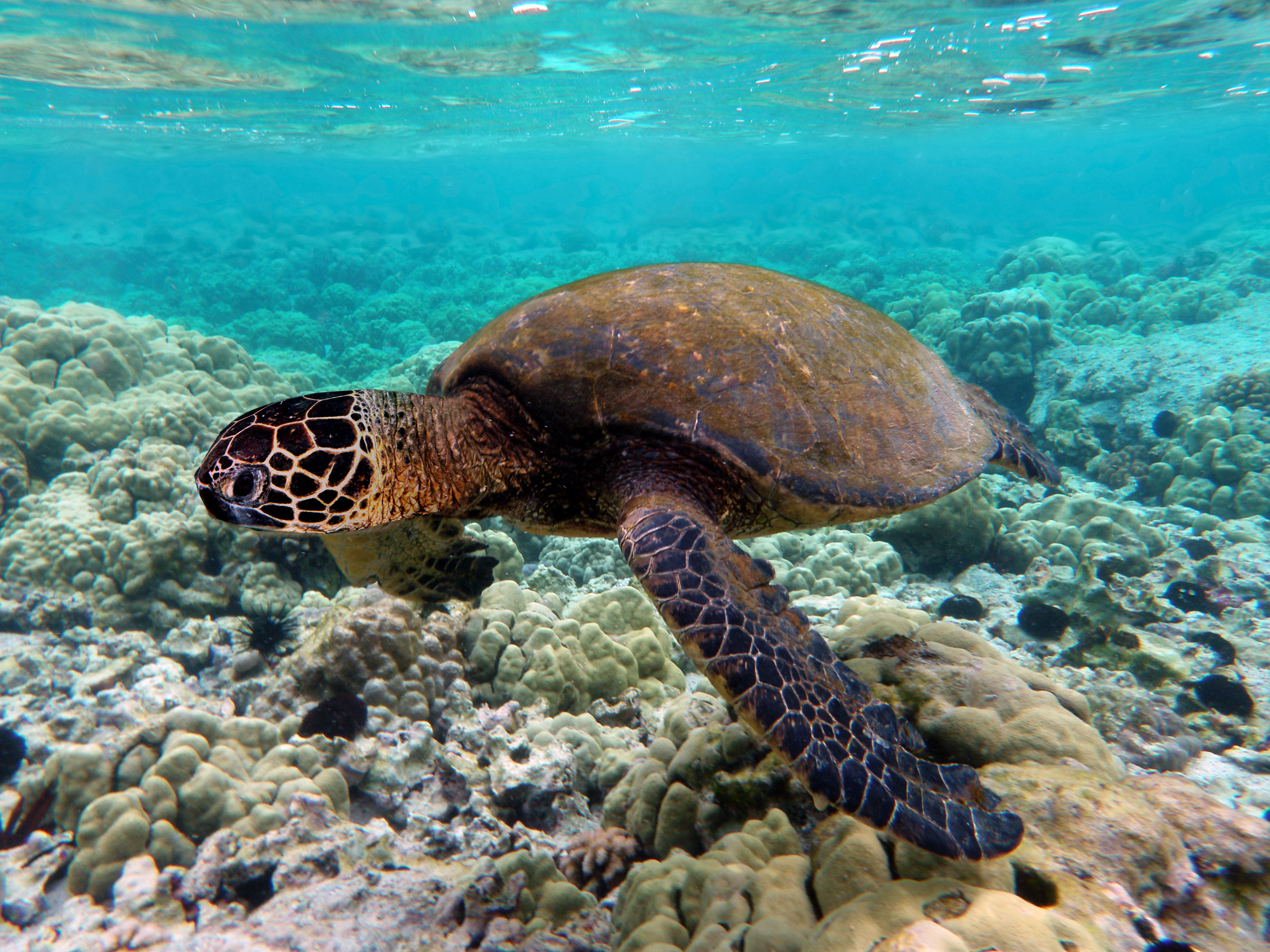 Sea turtleSea turtleReported here · unconfirmed
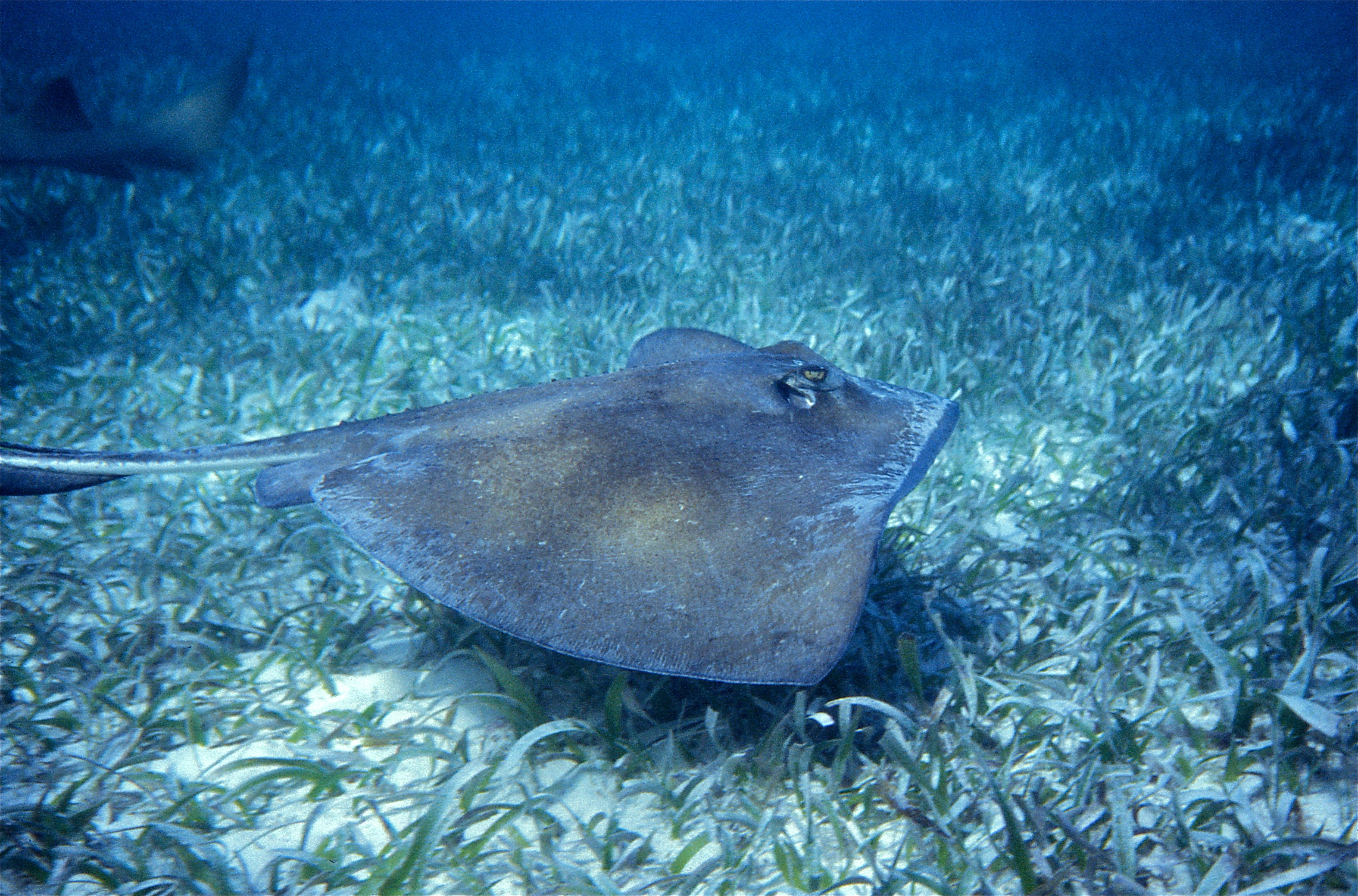 StingrayStingrayReported here · unconfirmed
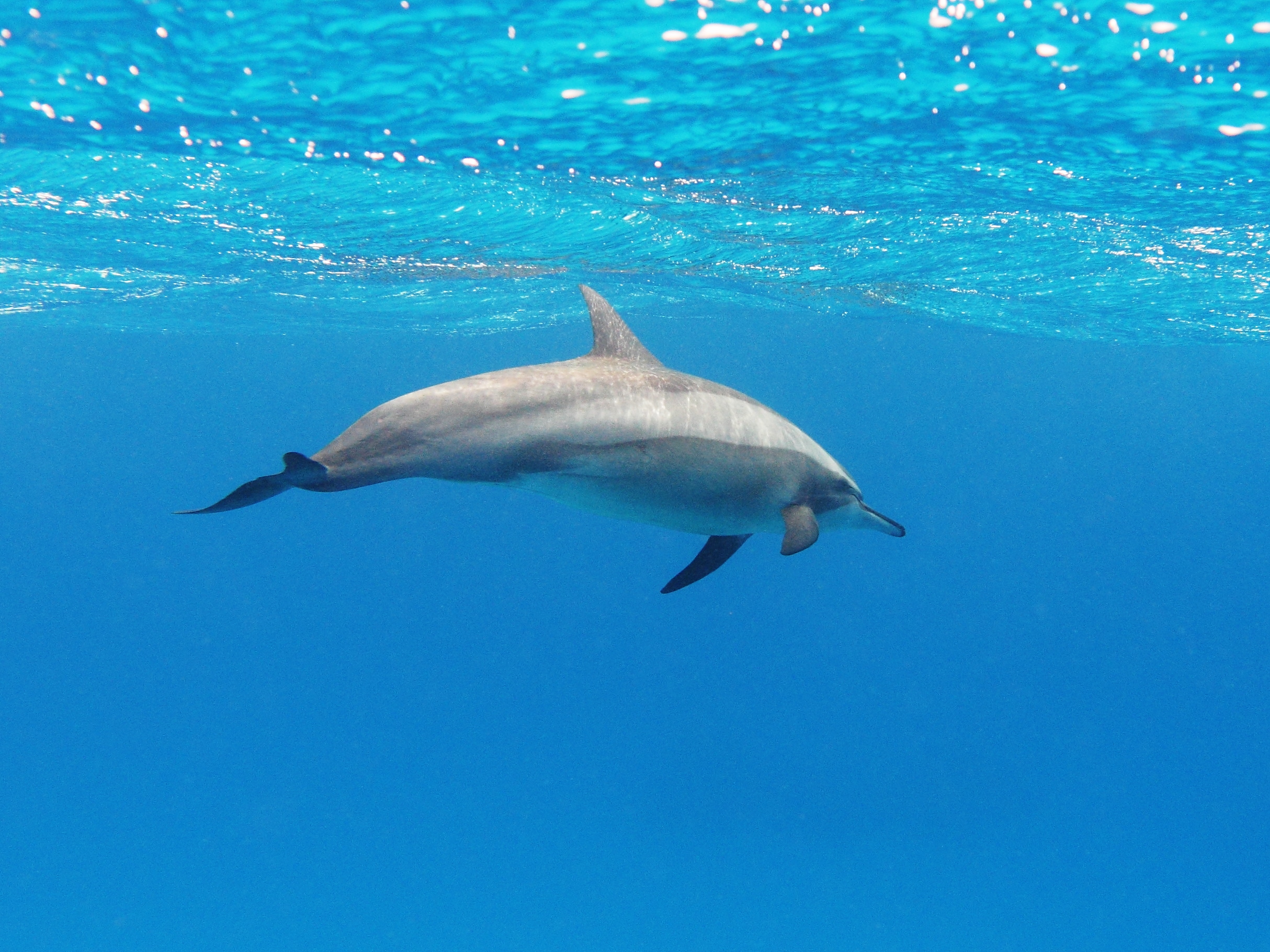 DolphinDolphinReported here · unconfirmed
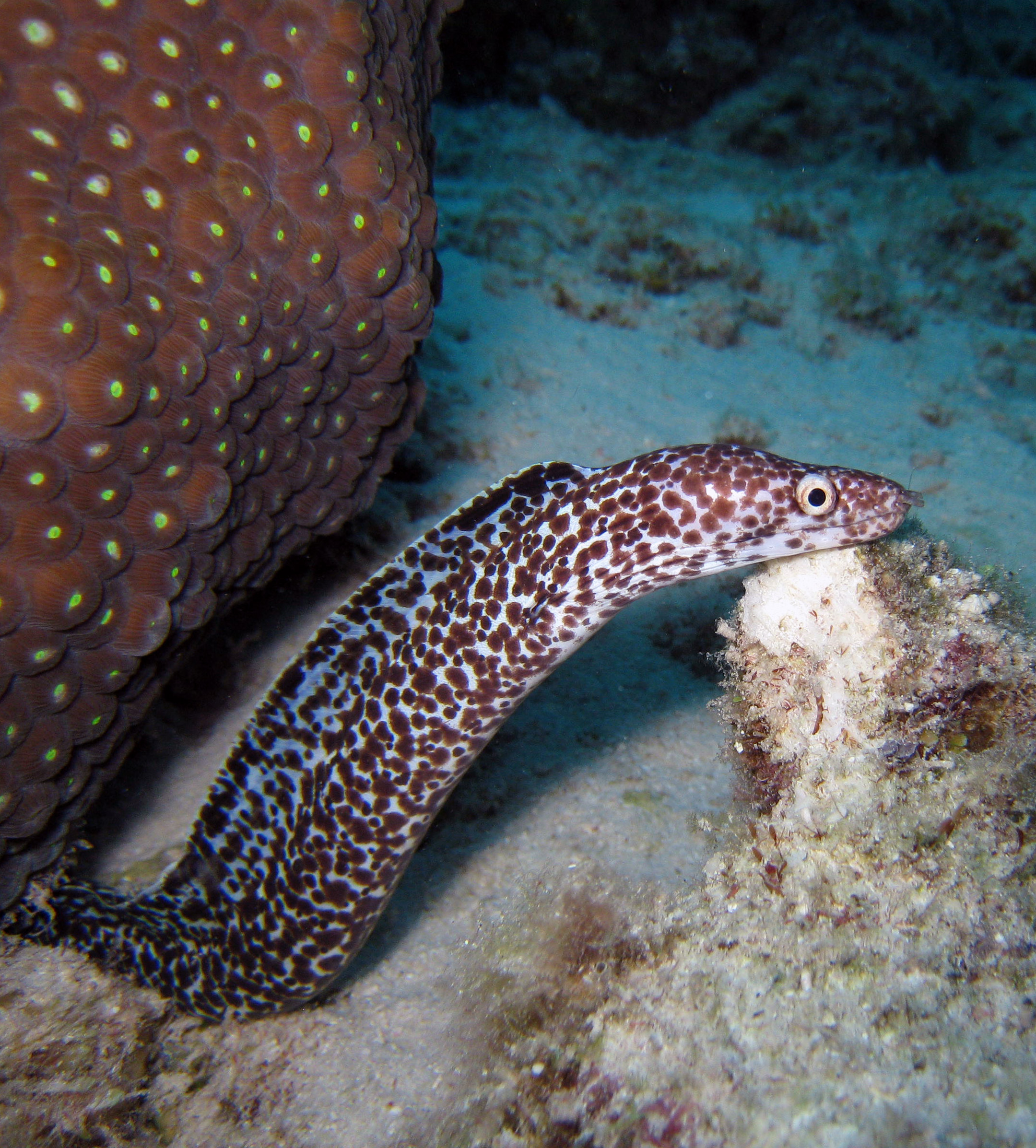 Moray eelMoray eelReported here · unconfirmed
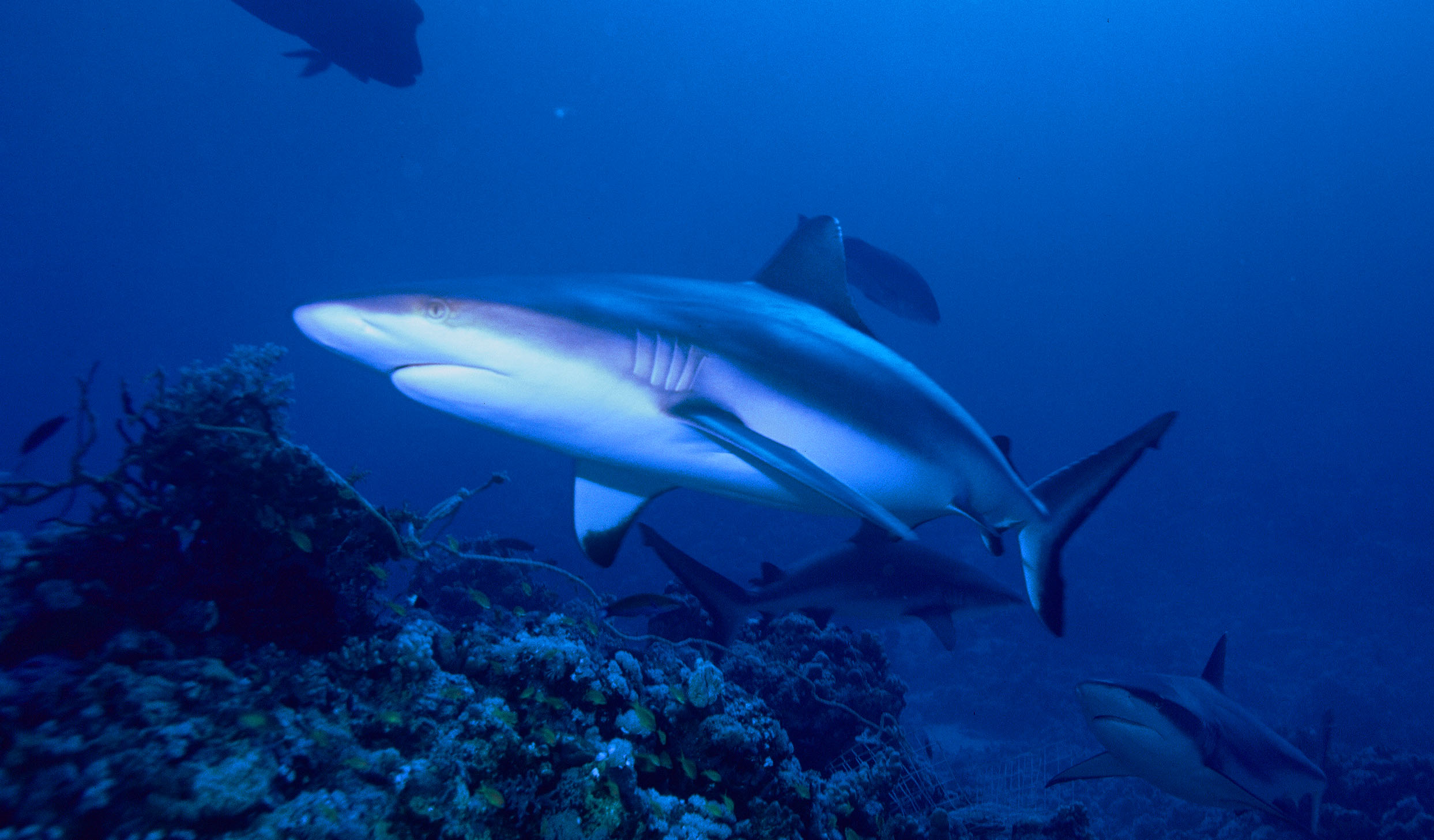 Reef sharkReef sharkReported here · unconfirmed
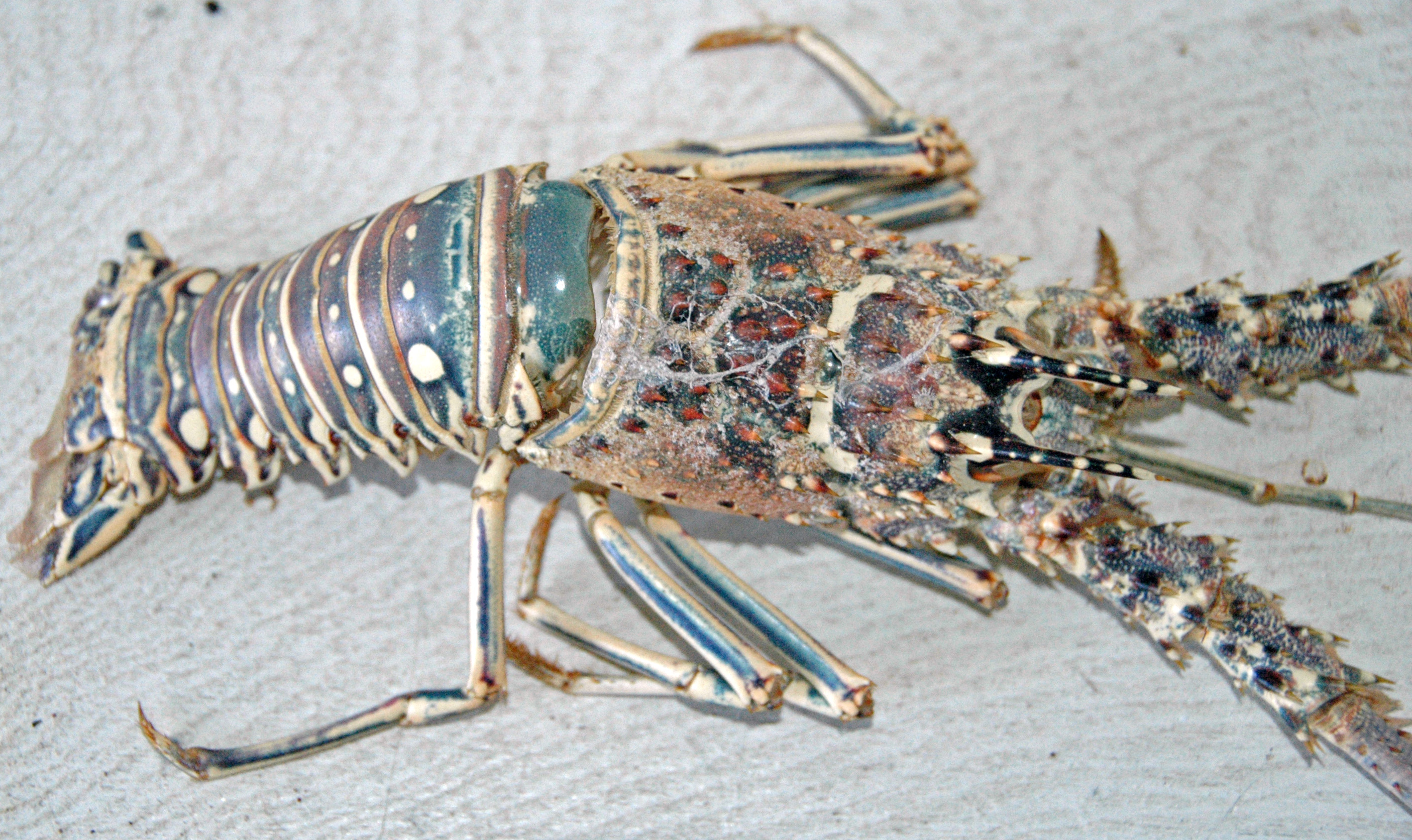 LobsterLobsterReported here · unconfirmed
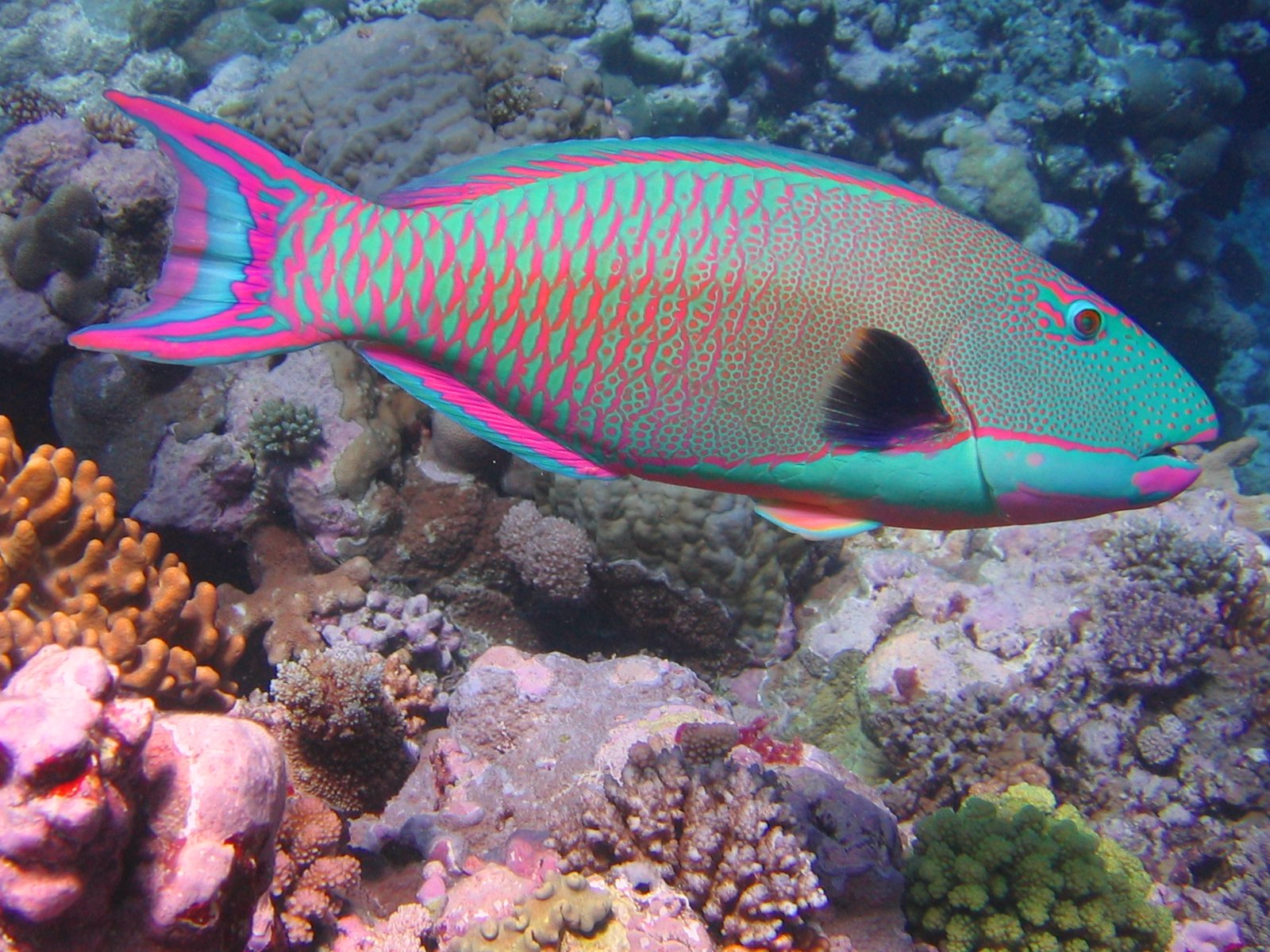 ParrotfishParrotfishConfirmed present · 2 independent sources
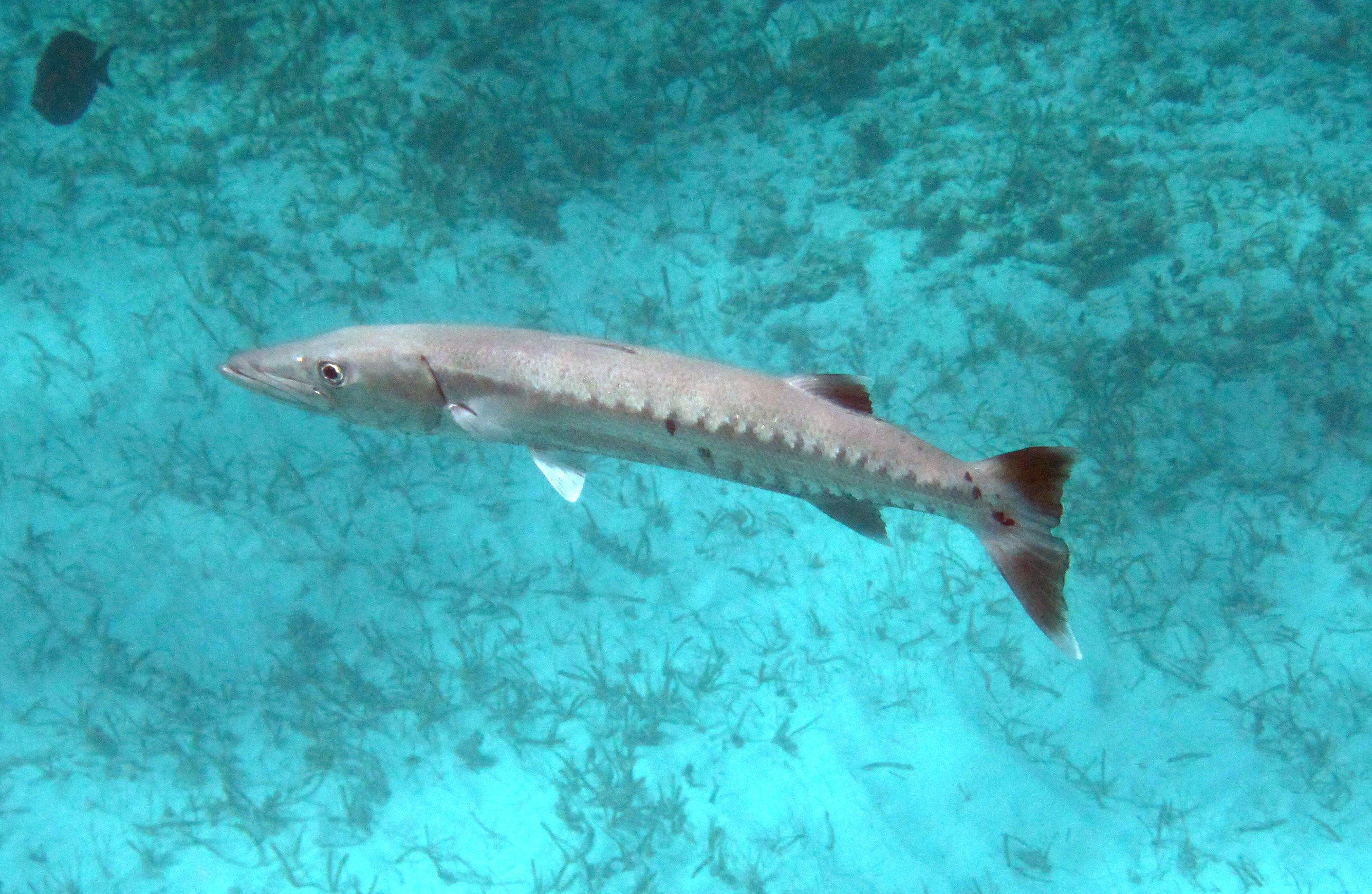 BarracudaBarracudaConfirmed present · 2 independent sources
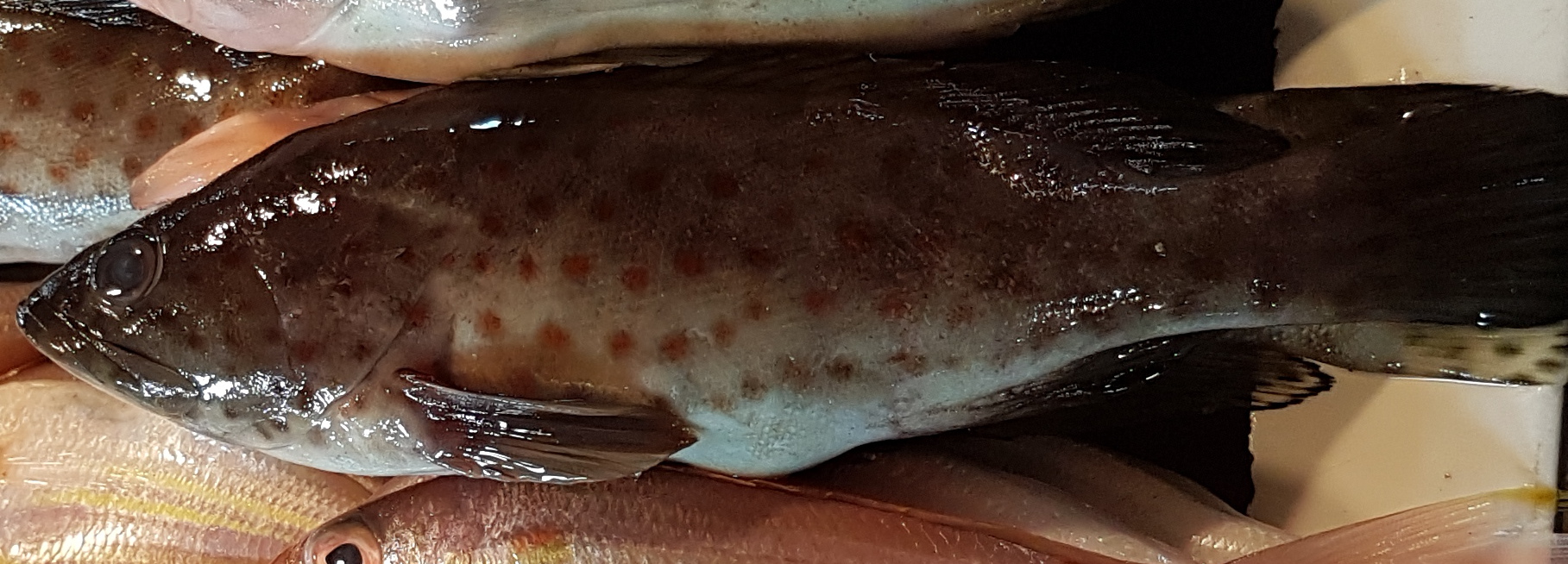 GrouperGrouperConfirmed present · 2 independent sources
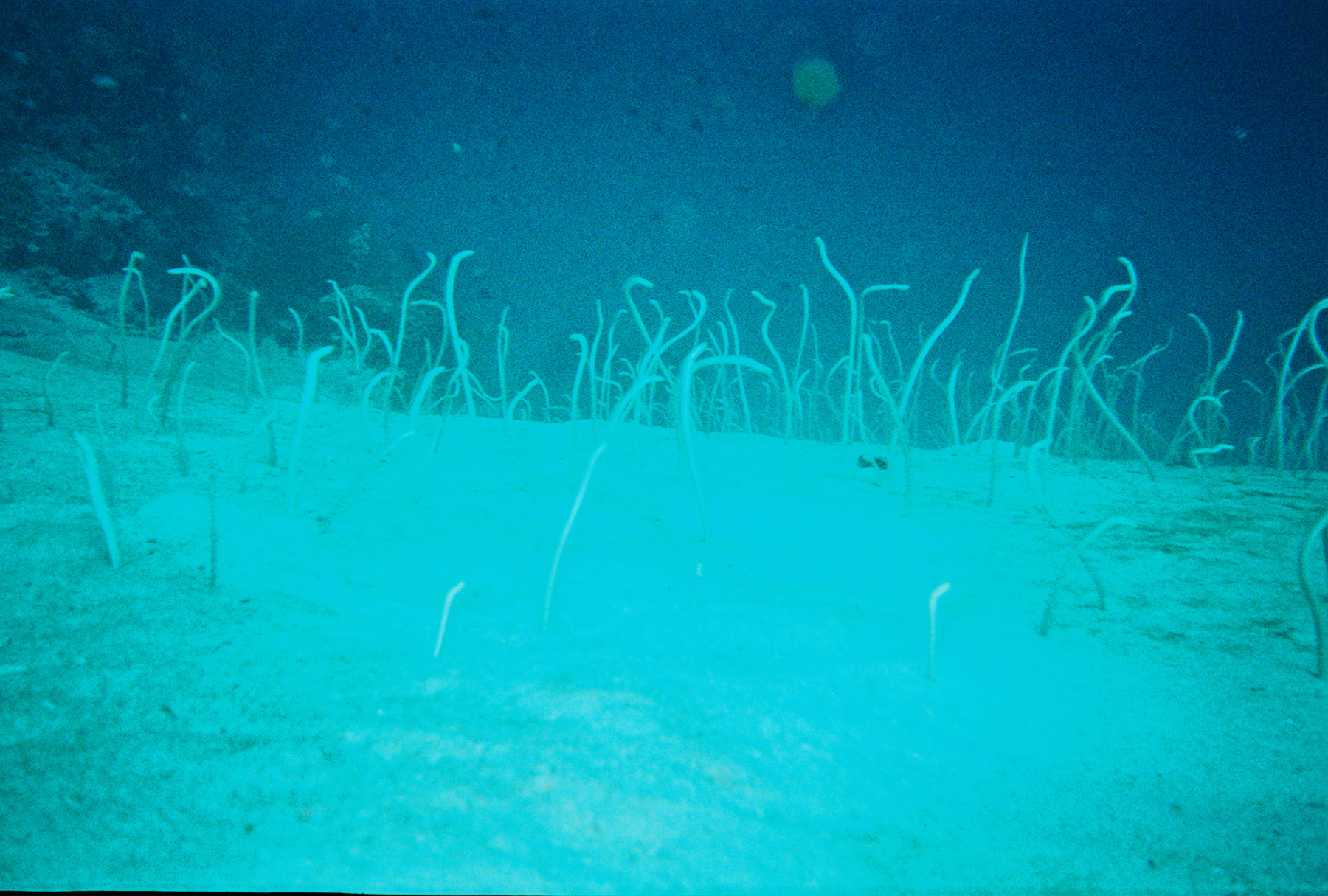 Garden eelGarden eelReported here · unconfirmed
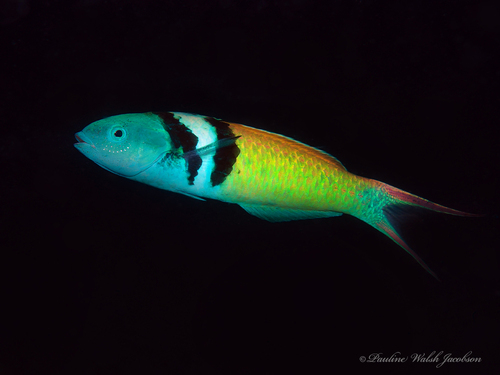 Caribbean Bluehead WrasseThalassoma bifasciatumReported here · unconfirmed
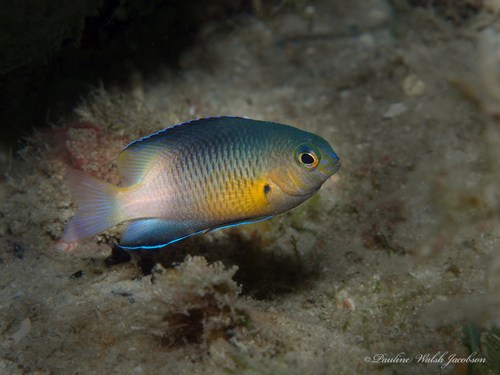 Bicolor DamselfishStegastes partitusReported here · unconfirmed
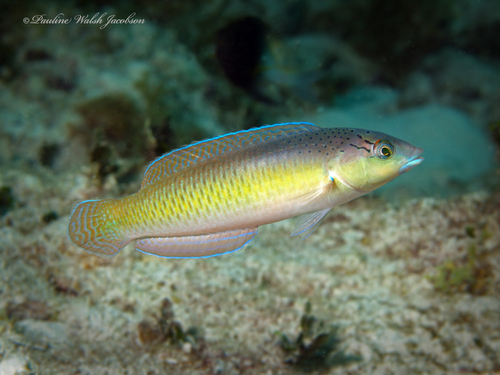 Yellowhead WrasseHalichoeres garnotiReported here · unconfirmed
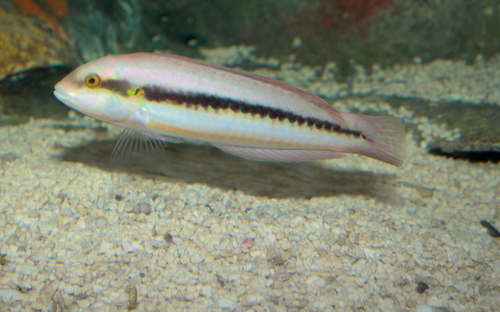 Slippery DickHalichoeres bivittatusReported here · unconfirmed
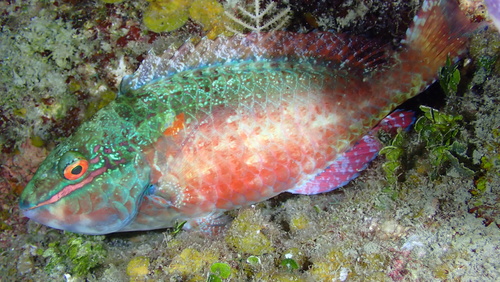 Redband ParrotfishSparisoma aurofrenatumReported here · unconfirmed
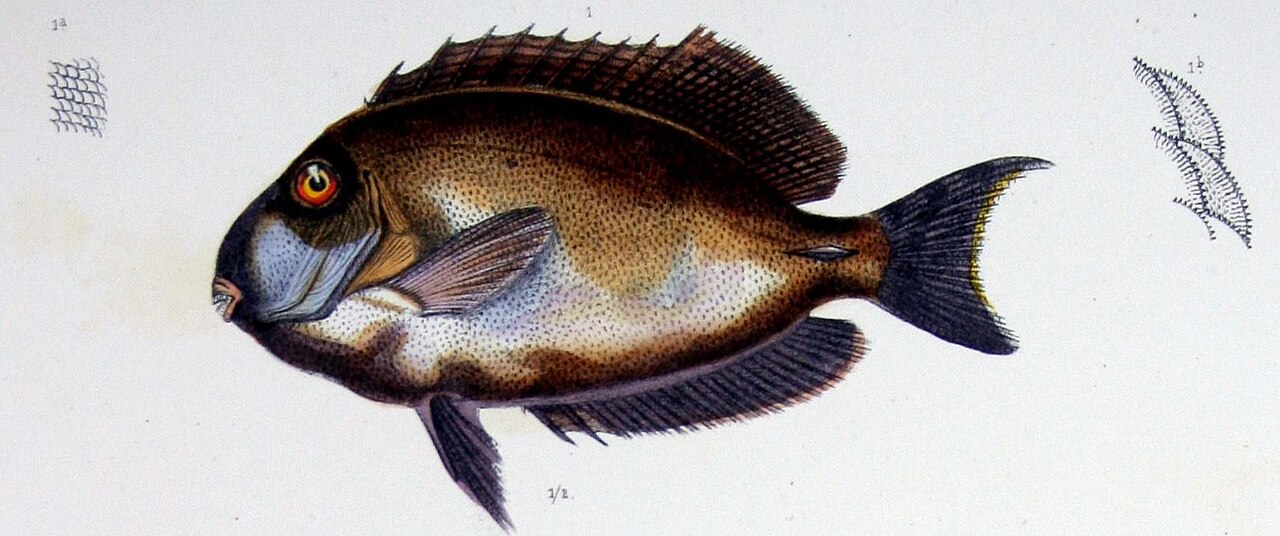 Brazilian Ocean SurgeonfishAcanthurus bahianusReported here · unconfirmed
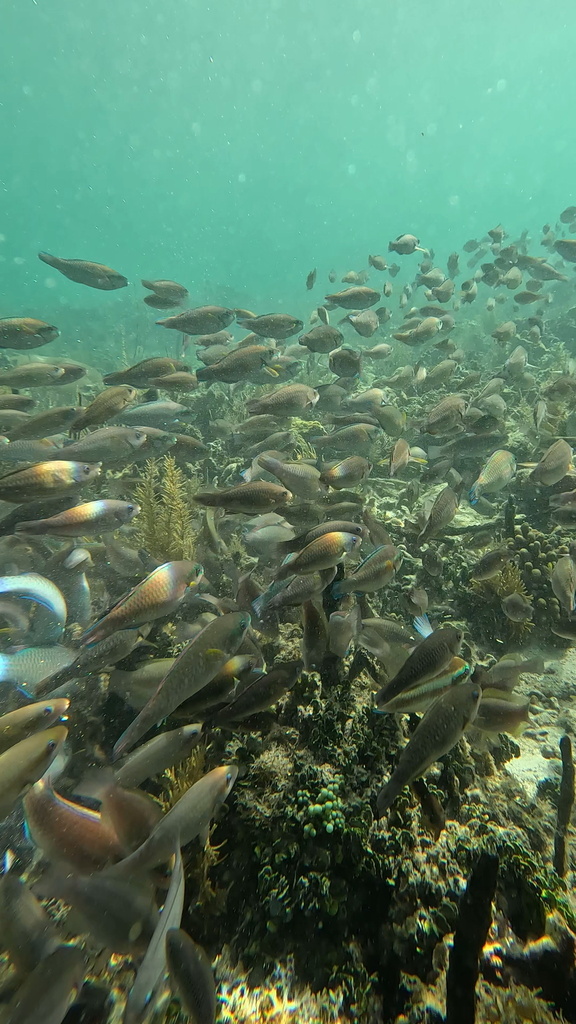 Striped ParrotfishScarus iseriReported here · unconfirmed
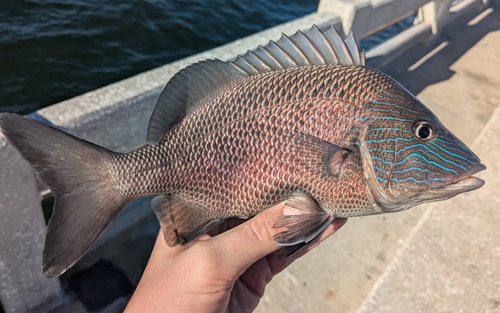 White GruntHaemulon plumieriiReported here · unconfirmed
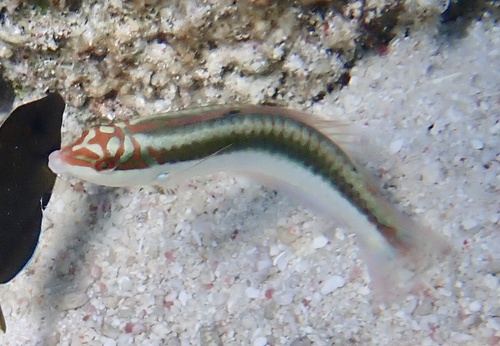 Clown WrasseHalichoeres maculipinnaReported here · unconfirmed
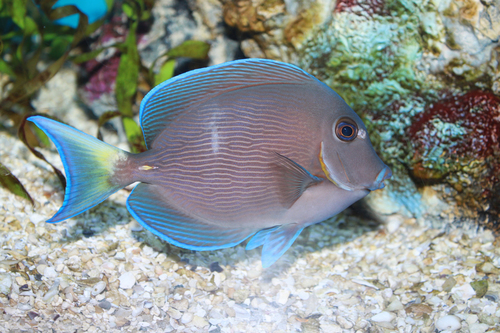 Atlantic Blue TangAcanthurus coeruleusReported here · unconfirmed
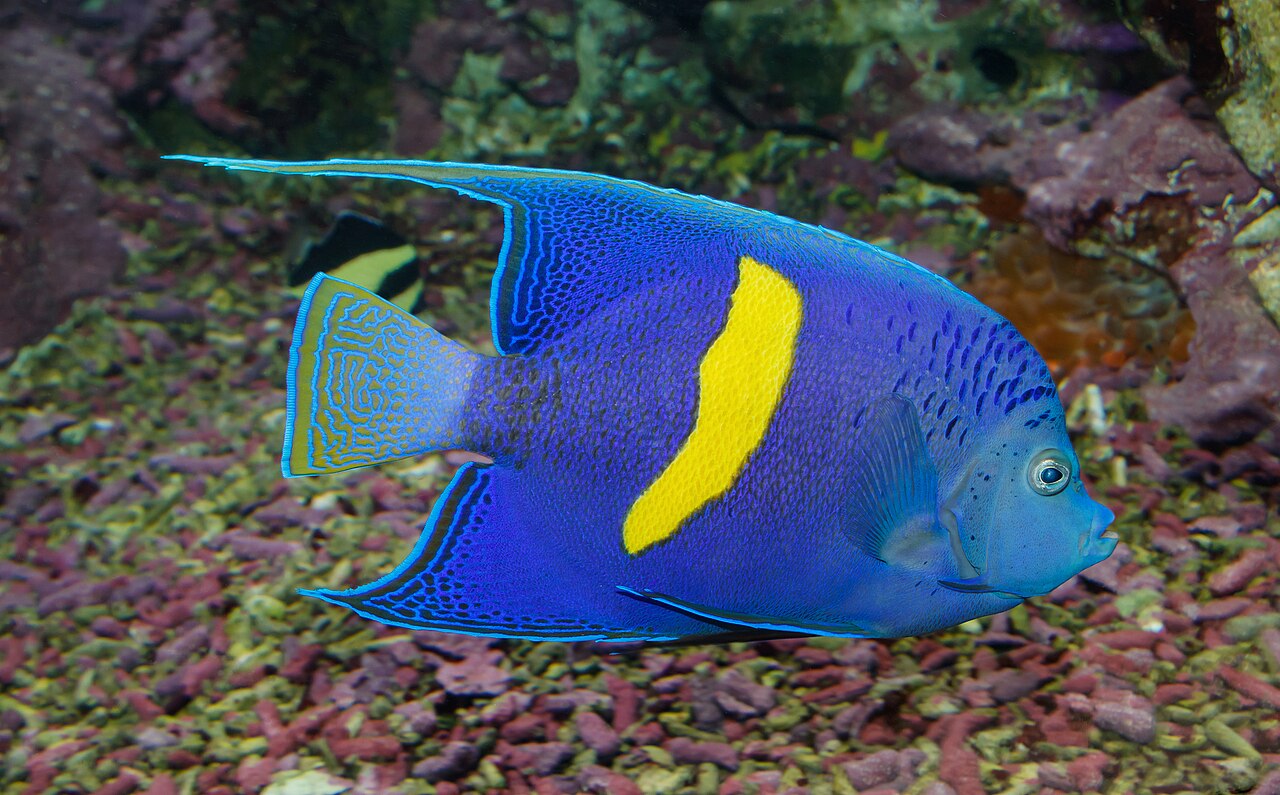 AngelfishAngelfishConfirmed present · 2 independent sources
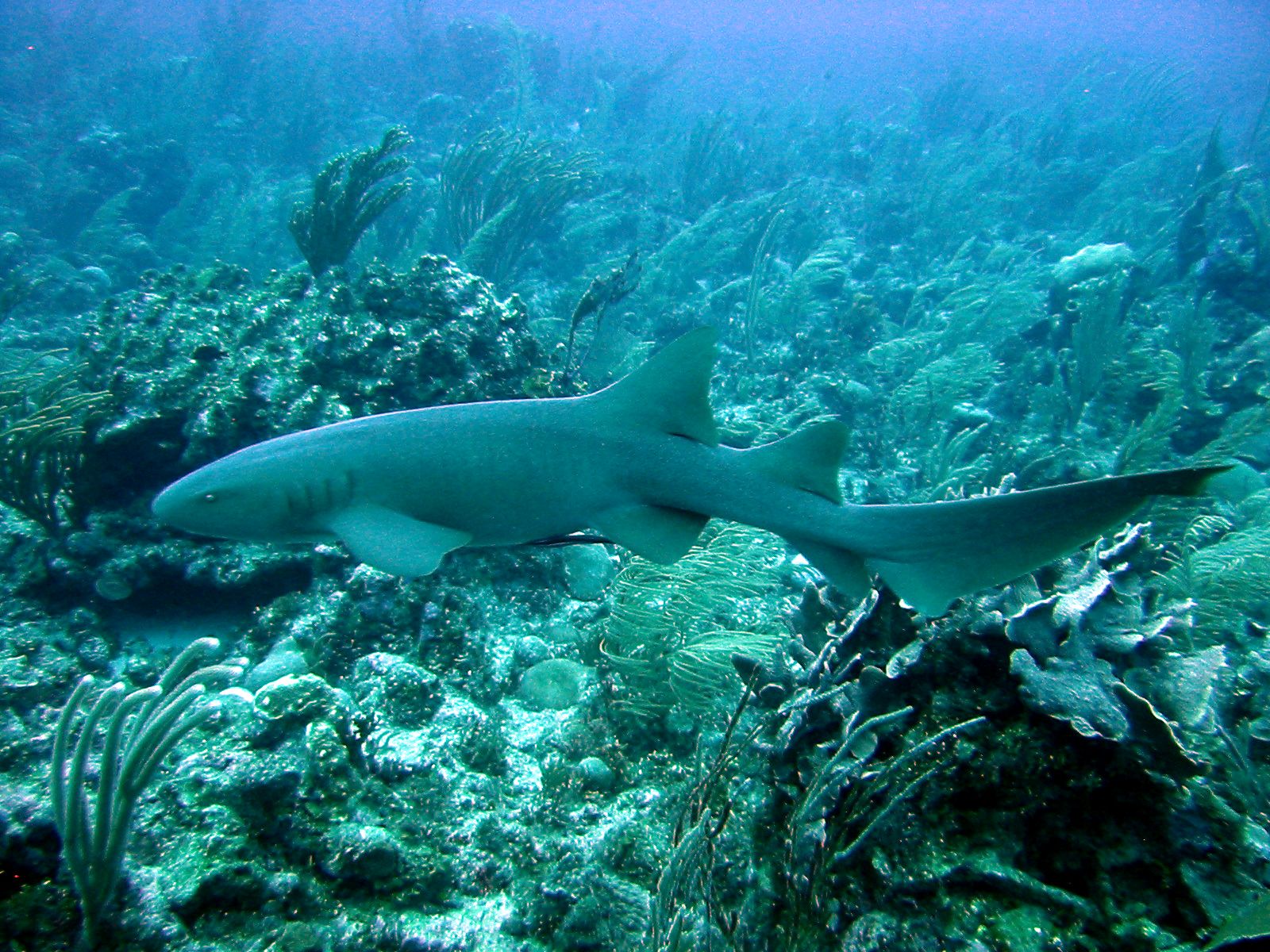 Nurse sharkNurse sharkConfirmed present · 2 independent sources
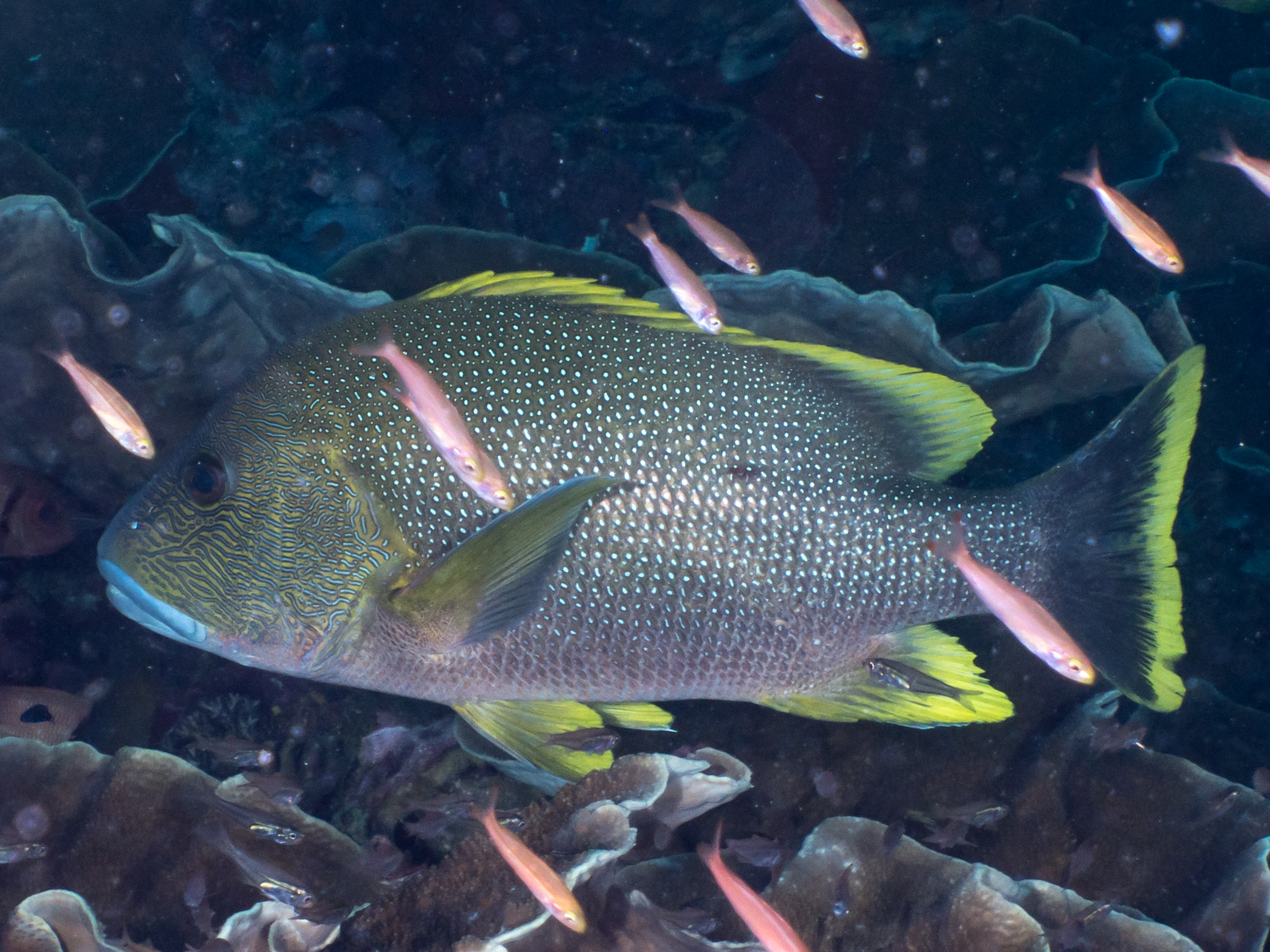 SnapperSnapperReported here · unconfirmed
Durable tips from divers — access, hazards, marine life, facilities. For day-of conditions, use the report tool in the conditions card above.
No notes yet. Dived here? Be the first to leave a tip.
Share a write-up or a photo. Submissions are reviewed before they appear on the page.
Nearby dive sites
Shops that dive here
No shops have listed this site yet.