Three Sisters
Conditions & tides
Scored by DiveConnect's site-physics model
Marine forecast via Copernicus Marine. Score is a rule-based guide from swell/wind vs. the site's exposure — always dive your own assessment.
Dived here today? How were conditions vs. what we showed?
About this site
There are dive sites in Key Largo that make the magazines — the Spiegel Grove, the Christ of the Abyss, Molasses Reef. Three Sisters is not one of them, and that is exactly why it is worth talking about. This quiet patch reef sits in roughly 18 feet of water, part of the patchwork of coral formations that dot the waters off Key Largo, offering some of the most accessible marine life encounters on the reef system. No crowds, no mooring-buoy lottery, just coral and fish doing what they have been doing here for thousands of years.
What allowed the reef to flourish here, rather than just anywhere along the Florida coast, comes down to two geographic accidents. Key Largo's relatively large size — largo is Spanish for "long" — obstructs the flow of turbid water from Florida Bay onto the reef during outgoing tides, and the proximity of the reef to the cleansing waters of the Gulf Stream enhances visibility and nourishes marine life. Three Sisters sits in that sweet spot, a beneficiary of geography.
That geography almost wasn't enough. Curio collectors uprooted acres of coral forest, while spearfishermen worked through the fish populations purely for sport. Chunk by chunk and fish by fish the reef faced systematic destruction, until conservationists stepped in to establish it as a public preserve. Effective preservation came in 1975 with the federal government's establishment of the Key Largo National Marine Sanctuary, and protections were expanded further in 1990 when NOAA established the Florida Keys National Marine Sanctuary, incorporating the existing Key Largo sanctuary. Three Sisters, like every named site out here, dives within that protected boundary today.
Read the full guideShow less
The coral reefs off Key Largo are built in a spur-and-groove configuration on the bank reef, but the patch reefs like Three Sisters sit inshore, rising up from a sandy bottom in distinct coral heads rather than continuous ridgelines. At 18 feet, you have the whole water column to work with — you can hover at mid-water and look down at coral formations, or drop to the sand and look up through them. The reef system around Key Largo supports over 260 species of fish, 80 species of coral, crustaceans like lobsters, and five of the world's seven species of sea turtles, and a shallow patch reef like Three Sisters draws from that same population. Expect parrotfish grazing on coral, sergeant majors holding territory above the heads, and the unhurried presence of a green turtle if the timing is right. The shallow depth and profusion of both juvenile and adult marine life make patch reefs like this some of the most rewarding snorkel and dive spots on the reef.
Water temperature is comfortable year-round. Expect 72–77°F in winter, 76–82°F in spring, 82–88°F in summer, and 79–86°F in the fall. A 3mm wetsuit covers you comfortably from November through April; the rest of the year a shorty or even a rash guard will do. Thermoclines are uncommon on the shallow reef, so there are no cold surprises lurking at depth on a dive like this.
The shallow, calm nature of Three Sisters makes it a genuine option for divers who are recently certified and still building comfort in open water. At 18 feet, you are never far from the surface, and the pace of the site is slow enough that you can work on buoyancy without rushing. More experienced divers come here for the sheer density of life at depth — and for the photography. Natural light reaches the bottom cleanly at this depth, and the coral heads make for a naturally framed composition. Conditions are particularly inviting from April through August, when seas are calm, water temperatures climb to 80–86°F, and visibility and marine life activity peak. Winter months bring cooler temperatures and occasional wind, but fewer crowds — a trade-off worth considering if you prefer a quieter day on the water.
Marine life here
Confirmed by our research team, reported by independent divers, or observed nearby via iNaturalist — each entry is labelled with its source.
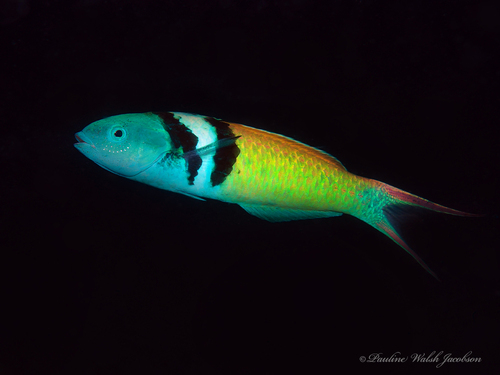 Caribbean Bluehead WrasseThalassoma bifasciatumReported here · unconfirmed
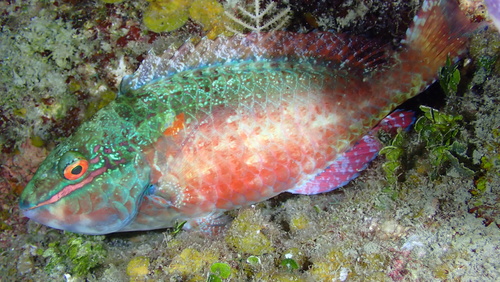 Redband ParrotfishSparisoma aurofrenatumReported here · unconfirmed
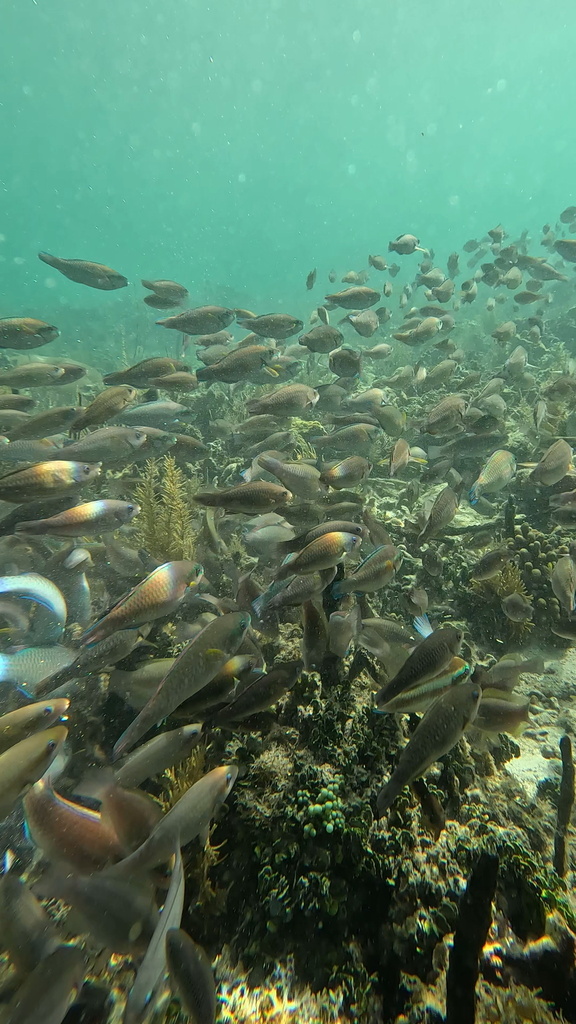 Striped ParrotfishScarus iseriReported here · unconfirmed
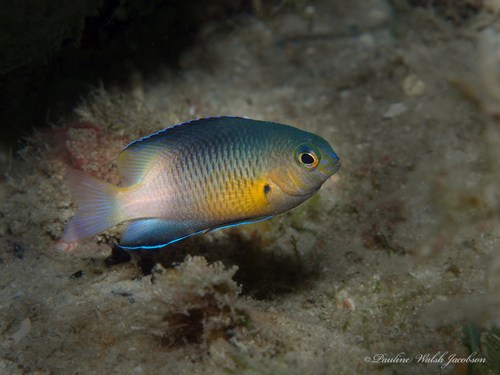 Bicolor DamselfishStegastes partitusReported here · unconfirmed
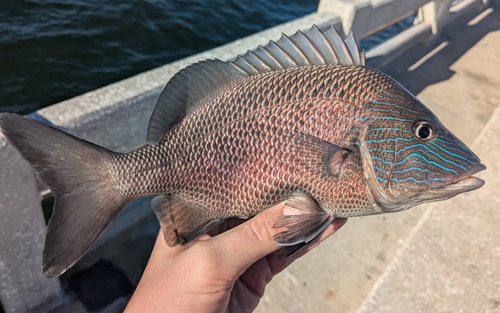 White GruntHaemulon plumieriiReported here · unconfirmed
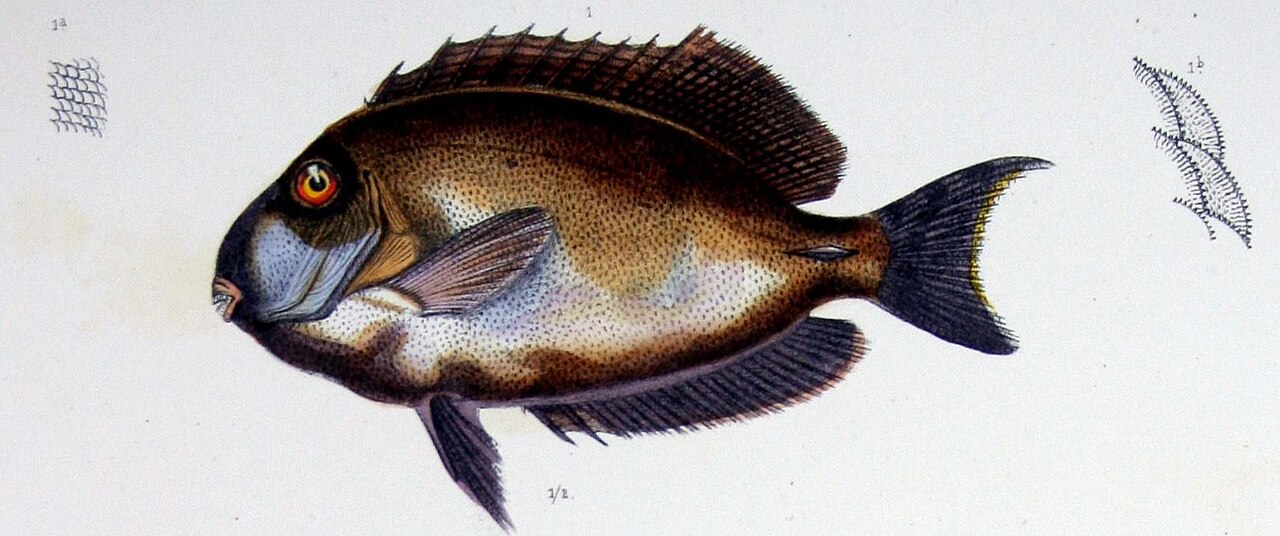 Brazilian Ocean SurgeonfishAcanthurus bahianusReported here · unconfirmed
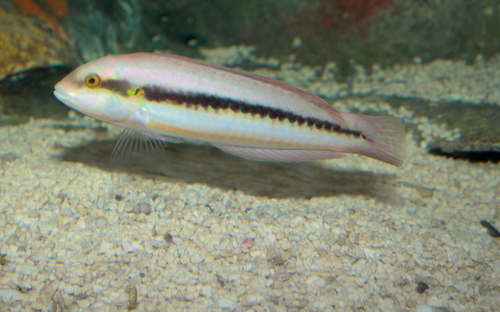 Slippery DickHalichoeres bivittatusReported here · unconfirmed
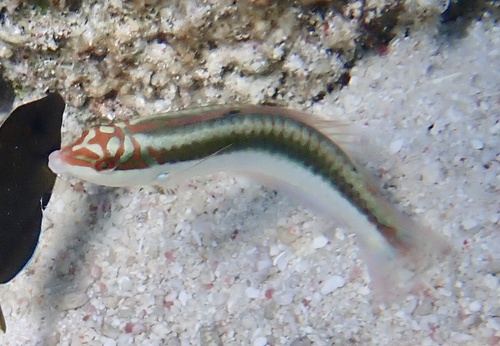 Clown WrasseHalichoeres maculipinnaReported here · unconfirmed
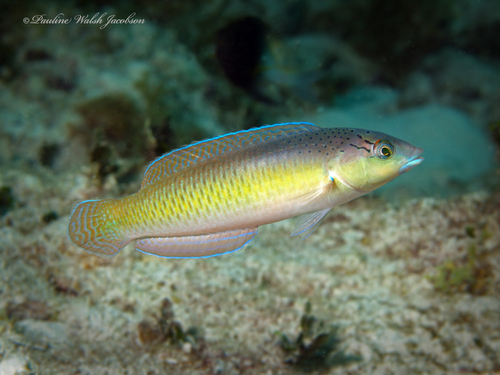 Yellowhead WrasseHalichoeres garnotiReported here · unconfirmed
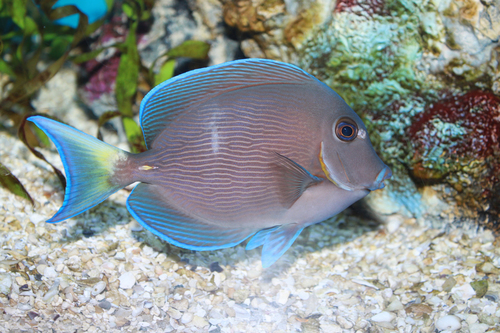 Atlantic Blue TangAcanthurus coeruleusReported here · unconfirmed
Durable tips from divers — access, hazards, marine life, facilities. For day-of conditions, use the report tool in the conditions card above.
No notes yet. Dived here? Be the first to leave a tip.
Share a write-up or a photo. Submissions are reviewed before they appear on the page.
Nearby dive sites
Shops that dive here
No shops have listed this site yet.