Akitsushima
Conditions & tides
Scored by DiveConnect's site-physics model
Marine forecast via Copernicus Marine. Score is a rule-based guide from swell/wind vs. the site's exposure — always dive your own assessment.
Dived here today? How were conditions vs. what we showed?
About this site
The Akitsushima is a Japanese Imperial Navy seaplane tender wreck lying between Culion and Busuanga Islands, near Manglet Island, in Coron, the Philippines (approximately N 11°59.218′, E 119°58.417′). Built to displace 4,724 tons and measuring 118 metres in length and 15.7 metres wide, she was powered by four diesel engines producing 8,000 hp and armed with anti-aircraft guns and 5-inch guns; she also carried one large Kawanishi flying boat. She was struck near the stern, where the flying boat rested on metal tracks, and sank so violently the ship was nearly torn in two — only half the starboard plating and hull bottom kept the stern attached to the rest of the vessel.
The wreck lies capsized on her port side, with the hull at 22 metres and the sandy bottom at 36 metres; average depth across the site is around 26–28 metres. The crane used to lift the seaplane is intact and rests on the sandy bottom. A three-barrelled anti-aircraft gun mounting remains at the front of the flying-boat tracks, and the internal damage throughout the ship is extensive. Wreck-certified divers can penetrate into the engine room to view the four original diesel engines, while the crane's gearing and machinery make the stern penetration a highlight in its own right.
Marine life at the Akitsushima includes schools of giant batfish and barracudas around the crane, giant groupers and additional barracudas sheltering under the bow, yellowfin tuna, lionfish, scorpionfish, and nudibranchs. Water temperature runs 27–30°C, with the best season running December through March.
Read the full guideShow less
Visibility across the Coron wrecks, including this site, is typically 12–25 metres. No swim-throughs or penetration dives are permitted without wreck diver certification, due to metal hazards within the hull. Advanced certification is the minimum required to dive the site, and the depth, metal hazards, and penetration possibilities make it most appropriate for experienced advanced divers and wreck specialists.
Marine life here
Confirmed by our research team, reported by independent divers, or observed nearby via iNaturalist — each entry is labelled with its source.
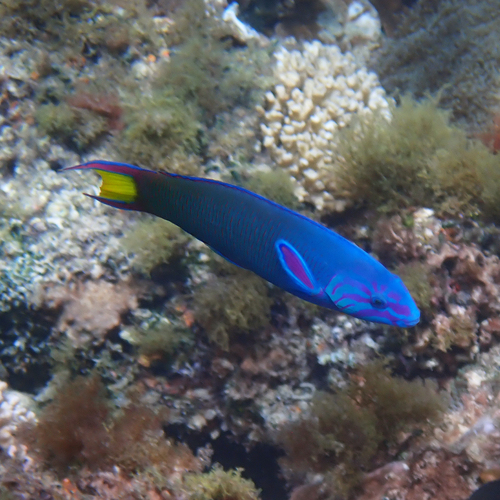 Moon WrasseThalassoma lunareReported here · unconfirmed
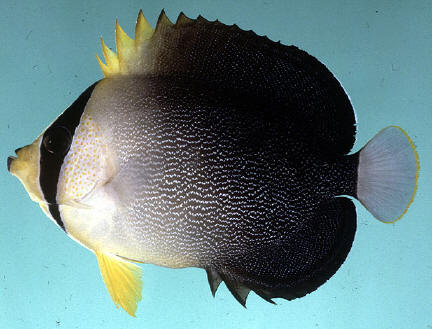 Vermiculate AngelfishChaetodontoplus mesoleucusReported here · unconfirmed
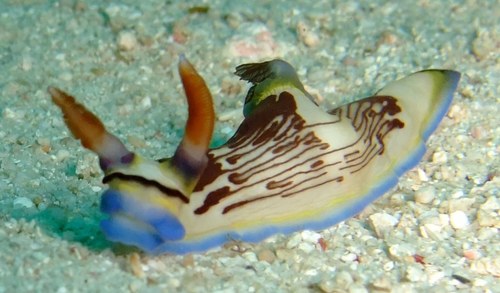 Lined NembrothaNembrotha lineolataReported here · unconfirmed
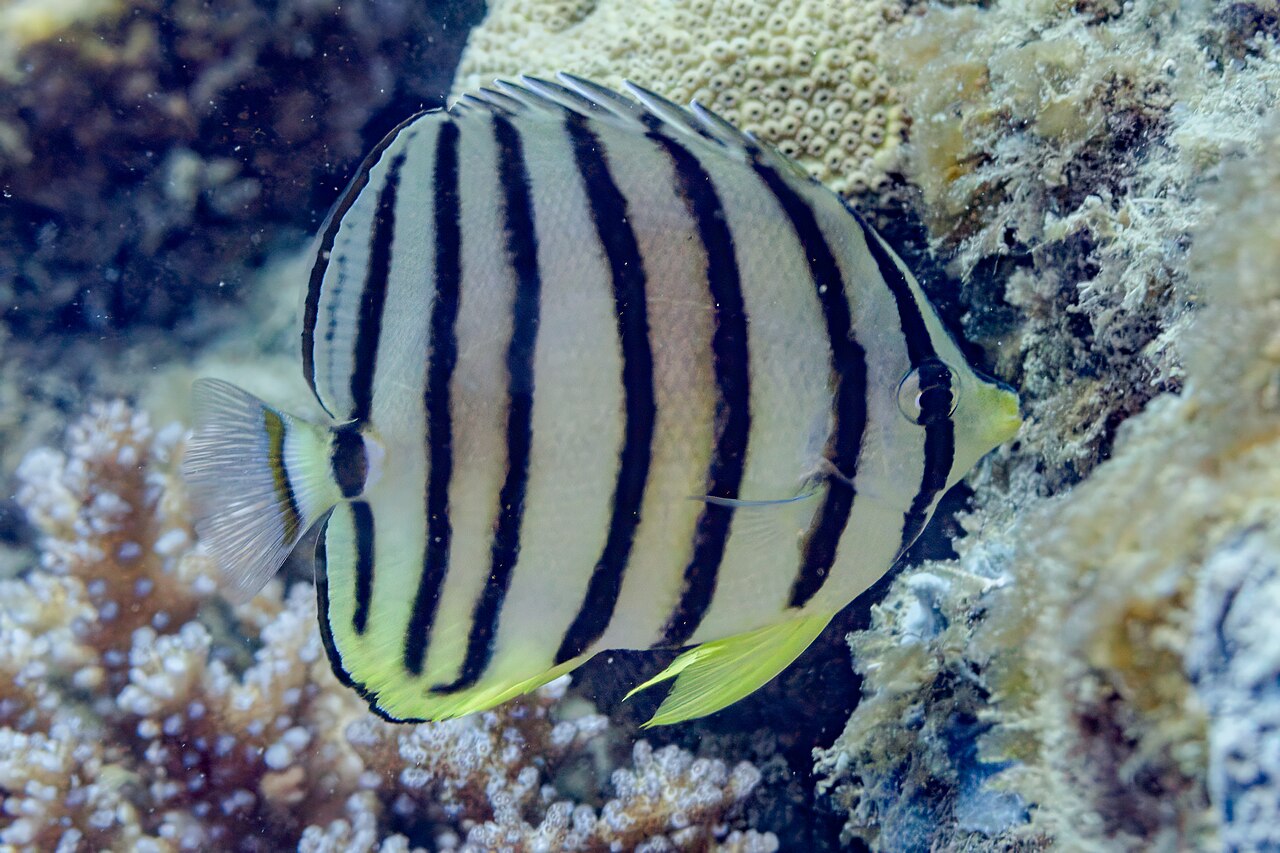 Eightband ButterflyfishChaetodon octofasciatusReported here · unconfirmed
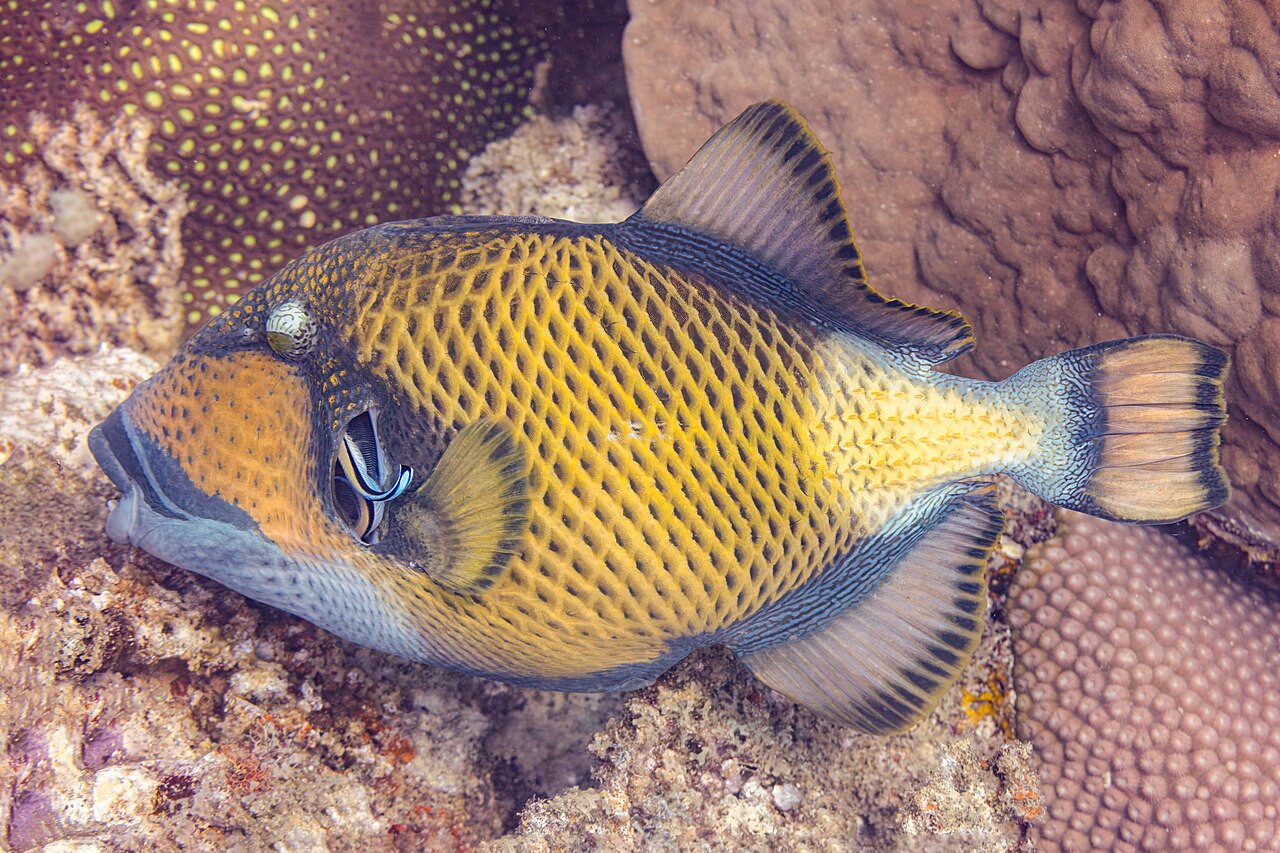 Titan TriggerfishBalistoides viridescensReported here · unconfirmed
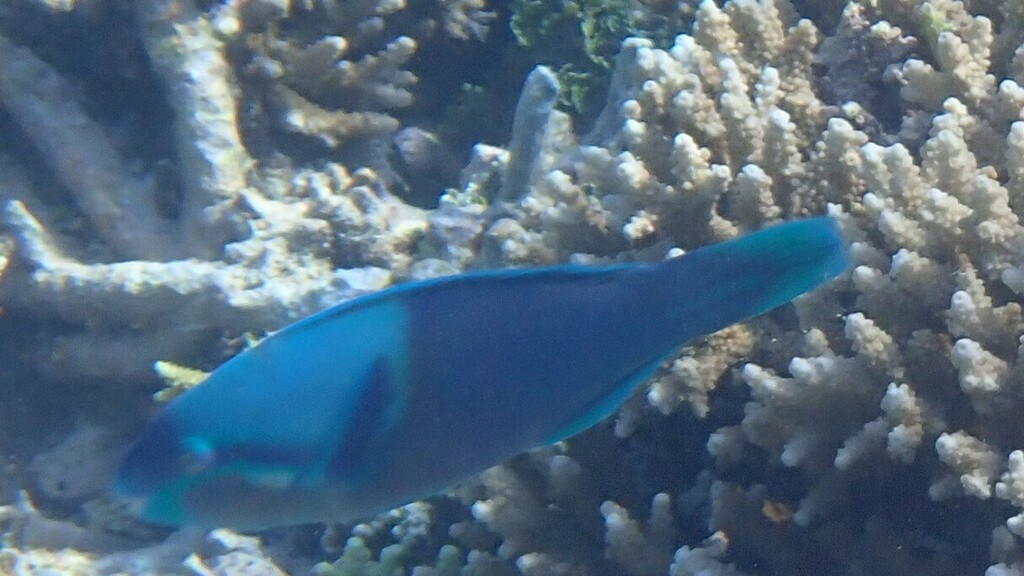 Yellow-barred ParrotfishScarus dimidiatusReported here · unconfirmed
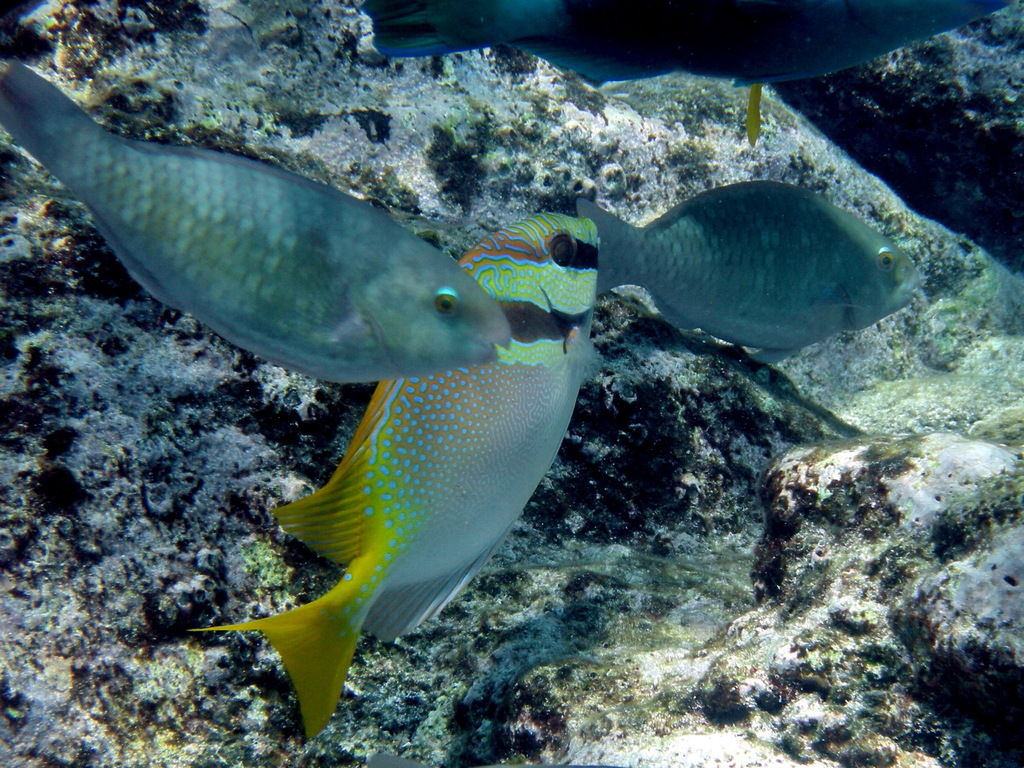 Doublebar RabbitfishSiganus virgatusReported here · unconfirmed
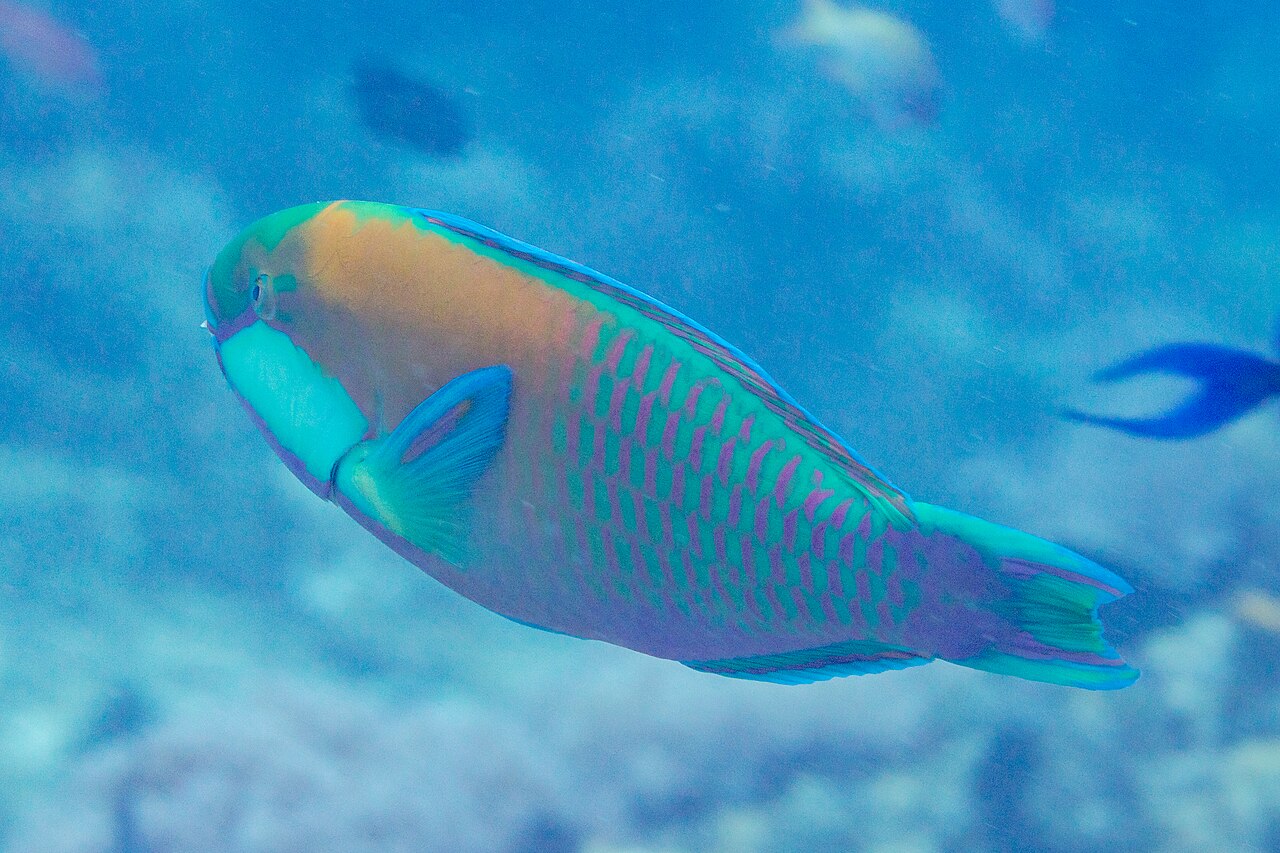 Bleeker's ParrotfishChlorurus bleekeriReported here · unconfirmed
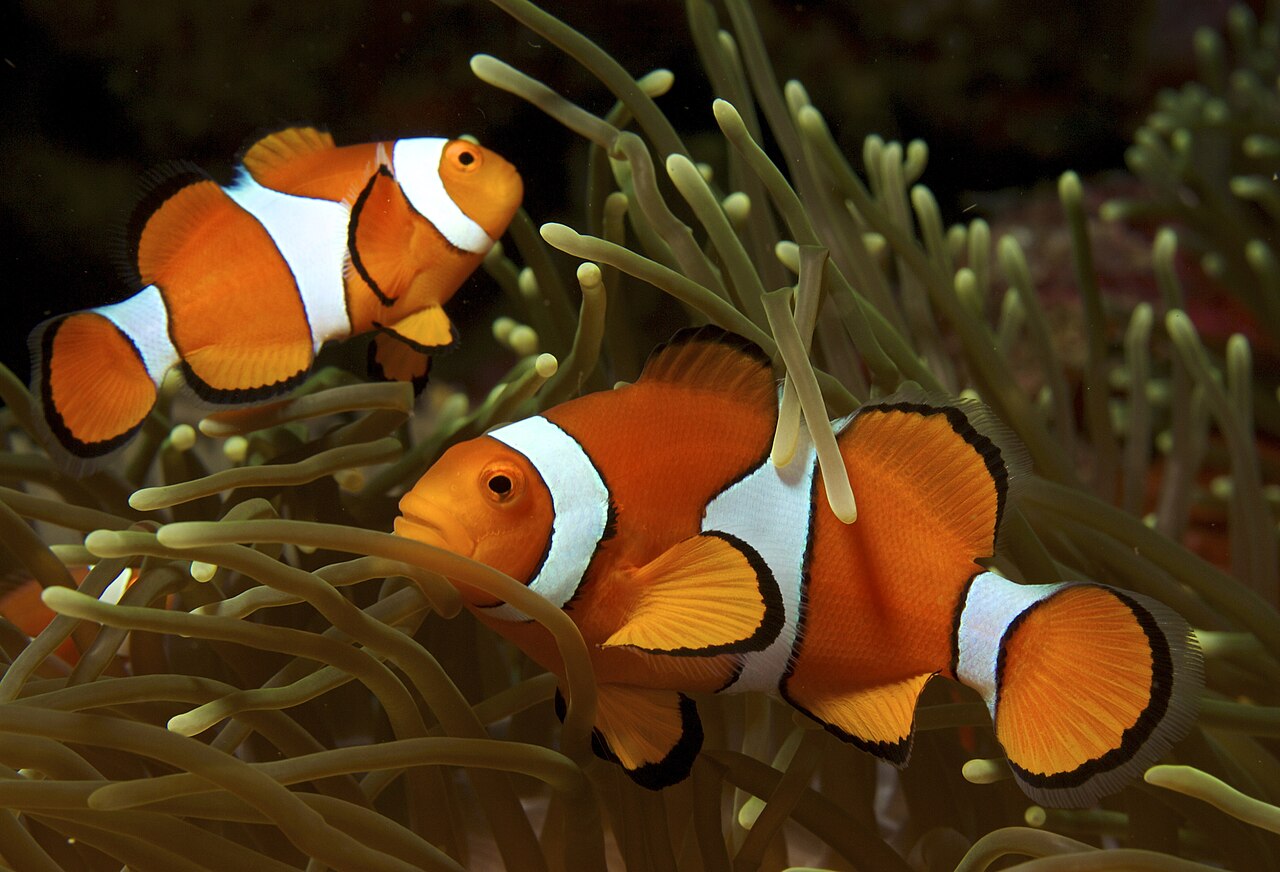 Ocellaris AnemonefishAmphiprion ocellarisReported here · unconfirmed
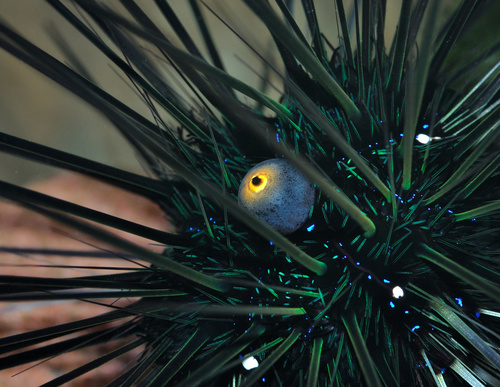 Black Longspine UrchinDiadema setosumReported here · unconfirmed
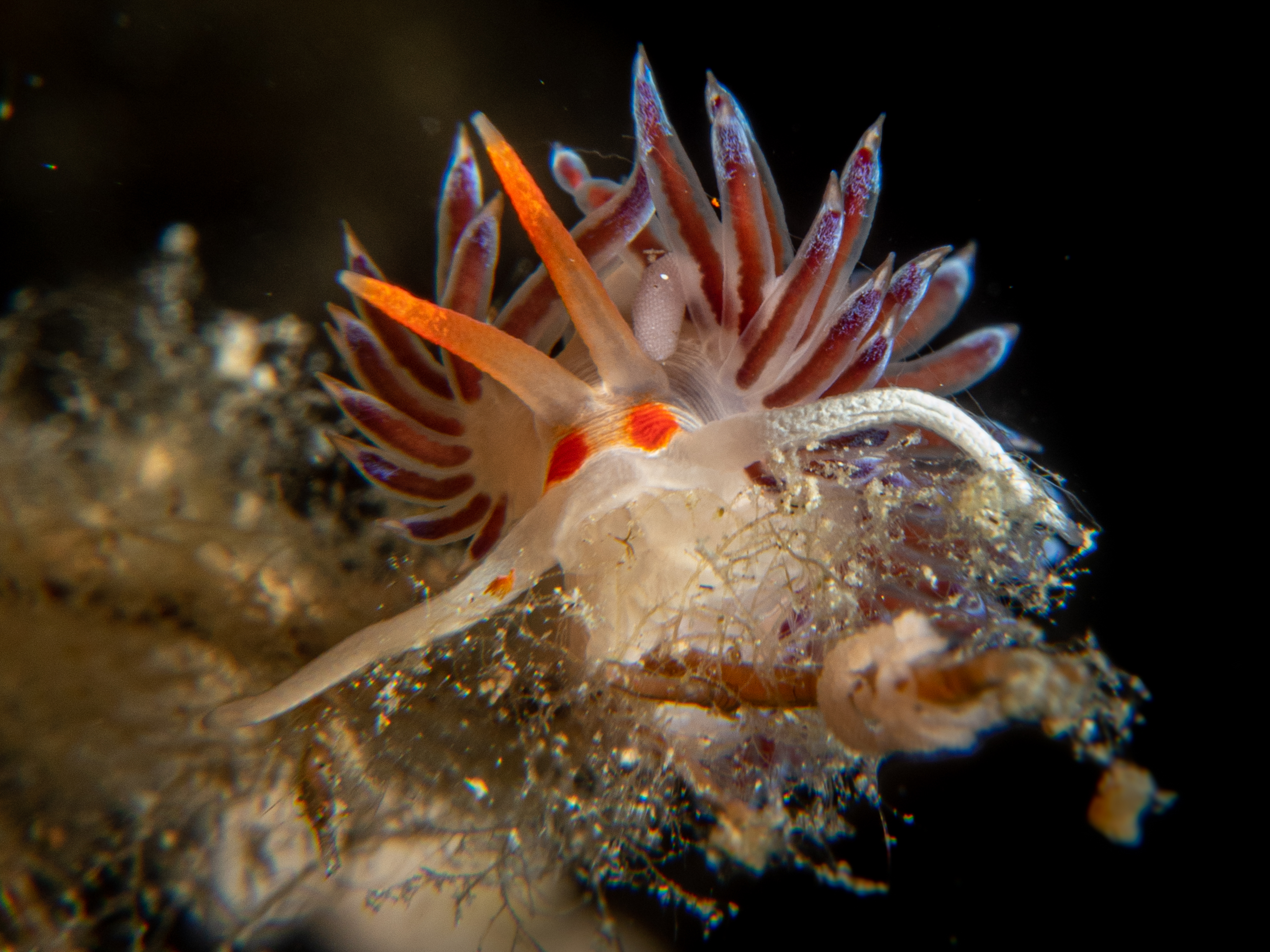 NudibranchNudibranchConfirmed present · 2 independent sources
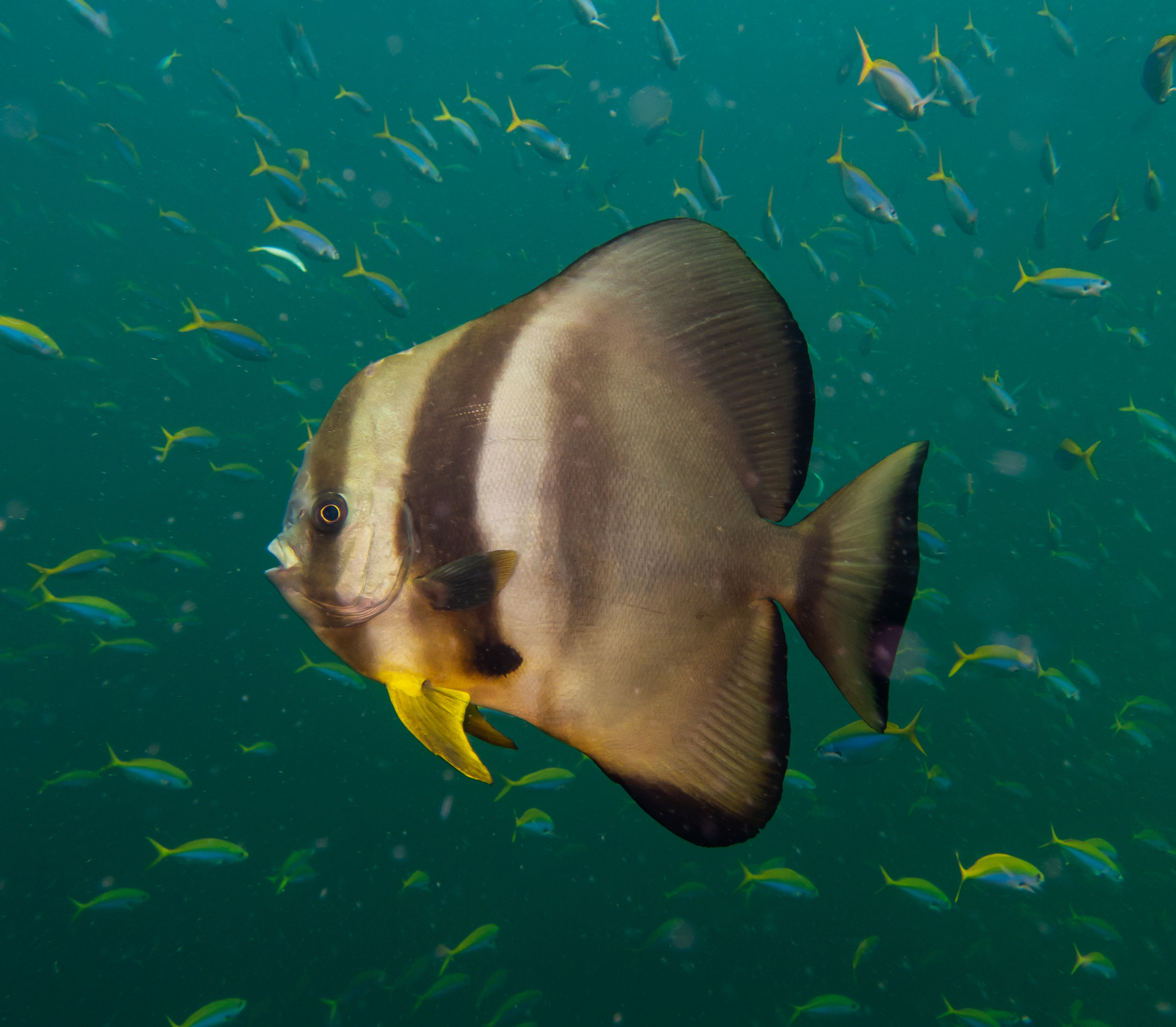 BatfishBatfishReported here · unconfirmed
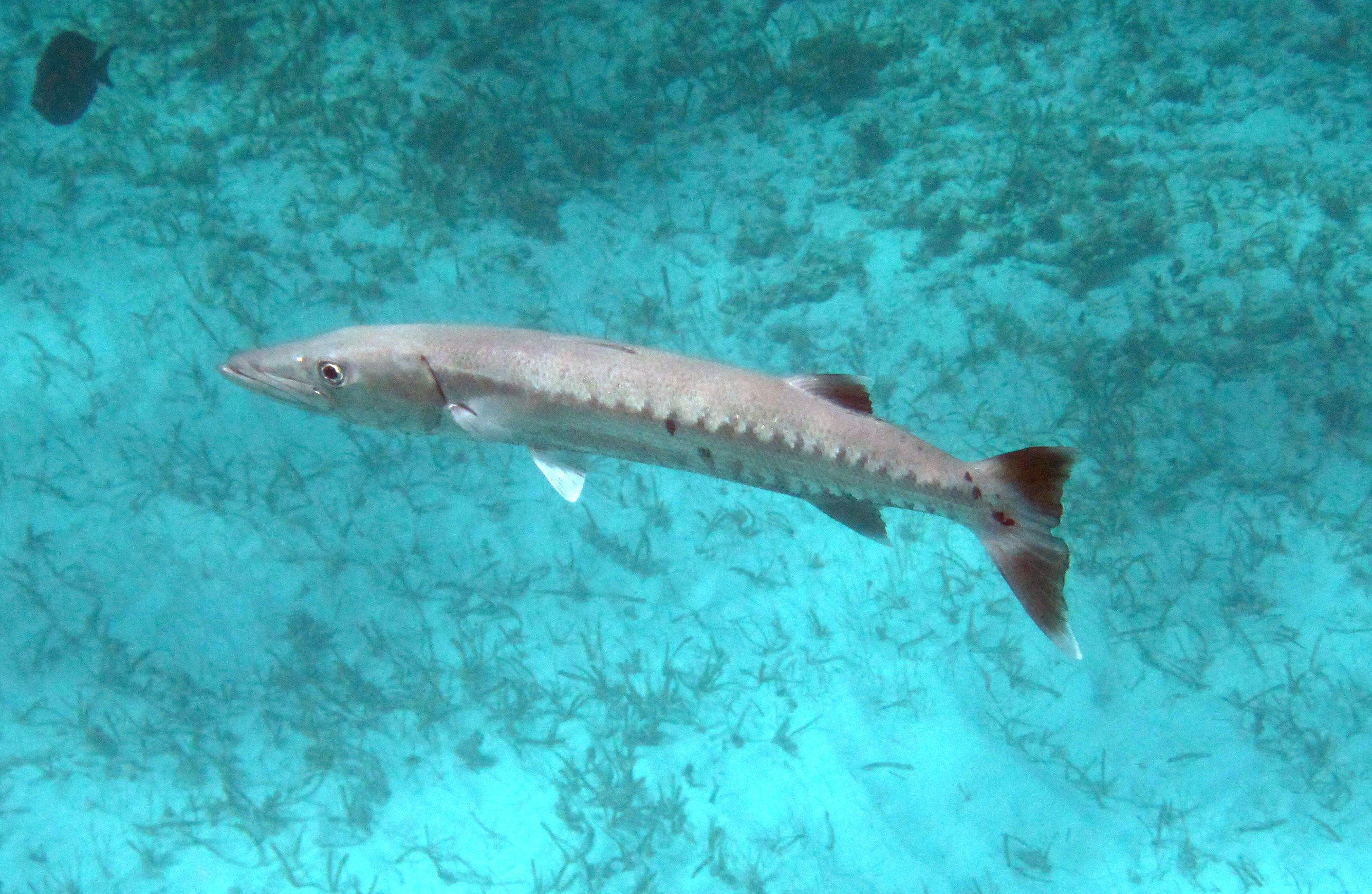 BarracudaBarracudaReported here · unconfirmed
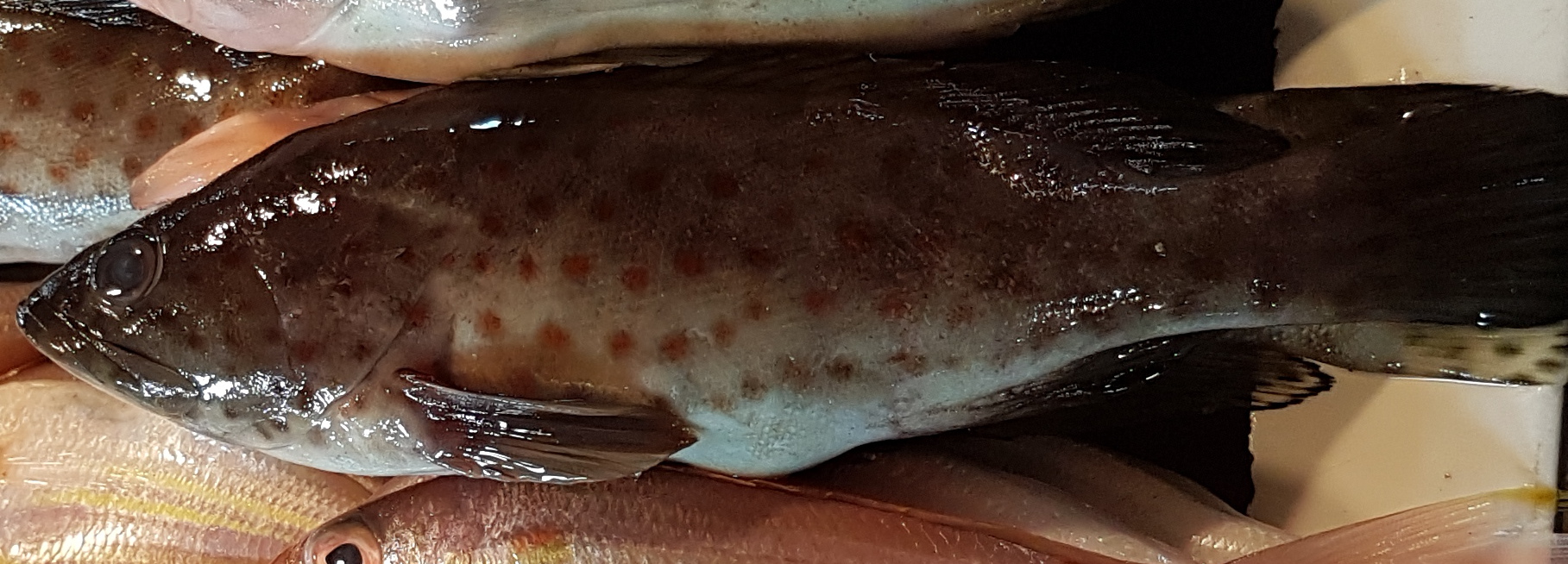 GrouperGrouperReported here · unconfirmed
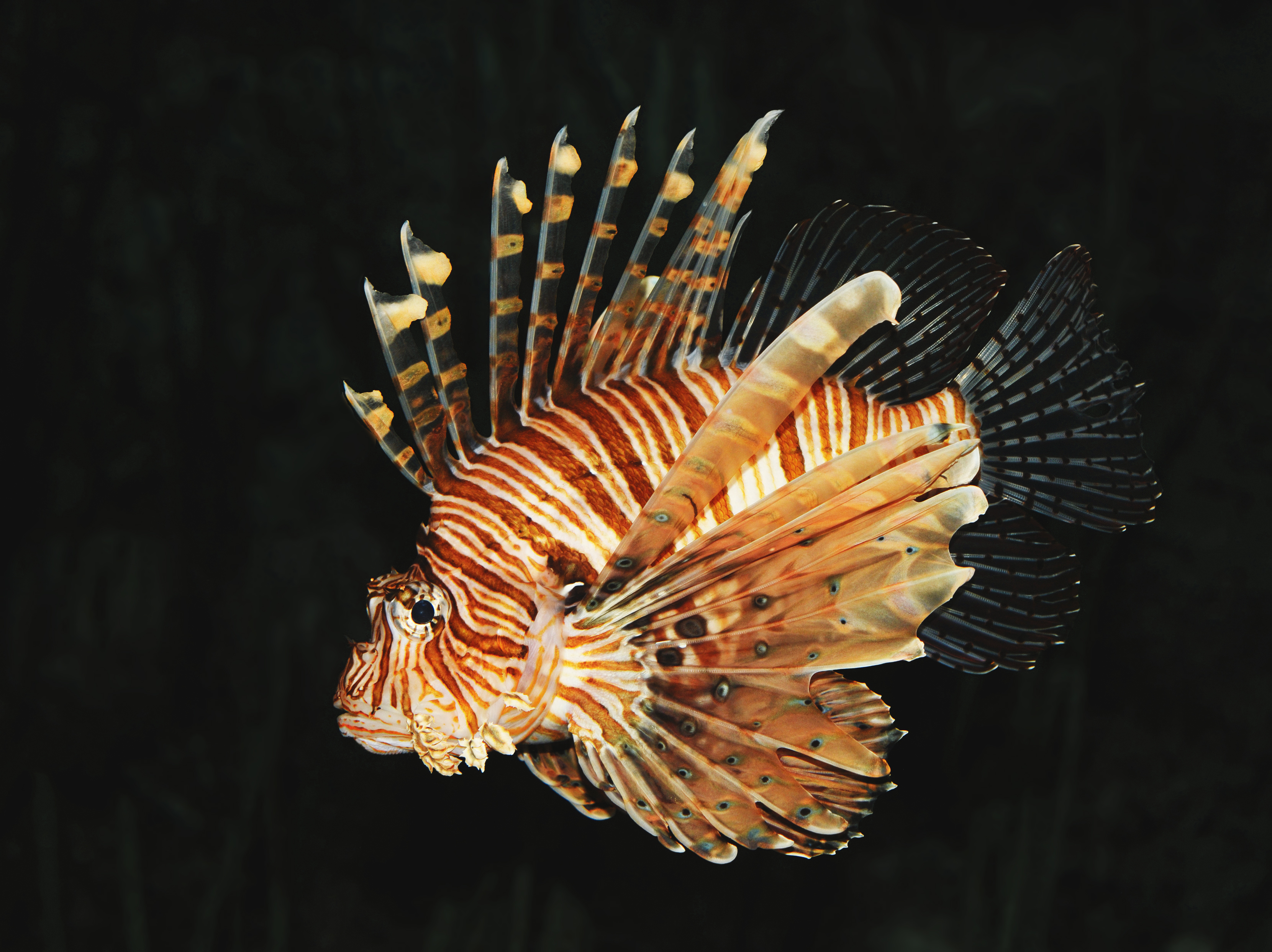 LionfishLionfishReported here · unconfirmed
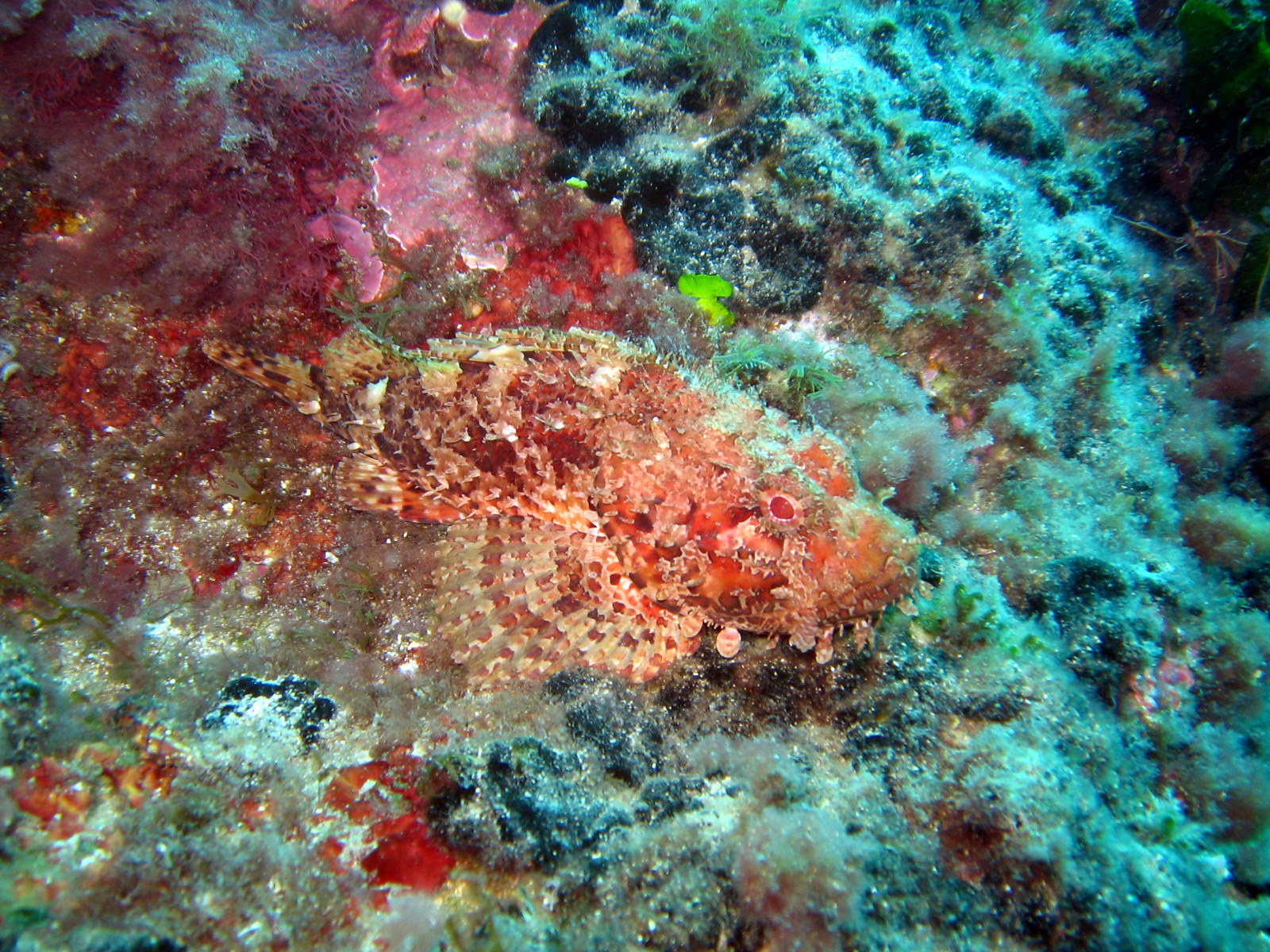 ScorpionfishScorpionfishConfirmed present · 2 independent sources
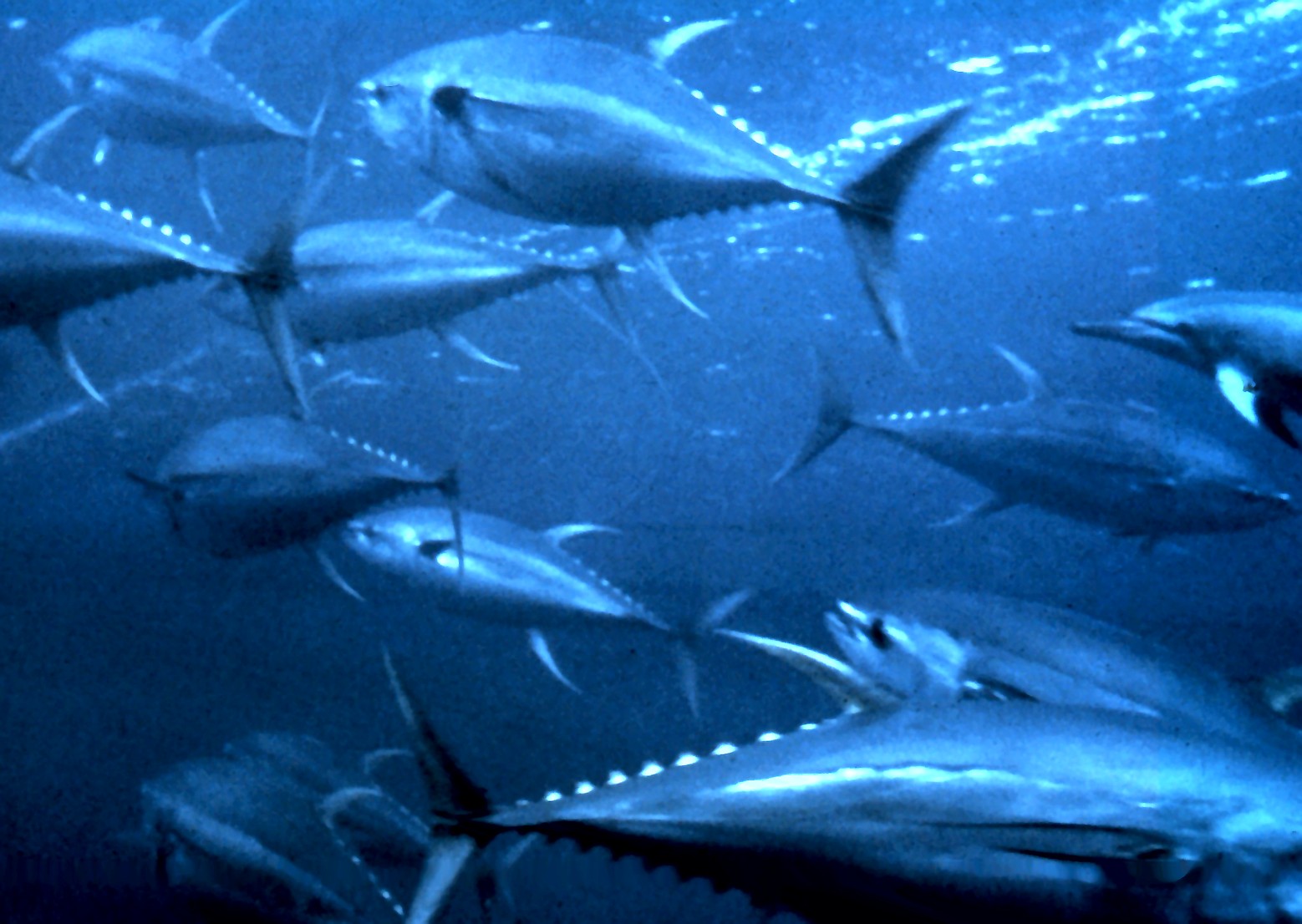 TunaTunaReported here · unconfirmed
Durable tips from divers — access, hazards, marine life, facilities. For day-of conditions, use the report tool in the conditions card above.
No notes yet. Dived here? Be the first to leave a tip.
Share a write-up or a photo. Submissions are reviewed before they appear on the page.
Nearby dive sites
Shops that dive here
No shops have listed this site yet.