Copenhagen
Conditions & tides
Scored by DiveConnect's site-physics model
Marine forecast via Copernicus Marine. Score is a rule-based guide from swell/wind vs. the site's exposure — always dive your own assessment.
Dived here today? How were conditions vs. what we showed?
About this site
The SS Copenhagen is a 19th-century British cargo steamer lying broken up along the Pompano Drop Off reef off Pompano Beach, Fort Lauderdale, Florida. Built by Priestman & Co. of Sunderland in 1898 and owned by Glasgow Ship Owners Co., she was 325 feet long with a 47-foot beam and was carrying 4,940 tons of coal from Philadelphia to Havana when she ran aground on the reef on May 26, 1900. Though her cargo was salvaged, the hull could not be recovered, and she remained partly visible above water until WWII naval pilots used her for target practice, sending her fully to the bottom. The Copenhagen was declared a Florida State Underwater Archaeological Preserve in 1994 and is one of 11 such preserves in the state.
The wreck now rests in 15 to 30 feet (roughly 5 to 9 metres) of water, broken into hundreds of pieces scattered across a rocky limestone ledge of large blocks divided by cracks and crevices. After grounding, the ship listed to port; the starboard hull collapsed onto the rocks while the port side slumped onto the deeper sand bottom. The lower hull remains articulated, particularly at the stern. Coal from the cargo still litters the bottom near the wreck, camouflaged by growth. Hard and soft corals, multicolored sponges, and seafans now colonise the steel hull plates, and much of the structure has effectively become part of the reef. Points of interest include the ship's large anchor, a State Underwater Archaeological Preserve plaque, and the pillow block that supported the propeller shaft.
The wreck supports a rich variety of marine life: large schools of bait fish are regularly seen being chased through the site, while juvenile reef fish and tropicals dart in and out of the twisted structure, which acts as a sheltered nursery. Moray eels occupy cracks in the reef and wreck, parrot fish are drawn to the propeller shaft pillow block, and sergeant majors defend territory inside the old boiler beds. Stingrays, lobsters, eels, turtles, and sharks are also associated with the site.
Read the full guideShow less
Access is by boat, with the site on the mooring buoy system; drift diving is also an option. The depth range and broken, shallow nature of the wreck make it suitable for open water divers and snorkellers, as it aligns with the shallow 15-foot reef off Pompano Beach.
Marine life here
Confirmed by our research team, reported by independent divers, or observed nearby via iNaturalist — each entry is labelled with its source.
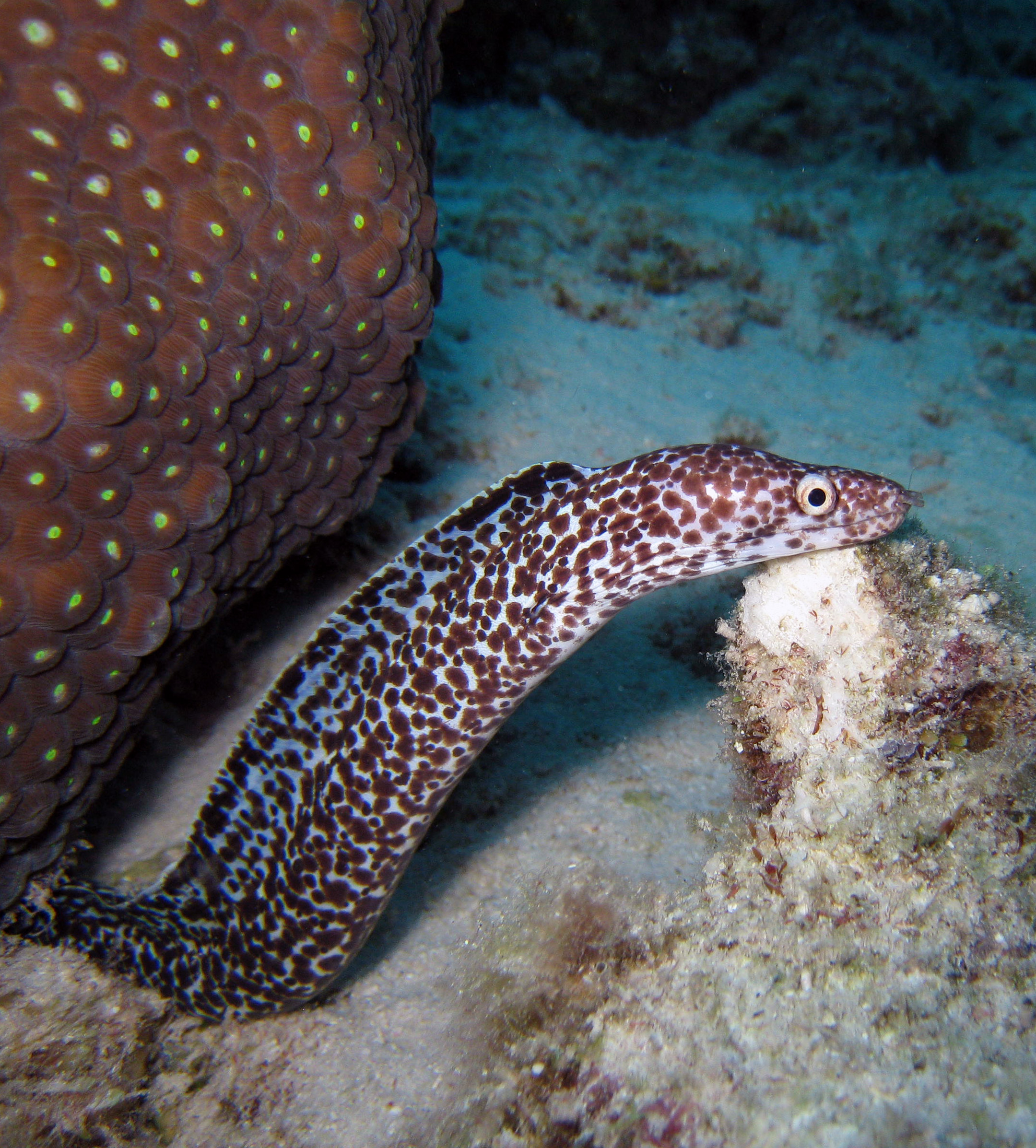 Moray eelMoray eelReported here · unconfirmed
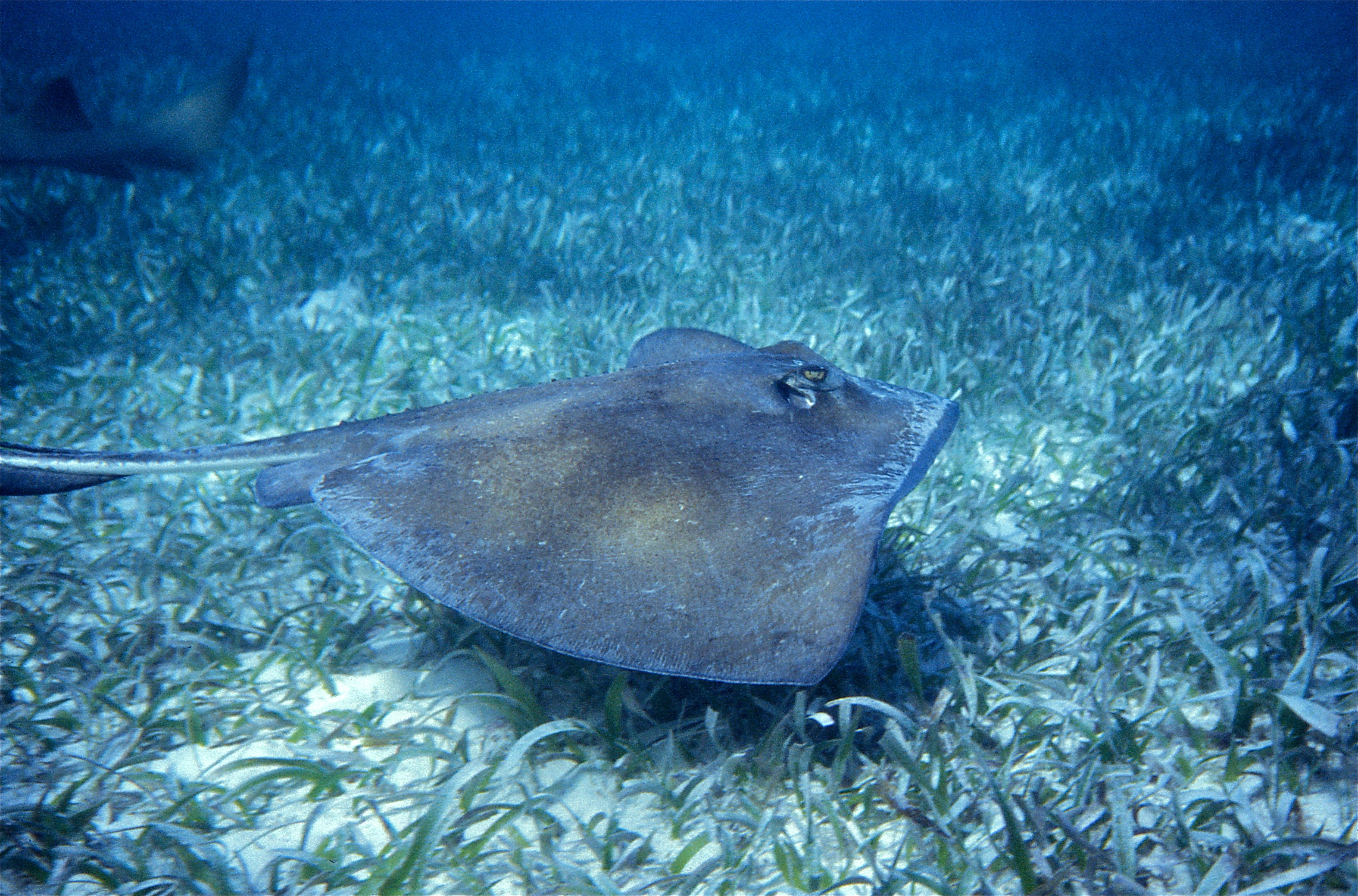 StingrayStingrayReported here · unconfirmed
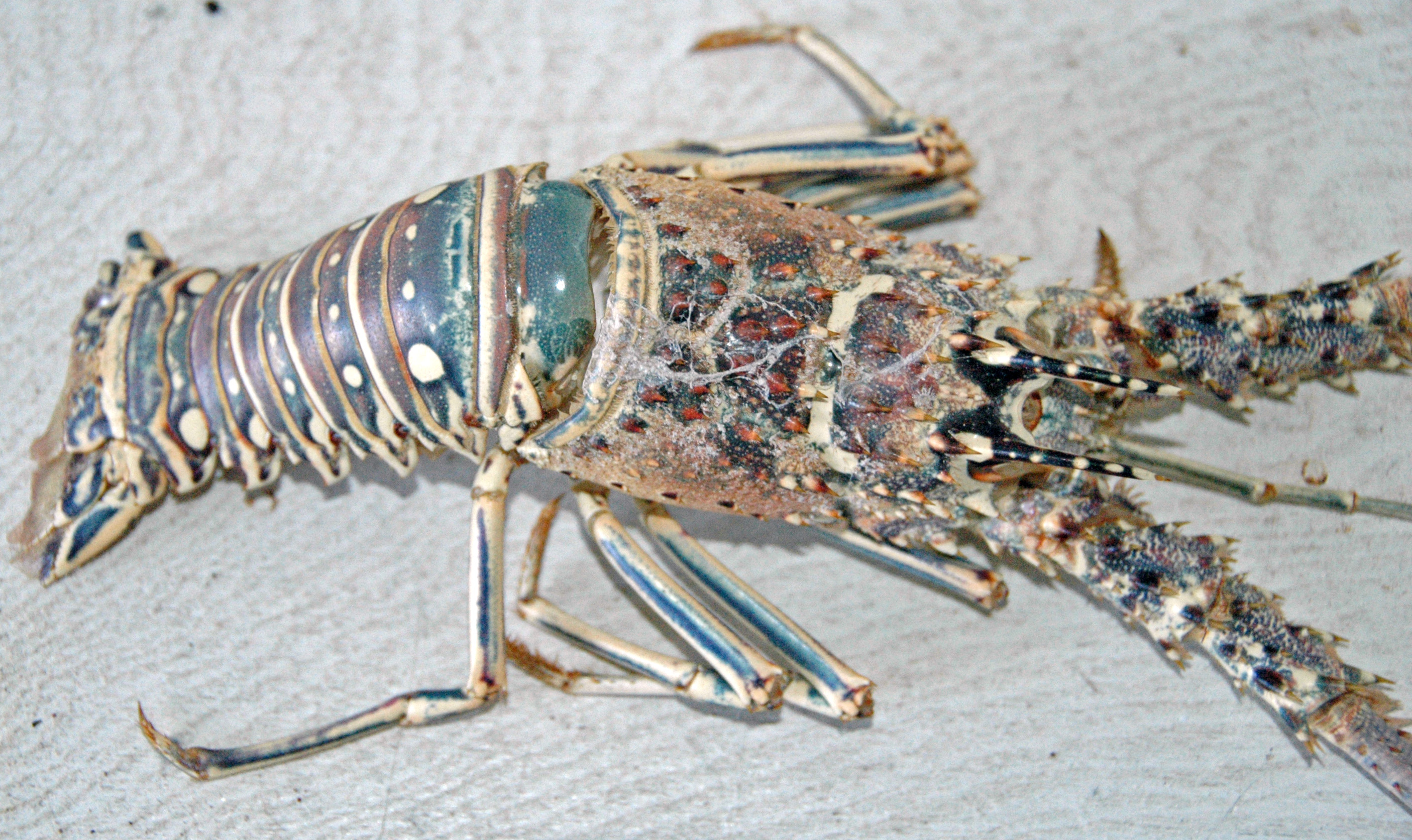 LobsterLobsterReported here · unconfirmed
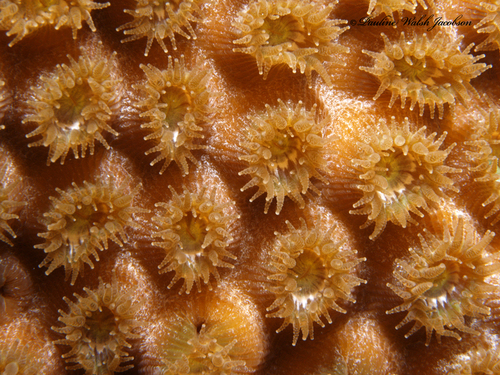 Greater Star CoralMontastraea cavernosaReported here · unconfirmed
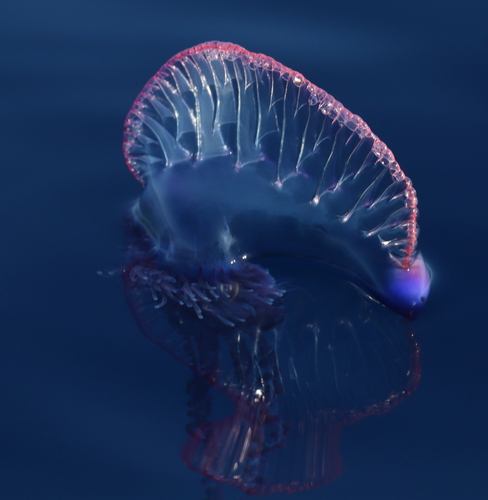 Portuguese Man o' WarPhysalia physalisReported here · unconfirmed
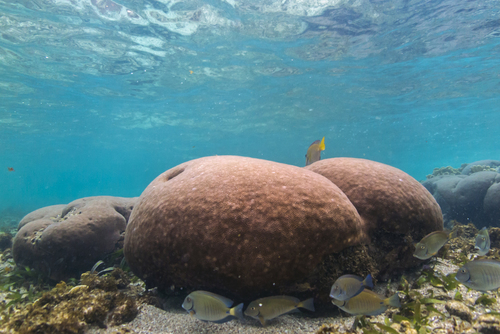 Massive Starlet CoralSiderastrea sidereaReported here · unconfirmed
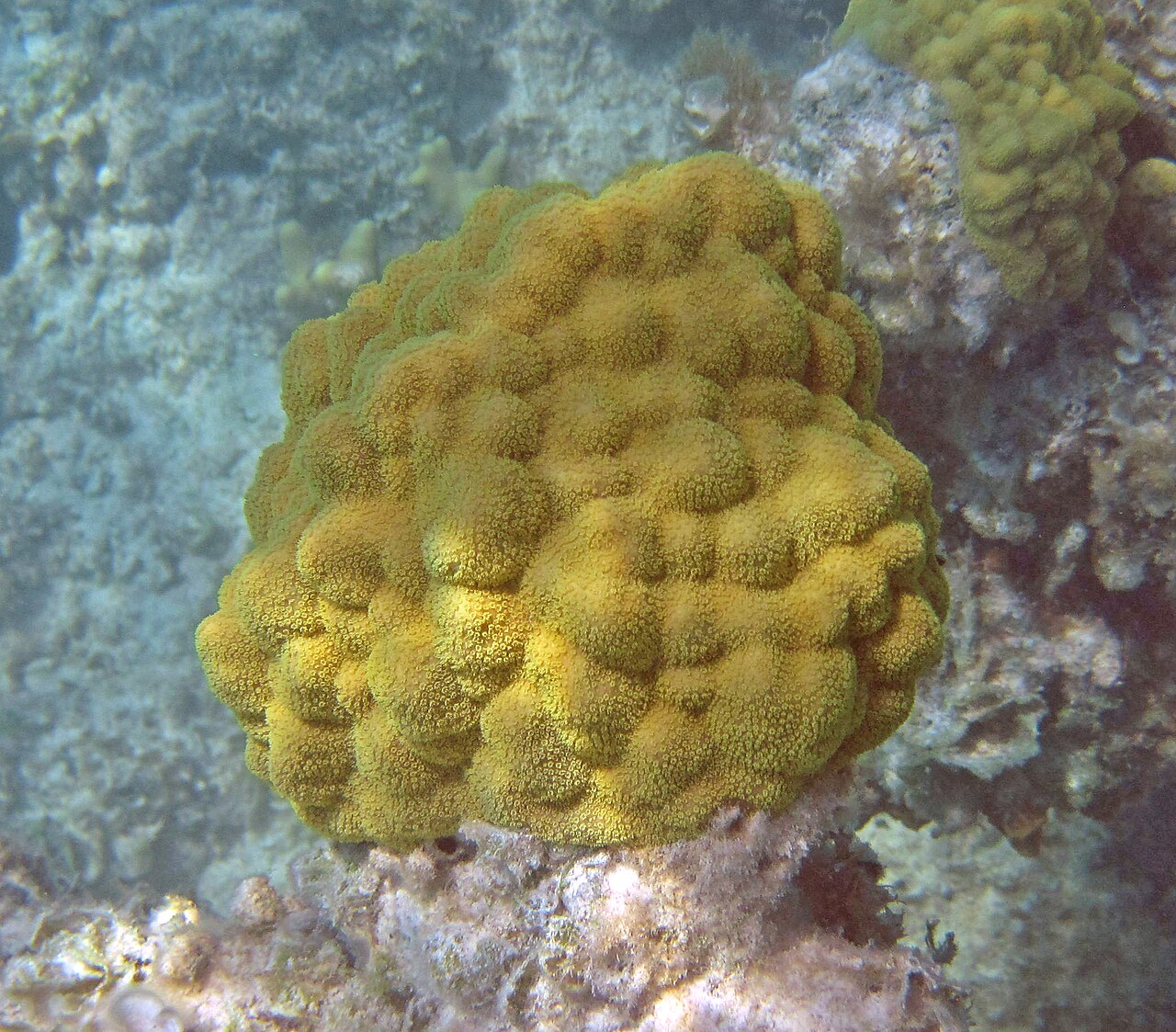 Mustard Hill CoralPorites astreoidesReported here · unconfirmed
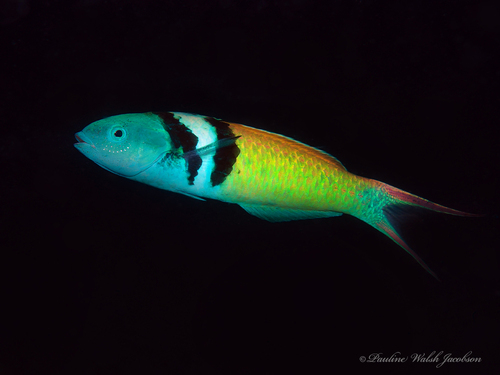 Caribbean Bluehead WrasseThalassoma bifasciatumReported here · unconfirmed
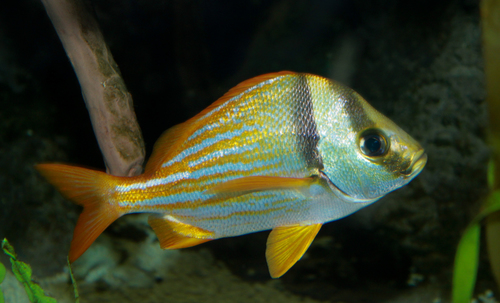 PorkfishAnisotremus virginicusReported here · unconfirmed
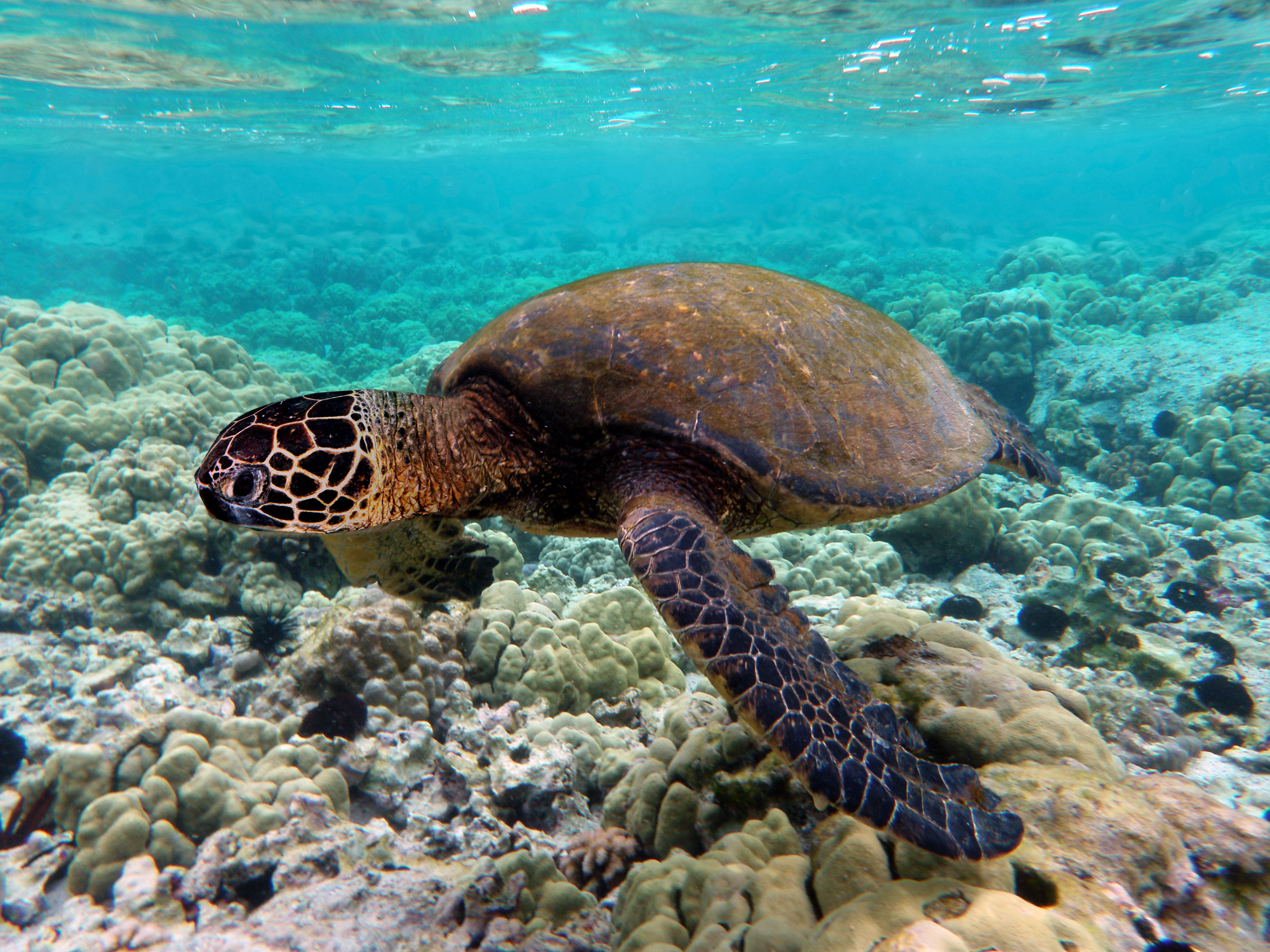 Sea turtleSea turtleReported here · unconfirmed
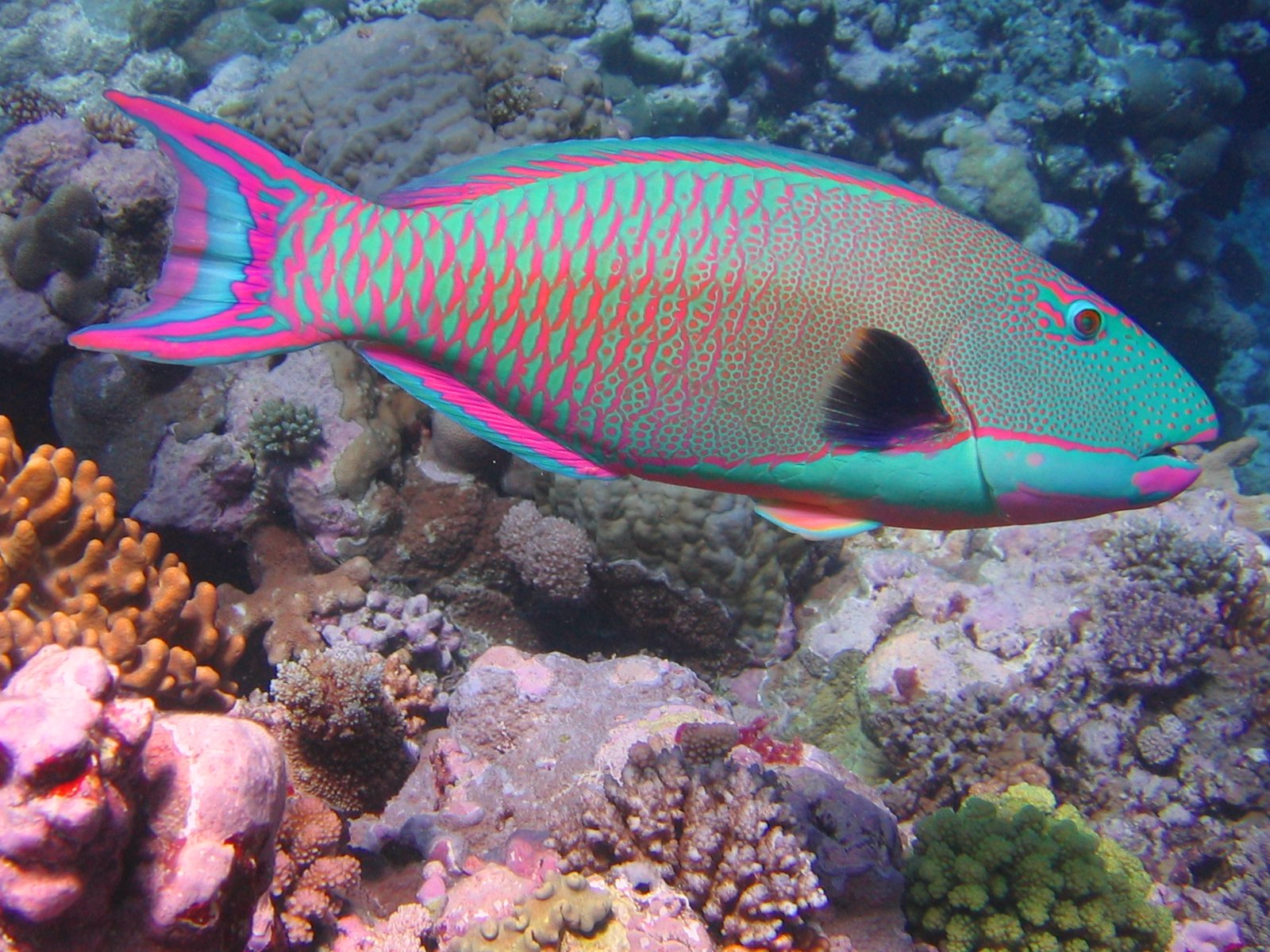 ParrotfishParrotfishReported here · unconfirmed
Durable tips from divers — access, hazards, marine life, facilities. For day-of conditions, use the report tool in the conditions card above.
No notes yet. Dived here? Be the first to leave a tip.
Share a write-up or a photo. Submissions are reviewed before they appear on the page.
Nearby dive sites
Shops that dive here
No shops have listed this site yet.