Dolphin Beach
Conditions & tides
Scored by DiveConnect's site-physics model
Marine forecast via Copernicus Marine. Score is a rule-based guide from swell/wind vs. the site's exposure — always dive your own assessment.
Dived here today? How were conditions vs. what we showed?
About this site
Dolphin Beach is a deep wall shore dive in Nanoose Bay, British Columbia, regarded as a favourite among experienced local divers and often paired with the nearby Tyee Cove site as part of a single traverse.
The main wall begins at recreational depths and drops toward 30 m (100 ft), with a maximum depth of 15 m recorded at the shallowest reference point. Navigation centres on a distinctive flat strip of bottom known as the "highway," which runs from the entry point and branches either straight north to the main wall or right toward Tyee Cove. The wall itself is steep, lined with multi-layered rock contours featuring cracks, shelves, and overhangs, and covered in feather stars, large boot sponges, and plumose anemones. Where the wall ends it transitions into sand, giving a clear turnaround cue for divers returning to the entry.
Marine life along the wall and highway includes Giant Pacific octopus, wolf eels, Puget Sound king crabs, quillback rockfish, yelloweye rockfish, vermilion rockfish, copper rockfish, lingcod, ruby octopus, stubby squid, grunt sculpins, and seasonal schools of perch and baitfish. Pacific spiny lumpsuckers are a seasonal highlight, best sought December through February.
Read the full guideShow less
Entry is from shore over a rocky shoreline with a narrow path between large boulders; the site must be entered at high tide, ideally above three metres, to make the boulder crossing manageable. Once in the water, reaching the main wall involves a swim of roughly 8–10 minutes heading north. Divers planning the full traverse to Tyee Cove should allow 10–20 minutes of shallower swimming, exiting at the Tyee Cove picnic tables with a five-minute walk back to the vehicle. The bay is protected, with no current at this site.
Dolphin Beach is considered an advanced-level shore dive. Recommended preparation includes Advanced Open Water certification or equivalent, recent cold-water experience, comfort with longer swims, gas management in deeper water, and shore diving navigation skills. Nitrox (28–32%) is recommended to extend bottom time, particularly for the full Dolphin-to-Tyee traverse, and steel 100-cubic-foot cylinders or larger are commonly used. Hazards include the rocky entry, the long swim, depth, tide timing, and unaware drivers in the parking area.
Marine life here
Confirmed by our research team, reported by independent divers, or observed nearby via iNaturalist — each entry is labelled with its source.
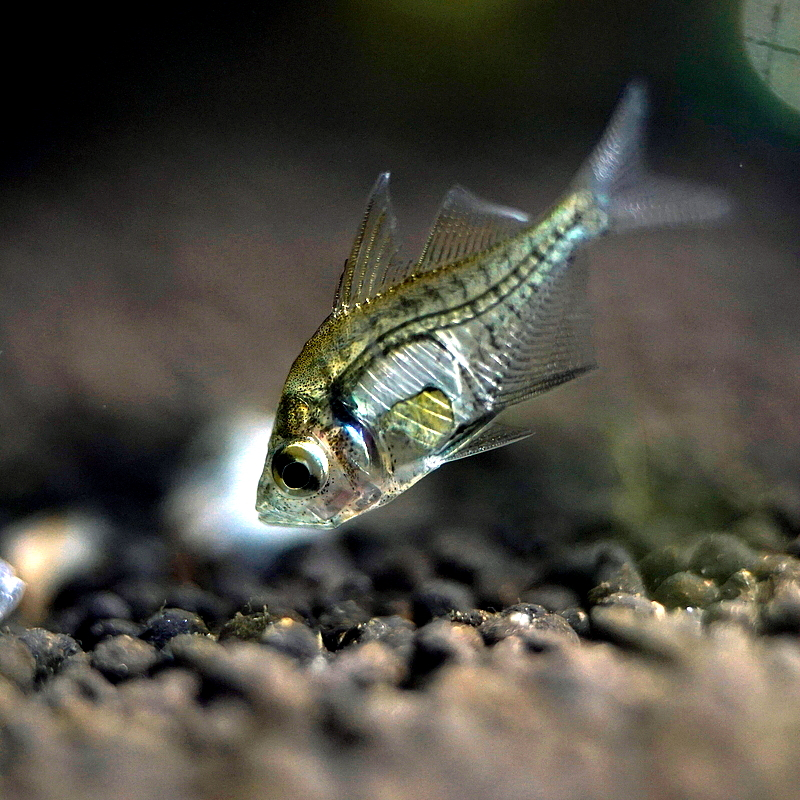 GlassfishGlassfishReported here · unconfirmed
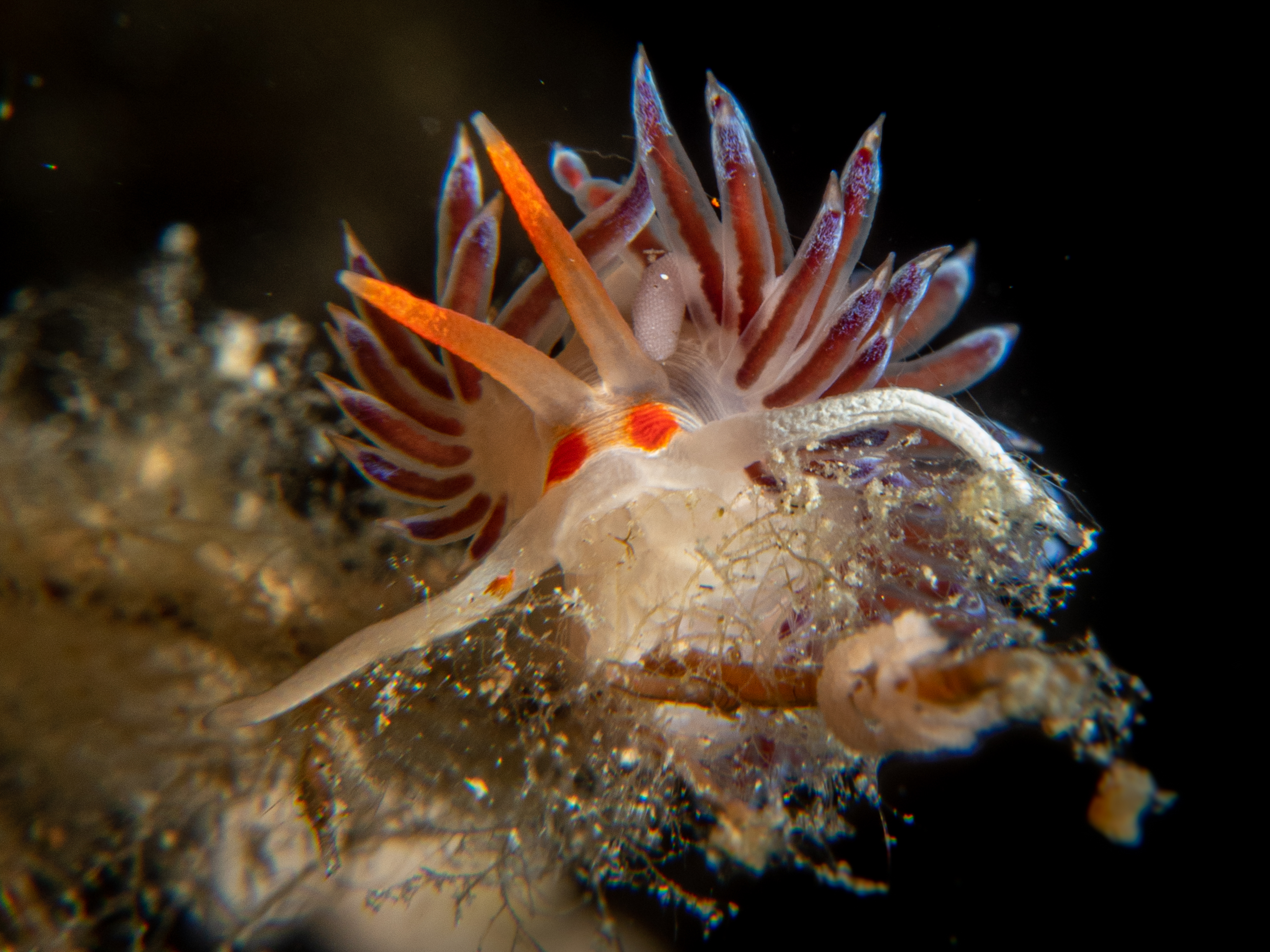 NudibranchNudibranchConfirmed present · 2 independent sources
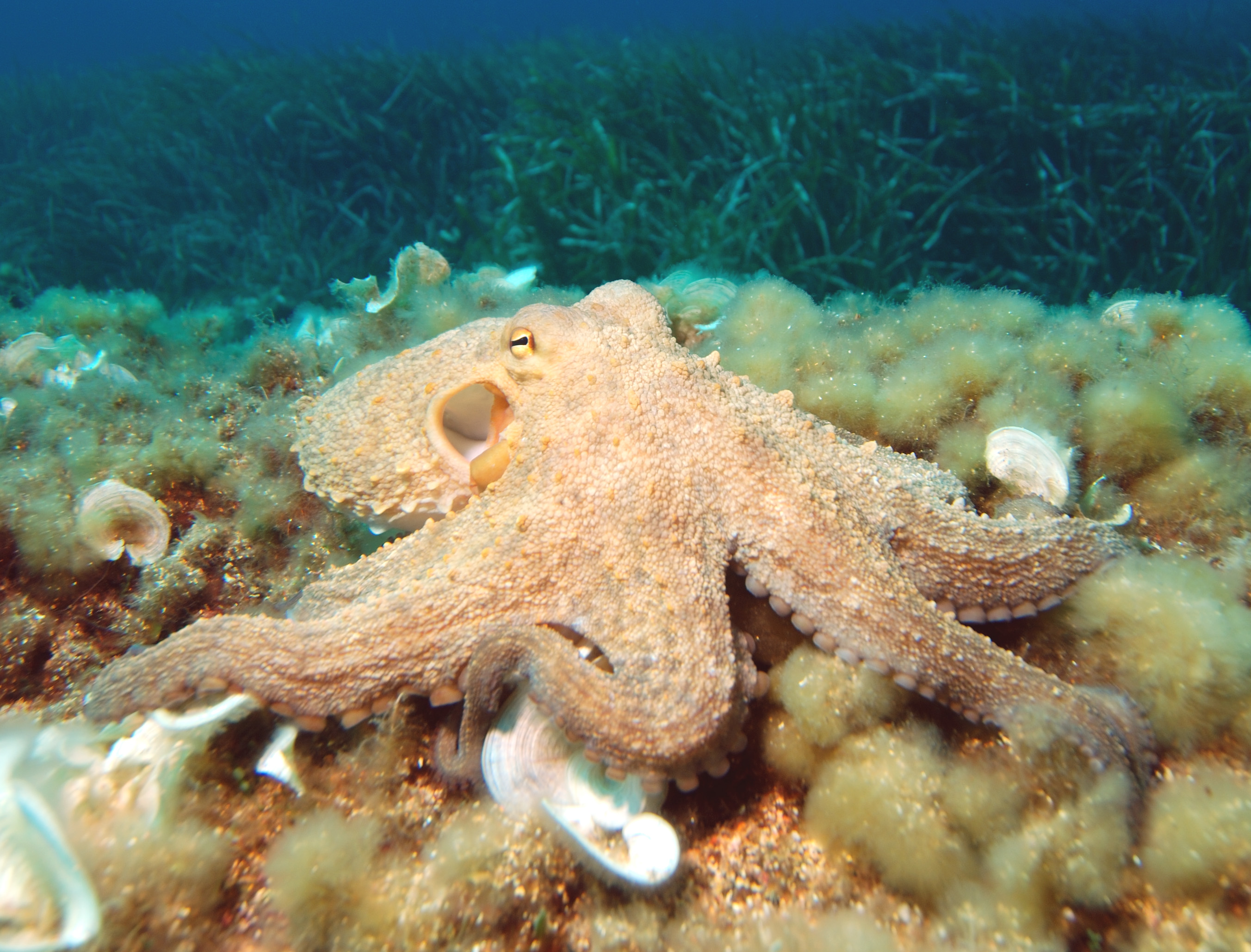 OctopusOctopusConfirmed present · 2 independent sources
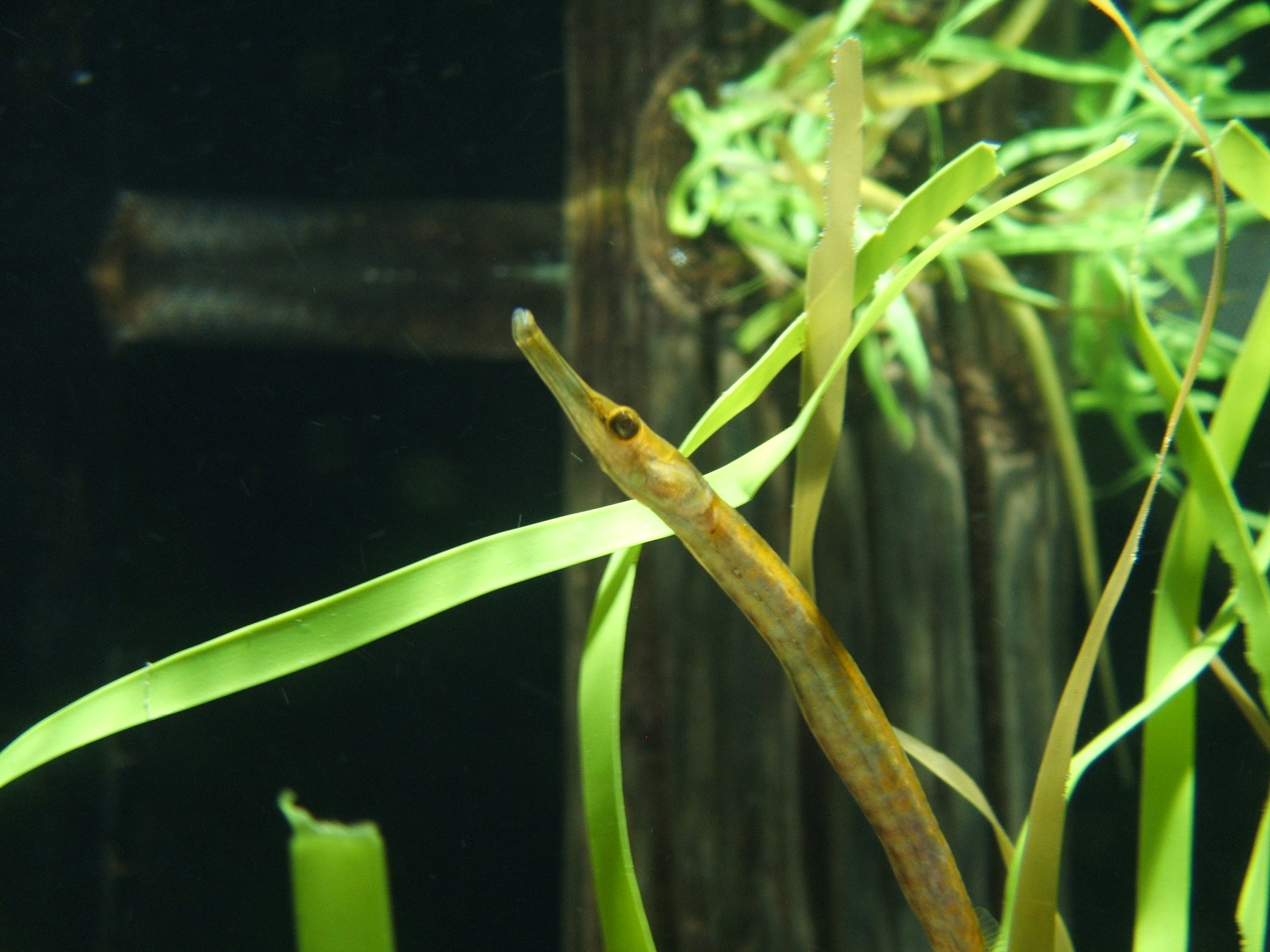 PipefishPipefishReported here · unconfirmed
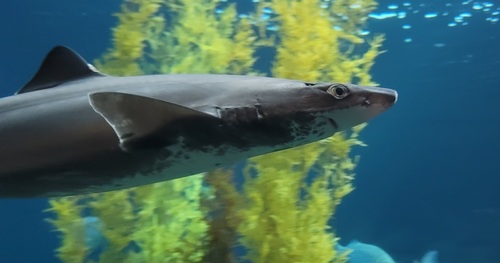 North Pacific Spiny DogfishSqualus suckleyiReported here · unconfirmed
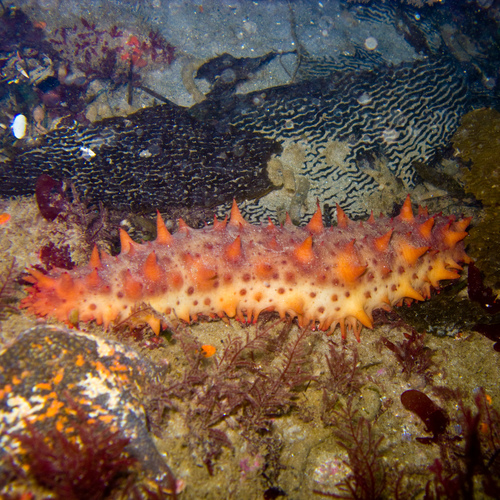 giant California sea cucumberApostichopus californicusReported here · unconfirmed
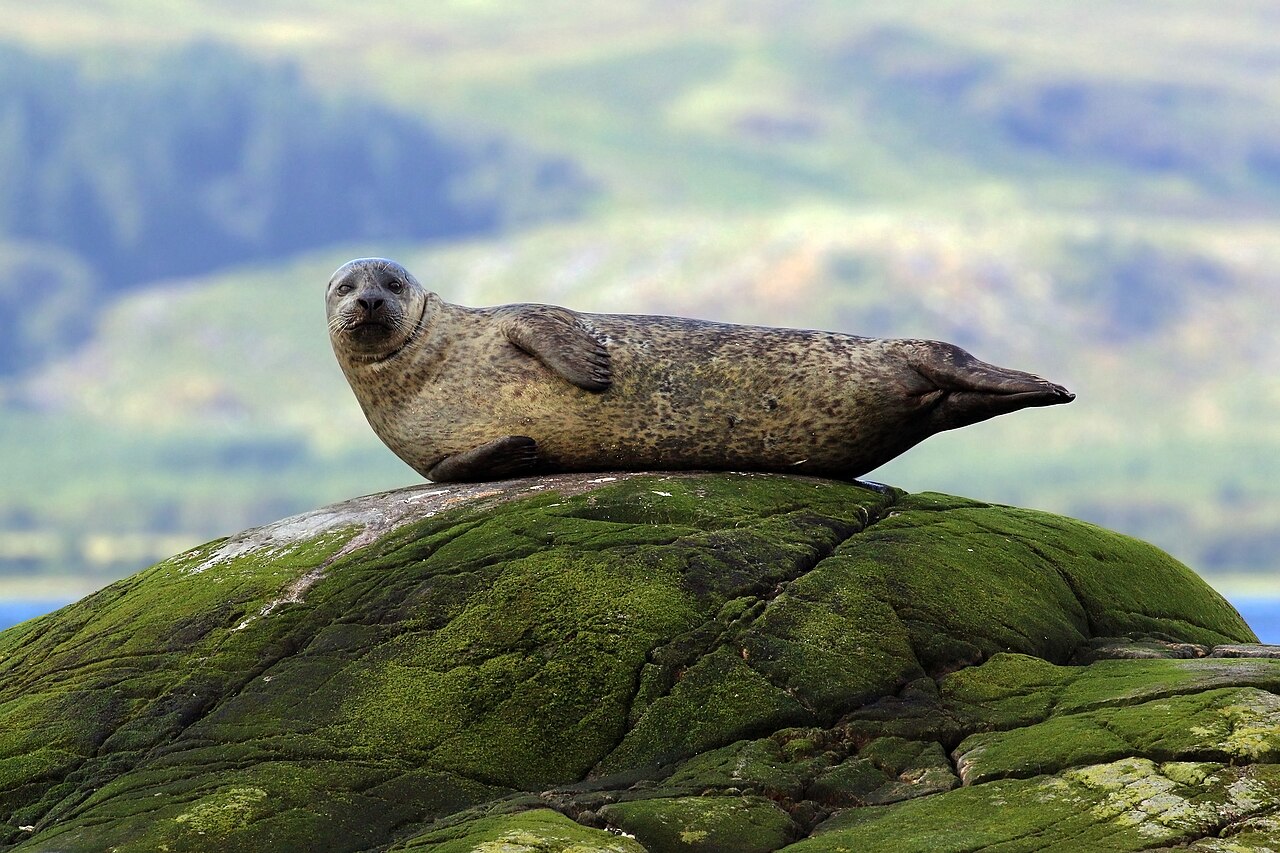 Harbor SealPhoca vitulinaReported here · unconfirmed
Durable tips from divers — access, hazards, marine life, facilities. For day-of conditions, use the report tool in the conditions card above.
No notes yet. Dived here? Be the first to leave a tip.
Share a write-up or a photo. Submissions are reviewed before they appear on the page.
Nearby dive sites
Shops that dive here
No shops have listed this site yet.