Makassar Reef
Conditions & tides
Scored by DiveConnect's site-physics model
Marine forecast via Copernicus Marine. Score is a rule-based guide from swell/wind vs. the site's exposure — always dive your own assessment.
Dived here today? How were conditions vs. what we showed?
About this site
Makassar Reef, also known as Manta Point, is a shallow sandy plateau dotted with coral bommies in Central Komodo, rated as one of the top dive sites in the region and accessible as a day trip from Labuan Bajo. The site functions primarily as a manta ray cleaning station and feeding ground, where bluestreak cleaner wrasse groom visiting reef mantas (Mobula alfredi) at specific bommies, with the peak manta action occurring between 8 and 12 metres depth over a maximum bottom depth of around 18 metres.
Reef mantas are present year-round, but numbers vary strongly by season: December to April is the peak, when plankton blooms driven by the wet season concentrate food and 10 to 30 mantas per dive are common, occasionally exceeding 50; May to July typically yields 3 to 10 per dive; August to September sees 2 to 6, with mantas more spread out; and October to November numbers build again to 4 to 10 per dive. Manta behaviours documented at the site include cleaning station hovers lasting 2 to 5 minutes, chain feeding formations of 5 to 10 individuals filtering plankton, cyclone feeding, and courtship trains during breeding season.
Entry is by boat using a drift entry — the boat drops divers upstream and picks them up downstream — with dive times typically running 50 to 60 minutes. Current is moderate to occasionally strong, and the site is also snorkel-compatible, with mantas visible from the surface.
Read the full guideShow less
Visibility ranges from 10 to 25 metres, running lower during plankton bloom periods in the wet season and cleaner during the dry peak of August to September. Water temperature holds at 26 to 29°C year-round. The site is rated suitable for Open Water certified divers with careful supervision, making it one of the more accessible sites in Komodo for less experienced divers.
Marine life here
Confirmed by our research team, reported by independent divers, or observed nearby via iNaturalist — each entry is labelled with its source.
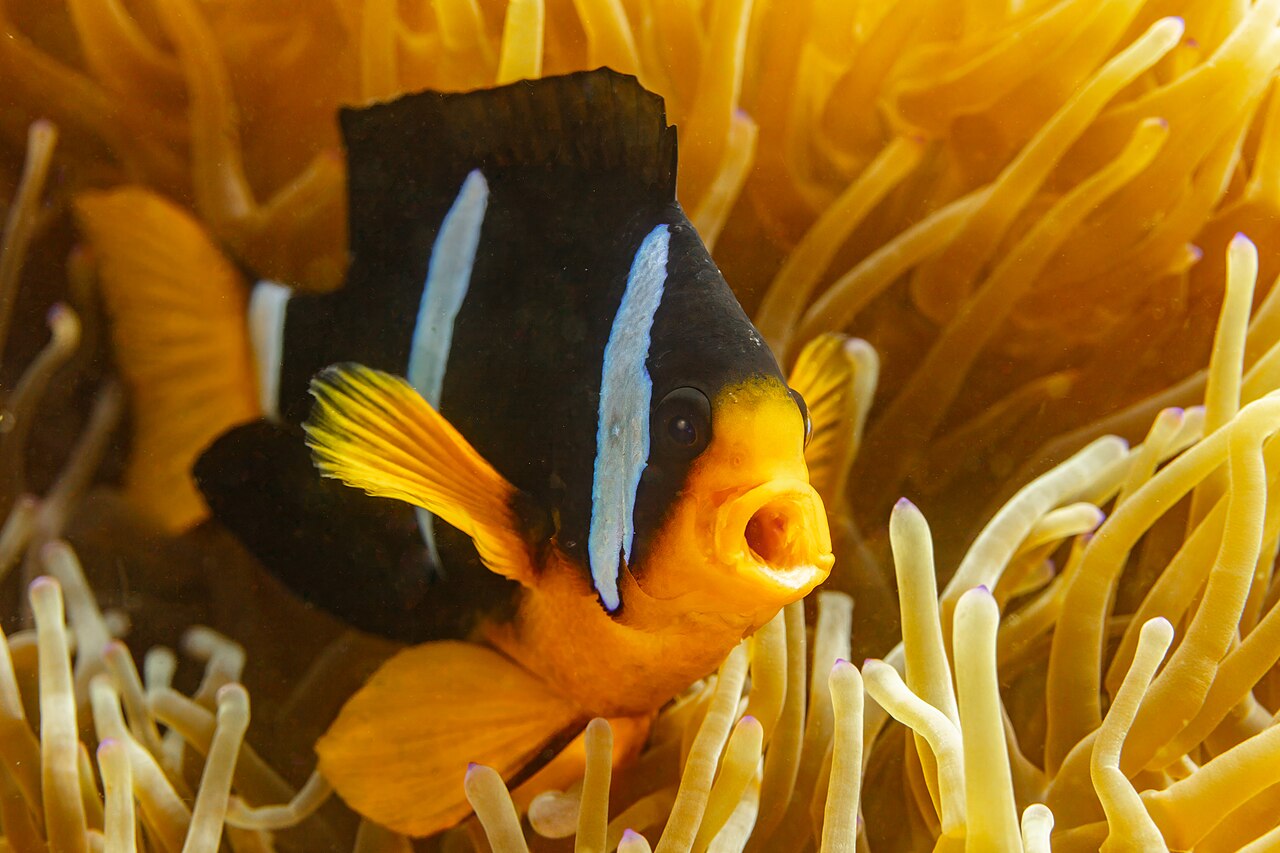 Clark's AnemonefishAmphiprion clarkiiReported here · unconfirmed
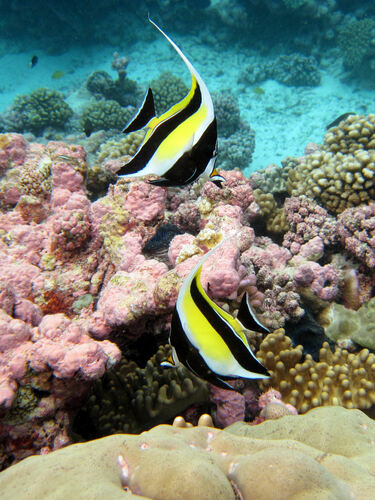 Moorish IdolZanclus cornutusReported here · unconfirmed
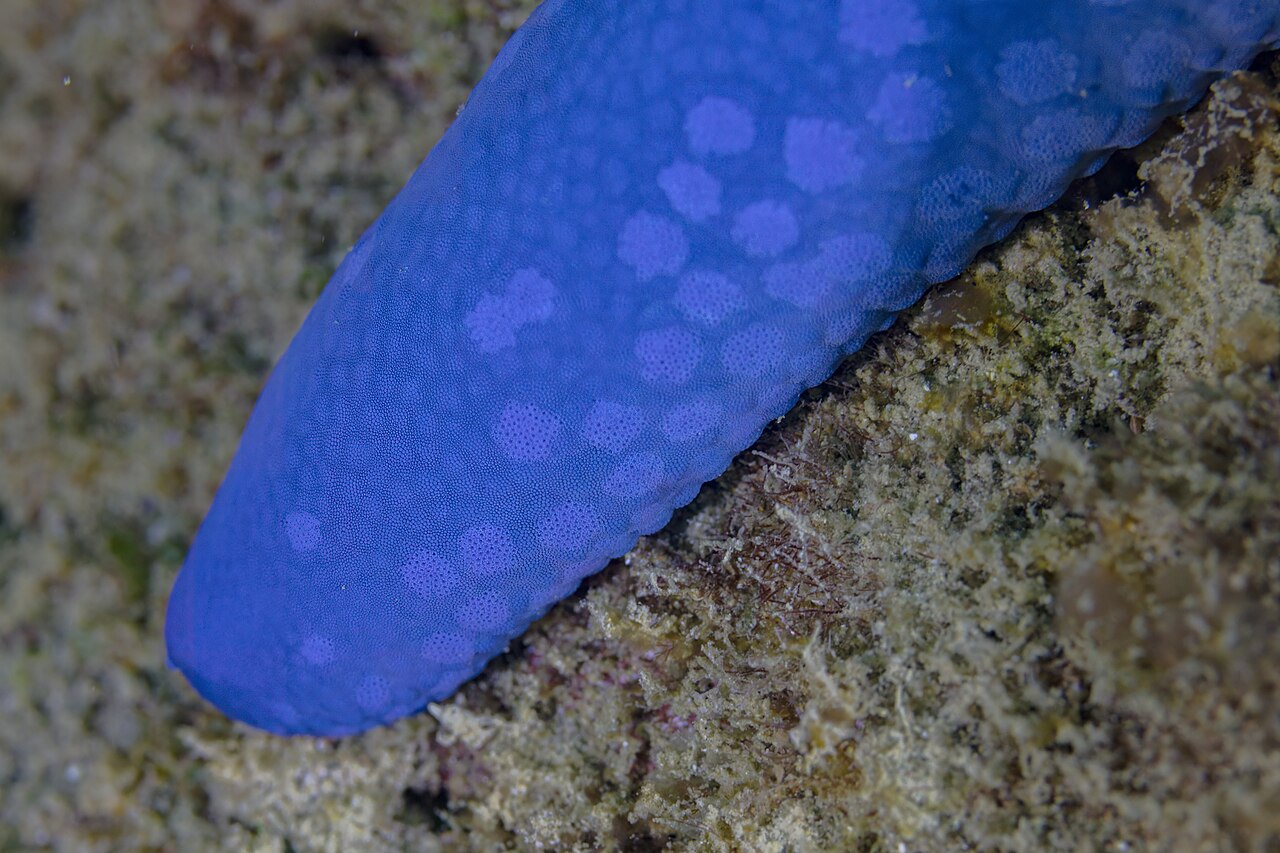 Blue LinckiaLinckia laevigataReported here · unconfirmed
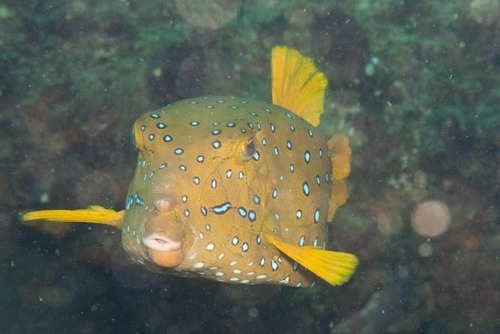 Yellow BoxfishOstracion cubicumReported here · unconfirmed
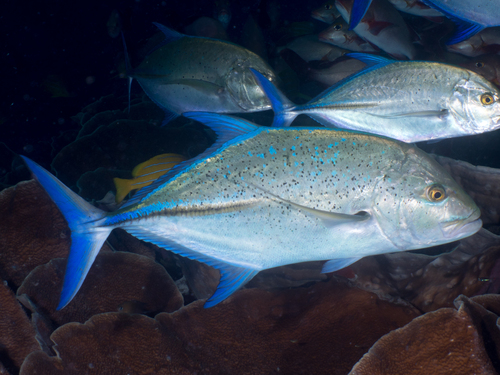 Bluefin TrevallyCaranx melampygusReported here · unconfirmed
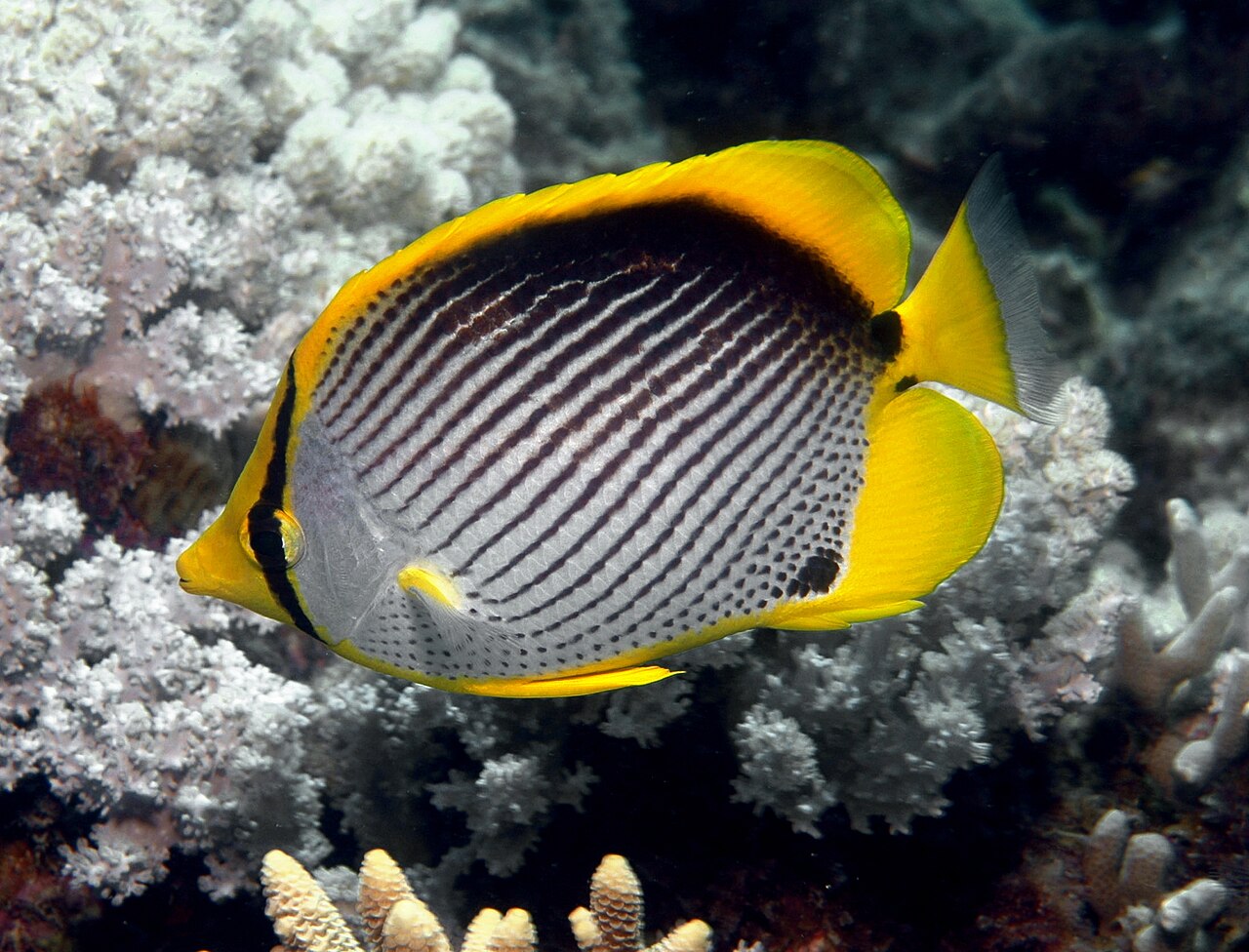 Blackback ButterflyfishChaetodon melannotusReported here · unconfirmed
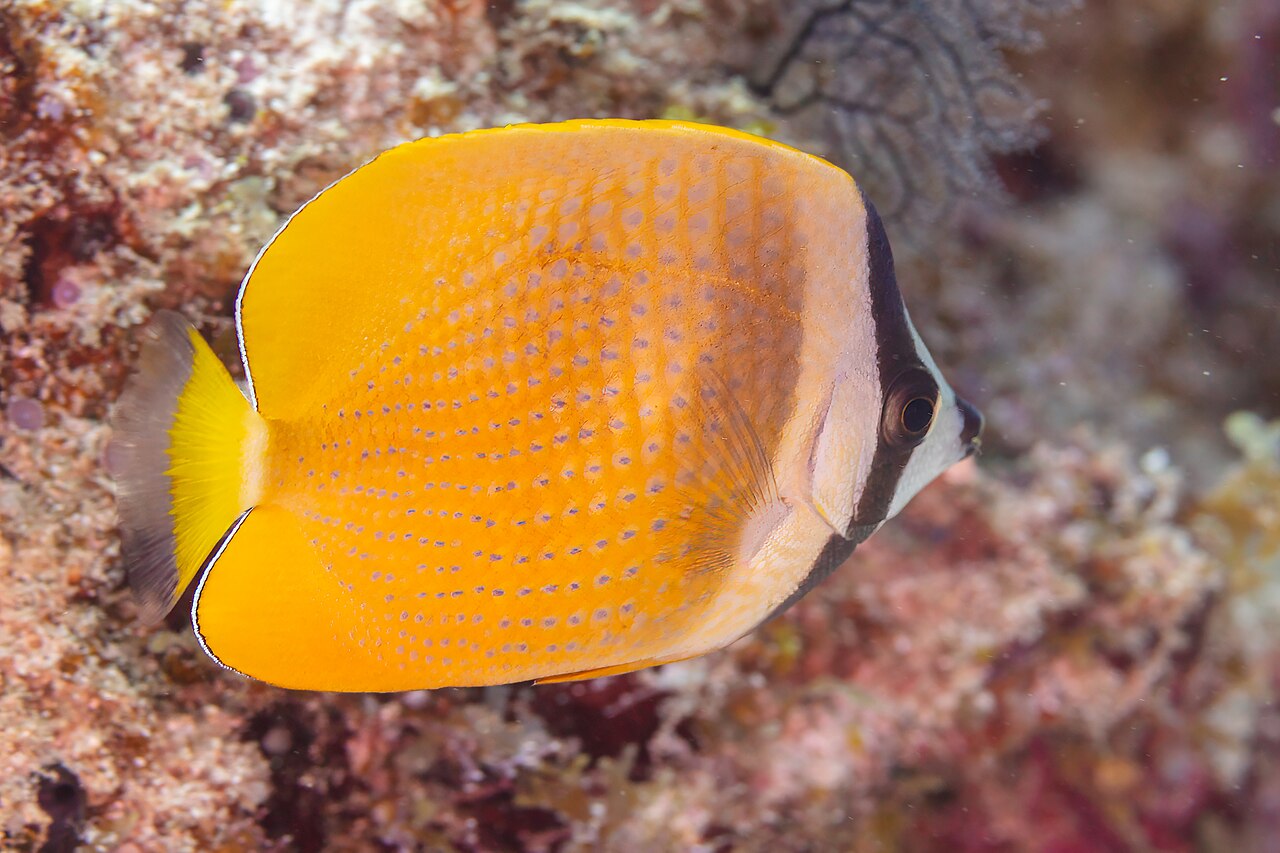 Blacklip ButterflyfishChaetodon kleiniiReported here · unconfirmed
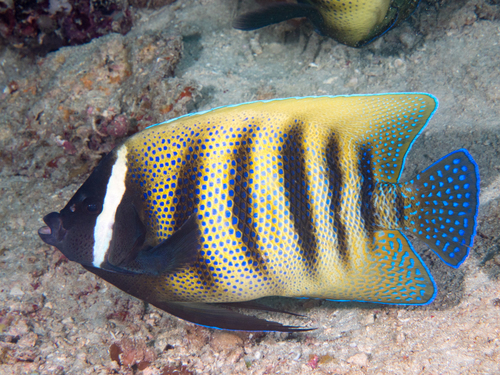 Sixband AngelfishPomacanthus sexstriatusReported here · unconfirmed
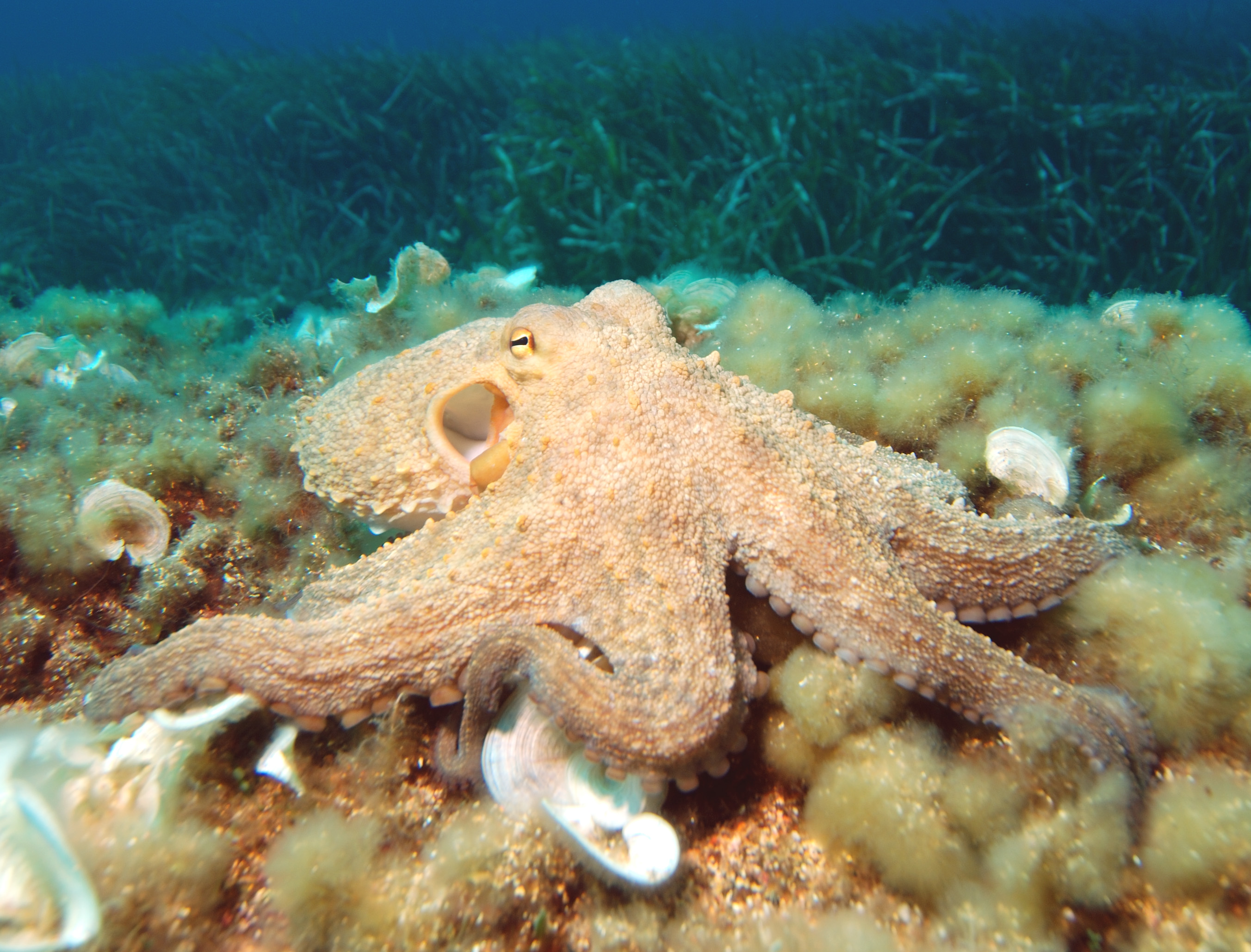 OctopusOctopusReported here · unconfirmed
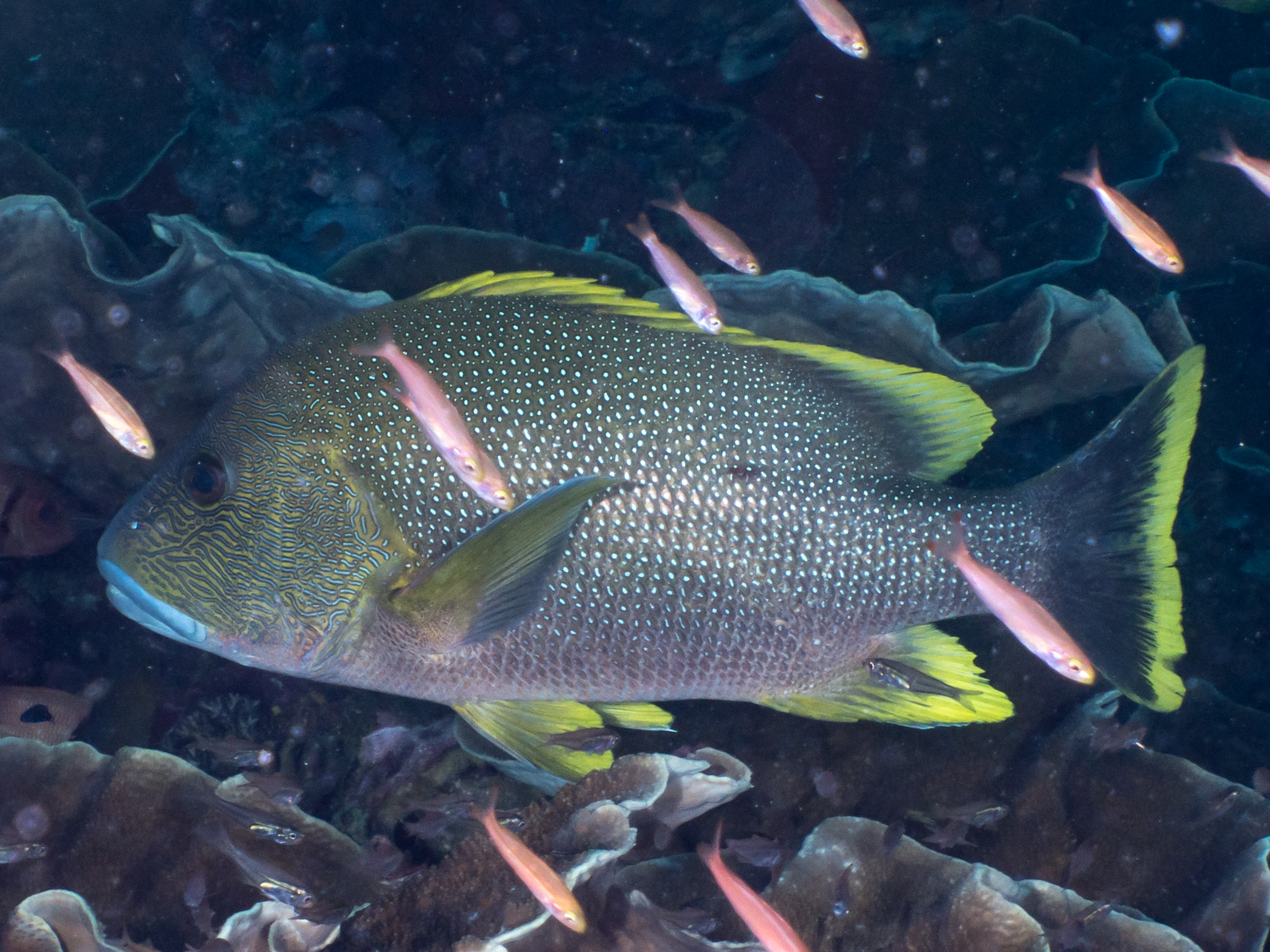 SnapperSnapperConfirmed present · 2 independent sources
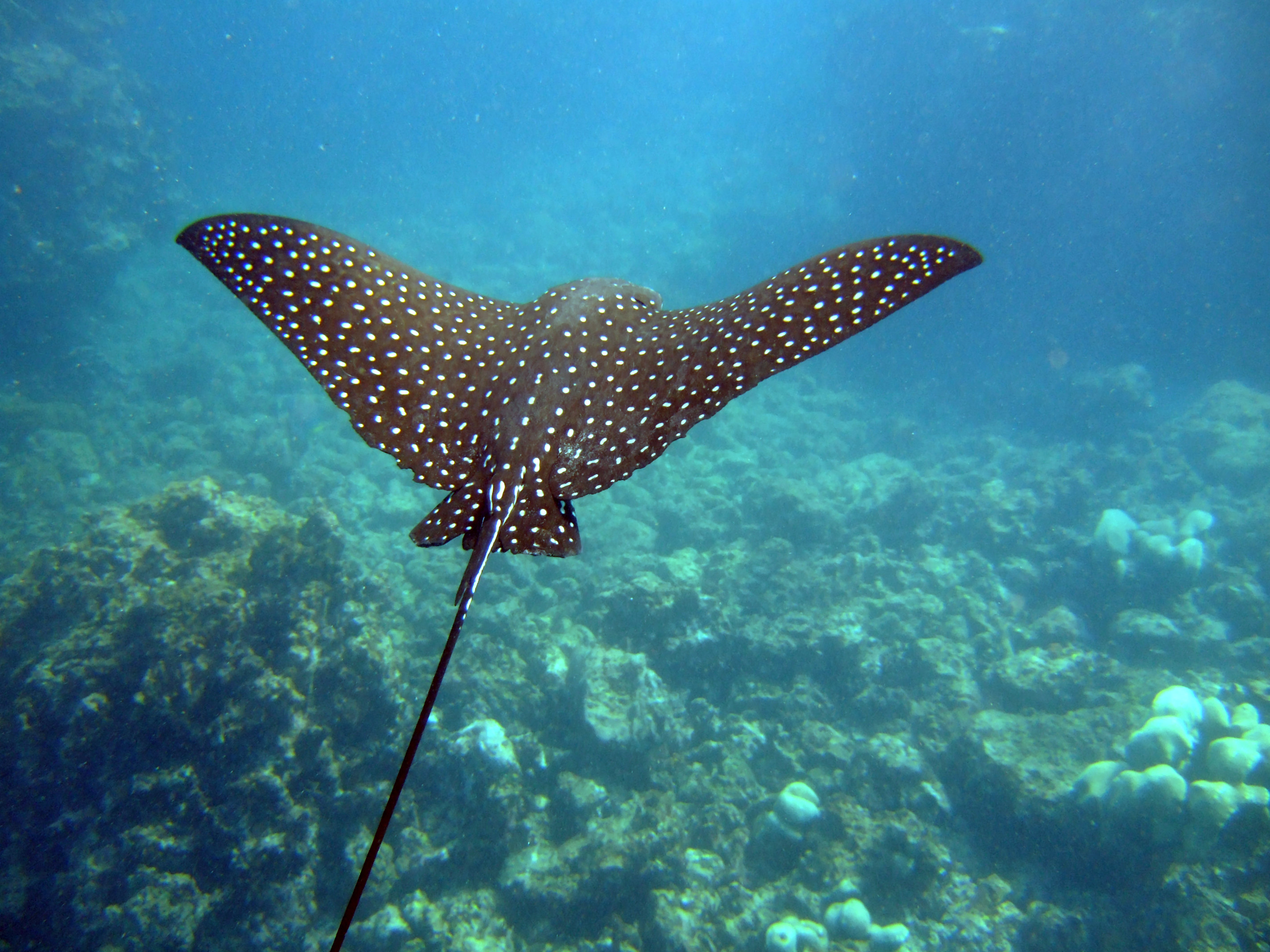 Eagle rayEagle rayConfirmed present · 4 independent sources
 Whitetip Reef SharkTriaenodon obesusReported here · unconfirmed
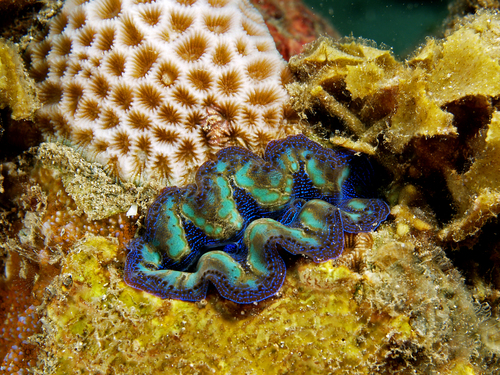 Boring Giant ClamTridacna croceaReported here · unconfirmed
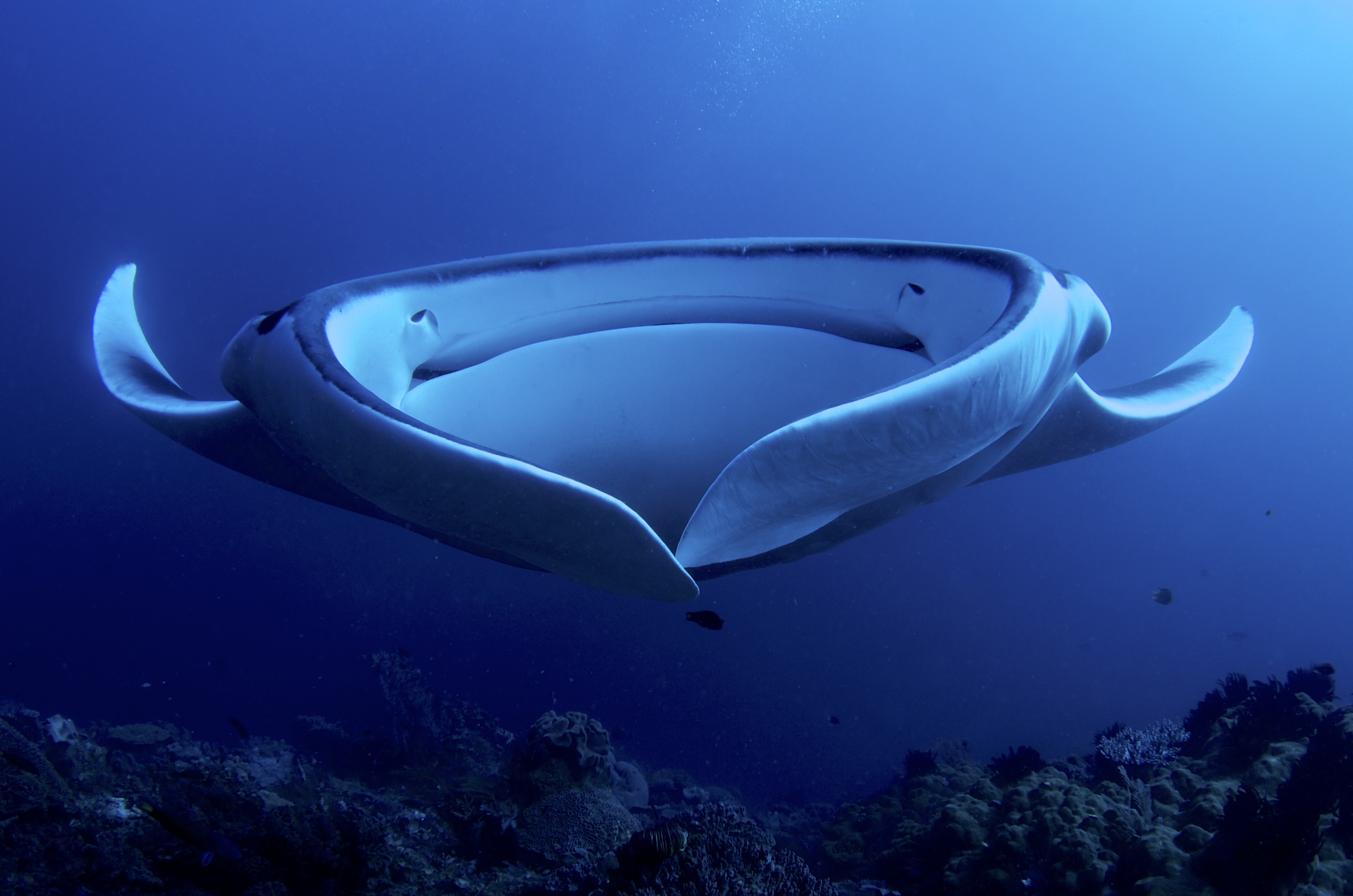 Manta rayManta rayConfirmed present · 10 independent sources
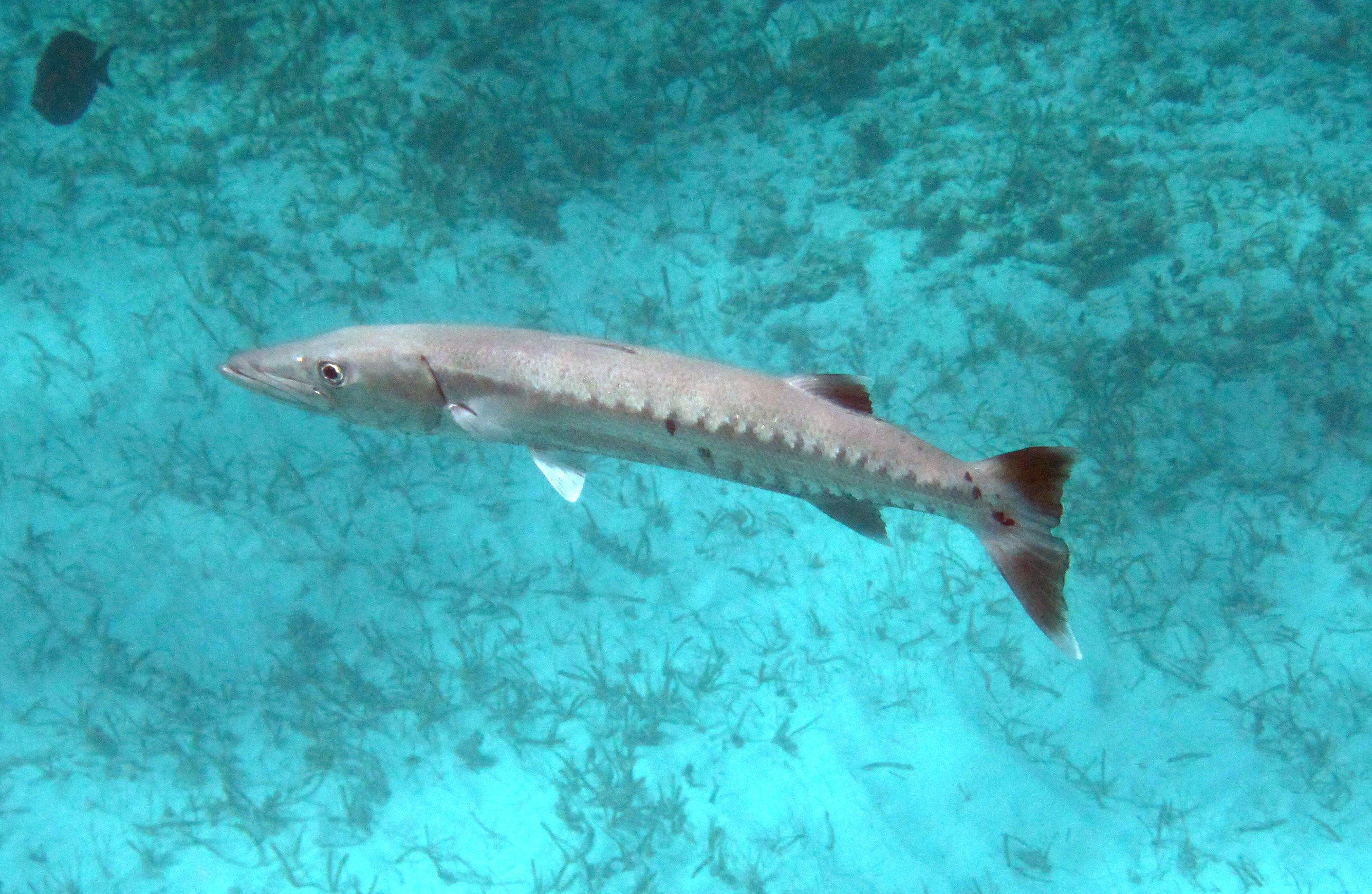 BarracudaBarracudaConfirmed present · 2 independent sources
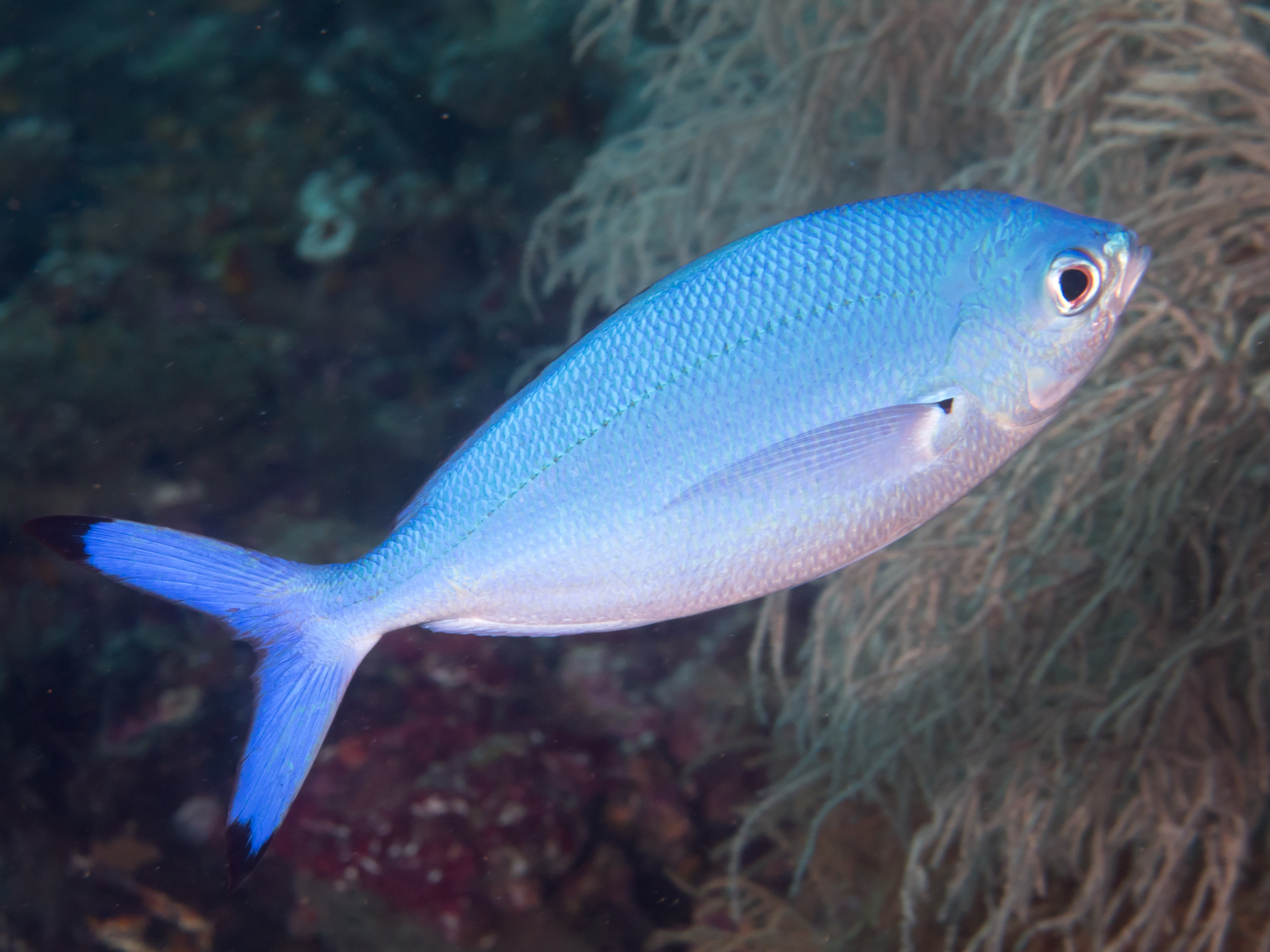 FusilierFusilierConfirmed present · 2 independent sources
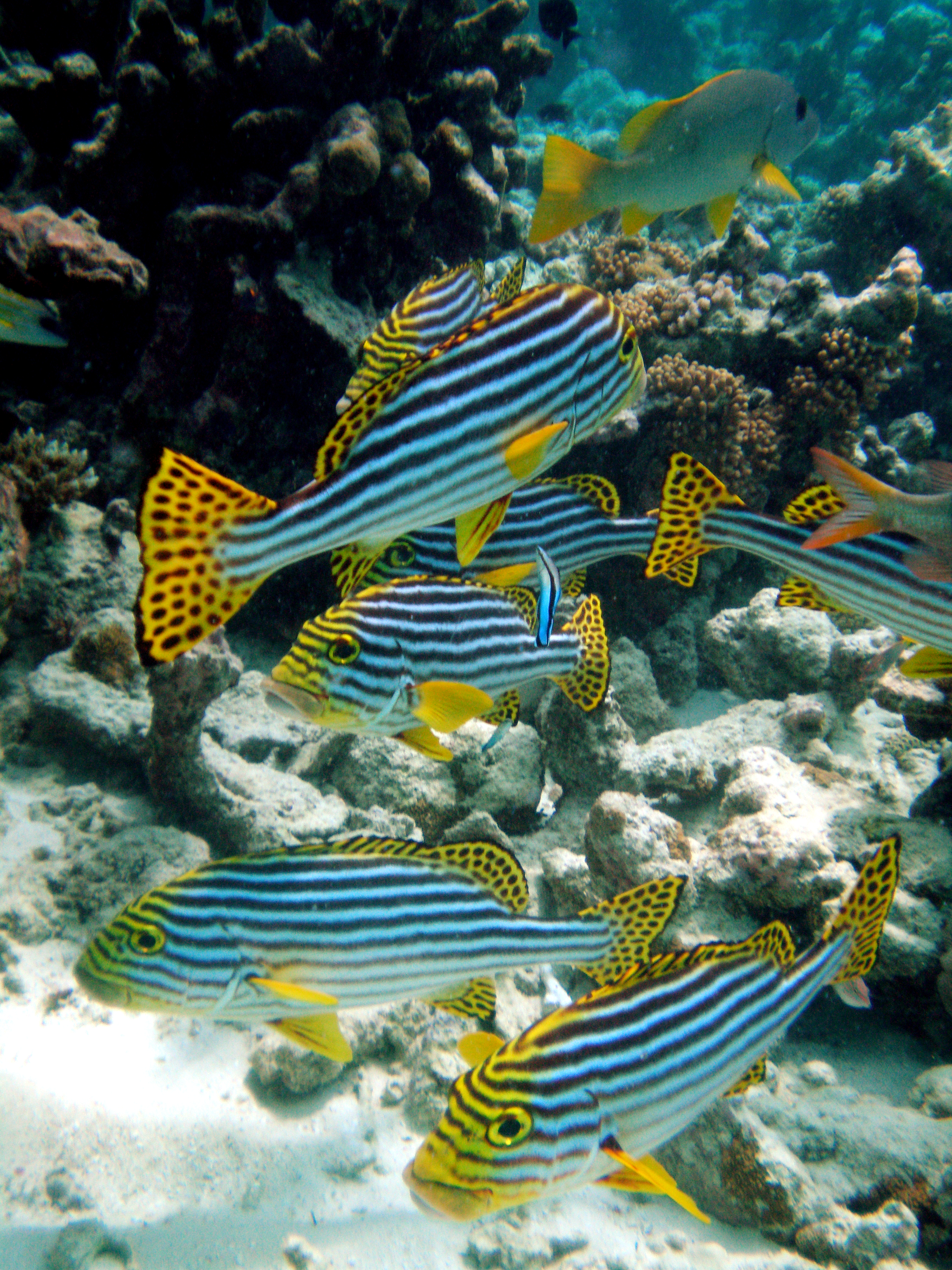 SweetlipsSweetlipsReported here · unconfirmed
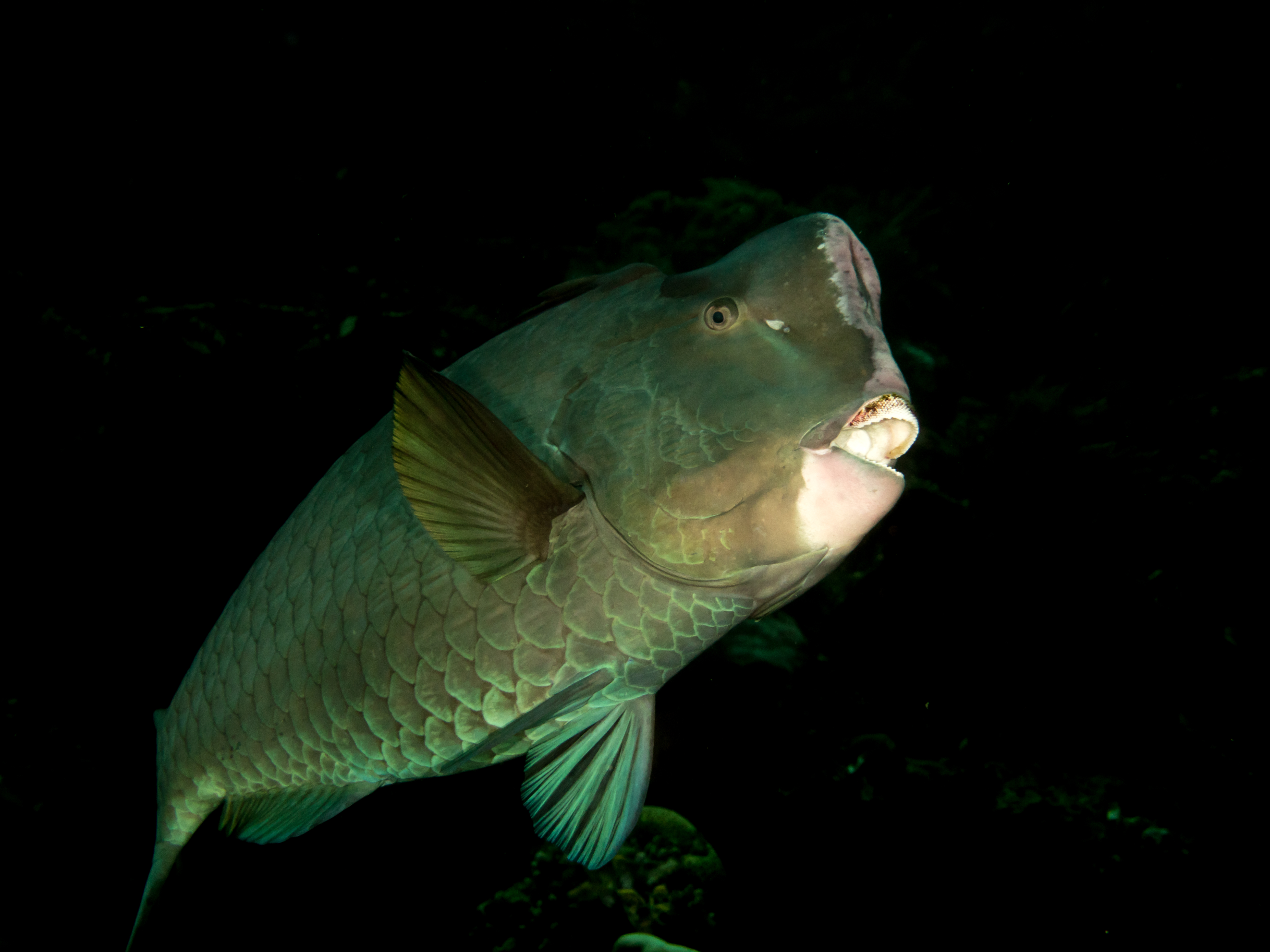 Bumphead parrotfishBumphead parrotfishReported here · unconfirmed
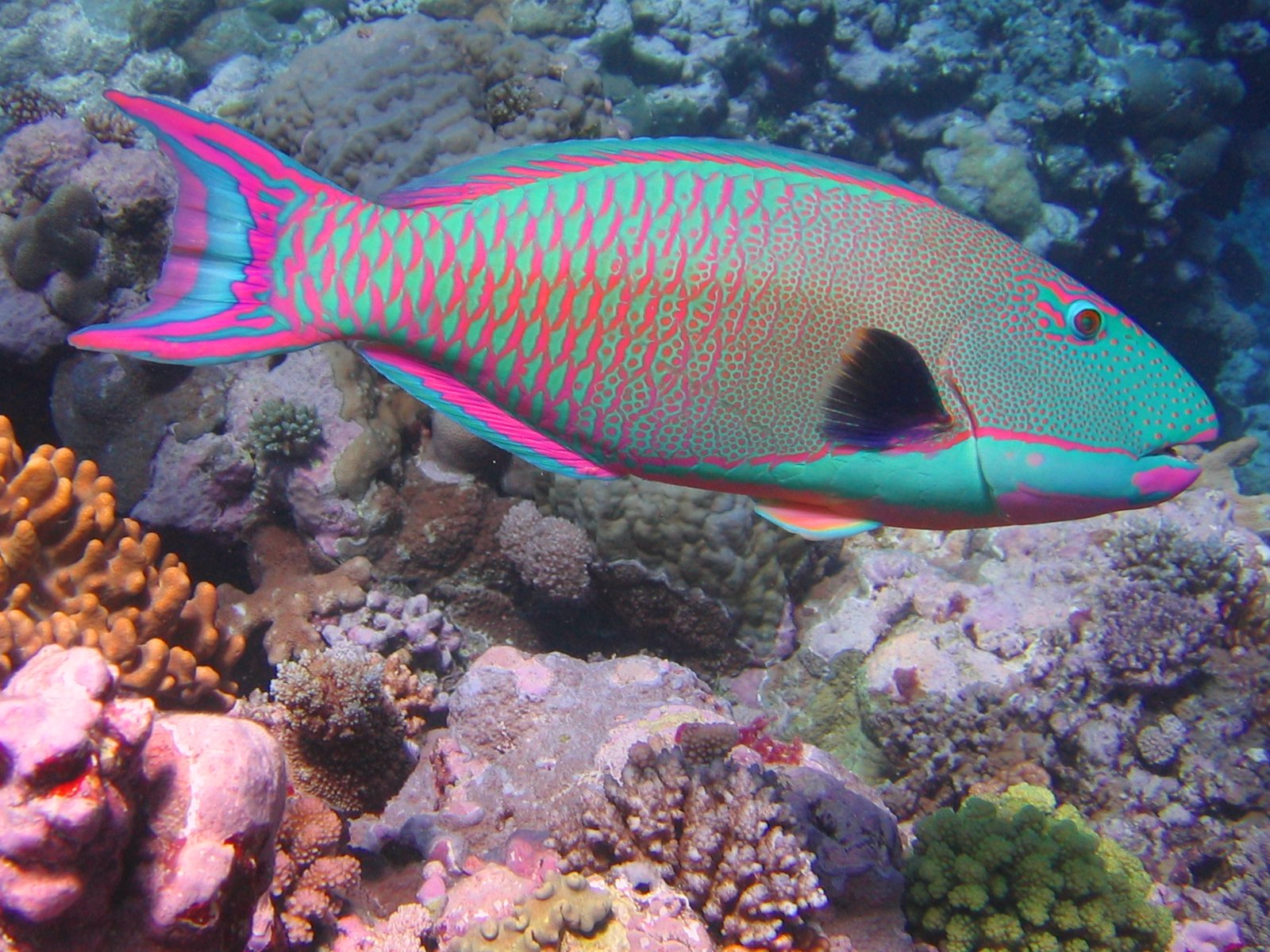 ParrotfishParrotfishReported here · unconfirmed
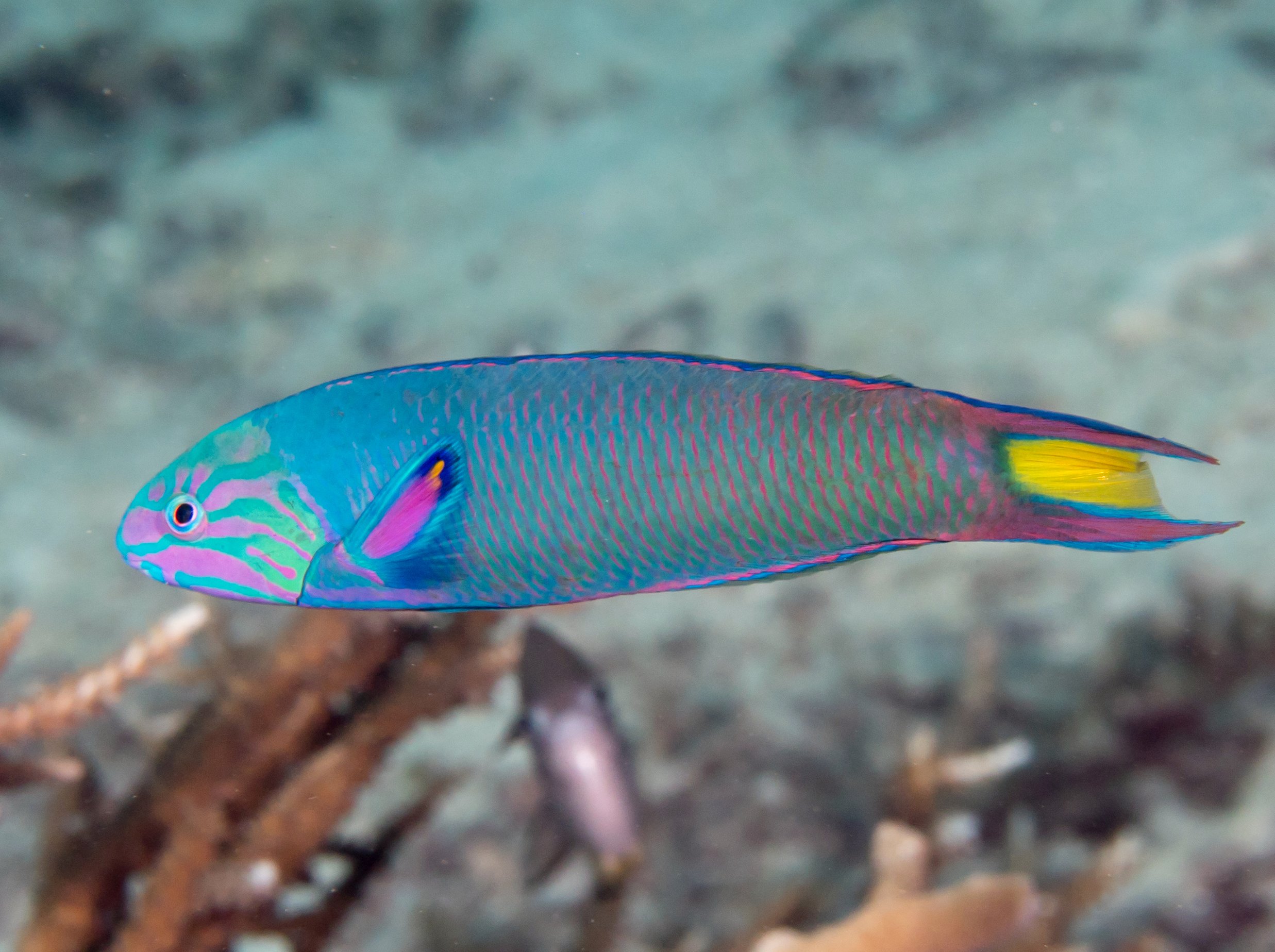 WrasseWrasseConfirmed present · 2 independent sources
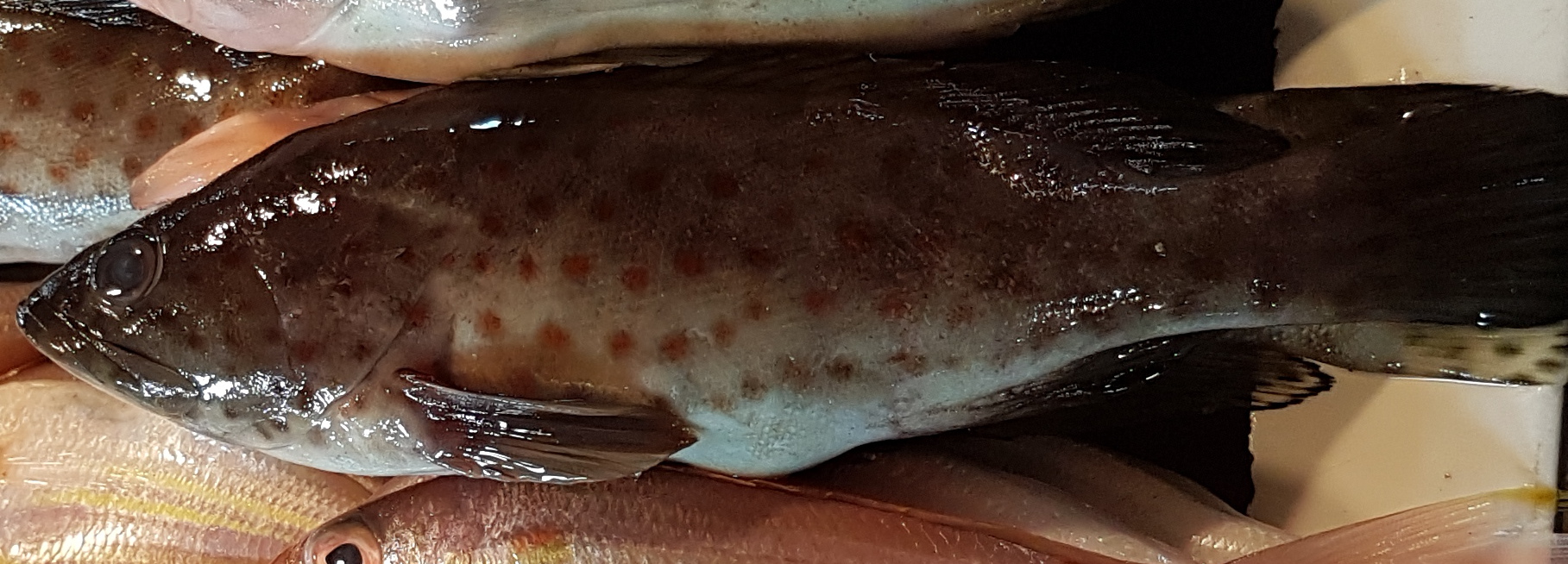 GrouperGrouperReported here · unconfirmed
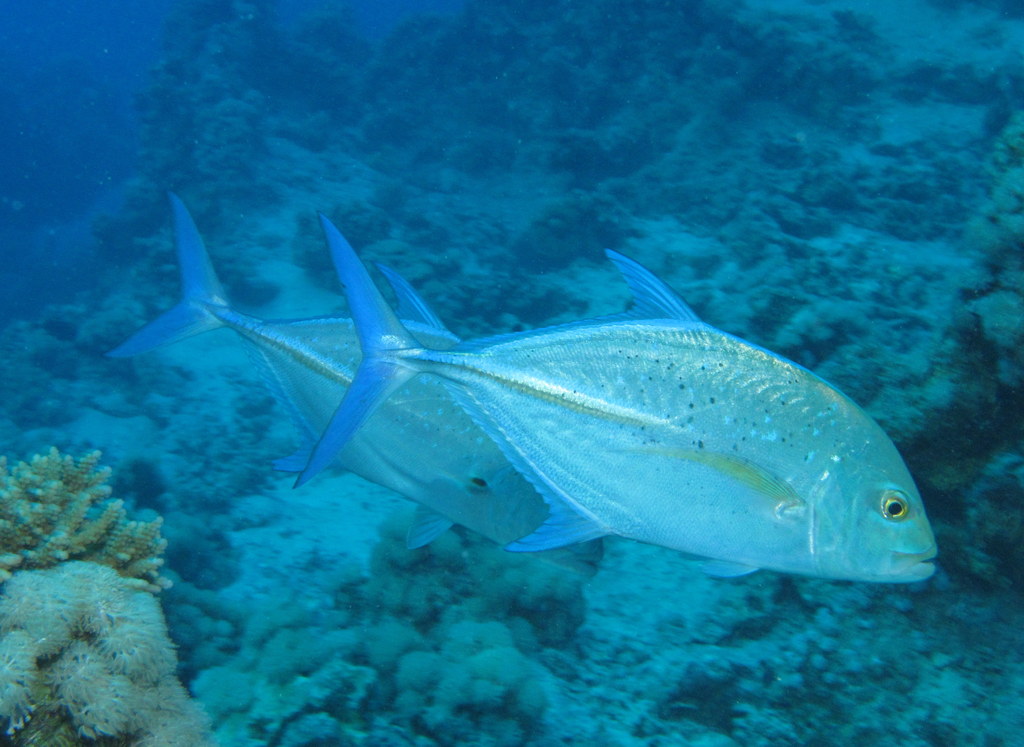 TrevallyTrevallyConfirmed present · 2 independent sources
Durable tips from divers — access, hazards, marine life, facilities. For day-of conditions, use the report tool in the conditions card above.
No notes yet. Dived here? Be the first to leave a tip.
Share a write-up or a photo. Submissions are reviewed before they appear on the page.
Nearby dive sites
Shops that dive here
No shops have listed this site yet.