Punta Carrion
Conditions & tides
Scored by DiveConnect's site-physics model
Marine forecast via Copernicus Marine. Score is a rule-based guide from swell/wind vs. the site's exposure — always dive your own assessment.
Dived here today? How were conditions vs. what we showed?
About this site
Punta Carrion is a dive site located northeast of Santa Cruz Island, Galápagos, at the mouth of the Itabaca Channel. The site sits in a protected position that shields it from the strong open-water currents of the surrounding ocean, and the boat ride from the pier on the channel takes around 10 minutes. Nearby mangrove ecosystems give the site high ecological value and provide shelter for a wide range of marine and coastal species.
The bottom is sandy and rocky, reaching a maximum depth of 18 m, and the layout transitions from a calm, sheltered inner area into a gorge on the outer side that is exposed to moderate to strong swell and current. That inner zone suits beginners perfectly, while the current-exposed gorge provides conditions that also engage advanced divers looking for pelagic encounters.
The mangrove-sheltered areas support a broad range of reef fish, including angelfish, butterflyfish, surgeonfish, grunts, snappers, damselfish, cod, scorpionfish, parrotfish, stonefish, moray eels, tiger eels, trumpetfish, and cornetfish. Sea turtles are present, as are several ray species — eagle rays, skates, marbled rays, mobulas, and stingrays — along with whitetip reef sharks, blacktip sharks, Galapagos sharks, and hammerhead sharks. The outer, current-exposed gorge is the zone where pelagic species such as these sharks, and manta rays and mola molas, are most likely to appear. Whale sharks are associated with the June-to-December season.
Read the full guideShow less
Entry is by boat. The inner section has calm seas and no current over its sandy-rocky bottom, making it a recommended starting point for newer divers. The outer gorge carries moderate to strong currents and swell. Visibility is good, and the site's protected exposure keeps conditions generally manageable.
Marine life here
Confirmed by our research team, reported by independent divers, or observed nearby via iNaturalist — each entry is labelled with its source.
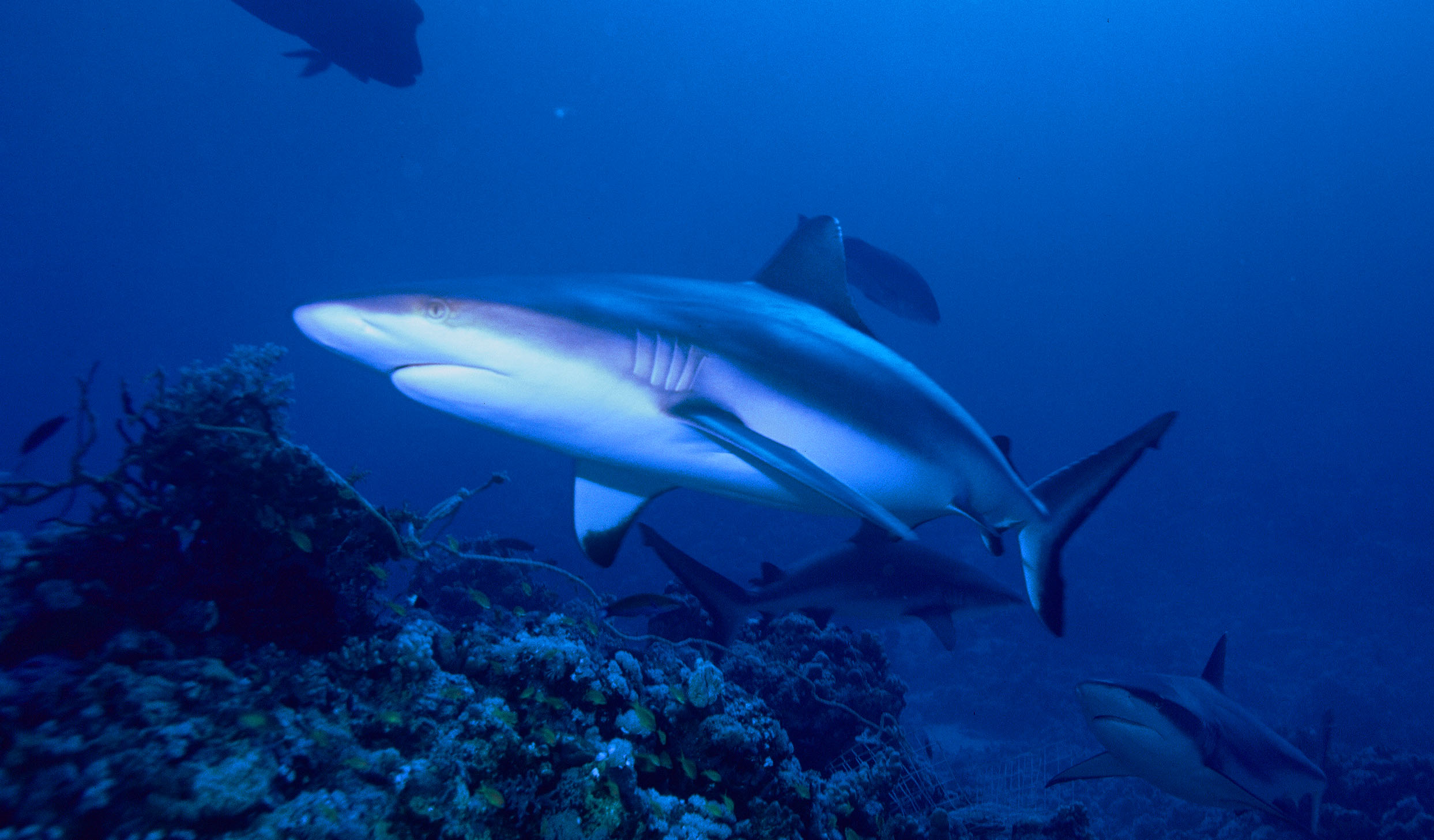 Reef sharkReef sharkReported here · unconfirmed
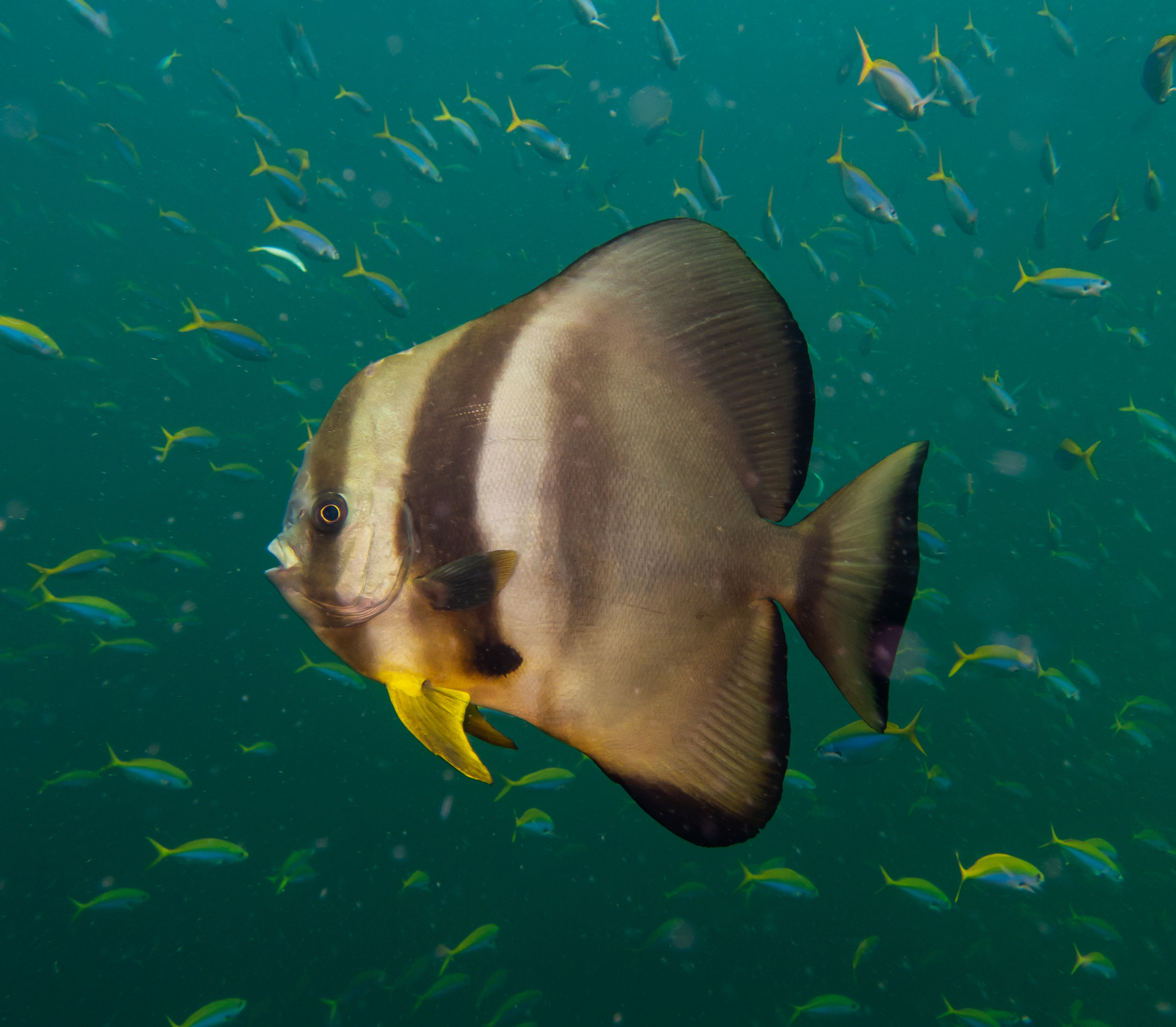 BatfishBatfishConfirmed present · 2 independent sources
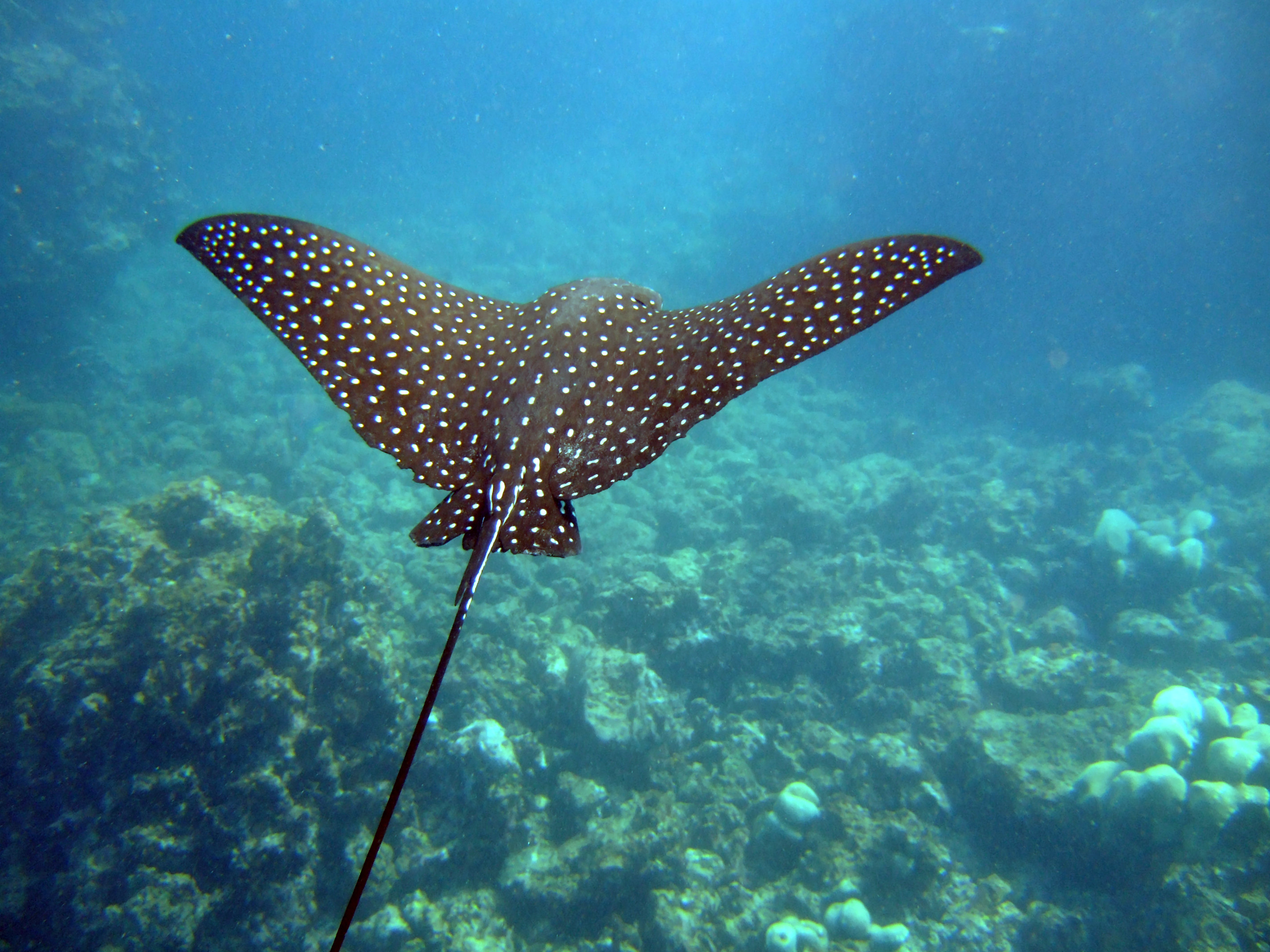 Eagle rayEagle rayConfirmed present · 3 independent sources
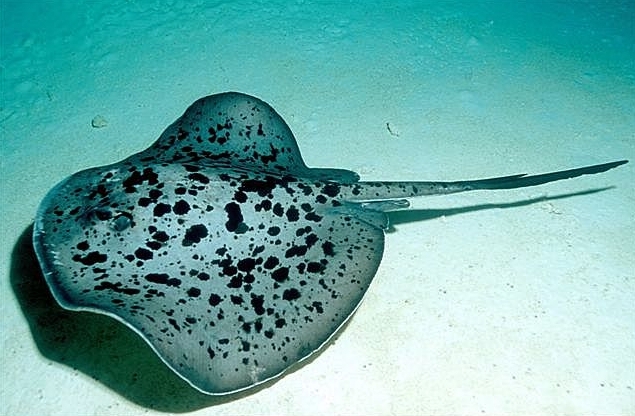 Marble rayMarble rayReported here · unconfirmed
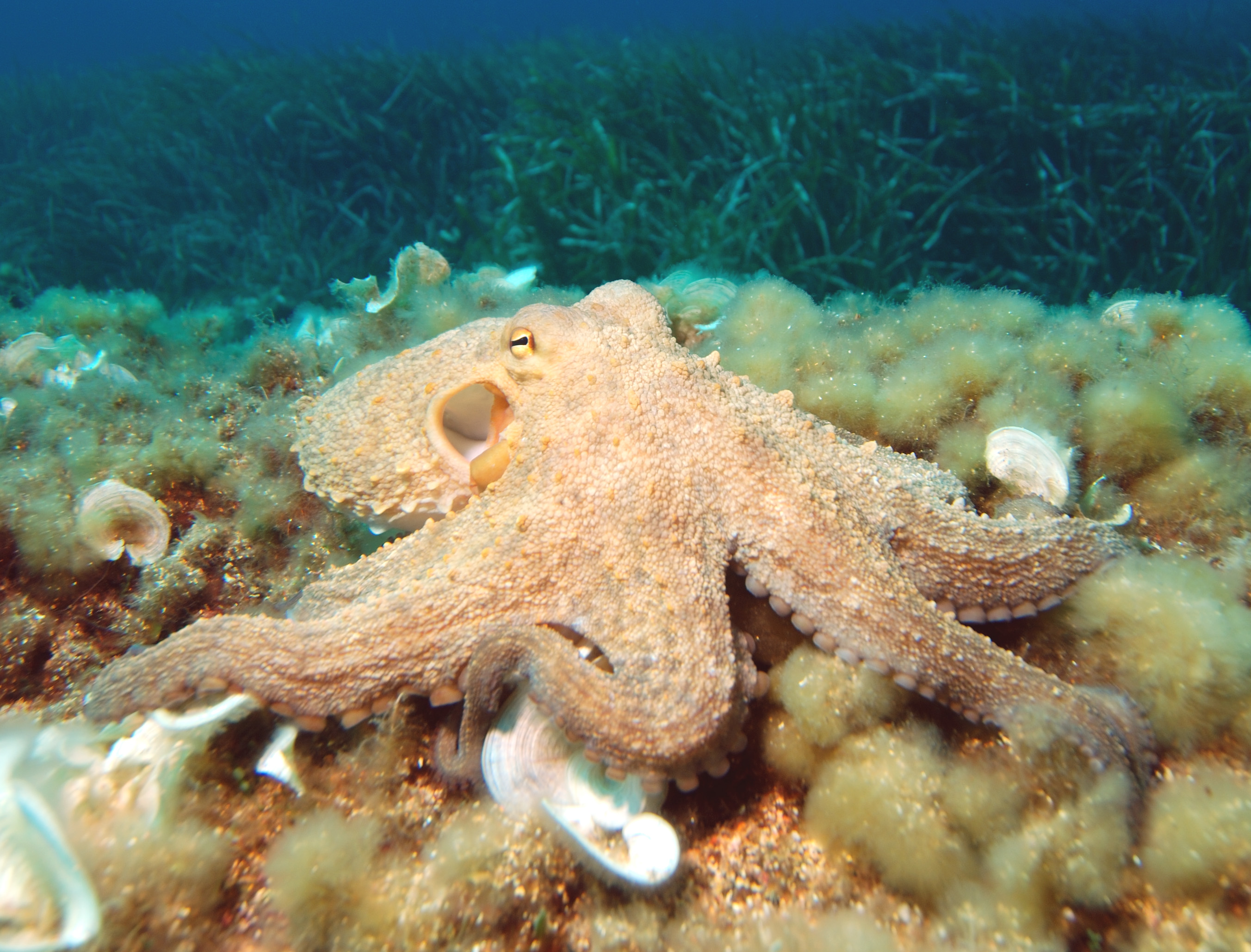 OctopusOctopusReported here · unconfirmed
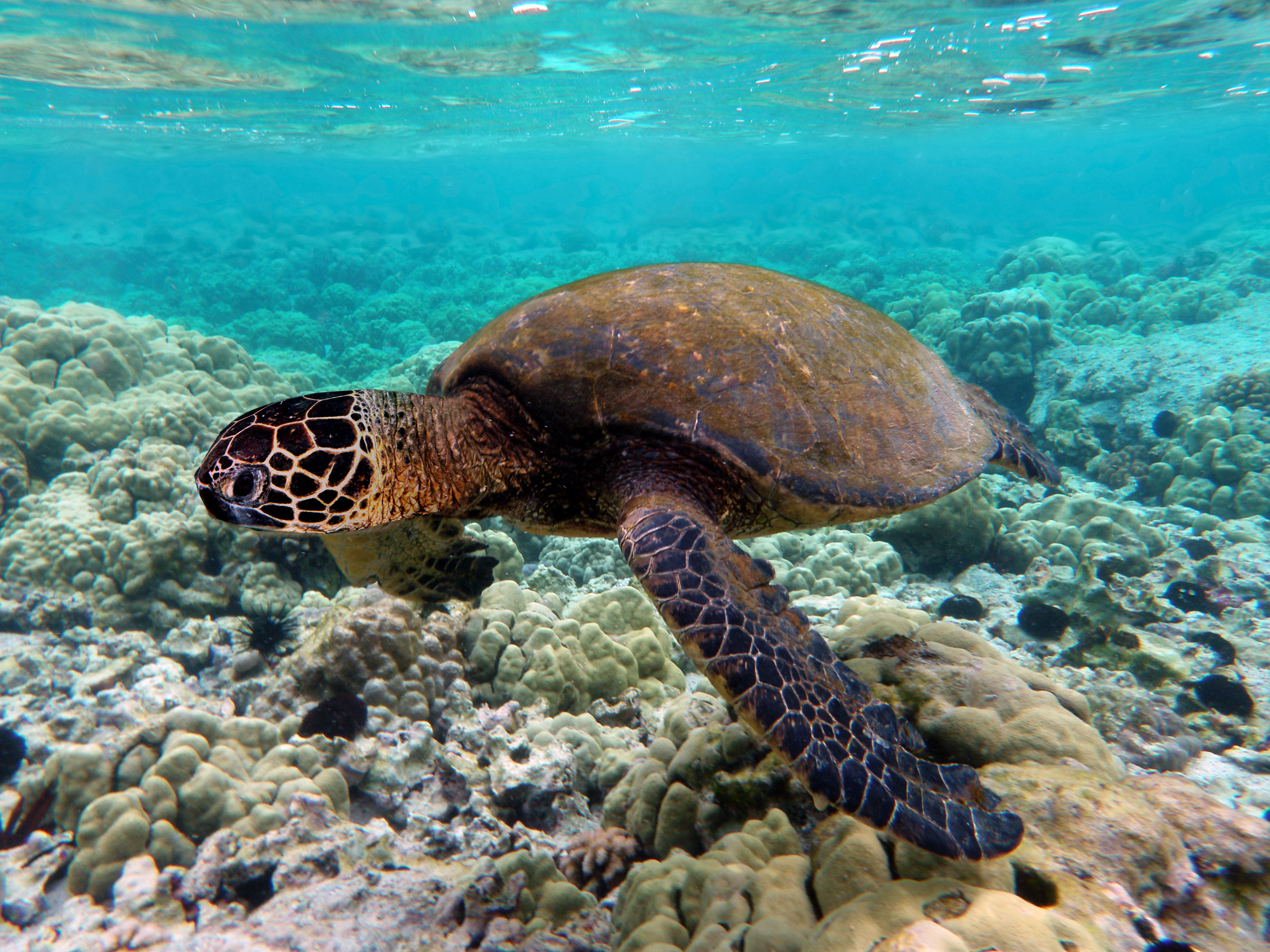 Sea turtleSea turtleReported here · unconfirmed
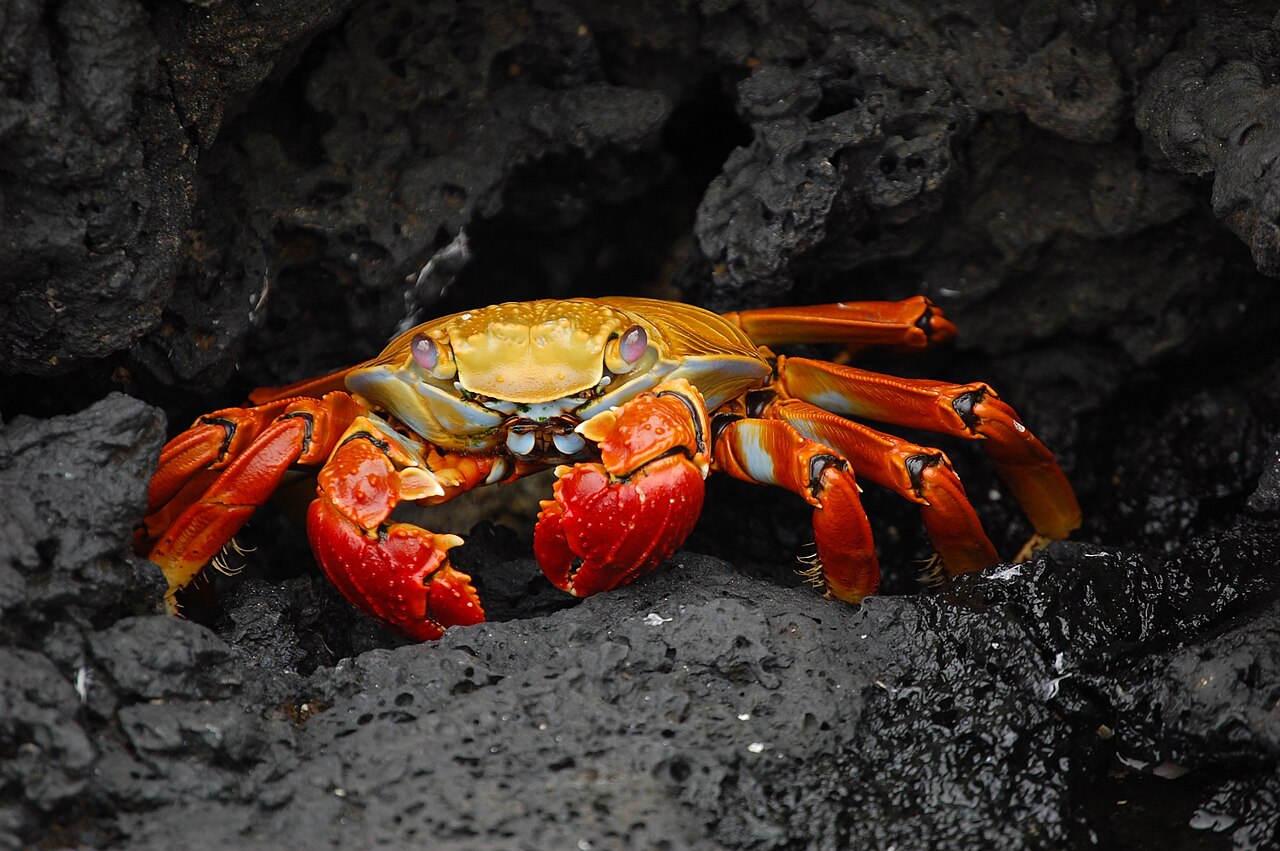 Sally Lightfoot CrabGrapsus grapsusReported here · unconfirmed
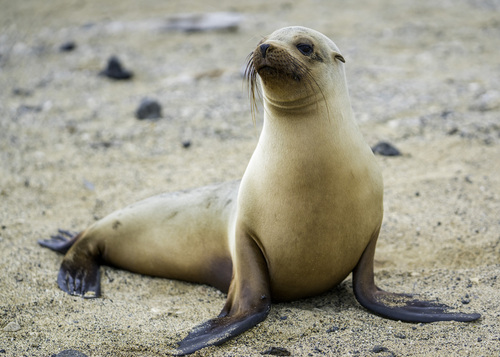 Galápagos Sea LionZalophus wollebaekiReported here · unconfirmed
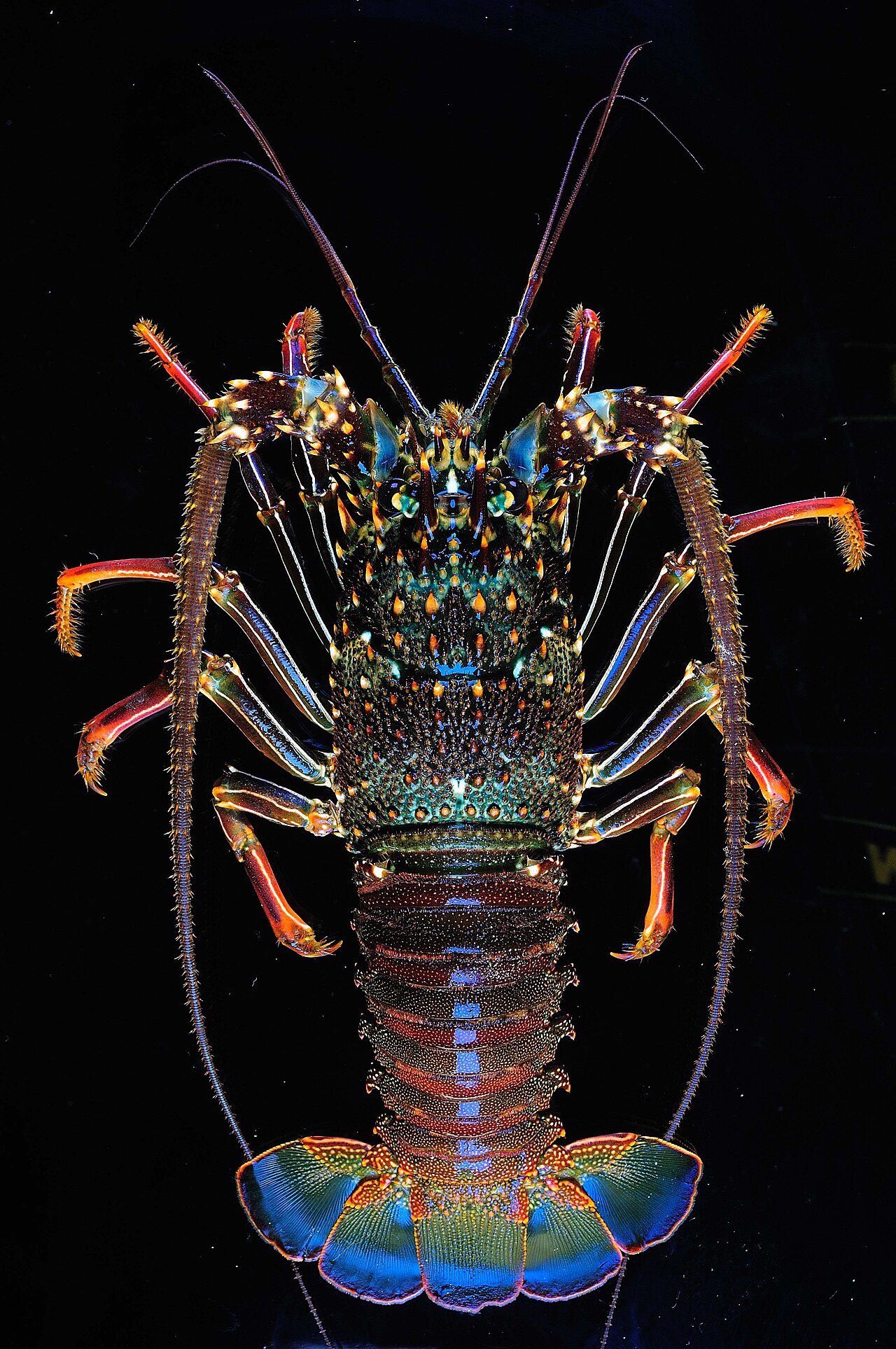 Pronghorn Spiny LobsterPanulirus penicillatusReported here · unconfirmed
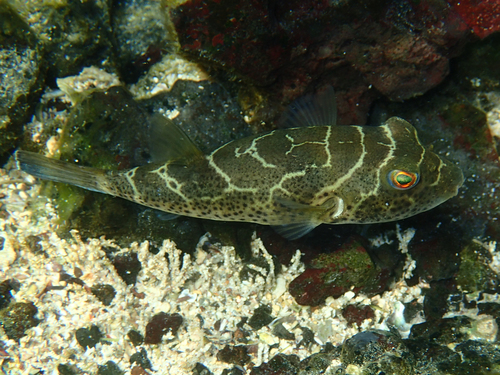 Bullseye PufferSphoeroides annulatusReported here · unconfirmed
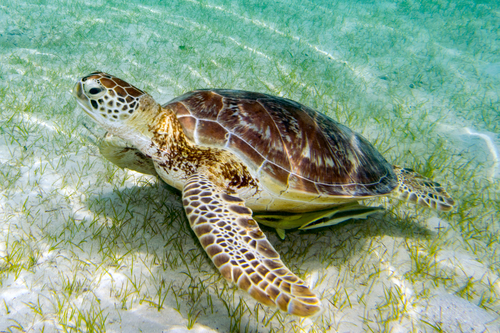 Green Sea TurtleChelonia mydasReported here · unconfirmed
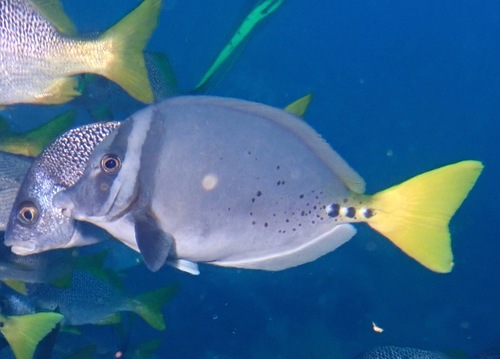 Razor SurgeonfishPrionurus laticlaviusReported here · unconfirmed
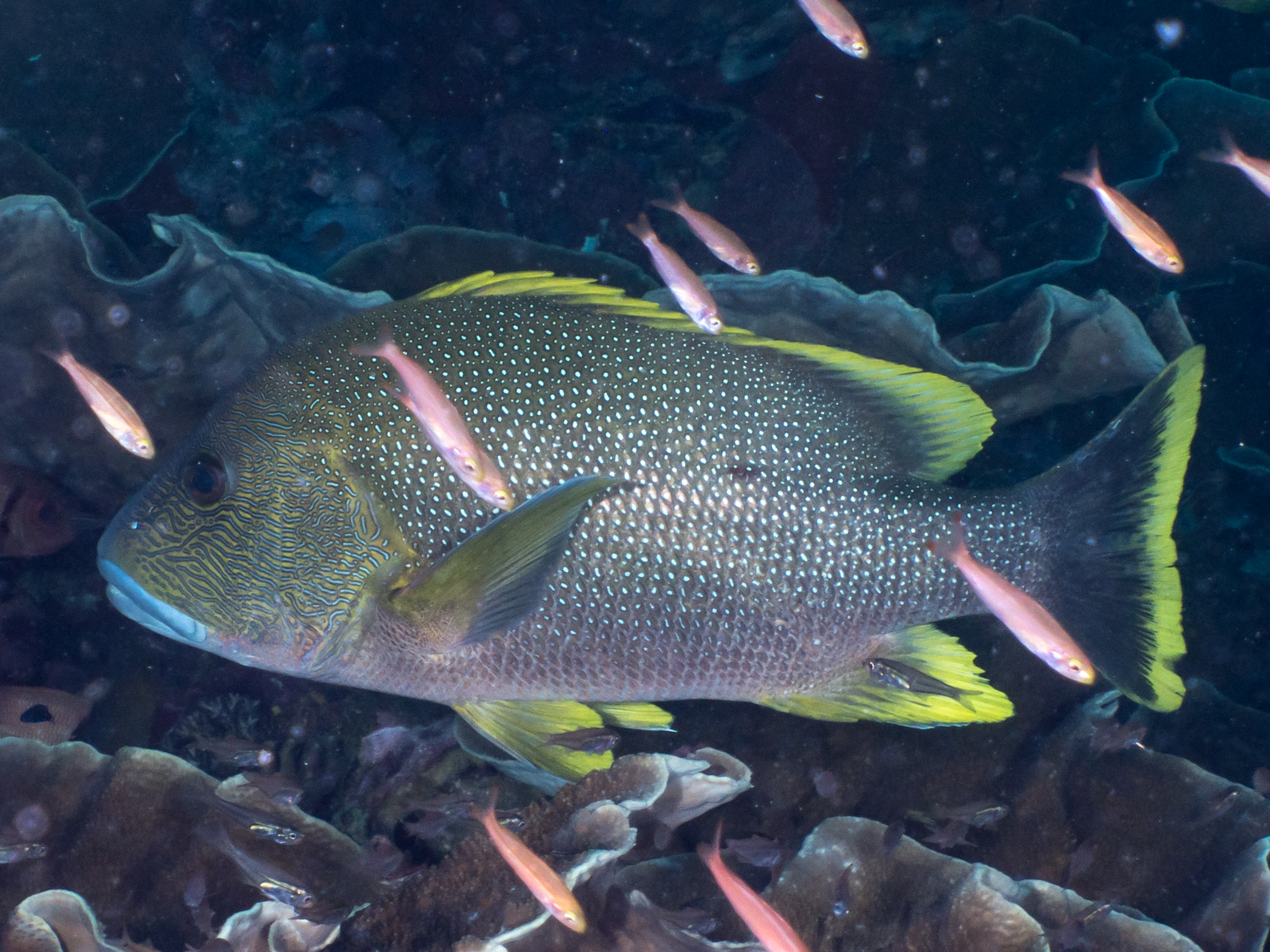 SnapperSnapperReported here · unconfirmed
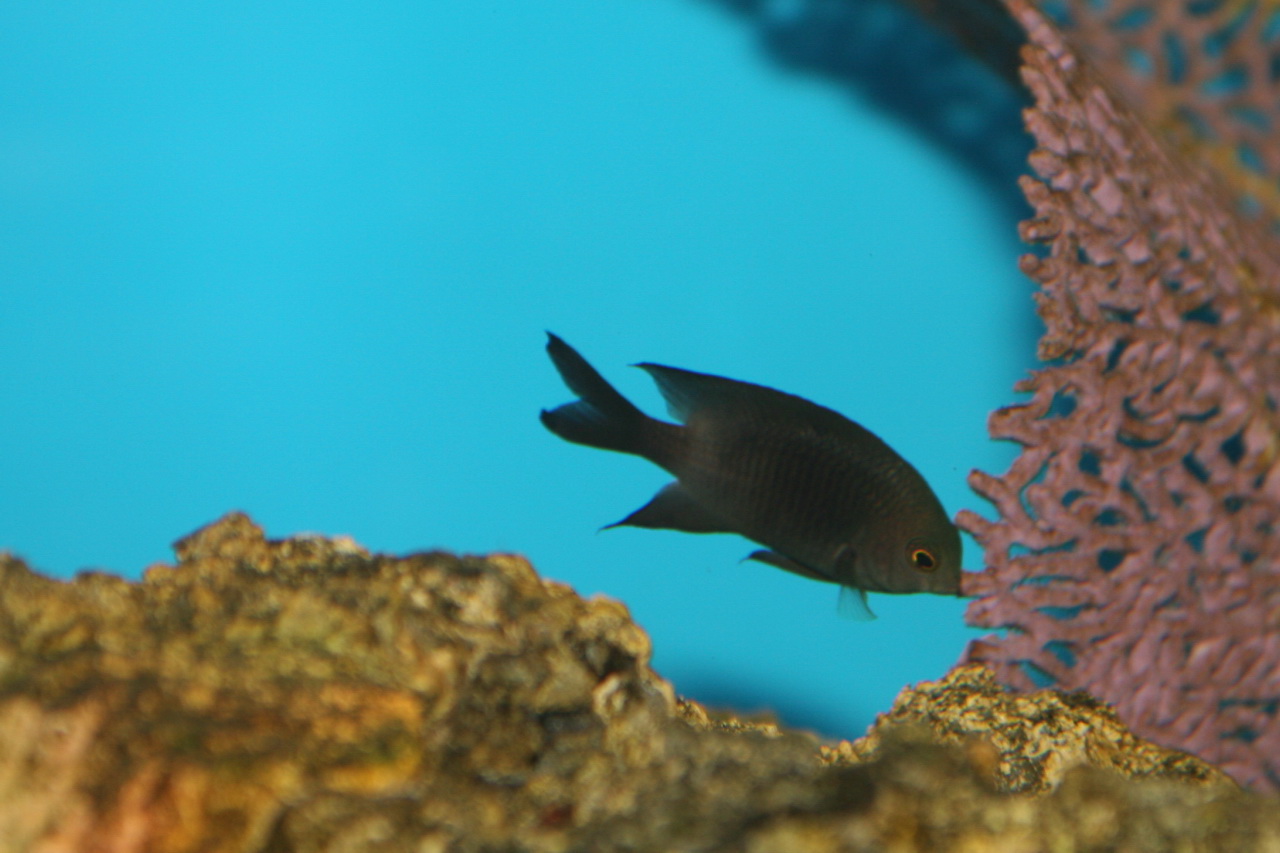 DamselfishDamselfishReported here · unconfirmed
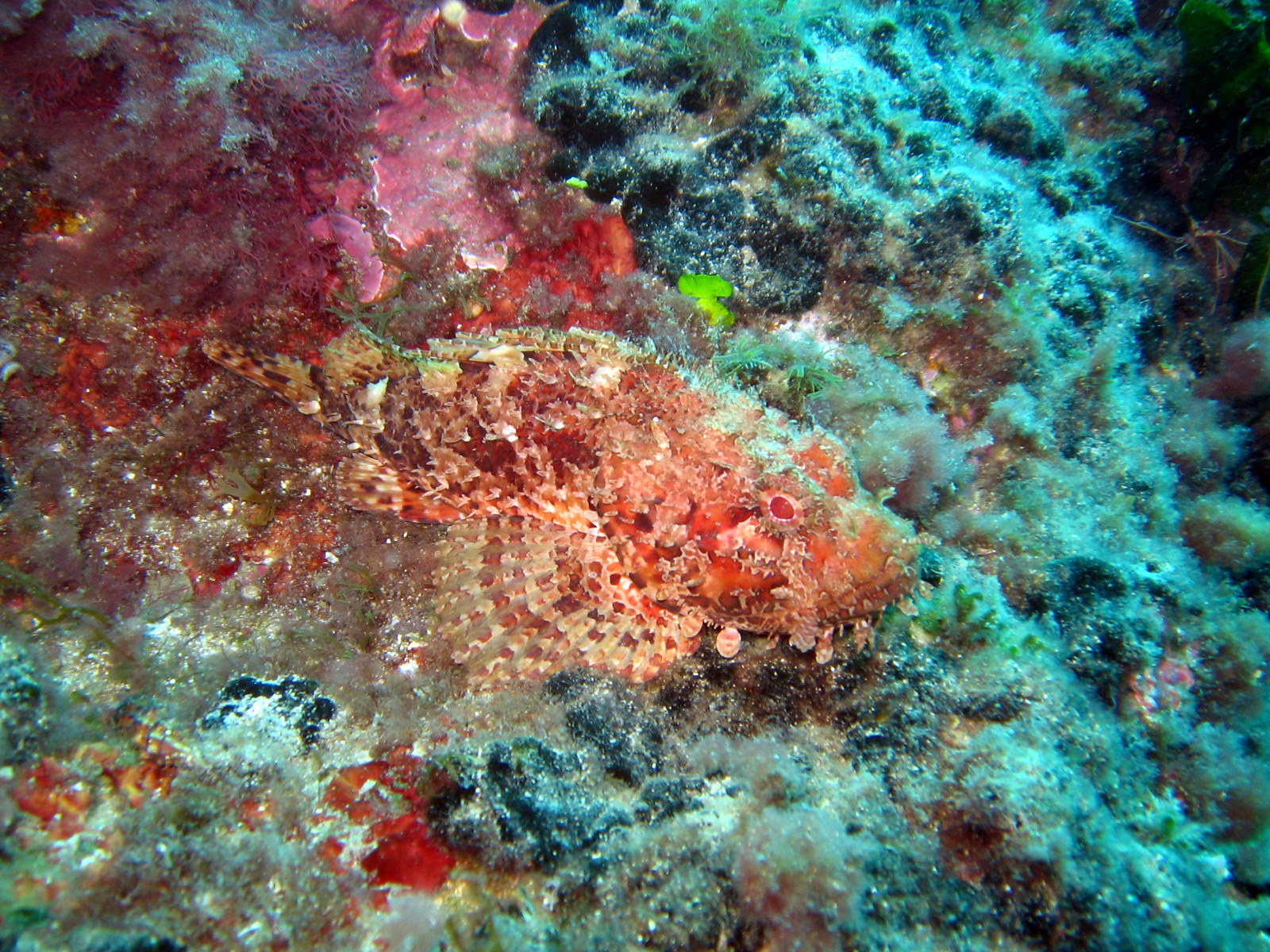 ScorpionfishScorpionfishReported here · unconfirmed
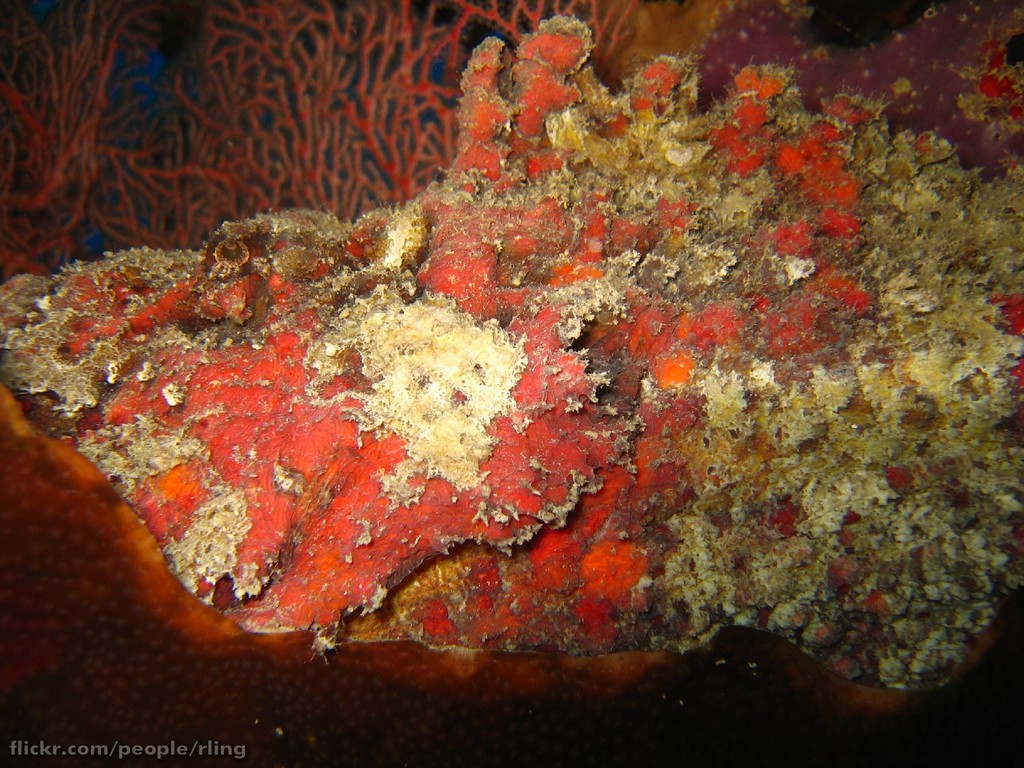 StonefishStonefishReported here · unconfirmed
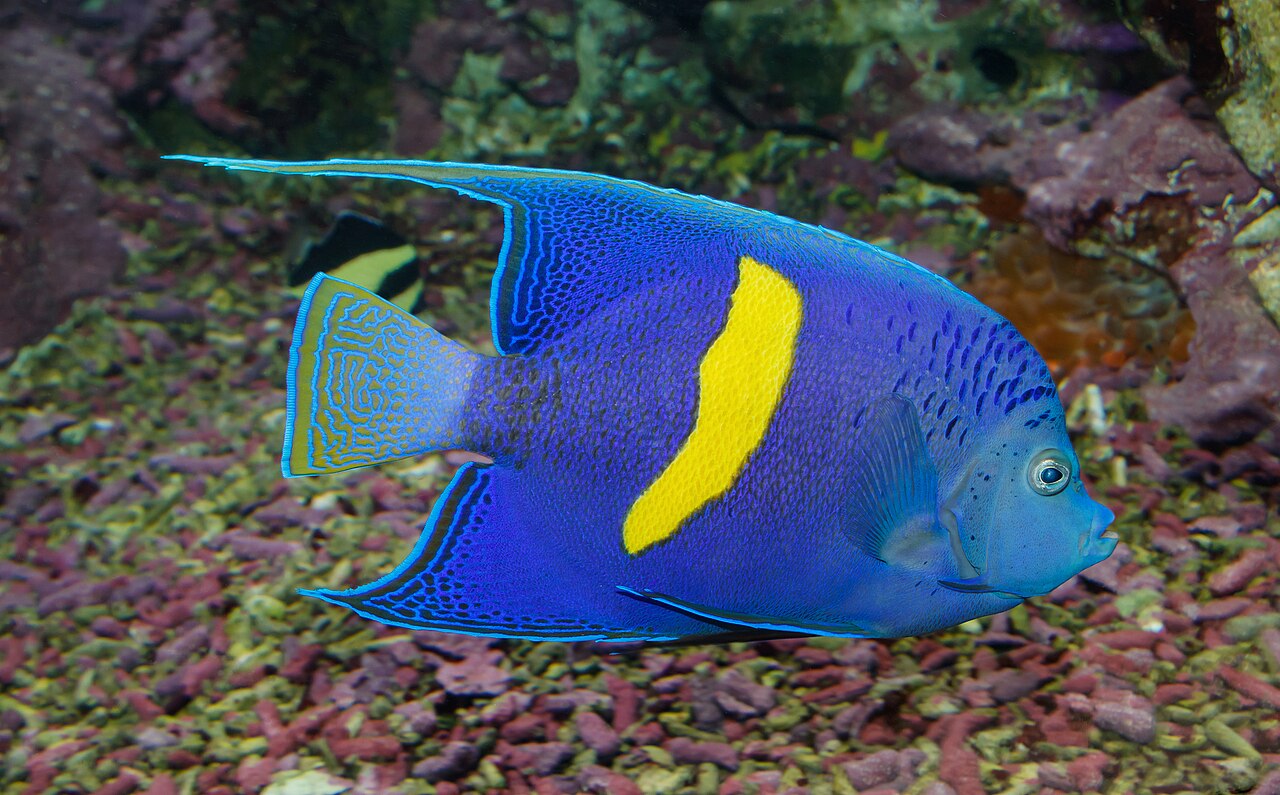 AngelfishAngelfishConfirmed present · 2 independent sources
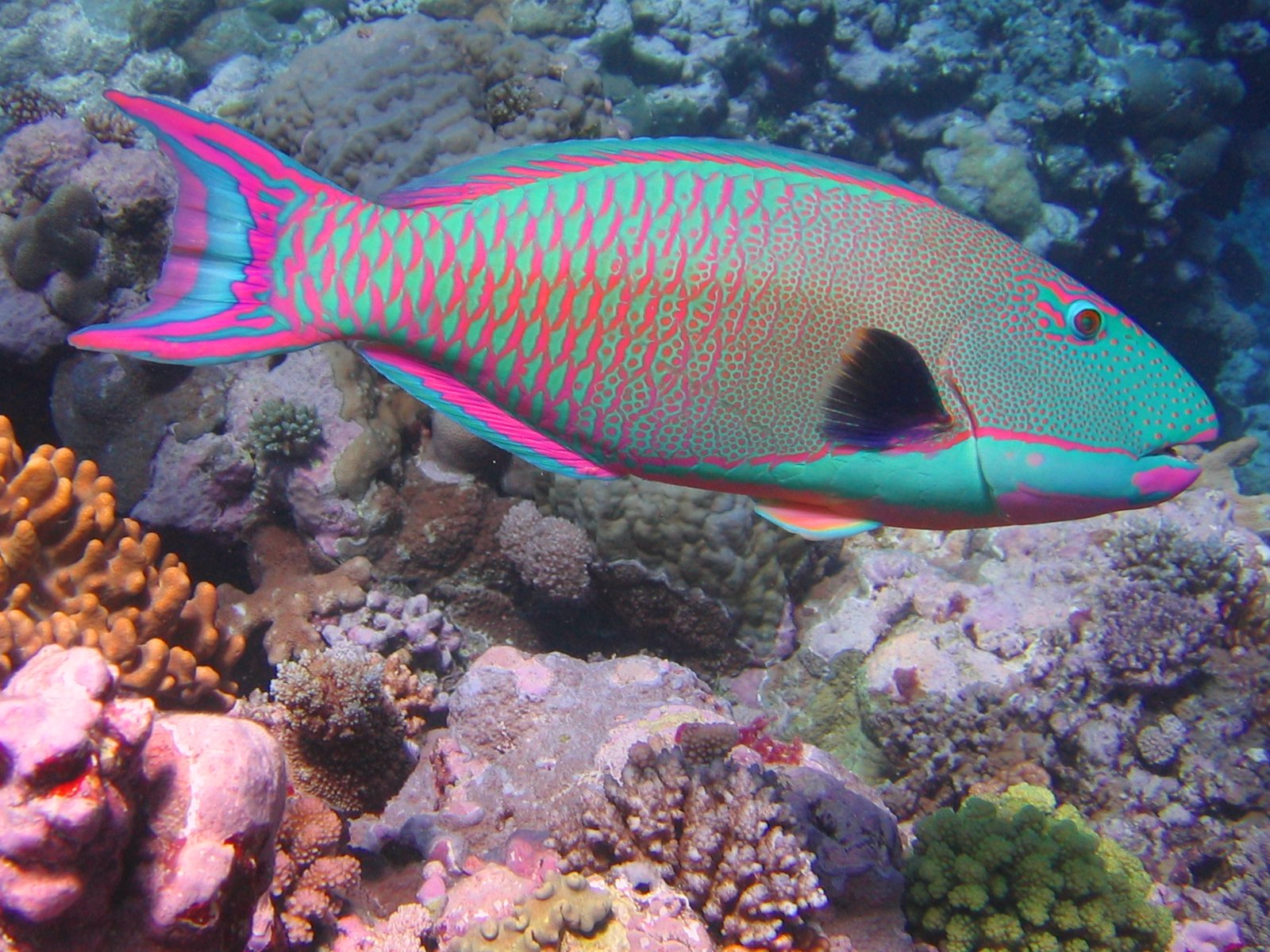 ParrotfishParrotfishConfirmed present · 2 independent sources
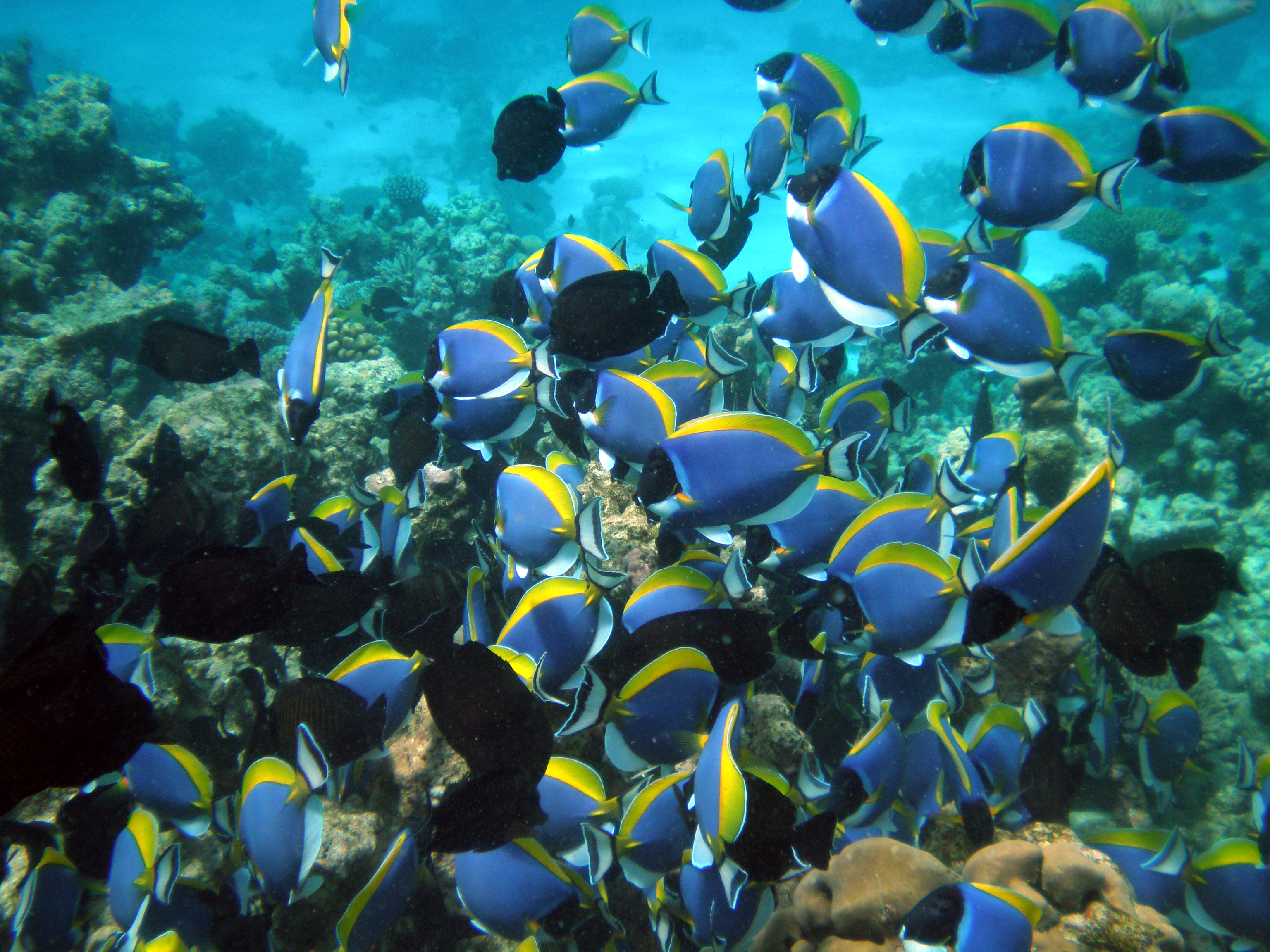 SurgeonfishSurgeonfishConfirmed present · 3 independent sources
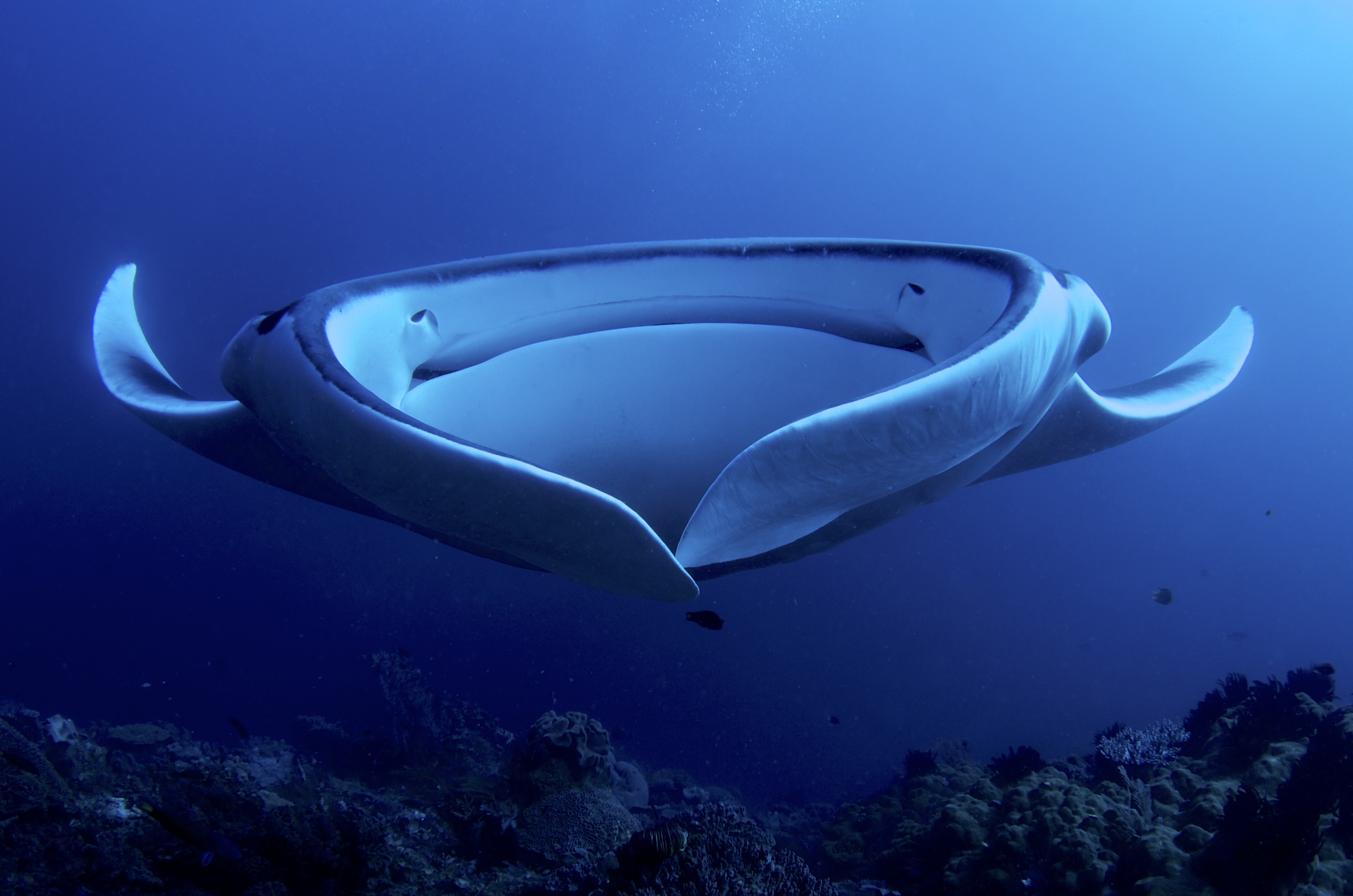 Manta rayManta rayReported here · unconfirmed
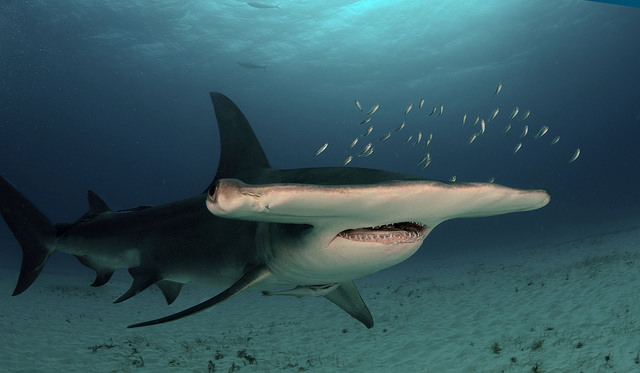 Hammerhead sharkHammerhead sharkConfirmed present · 5 independent sources
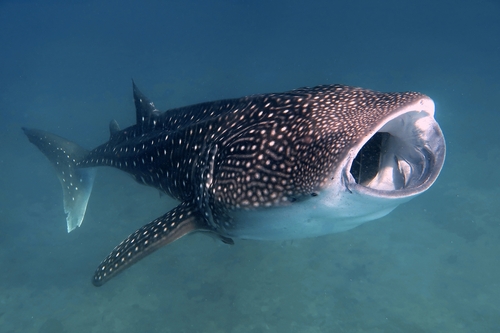 Whale SharkRhincodon typusReported here · unconfirmed
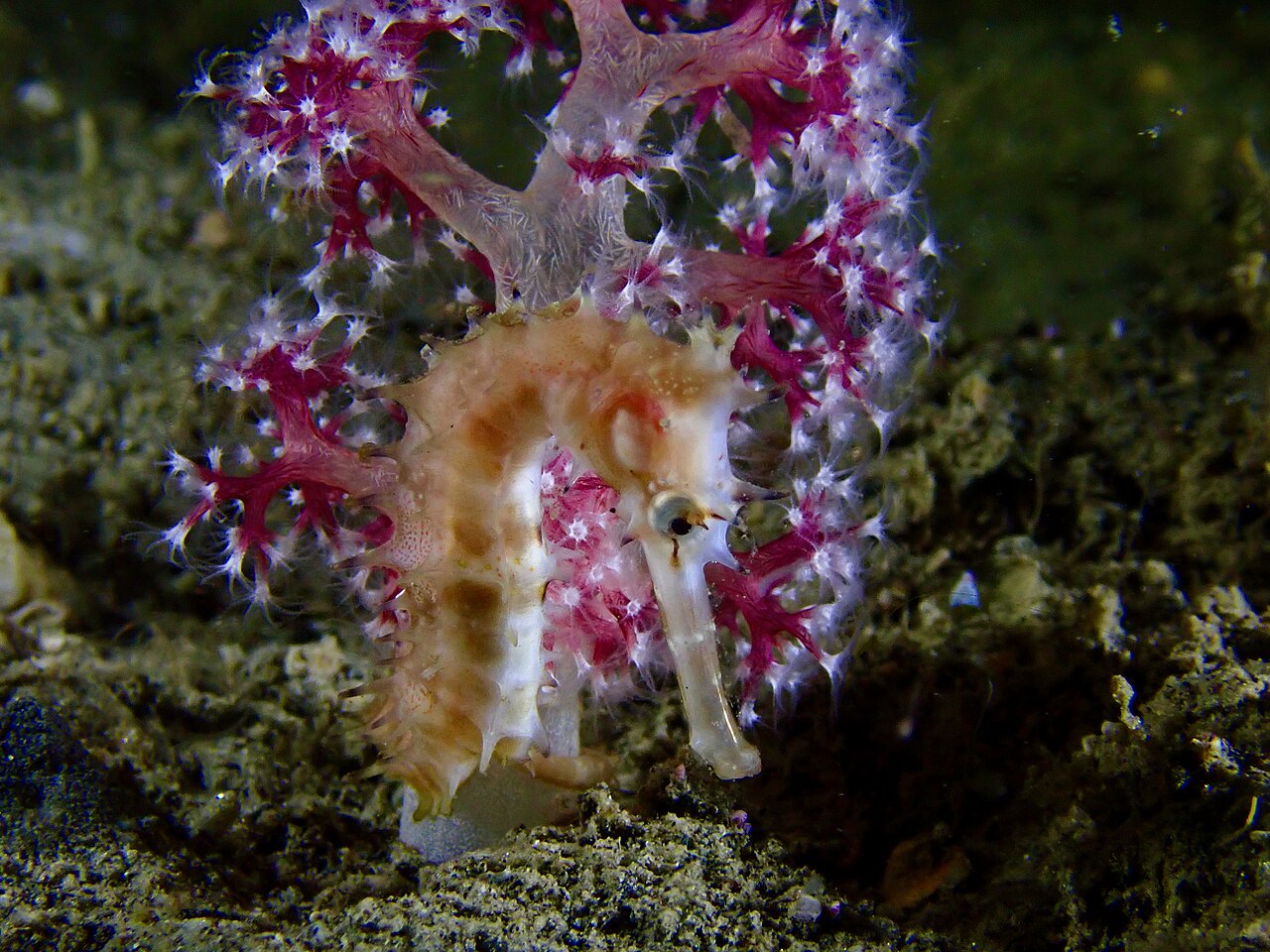 SeahorseSeahorseReported here · unconfirmed
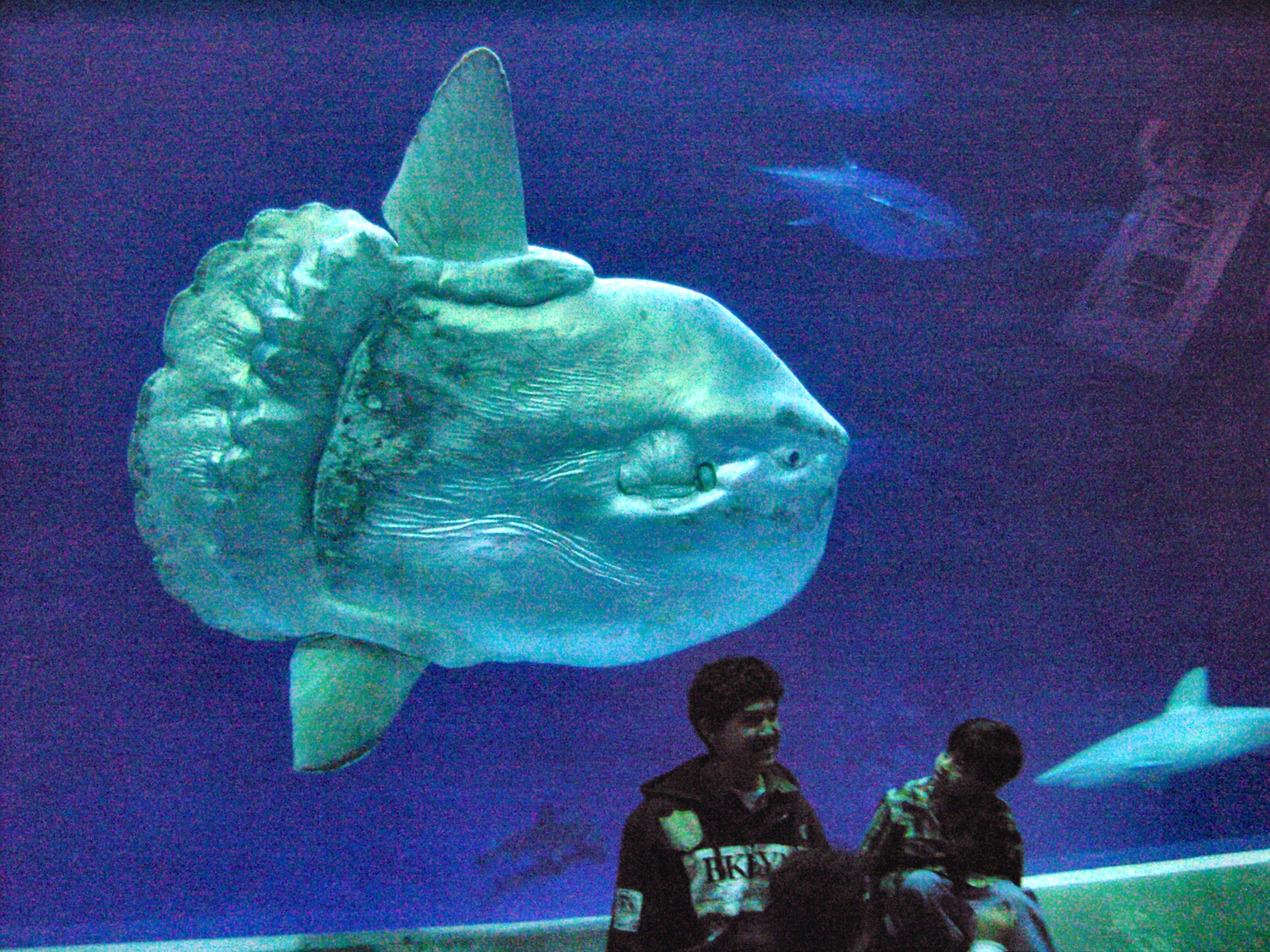 Mola mola (ocean sunfish)Mola mola (ocean sunfish)Confirmed present · 2 independent sources
Durable tips from divers — access, hazards, marine life, facilities. For day-of conditions, use the report tool in the conditions card above.
No notes yet. Dived here? Be the first to leave a tip.
Share a write-up or a photo. Submissions are reviewed before they appear on the page.
Nearby dive sites
Shops that dive here
No shops have listed this site yet.