Sail Rock
Conditions & tides
Scored by DiveConnect's site-physics model
Marine forecast via Copernicus Marine. Score is a rule-based guide from swell/wind vs. the site's exposure — always dive your own assessment.
Dived here today? How were conditions vs. what we showed?
About this site
Sail Rock is a large granite rock formation rising about 15 metres out of the Gulf of Thailand, situated roughly halfway between Koh Phangan and Koh Samui, and is considered one of the most iconic dive sites in Thailand. The rock sits on the seafloor at around 30 metres depth, and because there is no other rock formation nearby, it acts as a natural gathering point for fish. Depths at the site range from 1 metre to around 40 metres, making it suitable for intermediate to advanced divers, with a 1–2 hour boat journey required to reach it.
The standout feature of Sail Rock is "The Chimney," a vertical swim-through that begins at approximately 5 metres and descends to around 20 metres, cutting through the main rock. Outside the chimney, the main rock can typically be circumnavigated several times in a single dive, with additional scattered rocks in the deeper sections further from the main formation. Water temperature runs between 27–30°C, and the site is diveable from March through October, with whale sharks most associated with the site during their seasonal visits.
Marine life at Sail Rock is defined by large schooling species and substantial pelagics. Inside and around the chimney, schools of batfish, barracuda, and thousands of bigeye trevally form dense aggregations. Giant groupers move through the deeper sections, and reef sharks are regularly encountered around the more distant rocks at depth. Fusiliers, jacks, and king mackerel are also present, and nudibranchs and shrimp species can be found for those looking more closely at the structure.
Read the full guideShow less
Currents at Sail Rock can be strong, but the rock's shape and the presence of multiple faces mean that sheltered sections are usually available even when conditions are demanding. Visibility is generally great. The site is rated intermediate to advanced, and strong currents are the principal hazard to manage.
Marine life here
Confirmed by our research team, reported by independent divers, or observed nearby via iNaturalist — each entry is labelled with its source.
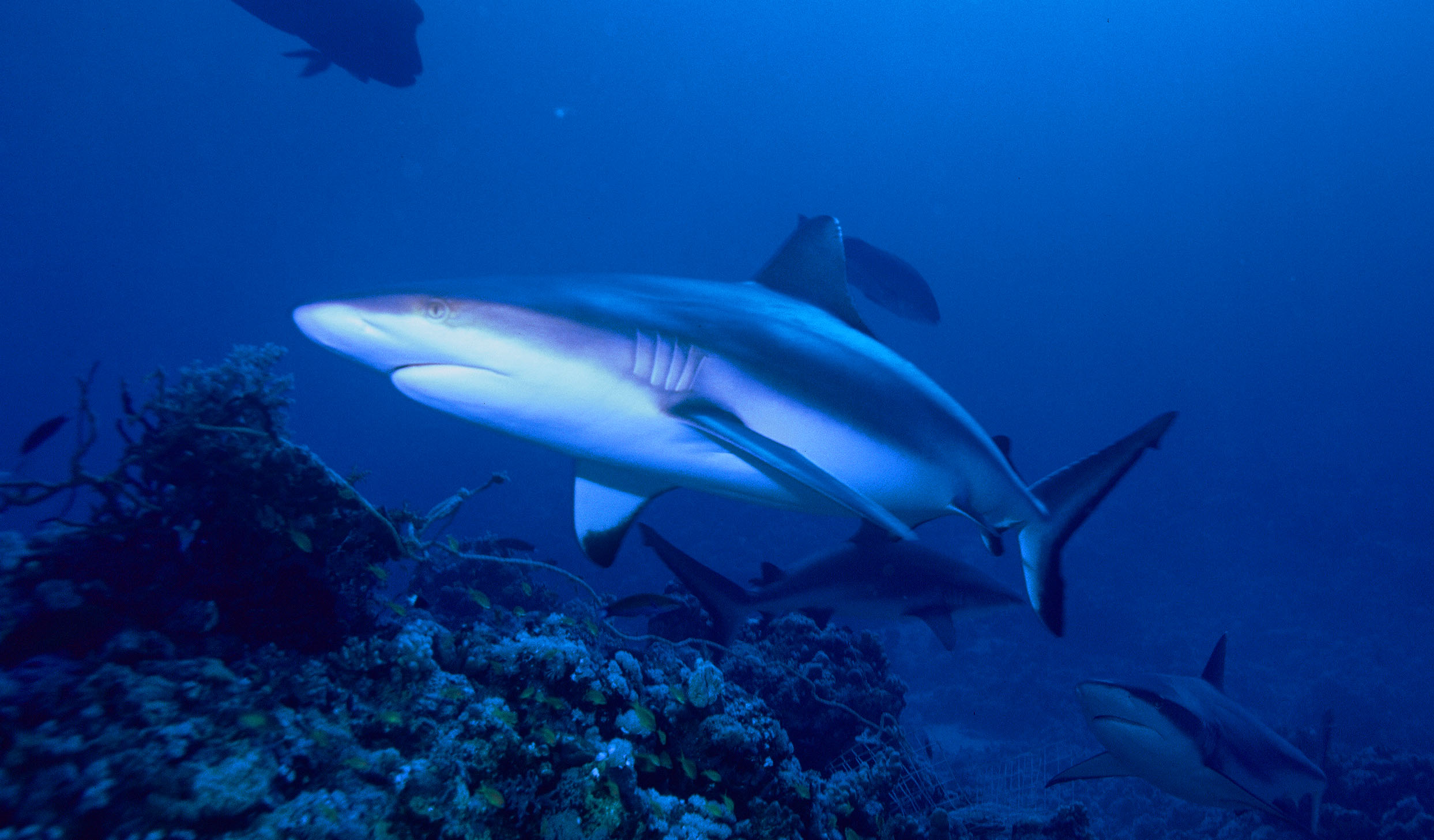 Reef sharkReef sharkReported here · unconfirmed
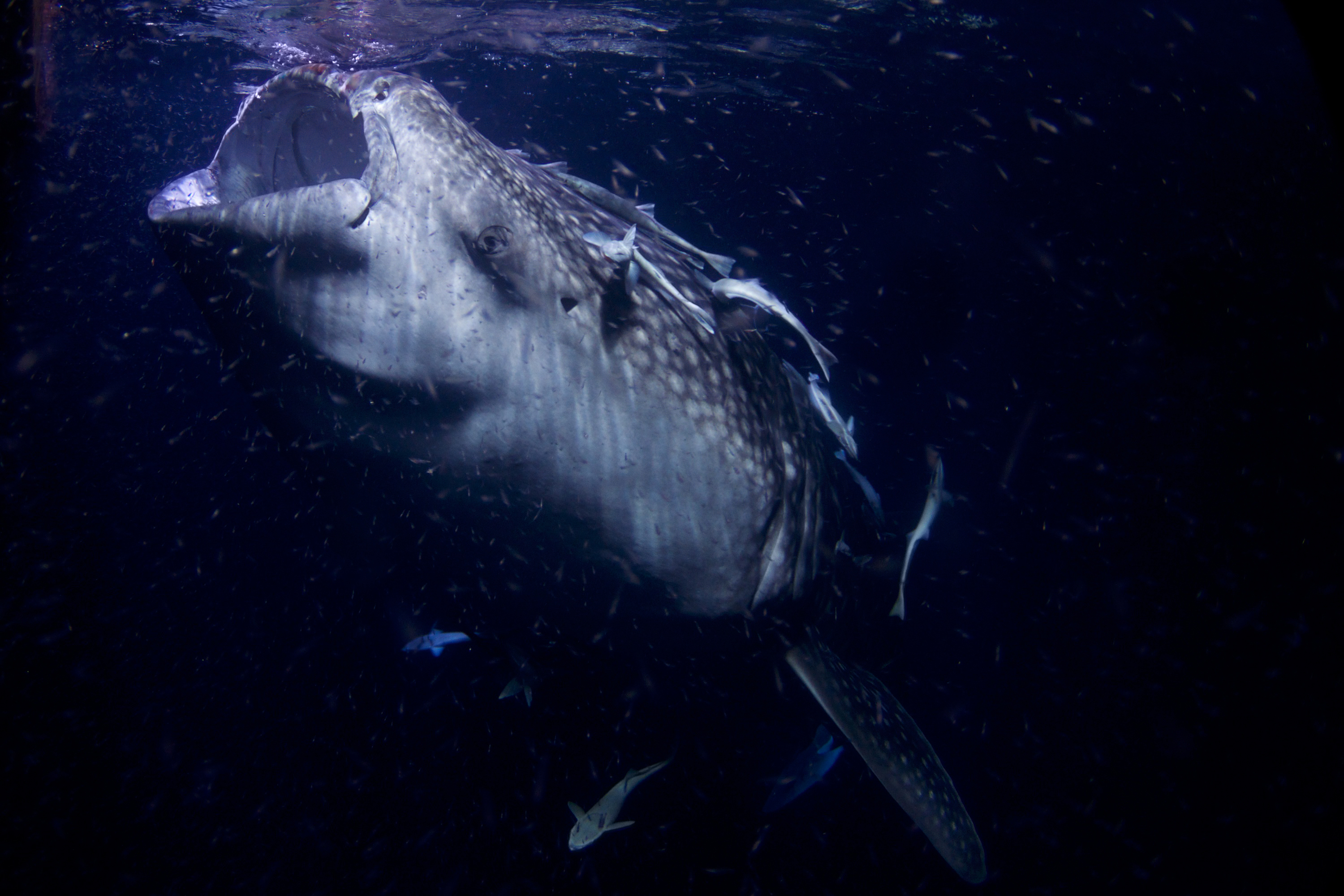 Whale sharkWhale sharkReported here · unconfirmed
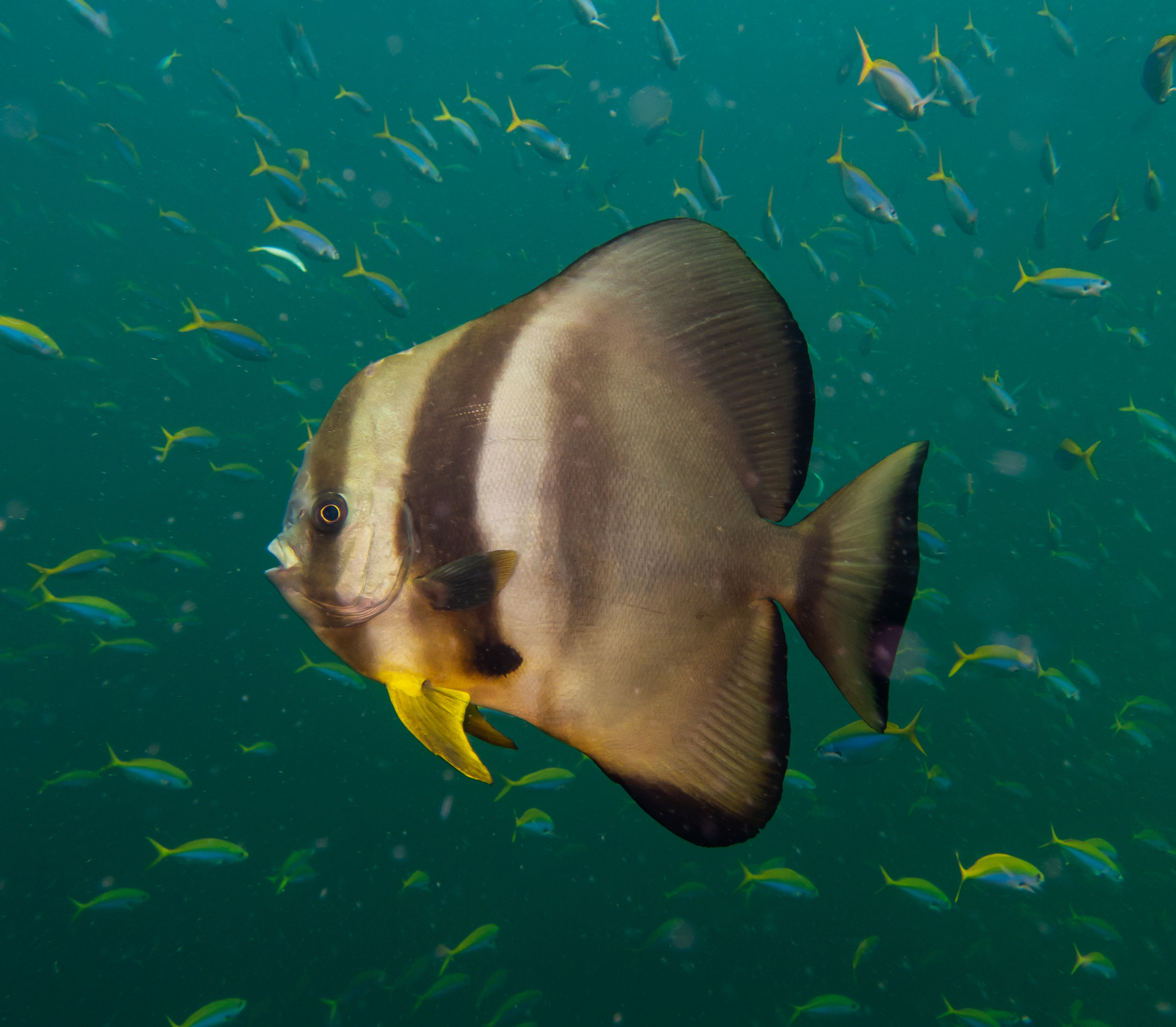 BatfishBatfishConfirmed present · 7 independent sources
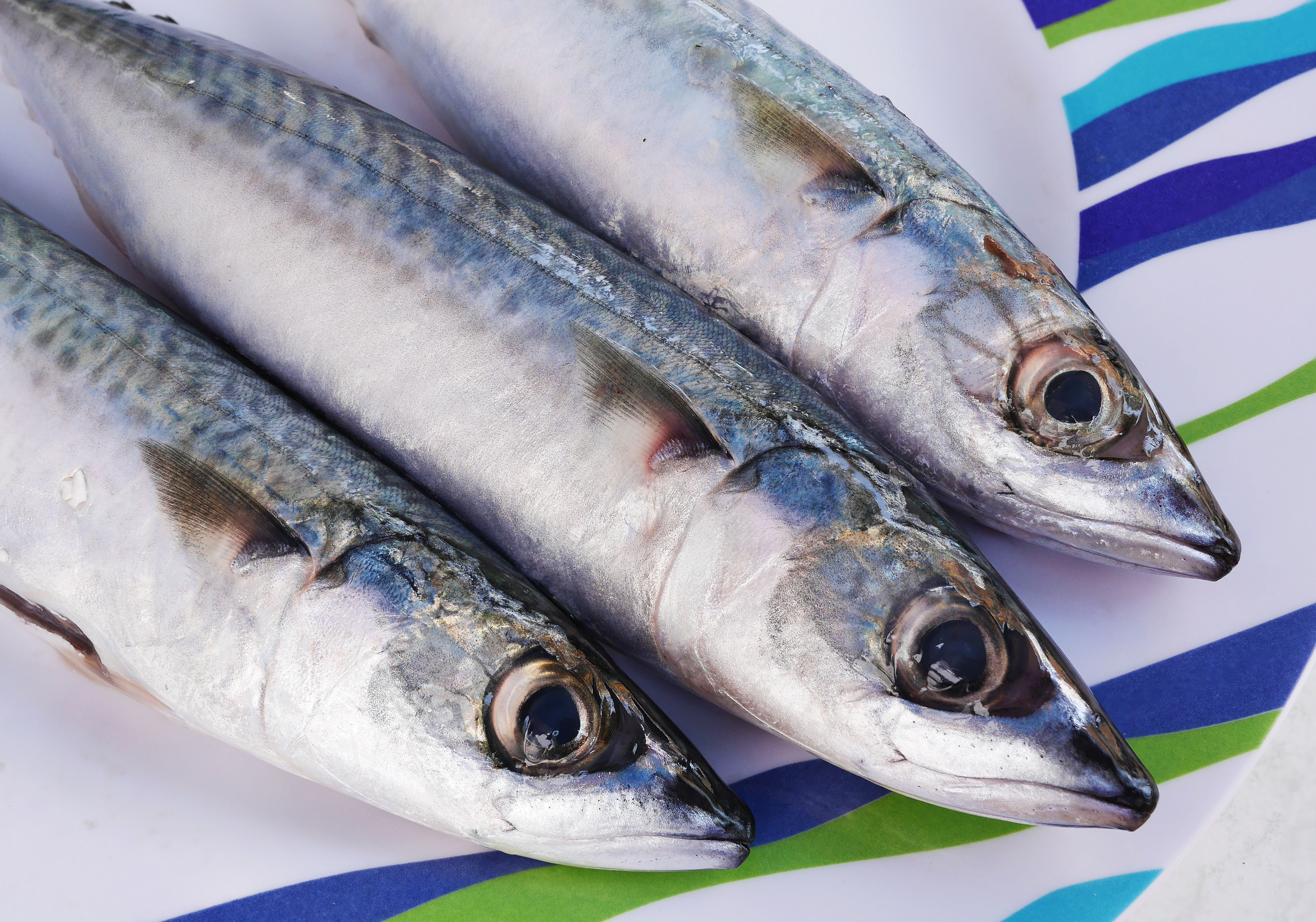 MackerelMackerelConfirmed present · 2 independent sources
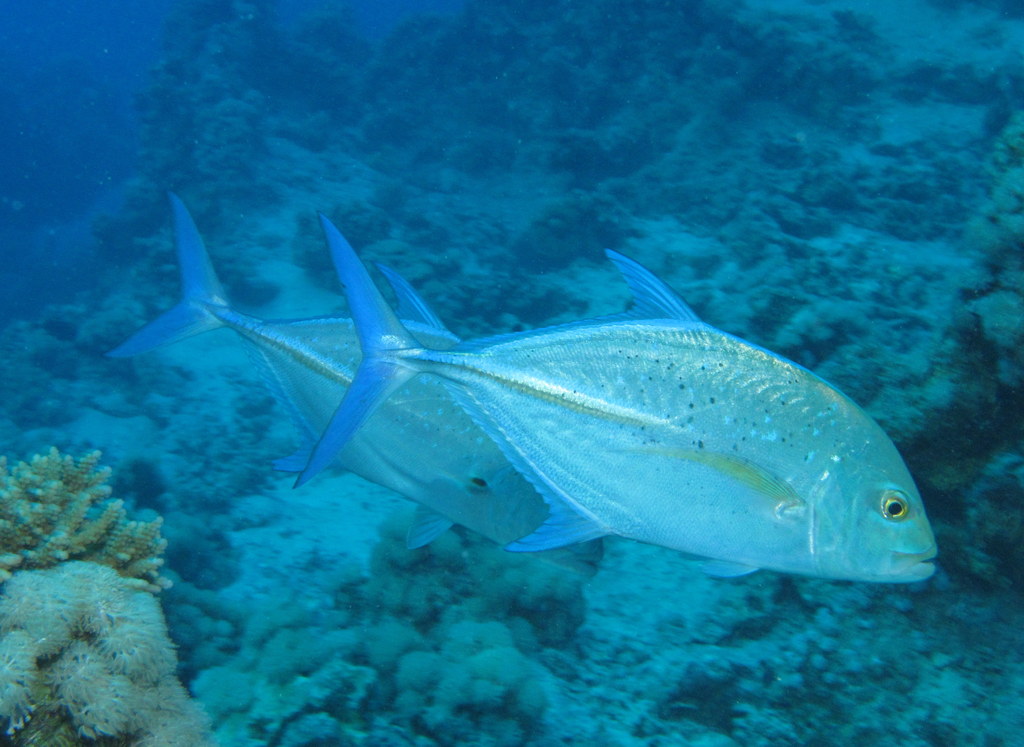 TrevallyTrevallyConfirmed present · 8 independent sources
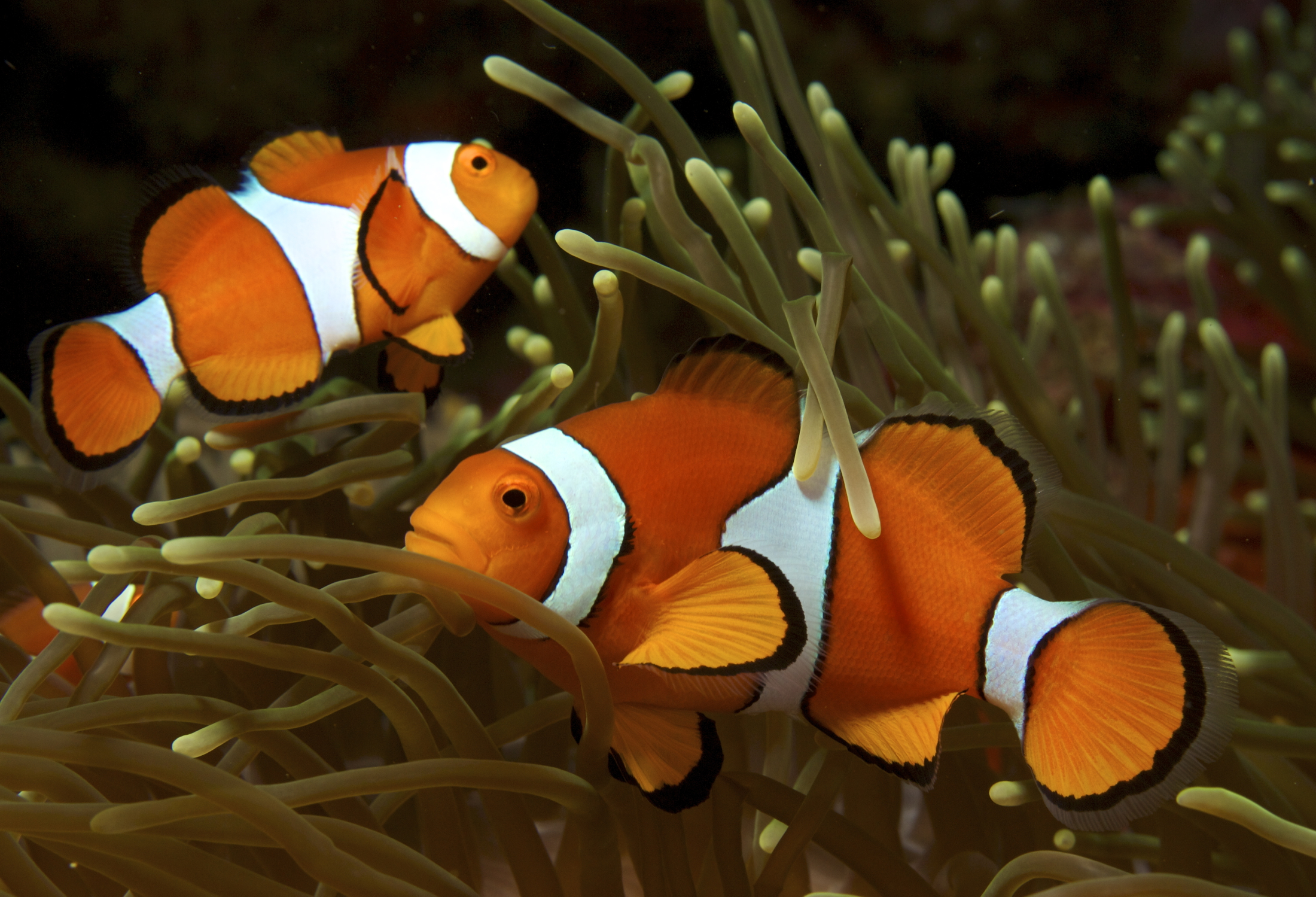 ClownfishClownfishReported here · unconfirmed
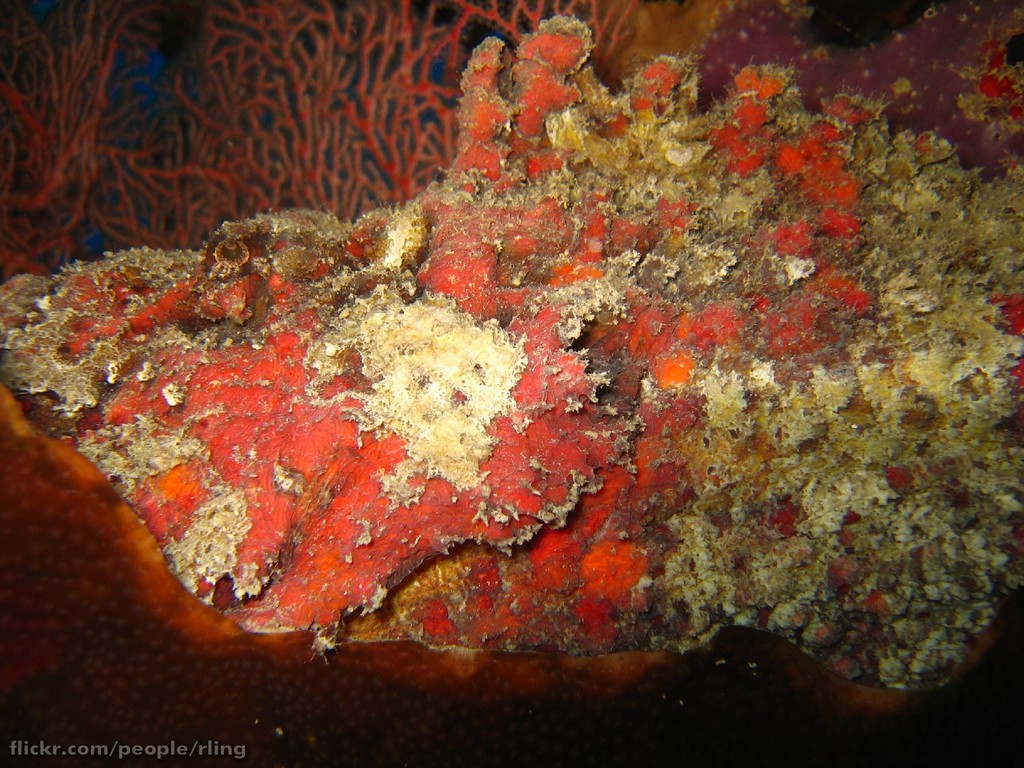 StonefishStonefishReported here · unconfirmed
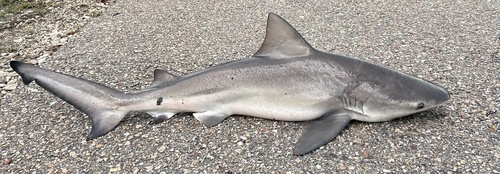 Bull SharkCarcharhinus leucasReported here · unconfirmed
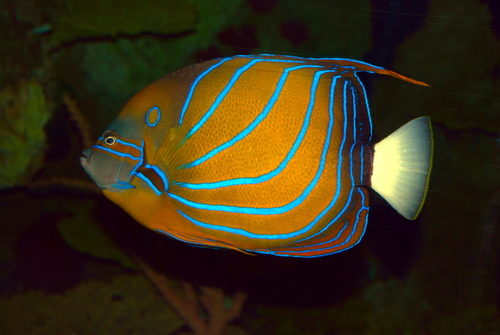 Bluering AngelfishPomacanthus annularisReported here · unconfirmed
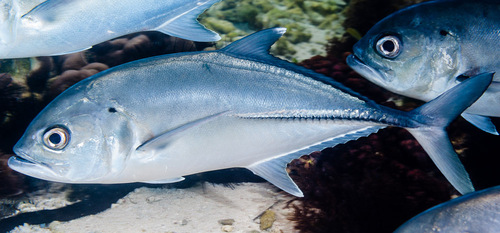 Bigeye TrevallyCaranx sexfasciatusReported here · unconfirmed
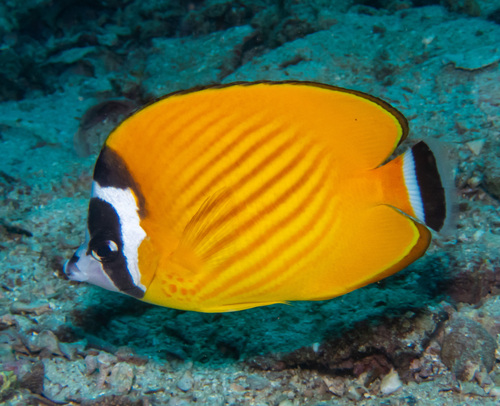 Hong Kong ButterflyfishChaetodon wiebeliReported here · unconfirmed
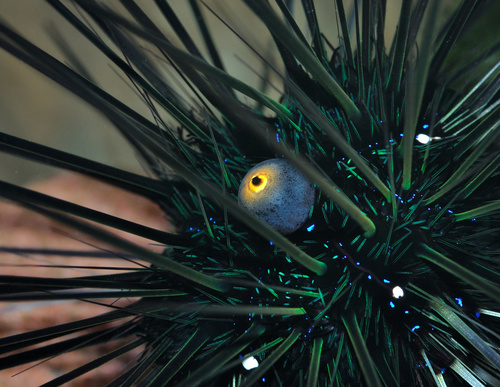 Black Longspine UrchinDiadema setosumReported here · unconfirmed
 BlubberlipPlectorhinchus gibbosusReported here · unconfirmed
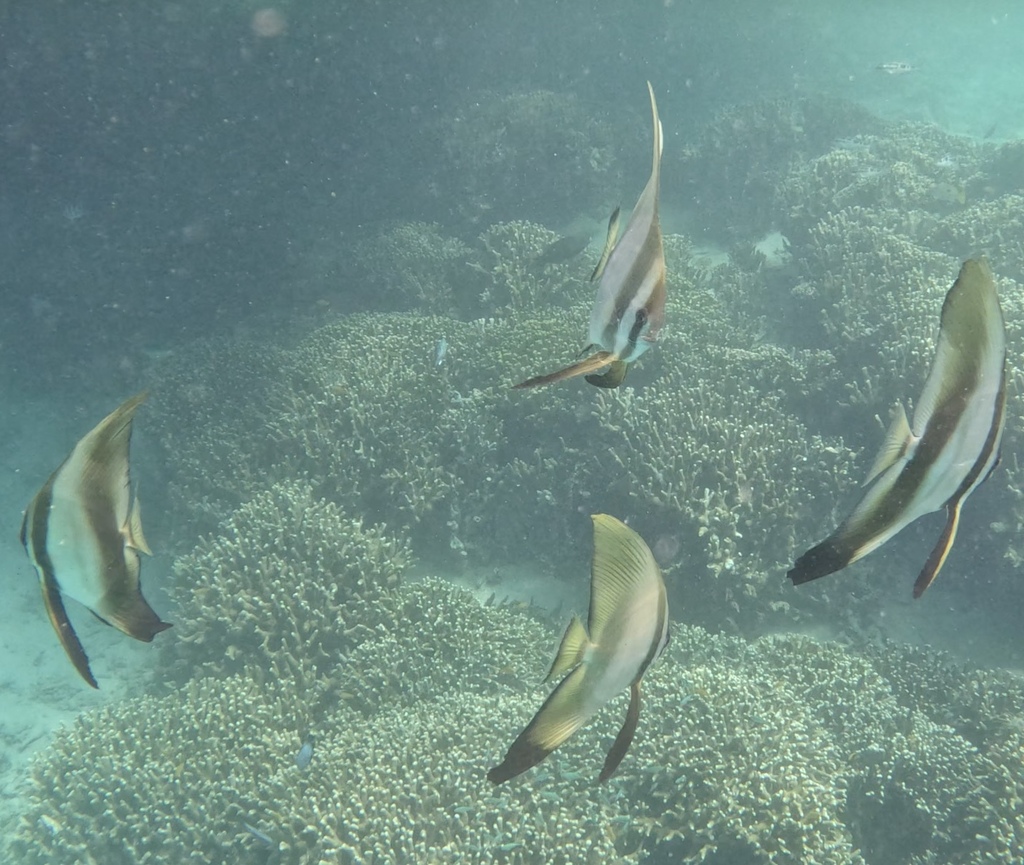 Longfin BatfishPlatax teiraReported here · unconfirmed
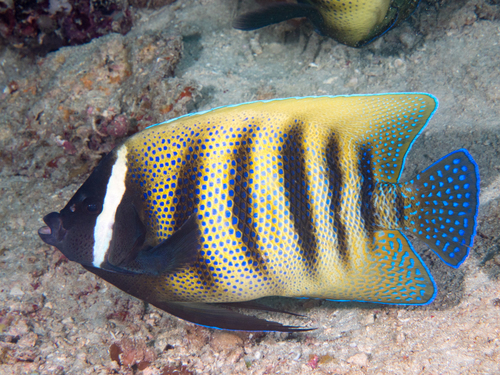 Sixband AngelfishPomacanthus sexstriatusReported here · unconfirmed
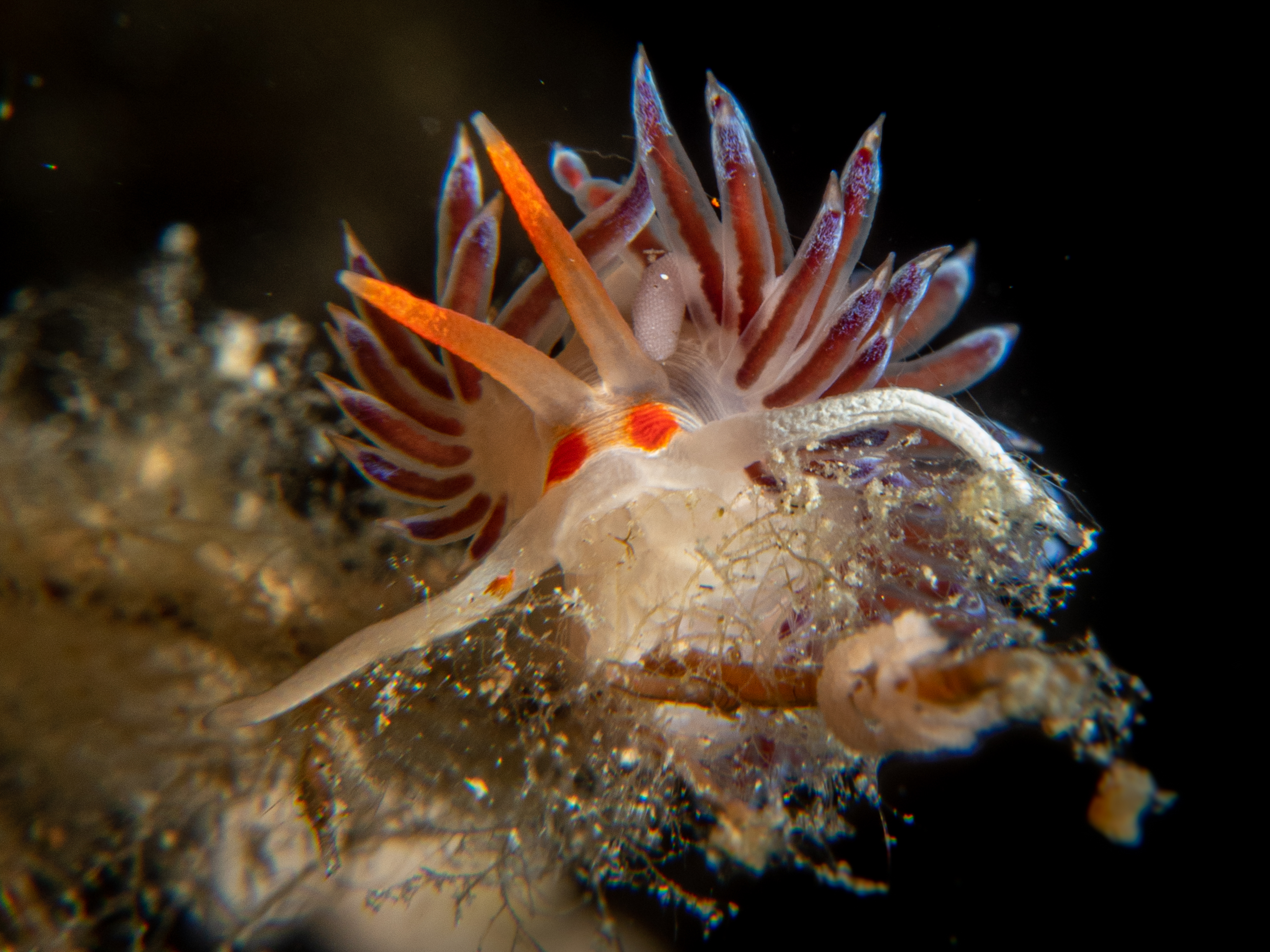 NudibranchNudibranchConfirmed present · 4 independent sources
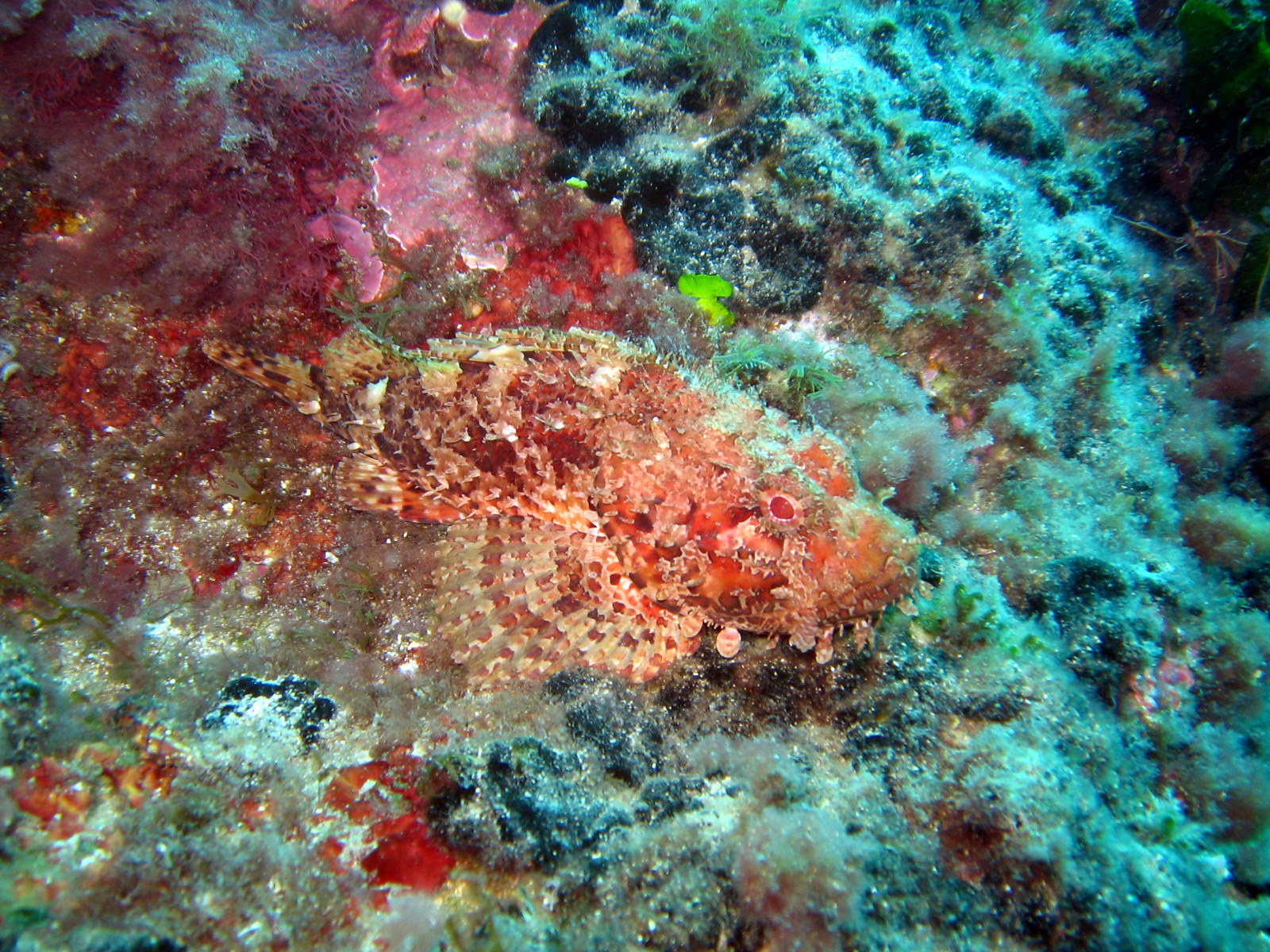 ScorpionfishScorpionfishReported here · unconfirmed
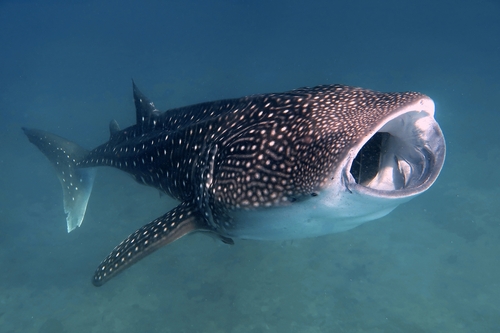 Whale SharkRhincodon typusConfirmed present · 9 independent sources
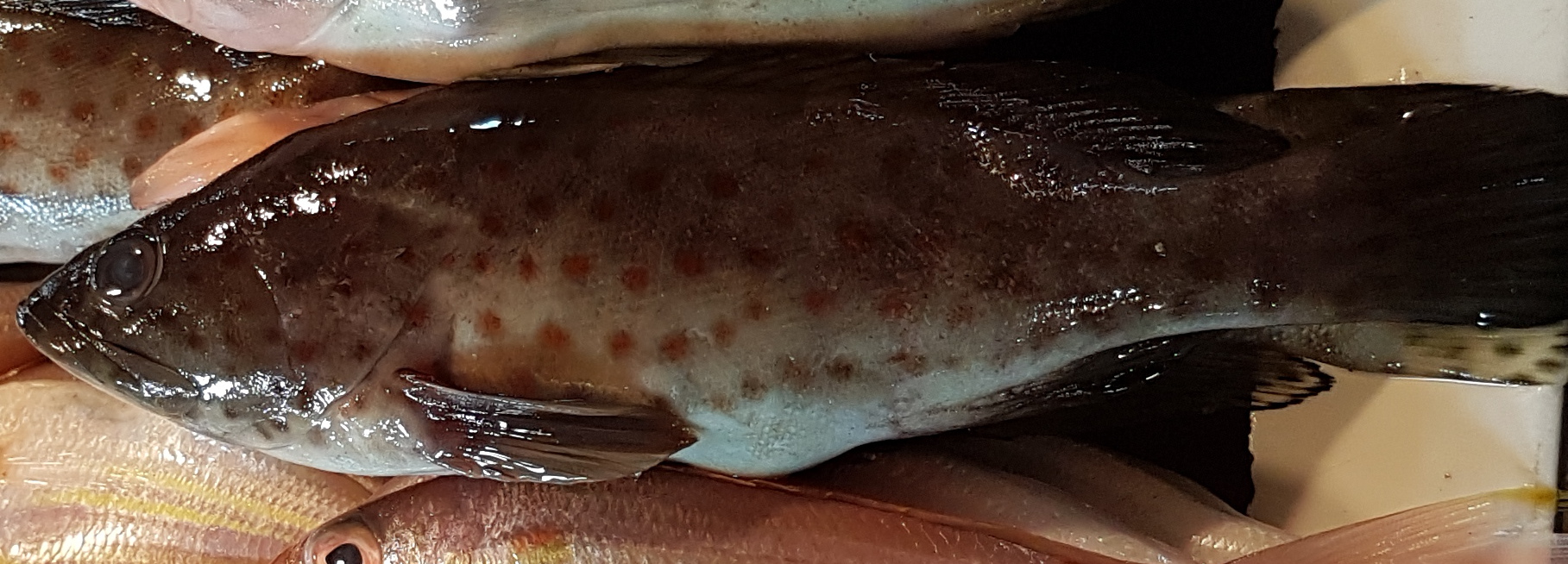 GrouperGrouperConfirmed present · 6 independent sources
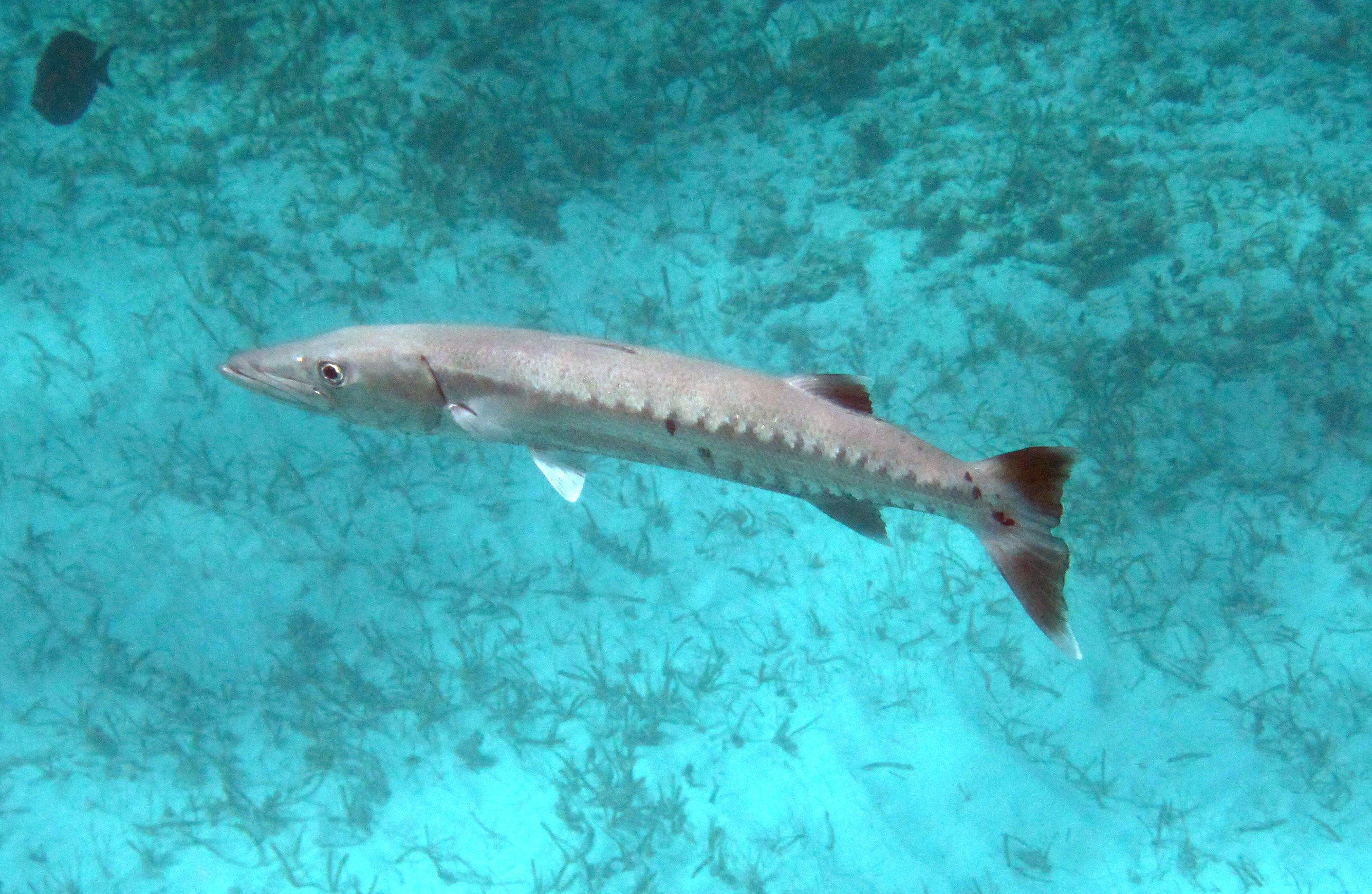 BarracudaBarracudaConfirmed present · 10 independent sources
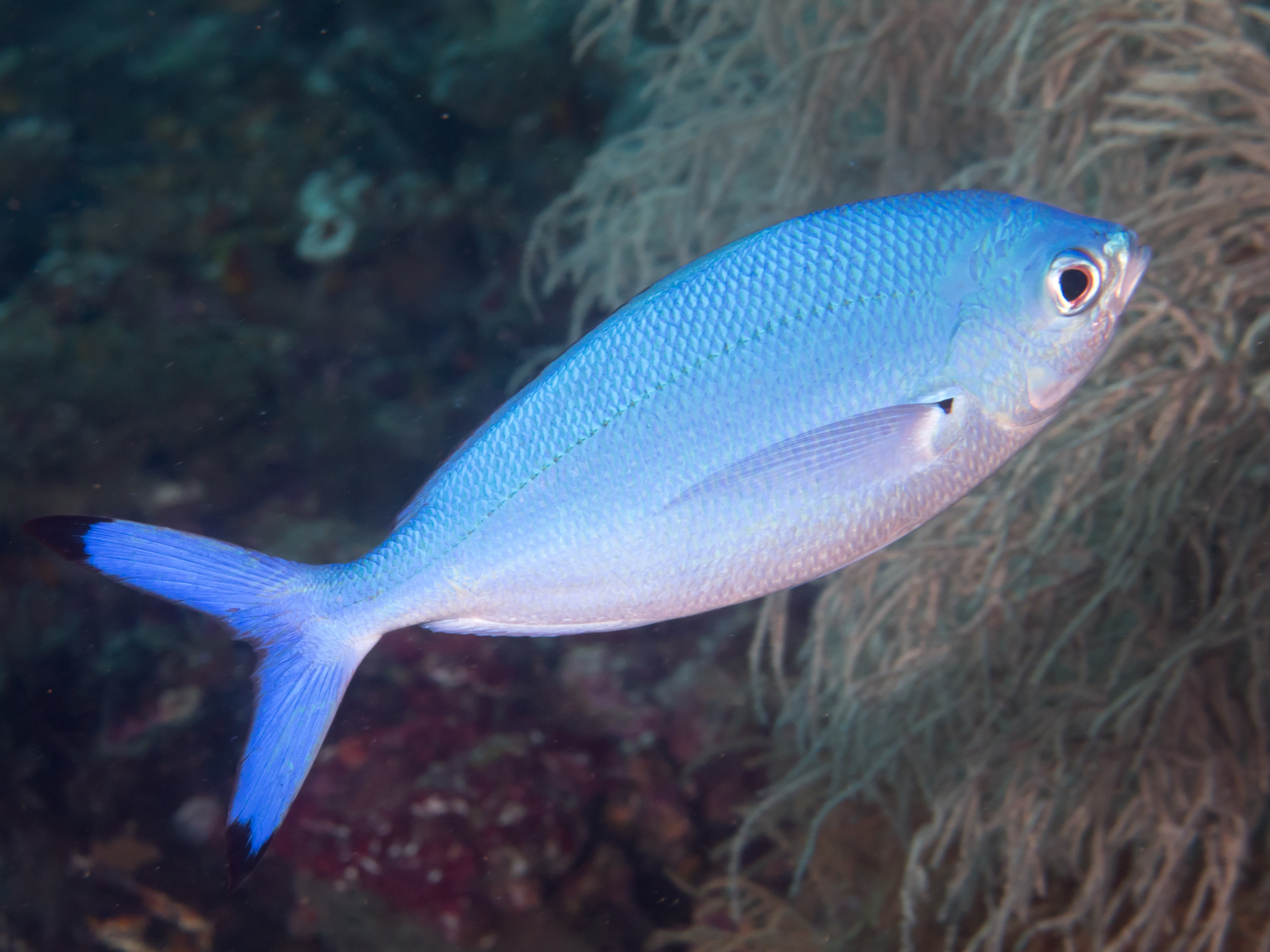 FusilierFusilierConfirmed present · 3 independent sources
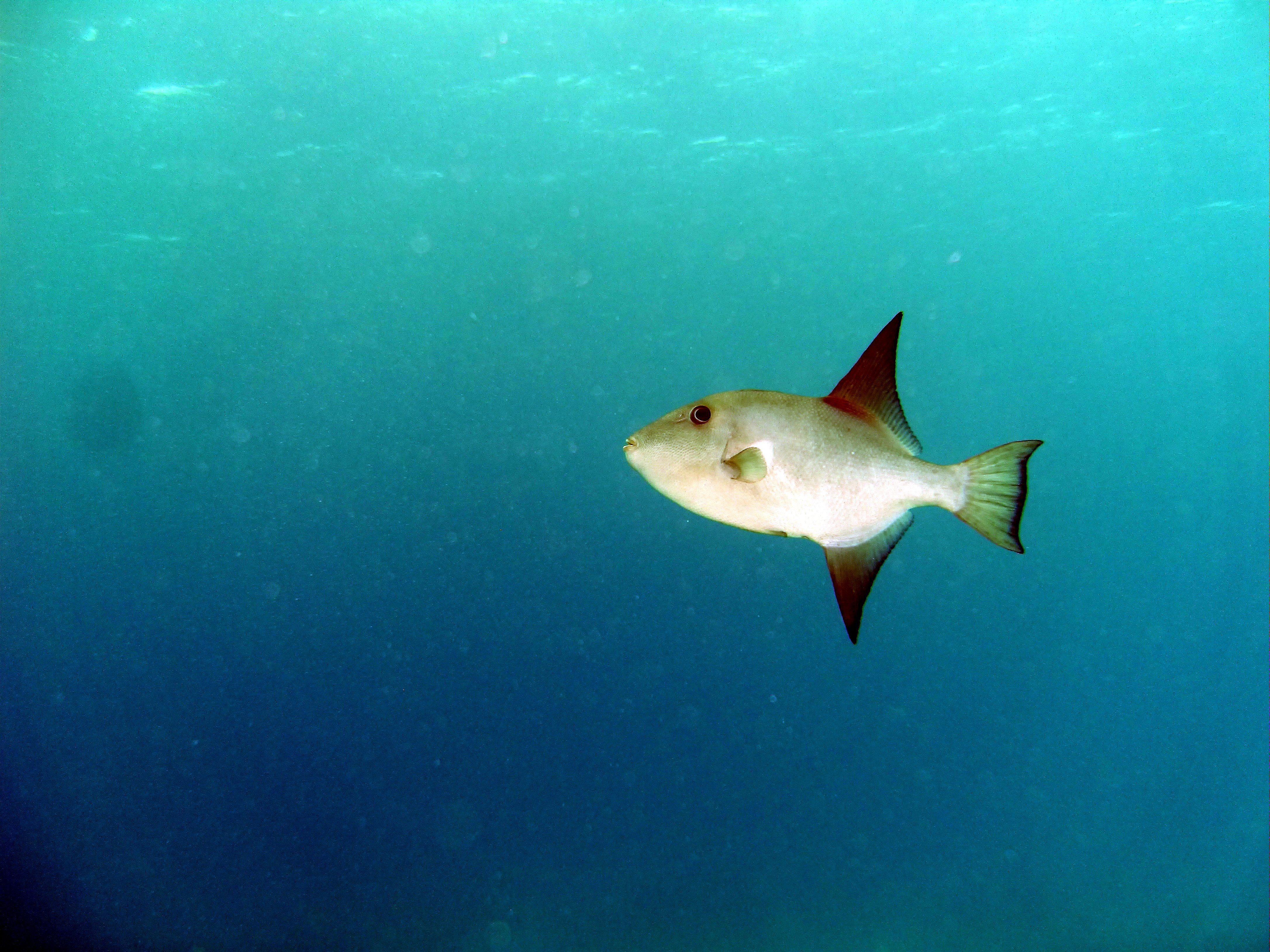 TriggerfishTriggerfishReported here · unconfirmed
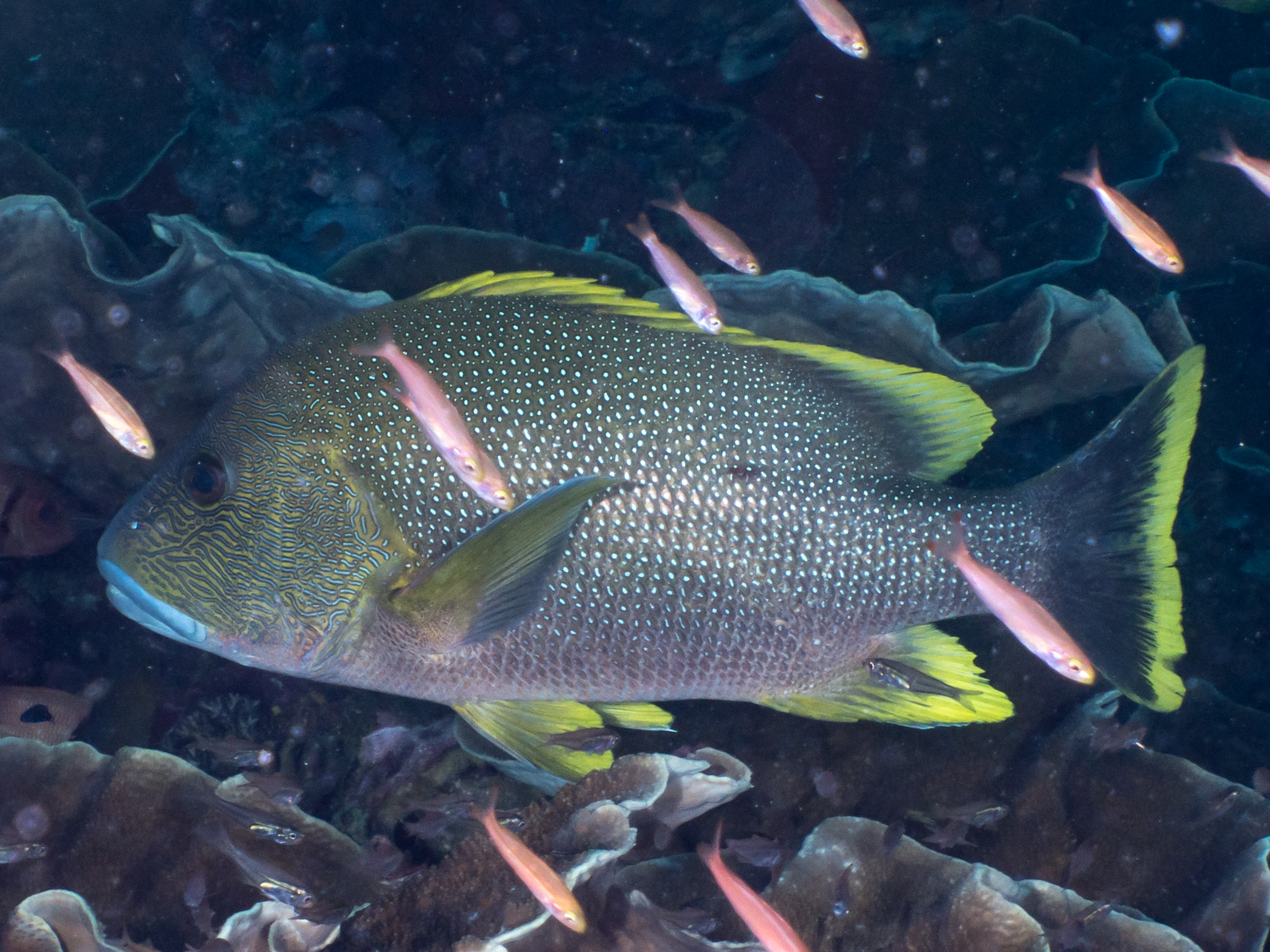 SnapperSnapperReported here · unconfirmed
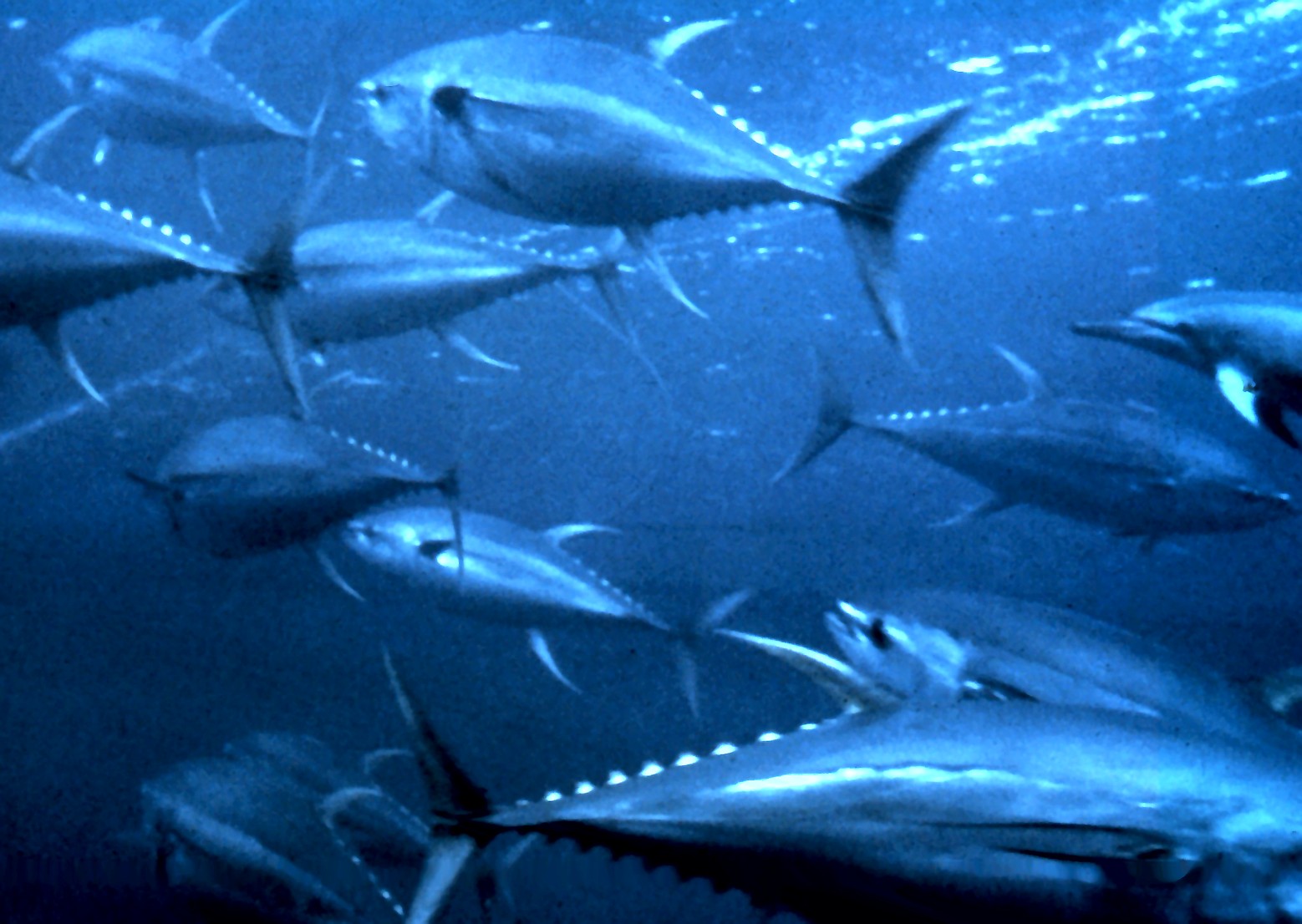 TunaTunaReported here · unconfirmed
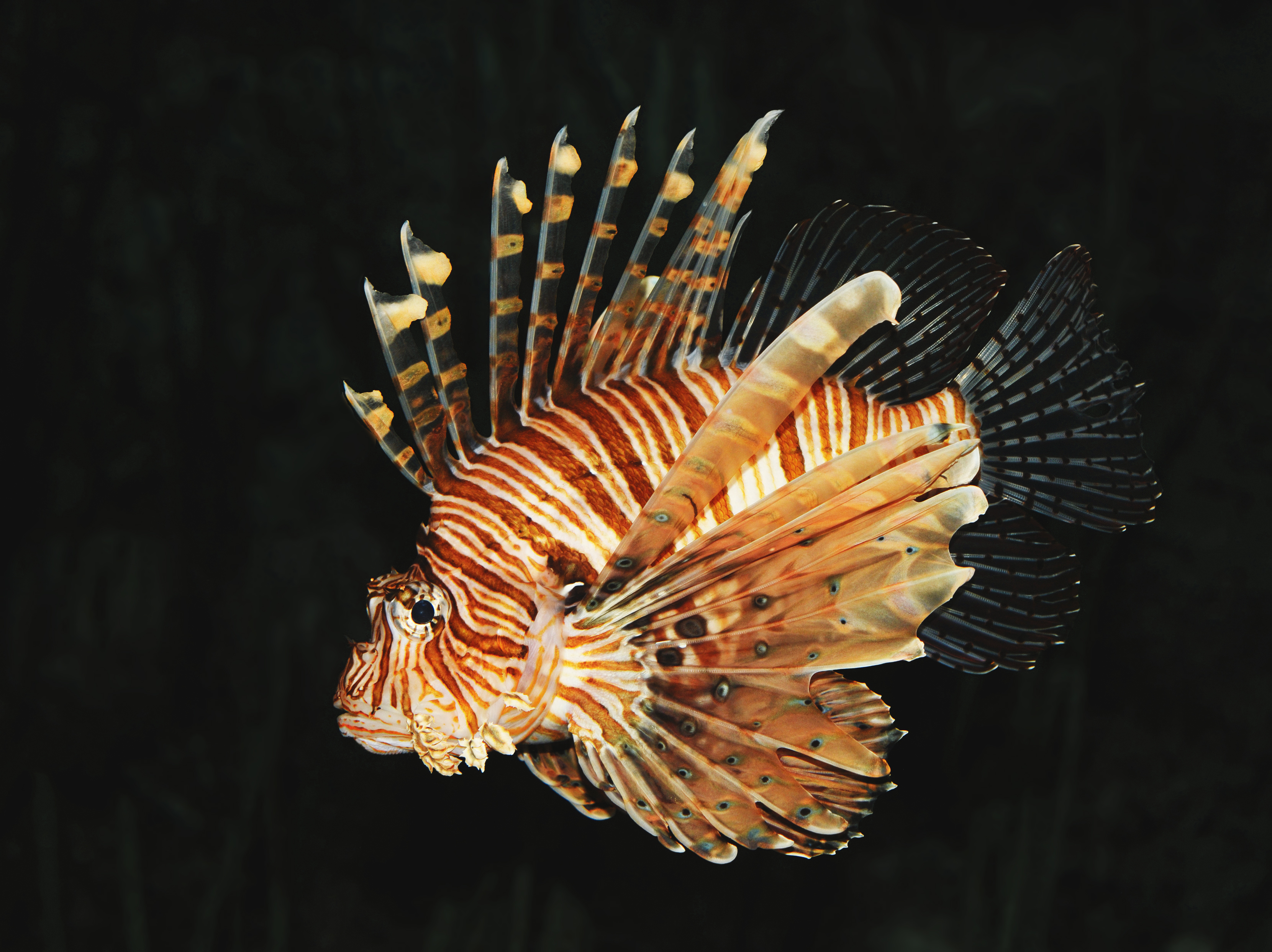 LionfishLionfishReported here · unconfirmed
Durable tips from divers — access, hazards, marine life, facilities. For day-of conditions, use the report tool in the conditions card above.
No notes yet. Dived here? Be the first to leave a tip.
Share a write-up or a photo. Submissions are reviewed before they appear on the page.
Nearby dive sites
Shops that dive here
No shops have listed this site yet.