The Burma Banks
Conditions & tides
Scored by DiveConnect's site-physics model
Marine forecast via Copernicus Marine. Score is a rule-based guide from swell/wind vs. the site's exposure — always dive your own assessment.
Dived here today? How were conditions vs. what we showed?
About this site
The Burma Banks are a collection of submerged seamounts located roughly 180 km north-west of the Similan Islands, in international waters far offshore of the Mergui Archipelago. The name was coined by dive shop owners in the late 1980s, and the area was first dived in the early 1990s after Phuket-based liveaboards used early GPS equipment to pinpoint the banks' positions — nautical charts of the time did not accurately record them. Five sandy banks were eventually located, four of which were dived regularly: Roe Bank, Rainbow Reef, Big Bank, and Silvertip Bank.
The terrain consists of fairly flat, broad plateaus typically around one kilometre in diameter, surrounded by open sea and water exceeding 300 m in depth. Most plateaus top out at 21–24 m, with Silvertip Bank being the shallowest, reaching within 15 m of the surface. There are no walls — only gently sloping edges — and the bottom is sand. Because the shallowest areas still sit at 21–24 m, bottom times are short; Nitrox is commonly used to extend them.
The banks sit close to deep open water, making them a good place to encounter pelagic predators such as rainbow runners, bonito, and dogtooth tuna. Sharks are the main draw: at least nine species have been recorded here, with silvertips historically the most common, alongside occasional rare sightings of tiger sharks and scalloped hammerheads. Shark fishing in the early 2000s severely reduced silvertip and nurse shark numbers, though reports from around 2018 noted increasing juvenile shark sightings.
Read the full guideShow less
All diving here is liveaboard-based, with no sheltered anchorages or islands nearby. Strong and changeable currents are very common, surface conditions can shift quickly — choppy seas are likely when wind opposes current — and safe diver pick-ups require close supervision. This is rated advanced; it is genuine open-ocean diving and is not suited to inexperienced divers. The main season runs from July to early October and again from January to March.
Marine life here
Confirmed by our research team, reported by independent divers, or observed nearby via iNaturalist — each entry is labelled with its source.
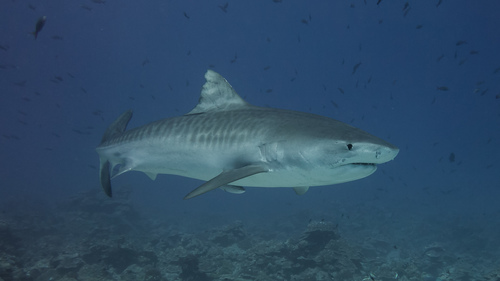 Tiger SharkGaleocerdo cuvierConfirmed present · 2 independent sources
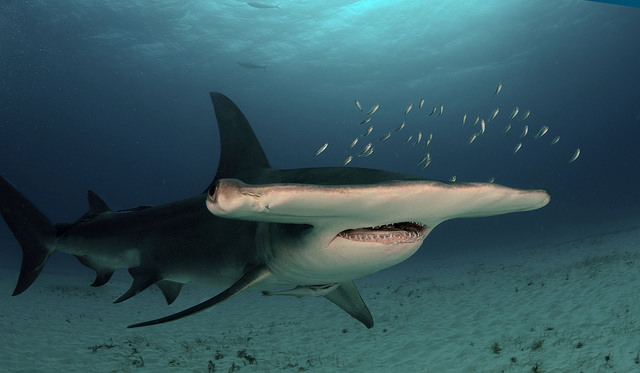 Hammerhead sharkHammerhead sharkConfirmed present · 2 independent sources
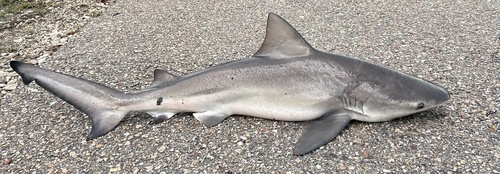 Bull SharkCarcharhinus leucasReported here · unconfirmed
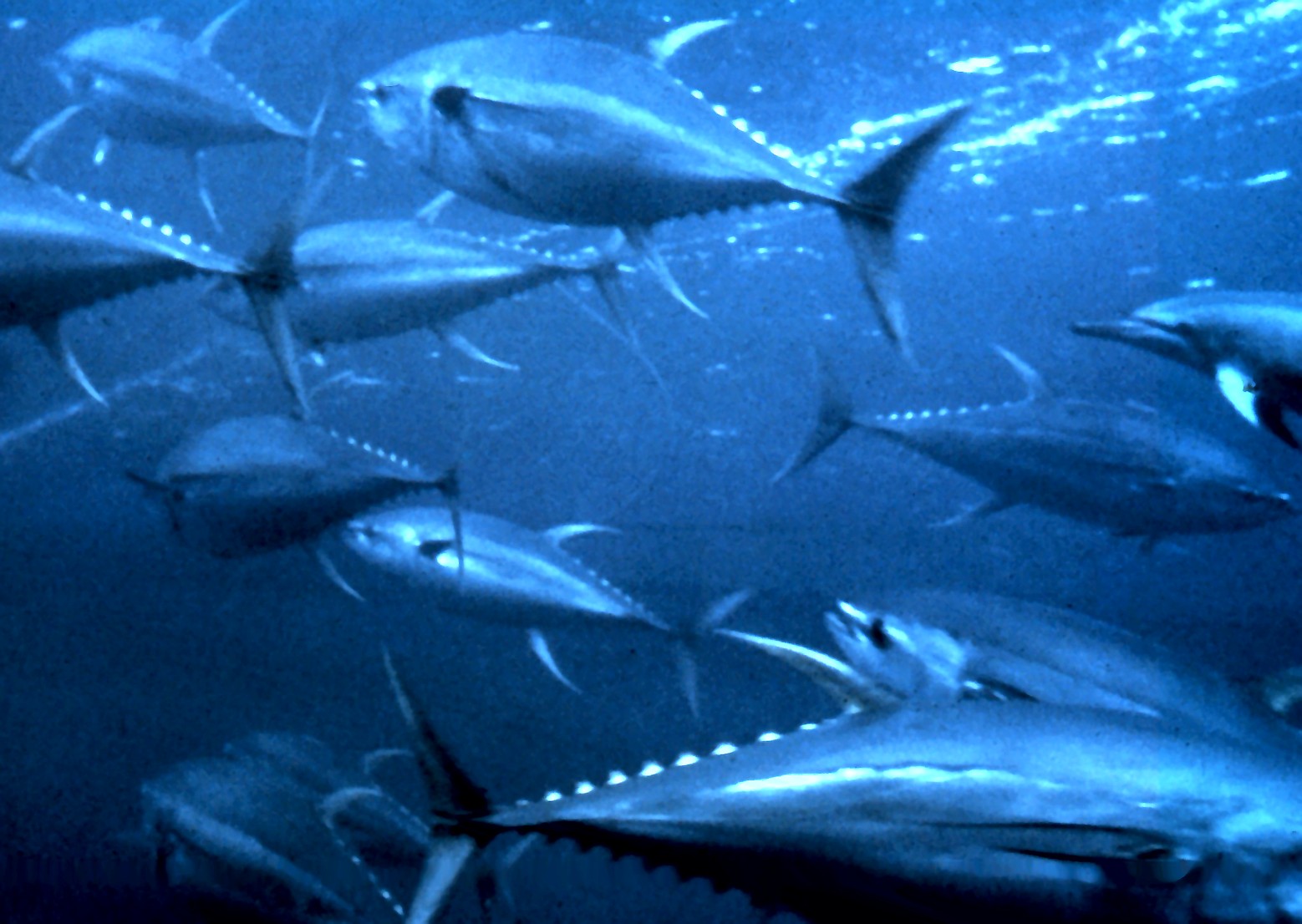 TunaTunaReported here · unconfirmed
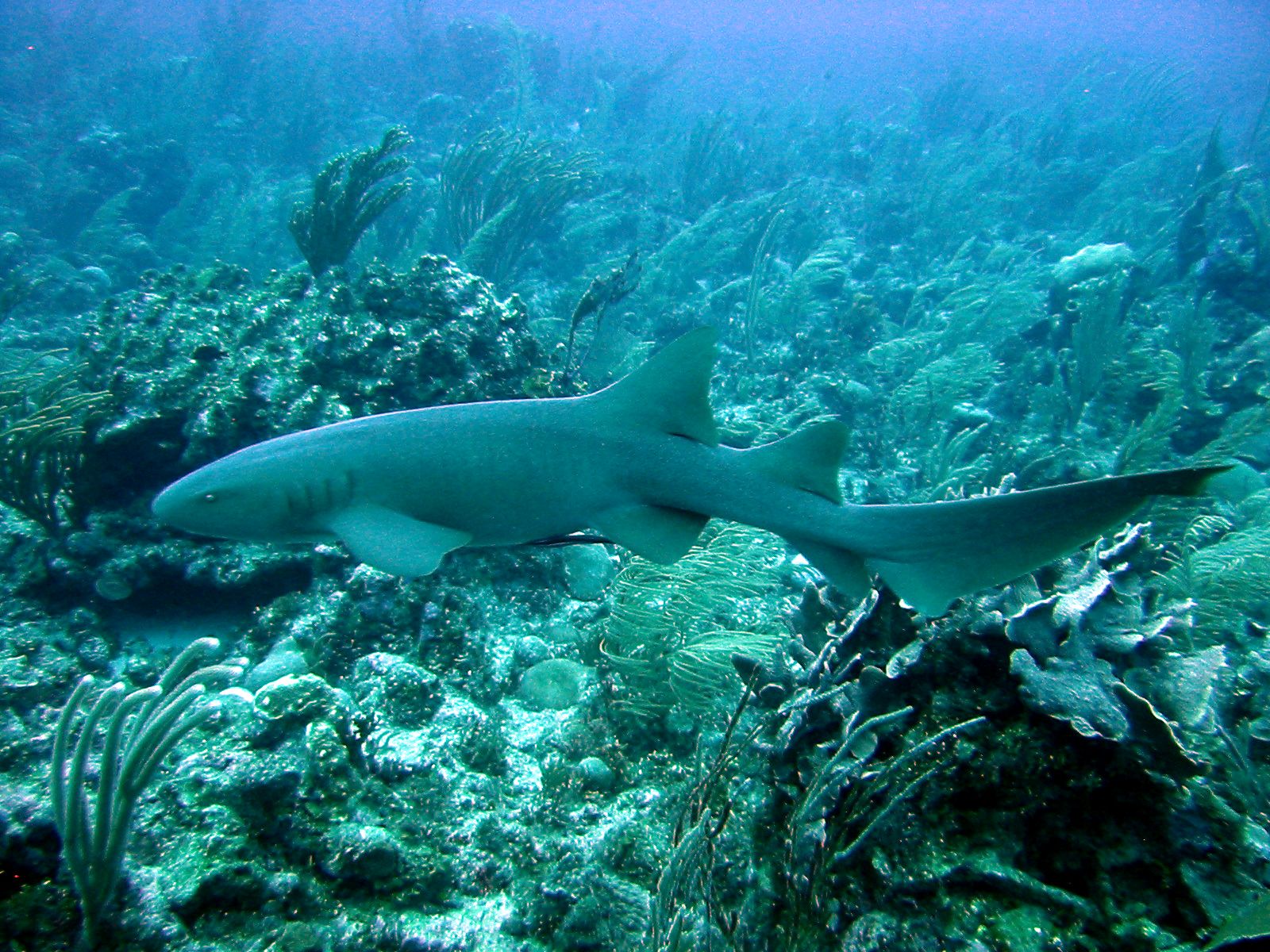 Nurse sharkNurse sharkReported here · unconfirmed
Durable tips from divers — access, hazards, marine life, facilities. For day-of conditions, use the report tool in the conditions card above.
No notes yet. Dived here? Be the first to leave a tip.
Share a write-up or a photo. Submissions are reviewed before they appear on the page.
Shops that dive here
No shops have listed this site yet.