Ex-Hmas Brisbane
Conditions & tides
Scored by DiveConnect's site-physics model
Marine forecast via Copernicus Marine. Score is a rule-based guide from swell/wind vs. the site's exposure — always dive your own assessment.
Dived here today? How were conditions vs. what we showed?
About this site
The ex-HMAS Brisbane is a 133-metre Charles F. Adams class guided-missile destroyer of approximately 5,000 tons, now resting on the seafloor off the Sunshine Coast, Queensland, as part of the ex-HMAS Brisbane Conservation Park. She served the Royal Australian Navy for 34 years before being deliberately sunk to create an artificial reef and is now the Sunshine Coast's most well-known dive site, attracting divers from around the world.
The wreck sits with depths ranging from 6 metres at its shallowest to 28 metres across the main structure, with a maximum bottom depth of 29.5 metres. The sheer size of the vessel is immediately apparent on descent, and significant coral growth now covers much of the hull. Some sections allow penetration, though light-locked interior areas, cuts and abrasions from the wreck structure, and wreck penetration itself are the primary hazards to be aware of.
The wreck hosts over 300 species of fish and marine life, including clownfish, anemones, blue wrasse, green wrasse, octopus, scorpionfish, lionfish, pufferfish, baitfish, Queensland groupers, flathead, hermit crabs, leopard sharks, shovelnose rays, and bull rays. Visiting marine animals also appear from time to time.
Read the full guideShow less
The site is reached by a 30-minute boat ride and is diveable year-round. Water temperature ranges from 17 to 27°C, and the site is sheltered from significant swell, keeping exposure minimal. Visibility is generally good. Maximum dive time on organised trips is 50 minutes per dive.
The site is suitable for Open Water certified divers, and wreck certification is not required. Divers should have completed at least one boat dive and have logged experience to 12 metres before diving here. The site is accessible to beginners, though divers should not exceed the depth to which they are trained or have documented logged experience.
Marine life here
Confirmed by our research team, reported by independent divers, or observed nearby via iNaturalist — each entry is labelled with its source.
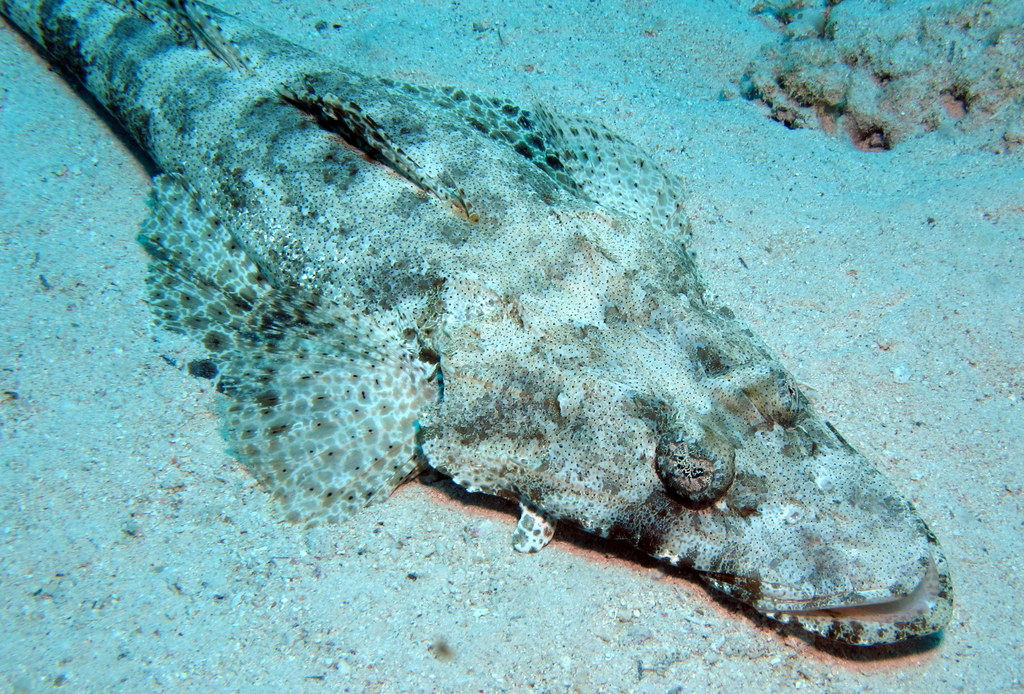 CrocodilefishCrocodilefishReported here · unconfirmed
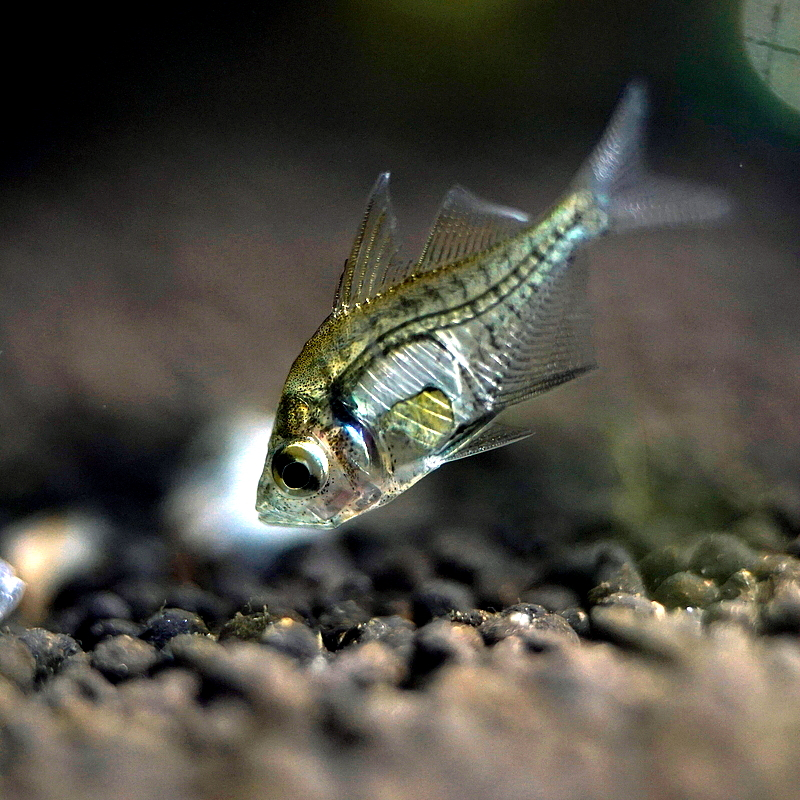 GlassfishGlassfishReported here · unconfirmed
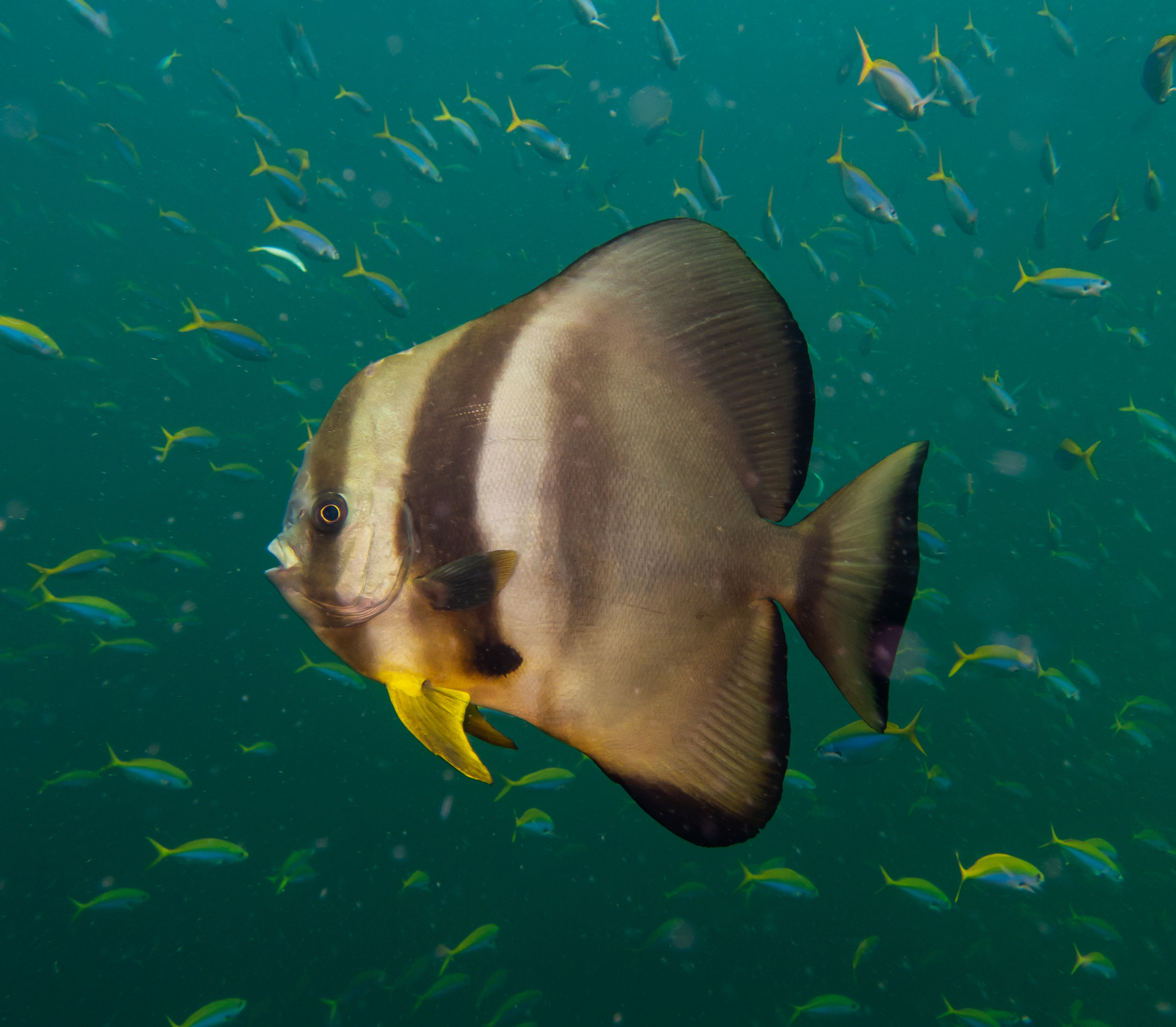 BatfishBatfishReported here · unconfirmed
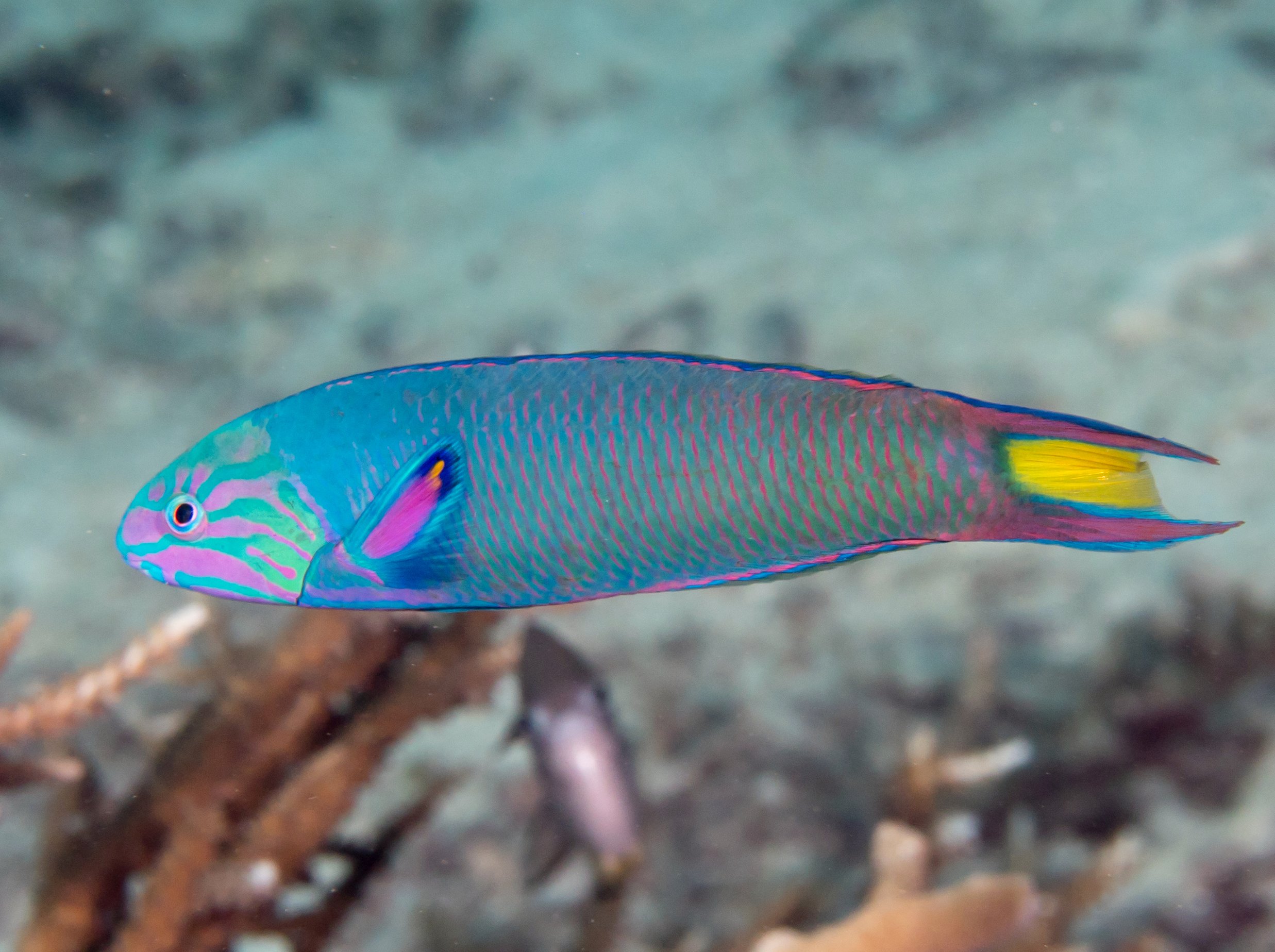 WrasseWrasseReported here · unconfirmed
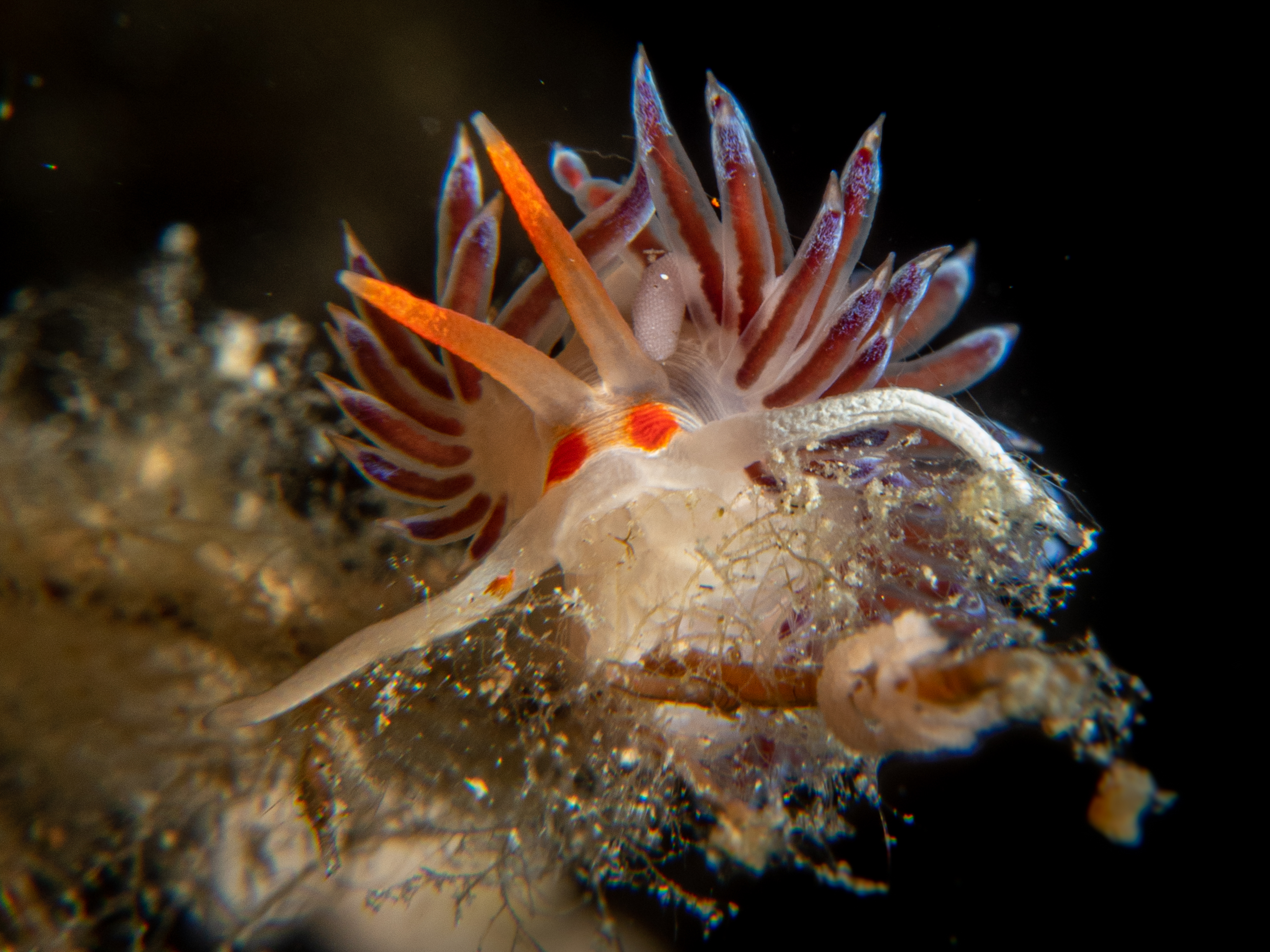 NudibranchNudibranchReported here · unconfirmed
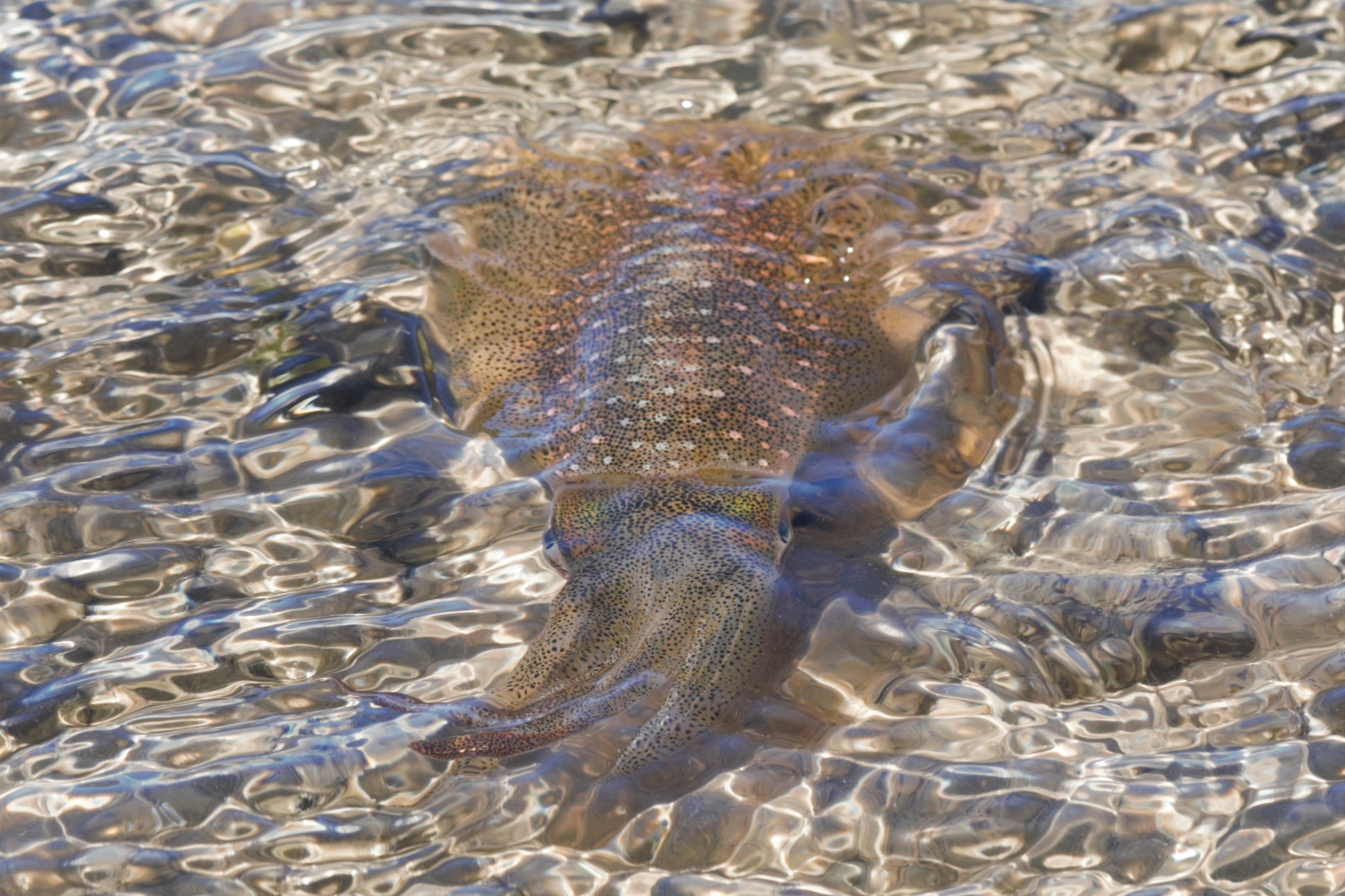 SquidSquidReported here · unconfirmed
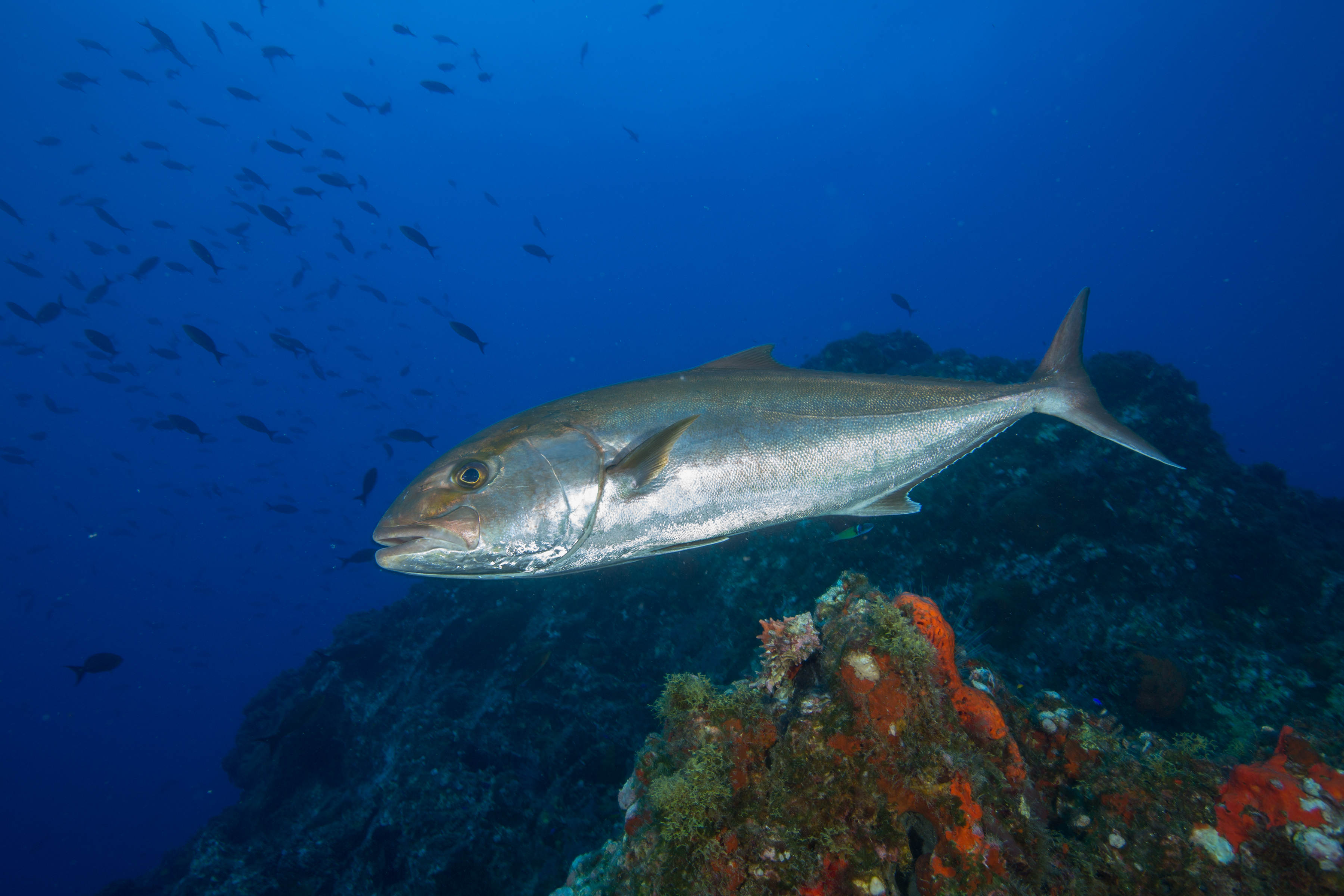 Jack / amberjackJack / amberjackReported here · unconfirmed
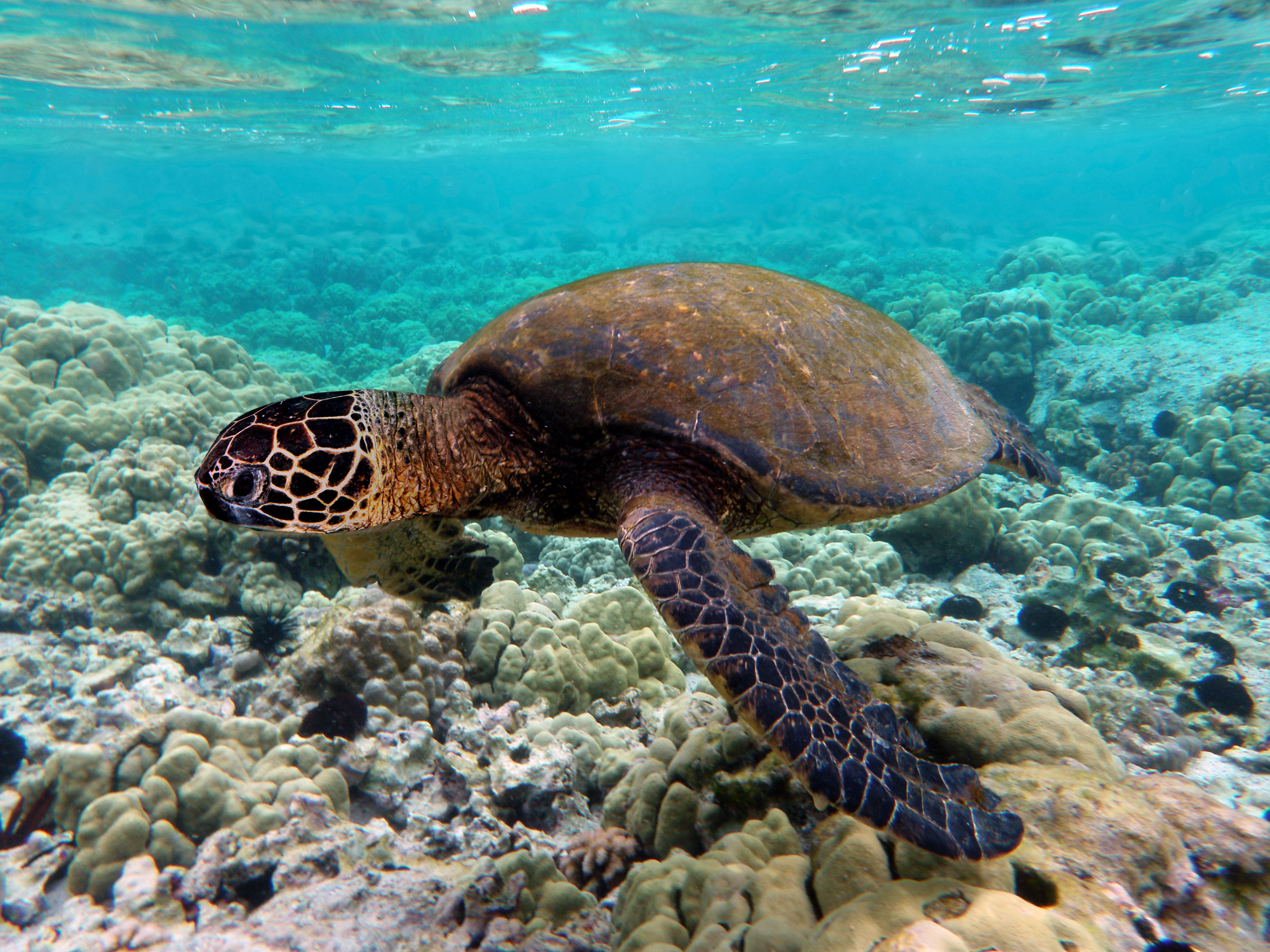 Sea turtleSea turtleReported here · unconfirmed
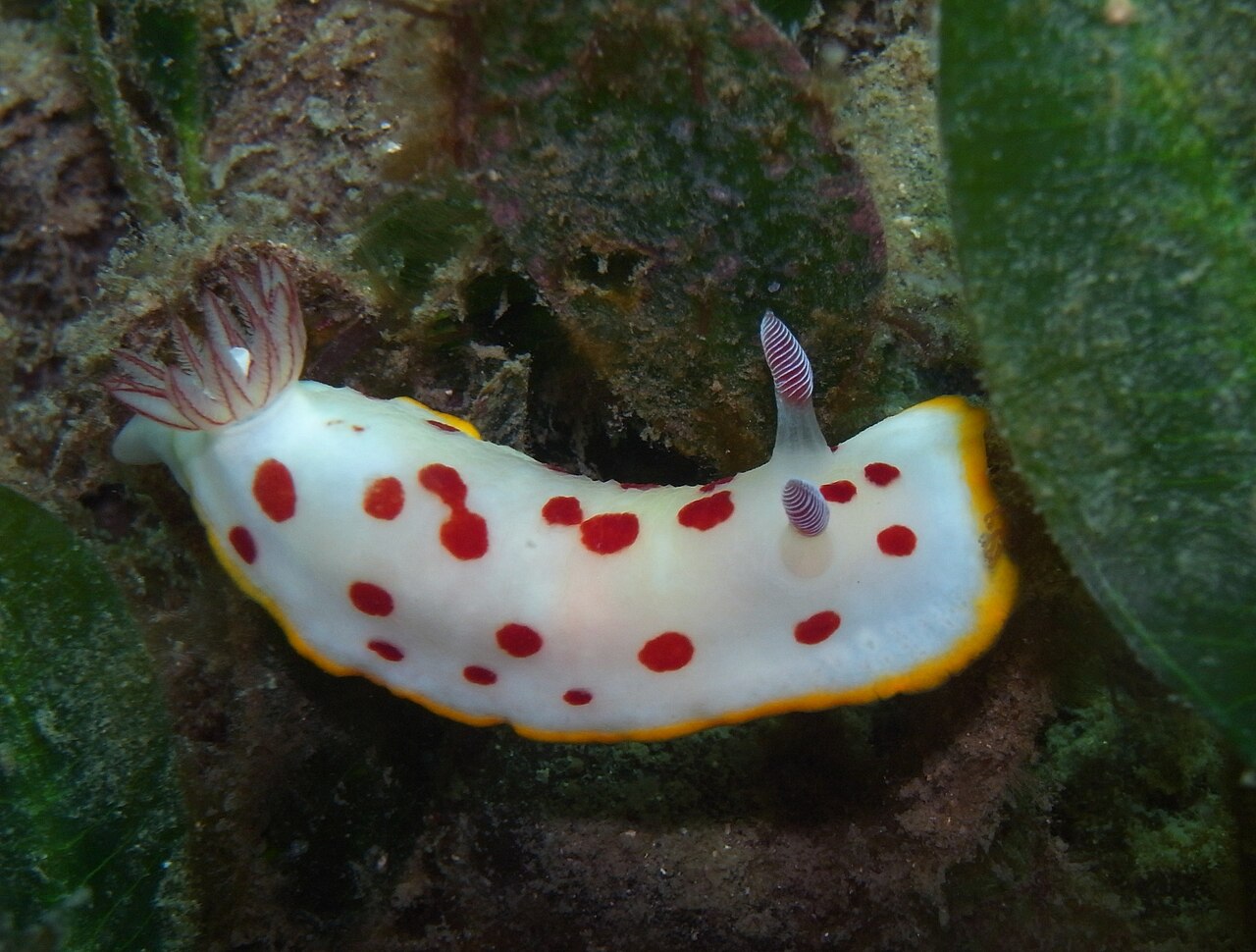 Splendid GoniobranchGoniobranchus splendidusReported here · unconfirmed
- Hypselodoris jacksoniReported here · unconfirmed
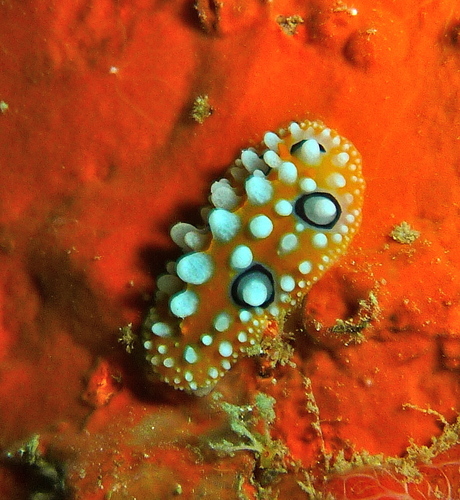 Ocellate PhyllidiaPhyllidia ocellataReported here · unconfirmed
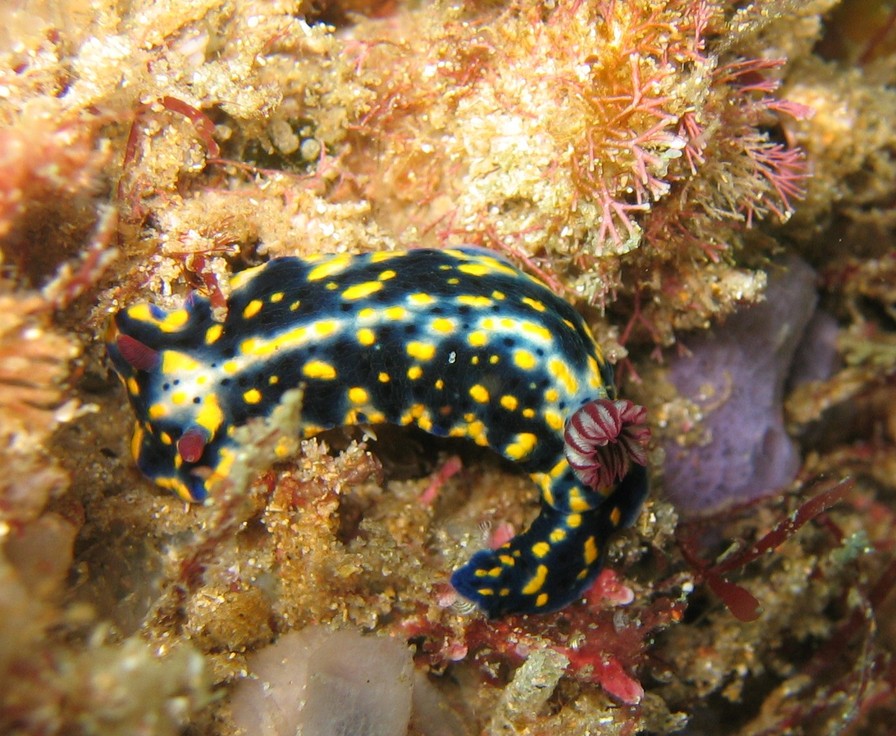 Obscure NudibranchHypselodoris obscuraReported here · unconfirmed
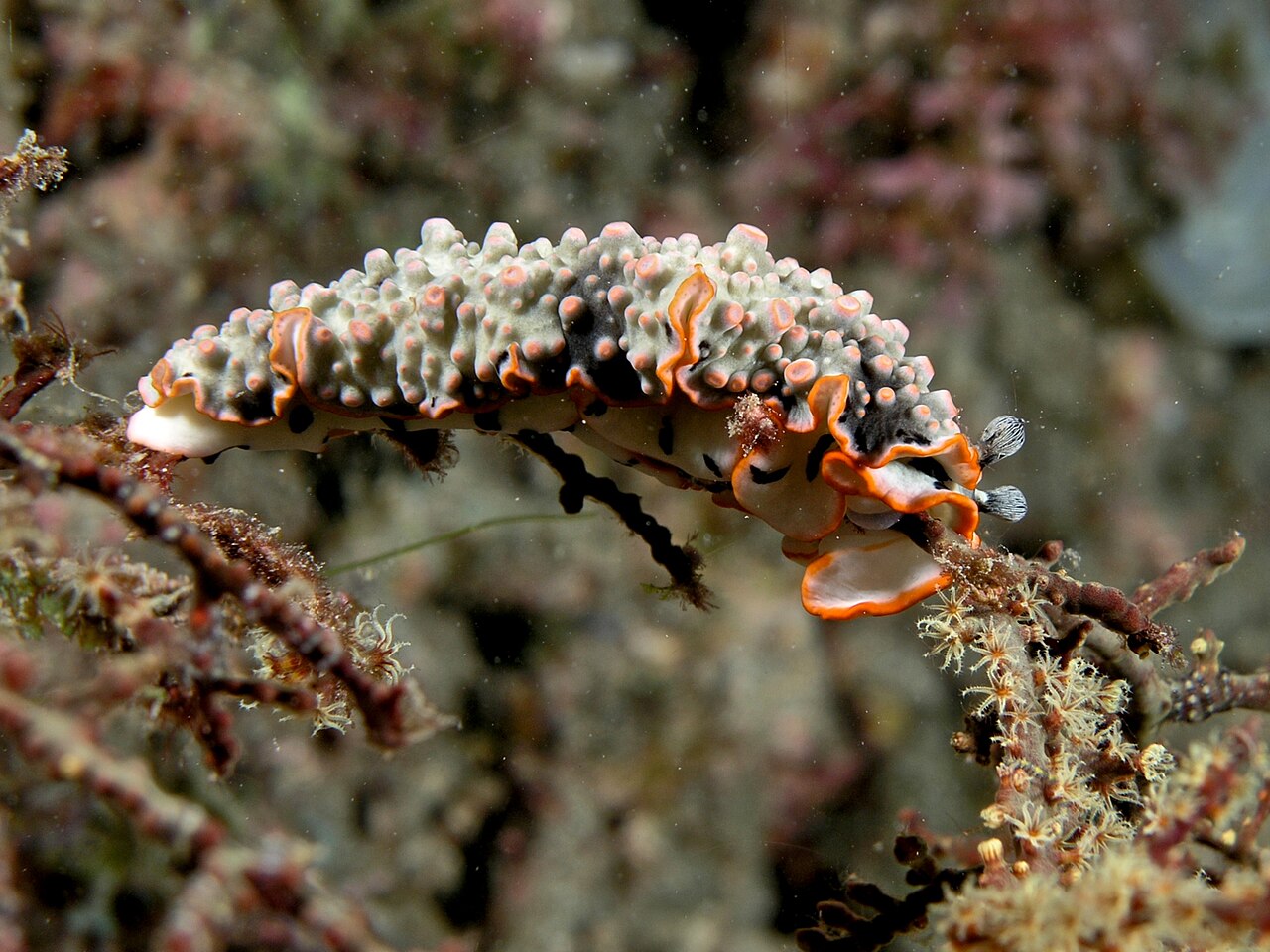 Dermatobranchus ornatusReported here · unconfirmed
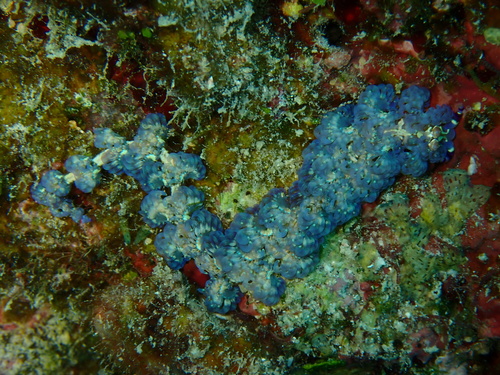 Blue DragonPteraeolidia semperiReported here · unconfirmed
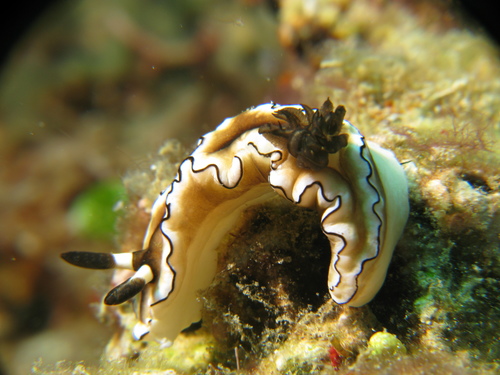 Black-margined NudibranchDoriprismatica atromarginataReported here · unconfirmed
- Glossodoris vespaReported here · unconfirmed
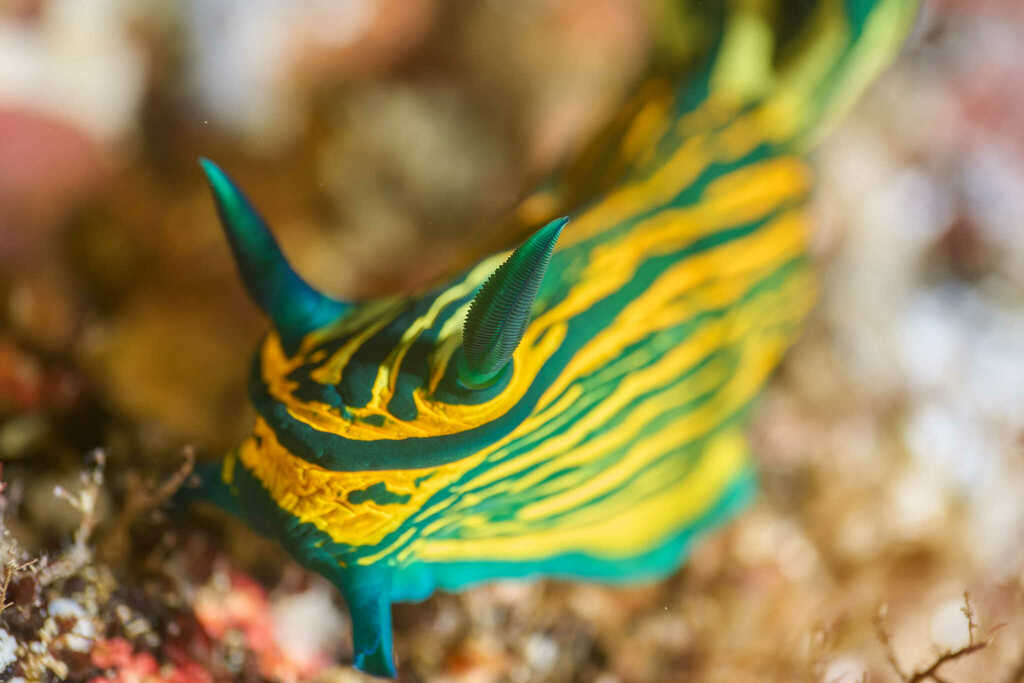 Tyrannodoris luteolineataReported here · unconfirmed
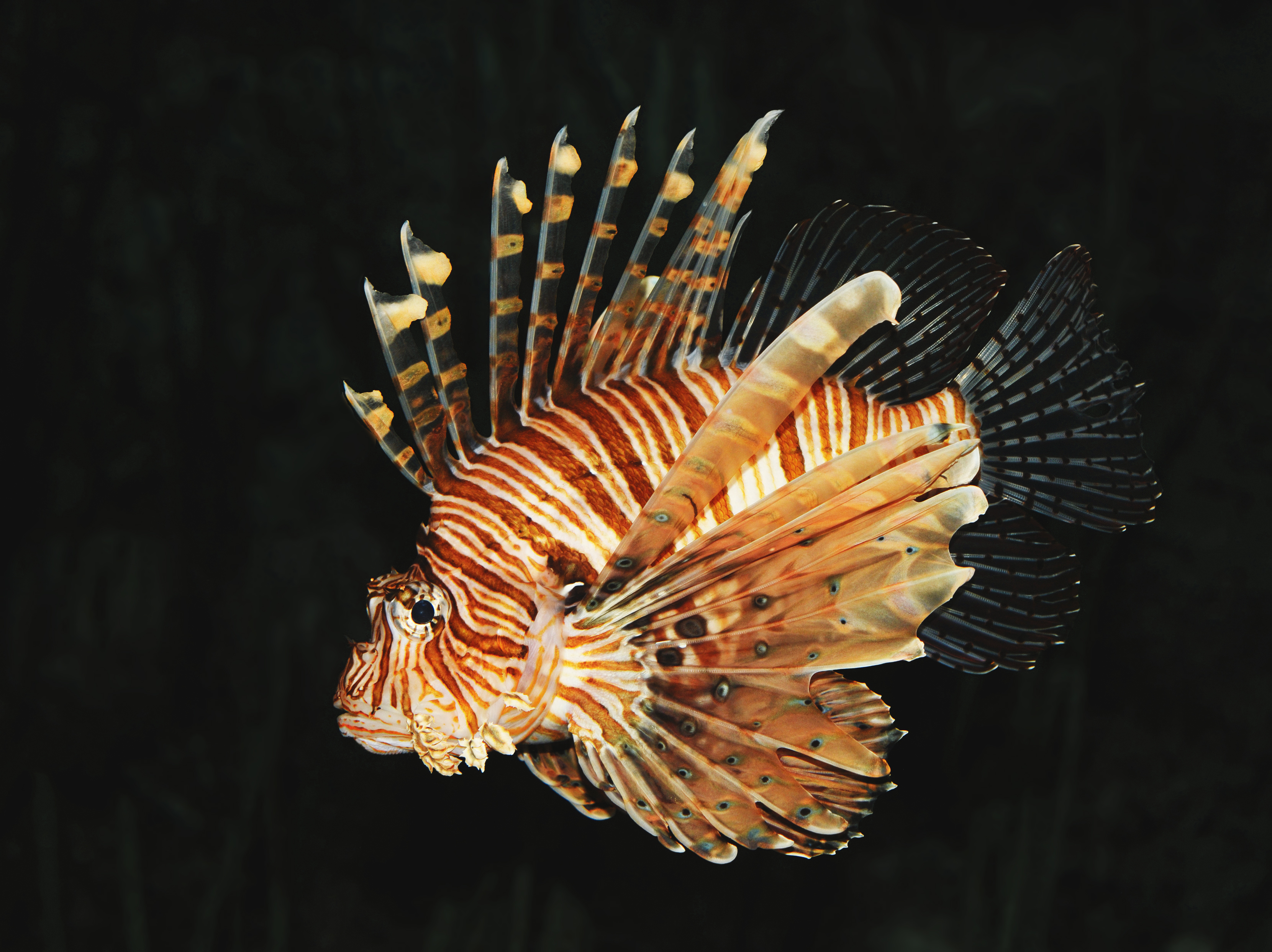 LionfishLionfishReported here · unconfirmed
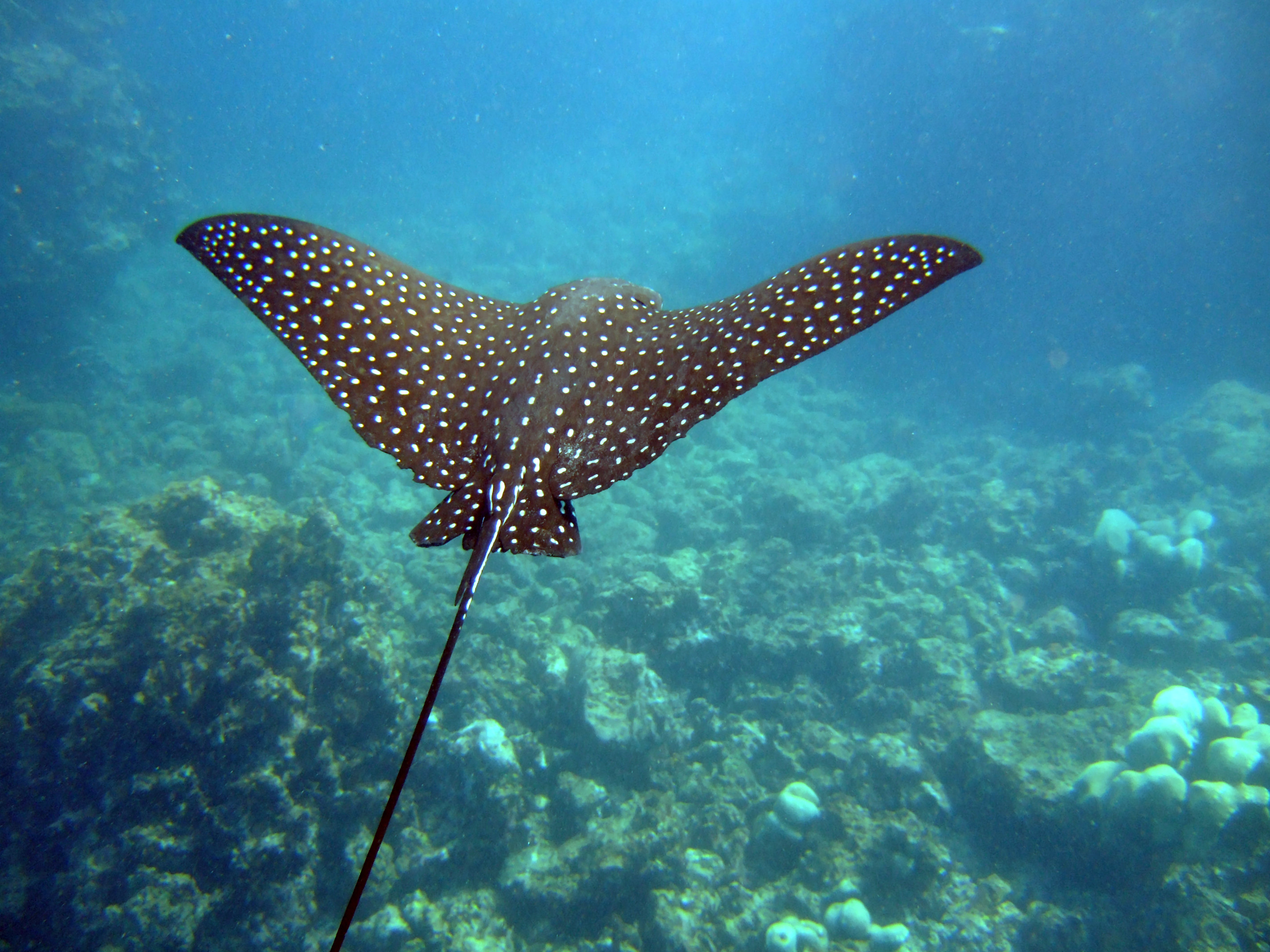 Eagle rayEagle rayReported here · unconfirmed
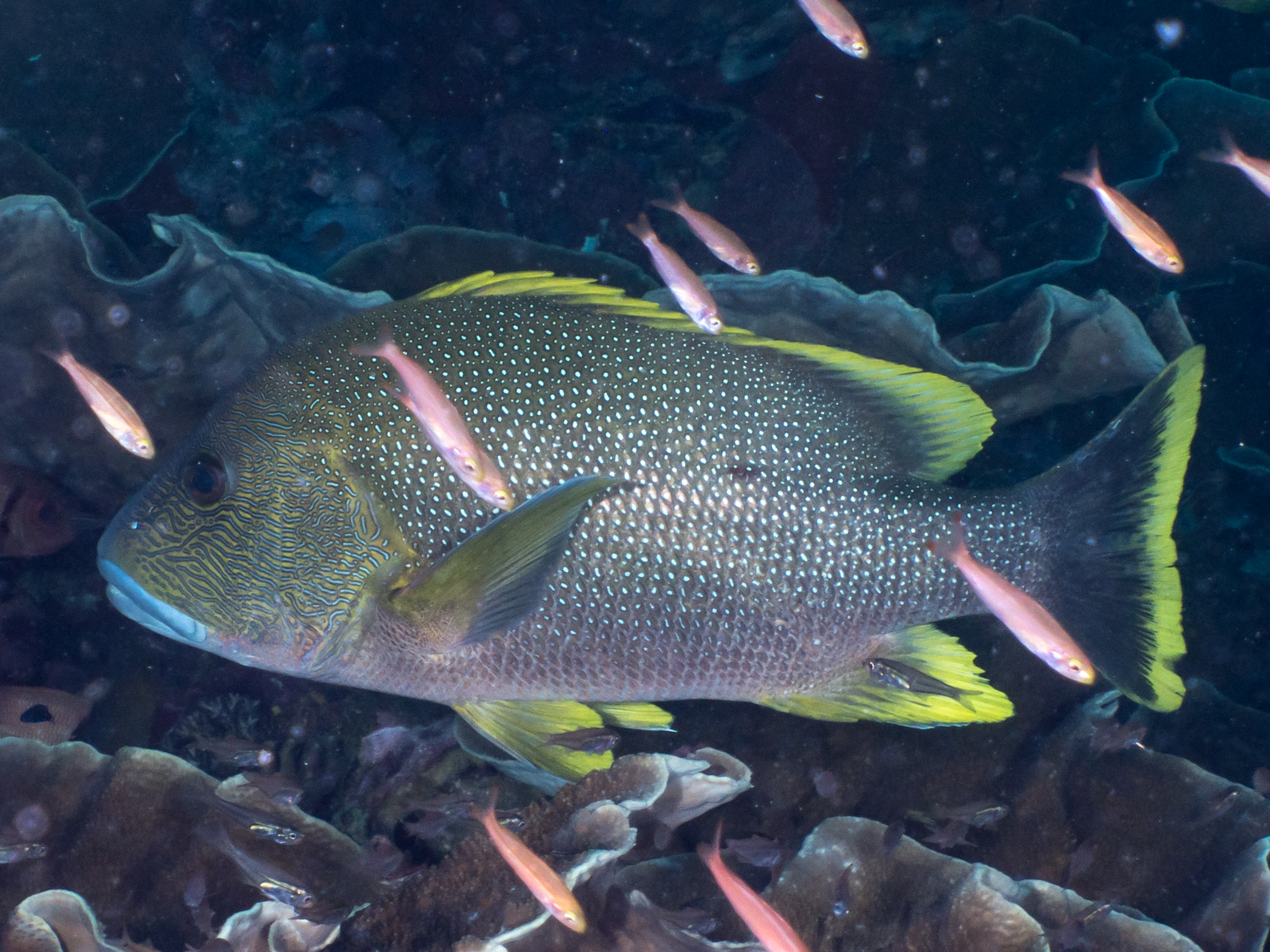 SnapperSnapperReported here · unconfirmed
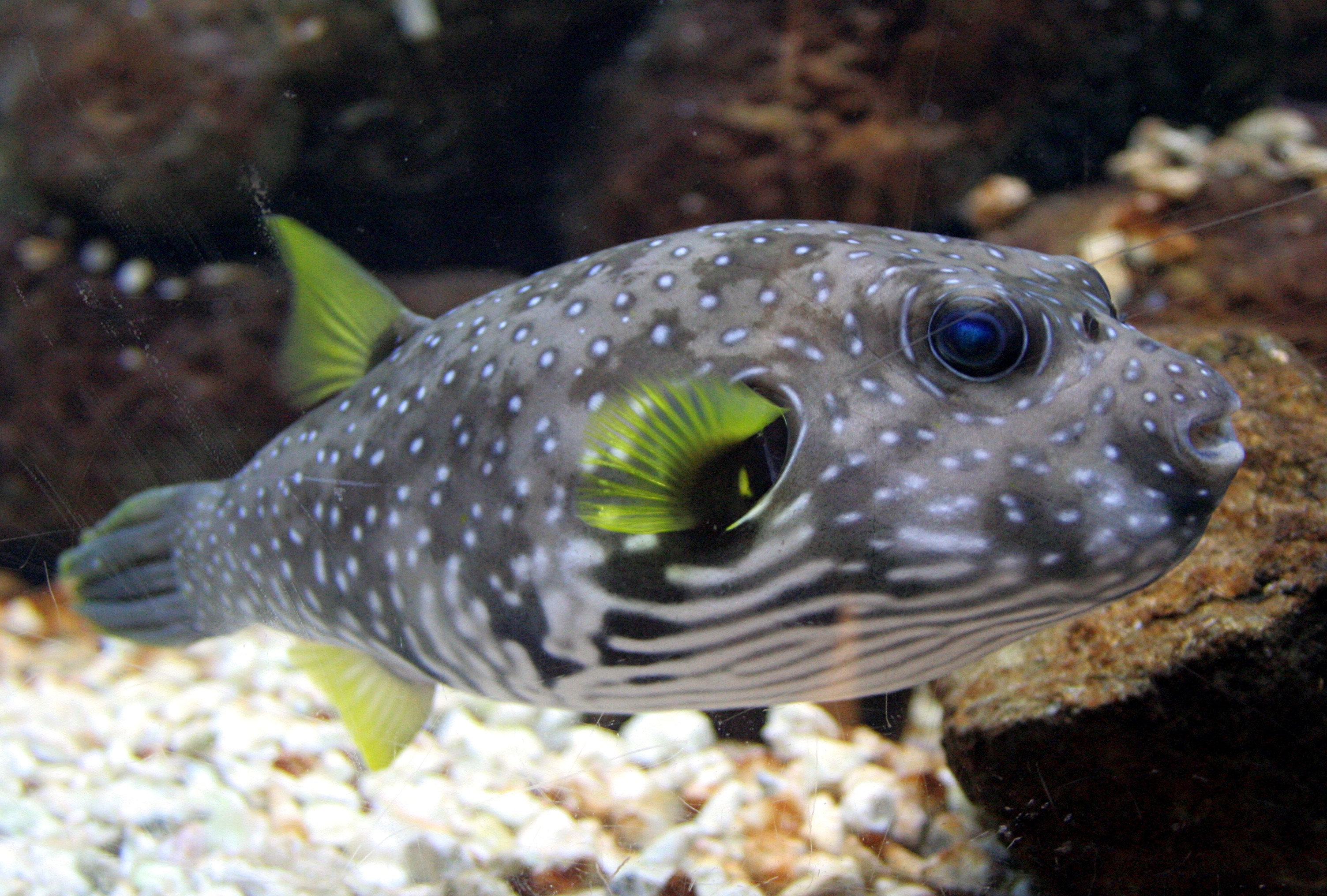 PufferfishPufferfishReported here · unconfirmed
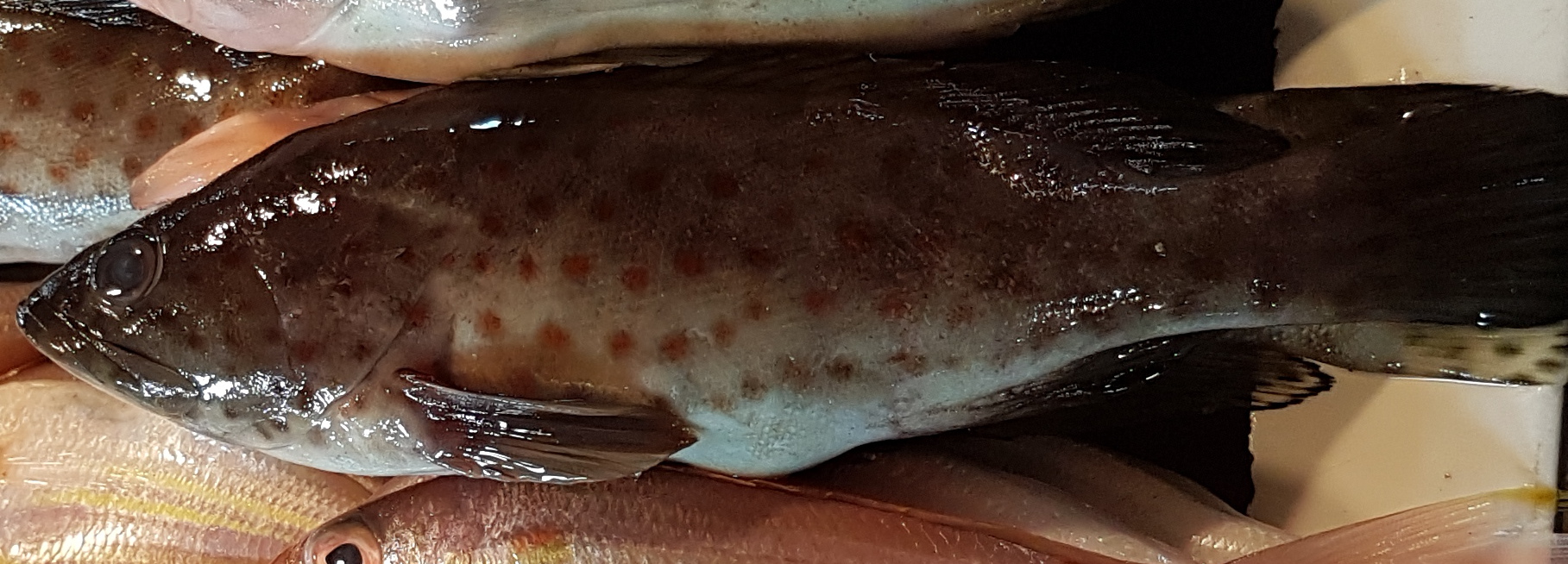 GrouperGrouperReported here · unconfirmed
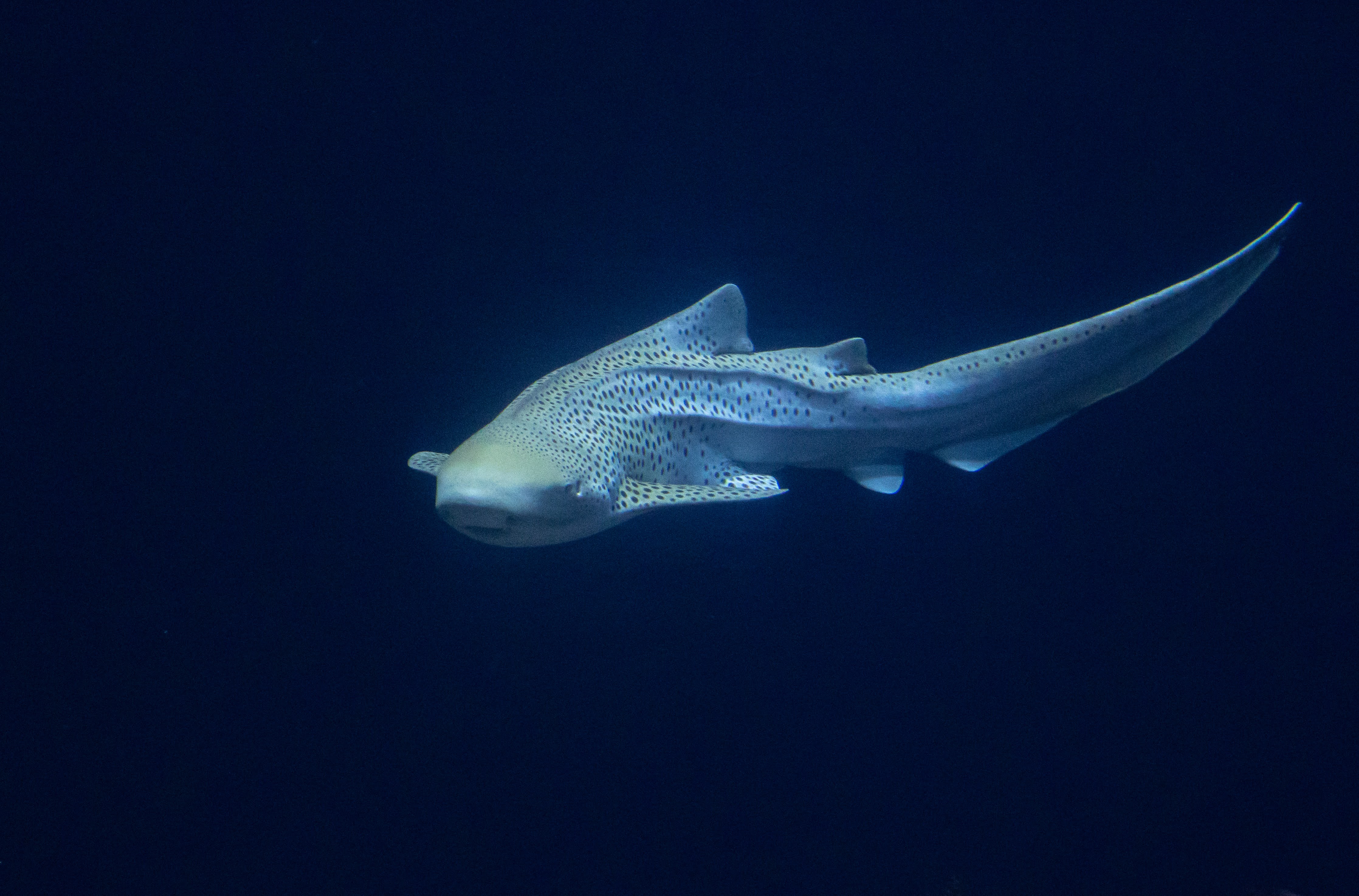 Leopard / zebra sharkLeopard / zebra sharkReported here · unconfirmed
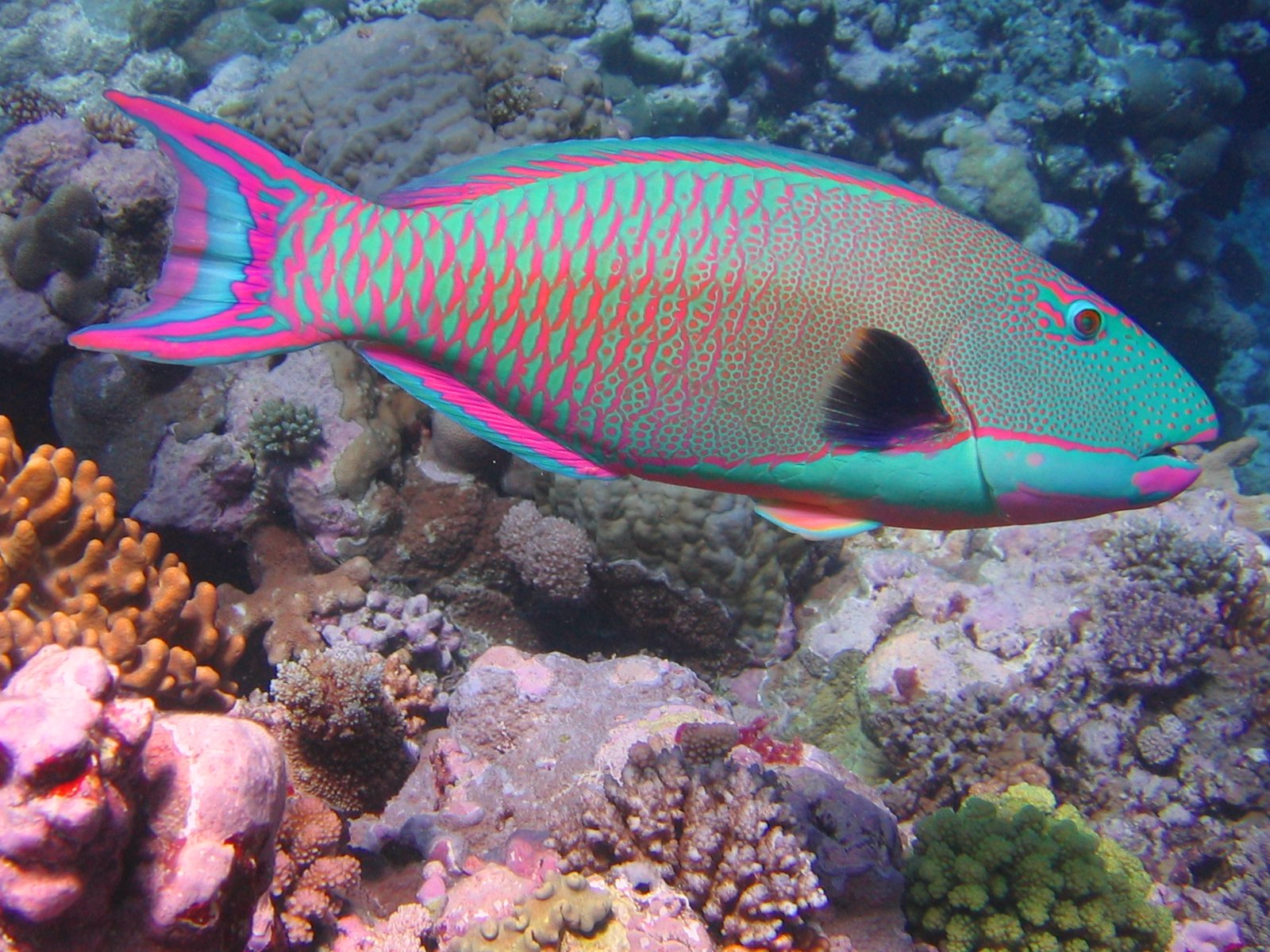 ParrotfishParrotfishReported here · unconfirmed
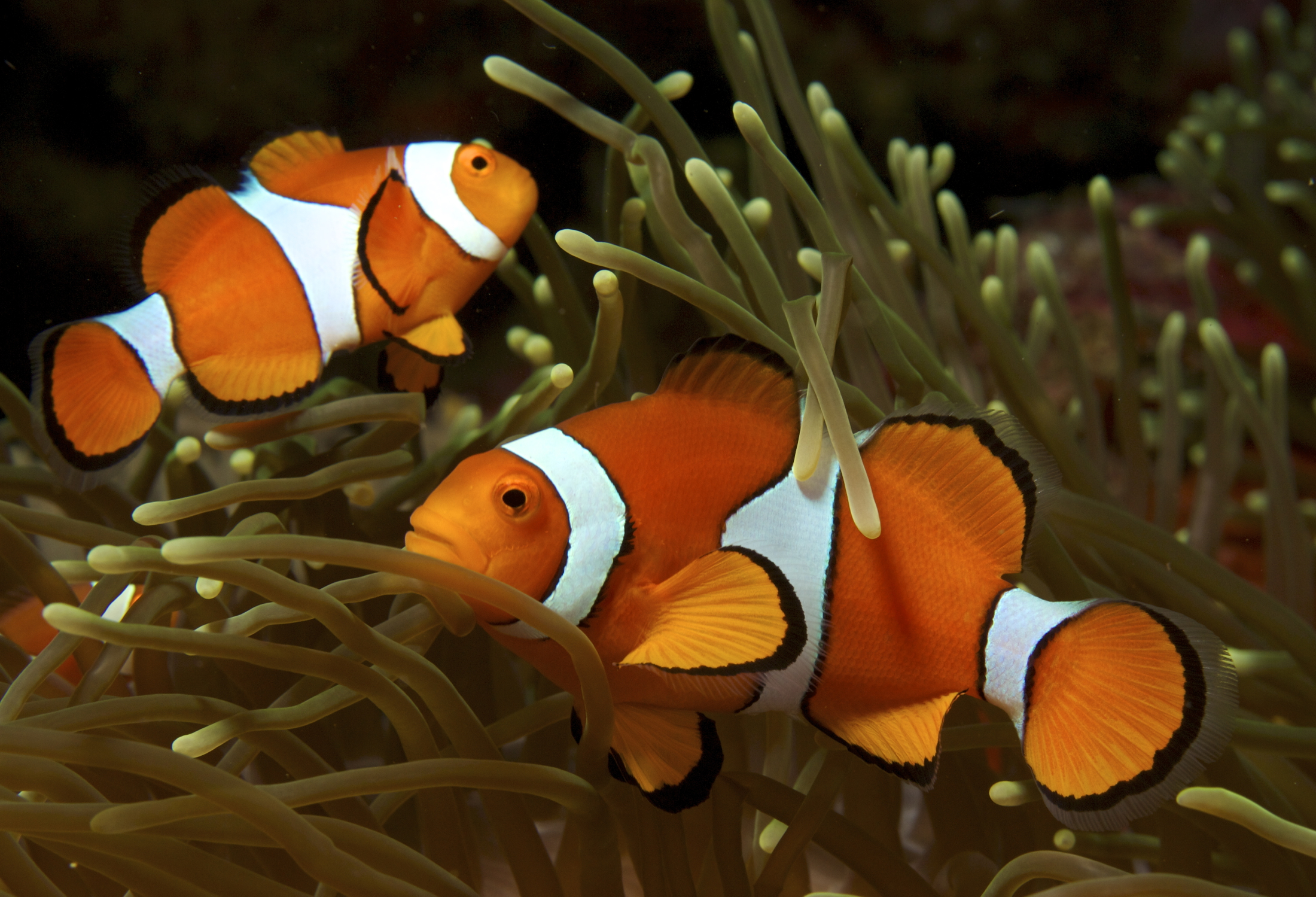 ClownfishClownfishReported here · unconfirmed
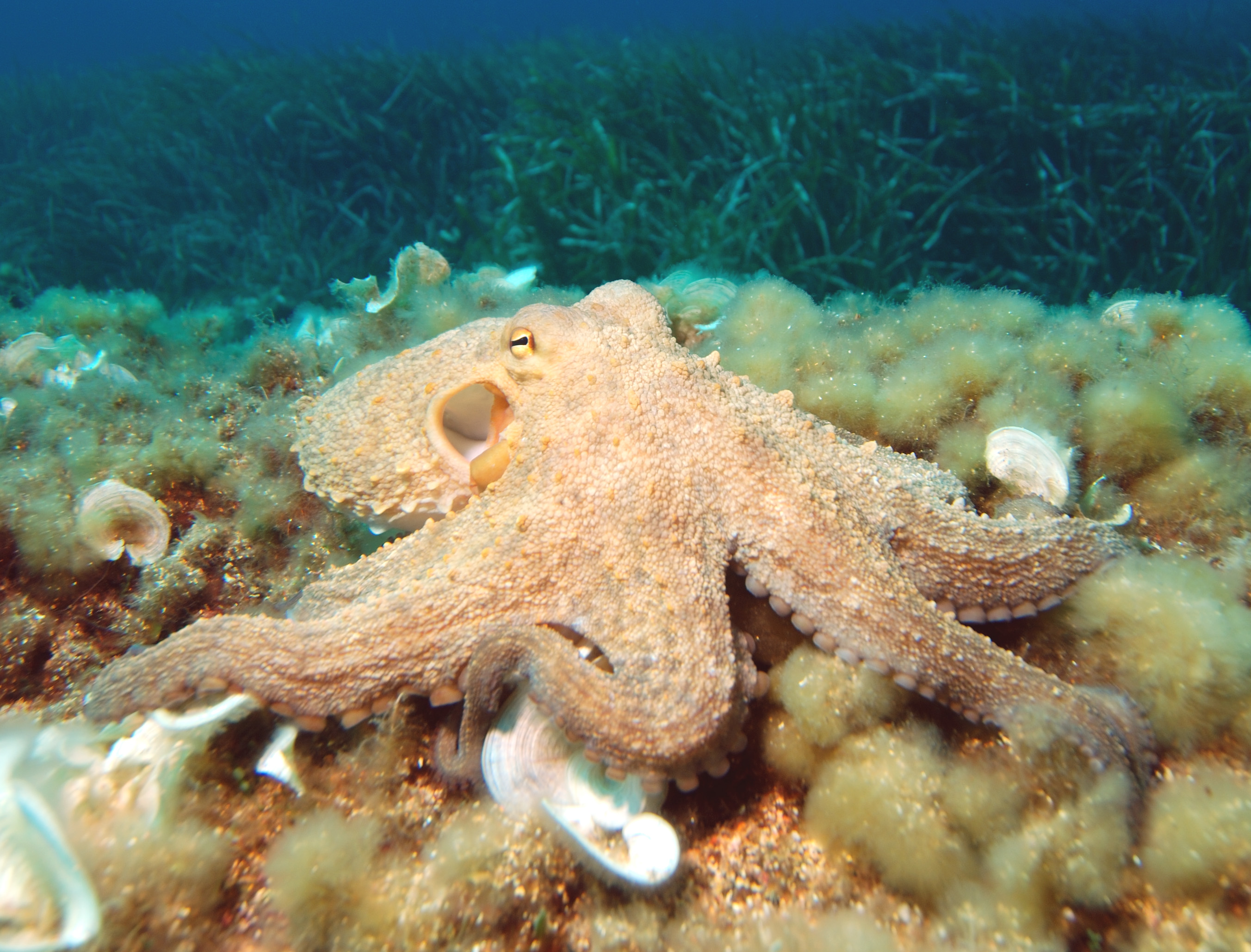 OctopusOctopusReported here · unconfirmed
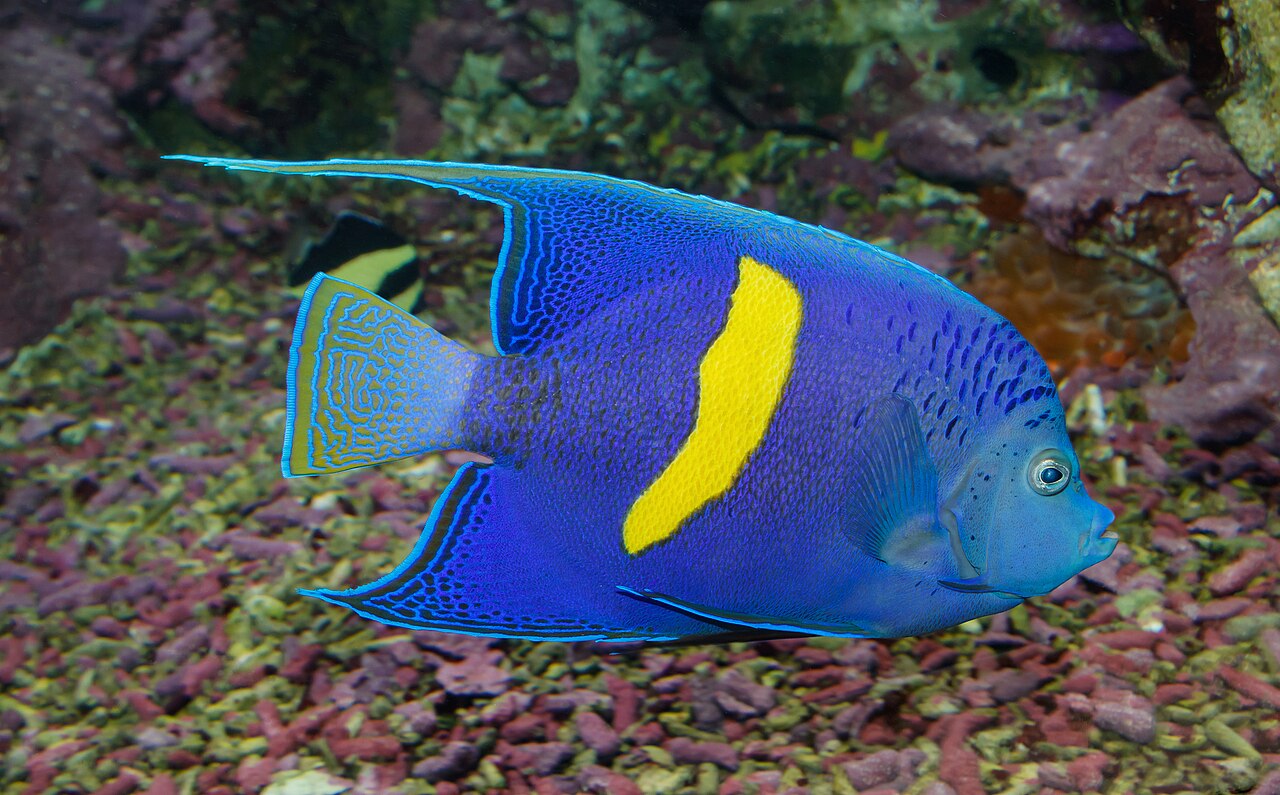 AngelfishAngelfishReported here · unconfirmed
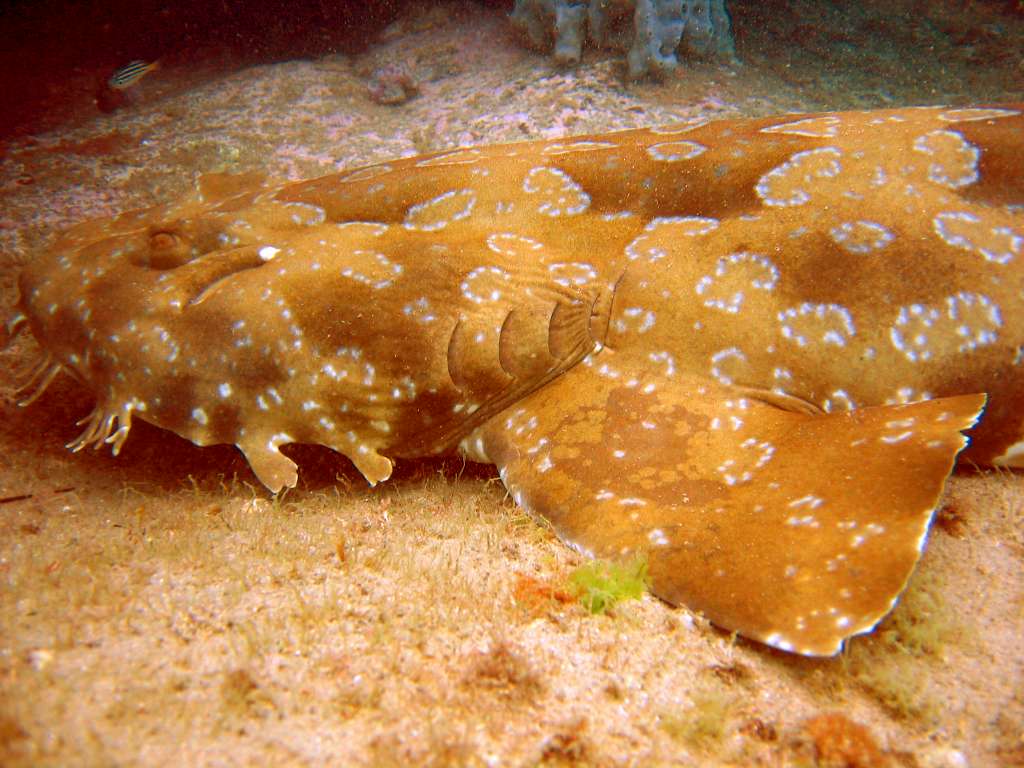 WobbegongWobbegongReported here · unconfirmed
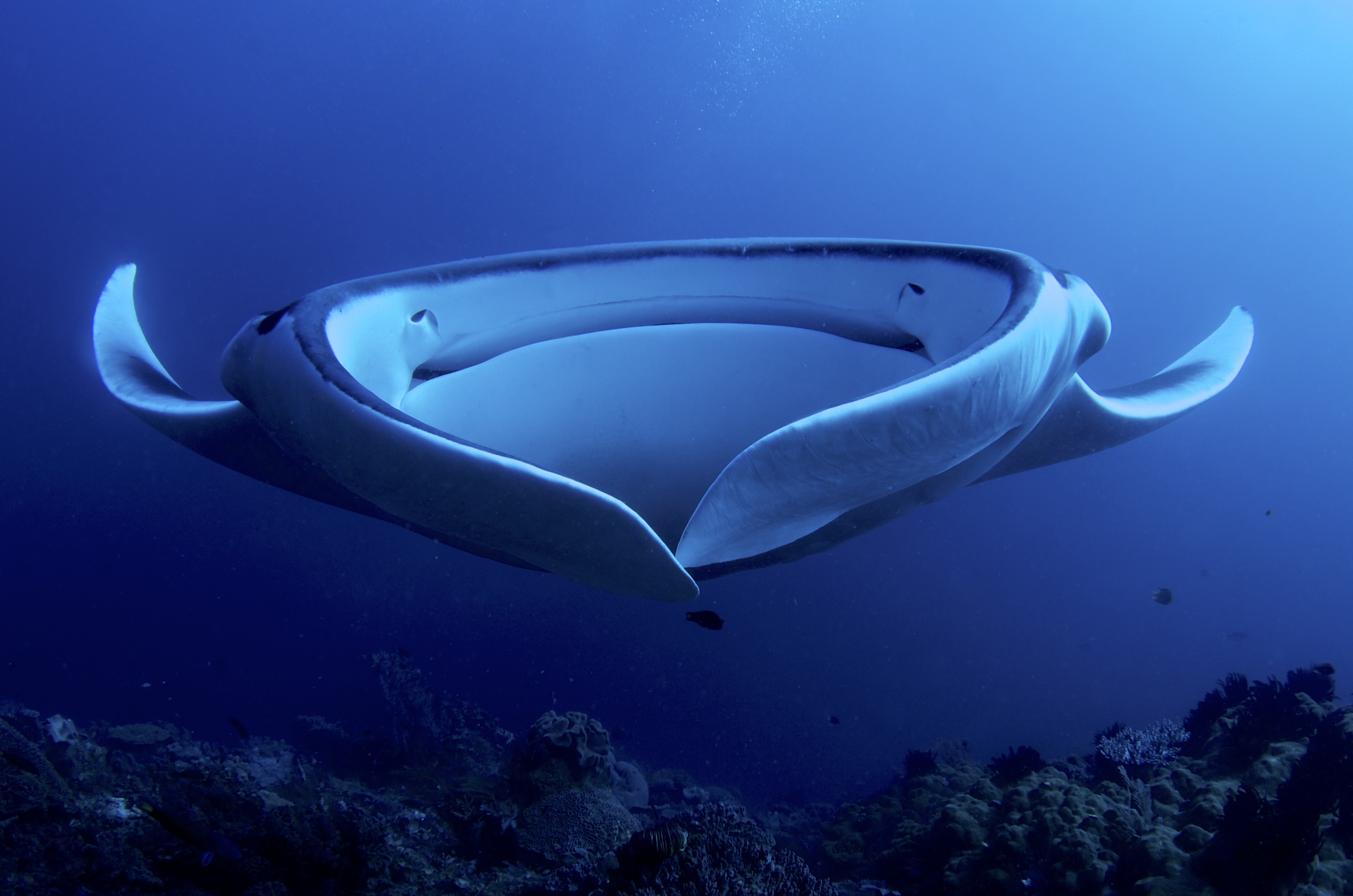 Manta rayManta rayReported here · unconfirmed
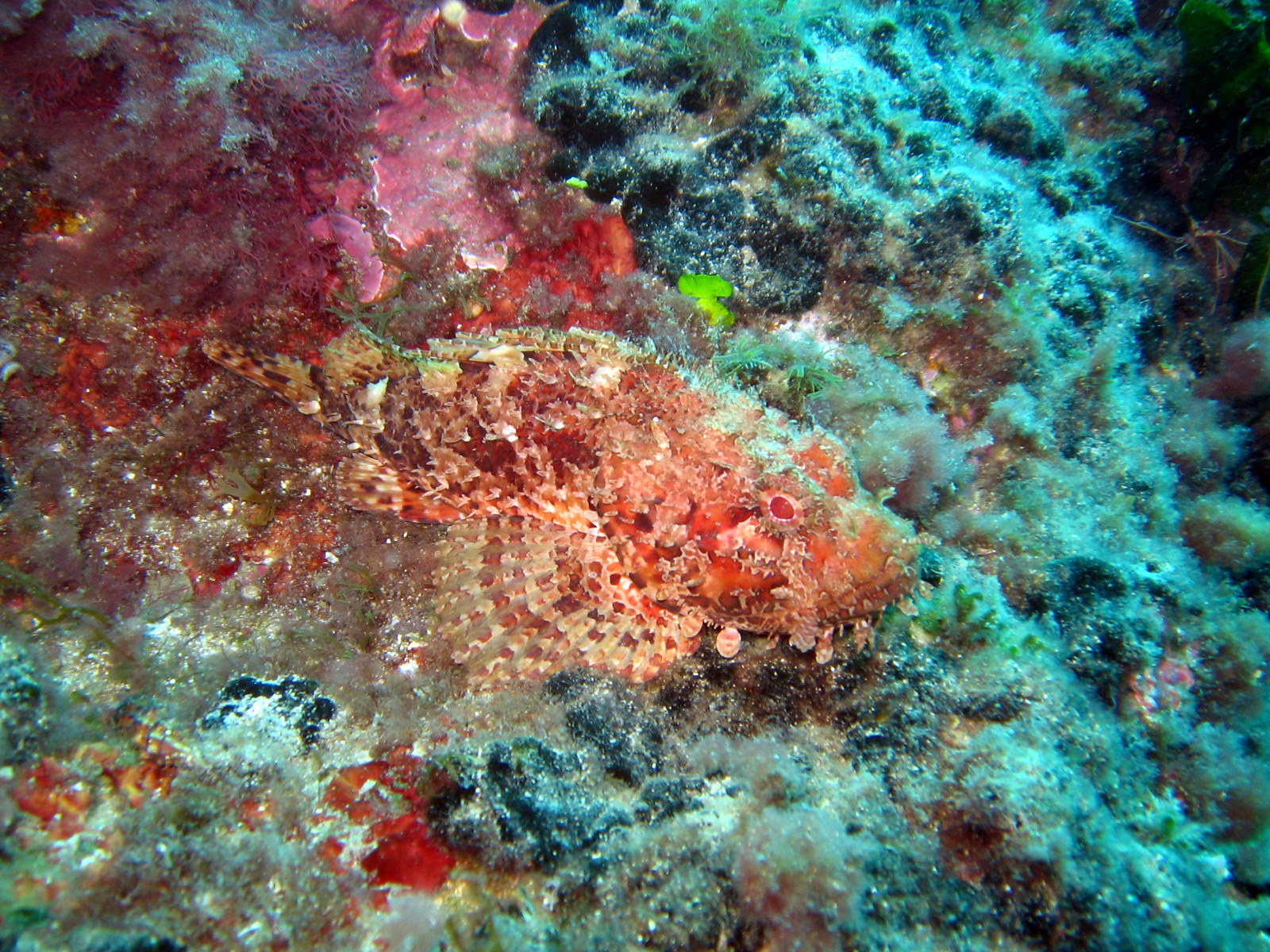 ScorpionfishScorpionfishReported here · unconfirmed
Durable tips from divers — access, hazards, marine life, facilities. For day-of conditions, use the report tool in the conditions card above.
No notes yet. Dived here? Be the first to leave a tip.
Share a write-up or a photo. Submissions are reviewed before they appear on the page.
Nearby dive sites
Shops that dive here
No shops have listed this site yet.