Orlebar Point
Conditions & tides
Scored by DiveConnect's site-physics model
Marine forecast via Copernicus Marine. Score is a rule-based guide from swell/wind vs. the site's exposure — always dive your own assessment.
Dived here today? How were conditions vs. what we showed?
About this site
Orlebar Point is a shore-entry deep wall dive off Gabriola Island, British Columbia, located along Berry Point Road and reached via a 15-minute ferry ride from downtown Nanaimo followed by a five-minute drive from the ferry terminal. Parking is limited to a few vehicles and there are no facilities at the site itself. Entrance Island Lighthouse, visible directly ahead from shore, serves as the primary navigation reference for the swim out.
The entry is from a sandstone beach shelf, and after a five-minute swim out and slightly left toward Entrance Island, divers pass over a series of shallow ledges before reaching the drop-off at around 45–55 feet (14–17 metres). From there the wall descends sharply to around 200 feet (61 metres), and divers typically follow the contour left as it steepens to a dramatic jutting point. The wall face is densely covered throughout, with the most concentrated growth as the wall deepens and around the point itself.
The wall is populated with cascading plumose anemones, bright crimson anemones, large boot sponges along the mid-wall, and expansive cloud sponges at depth. Giant Pacific octopus are occasionally encountered, and sea lions make frequent close passes. Visibility is best in fall and winter; spring and summer can bring variability due to plankton bloom.
Read the full guideShow less
Orlebar Point is best dived at high slack tide. Current builds gradually as divers progress left along the wall and is typically strongest at the point itself. Cold-water entry and exit, strong and shifting currents, deep water, and the potential for significant surf on the shoreline shelf are the primary hazards. The site is suited to Advanced Open Water divers or equivalent with solid ocean and cold-water experience; it is not recommended for beginners or those unfamiliar with current conditions. Most local divers use 28–32% nitrox to extend safe bottom time, though air is possible. Careful gas management, NDL monitoring, and awareness of building current throughout the dive are essential.
Marine life here
Confirmed by our research team, reported by independent divers, or observed nearby via iNaturalist — each entry is labelled with its source.
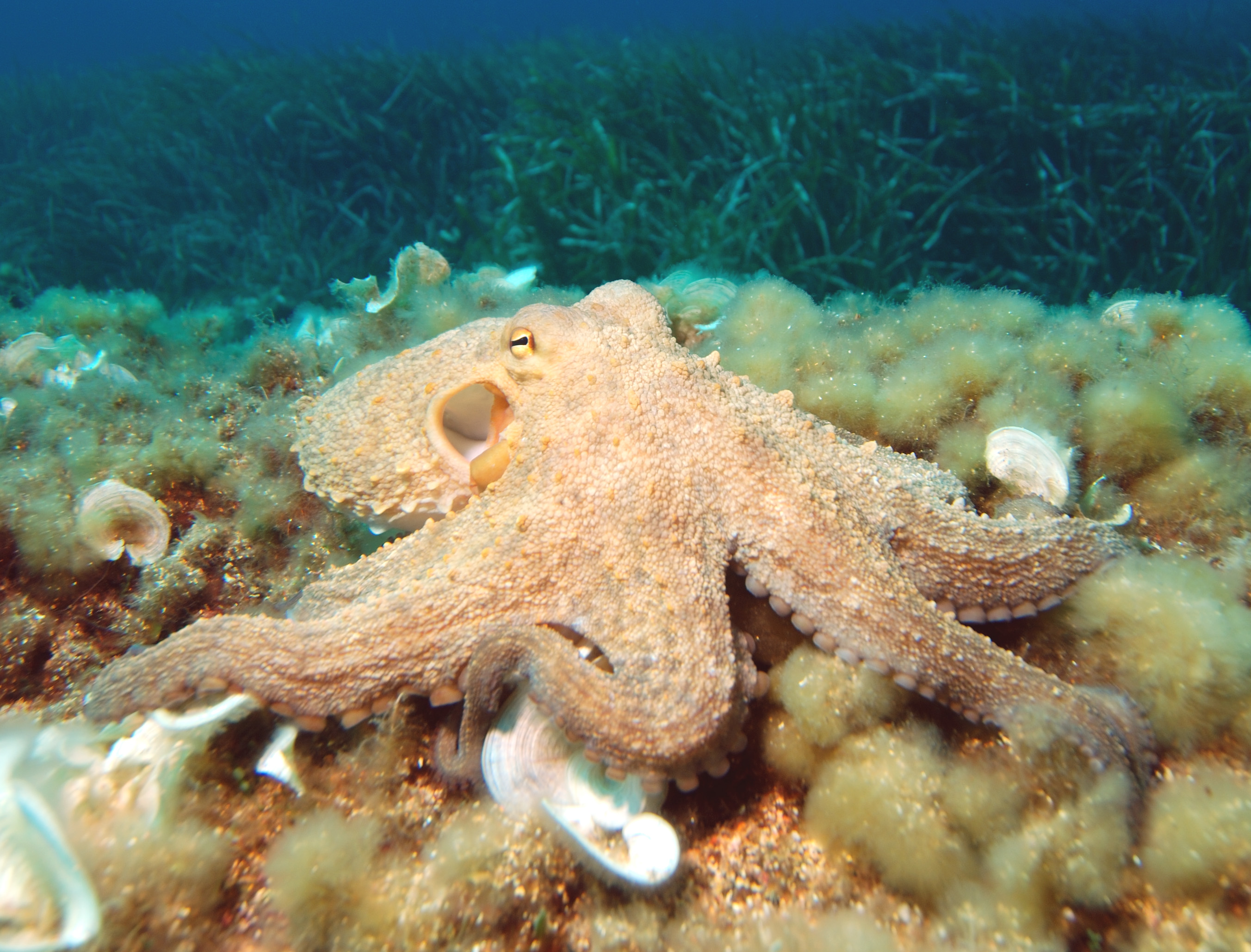 OctopusOctopusReported here · unconfirmed
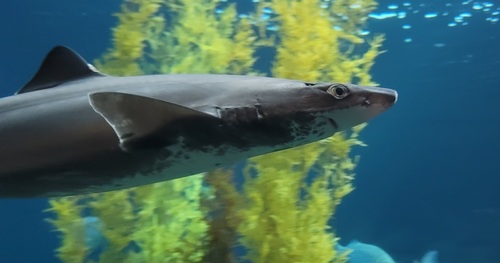 North Pacific Spiny DogfishSqualus suckleyiReported here · unconfirmed
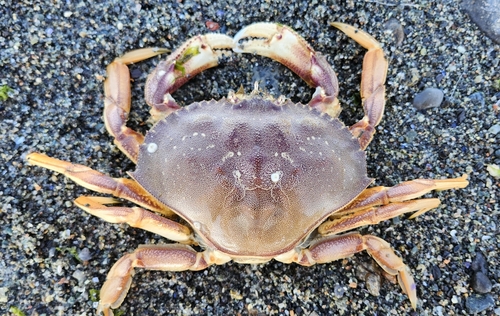 Dungeness CrabMetacarcinus magisterReported here · unconfirmed
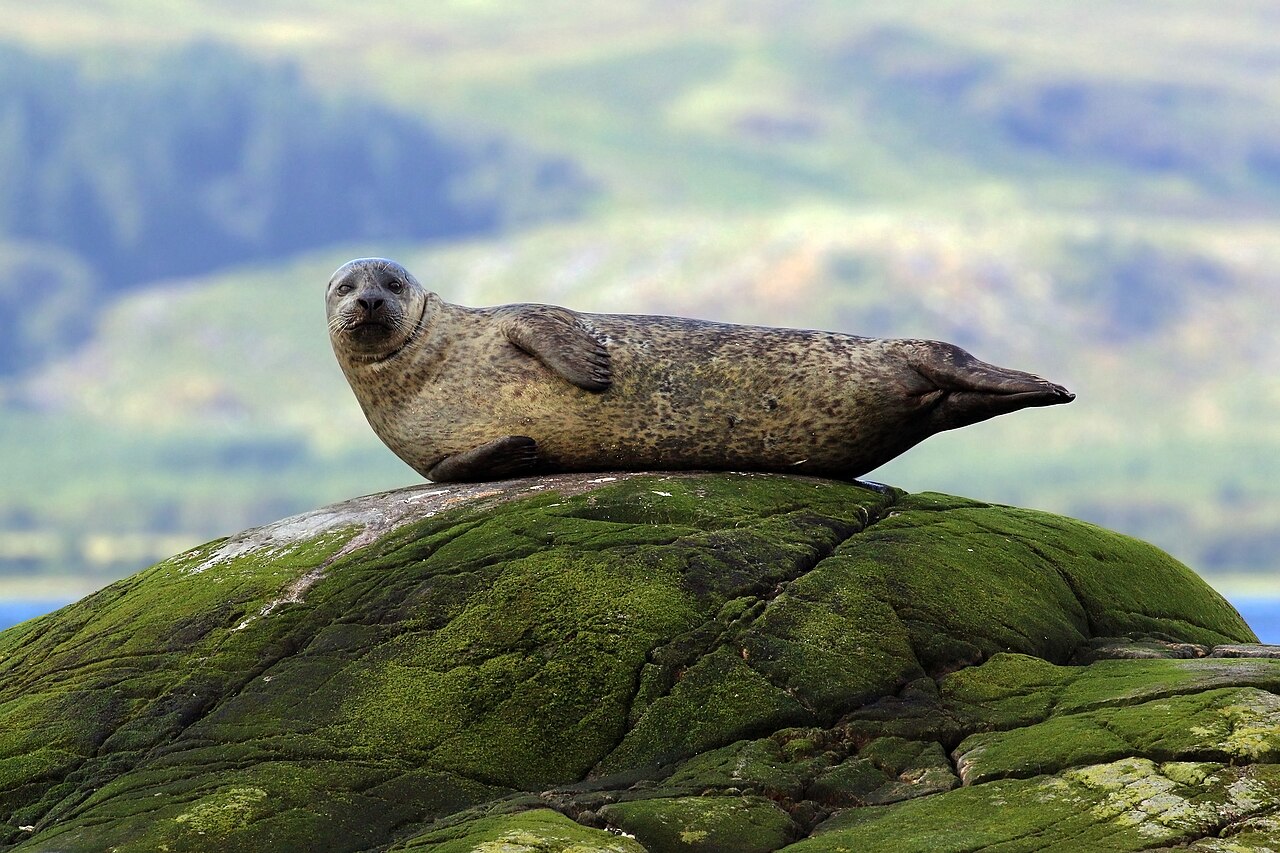 Harbor SealPhoca vitulinaReported here · unconfirmed
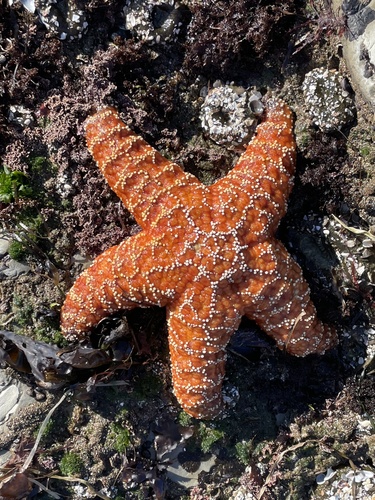 Ochre Sea StarPisaster ochraceusReported here · unconfirmed
Durable tips from divers — access, hazards, marine life, facilities. For day-of conditions, use the report tool in the conditions card above.
No notes yet. Dived here? Be the first to leave a tip.
Share a write-up or a photo. Submissions are reviewed before they appear on the page.
Nearby dive sites
Shops that dive here
No shops have listed this site yet.