Sanur
Conditions & tides
Scored by DiveConnect's site-physics model
Marine forecast via Copernicus Marine. Score is a rule-based guide from swell/wind vs. the site's exposure — always dive your own assessment.
Dived here today? How were conditions vs. what we showed?
About this site
Sanur is a cluster of reef dive sites off the coast of Sanur in southeast Bali, Indonesia, accessible within minutes by boat from shore. The area is well suited to divers who prefer to stay close to the main resort strip rather than travelling to northern Bali or Nusa Penida. Three main sites are dived here: Jeladi Wilis in East Sanur, Sanur Bay in the channel, and Penjor Reef, all reachable on a short boat ride.
Jeladi Wilis starts at around 3 metres and slopes to roughly 20 metres over a coral reef, with visibility ranging from 5 to 15 metres; current can strengthen here, so diving at slack tide is recommended. Sanur Bay sits in the channel, where a coral reef runs along the channel edge and drops off into a broad sandy platform, with visibility of 5 to 10 metres and calm, protected conditions — it is a frequent venue for training dives. Penjor Reef is a short boat ride away and is noted for its healthy coral and abundant macro life, making visibility less critical than at other sites; conditions are calm with 5 to 10 metres visibility. Maximum depth across the area is 25 metres. Water temperature ranges from 26 to 30°C, with seasonal variation between roughly 23–27°C in the dry season (April–October) and 27–29°C during the rainy season (November–March).
Marine life across the Sanur sites includes batfish, sea snakes, cuttlefish, nudibranchs, octopus, stingrays, scorpionfish, trevally, parrotfish, whitetip reef sharks, grouper, clownfish, crabs, shrimp, and a wide range of invertebrates. Jeladi Wilis is also recommended as a night dive site. Penjor Reef is particularly rich in macro life.
Read the full guideShow less
All sites are reached by boat, with calm and protected conditions throughout. Current is generally light, though it can build at Jeladi Wilis with the tide. The area is considered suitable for beginners and is used regularly for PADI training courses, including Rescue Diver and Navigation specialties. Diving is possible year-round.
Marine life here
Confirmed by our research team, reported by independent divers, or observed nearby via iNaturalist — each entry is labelled with its source.
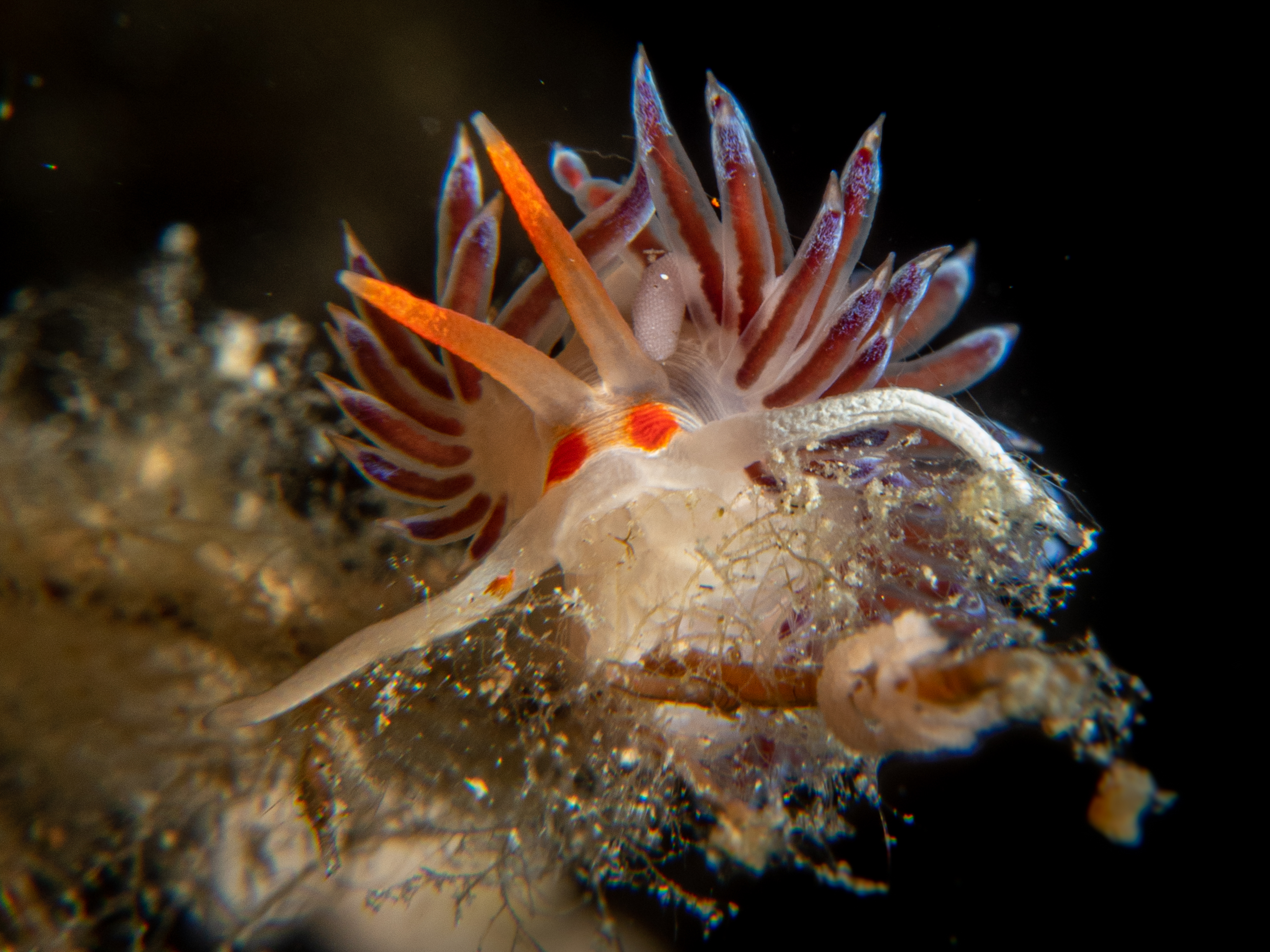 NudibranchNudibranchConfirmed present · 3 independent sources
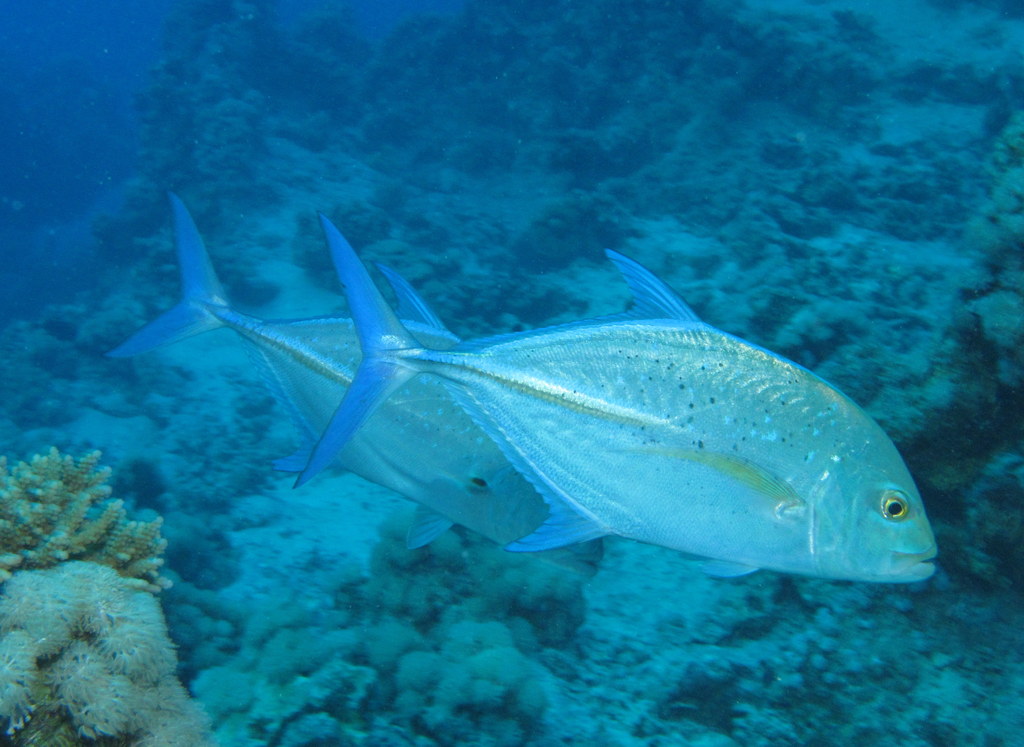 TrevallyTrevallyConfirmed present · 2 independent sources
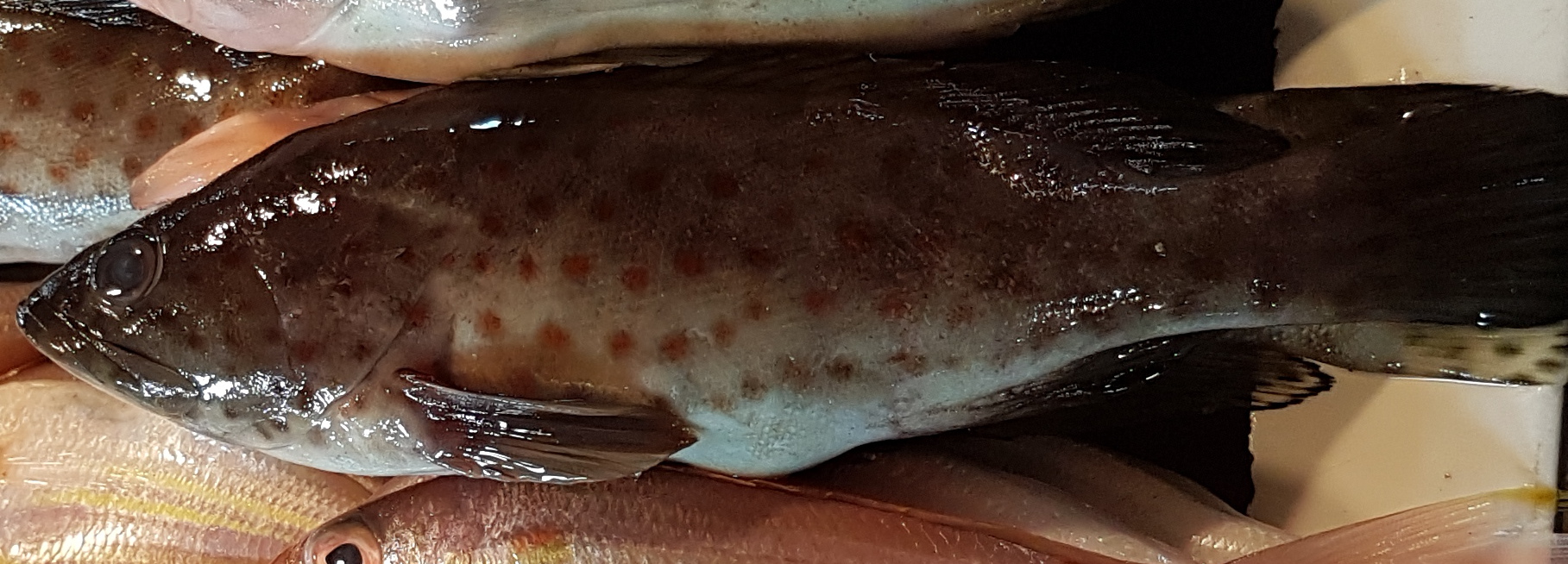 GrouperGrouperConfirmed present · 2 independent sources
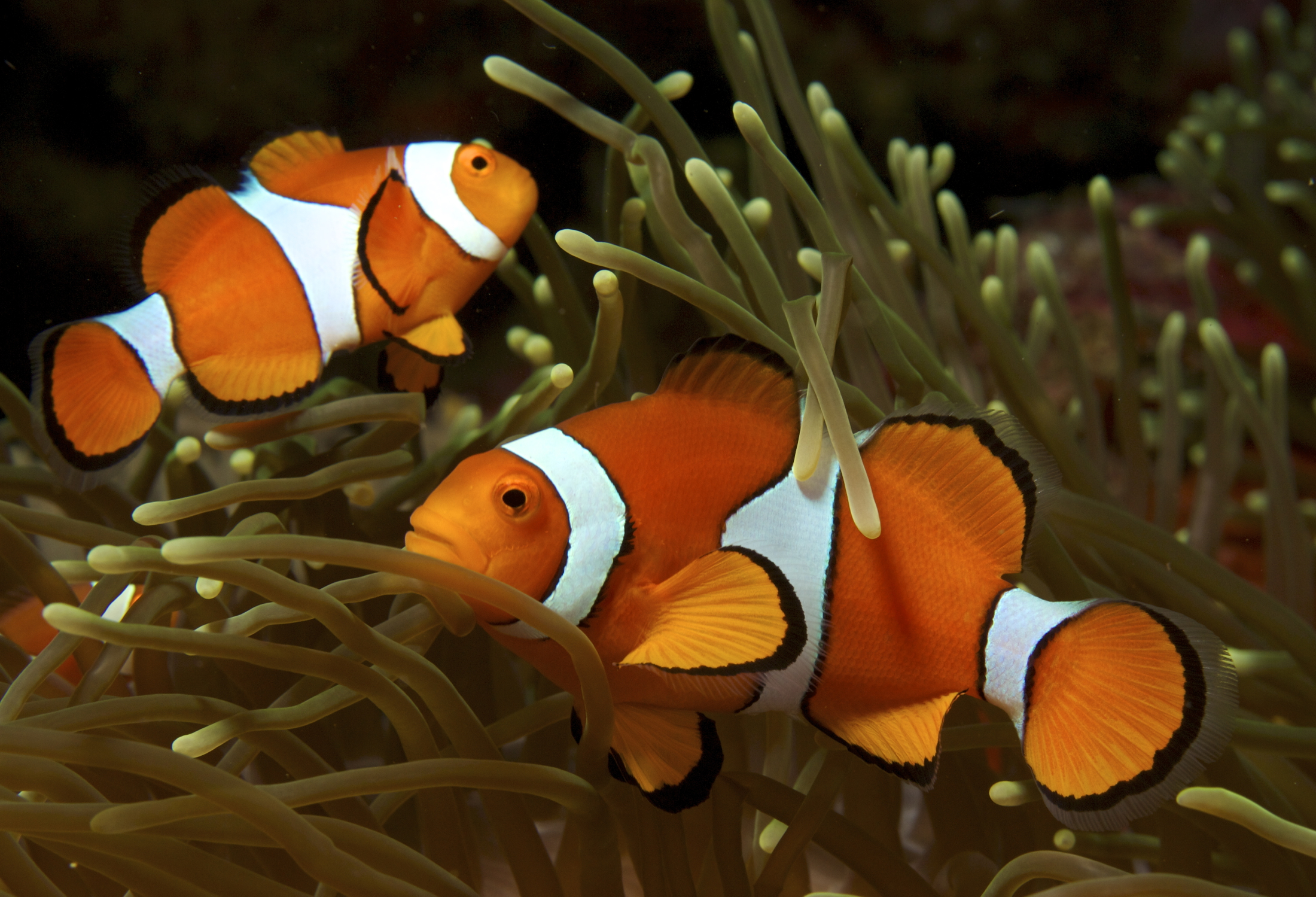 ClownfishClownfishConfirmed present · 2 independent sources
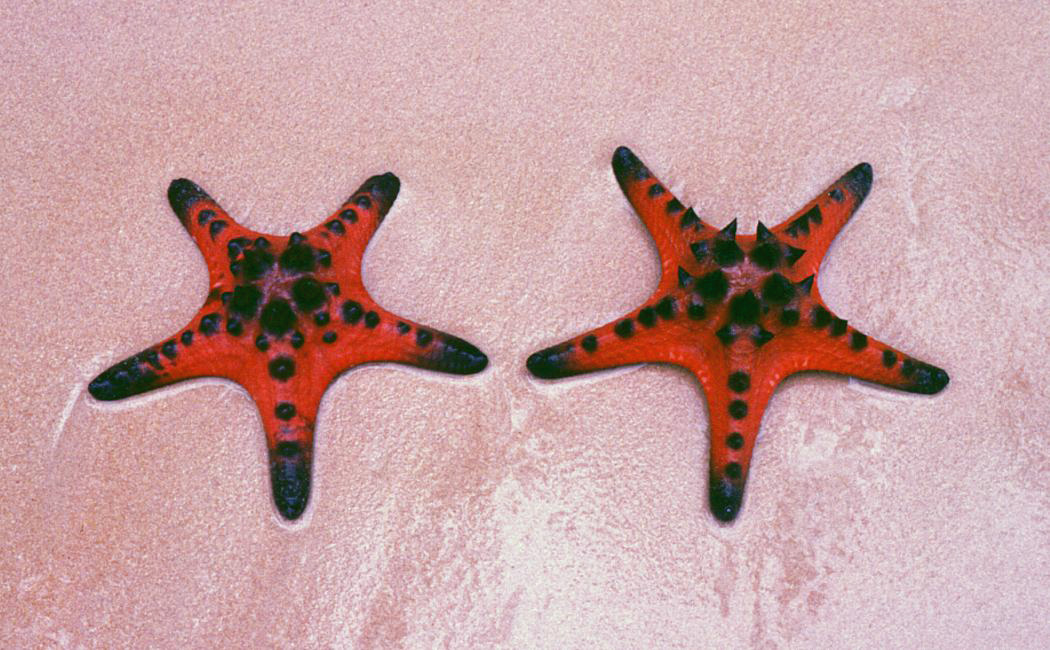 Chocolate Chip Sea StarProtoreaster nodosusReported here · unconfirmed
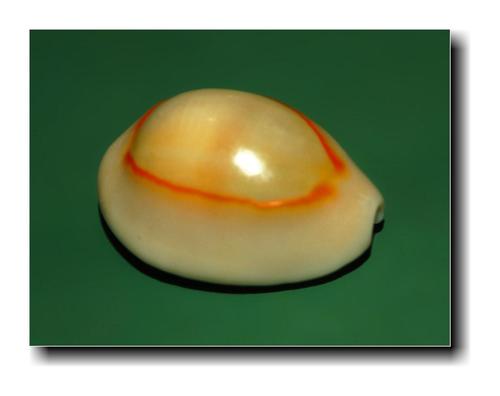 Gold Ring CowryMonetaria annulusReported here · unconfirmed
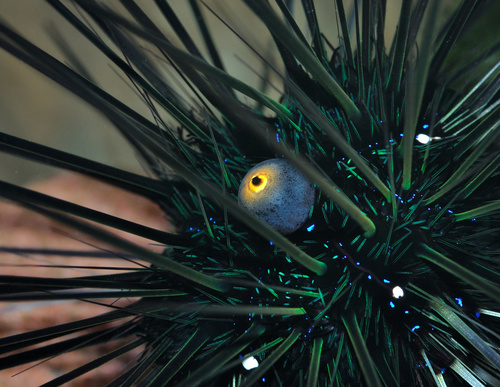 Black Longspine UrchinDiadema setosumReported here · unconfirmed
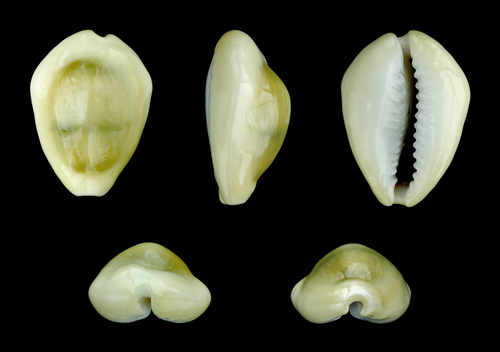 Money CowryMonetaria monetaReported here · unconfirmed
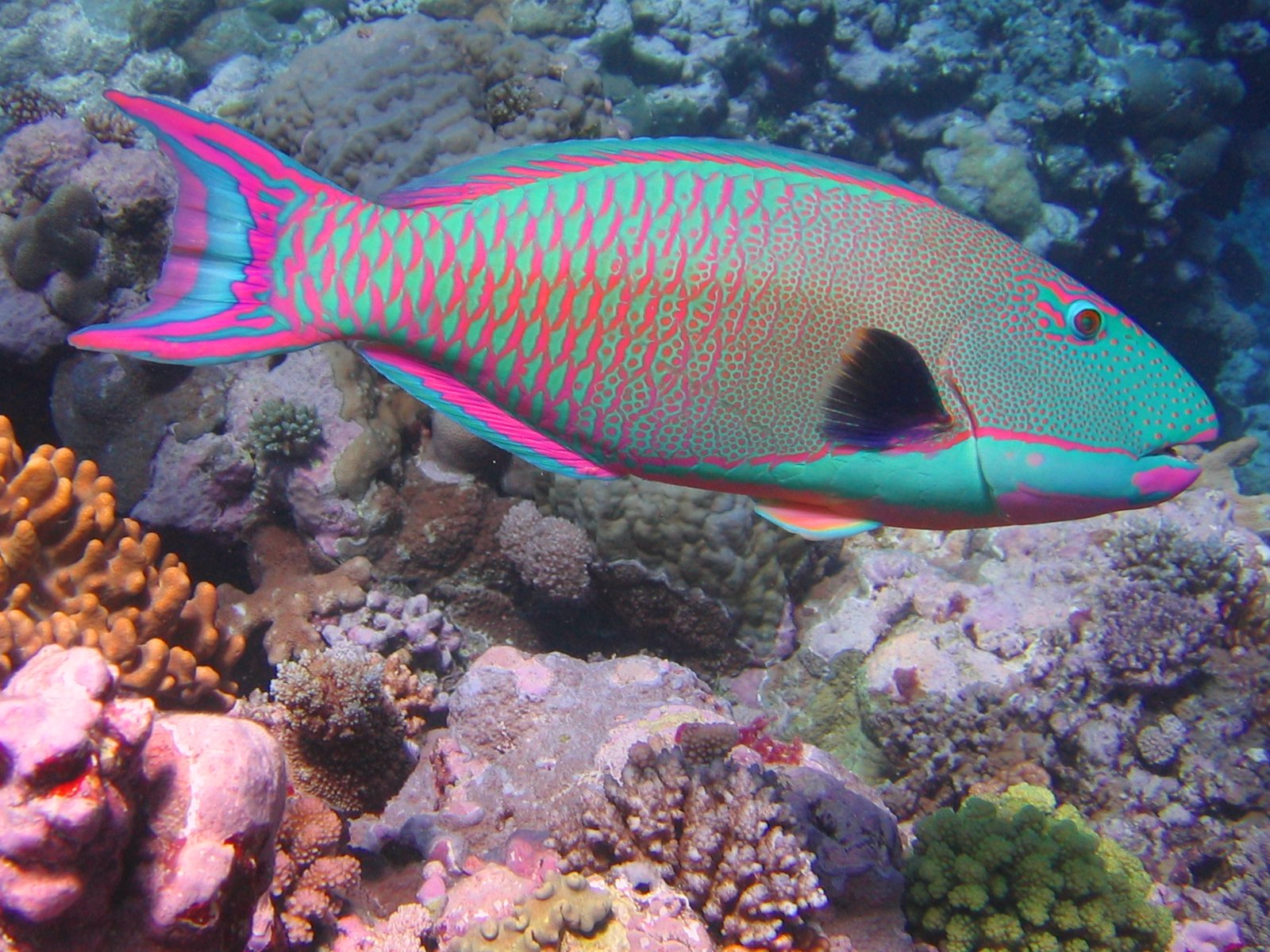 ParrotfishParrotfishConfirmed present · 2 independent sources
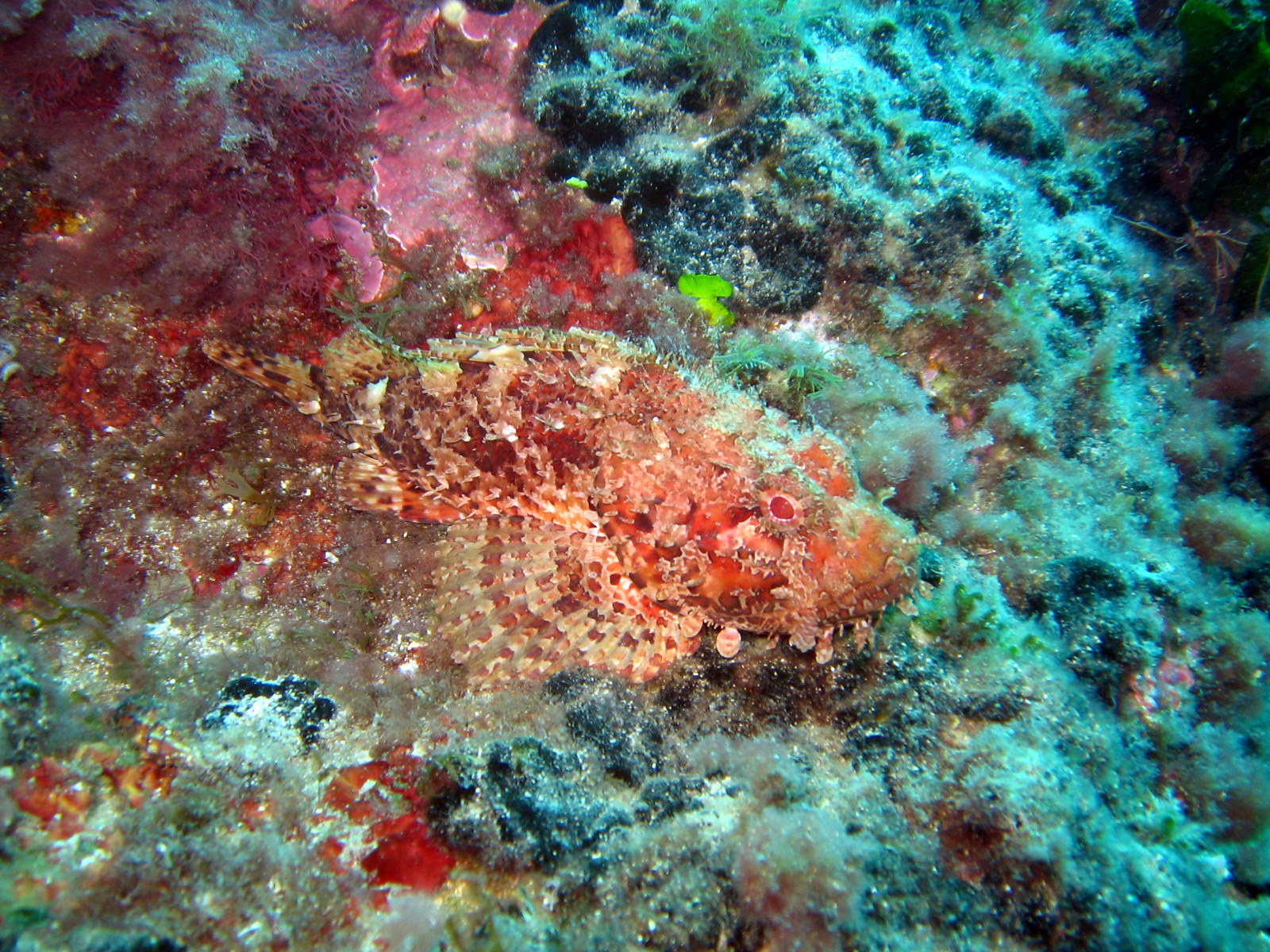 ScorpionfishScorpionfishConfirmed present · 2 independent sources
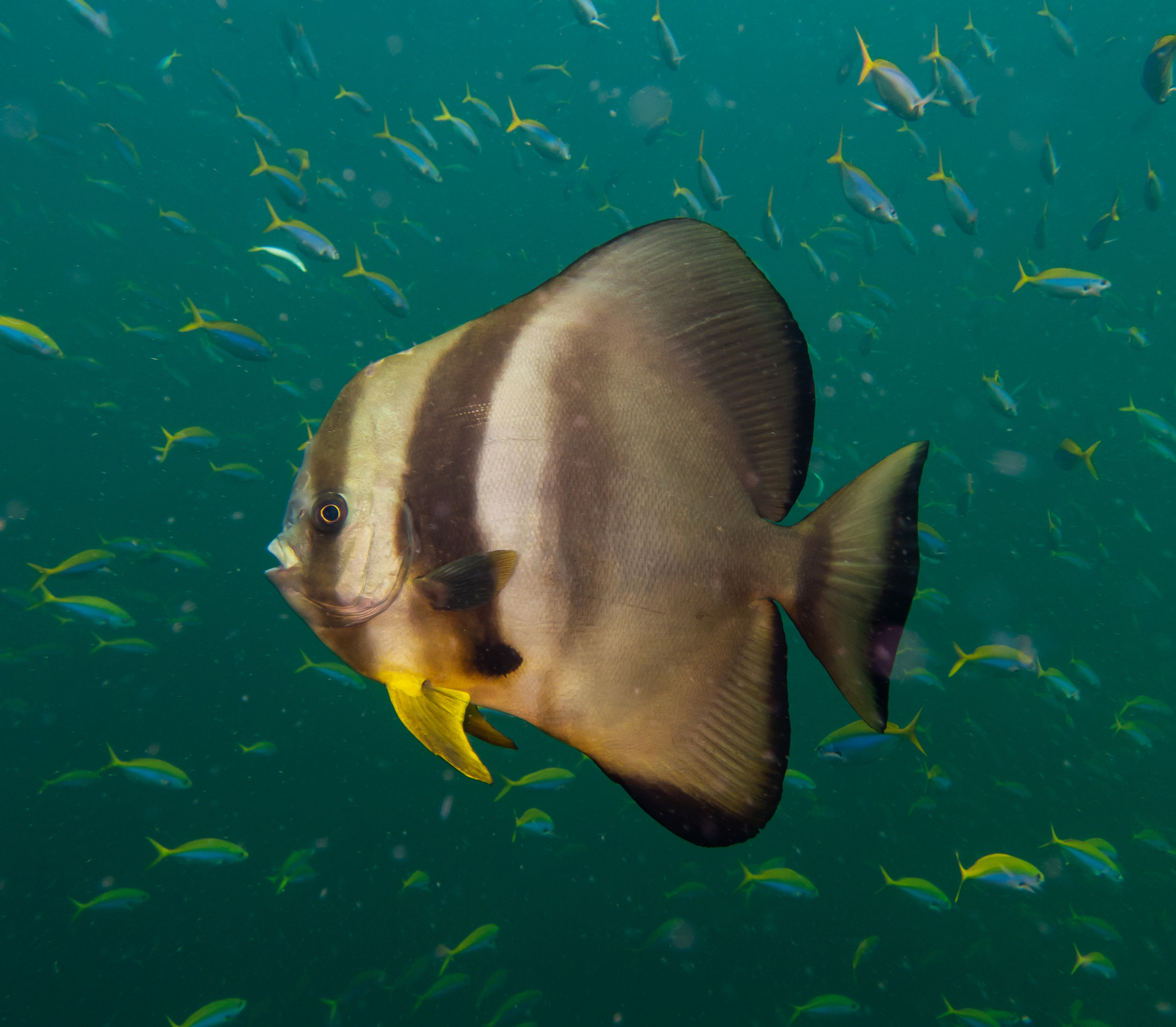 BatfishBatfishReported here · unconfirmed
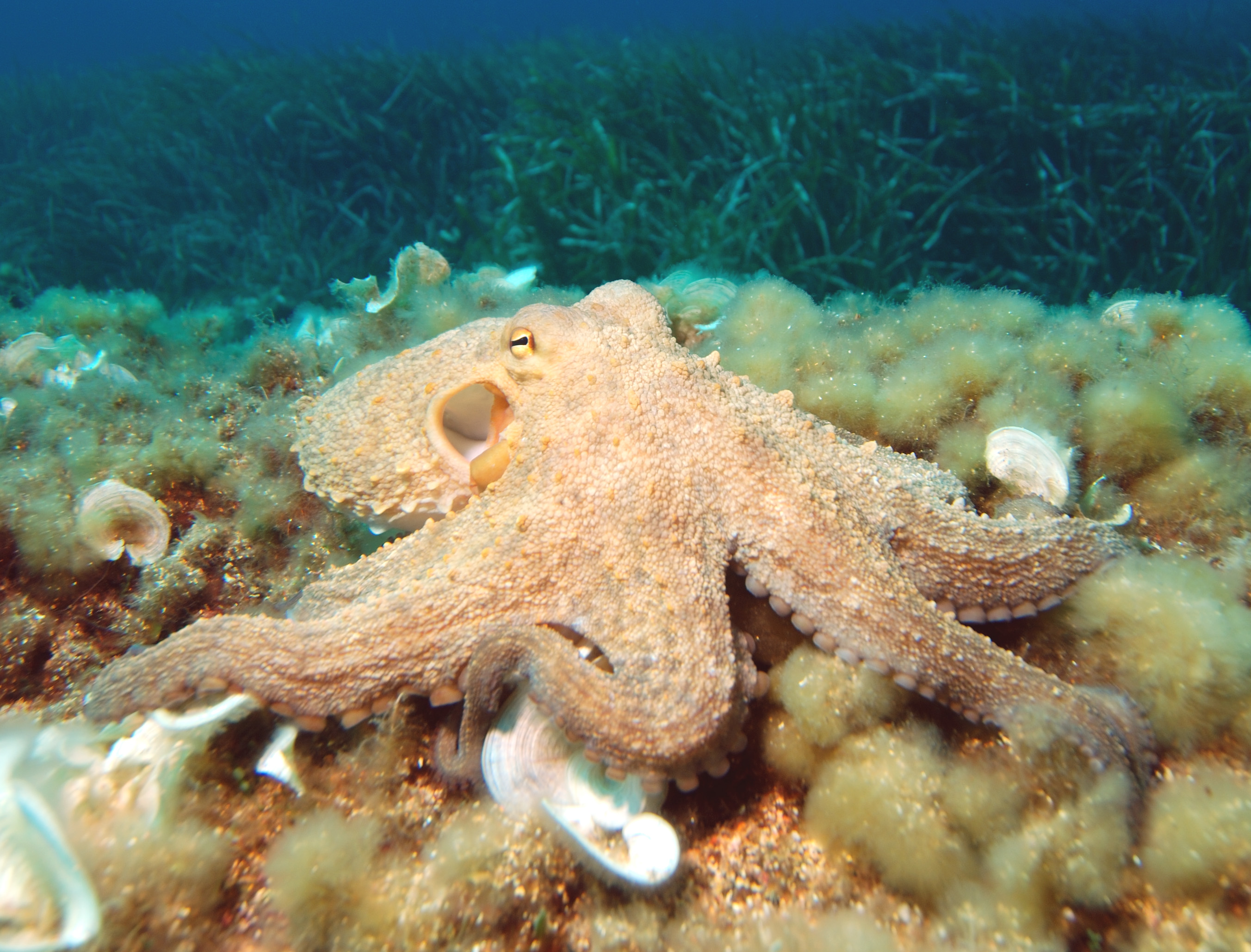 OctopusOctopusReported here · unconfirmed
Durable tips from divers — access, hazards, marine life, facilities. For day-of conditions, use the report tool in the conditions card above.
No notes yet. Dived here? Be the first to leave a tip.
Share a write-up or a photo. Submissions are reviewed before they appear on the page.
Nearby dive sites
Shops that dive here
No shops have listed this site yet.