The Eagle
Conditions & tides
Scored by DiveConnect's site-physics model
Marine forecast via Copernicus Marine. Score is a rule-based guide from swell/wind vs. the site's exposure — always dive your own assessment.
Dived here today? How were conditions vs. what we showed?
About this site
The Eagle was built in Holland in 1962 under the name Raila Dan — a conventional coastal freighter that changed hands and names repeatedly over her working life. She was eventually obtained by the Eagle Tire Company after a fire rendered her no longer useful for cargo transport. Rather than scrap her, local advocates intentionally sank her in 1985 off Lower Matecumbe Key as part of the Florida Keys Artificial Reef Association project — the same initiative that brought down well-known Keys wrecks like the Benwood, Thunderbolt, and Duane.
Then Hurricane Georges arrived in 1998 and changed everything. The 1998 hurricane season made some significant modifications to the Eagle, snapping her in two about a third of the way down the wreck — and what was a nice dive before is even better now. Hurricane Irma in 2017 further compromised the bow section, creating an appearance that divers often describe as "torpedoed." Decades of storms have, paradoxically, made the Eagle more compelling with every hit she's taken.
The Eagle sits on its side in about 105 feet of water, and the blast holes in the bottom give an interesting perspective on the rest of the ocean. The charges used to sink the vessel also blew diver-friendly penetration holes in the hull. Photo opportunities include a crow's nest and a four-blade propeller. The pilot house is a popular swim-through, described as spacious with windows all around, allowing light to enter and minimizing claustrophobia.
Read the full guideShow less
The marine life here is the real payoff. In and around the wreck you'll find goliath groupers, horse-eye jacks, amberjack, spadefish, turtles, eels, blue and rainbow runners, sharks, and much more. The wreck is heavily colonized by coral and sponge growth and attracts large schools of fish, goliath groupers, and the occasional hammerhead shark. The two halves of the hull create a gap that acts like a channel — current funnels through it, and so does everything that hunts in current.
Depth runs from 70 to 110 feet, with the superstructure accessible to divers who want to stay shallower and the sandy bottom at around 110 feet for those working a deeper profile. You'll have roughly 15 to 20 minutes of bottom time depending on your air consumption and nitrogen loading — this is a dive where your pre-dive planning matters. Buoyancy control matters too; stirring up silt at depth collapses visibility for everyone behind you.
Visibility typically ranges from 50 to 100 feet, which is the honest range — you'll hit the higher end when the Gulf Stream pushes clear Atlantic water close to the site, and the lower end after sustained winds or passing weather. Late spring and summer months, roughly April through July, typically offer the calmest seas and best visibility. Water temperature runs 76 to 85°F from winter low to summer high, so a 3mm wetsuit covers most of the year, with a 5mm worth considering on winter mornings. Divers should be prepared for variable currents, which can range from moderate to strong — on busy-current days the descent lines rigged to the wreck's buoys are not optional, they're essential.
The Eagle is rated intermediate to advanced, and the advanced end of that range is the honest benchmark. You need solid buoyancy, comfortable air management at depth, and the confidence to work a current on the way down. This is not a site to bring a newly certified diver hoping depth feels fine — but for any Advanced Open Water diver with recent time in the water, it is exactly the kind of dive that stays with you.
The wreck sits about 6 miles offshore, one of the best-known wreck sites in the Upper Florida Keys and a regular stop for charter dive-boats, just a 10 to 15-minute boat ride out from the marinas. The site lies within Florida Keys National Marine Sanctuary boundaries, which means no taking, no touching, and no anchoring — buoyed mooring balls only, the way it should be.
Marine life here
Confirmed by our research team, reported by independent divers, or observed nearby via iNaturalist — each entry is labelled with its source.
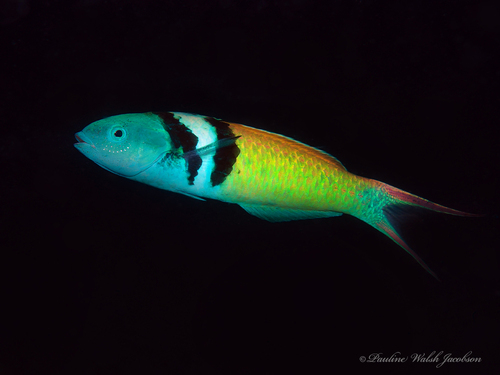 Caribbean Bluehead WrasseThalassoma bifasciatumReported here · unconfirmed
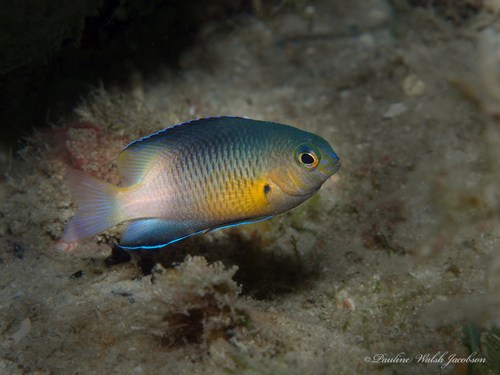 Bicolor DamselfishStegastes partitusReported here · unconfirmed
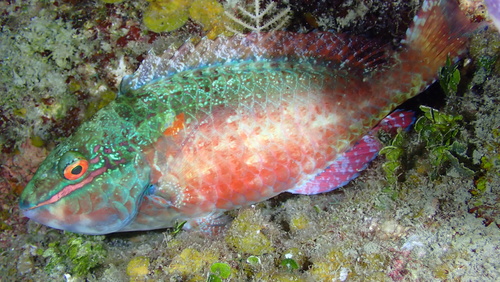 Redband ParrotfishSparisoma aurofrenatumReported here · unconfirmed
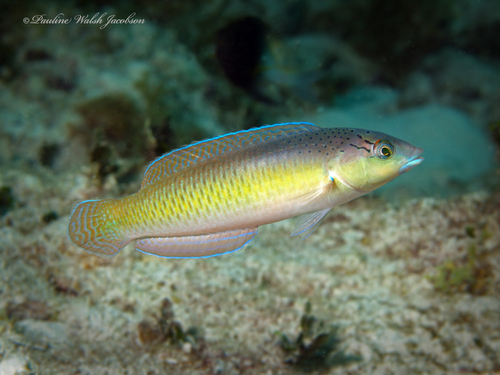 Yellowhead WrasseHalichoeres garnotiReported here · unconfirmed
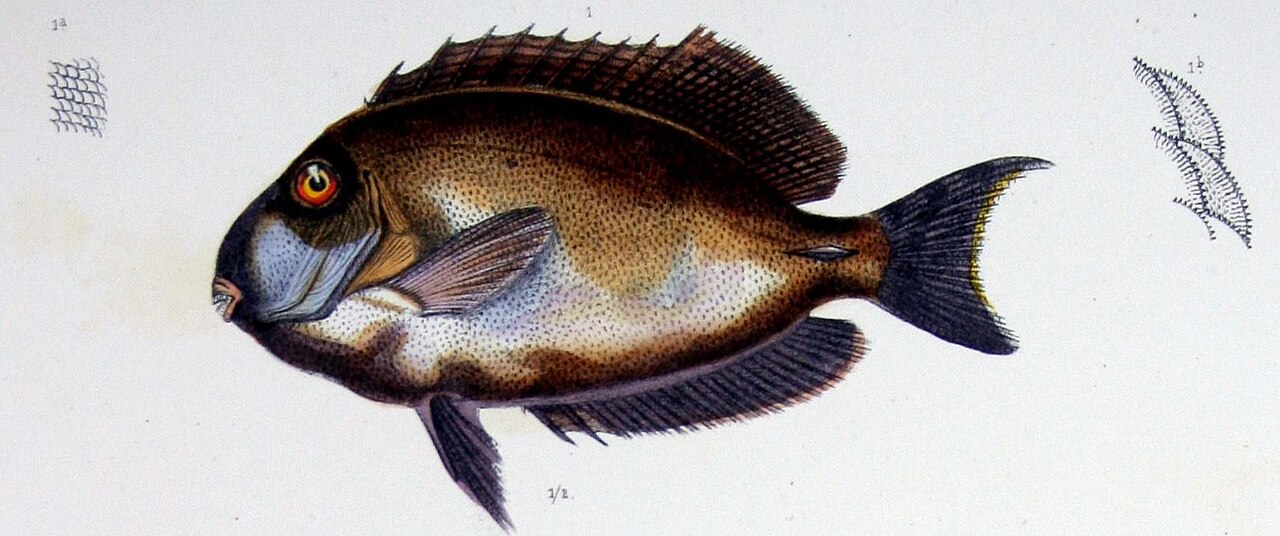 Brazilian Ocean SurgeonfishAcanthurus bahianusReported here · unconfirmed
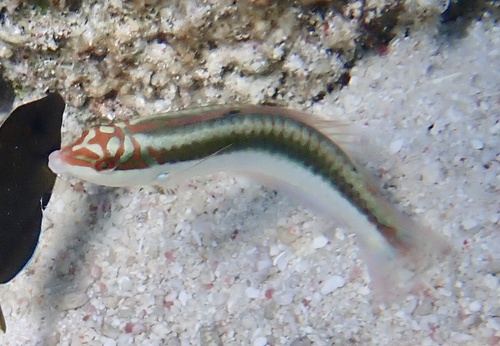 Clown WrasseHalichoeres maculipinnaReported here · unconfirmed
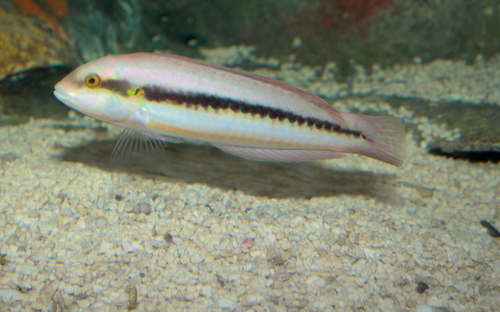 Slippery DickHalichoeres bivittatusReported here · unconfirmed
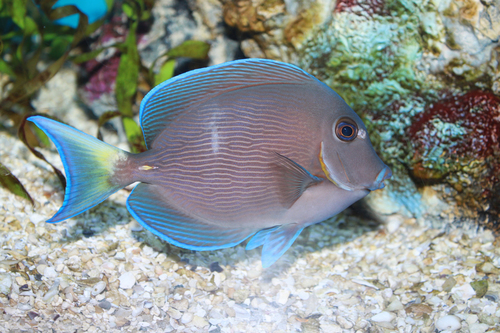 Atlantic Blue TangAcanthurus coeruleusReported here · unconfirmed
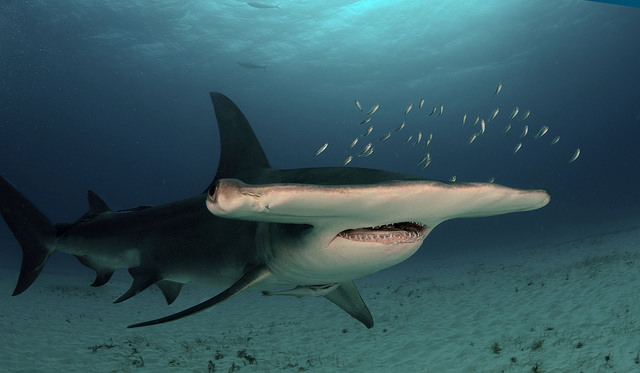 Hammerhead sharkHammerhead sharkConfirmed present · 2 independent sources
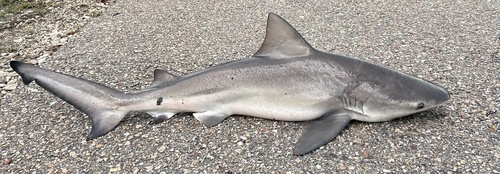 Bull SharkCarcharhinus leucasReported here · unconfirmed
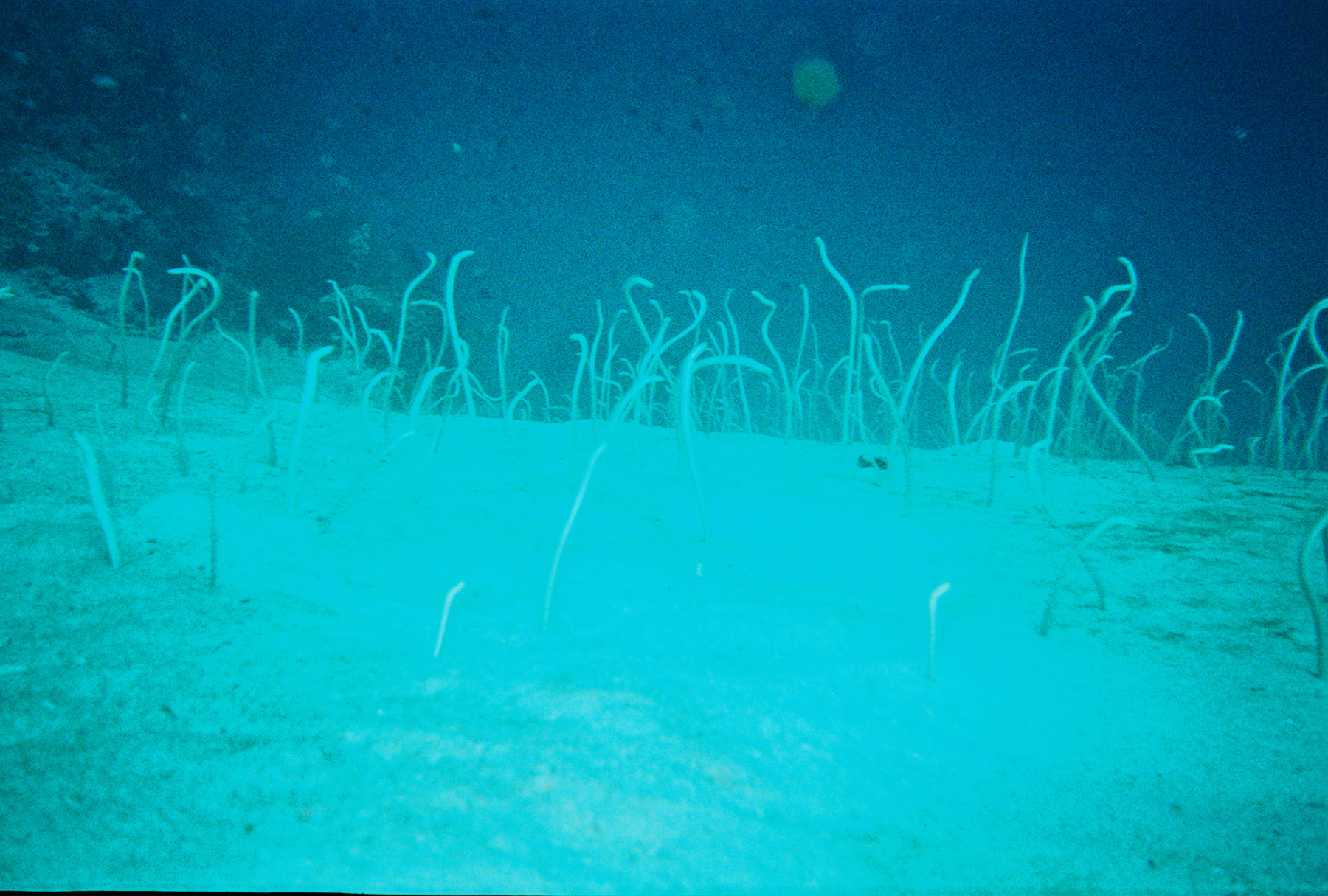 Garden eelGarden eelReported here · unconfirmed
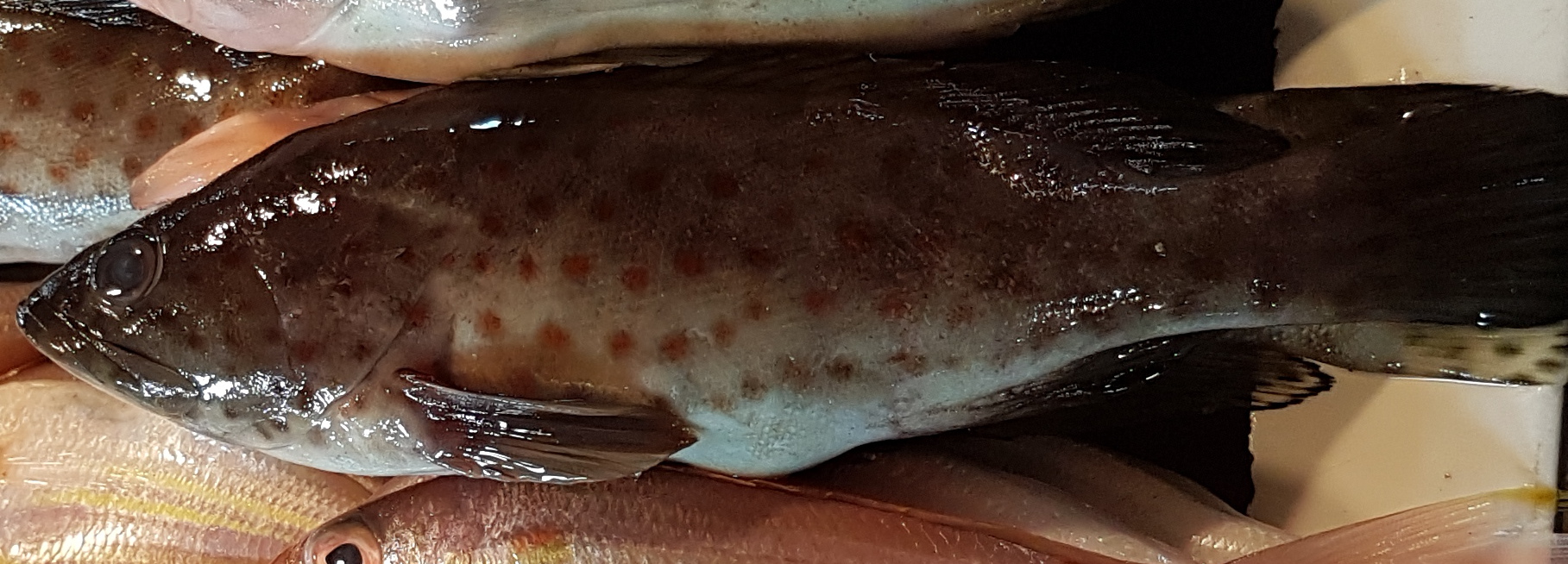 GrouperGrouperConfirmed present · 4 independent sources
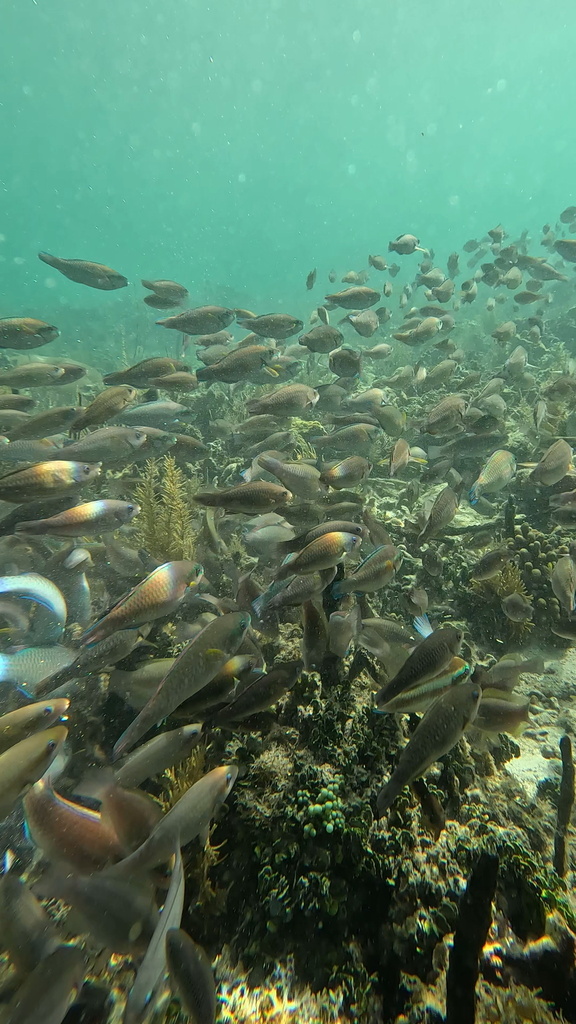 Striped ParrotfishScarus iseriReported here · unconfirmed
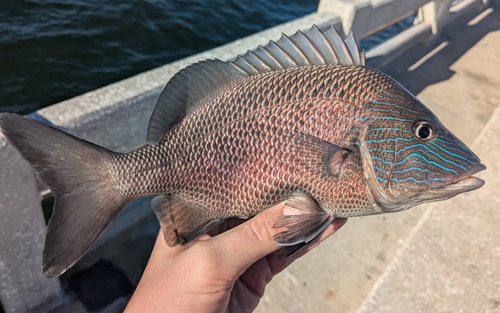 White GruntHaemulon plumieriiReported here · unconfirmed
Durable tips from divers — access, hazards, marine life, facilities. For day-of conditions, use the report tool in the conditions card above.
No notes yet. Dived here? Be the first to leave a tip.
Share a write-up or a photo. Submissions are reviewed before they appear on the page.
Nearby dive sites
Shops that dive here
No shops have listed this site yet.