Hardeep Wreck
Conditions & tides
Scored by DiveConnect's site-physics model
Marine forecast via Copernicus Marine. Score is a rule-based guide from swell/wind vs. the site's exposure — always dive your own assessment.
Dived here today? How were conditions vs. what we showed?
About this site
The Hardeep Wreck, also known as the HTMS Hardeep or Suddhadip, is a shipwreck dive site in the waters off Pattaya, Thailand. The wreck sits upright and its structure spans from a maximum depth of 26 m up to shallower sections around 10 m, with the upper mast, deck edges, and superstructure rising well into the mid-water column. Rusted-out hulls, vertical bulkheads, shadowed compartments, collapsed zones, fallen beams, and broken interior sections give the site a complex, layered terrain that rewards slow, methodical exploration with a torch.
The wreck supports a dense and varied marine community year-round. Batfish — most often longfin or Teira batfish — are reliable residents seen on nearly every dive, hovering in pairs or small schools between roughly 10 and 22 m near the mast and upper decks. Snapper school in large, synchronized formations along the bow and mid-deck between 14 and 26 m, often surrounding divers on descent or ascent. Brown-marbled groupers hold territory in the deeper, darker sections of the hull between 18 and 26 m, while lionfish occupy shadowed compartments and layered beams throughout the structure. Six-banded angelfish, moray eels, stonefish, scorpionfish, trevally, barracuda, blue-spotted stingrays, hawksbill turtles, nudibranchs, ghost pipefish, cleaner shrimp, and whale sharks are also recorded at the site.
Water temperature ranges from 27–30 °C and visibility is generally good, with the best diving conditions running from November to April. Medium currents flow across the wreck, which keeps plankton feeders like batfish active along vertical structures and draws pelagic species such as trevally and barracuda. Low-current pockets inside the wreck's interior sections provide resting habitat for ambush predators like groupers and lionfish.
Read the full guideShow less
The site is rated intermediate and suited to divers comfortable navigating a penetration-style wreck environment in moderate current. Lionfish present a genuine hazard — their dorsal spines carry venom capable of a painful sting — and divers are advised never to touch them. A torch is recommended for exploring the darker compartments where groupers and other cryptic species shelter.
Marine life here
Confirmed by our research team, reported by independent divers, or observed nearby via iNaturalist — each entry is labelled with its source.
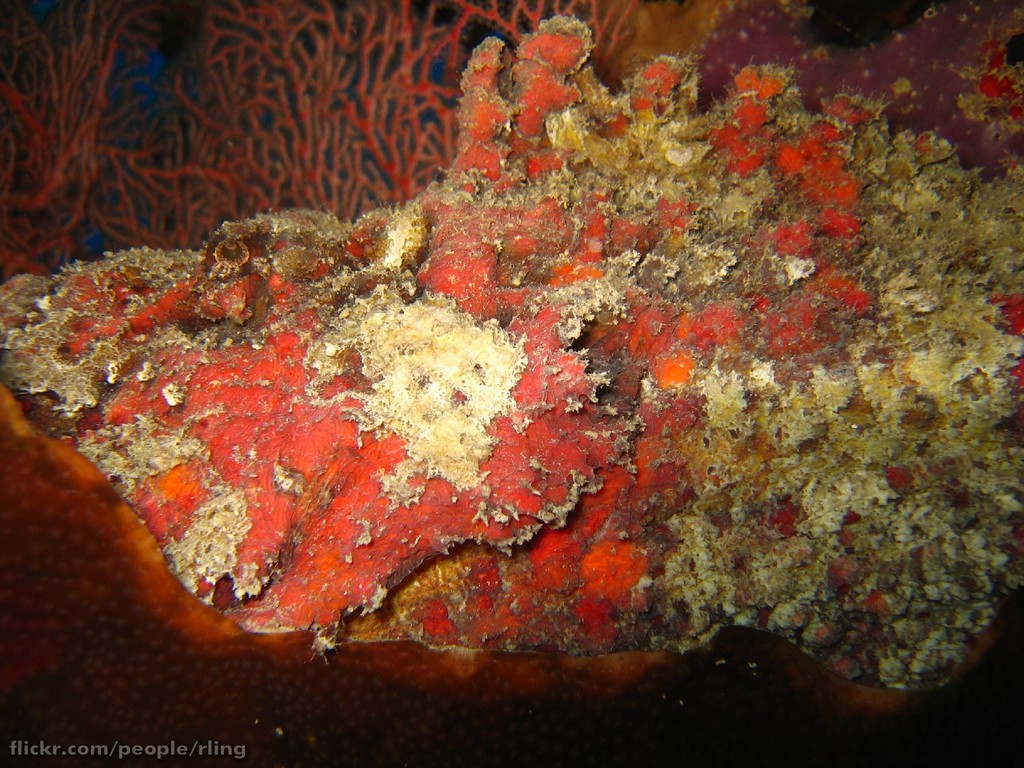 StonefishStonefishReported here · unconfirmed
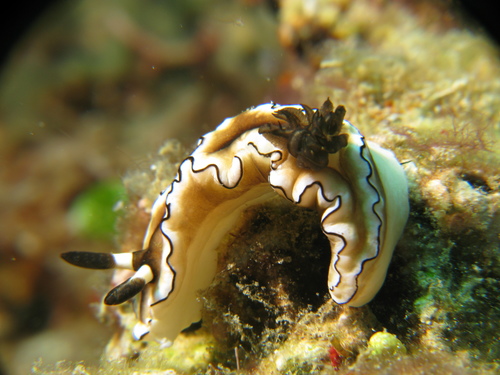 Black-margined NudibranchDoriprismatica atromarginataReported here · unconfirmed
- Synaptula reticulataReported here · unconfirmed
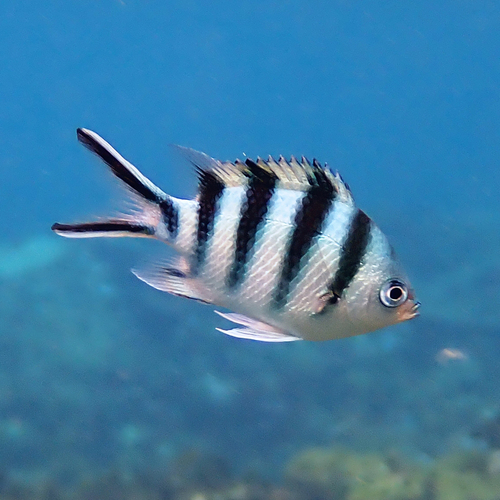 Scissortail SergeantAbudefduf sexfasciatusReported here · unconfirmed
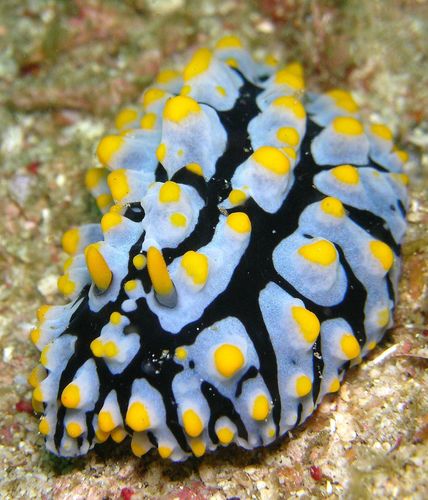 Varicose Wart SlugPhyllidia varicosaReported here · unconfirmed
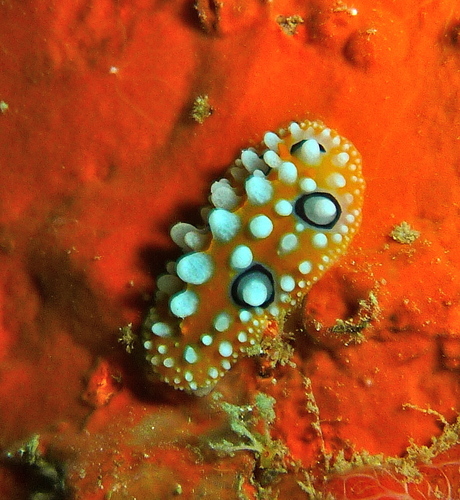 Ocellate PhyllidiaPhyllidia ocellataReported here · unconfirmed
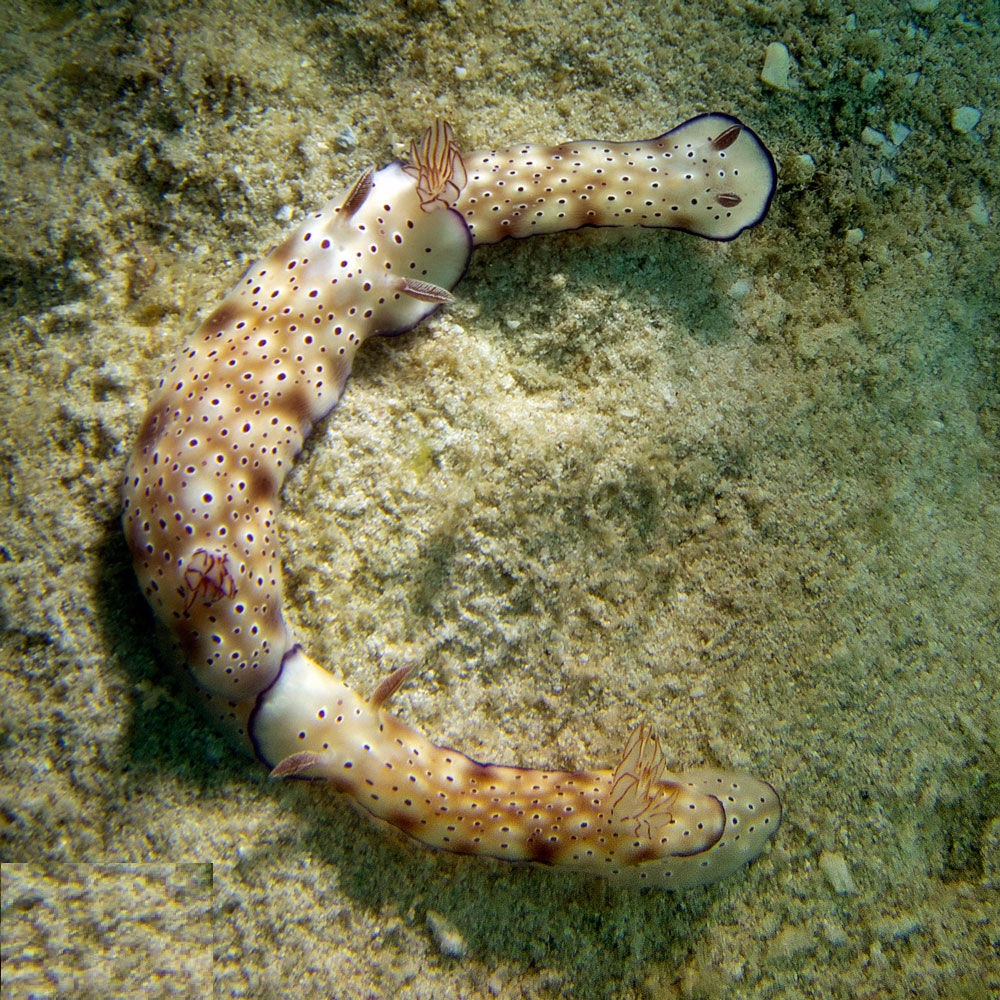 Tryon's HypselodorisHypselodoris tryoniReported here · unconfirmed
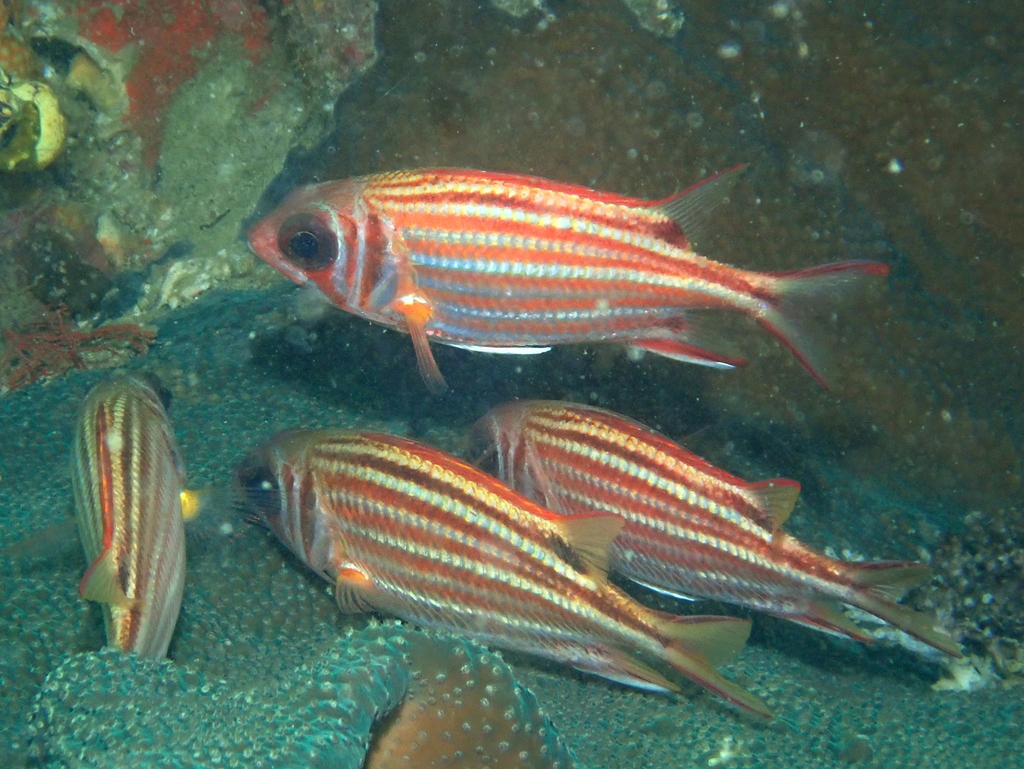 Red SquirrelfishSargocentron rubrumReported here · unconfirmed
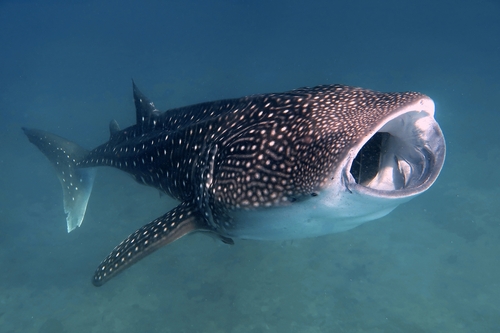 Whale SharkRhincodon typusReported here · unconfirmed
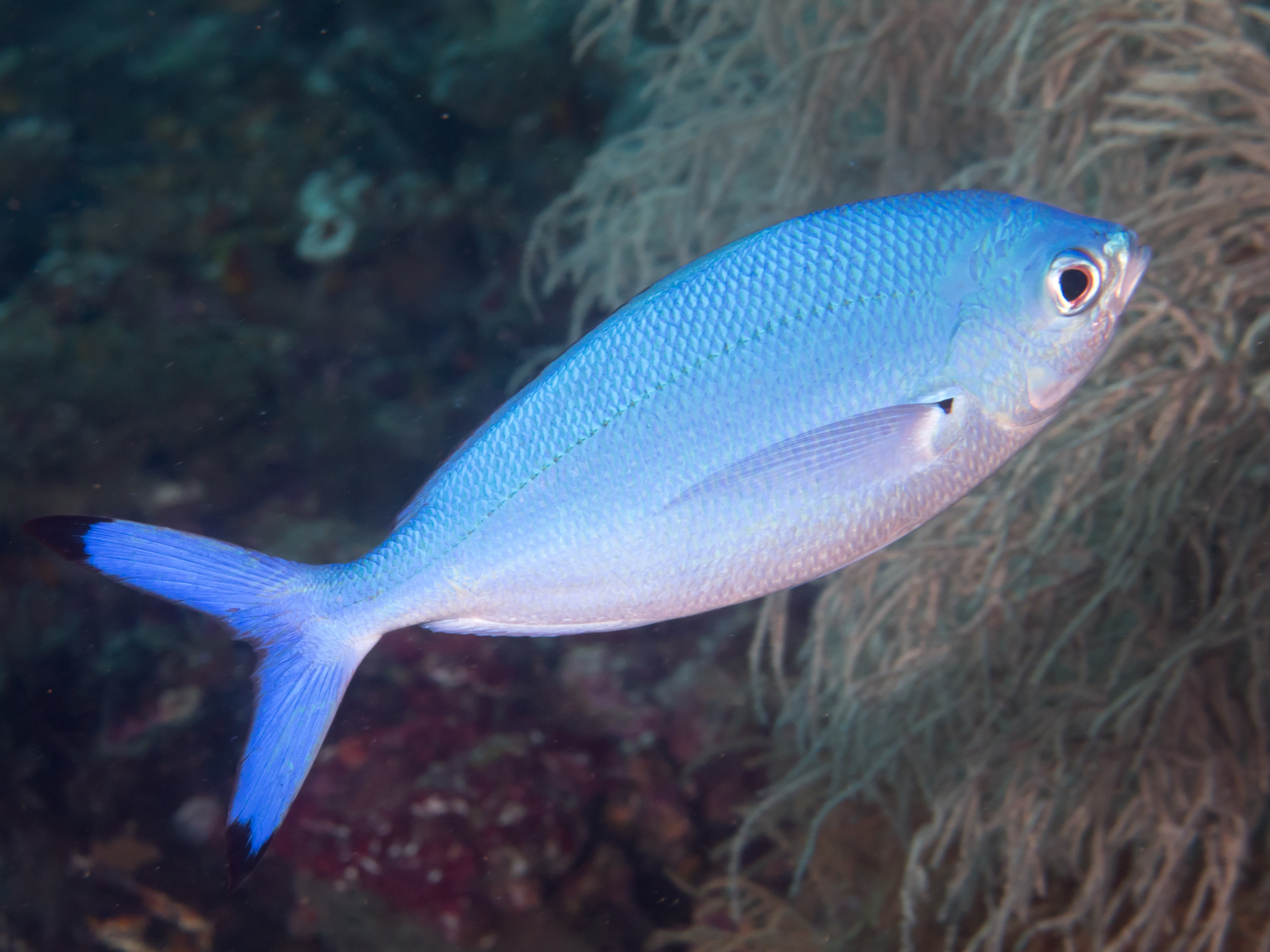 FusilierFusilierReported here · unconfirmed
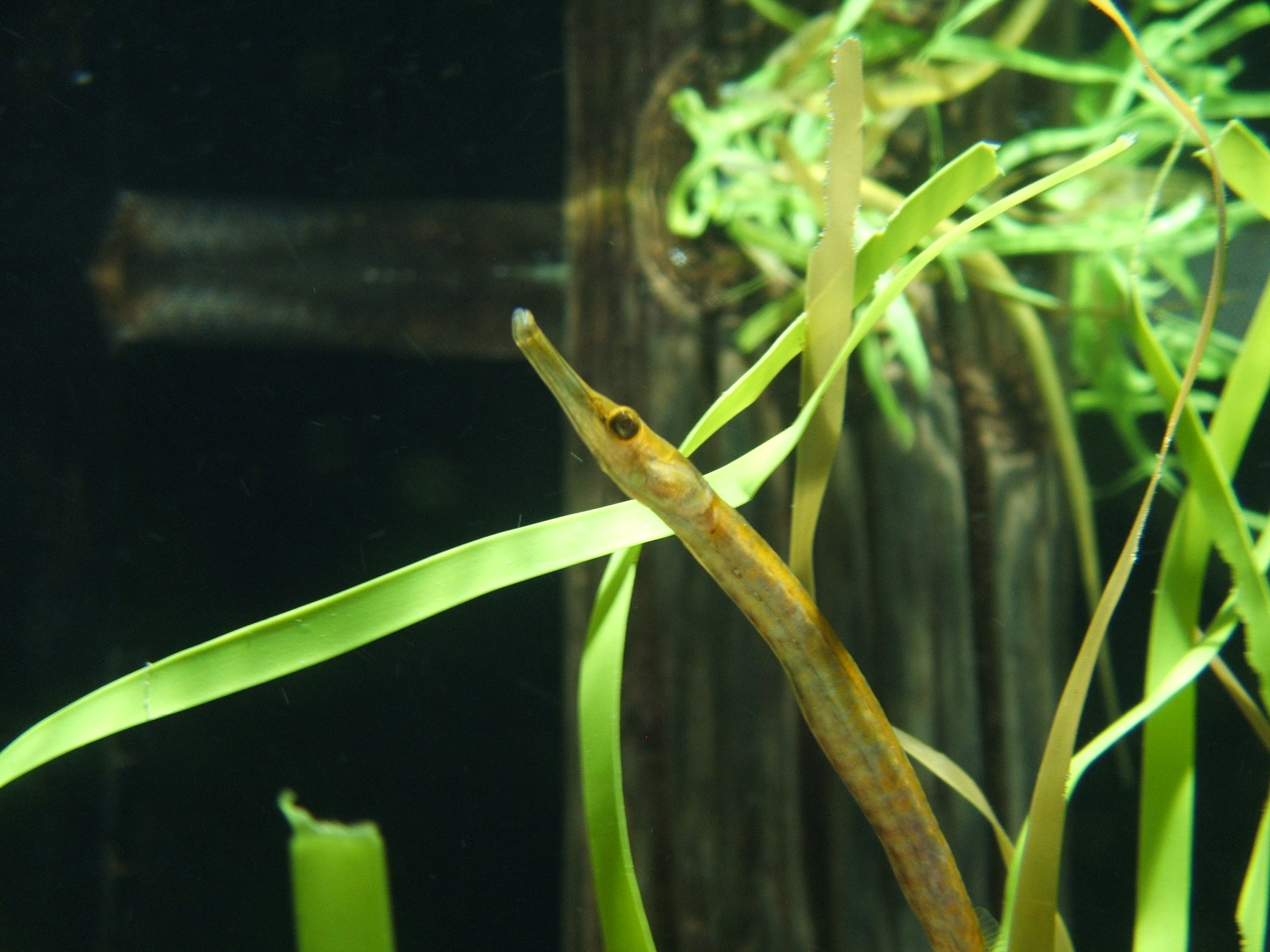 PipefishPipefishReported here · unconfirmed
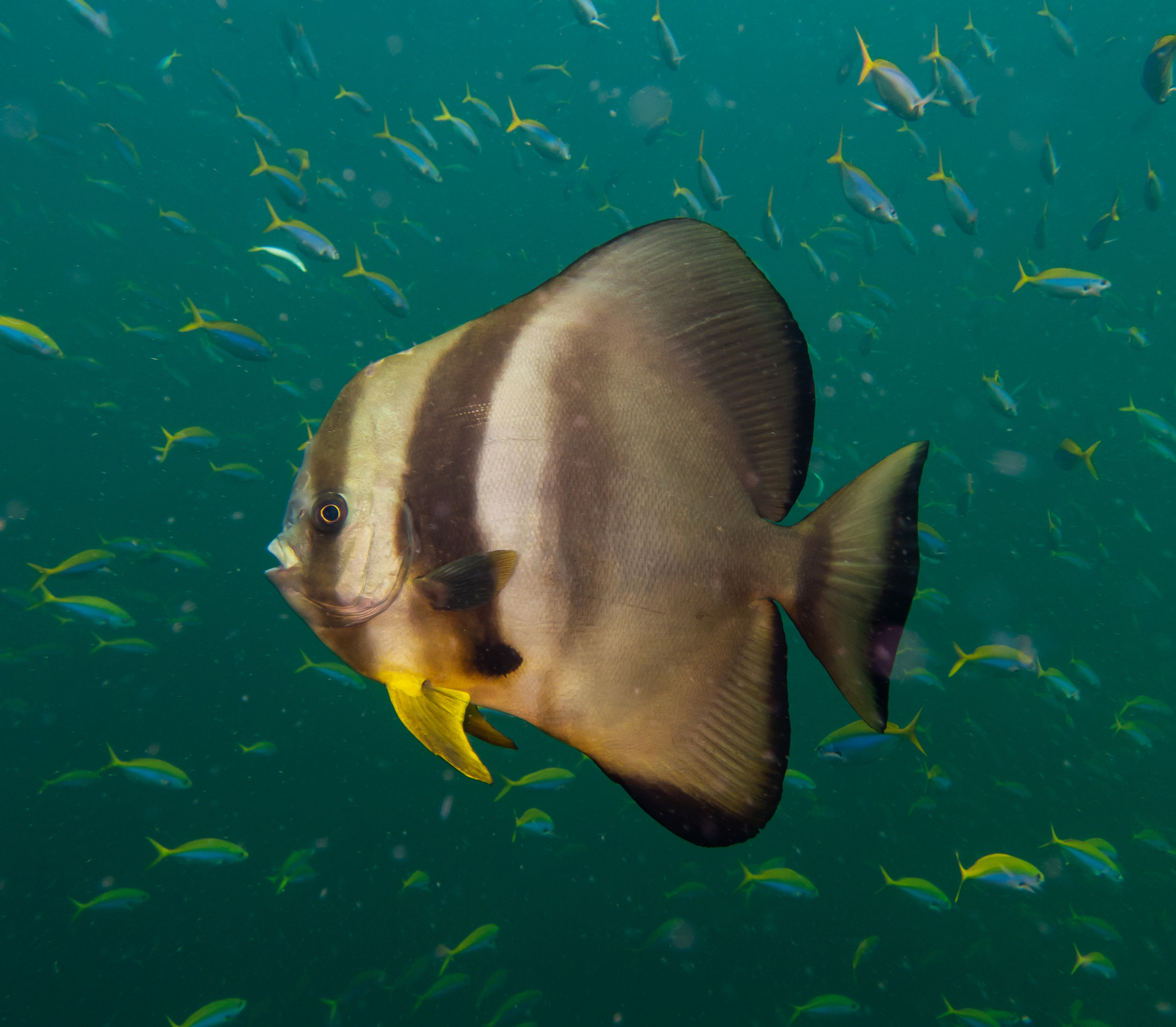 BatfishBatfishReported here · unconfirmed
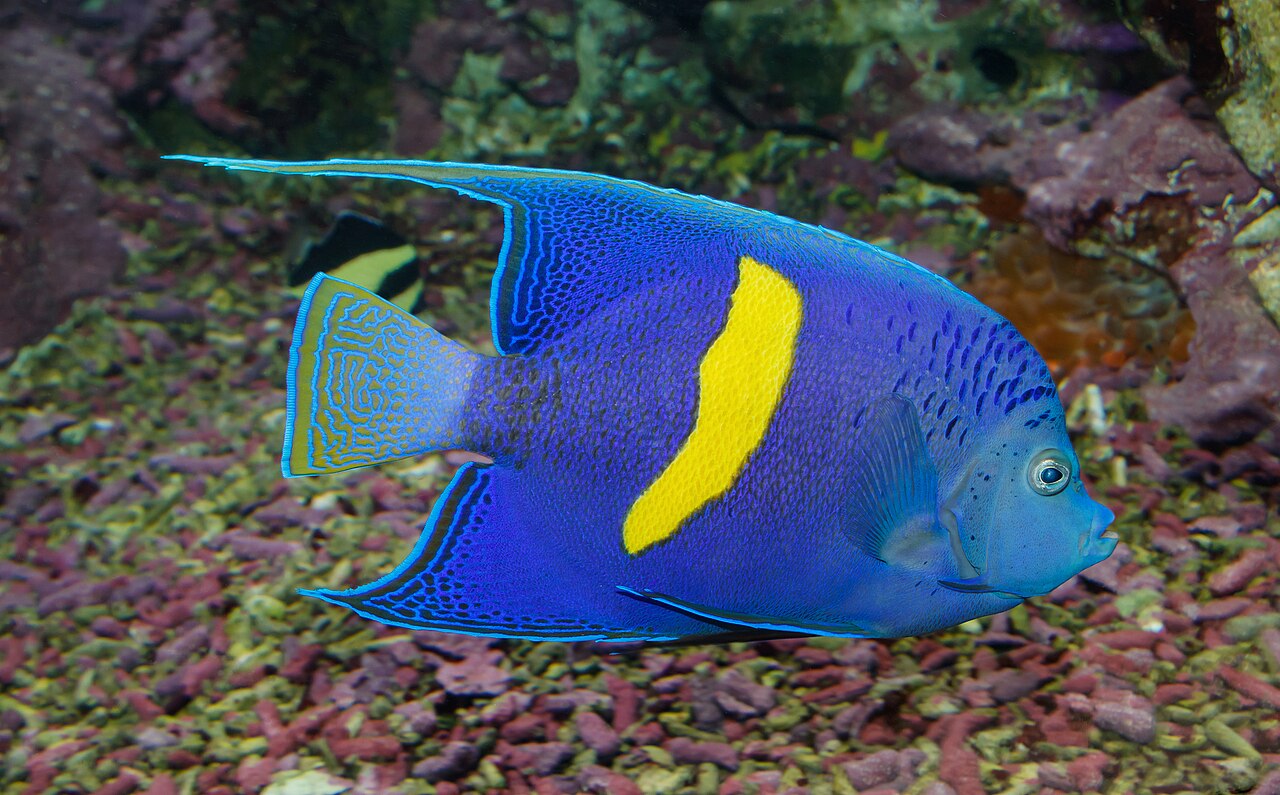 AngelfishAngelfishReported here · unconfirmed
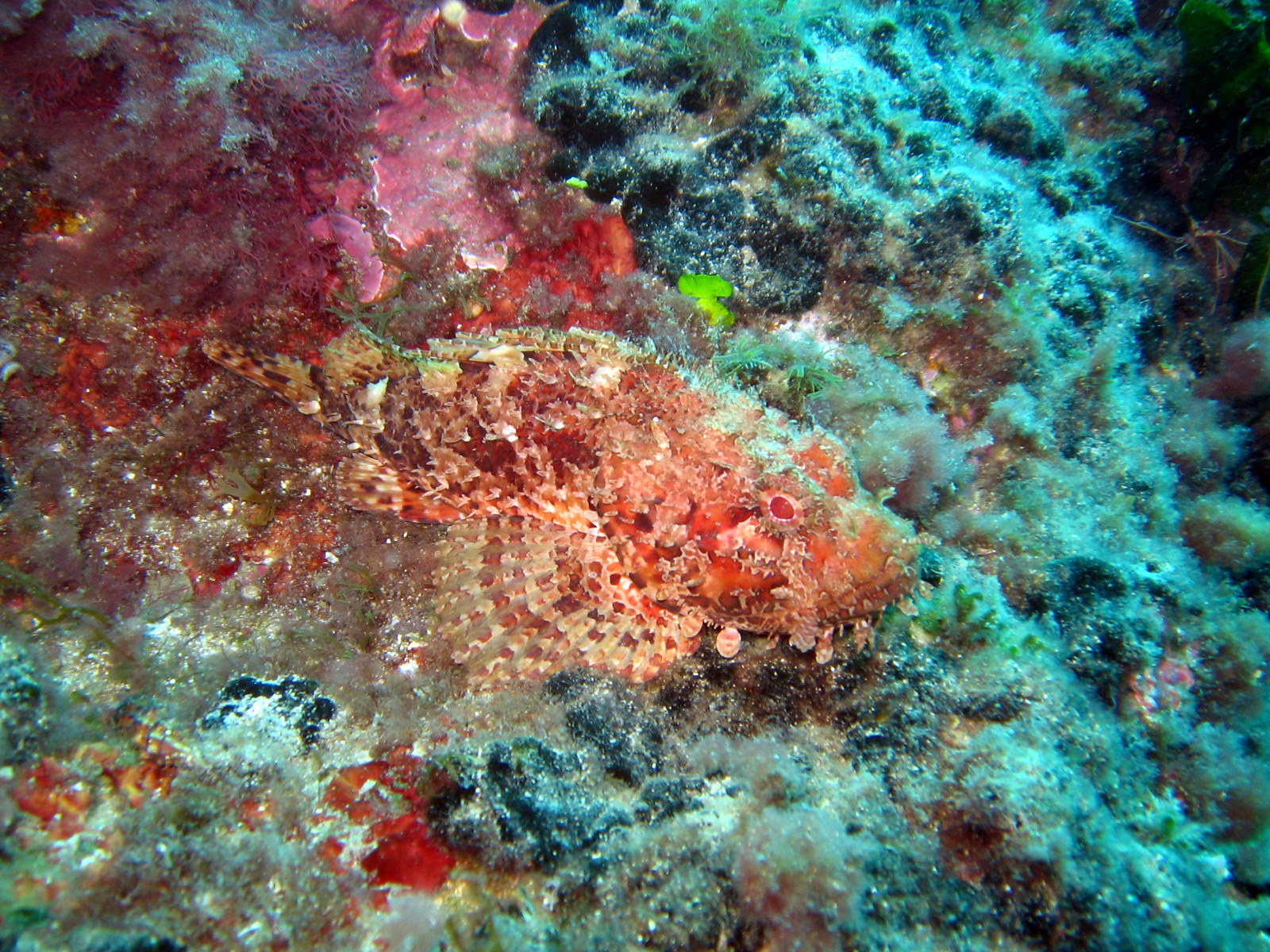 ScorpionfishScorpionfishReported here · unconfirmed
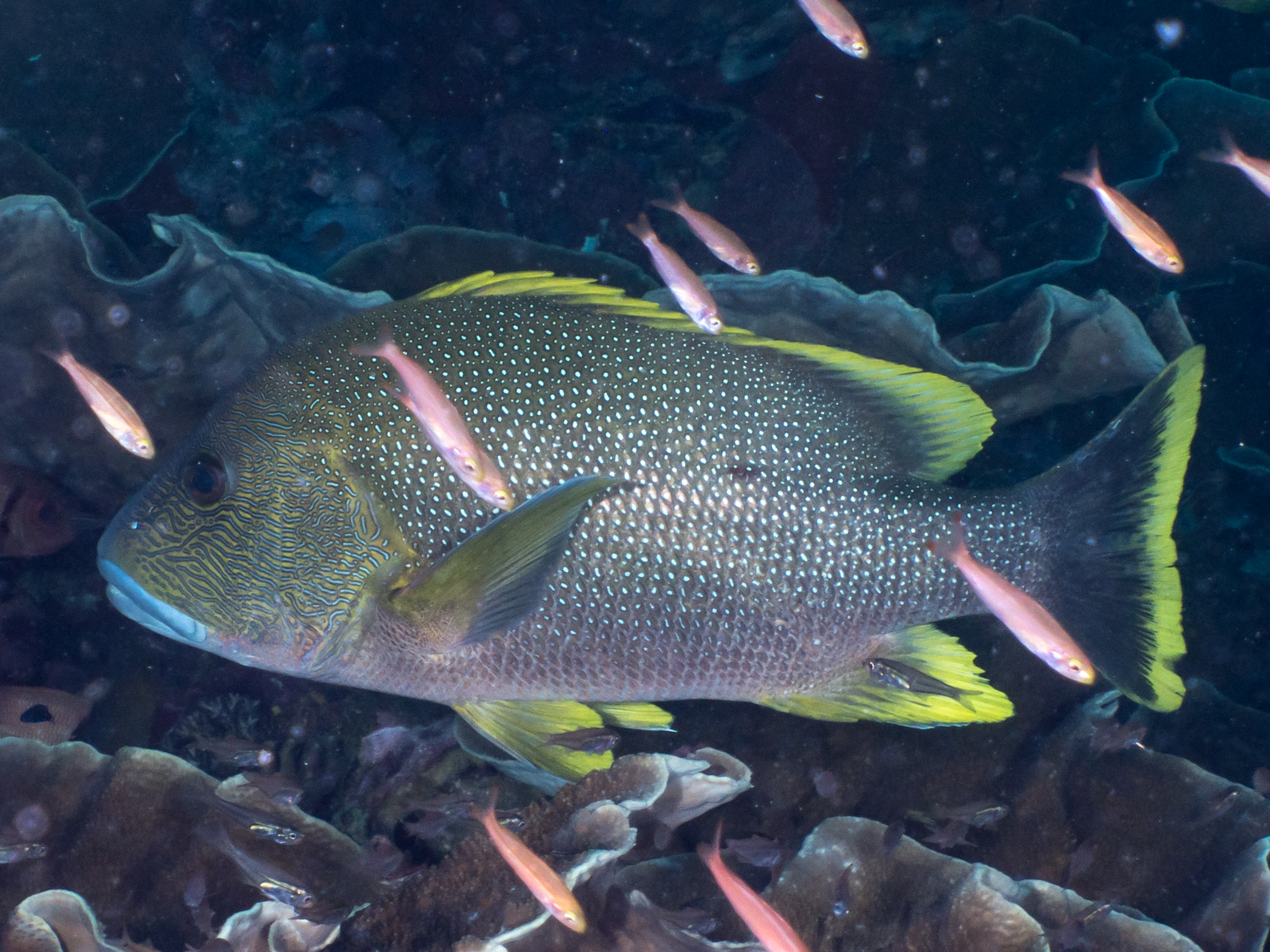 SnapperSnapperReported here · unconfirmed
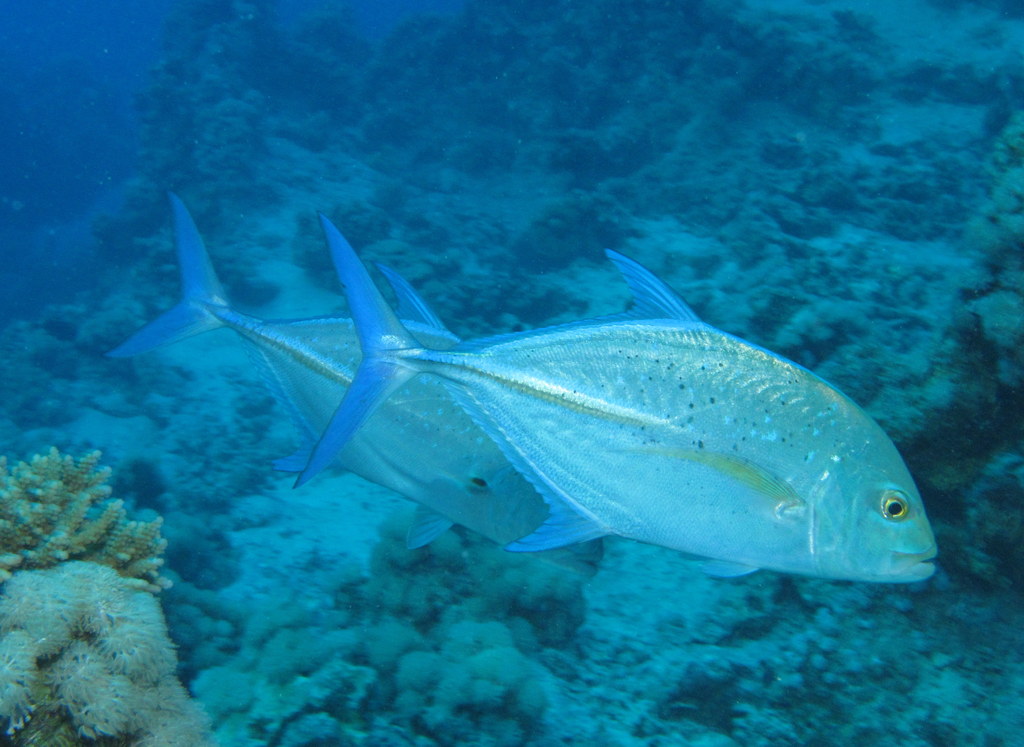 TrevallyTrevallyReported here · unconfirmed
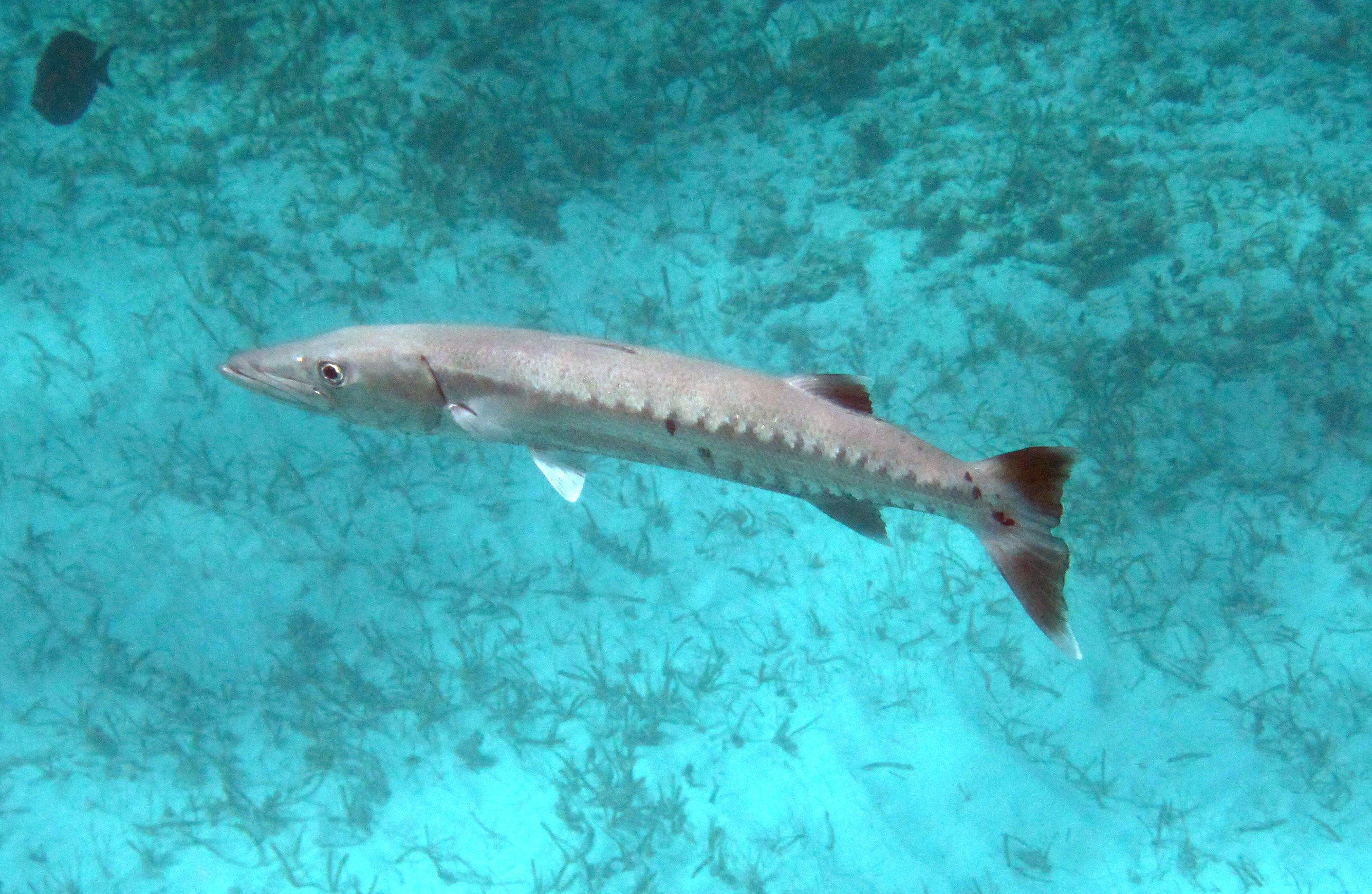 BarracudaBarracudaReported here · unconfirmed
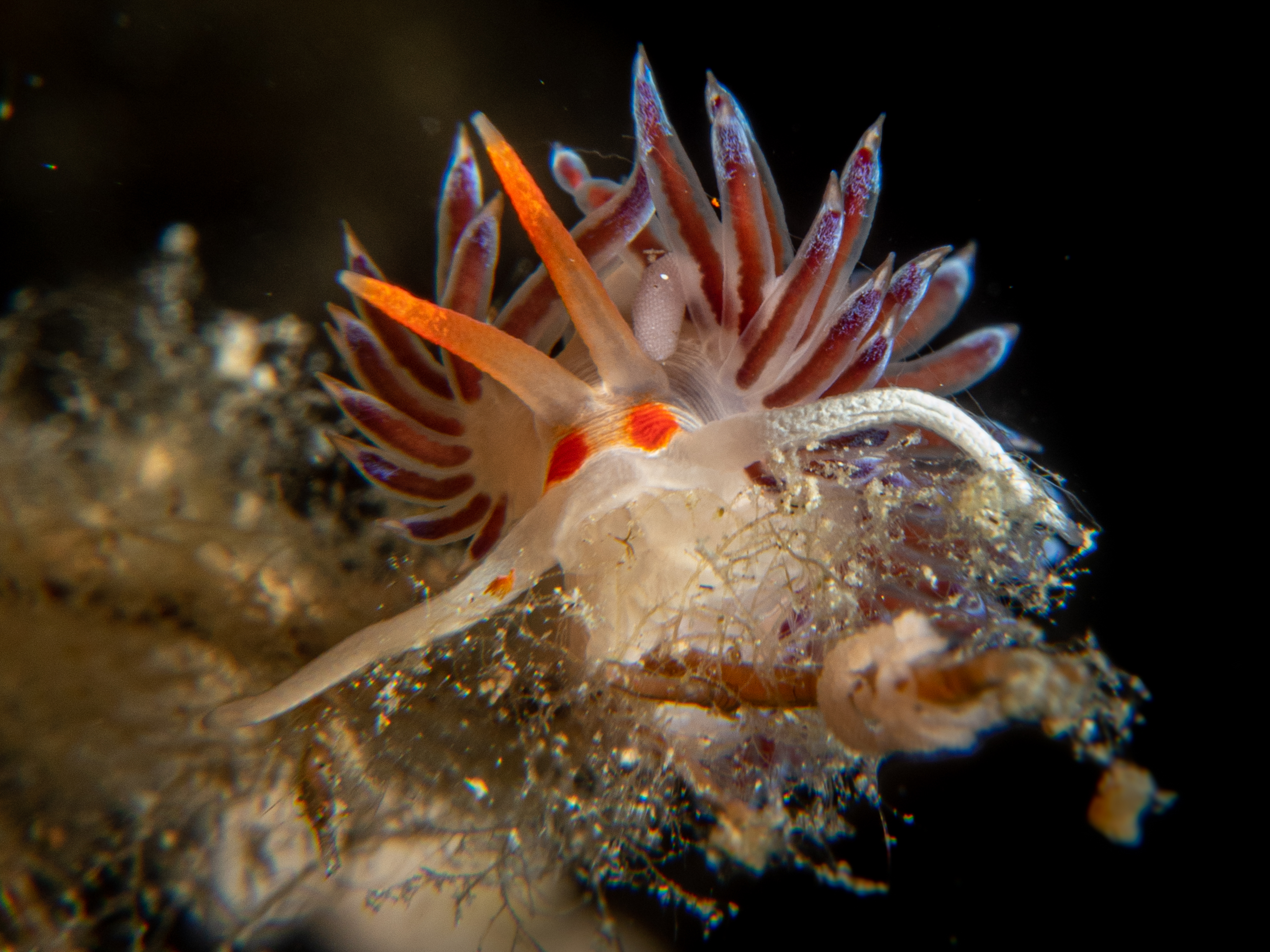 NudibranchNudibranchReported here · unconfirmed
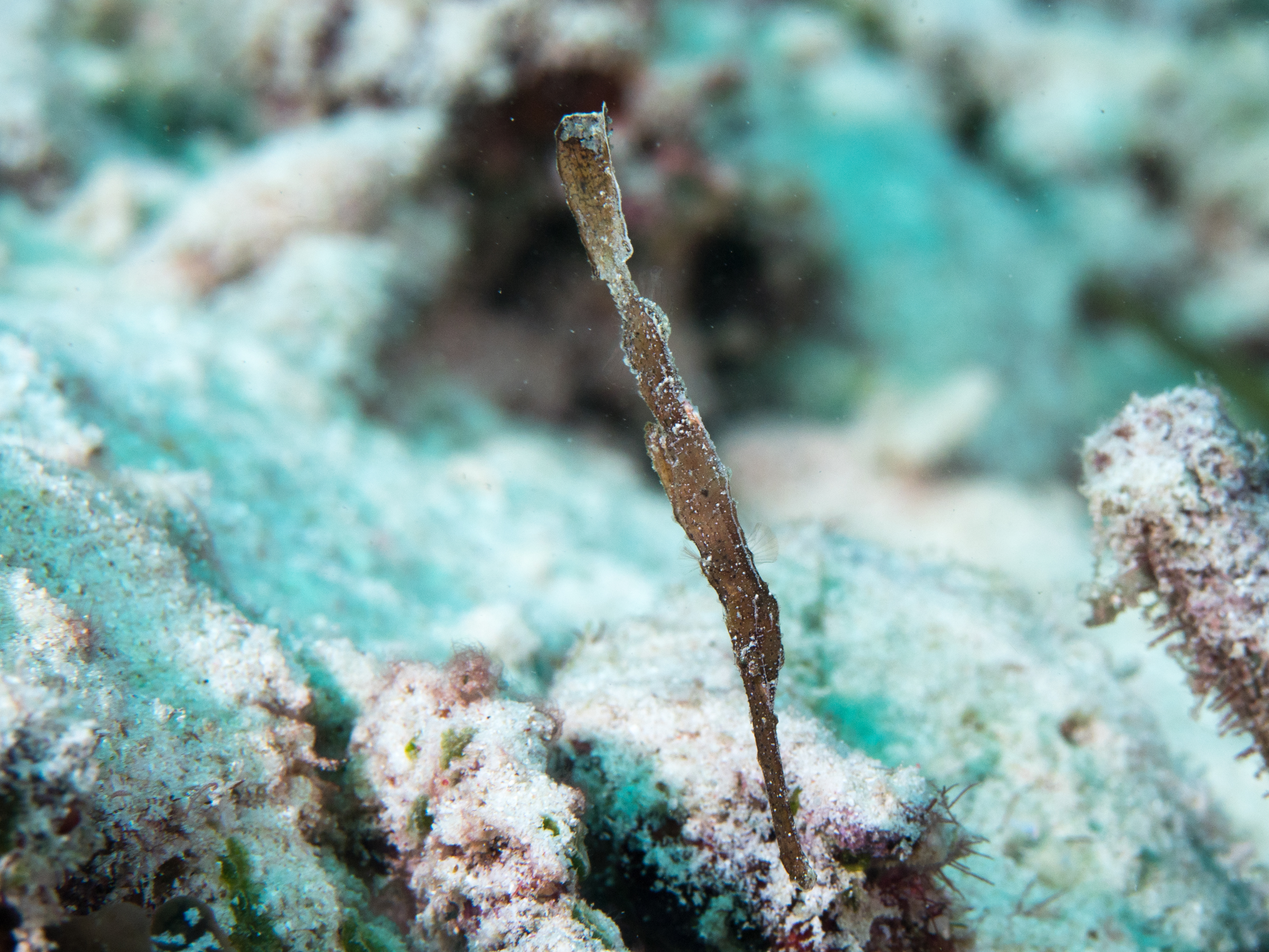 Ghost pipefishGhost pipefishReported here · unconfirmed
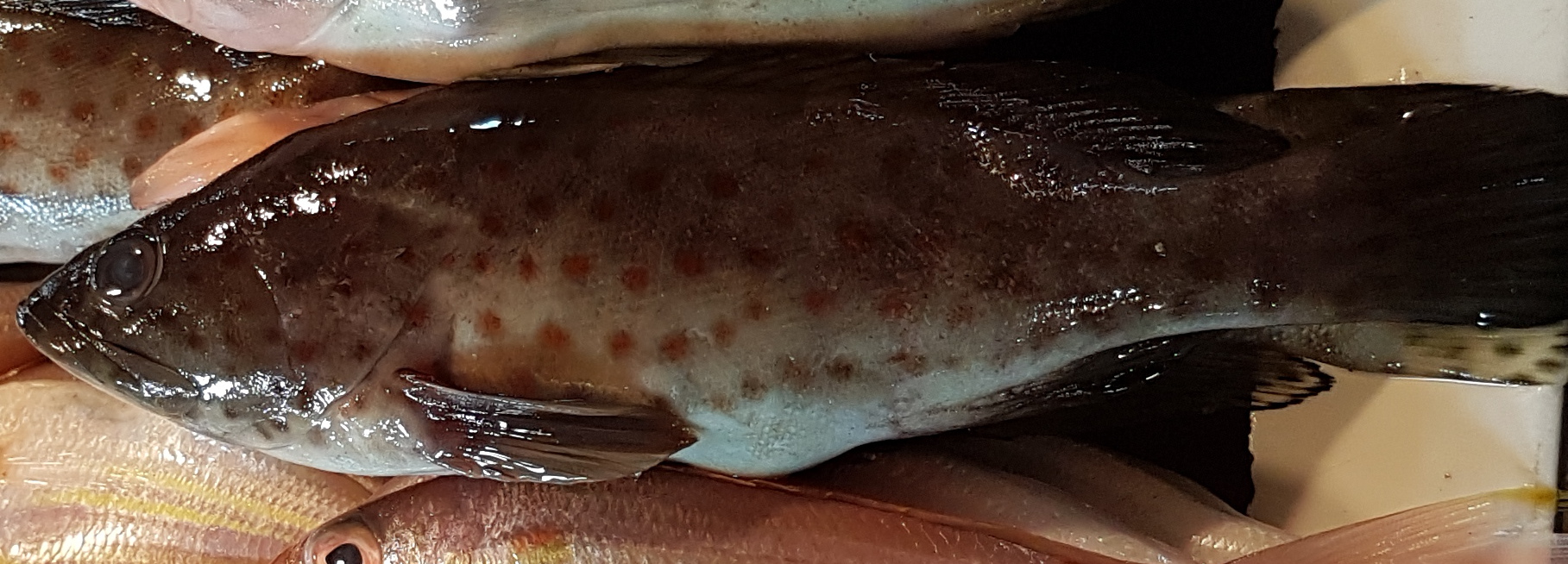 GrouperGrouperReported here · unconfirmed
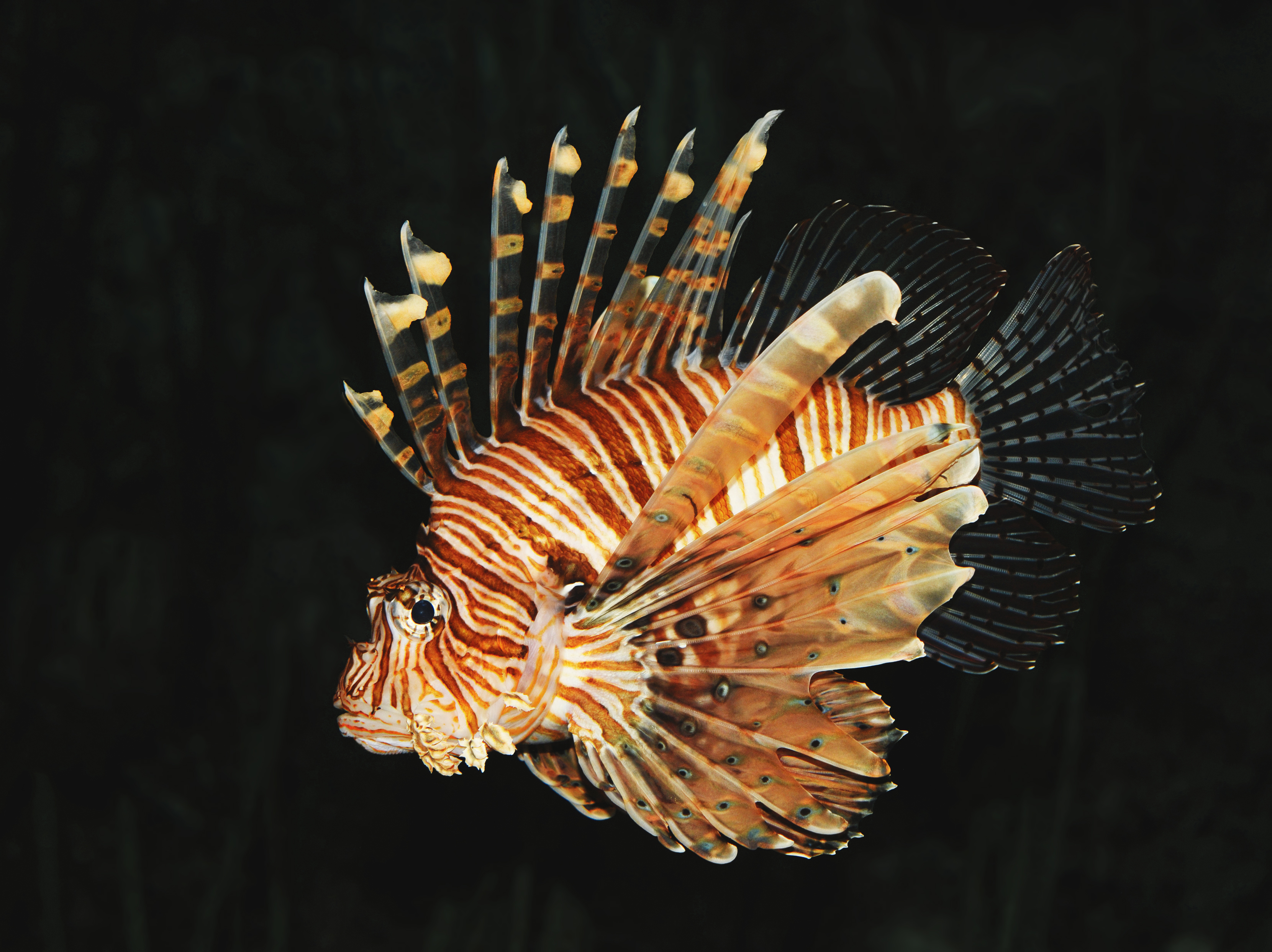 LionfishLionfishReported here · unconfirmed
Durable tips from divers — access, hazards, marine life, facilities. For day-of conditions, use the report tool in the conditions card above.
No notes yet. Dived here? Be the first to leave a tip.
Share a write-up or a photo. Submissions are reviewed before they appear on the page.
Nearby dive sites
Shops that dive here
No shops have listed this site yet.