Marker 48
Conditions & tides
Scored by DiveConnect's site-physics model
Marine forecast via Copernicus Marine. Score is a rule-based guide from swell/wind vs. the site's exposure — always dive your own assessment.
Dived here today? How were conditions vs. what we showed?
About this site
There is a small, blue-striped buoy floating off Key West that most boaters motor straight past. That buoy — Marker 48 — is a mooring pin set by the Florida Keys National Marine Sanctuary, and the coral garden it protects sits in barely 14 feet of Atlantic water. The depth sounds modest. What lives at that depth is not.
Mooring buoys like the one at Marker 48 have been used in the Keys since 1981 as an alternative to anchoring, which can break and damage the coral reef. Before that system existed, dive and snorkel boats dropped anchors directly onto the reef — and every anchor swing took a toll. Today, there are nearly 500 of these 18-inch, blue-striped buoys available throughout sanctuary waters, available on a first-come, first-served basis at no cost. Marker 48 is one of a handful of named sites in the lower Keys listed directly on the sanctuary's mooring buoy network alongside spots like Western Dry Rocks, White Banks, and Wolfe Reef. The name is simply the navigation marker that puts boats in the right spot — but the reef underneath earned its place on that list.
The Florida Reef Tract off Key West is the third largest barrier reef system in the world and the only living coral reef in the continental United States. Marker 48 sits within that system, part of a stretch of shallow spur-and-groove structure that stretches for 125 miles south of Miami from Key Largo to Key West. The protected marine environment of the Florida Keys National Marine Sanctuary, the wide range of bottom structures, and the only living coral reef systems in North America all add up to a dive destination that can rival exotic locations found much farther from home.
Read the full guideShow less
At 14 feet maximum, Marker 48 is shallow enough that you feel sunlight on your back through the water column. The reef structure here is characteristic of the lower Keys: fingers of coral separated by white sand corridors, the classic spur-and-groove geometry that creates natural corridors functioning like underwater canyons, giving divers and snorkelers an easy-to-navigate map within the Florida Keys National Marine Sanctuary. At that depth, the Key West reef ecosystem offers chances to encounter hundreds of species of marine life including colorful tropical reef fish, eels, rays, turtles, and larger fish such as barracuda, grouper, jack crevalle, and cobia.
The shallow profile makes this a strong site for reef photography. Turtles, schooling grunts, and snappers are regular visitors, alongside healthy soft corals. In summer, tarpon sightings, rays, and frequent turtles are common, with reef fish showing their full color. Come fall, bait balls attract mackerel, jacks, and bigger visitors. The site has no dramatic wall, no famous wreck — what it has is healthy, protected reef in water that gives you plenty of time to study it.
At roughly 14 feet, Marker 48 is one of the shallowest named sites in the sanctuary system. Bottom time is effectively unlimited for certified divers, and a full tank goes a long way. That said, shallow water is not always calm water: cold fronts in winter can bring wind and 2–4 ft seas, and surge at a shallow reef is felt more than at a deeper site. Plan for mornings when the Keys are at their flattest.
Marker 48 is a boat-access site. You tie to the sanctuary mooring buoy — no anchoring is permitted anywhere on the reef — and drop in from the stern. The mooring buoys are intended for short-term use on a first-come basis and are not intended for overnight or long-term use, so early departures matter on busy weekends. The site suits snorkelers, newly certified open-water divers, and anyone who wants long, relaxed time on a shallow reef without fighting depth limits. There is no reason to rush a dive here. The coral is at arm's length the whole time.
For more advanced divers in the group, the Key West area offers sharp contrast: the waters around Key West are home to the Vandenberg, a former military vessel intentionally sunk to create an artificial reef, sitting in roughly 150 feet of water and subject to currents. A mixed-ability group can split the day between a shallow site like Marker 48 and one of the region's more demanding wrecks — both in the same outing.
Marine life here
Confirmed by our research team, reported by independent divers, or observed nearby via iNaturalist — each entry is labelled with its source.
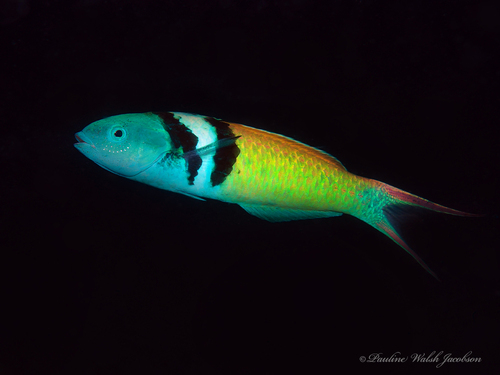 Caribbean Bluehead WrasseThalassoma bifasciatumReported here · unconfirmed
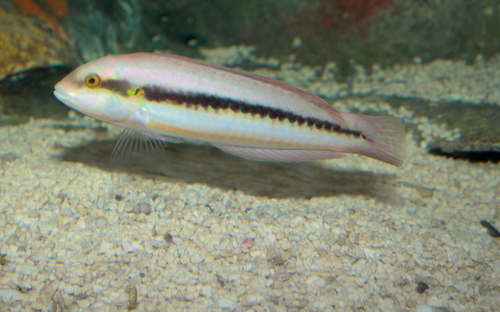 Slippery DickHalichoeres bivittatusReported here · unconfirmed
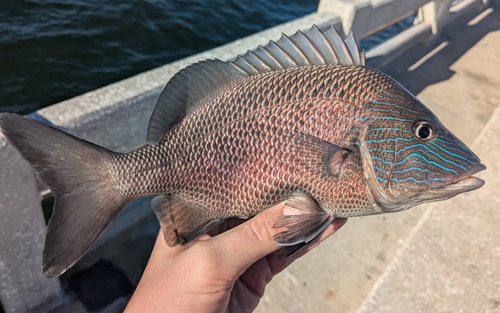 White GruntHaemulon plumieriiReported here · unconfirmed
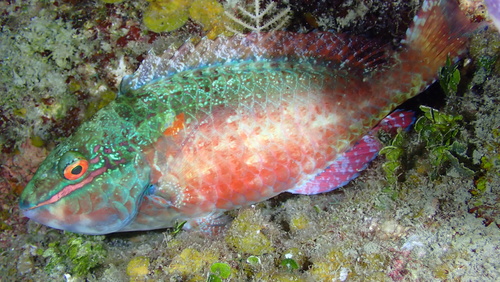 Redband ParrotfishSparisoma aurofrenatumReported here · unconfirmed
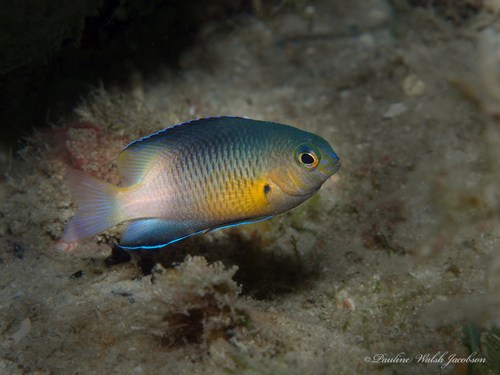 Bicolor DamselfishStegastes partitusReported here · unconfirmed
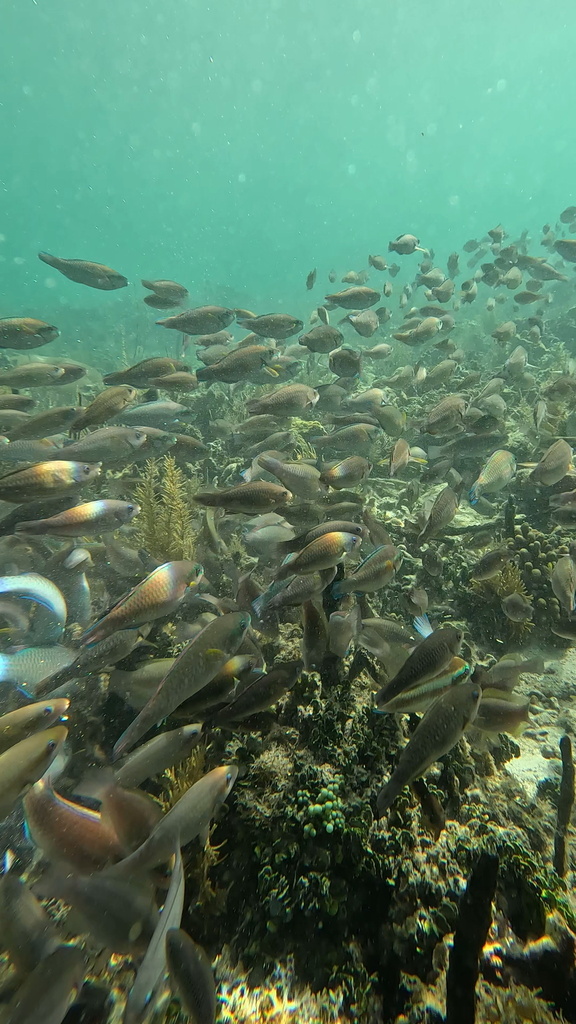 Striped ParrotfishScarus iseriReported here · unconfirmed
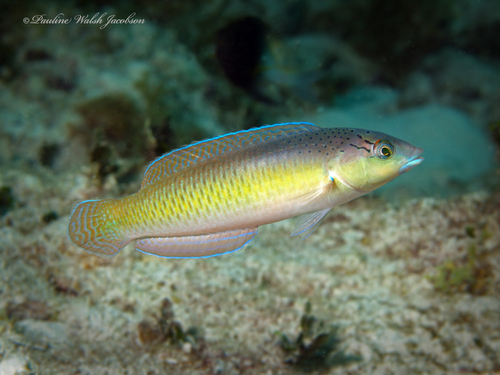 Yellowhead WrasseHalichoeres garnotiReported here · unconfirmed
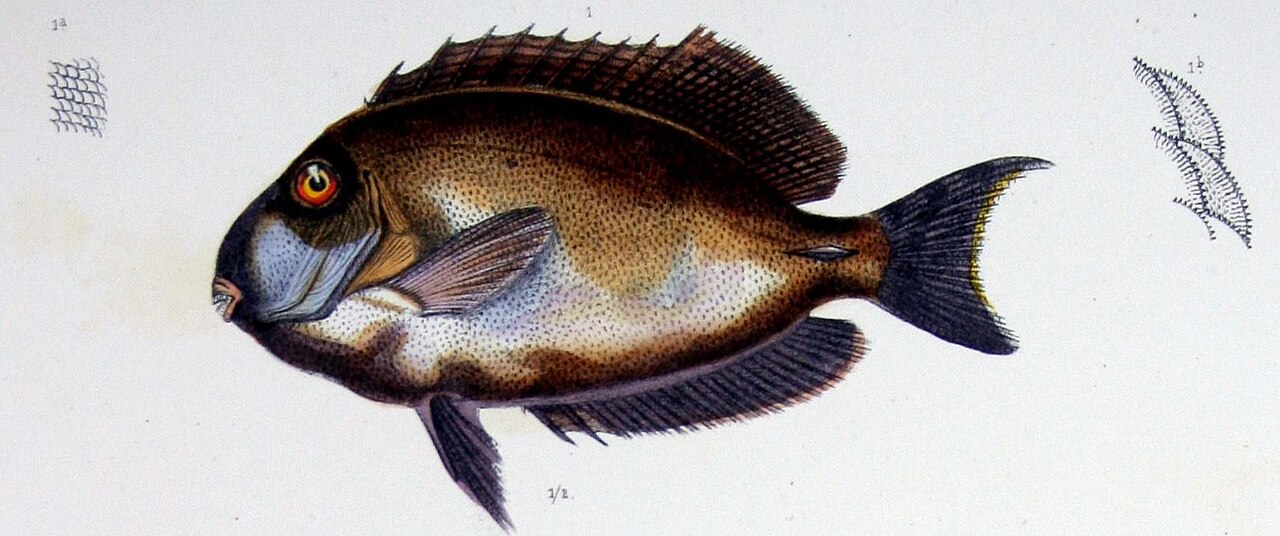 Brazilian Ocean SurgeonfishAcanthurus bahianusReported here · unconfirmed
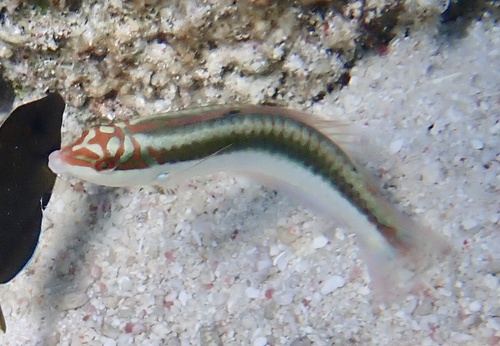 Clown WrasseHalichoeres maculipinnaReported here · unconfirmed
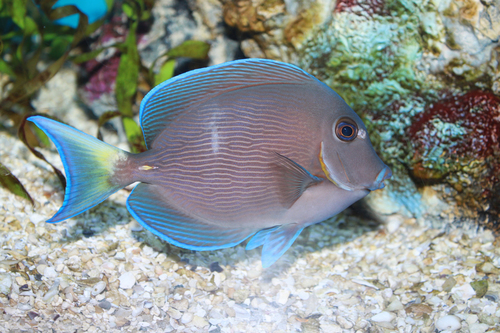 Atlantic Blue TangAcanthurus coeruleusReported here · unconfirmed
Durable tips from divers — access, hazards, marine life, facilities. For day-of conditions, use the report tool in the conditions card above.
No notes yet. Dived here? Be the first to leave a tip.
Share a write-up or a photo. Submissions are reviewed before they appear on the page.
Nearby dive sites
Shops that dive here
No shops have listed this site yet.