Conditions & tides
Scored by DiveConnect's site-physics model
Marine forecast via Copernicus Marine. Score is a rule-based guide from swell/wind vs. the site's exposure — always dive your own assessment.
Dived here today? How were conditions vs. what we showed?
About this site
A Rock That Barely Breaks the Surface — and Rewards Every Diver Who Goes Down At high tide, Richelieu Rock disappears entirely beneath the Andaman Sea. Only at low tide does the very top of the rock push above the waterline — a dark smear of limestone that gives almost nothing away from the surface. Drop below, and the story changes completely. How It Got Here — and How It Got Its Name Richelieu Rock sits alone in the Andaman Sea, 18 km east of the Surin Islands, with no land nearby — a single limestone pinnacle rising from a sandy seabed at 35 m to break the surface at low tide. Its geological isolation is precisely what makes it so productive: shifting tidal currents in this part of the Andaman Sea create upwellings of plankton, providing a feeding ground for small to large marine life. The name itself is genuinely contested. The site was discovered by diving pioneer Jacques-Yves Cousteau with the help of local fishermen, though the origin of the name "Richelieu Rock" is disputed — some say Cousteau named it after the red colour of Cardinal Richelieu's robe. This would be a reference to the mass of red and purple soft corals covering the reef, while others claim it was named after a General Richelieu who was a commander in the Royal Thai Navy. A third account holds that the name comes from Admiral Richelieu, a Royal Thai Navy commander who completed the first hydrographic survey of the Andaman Sea in the early 1900s. Whatever the true origin, Cousteau's endorsement put the site firmly on the global dive map — and it has stayed there. Richelieu Rock is part of the Mu Koh Surin National Marine Park, meaning it is a protected area. The park closes completely from approximately 16 May to 15 October due to the south-west monsoon, so the season is defined and finite — which keeps the reef in better shape than many more accessible sites. What Is Down There Below the surface, Richelieu Rock is a large, horseshoe-shaped pinnacle that forms a complex maze of overhangs, small caves, and steep slopes. The north and west sides descend dramatically to depths of 35 metres, while the south side offers a gentler slope. Rising from the sandy bottom, the pinnacles are decorated with shelves, ledges, cracks, crevices, and caves. The shallows are covered in sea anemones, and not far below, an abundance of soft coral fields adorn the edges, surrounded by thousands of shimmering glassfish. The black coral bushes and gorgonians are found slightly deeper, all providing shelter to diverse marine life. Due to the currents sweeping over the pinnacle, there is not so much hard coral, but plenty of soft coral — and that soft coral is the signature of the site. In the ledges and overhangs, divers find several species of nudibranch, ornate ghost pipefish, and harlequin shrimp making their home in the anemones, along with many species in their juvenile form seeking shelter from strong currents and predators, including juvenile emperor angelfish. Then there are the big animals. Although there are several sites in Thailand for diving with whale sharks, Richelieu Rock stands at the top of the list. The site is famous for its whale shark sightings, particularly between February and April, when these gentle giants can often be seen feeding on plankton around the pinnacle. Manta rays are another highlight, frequently spotted gliding through the water, especially around the eastern slopes and boulder fields. Several types of barracuda and trevally patrol the area and can be seen hunting between the vast number of reef fish, with their primary targets being large schools of snappers and fusiliers feeding in mid-water. The Honest Diving Profile From the top of the pinnacle, the rock drops continuously to a sand bottom at 35 m. The most productive diving — where the soft coral density, crevice life, and pelagic action are concentrated — takes place between 15 and 28 m. Most recreational divers will spend their bottom time in that band and never need to push deeper. Visibility is genuinely variable and worth understanding before you go. December and January offer the best visibility within the season, often 25–30 m. February to April is the best chance of seeing whale sharks, but visibility may drop to 10–15 m on the best whale shark days — a trade-off experienced divers learn to embrace. The reason is direct: lower visibility is generally related to greater amounts of plankton, which is the main reason for the occasional visits of whale sharks. Poor viz and whale sharks often go together out here, and that is a trade most divers take willingly. Water temperature is comfortable throughout the season. Surface temperature is usually around 30°C, dropping to 27–28°C at depth, but it can occasionally fall to 25°C due to thermoclines. Strong currents occasionally sweep in and bring what divers call the "green monster" — upwellings of cold water from the deep that create short events of cold water and variable currents. These are not dangerous, but you should be prepared for a sudden temperature drop of 5 or more degrees and unexpected current changes during the event. A 3 mm wetsuit handles most of the season comfortably. Current is the factor that shapes every dive here. Because the pinnacle sits alone in open ocean with no island mass to deflect water flow, currents can come from any direction and change within a single dive. Most dives take place in mild to moderate current, which is beneficial — it brings in the pelagic species and keeps the soft corals fully extended. On days when conditions tighten up, waves and currents can become difficult, as the dive site is an underwater pinnacle in the middle of the sea with no protection from wind. Who It Suits and How to Get There Richelieu Rock is not a beginner's first-ever ocean dive. It is best suited to Advanced Open Water certified divers with at least 30 logged dives and some experience of open-water conditions. Open Water certified divers who are comfortable in current and have 20 or more logged dives can visit with close supervision, but it is not a site for newly certified divers making their first post-course dives. The topography does help: the varied terrain provides some shelter from strong currents, allowing divers of different skill levels to find comfortable spots on the structure. The rock itself is a submerged pinnacle, meaning it can only be dived from a boat, typically accessed via liveaboard trips or day trips. From us at Tropical Divers Phuket in Patong, Richelieu Rock sits roughly 167 km to the north — a journey that is most practically done as part of a liveaboard itinerary through the Similan and Surin Islands. Diving here is best between October and May, when sea conditions are most favourable. Ready to Dive Richelieu Rock? At
AI overviewMarine life here
Confirmed by our research team, reported by independent divers, or observed nearby via iNaturalist — each entry is labelled with its source.
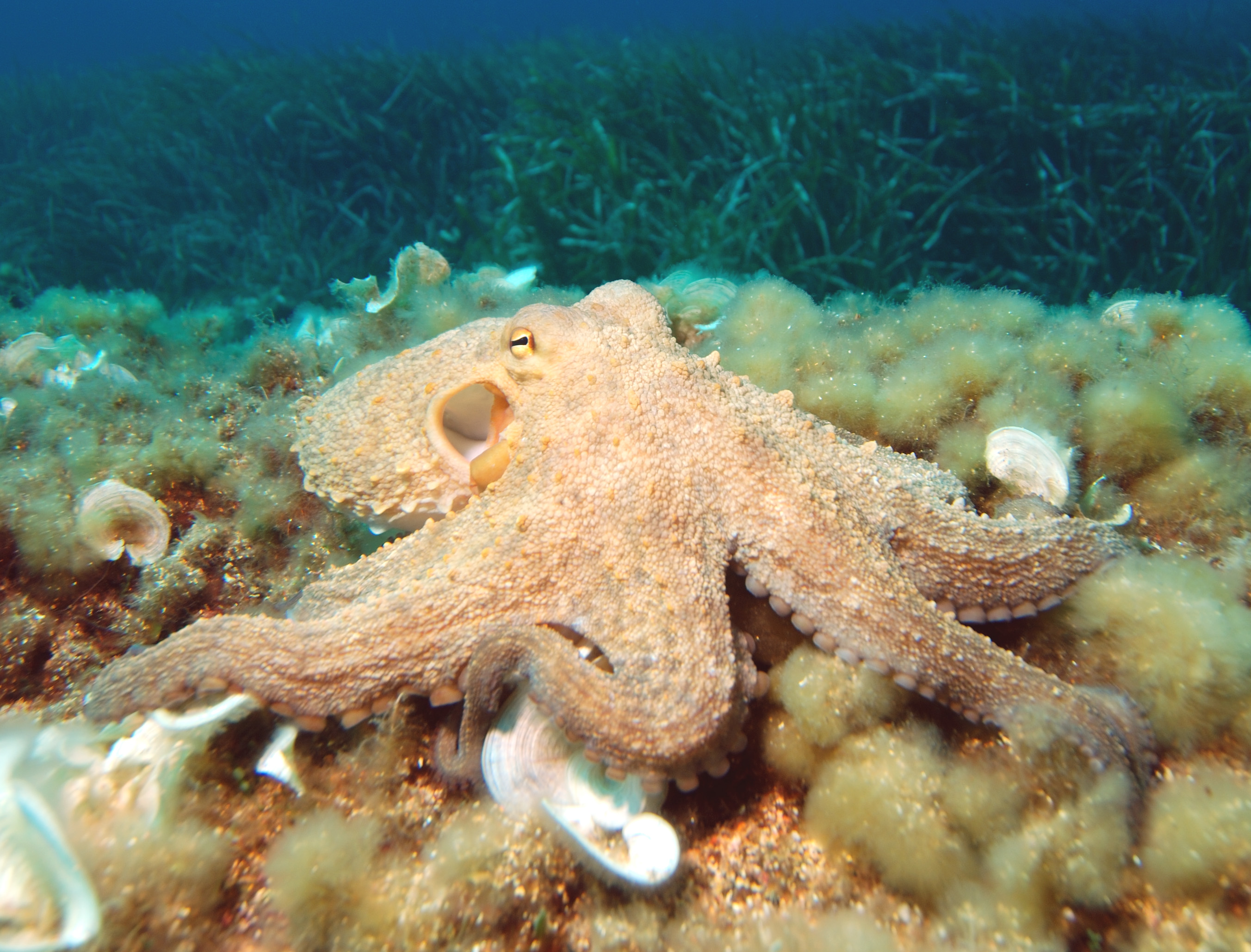 OctopusOctopusConfirmed present · 2 independent sources
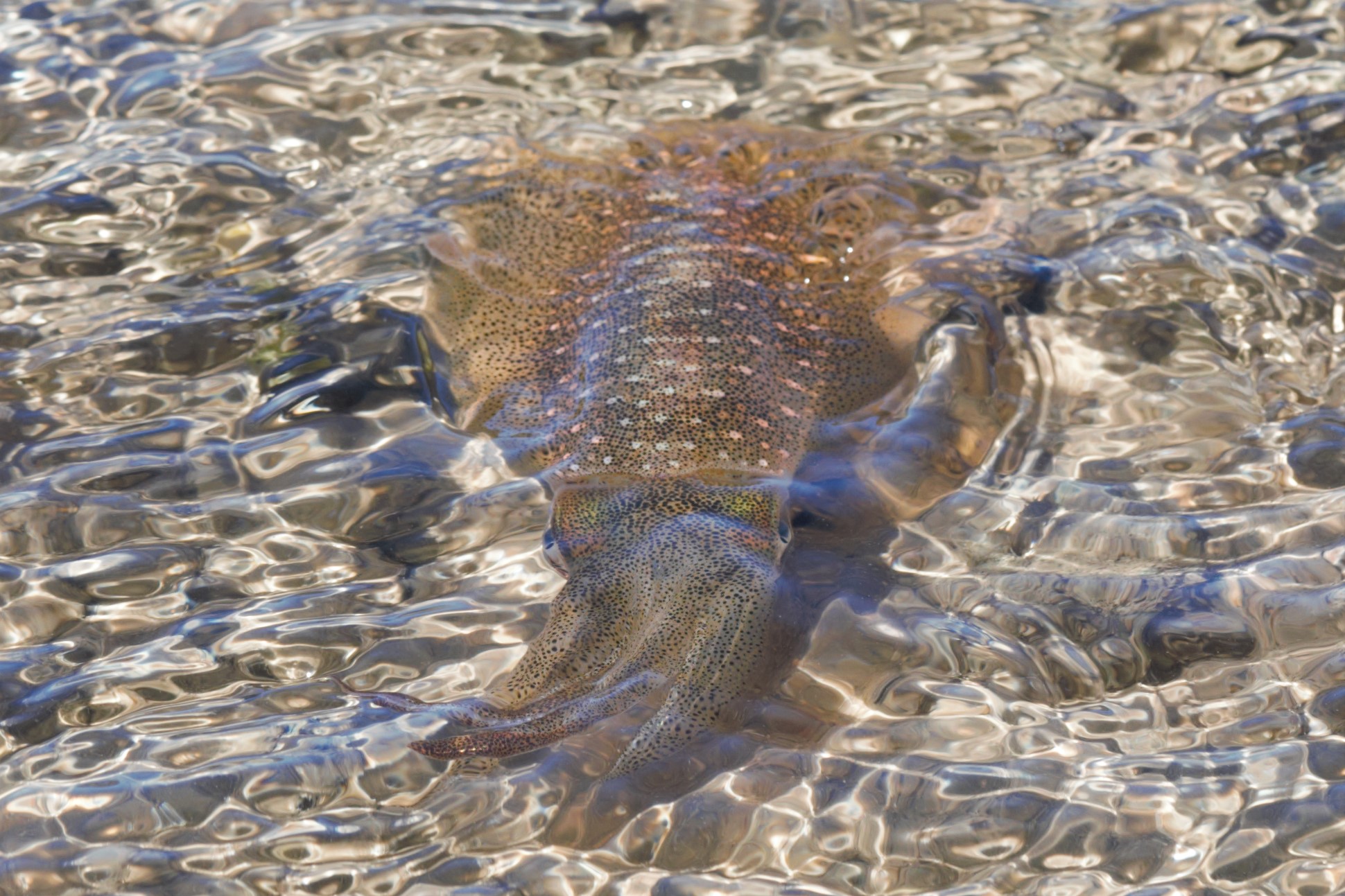 SquidSquidReported here · unconfirmed
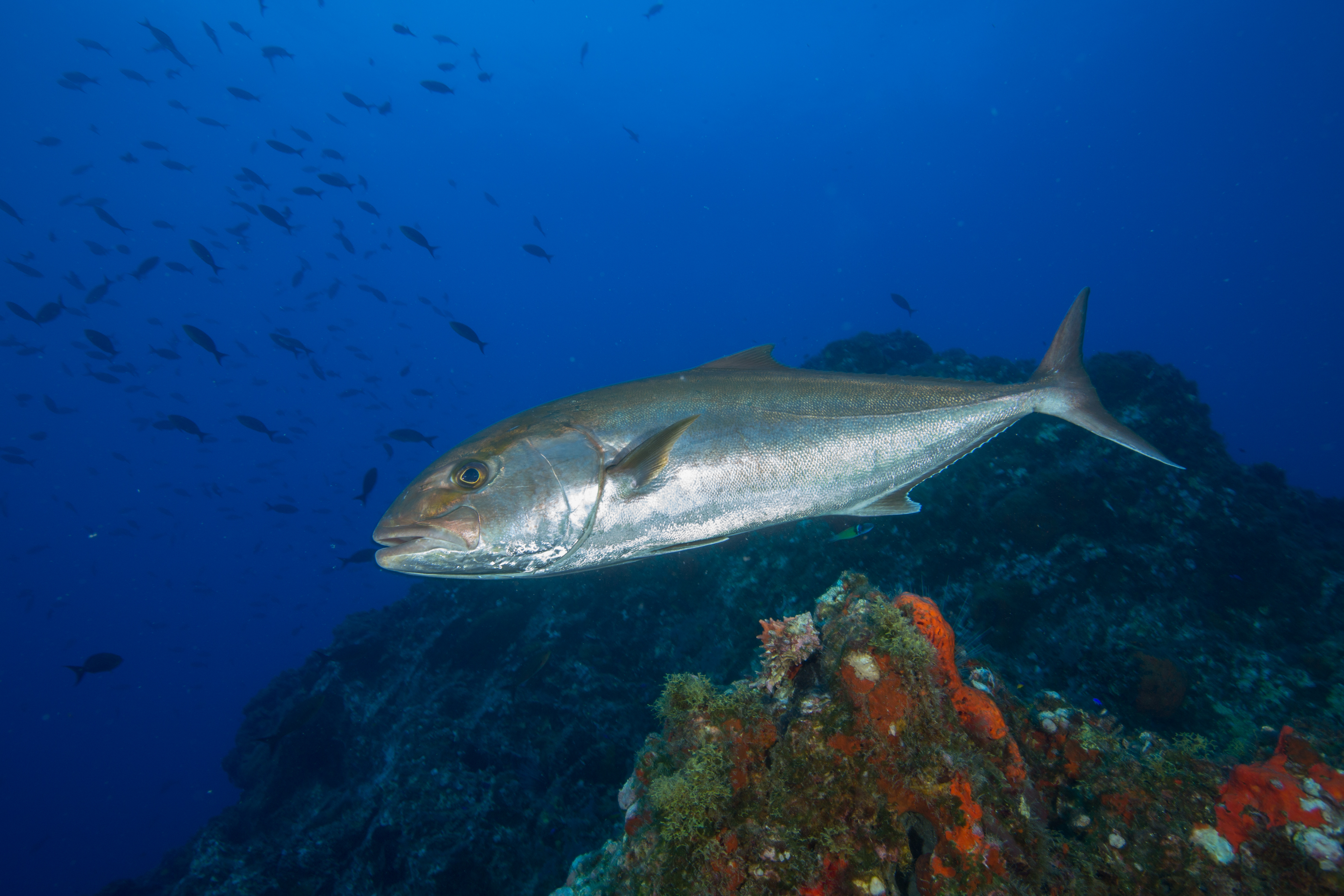 Jack / amberjackJack / amberjackReported here · unconfirmed
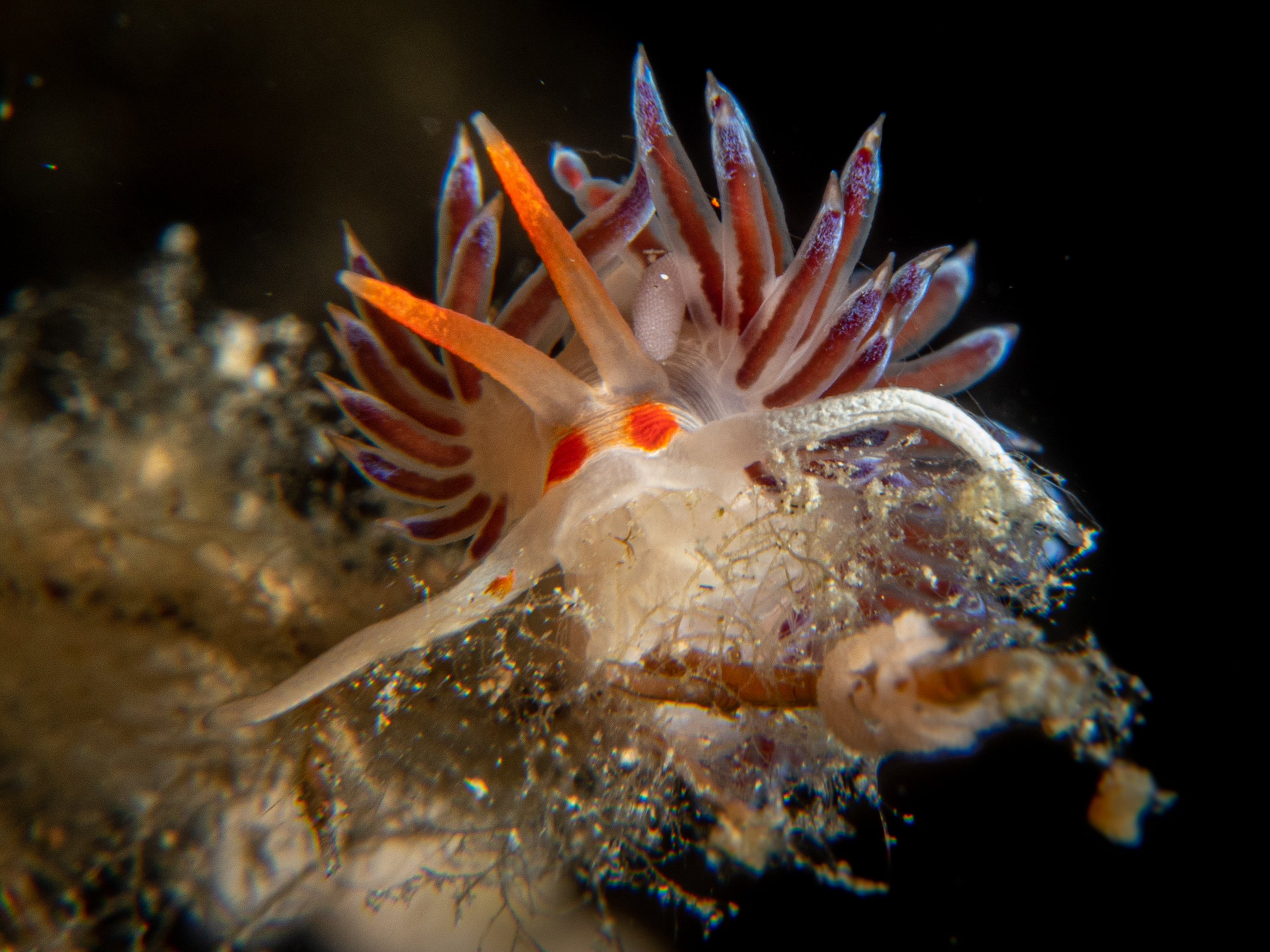 NudibranchNudibranchConfirmed present · 2 independent sources
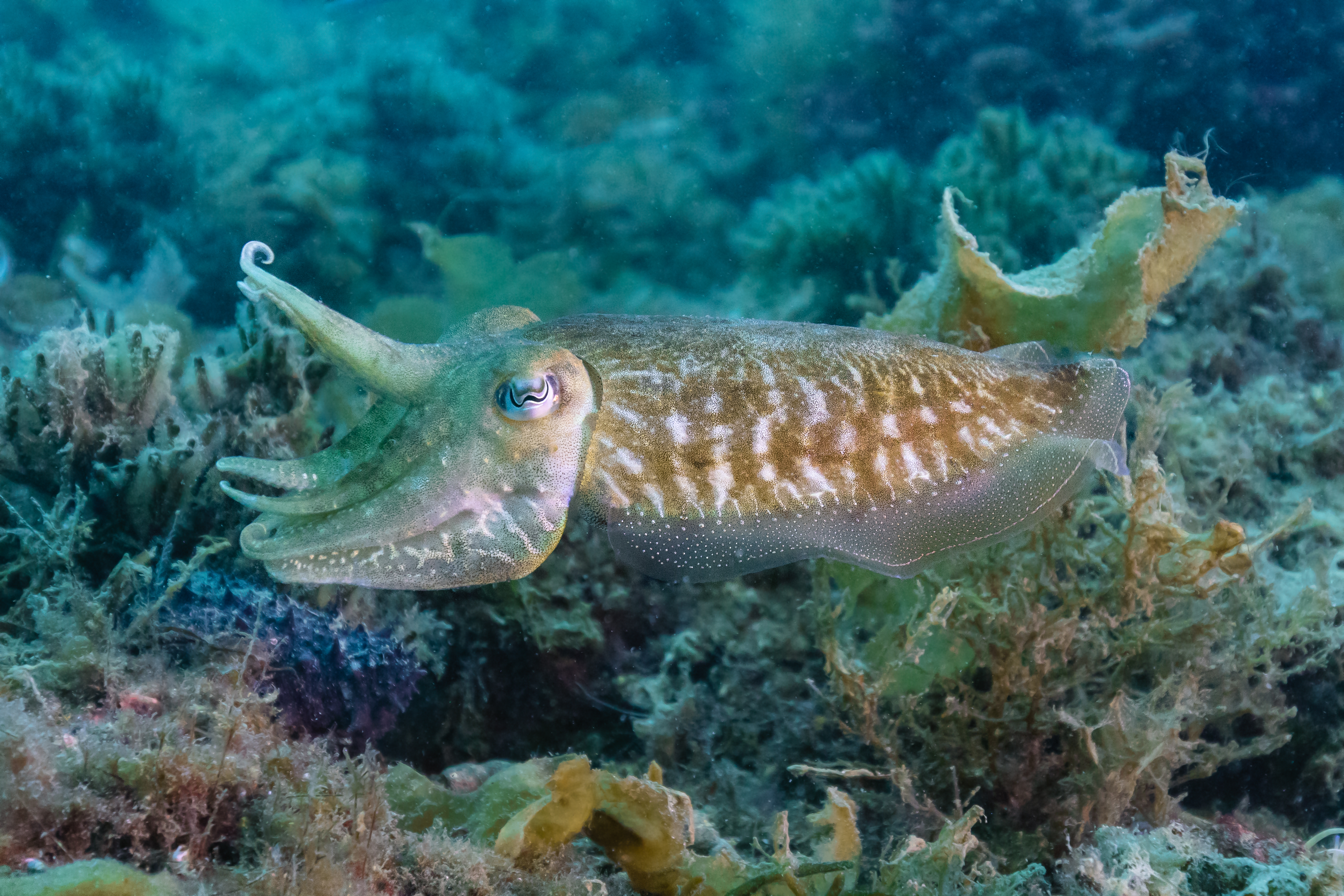 CuttlefishCuttlefishReported here · unconfirmed
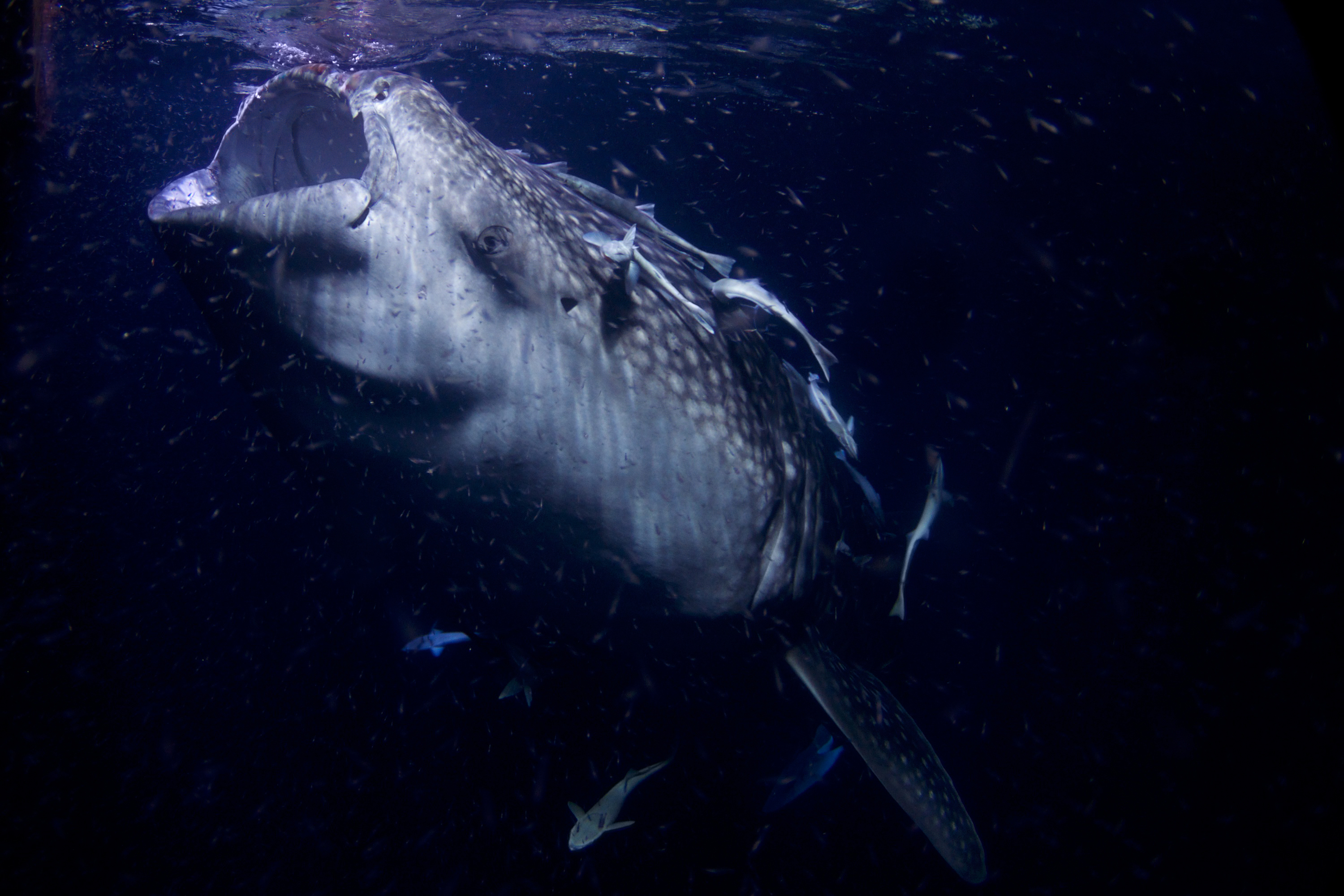 Whale sharkWhale sharkConfirmed present · 2 independent sources
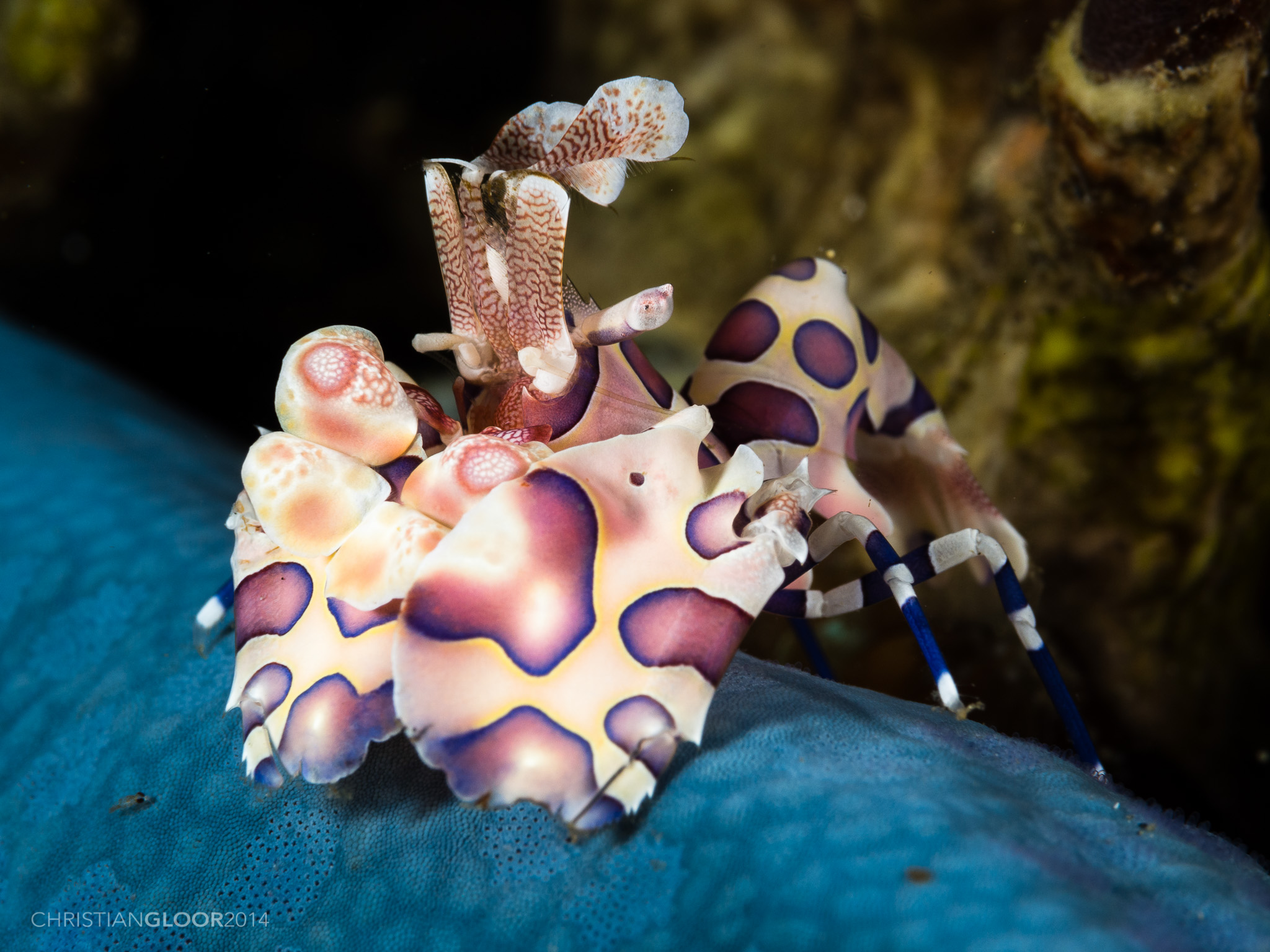 Harlequin shrimpHarlequin shrimpConfirmed present · 3 independent sources
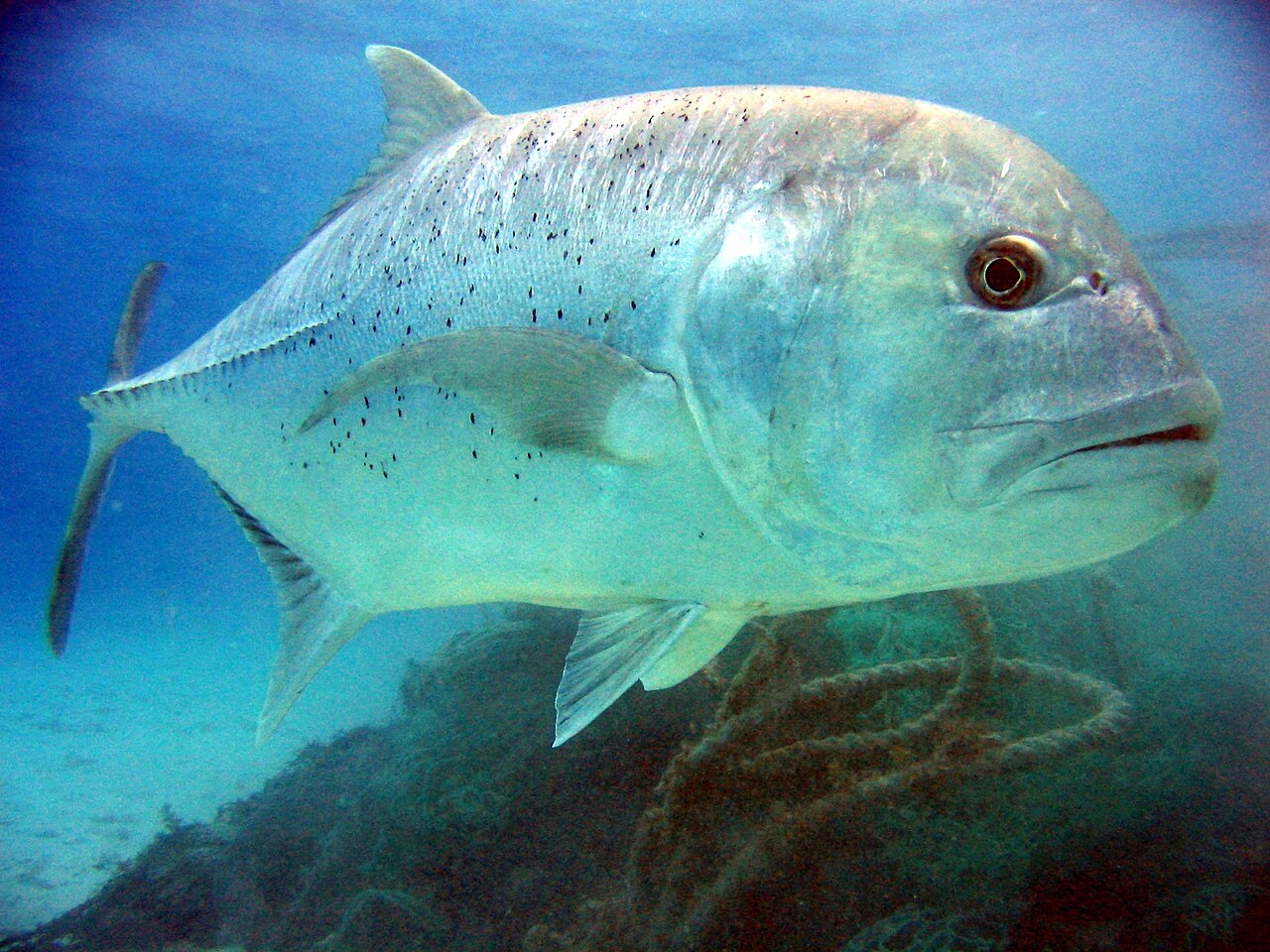 Giant TrevallyCaranx ignobilisReported here · unconfirmed
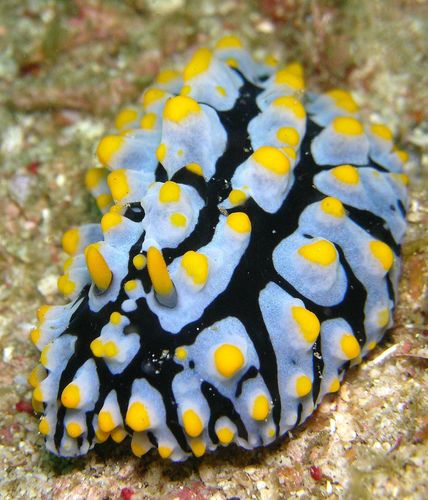 Varicose Wart SlugPhyllidia varicosaReported here · unconfirmed
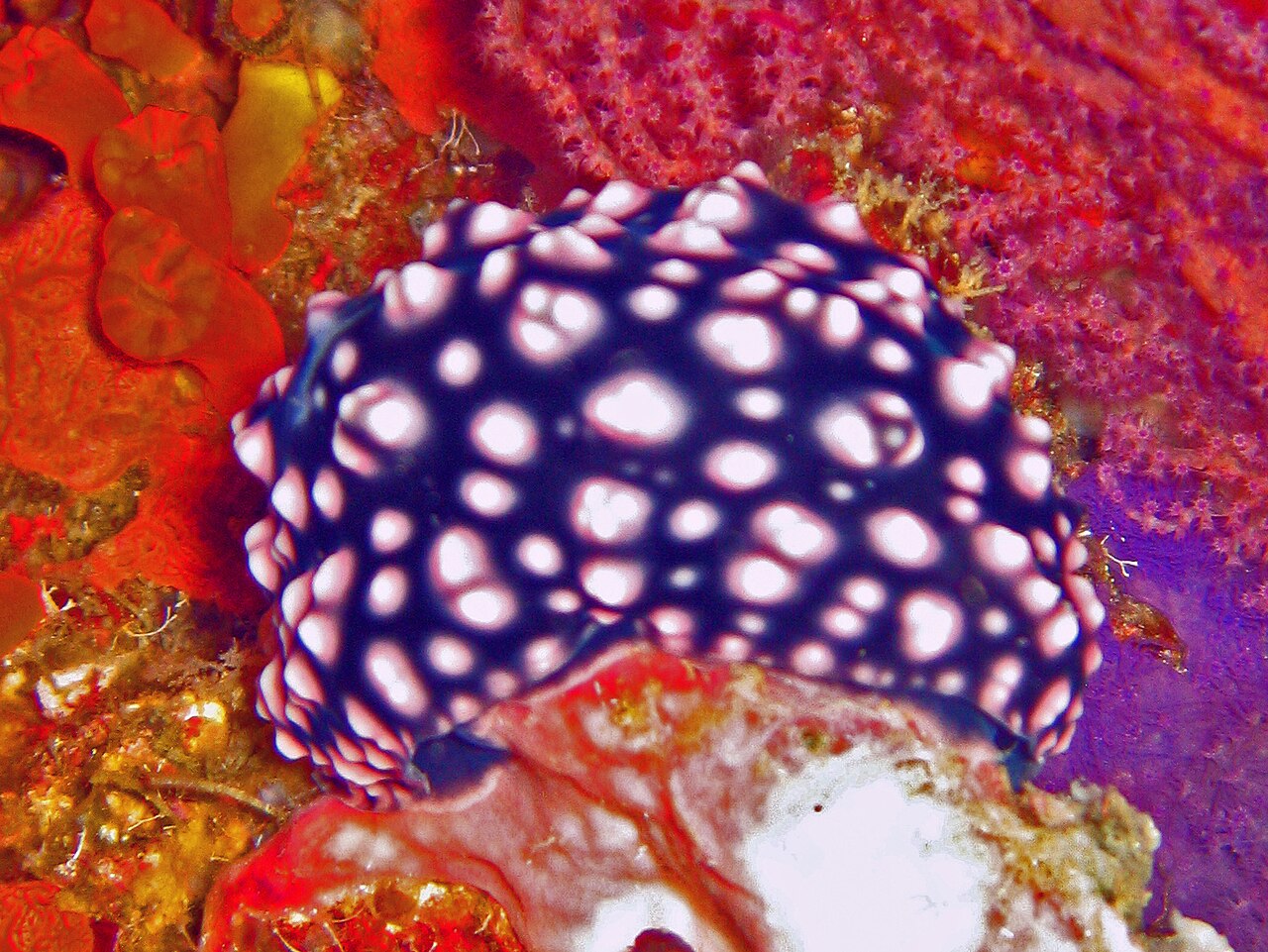 Phyllidiella nigraReported here · unconfirmed
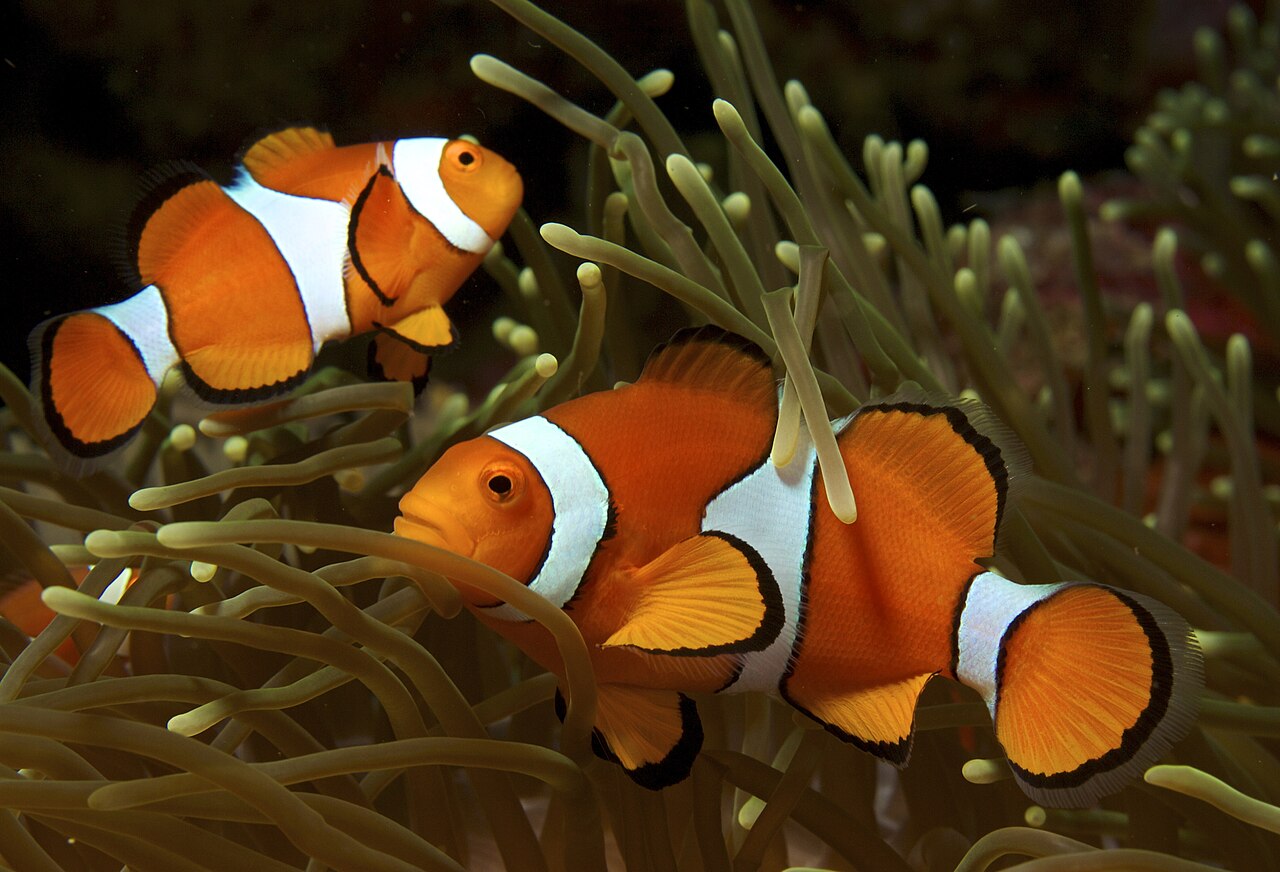 Ocellaris AnemonefishAmphiprion ocellarisReported here · unconfirmed
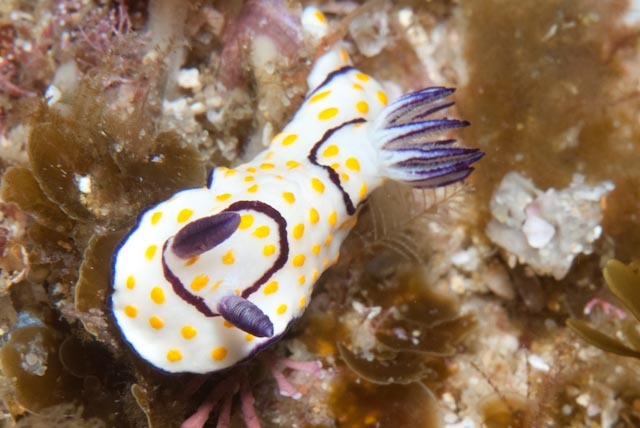 Ringed GoniobranchGoniobranchus annulatusReported here · unconfirmed
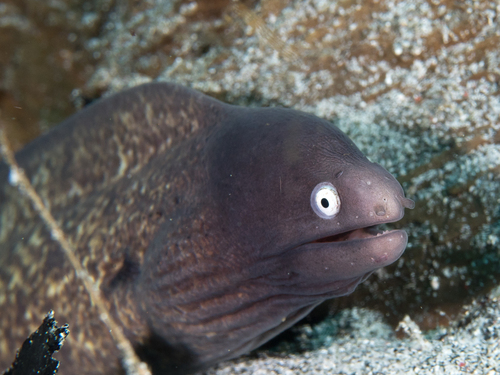 White-eyed MorayGymnothorax thyrsoideusReported here · unconfirmed
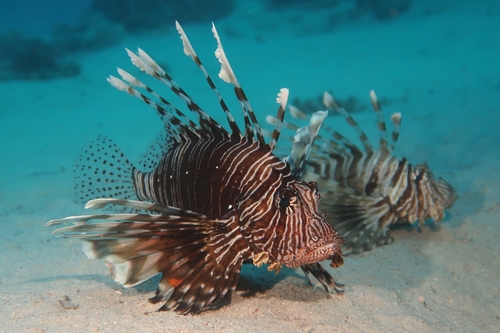 Indian LionfishPterois milesReported here · unconfirmed
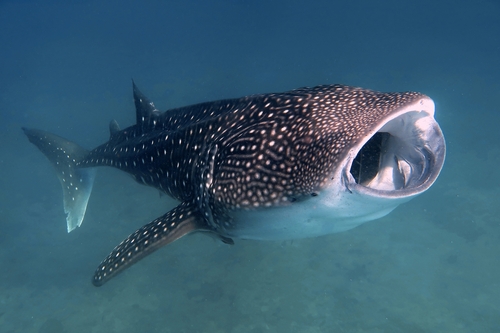 Whale SharkRhincodon typusConfirmed present · 5 independent sources
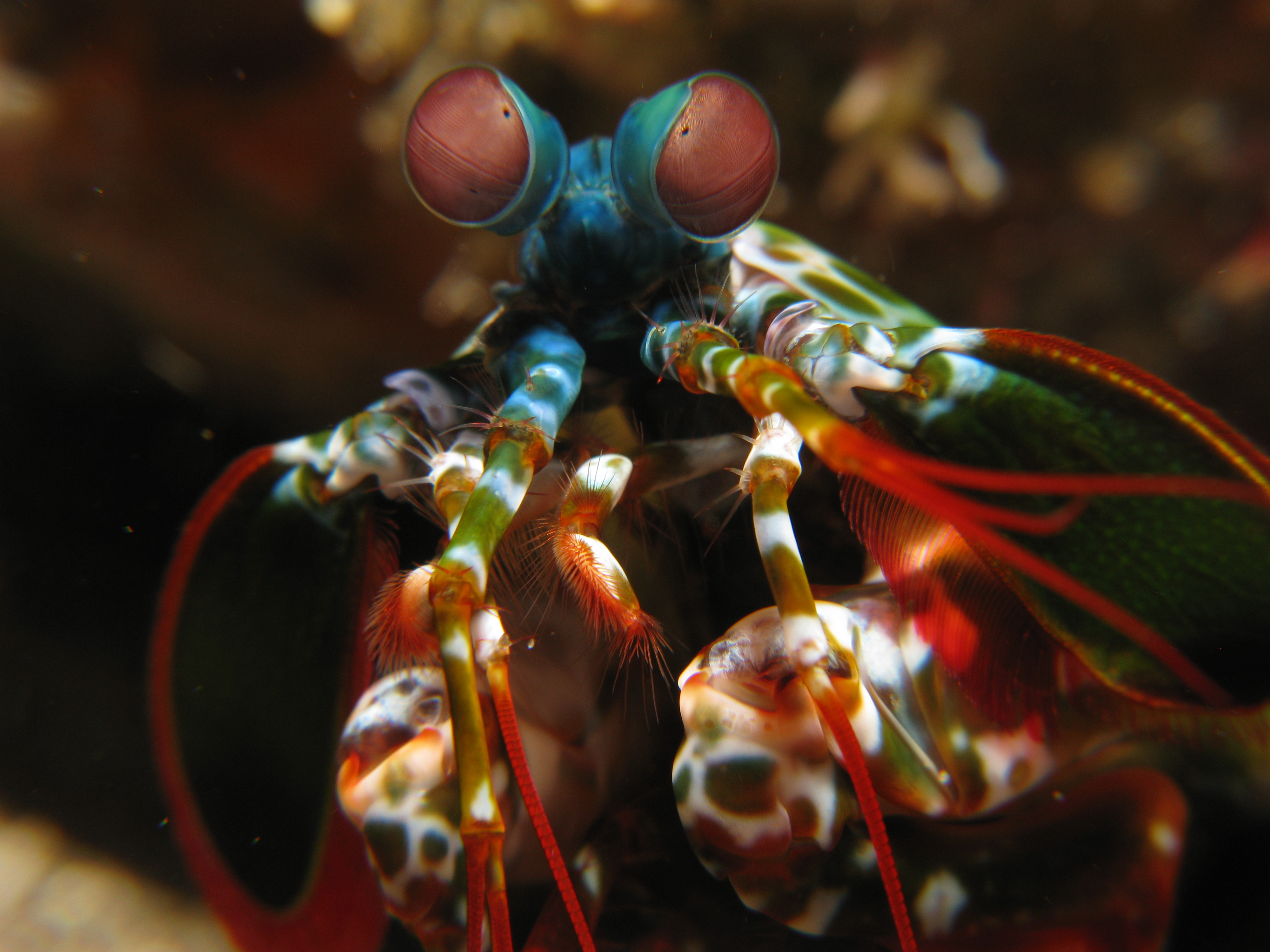 Mantis shrimpMantis shrimpReported here · unconfirmed
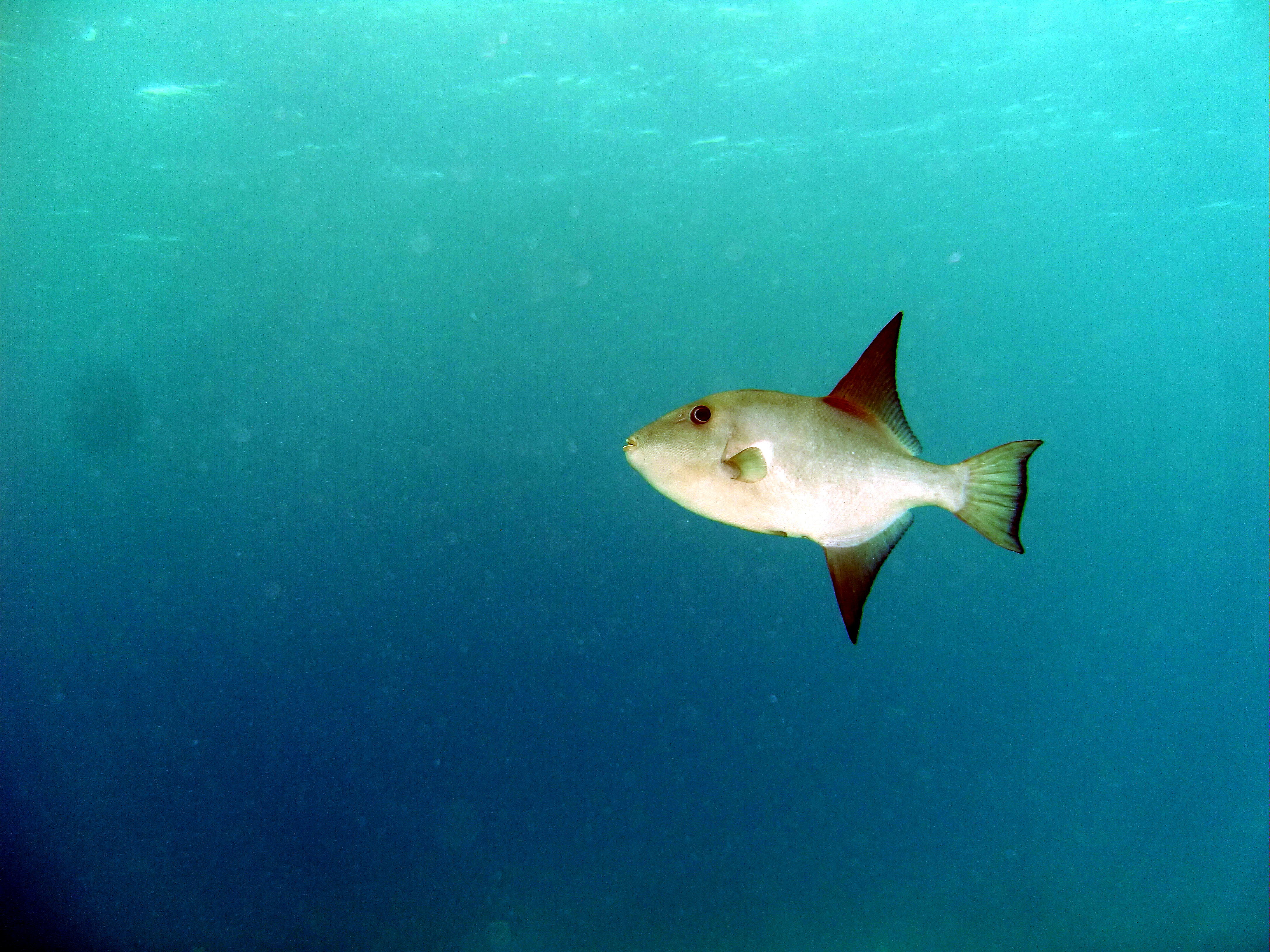 TriggerfishTriggerfishReported here · unconfirmed
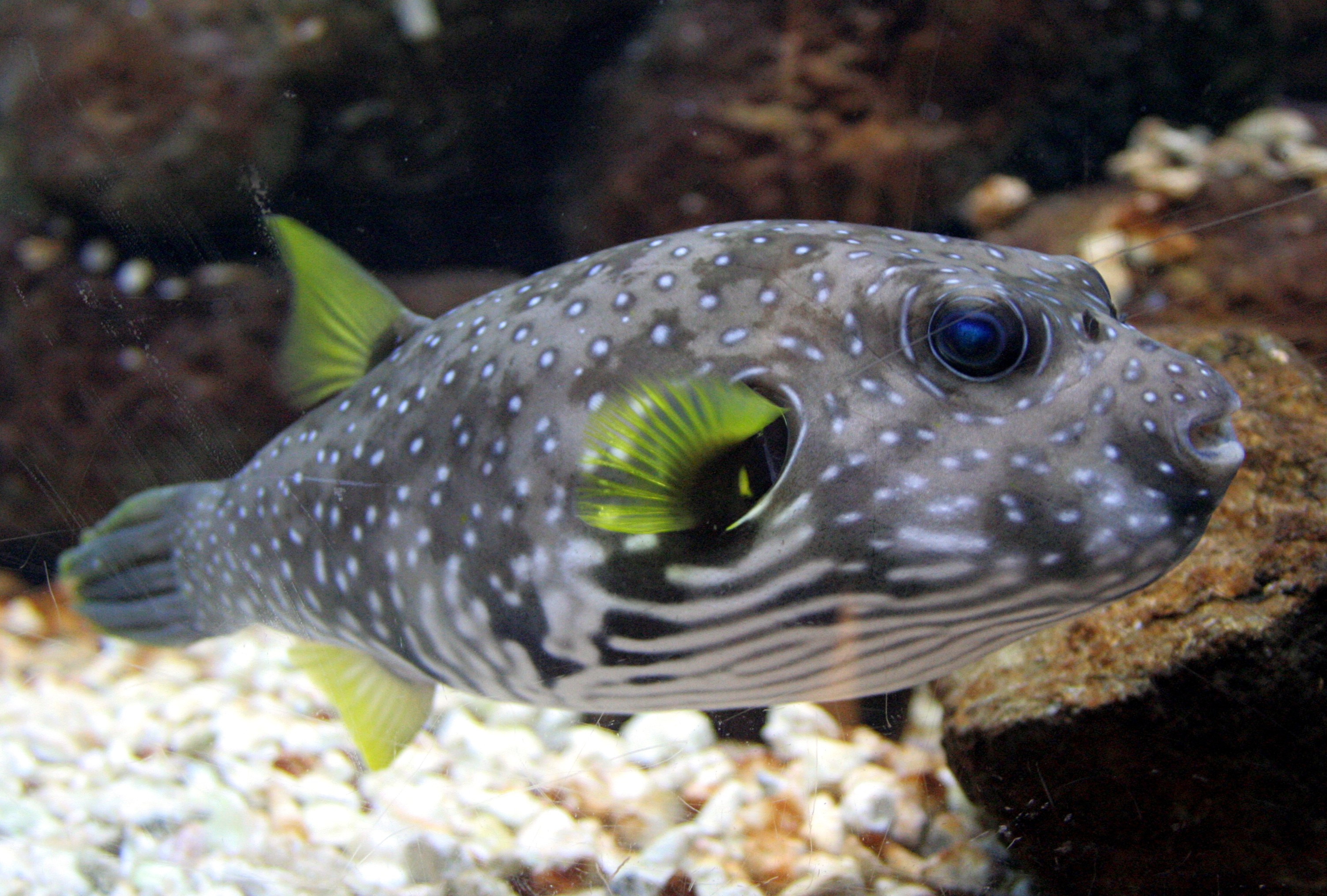 PufferfishPufferfishReported here · unconfirmed
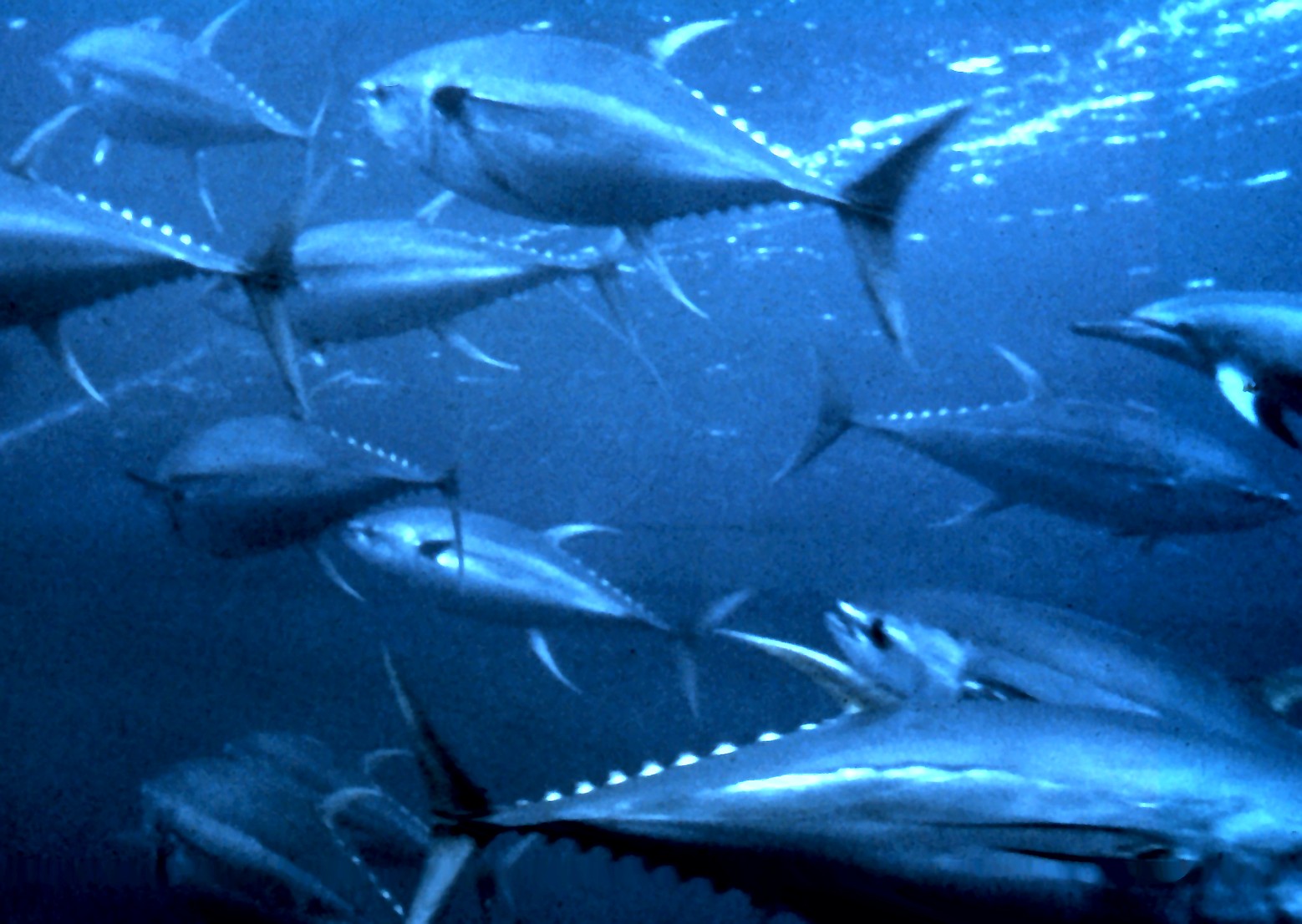 TunaTunaConfirmed present · 2 independent sources
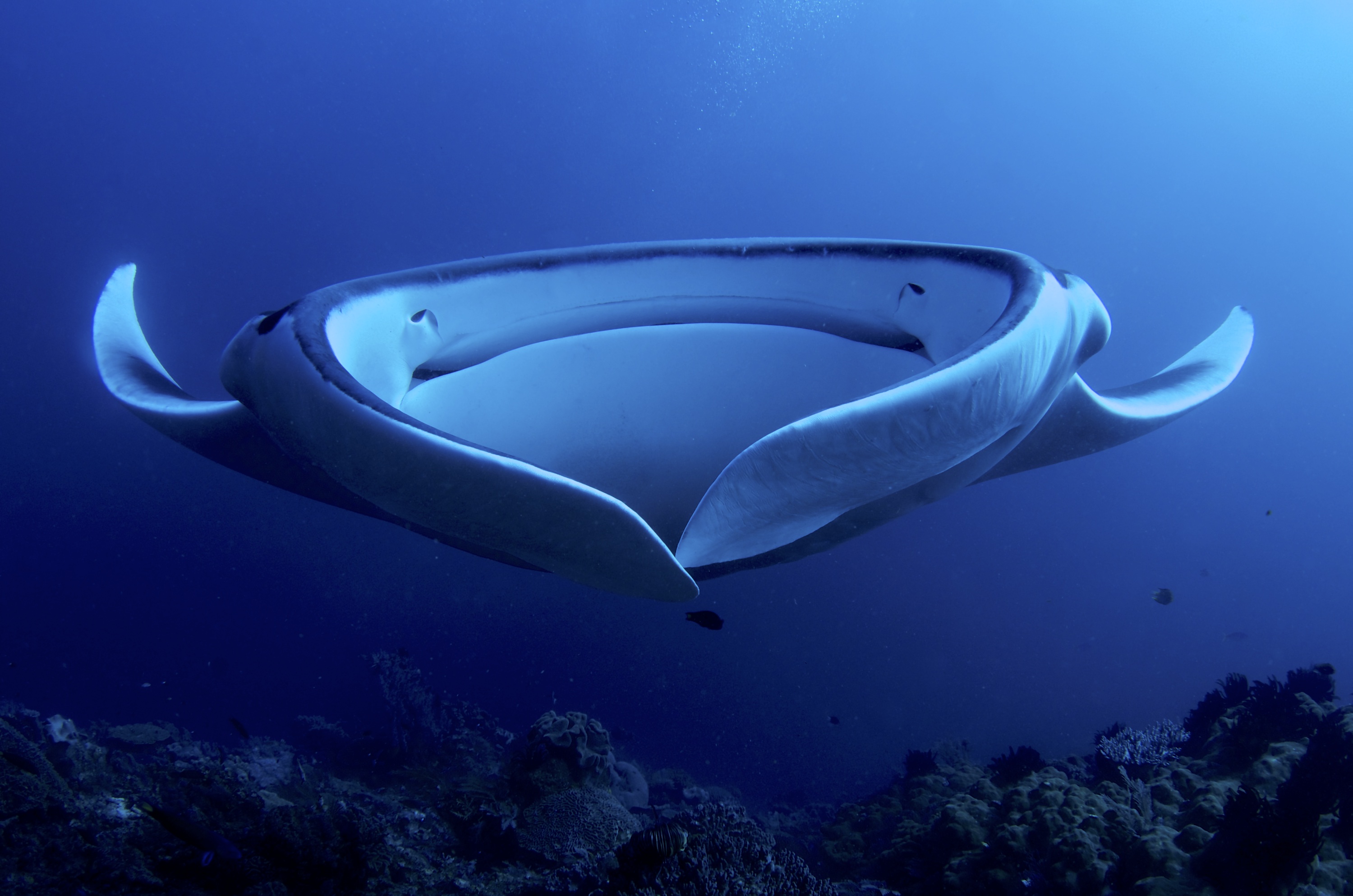 Manta rayManta rayConfirmed present · 4 independent sources
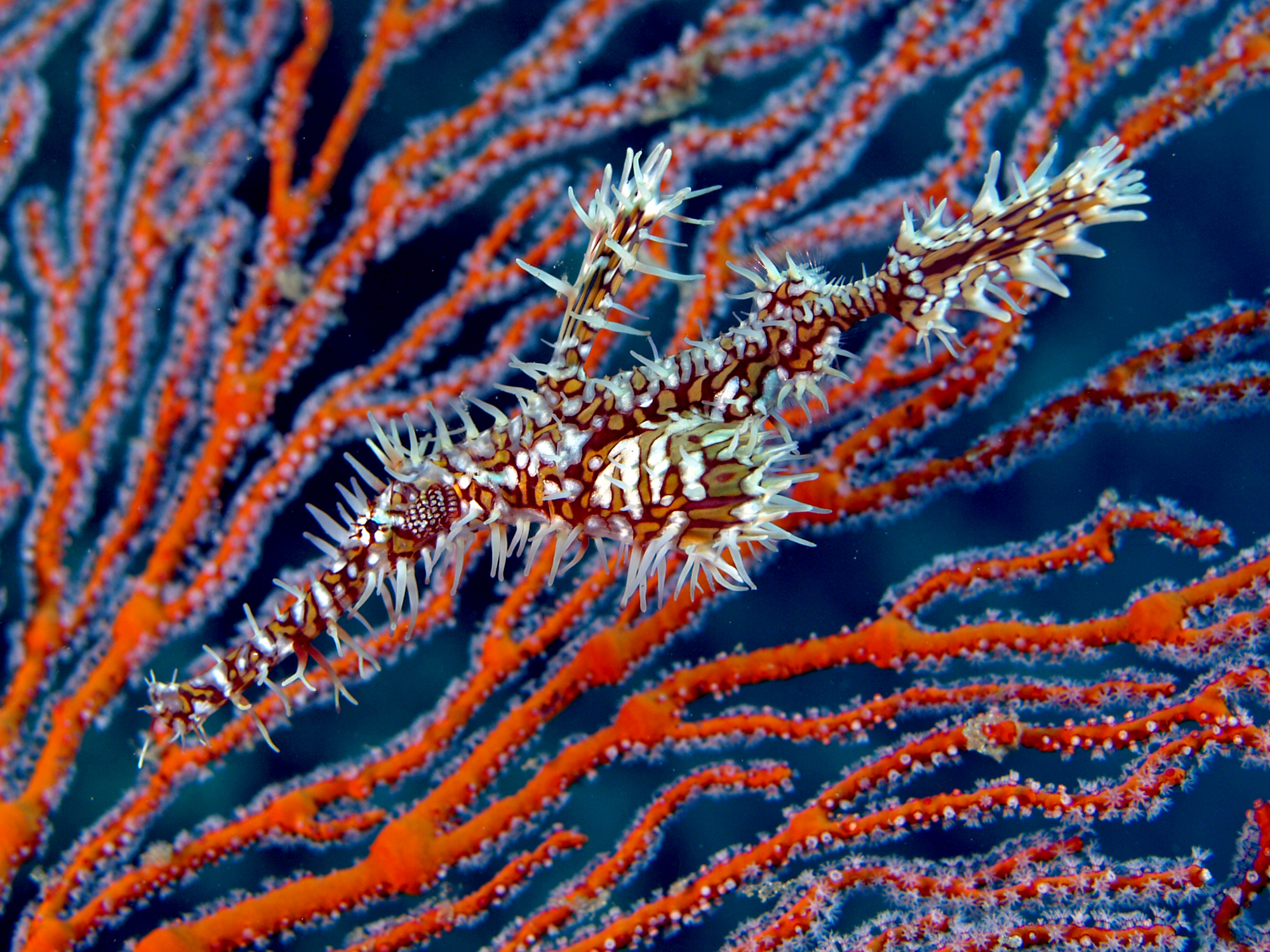 Ornate ghost pipefishOrnate ghost pipefishReported here · unconfirmed
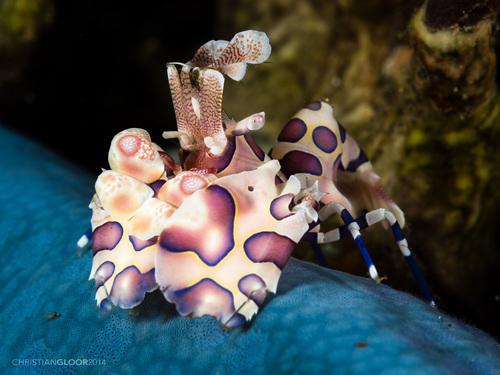 Harlequin ShrimpHymenocera pictaConfirmed present · 6 independent sources
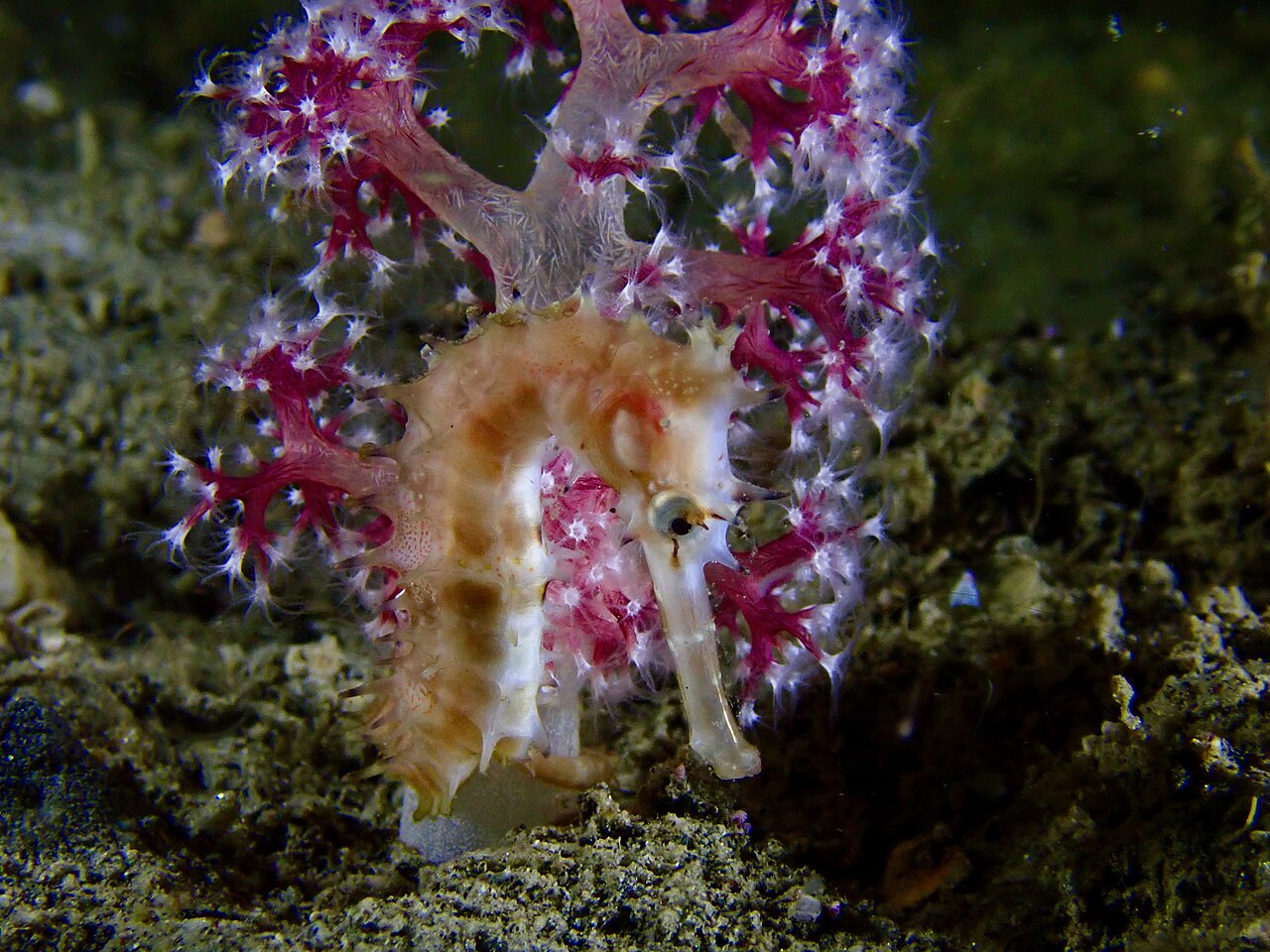 SeahorseSeahorseConfirmed present · 4 independent sources
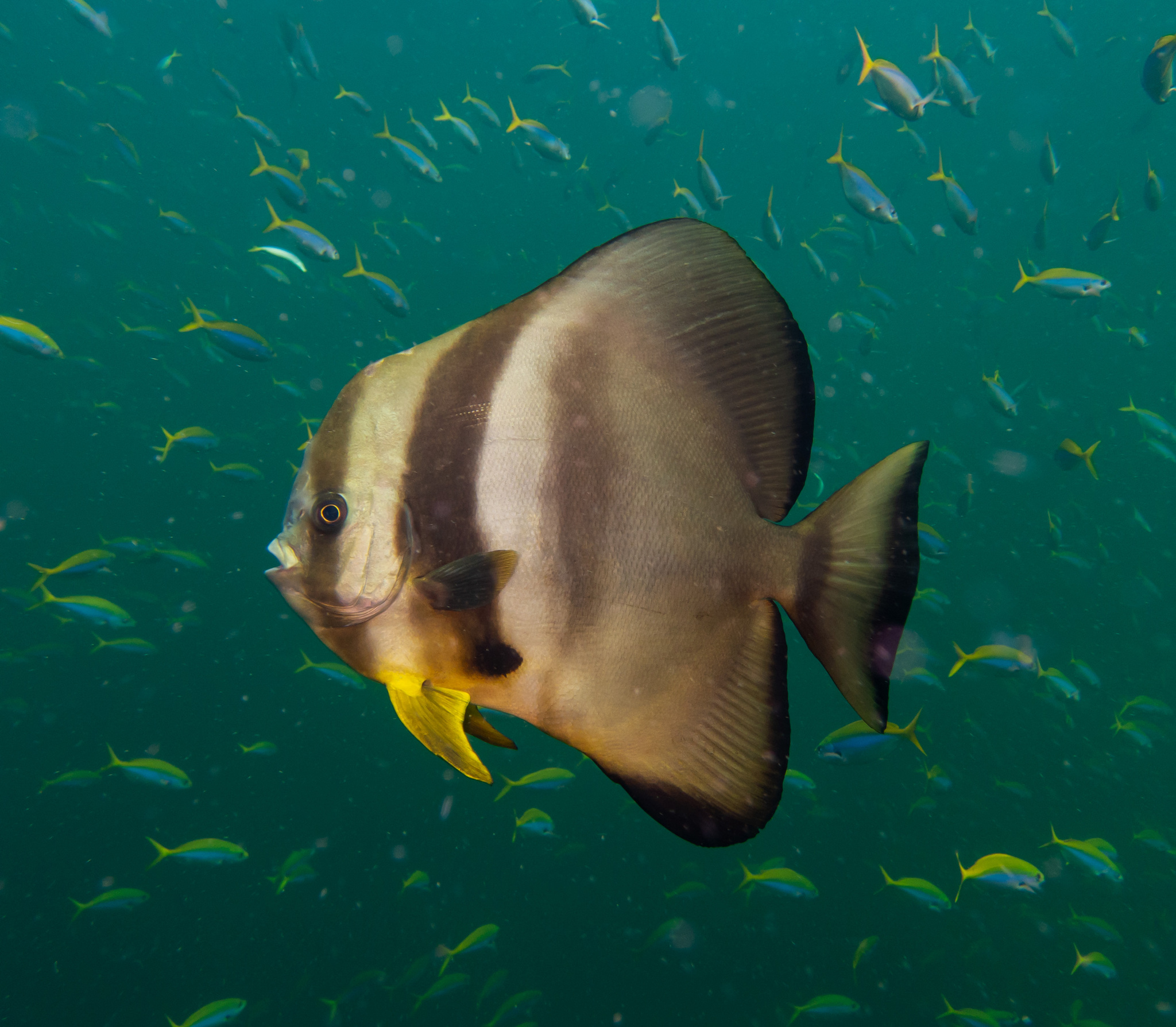 BatfishBatfishReported here · unconfirmed
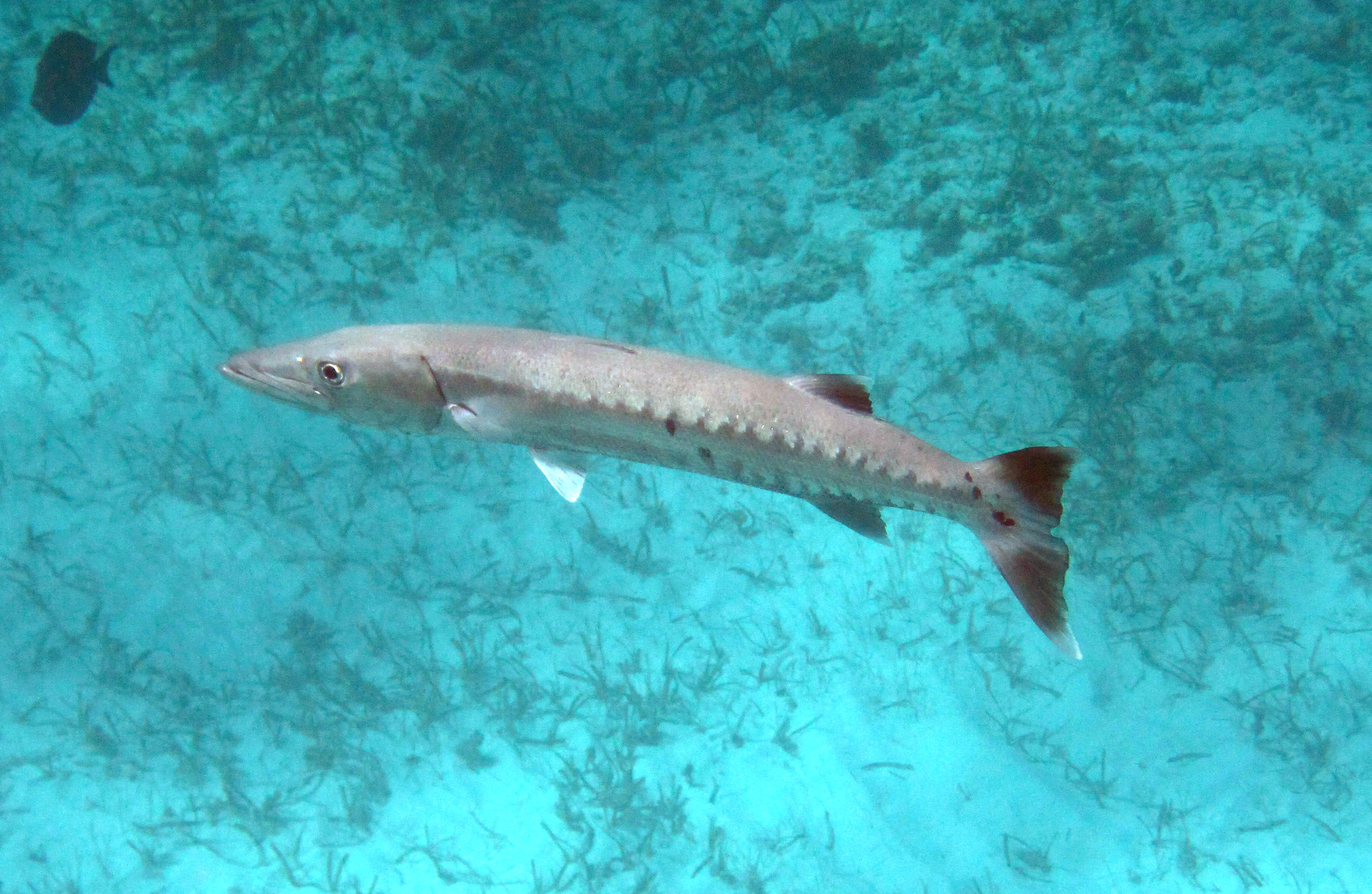 BarracudaBarracudaConfirmed present · 4 independent sources
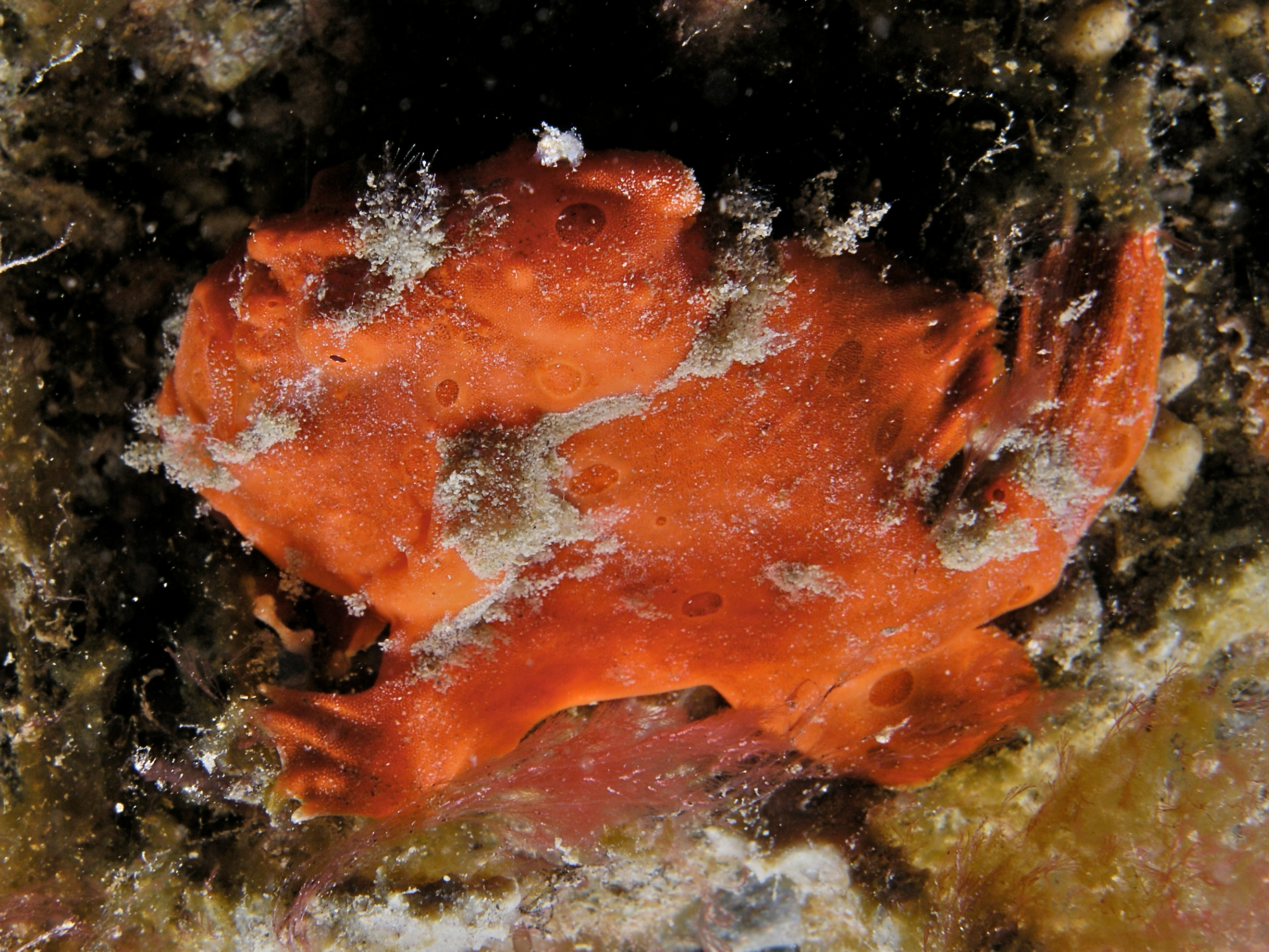 FrogfishFrogfishConfirmed present · 5 independent sources
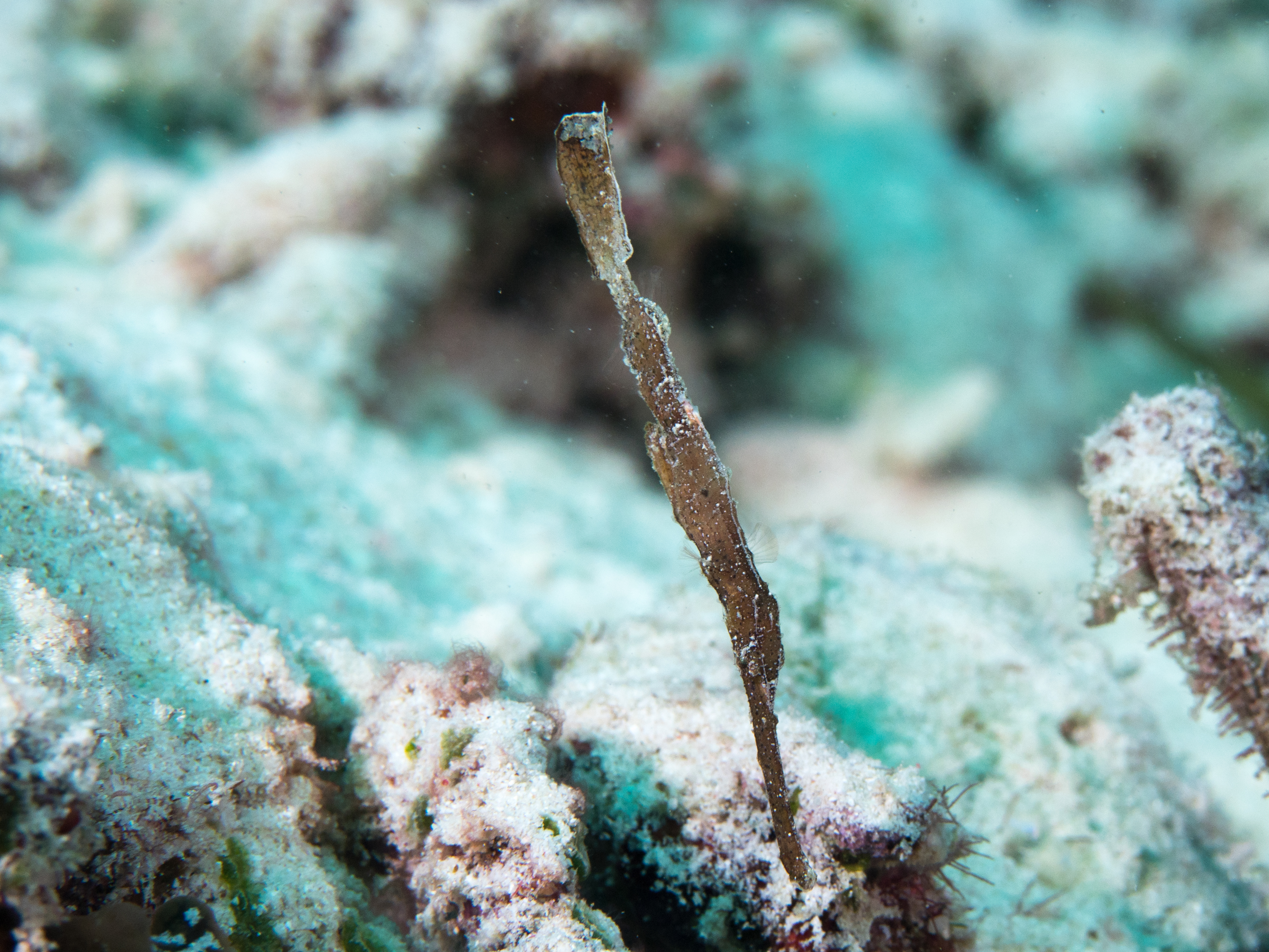 Ghost pipefishGhost pipefishConfirmed present · 4 independent sources
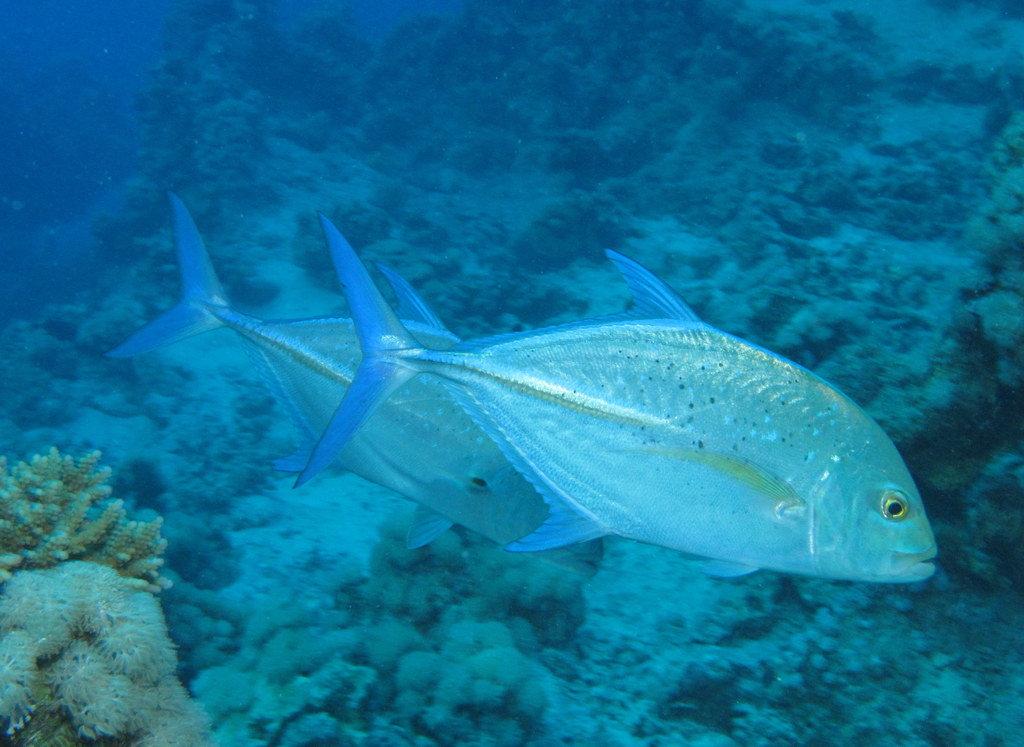 TrevallyTrevallyReported here · unconfirmed
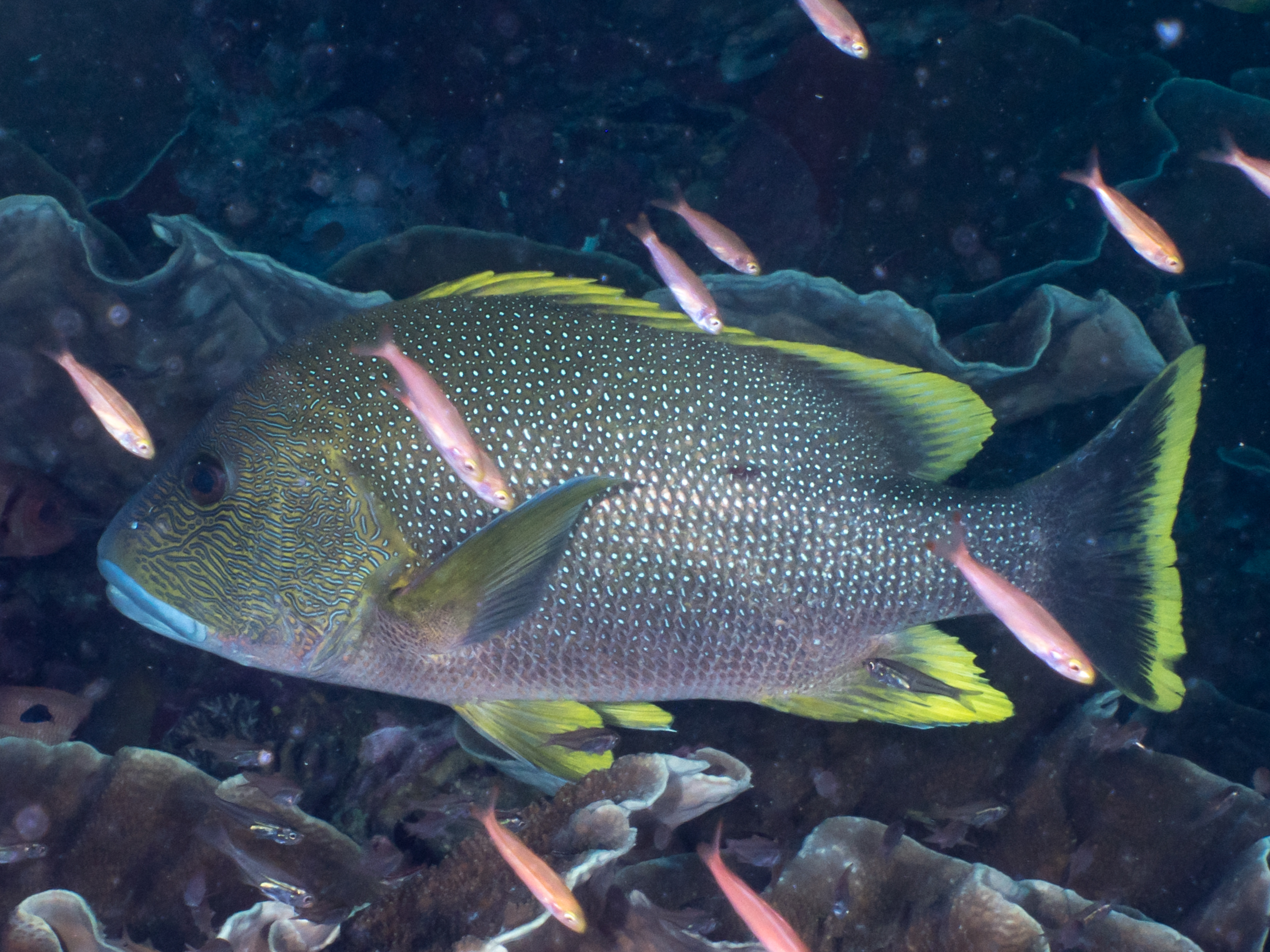 SnapperSnapperReported here · unconfirmed
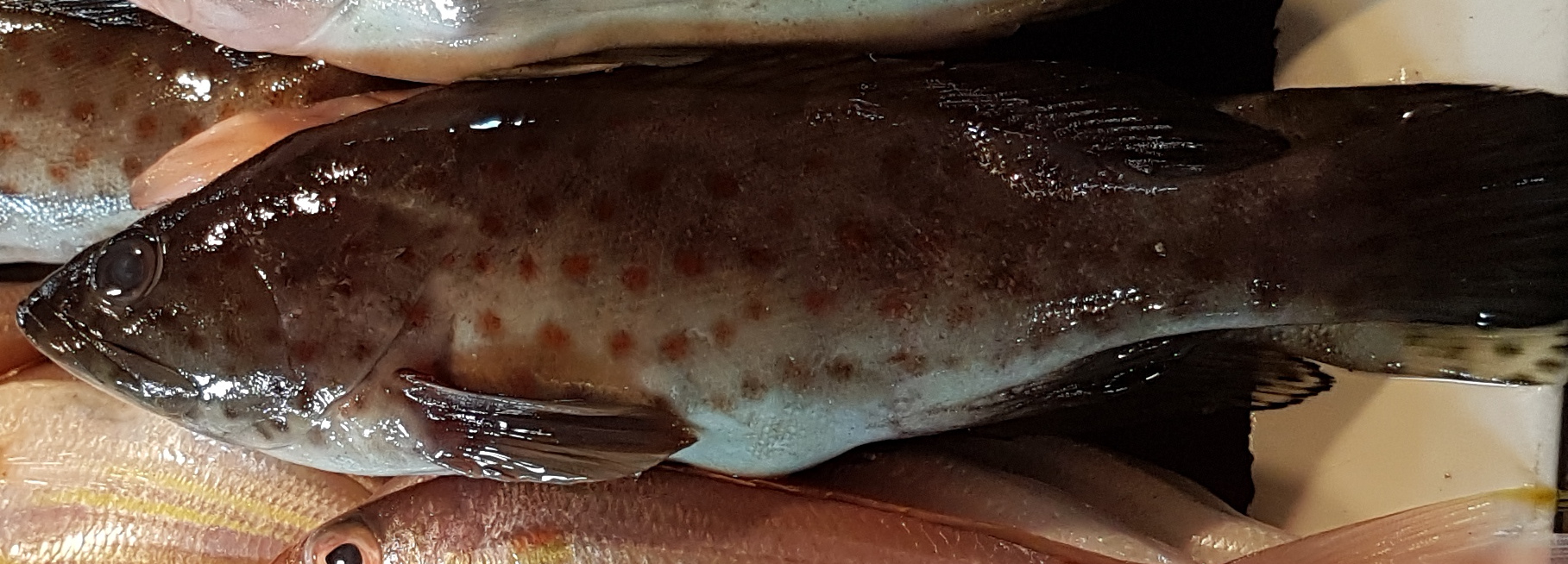 GrouperGrouperReported here · unconfirmed
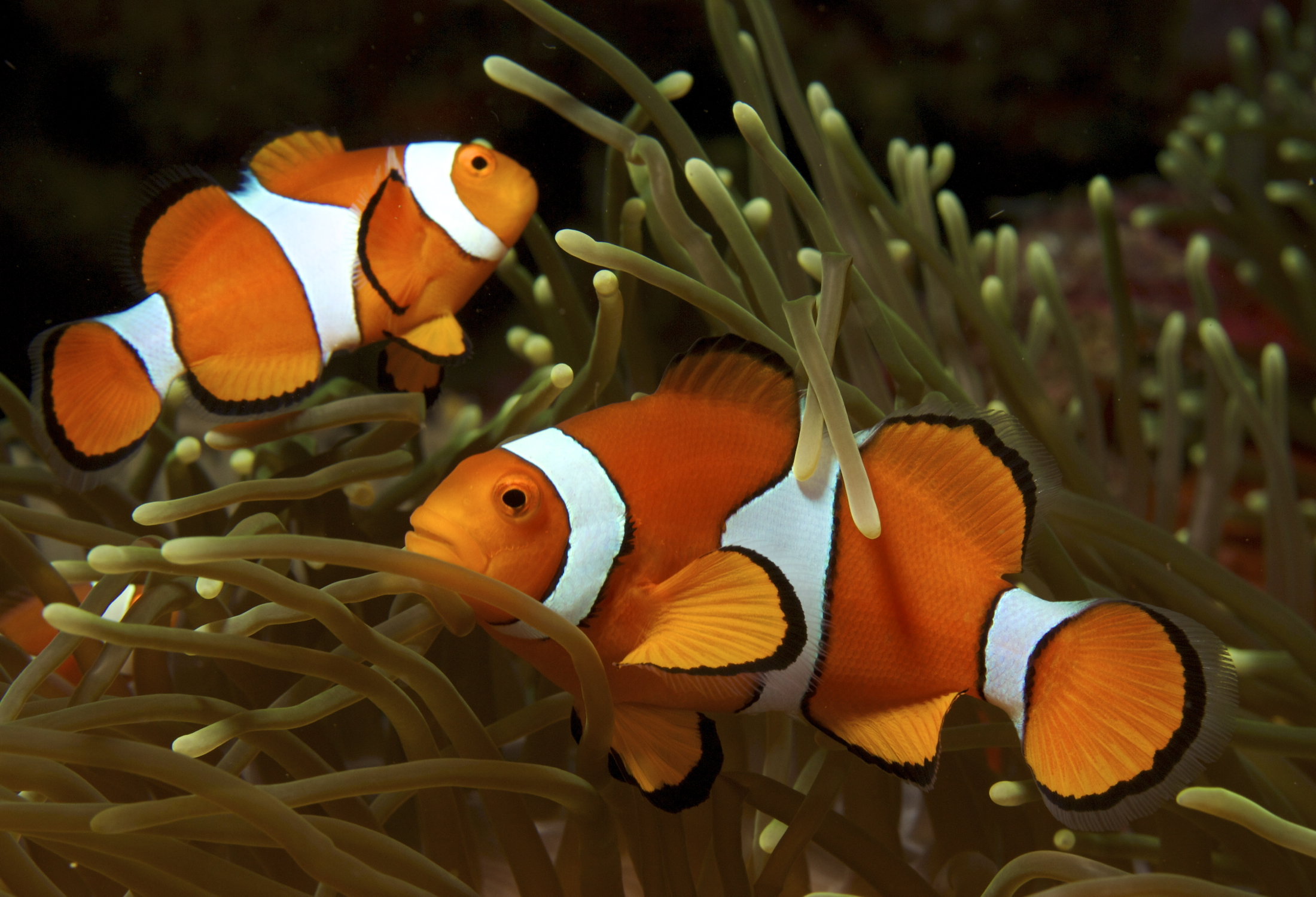 ClownfishClownfishReported here · unconfirmed
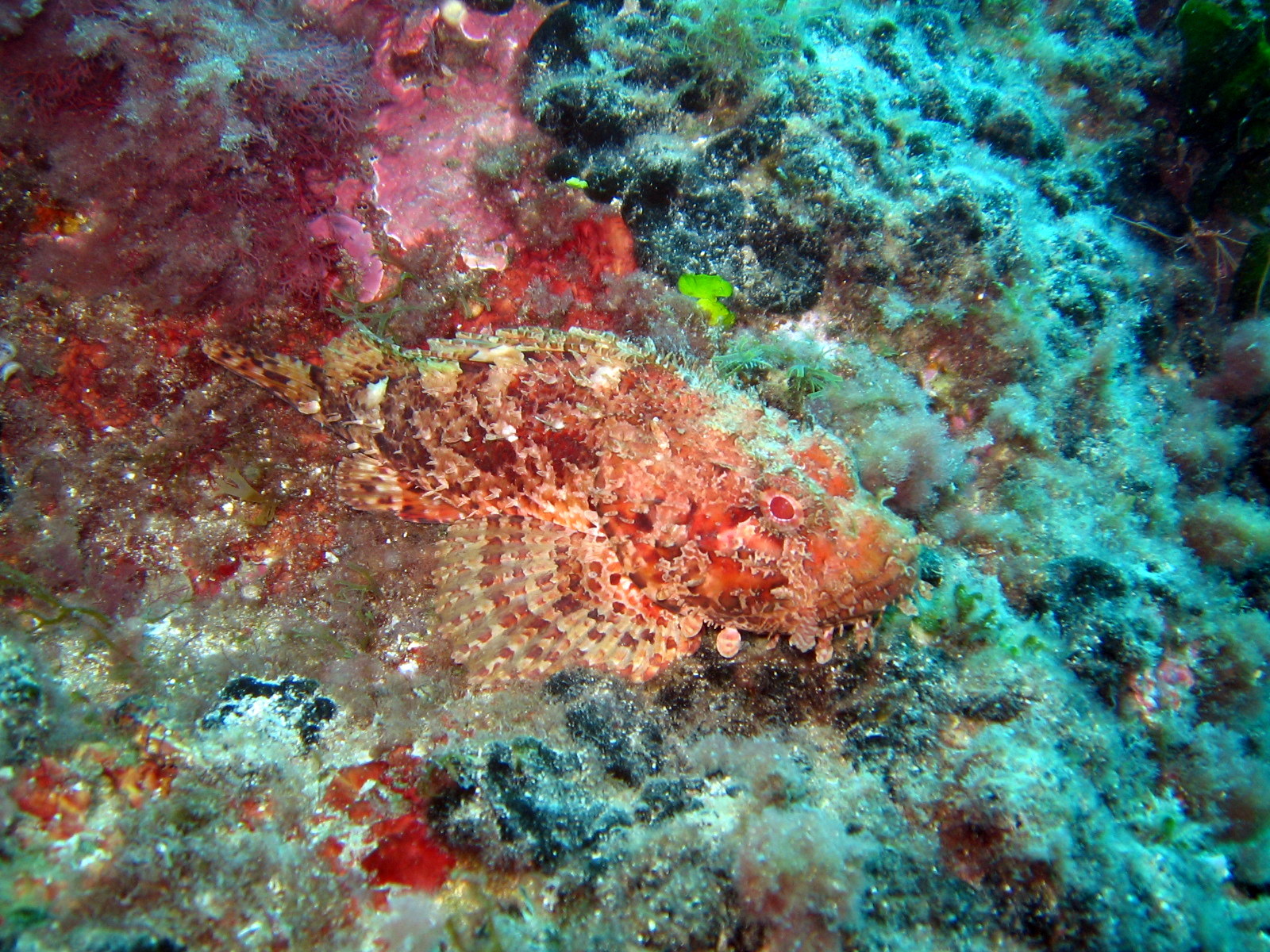 ScorpionfishScorpionfishReported here · unconfirmed
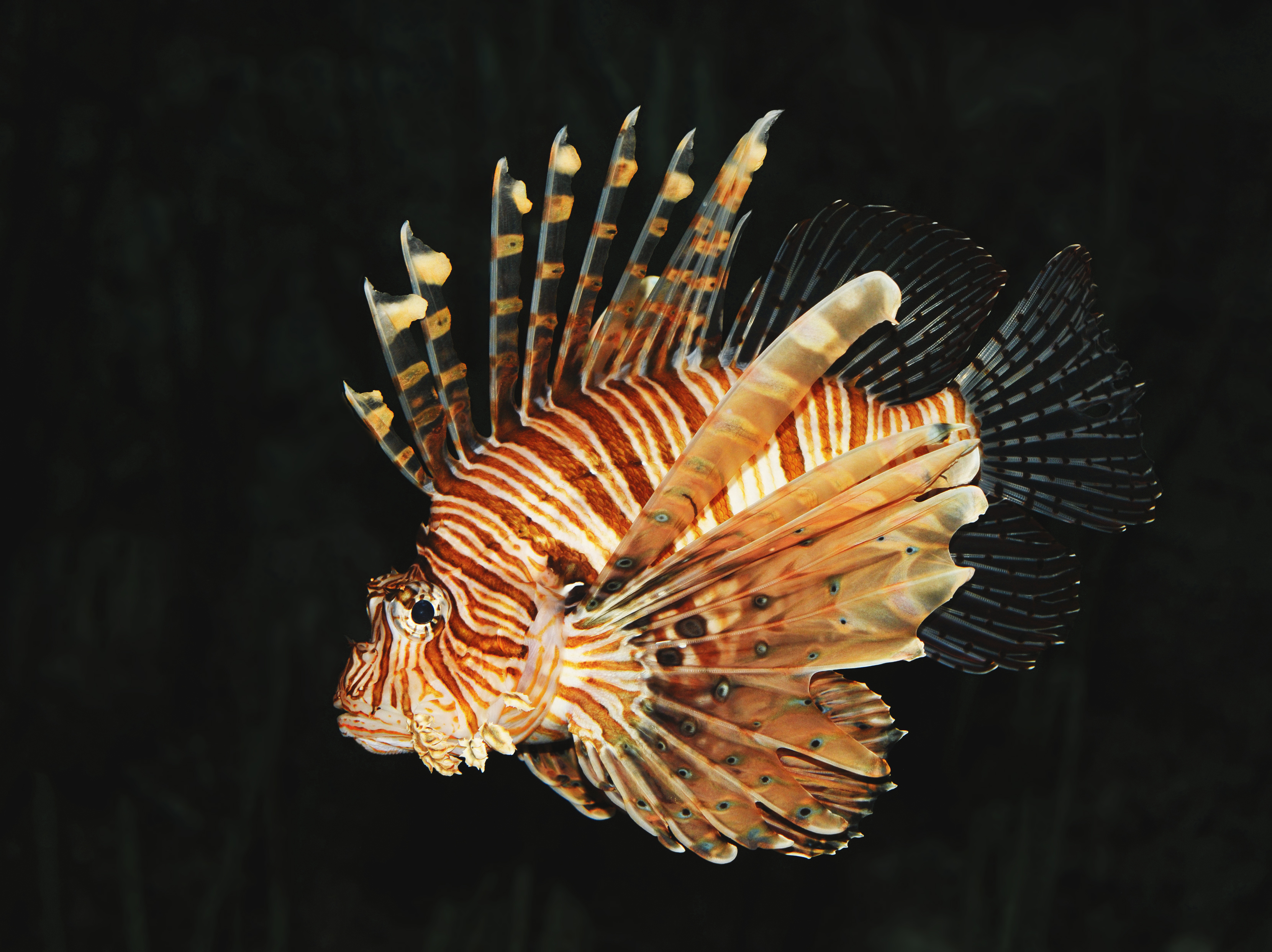 LionfishLionfishReported here · unconfirmed
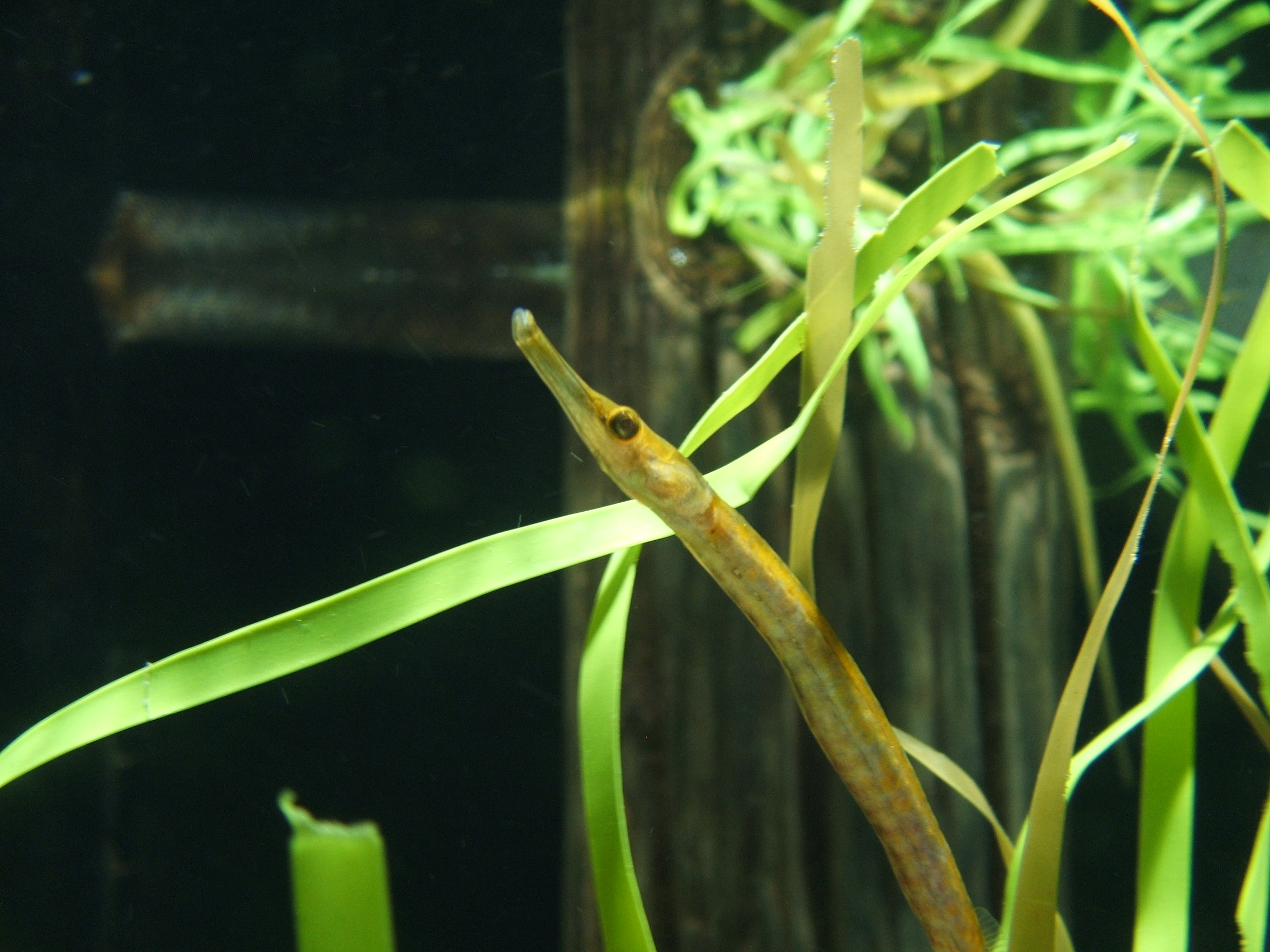 PipefishPipefishReported here · unconfirmed
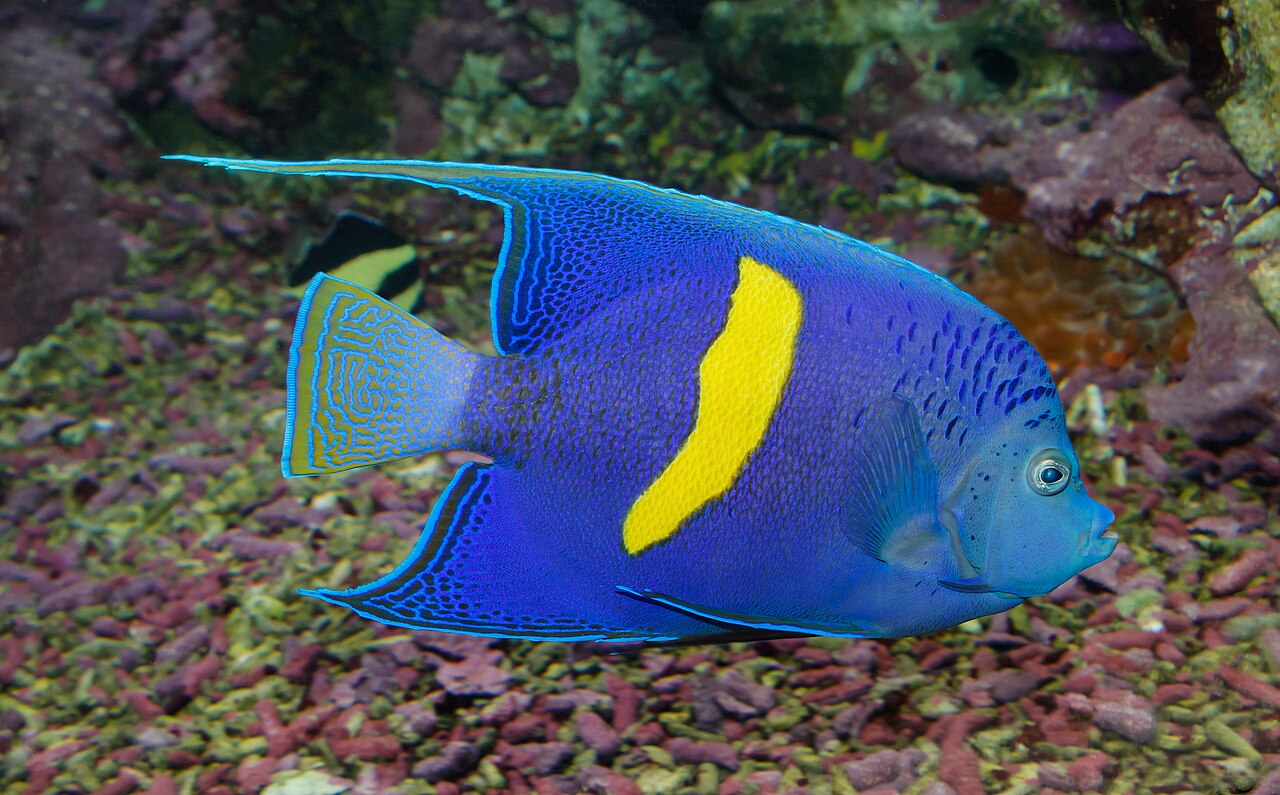 AngelfishAngelfishReported here · unconfirmed
Durable tips from divers — access, hazards, marine life, facilities. For day-of conditions, use the report tool in the conditions card above.
No notes yet. Dived here? Be the first to leave a tip.
Share a write-up or a photo. Submissions are reviewed before they appear on the page.
Nearby dive sites
Shops that dive here
No shops have listed this site yet.