Chankanaab
Conditions & tides
Scored by DiveConnect's site-physics model
Marine forecast via Copernicus Marine. Score is a rule-based guide from swell/wind vs. the site's exposure — always dive your own assessment.
Dived here today? How were conditions vs. what we showed?
About this site
Chankanaab is a shallow reef dive located opposite Chankanaab Park on the island of Cozumel, Mexico. Its Mayan name means "Little Sea," and the reef forms a natural lagoon-like environment that is sandy in character with small coral heads, coral boulders, and areas where freshwater from the cenote system meets seawater, creating a visible halocline at cave mouths. The reef is divided into three sections: Chankanaab Shallow (10–27 m / 30–50 ft), Chankanaab Balones (18–21 m / 60–70 ft), where spherical coral head clusters sit atop boulders roughly 10 m (33 ft) high, and Chankanaab Caves (10 m / 35 ft), where divers can explore the entrances to the cave system.
The site reaches a maximum depth of around 12.7 m (42 ft), with most dives conducted in the 35–40 ft (10–12 m) range, making it well suited to beginners and those learning to scuba dive or snorkel. Conditions are mild with minimal current, and visibility is generally good, though run-off from the nearby local lagoon can reduce it compared to other Cozumel sites. It is frequently done as a second dive of the day.
Entry can be made directly from the shore inside the park — no boat is required — and the calm, shallow water means divers and snorkelers can spend extended time on the site. Underwater statues and other installed attractions are present on the reef. The sandy bottom and small coral heads hold plenty of macro life, making it a productive site for underwater photographers.
Read the full guideShow less
Marine life at Chankanaab includes the splendid toadfish (also called the Cozumel toadfish), queen angelfish, French angelfish, scorpionfish, surgeonfish, triggerfish, rockfish, snappers, grunts, crabs, spotted moray eels, honeycombed cowfish, parrotfish, wrasse, lobsters, and turtles.
Marine life here
Confirmed by our research team, reported by independent divers, or observed nearby via iNaturalist — each entry is labelled with its source.
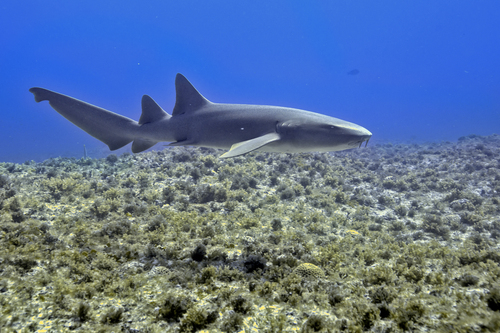 Nurse SharkGinglymostoma cirratumReported here · unconfirmed
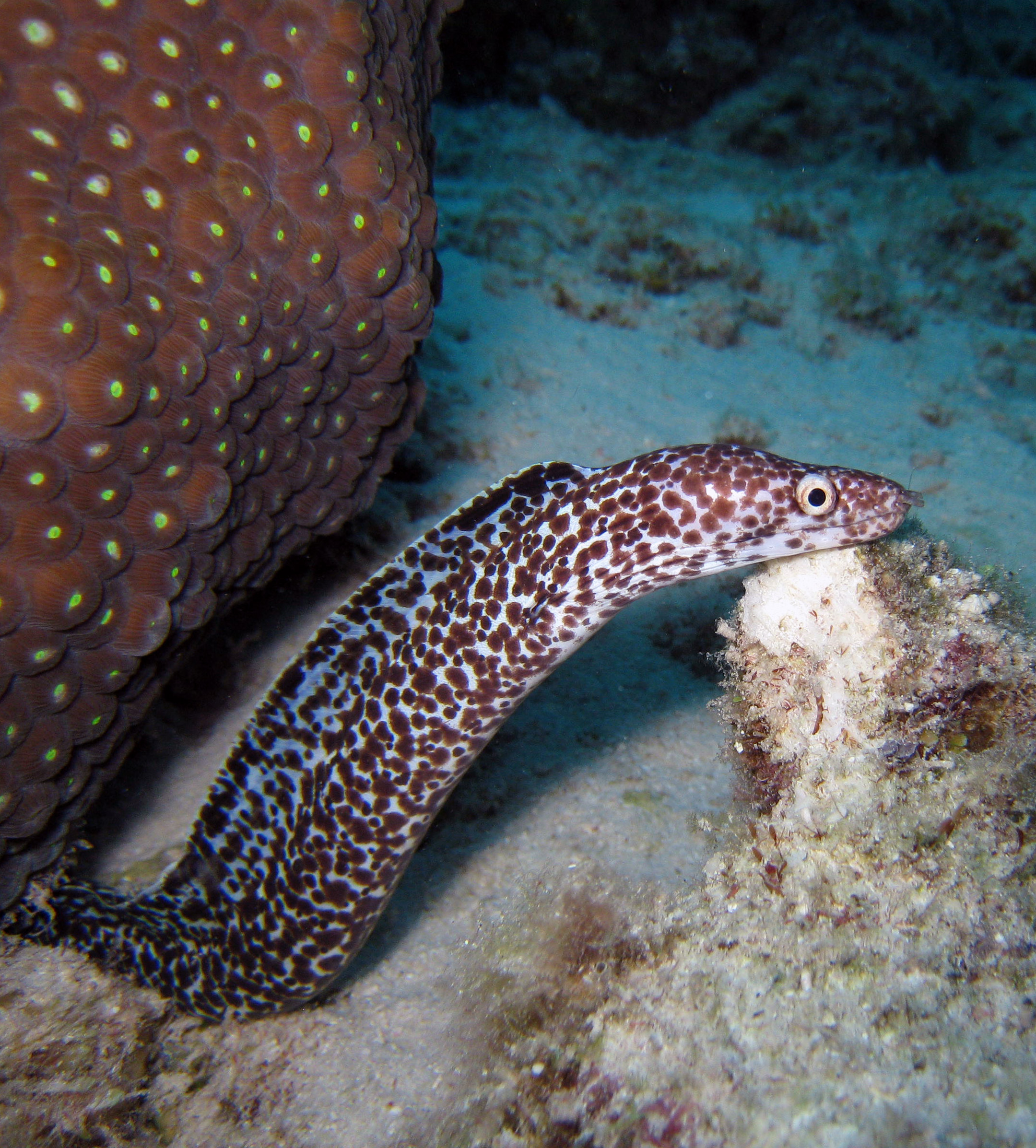 Moray eelMoray eelReported here · unconfirmed
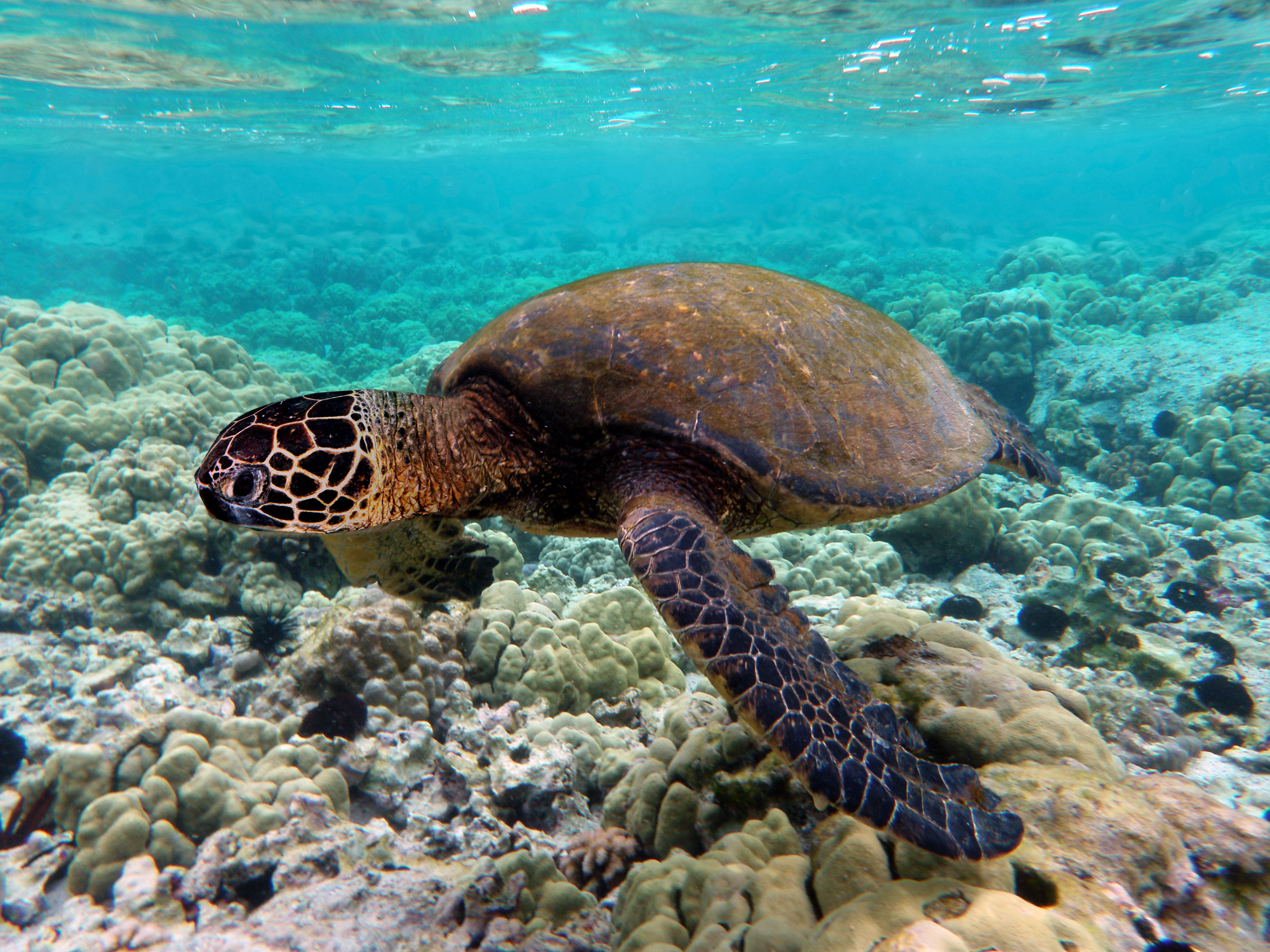 Sea turtleSea turtleReported here · unconfirmed
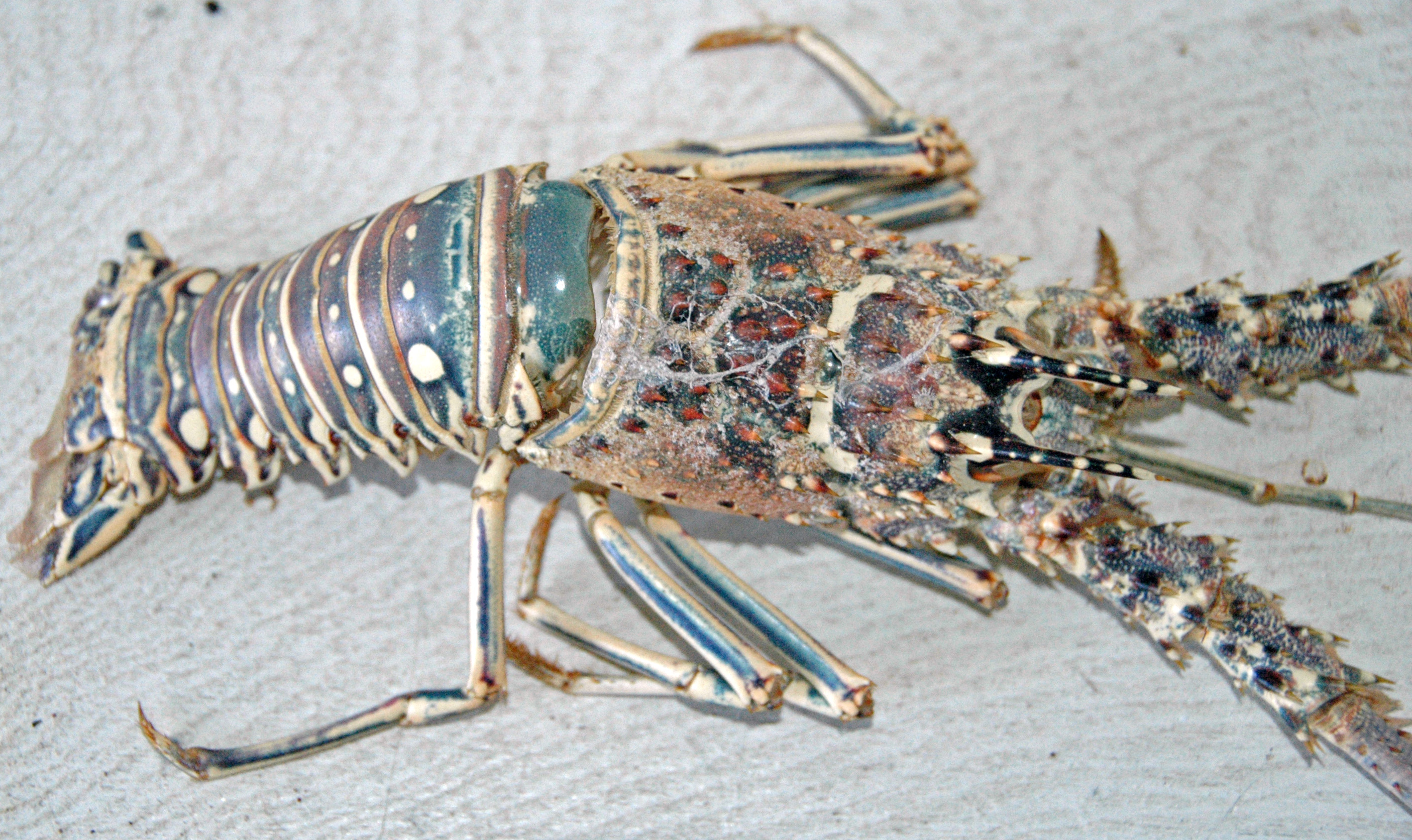 LobsterLobsterReported here · unconfirmed
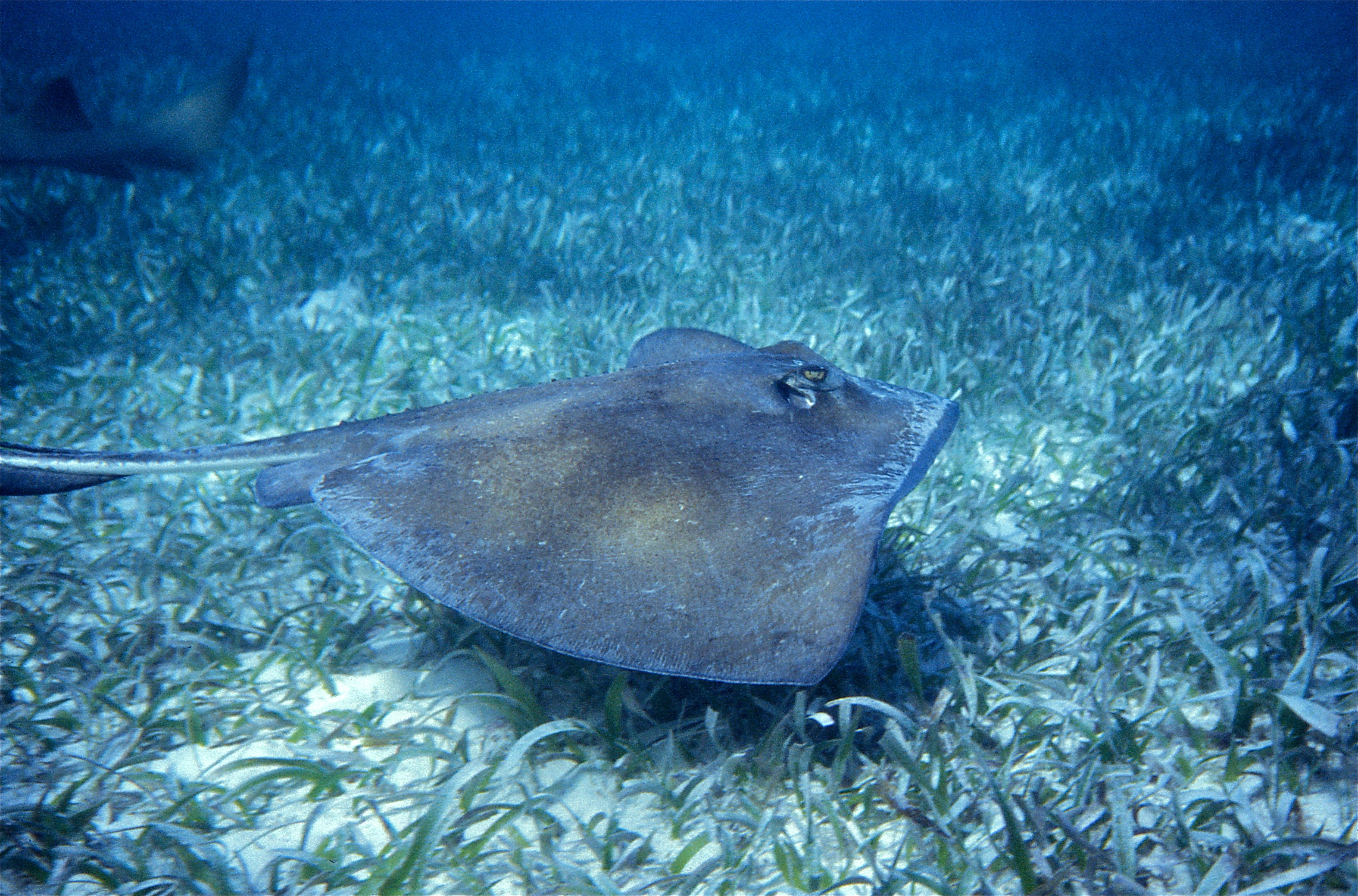 StingrayStingrayReported here · unconfirmed
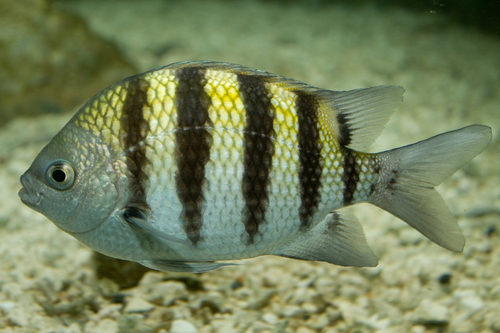 Atlantic Sergeant MajorAbudefduf saxatilisReported here · unconfirmed
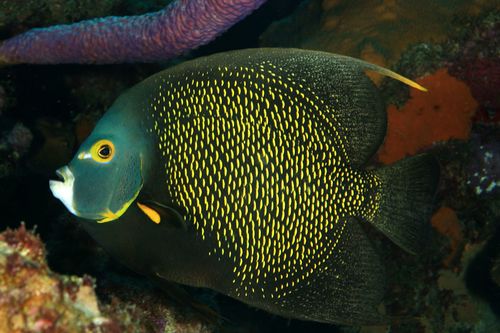 French AngelfishPomacanthus paruReported here · unconfirmed
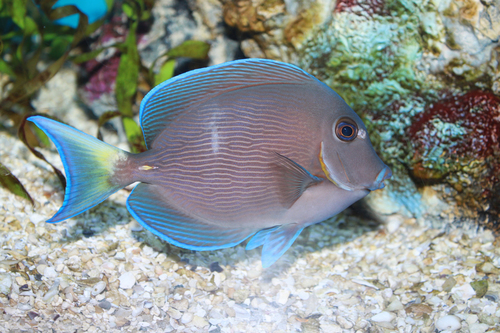 Atlantic Blue TangAcanthurus coeruleusReported here · unconfirmed
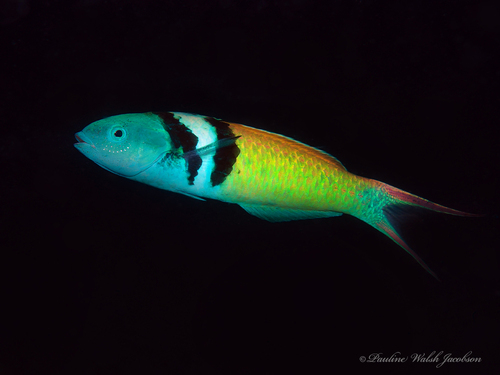 Caribbean Bluehead WrasseThalassoma bifasciatumReported here · unconfirmed
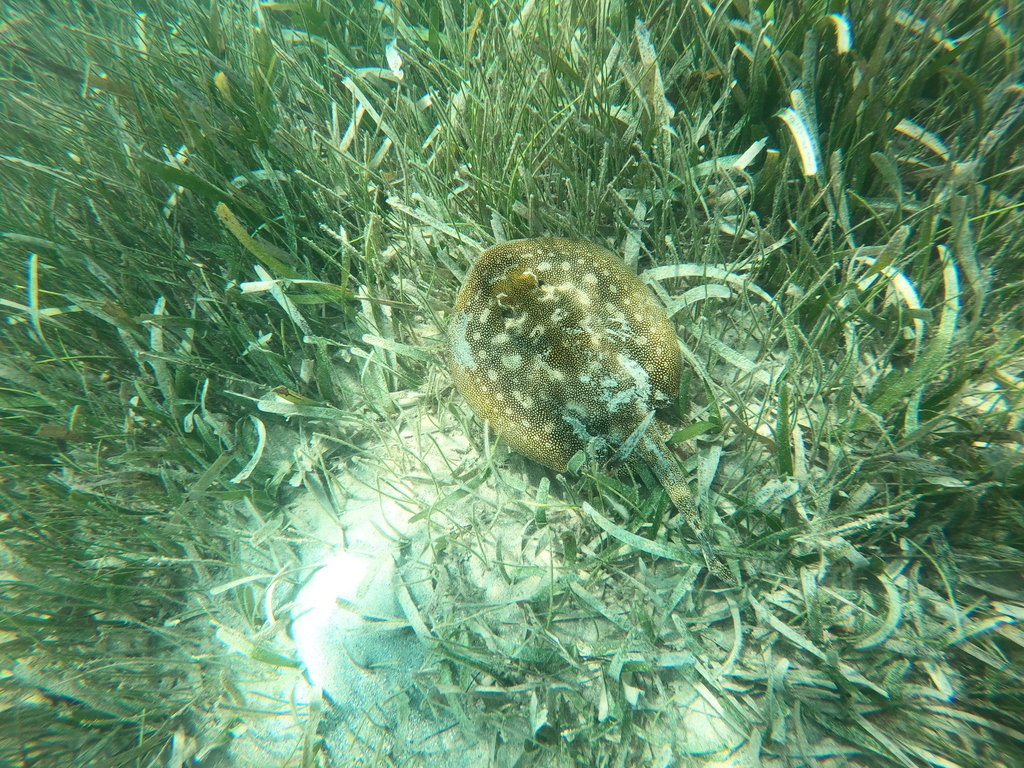 Yellow StingrayUrobatis jamaicensisReported here · unconfirmed
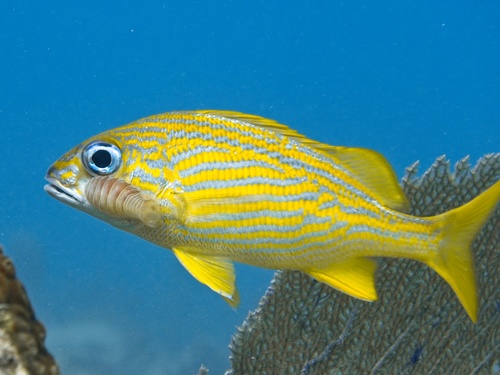 French GruntHaemulon flavolineatumReported here · unconfirmed
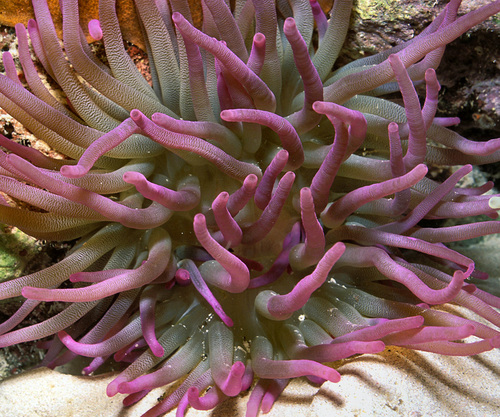 Giant AnemoneCondylactis giganteaReported here · unconfirmed
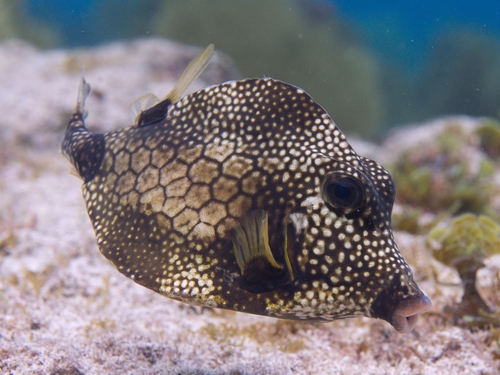 Smooth TrunkfishLactophrys triqueterReported here · unconfirmed
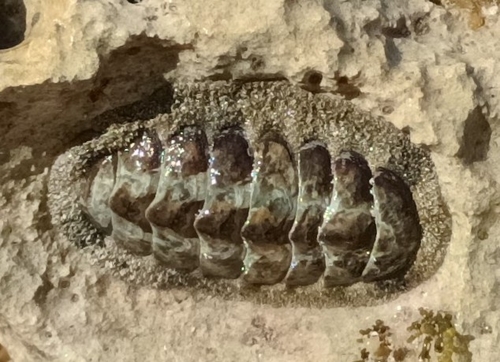 West Indian Fuzzy ChitonAcanthopleura granulataReported here · unconfirmed
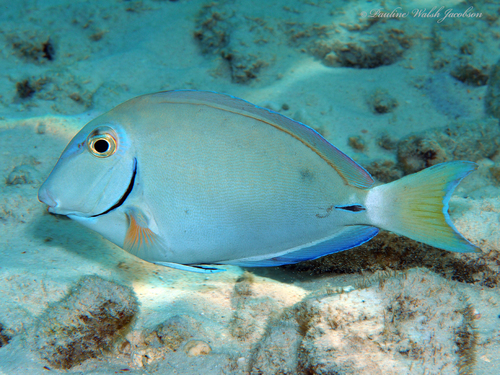 Caribbean Ocean SurgeonfishAcanthurus tractusReported here · unconfirmed
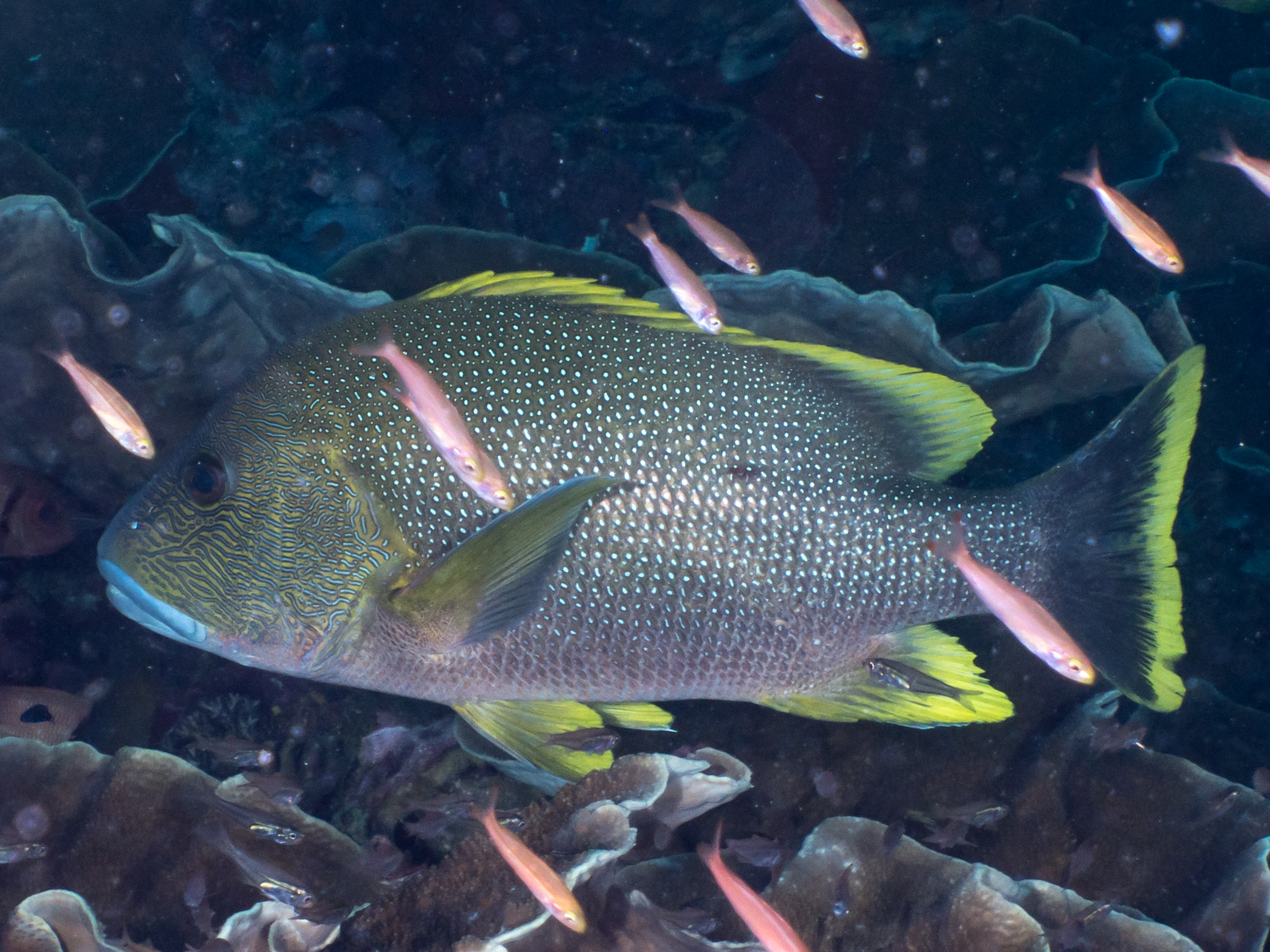 SnapperSnapperConfirmed present · 3 independent sources
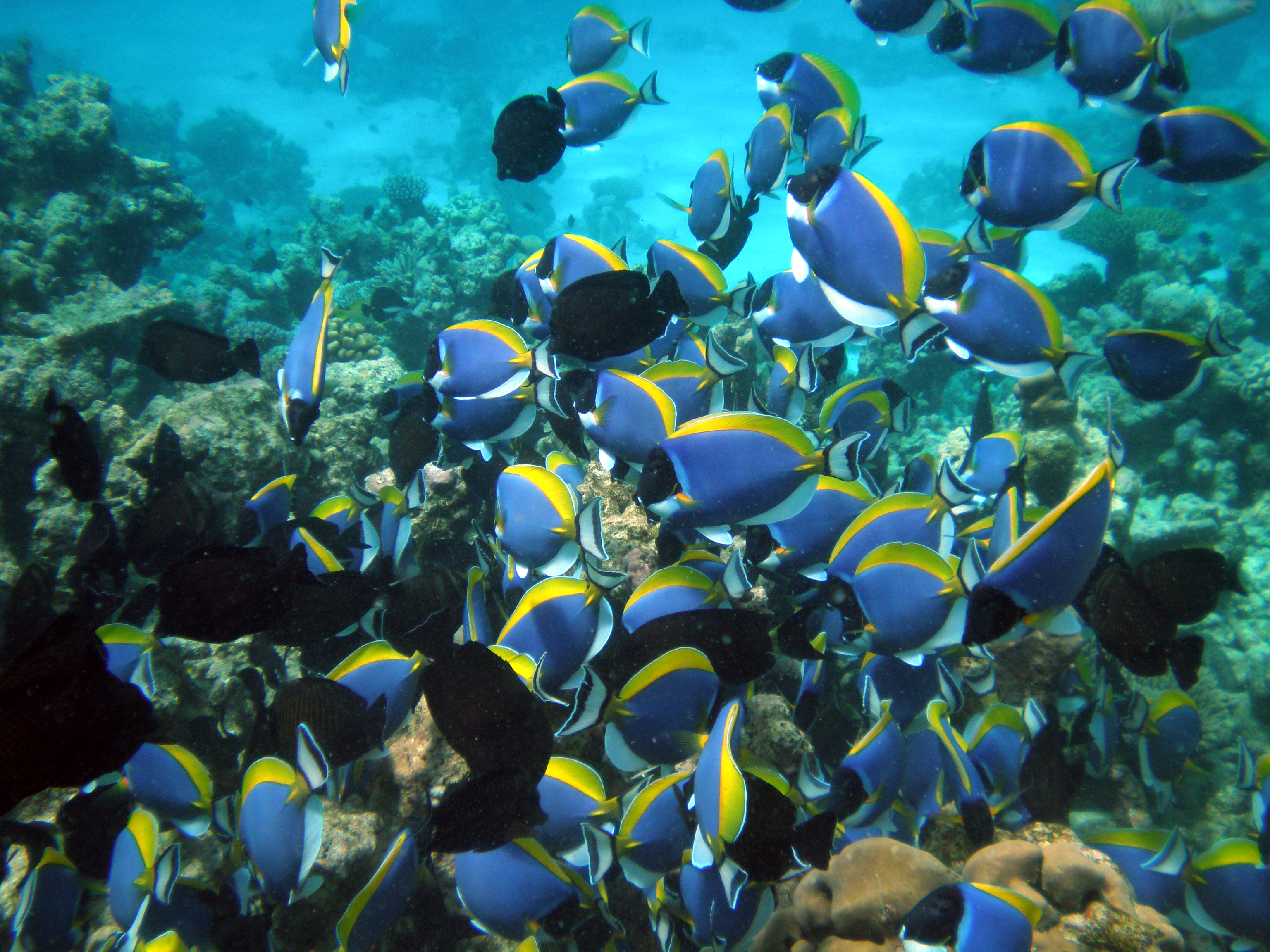 SurgeonfishSurgeonfishReported here · unconfirmed
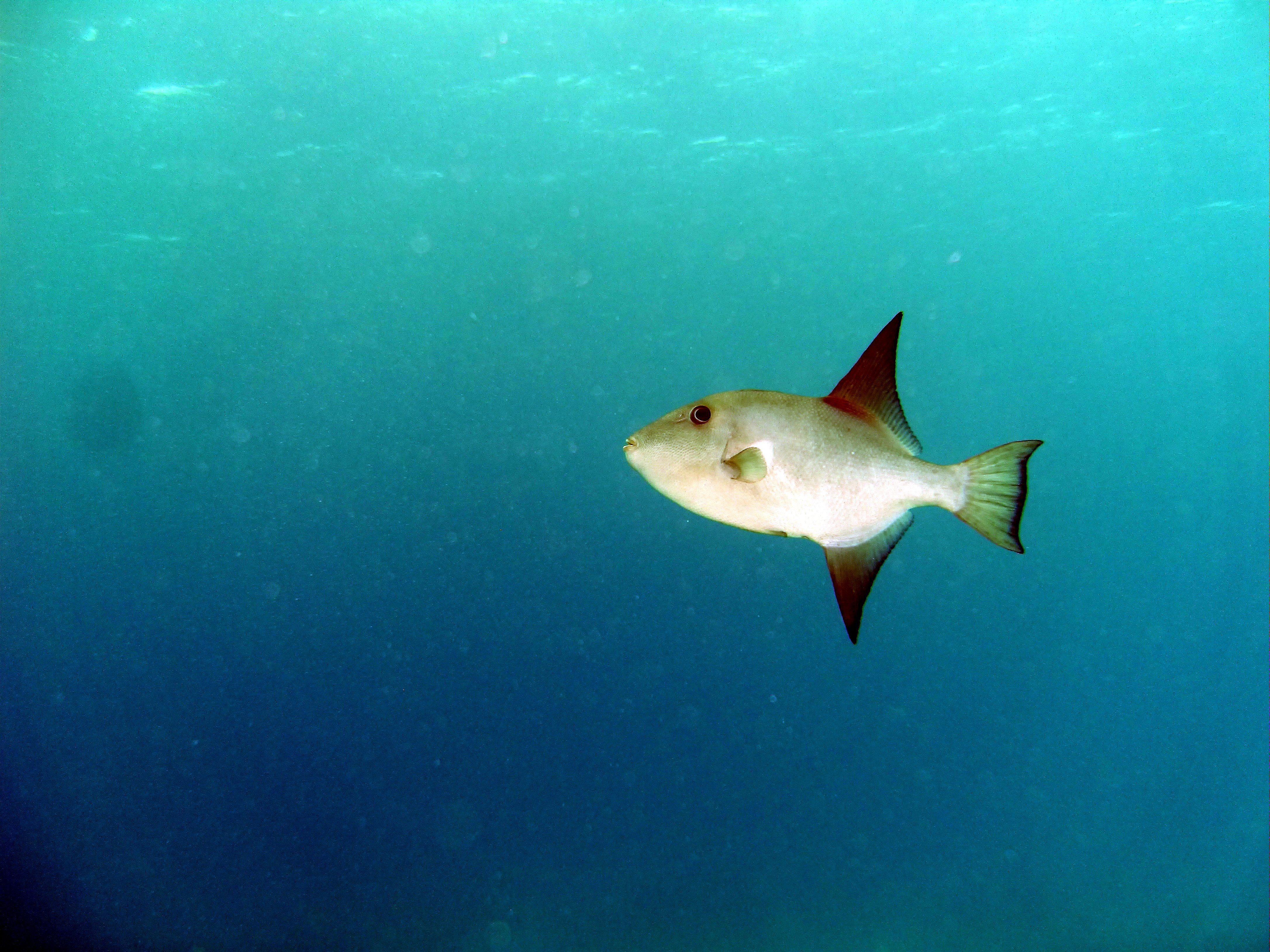 TriggerfishTriggerfishReported here · unconfirmed
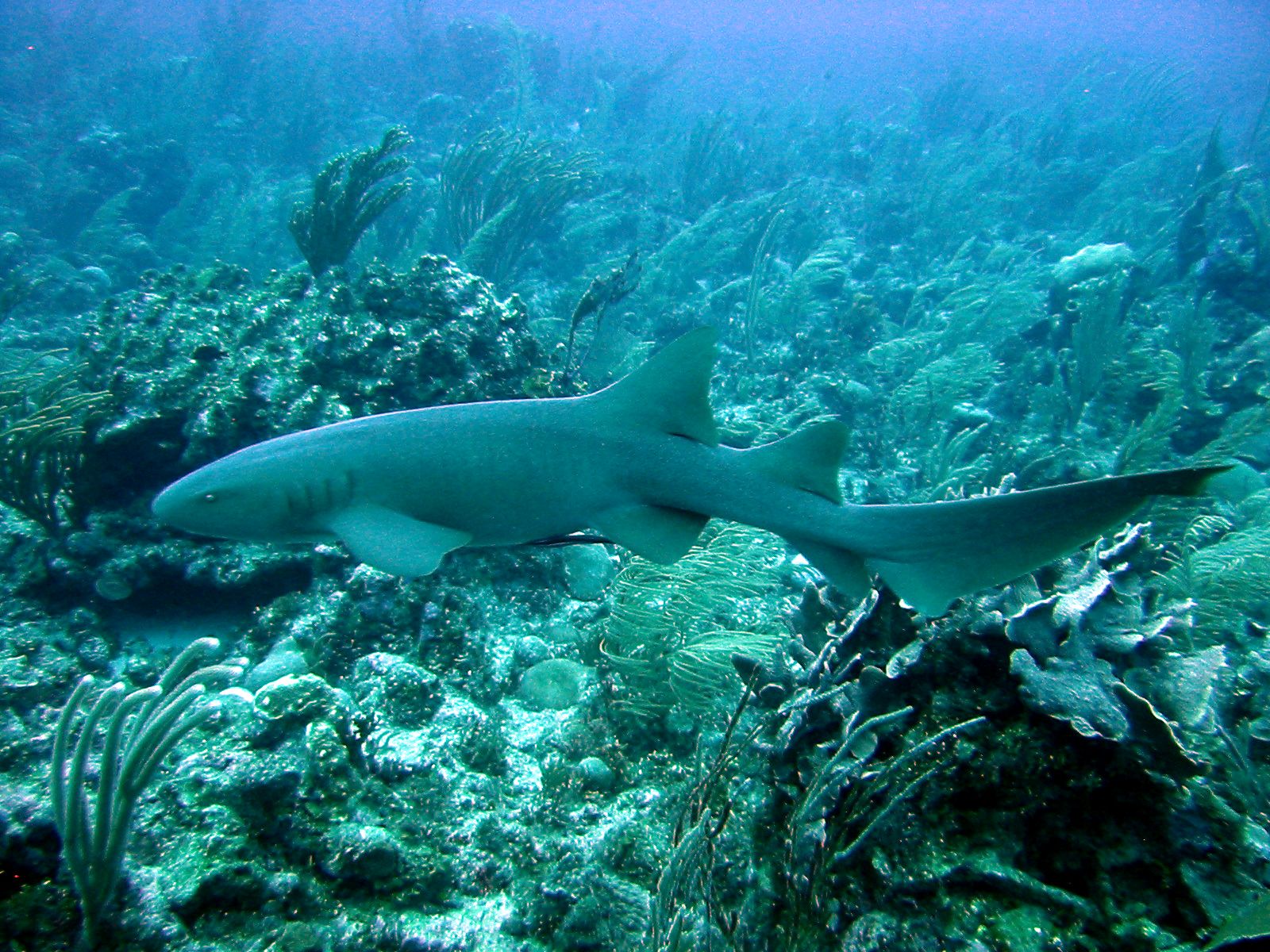 Nurse sharkNurse sharkReported here · unconfirmed
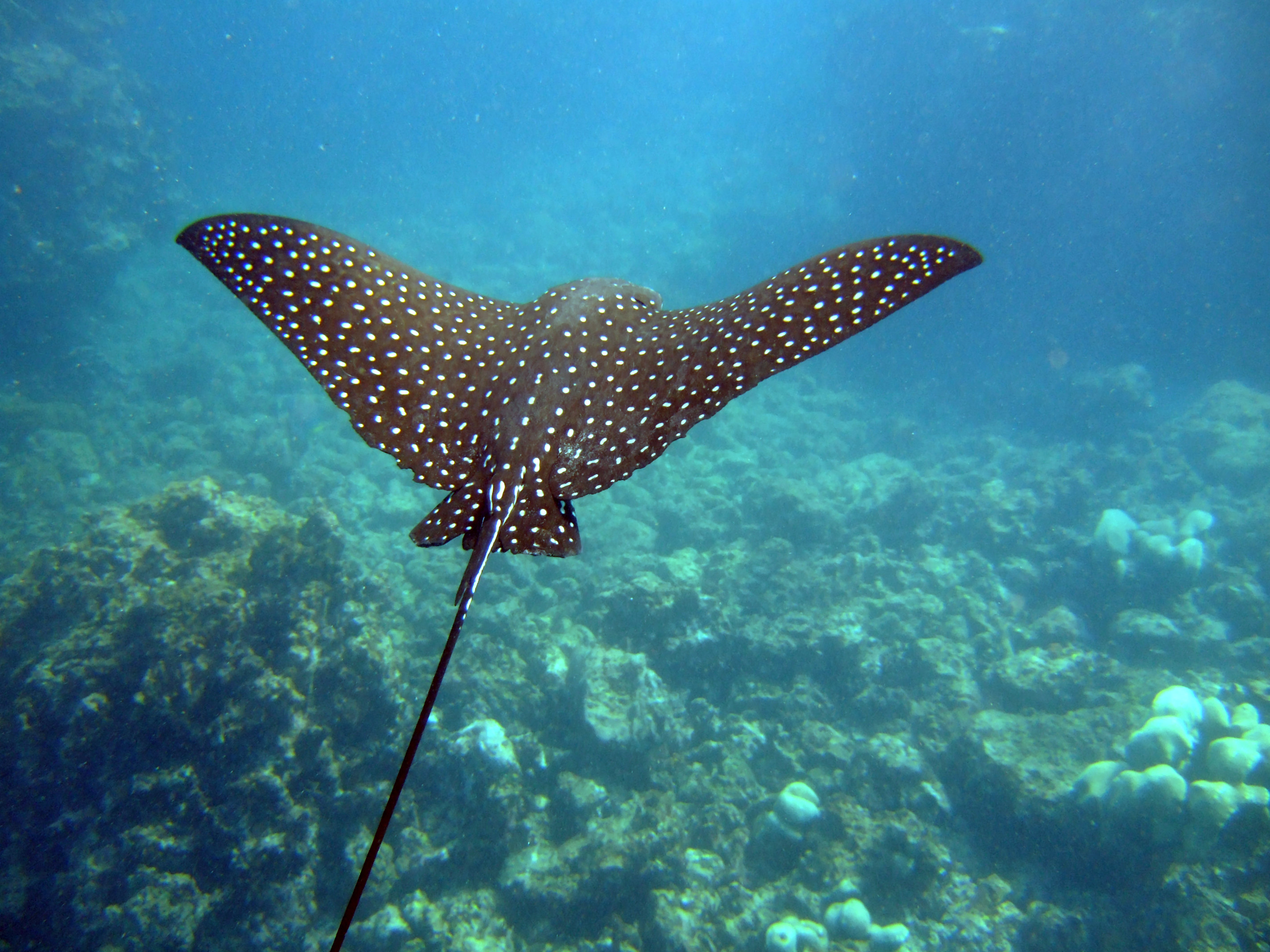 Eagle rayEagle rayReported here · unconfirmed
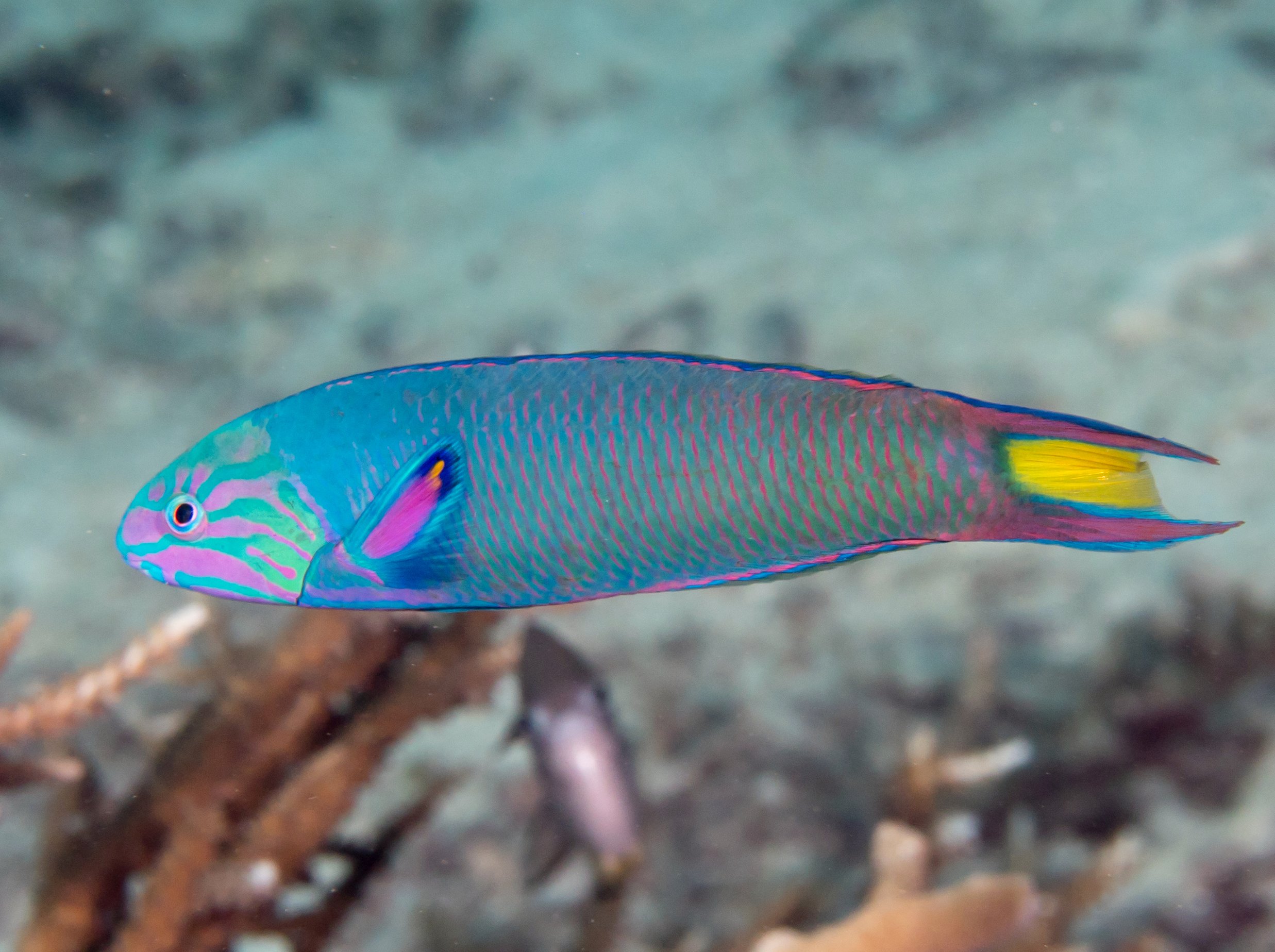 WrasseWrasseReported here · unconfirmed
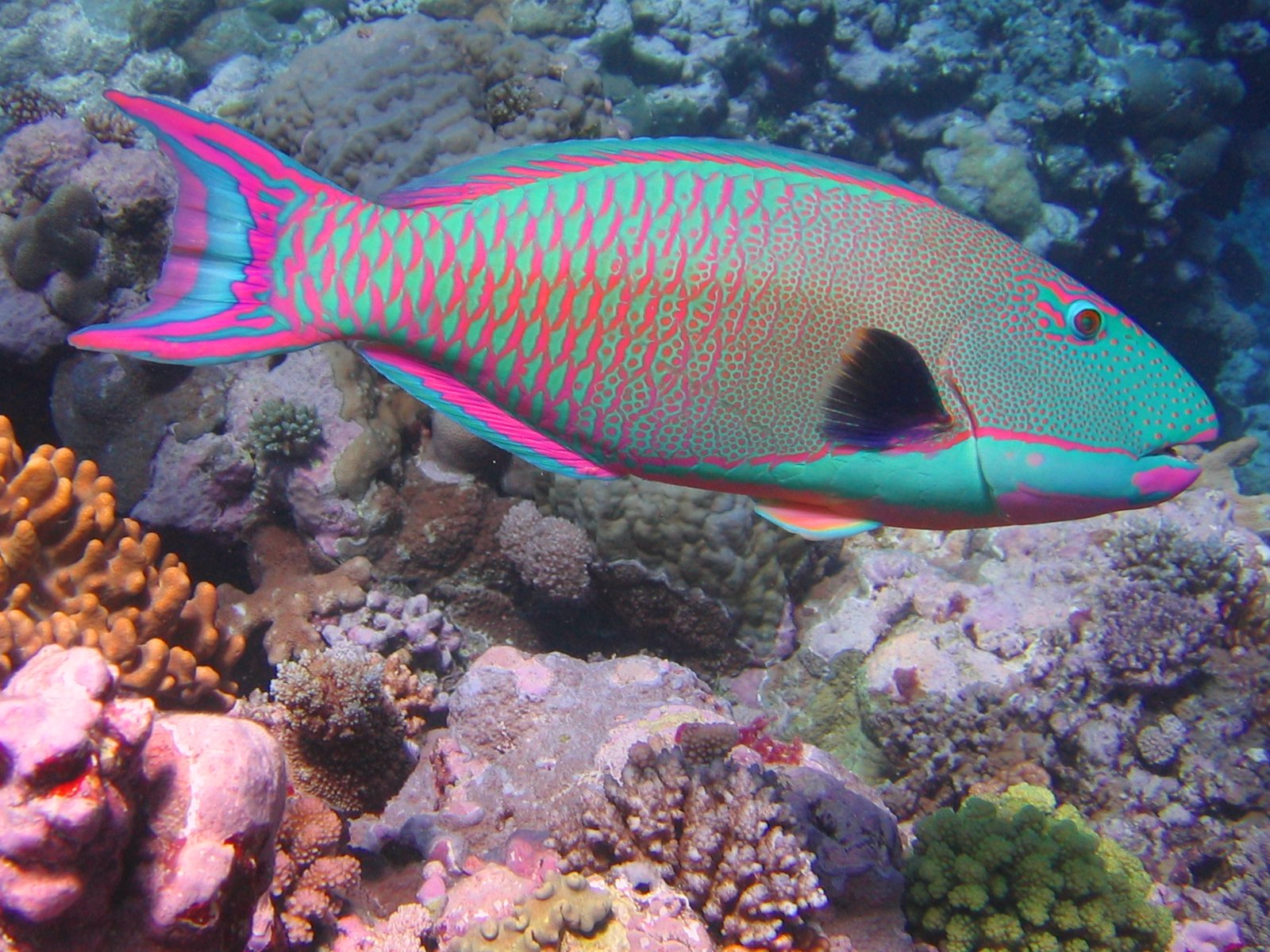 ParrotfishParrotfishConfirmed present · 2 independent sources
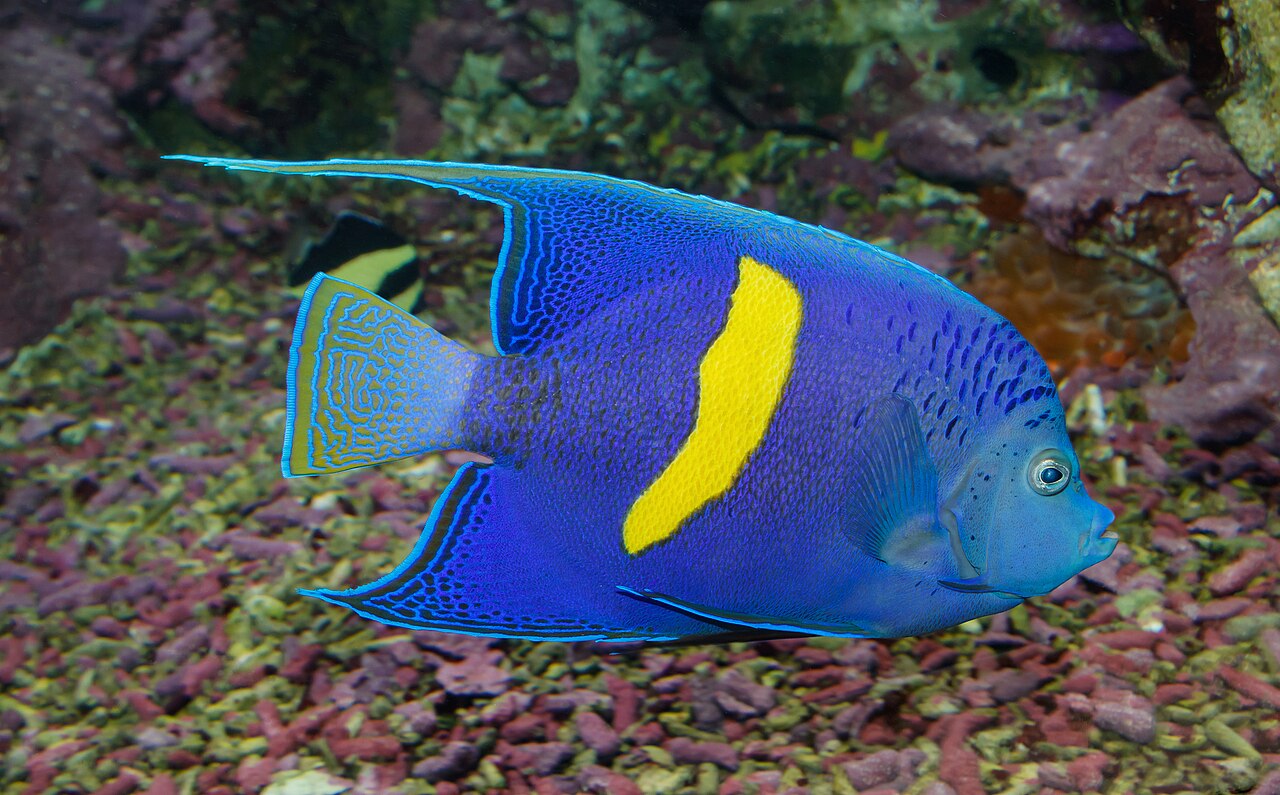 AngelfishAngelfishConfirmed present · 2 independent sources
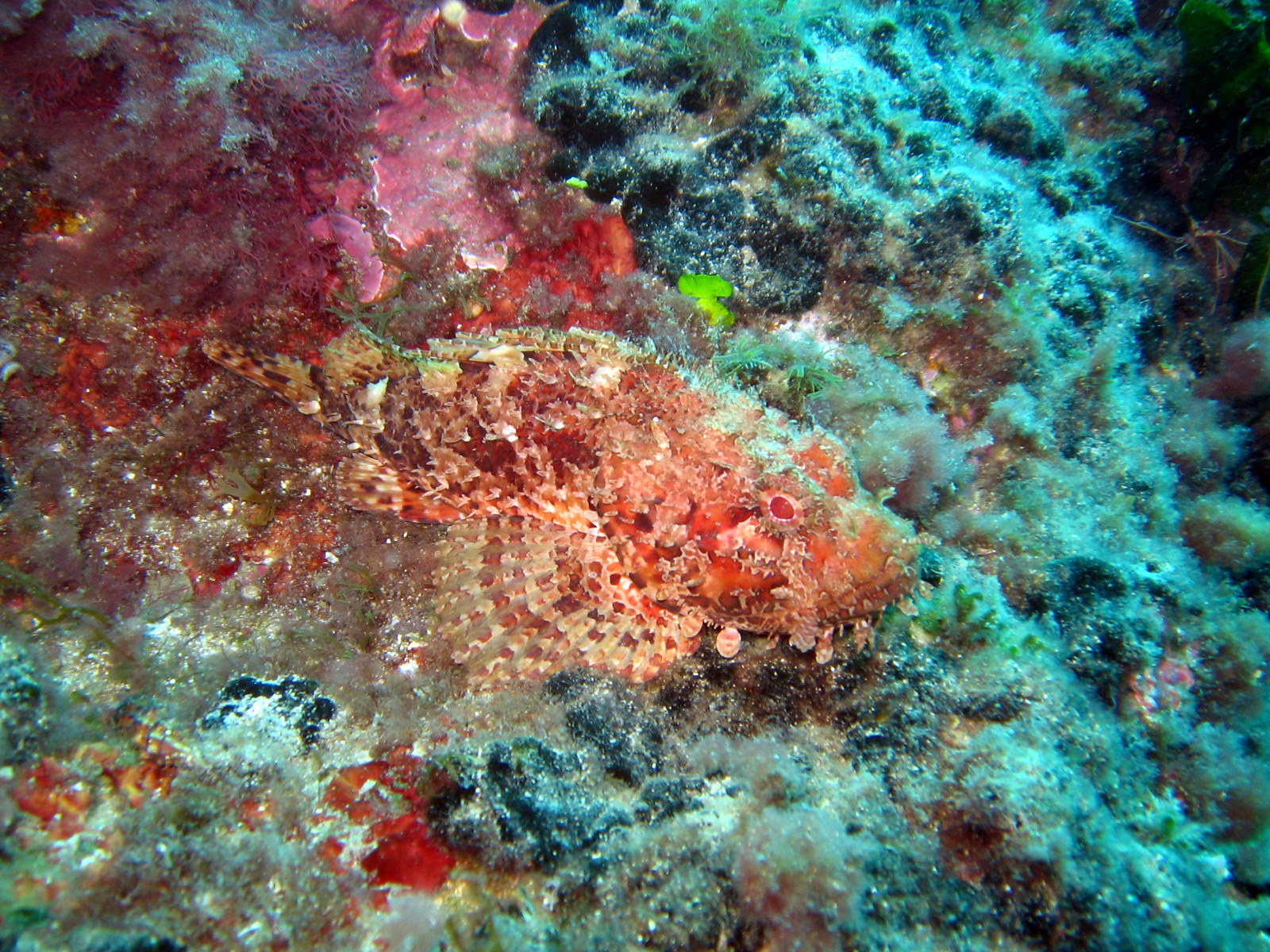 ScorpionfishScorpionfishReported here · unconfirmed
Durable tips from divers — access, hazards, marine life, facilities. For day-of conditions, use the report tool in the conditions card above.
No notes yet. Dived here? Be the first to leave a tip.
Share a write-up or a photo. Submissions are reviewed before they appear on the page.
Nearby dive sites
Shops that dive here
No shops have listed this site yet.