Gato Island
Conditions & tides
Scored by DiveConnect's site-physics model
Marine forecast via Copernicus Marine. Score is a rule-based guide from swell/wind vs. the site's exposure — always dive your own assessment.
Dived here today? How were conditions vs. what we showed?
About this site
Gato Island is a dive site located roughly one hour by boat from Malapascua, in the Philippines, reached on dedicated day trips that typically include two dives and lunch. The island is a marine protected area and is well known for its soft coral coverage — fields of purple and dusty rose soft corals coat the reef — alongside wall and reef terrain that supports both wide-angle and macro subjects. Maximum depth reaches around 23 m (75 ft), with shallower sections around 17 m (56 ft), making it accessible to beginners.
The signature feature is a tunnel roughly 20 m (65 ft) long, with its entrance at 5 m (16 ft) depth and exit at 10 m (32 ft); both ends remain visible throughout the swim-through, so no overhead-environment certification is required, though good buoyancy control is important to avoid silting up the passage for divers behind you. White-tip reef sharks are frequently found sleeping inside the tunnel. Beyond the tunnel, the reef extends to around 23 m (75 ft) and offers a mix of terrain suitable for both close-up and open-reef diving.
Gato Island is a breeding ground for the sea krait (banded sea snake), and encounters are common — treat them with care and distance. Other species recorded at the site include cat sharks, bamboo sharks, white-tip reef sharks, pygmy seahorses, seahorses, nudibranchs, stonefish, giant mantis shrimp, squid, electric clams, and shrimps. The best season runs from January through May.
Read the full guideShow less
Entry is by boat, with the crossing taking approximately one to one and a half hours depending on sea conditions, which can be choppy. Water temperature ranges from 26–30 °C (79–86 °F). Current is generally light, though a stronger current may push divers into a drift dive; calmer conditions allow more time to work the macro life. When current is mild, dive time runs roughly 30–50 minutes. A torch or dive light is essential if entering the cave or tunnel section.
Marine life here
Confirmed by our research team, reported by independent divers, or observed nearby via iNaturalist — each entry is labelled with its source.
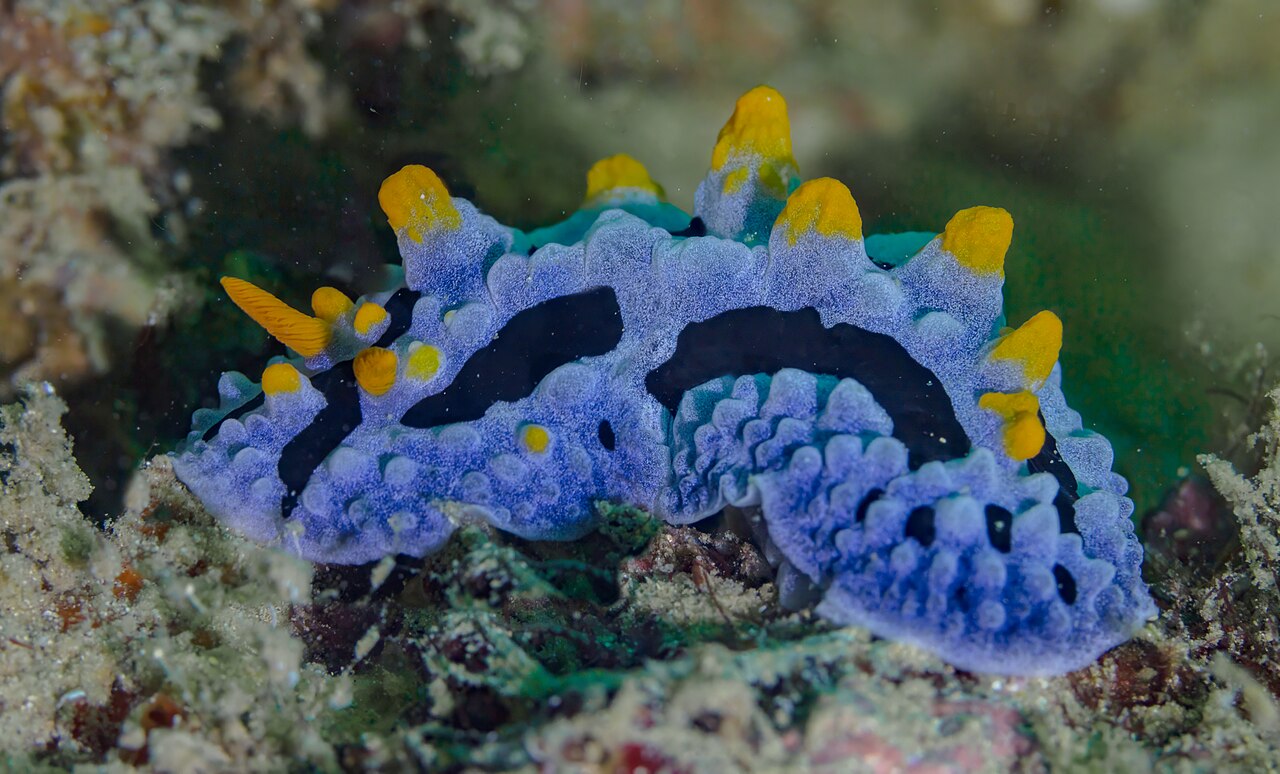 Sky Blue PhyllidiaPhyllidia coelestisReported here · unconfirmed
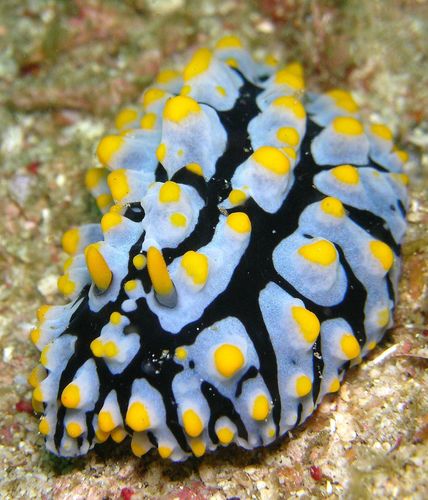 Varicose Wart SlugPhyllidia varicosaReported here · unconfirmed
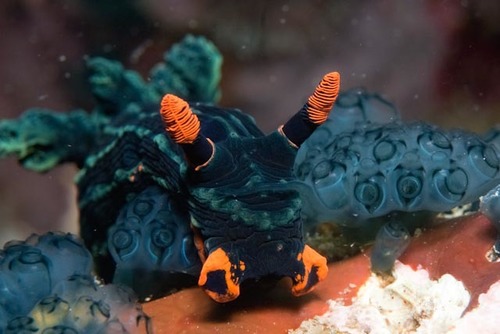 Dusky NembrothaNembrotha kubaryanaReported here · unconfirmed
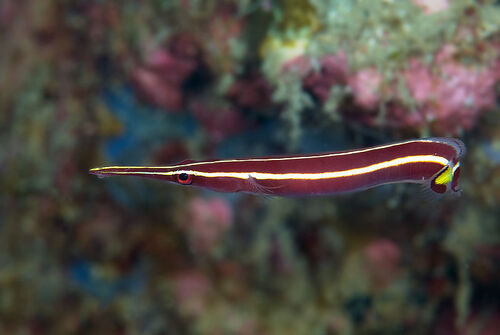 Striped ClingfishDiademichthys lineatusReported here · unconfirmed
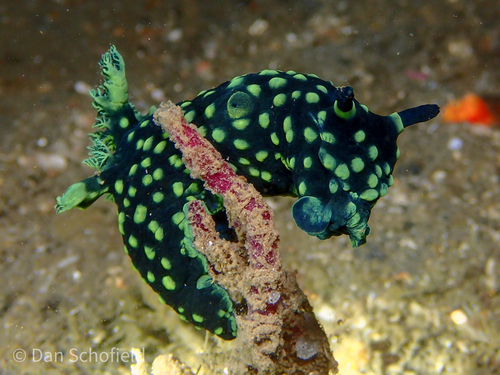 Crested NembrothaNembrotha cristataReported here · unconfirmed
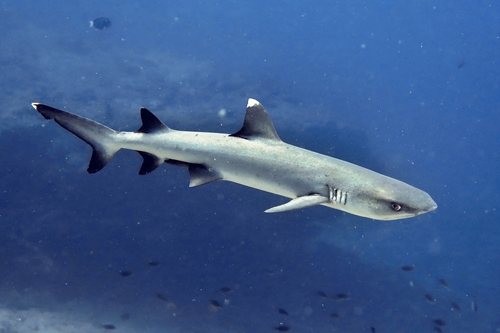 Whitetip Reef SharkTriaenodon obesusReported here · unconfirmed
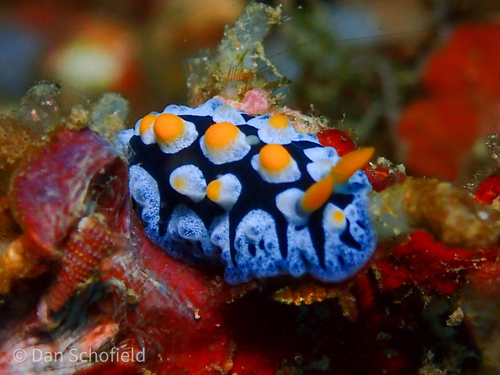 Painted PhyllidiaPhyllidia pictaReported here · unconfirmed
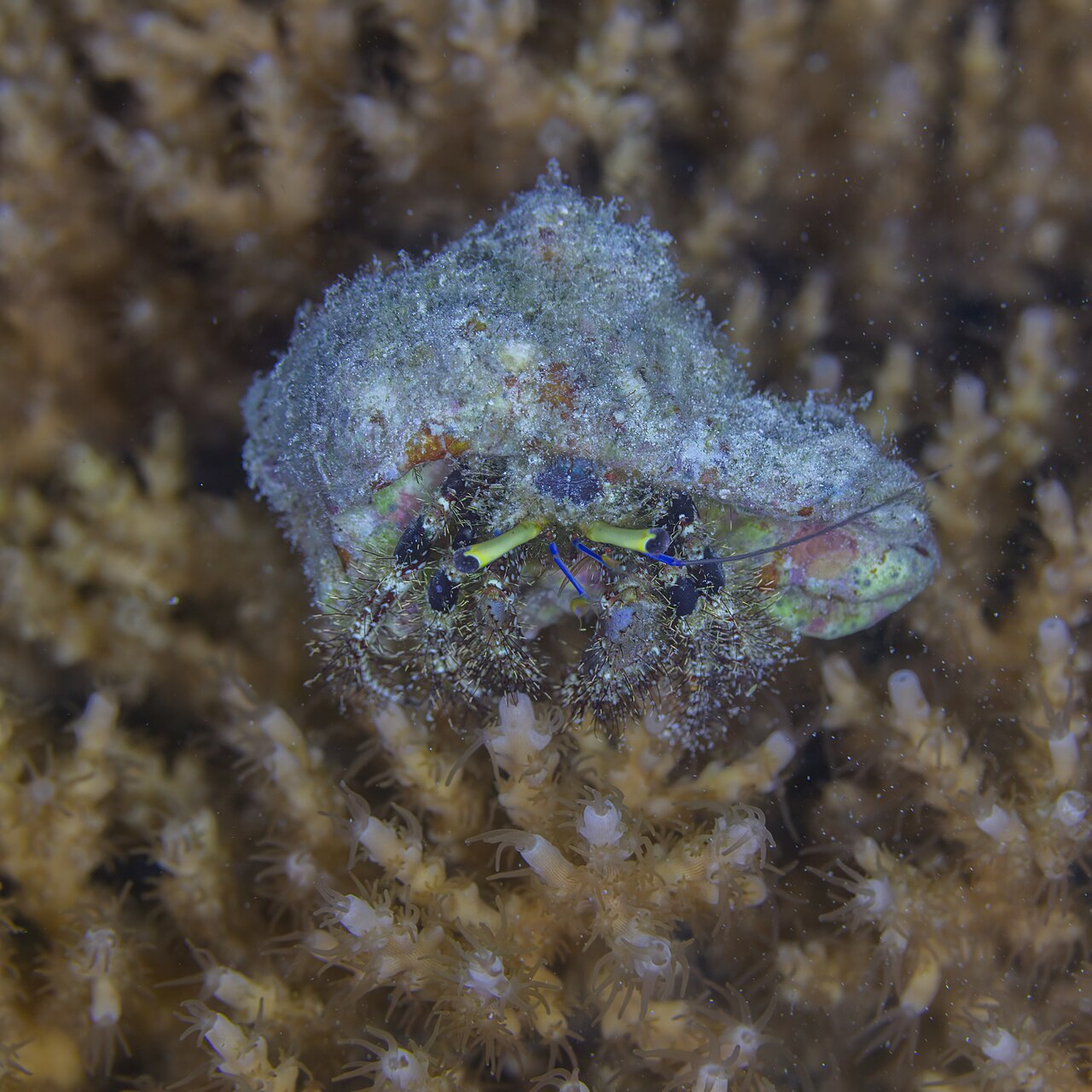 Hairy Red Hermit CrabDardanus lagopodesReported here · unconfirmed
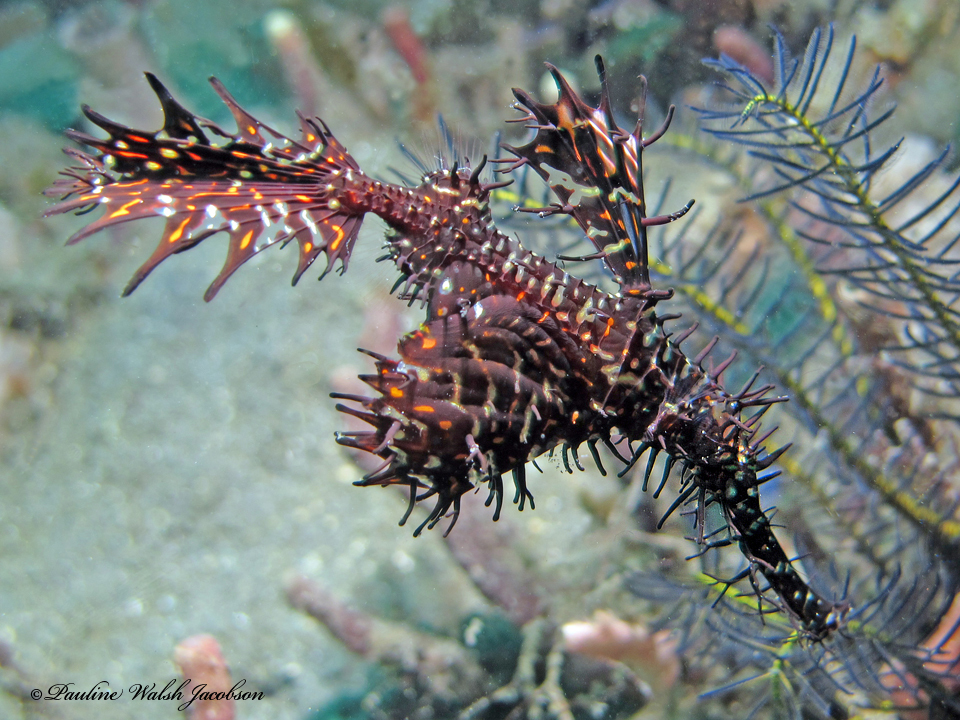 Ornate GhostpipefishSolenostomus paradoxusReported here · unconfirmed
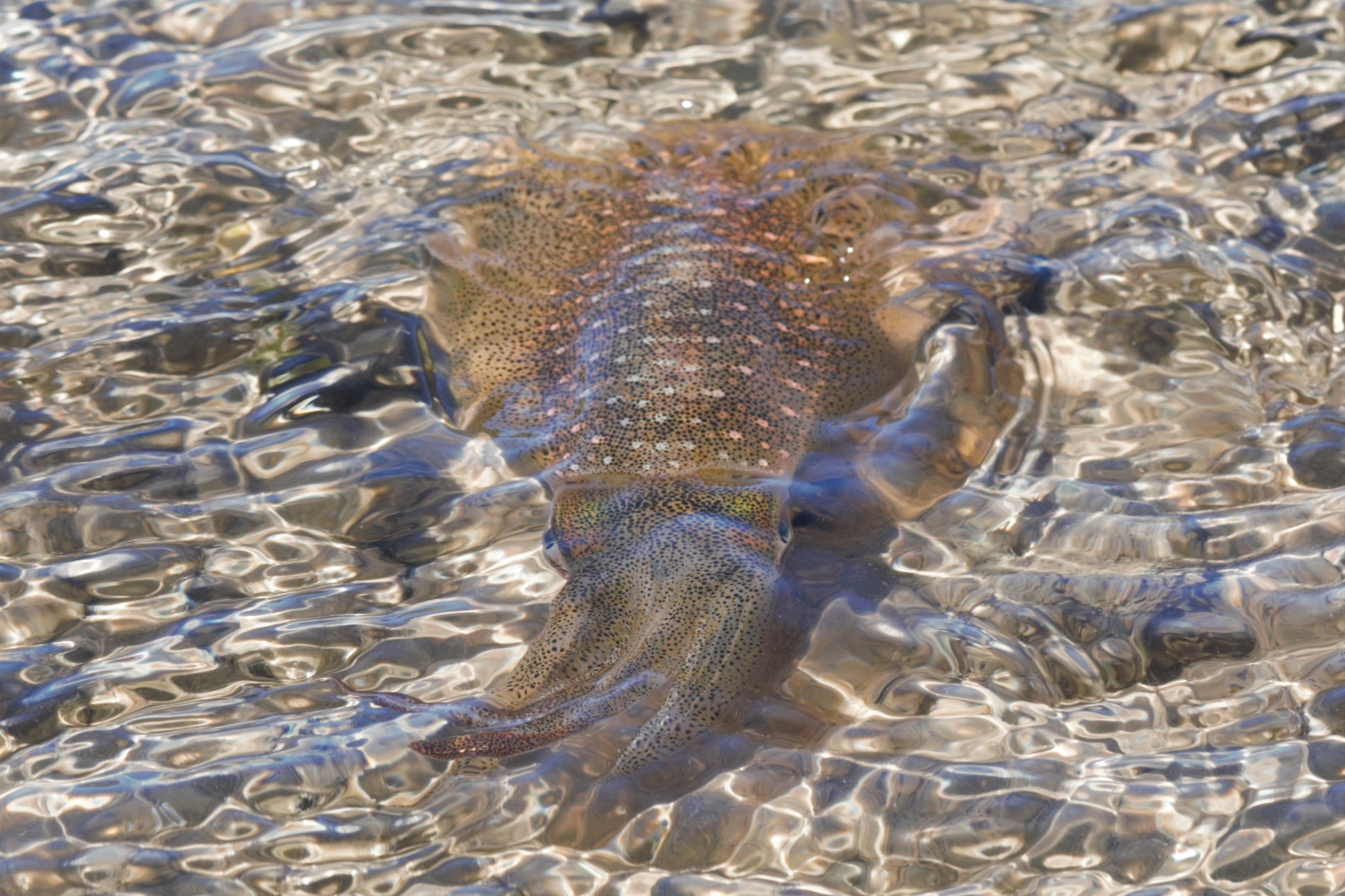 SquidSquidReported here · unconfirmed
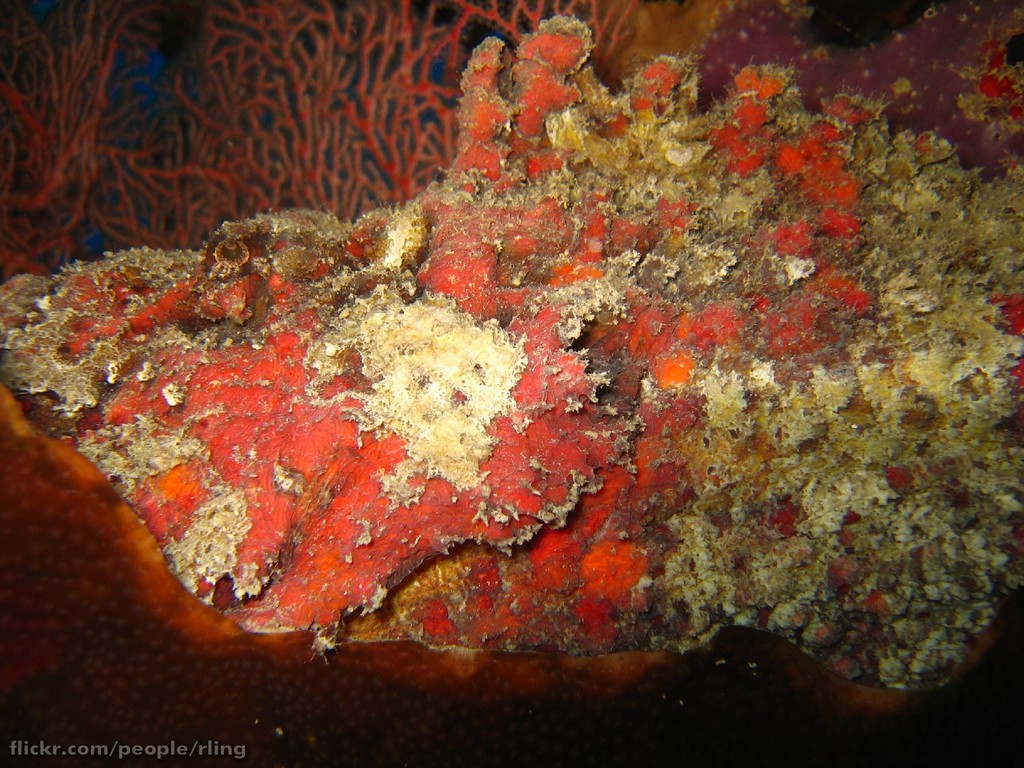 StonefishStonefishReported here · unconfirmed
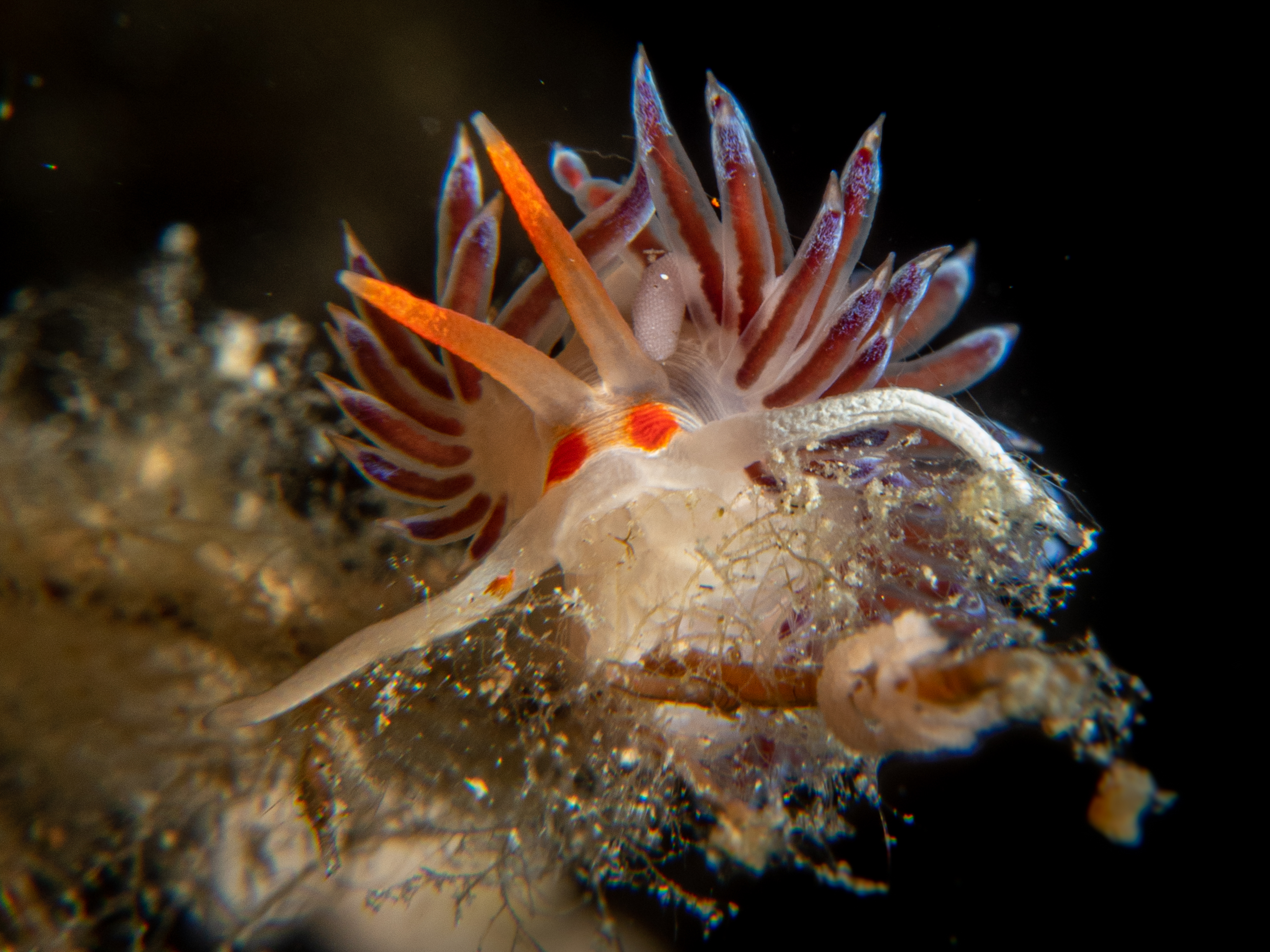 NudibranchNudibranchConfirmed present · 6 independent sources
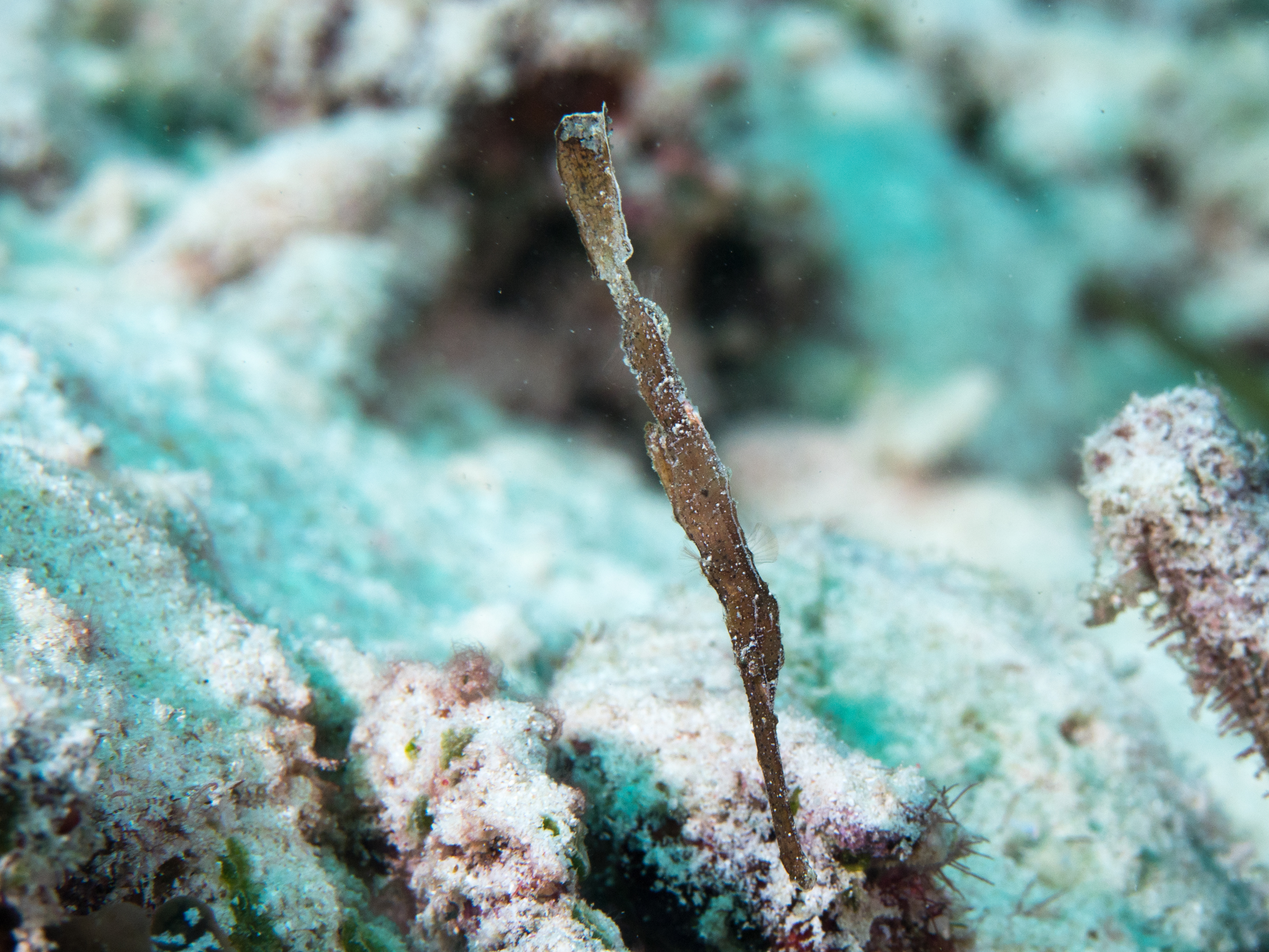 Ghost pipefishGhost pipefishReported here · unconfirmed
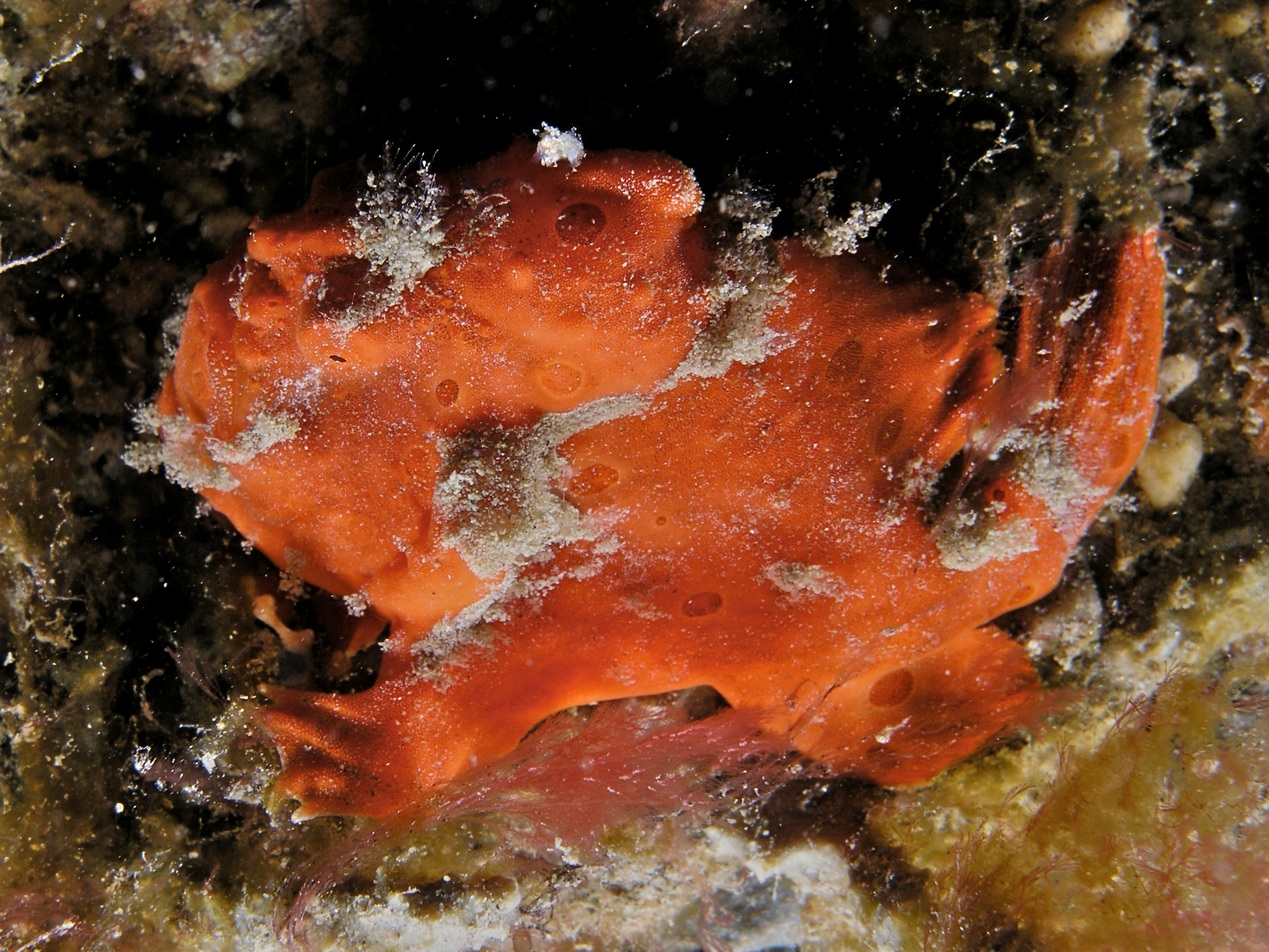 FrogfishFrogfishReported here · unconfirmed
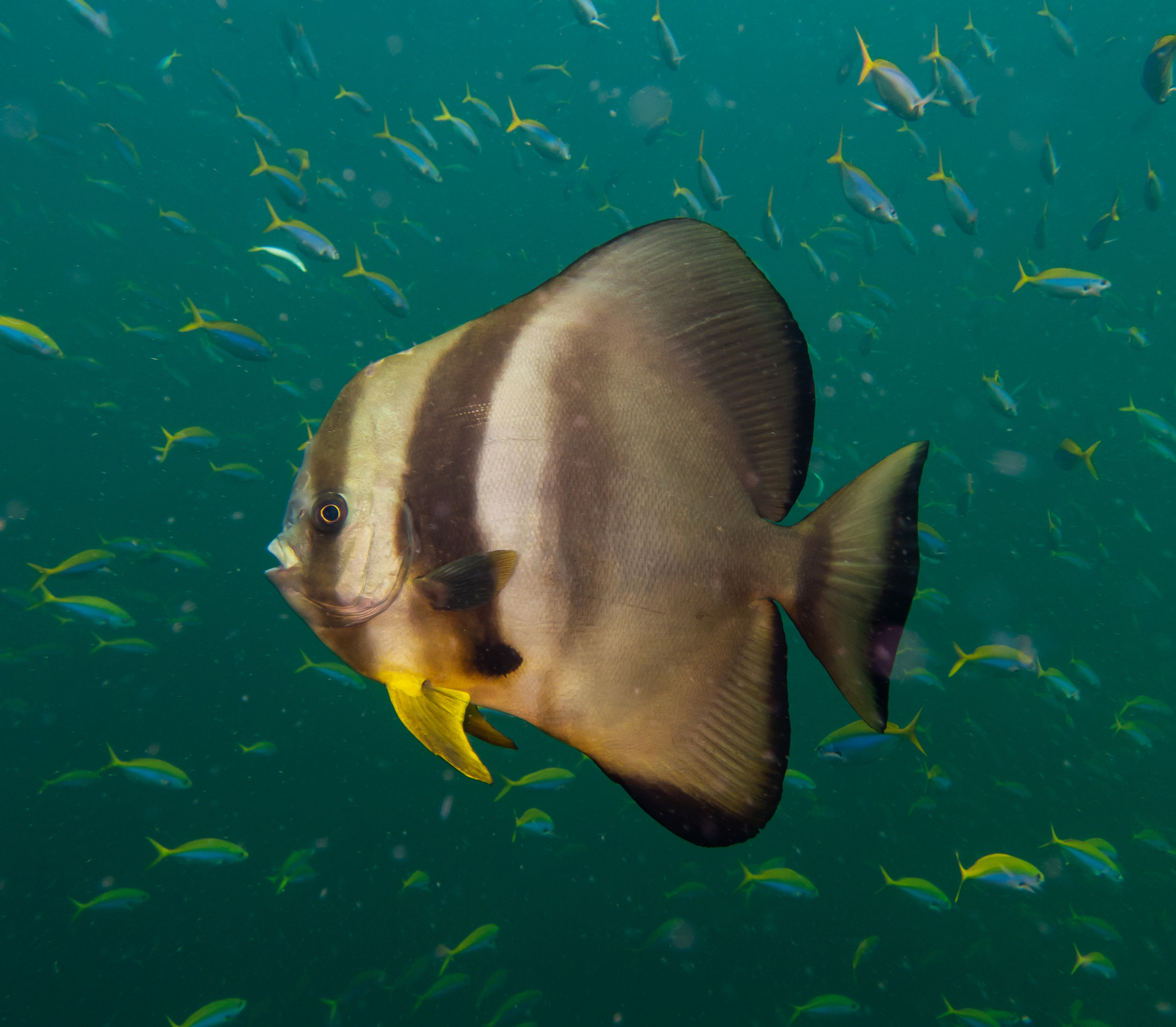 BatfishBatfishReported here · unconfirmed
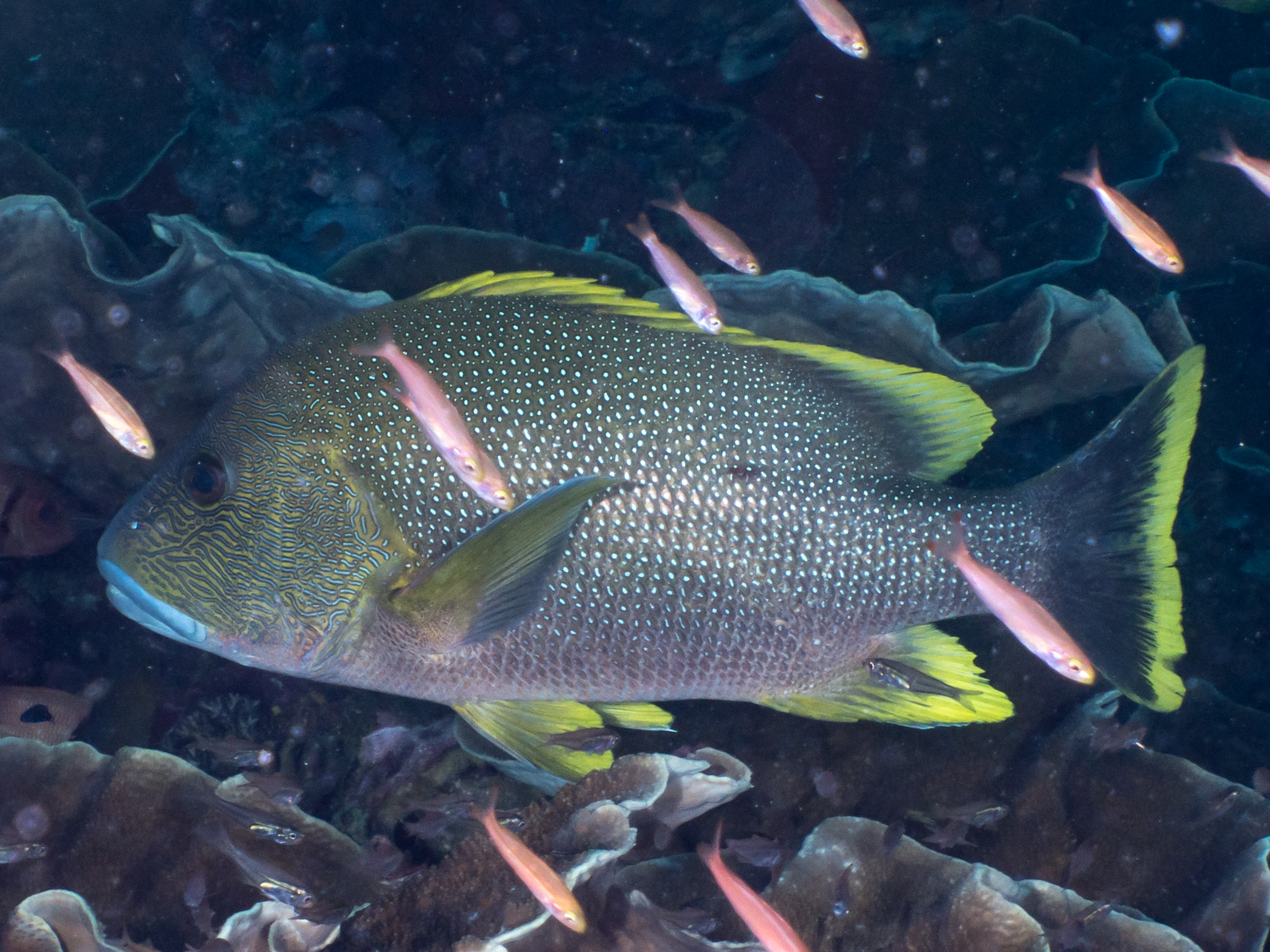 SnapperSnapperReported here · unconfirmed
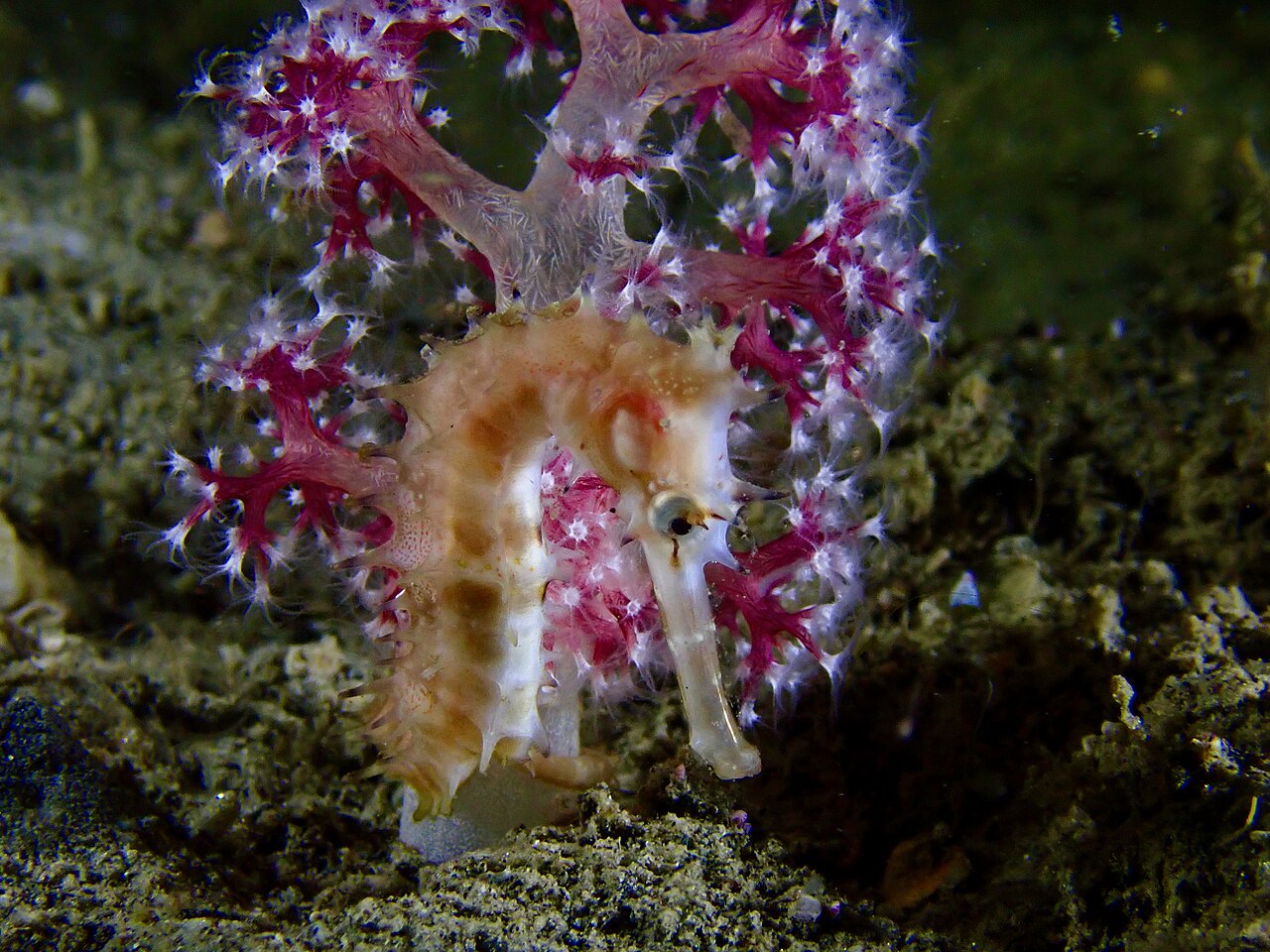 SeahorseSeahorseConfirmed present · 3 independent sources
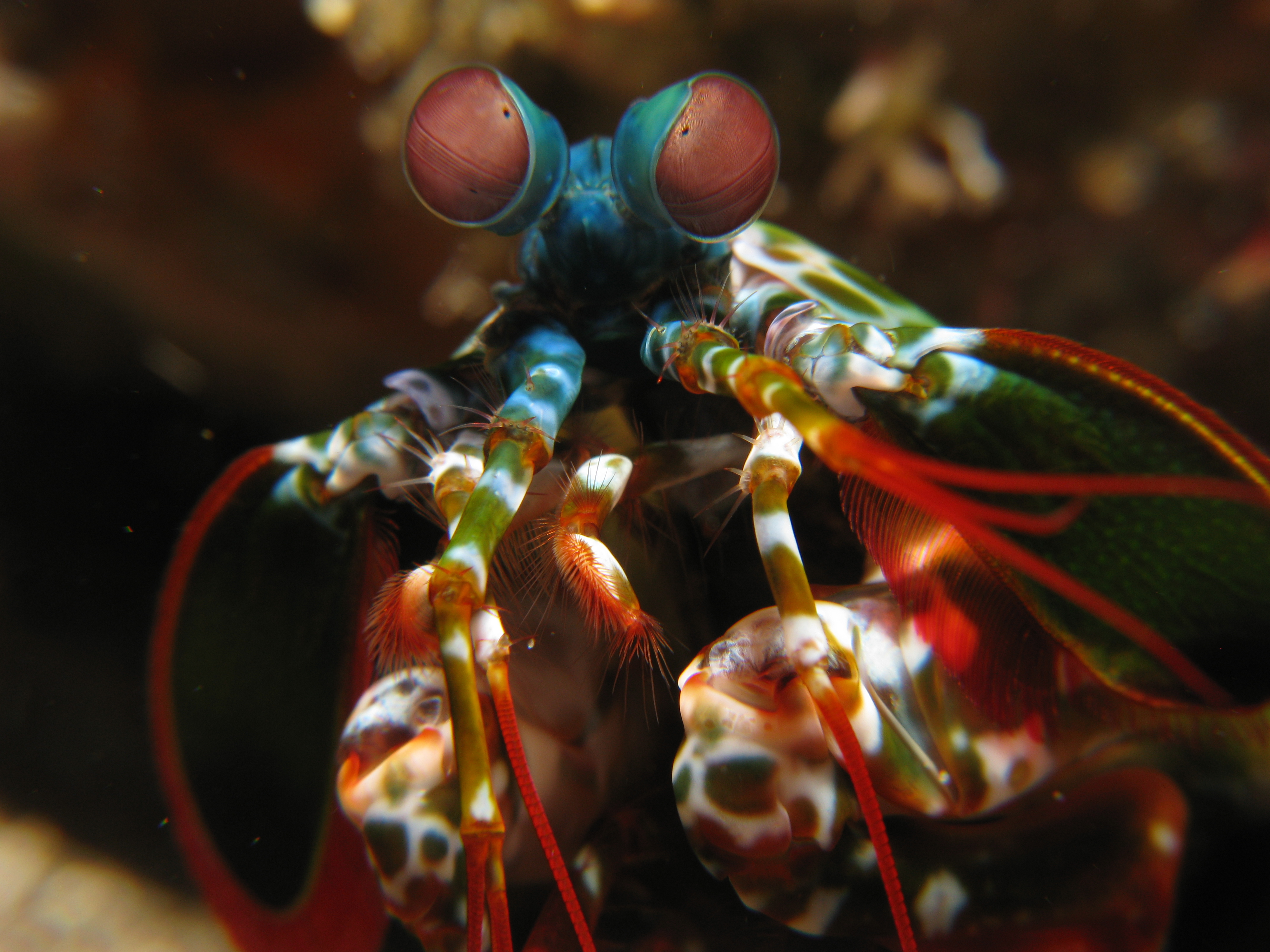 Mantis shrimpMantis shrimpReported here · unconfirmed
Durable tips from divers — access, hazards, marine life, facilities. For day-of conditions, use the report tool in the conditions card above.
No notes yet. Dived here? Be the first to leave a tip.
Share a write-up or a photo. Submissions are reviewed before they appear on the page.
Nearby dive sites
Shops that dive here
No shops have listed this site yet.